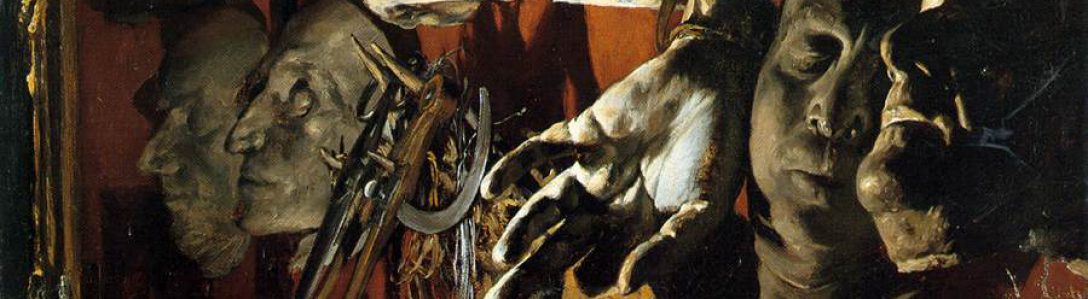
Imitators of original authors might be compared to plaster casts of marble statues, or the imitative book to a cast of the original marble.
For a child’s story,–the voyage of a little boat made of a chip, with a birch-bark sail, down a river.
Fourier states that, in the progress of the world, the ocean is to lose its saltness, and acquire the taste of a peculiarly flavored lemonade.
How pleasant it is to see a human countenance which cannot be insincere,–in reference to baby’s smile.
The best of us being unfit to die, what an inexpressible absurdity to put the worst to death!
“Is that a burden of sunshine on Apollo’s back?” asked one of the children,–of the chlamys on our Apollo Belvedere.
Six Notes from Nathaniel Hawthorne’s Note-Books

 Biblioklept
While I think Hawthorne hits the nail on the head with his comment on imitators, I can’t help but think that he himself is an imitator of his female contemporaries (Austen, Bronte). His work doesn’t strike me as particularly original, and his use of moral allegory seems derivative to Austen’s use of social satire.
LikeLike