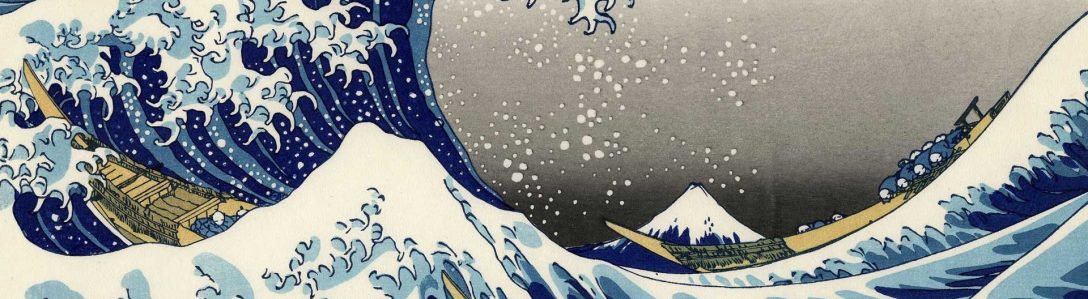
He dreamed of a race at the poles who rode on sleds of walrus hide and rucked up horn and ivory all drawn by dogs and bristling with lances and harpoon spears, the hunters shrouded in fur, slow caravans against the late noon winter sunset, against the rim of the world, whispering over the blue snow with their sledloads of piled meat and skins and viscera. Small bloodstained hunters drifting like spores above the frozen chlorine void, from flower to flower of bright vermilion gore across the vast boreal plain.
A feverdream from late in Cormac McCarthy’s novel Suttree. Finished the book again this afternoon, via an Michael Kramer’s audiobook—and lots of rereading. I’ve read the last 20 or so pages three times now, and have some thoughts that may coalesce into a riff around the book’s ending (Does Suttree die?).
Last time I wrote at length about Suttree, I focused on how McCarthy synthesizes so much of literature—particularly American lit—in this novel. The passage above is just one minute but shining detail in a baroque masterpiece bristling with such moments. And while it taps into a sort of primeval American past, it also seems to point outward—maybe to McCarthy’s next novel, Blood Meridian, but also to, I don’t know, William Vollmann’s novel The Rifles.

 Biblioklept