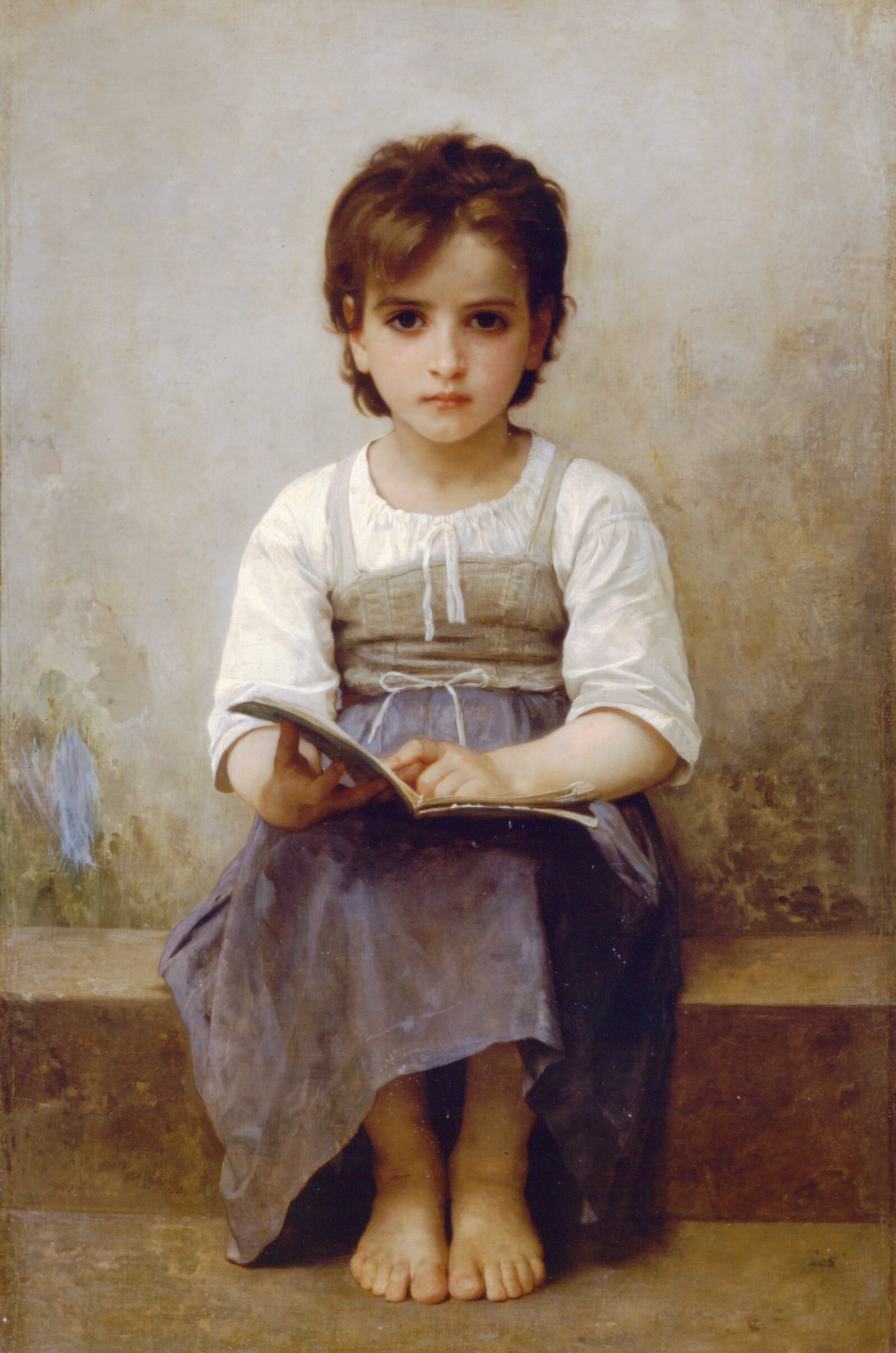
One reads for oneself and for strangers (Harold Bloom)

The terms “power” and “authority” have pragmatically opposed meanings in the realms of politics and what we still ought to call “imaginative literature.” If we have difficulty in seeing the opposition, it may be because of the intermediate realm that calls itself “spiritual.” Spiritual power and spiritual authority notoriously shade over into both politics and poetry. Thus we must distinguish the aesthetic power and authority of the Western Canon from whatever spiritual, political, or even moral consequences it may have fostered. Although reading, writing, and teaching are necessarily social acts, even teaching has its solitary aspect, a solitude only the two could share, in Wallace Stevens’s language. Gertrude Stein maintained that one wrote for oneself and for strangers, a superb recognition that I would extend into a parallel apothegm: one reads for oneself and for strangers. The Western Canon does not exist in order to augment preexisting societal elites. It is there to be read by you and by strangers, so that you and those you will never meet can encounter authentic aesthetic power and the authority of what Baudelaire (and Erich Auerbach after him) called “aesthetic dignity.” One of the ineluctable stigmata of the canonical is aesthetic dignity, which is not to be hired.

From The Western Canon by Harold Bloom.

The Pagans — Oskar Kokoschka

Avant-gardes are fragile affairs (William H. Gass)

Avant-gardes are fragile affairs. The moment they become established, they cease to be – success as well as failure finishes them off. Their unity depends upon a common “no,” not on some “yes” that is jointly loved. And insofar as the movement moves at all, it requires the shoulders of many others at its wheels, support which most of the artists suspect is actually their exploitation. Poems must be written, paintings must be painted, but mere coffeehouse talk is not irrelevant to the success of the cause, nor are letters, broadsides, feuilletons, essays, reviews, catalogue copy, the quarrels of the cafés and the slanders of the salons; nor are tumults in the stalls, outrages of public decency, arrests, or other excursions and alarms.


Every effort to prolong an avant-garde beyond a certain point becomes of doubtful value, because an avant-garde can have but a mayfly’s life: the artists have only their negations to chorus; both their attitudes and their art will alter as they age; society’s methods of co-optation and disarmament will, in general, be effective; their anger will be softened by success and their aims divided, their attention distracted; the institutions set up by most Establishments, even if assaulted, will take longer dying than most avant-gardes can expect to live; while the strength of the support groups, so necessary to the energy of any movement, are even more fragile and momentary, depending, as they do, on the loyalty of a publisher, the generosity of a patron, the length of a love life, the cuisine of a café.

From William H. Gass’s essay “The Vicissitudes of the Avant-Garde.”

The Hard Lesson — William-Adolphe Bouguereau

IMG_4969