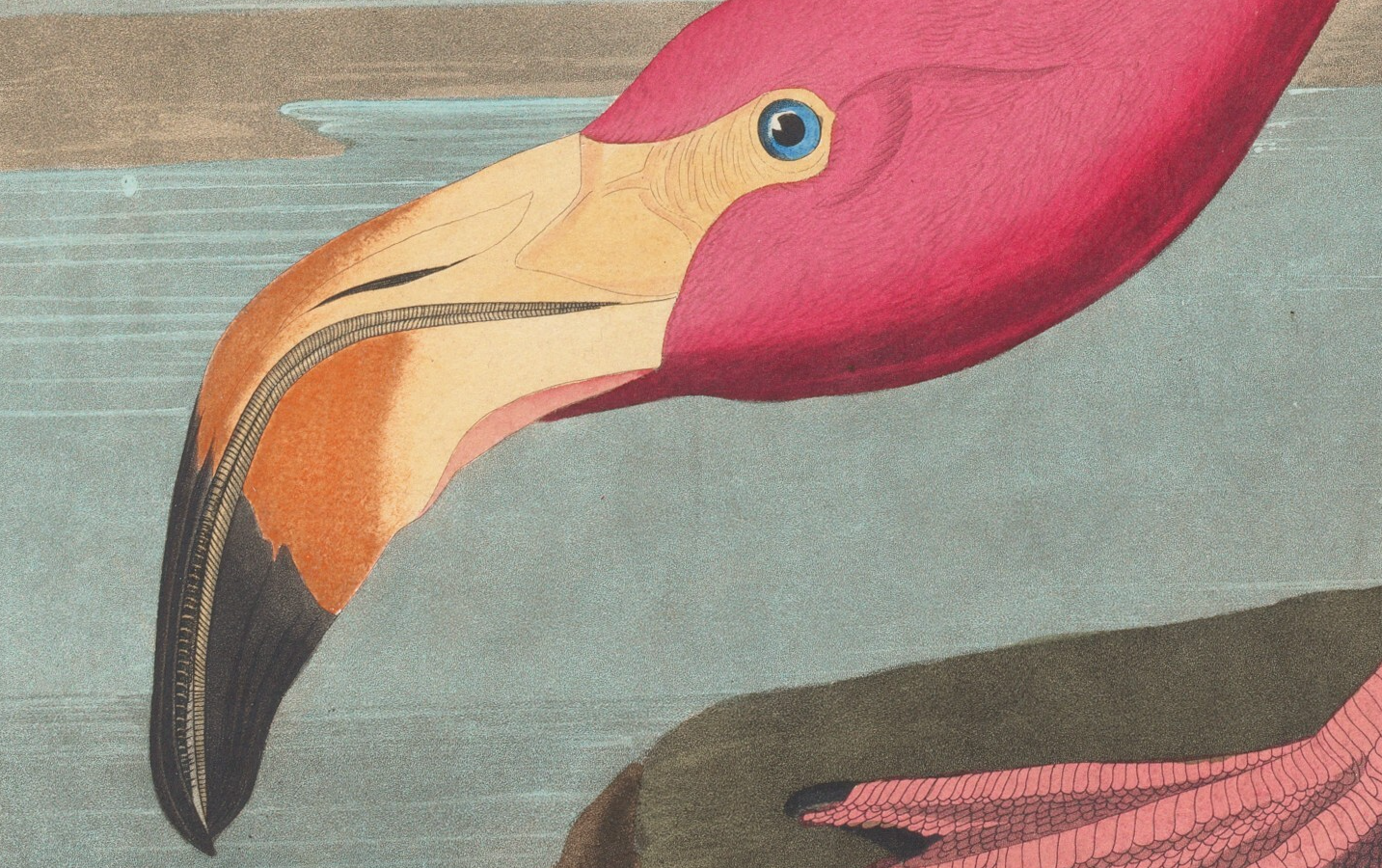
American Flamingo (detail), 1838 by John James Audubon (1785-1851)
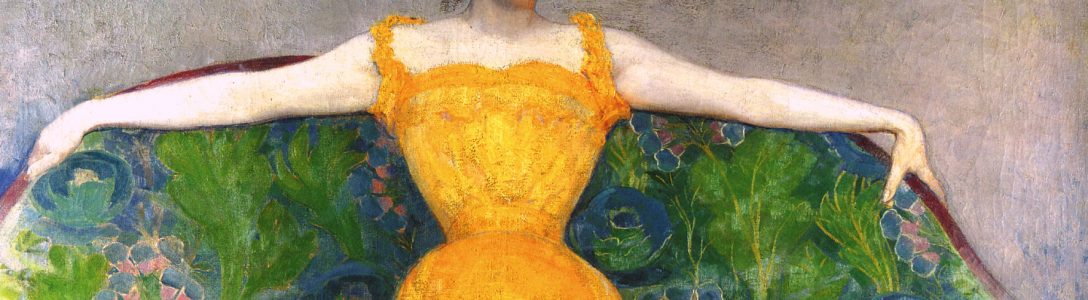
American Flamingo (detail), 1838 by John James Audubon (1785-1851)
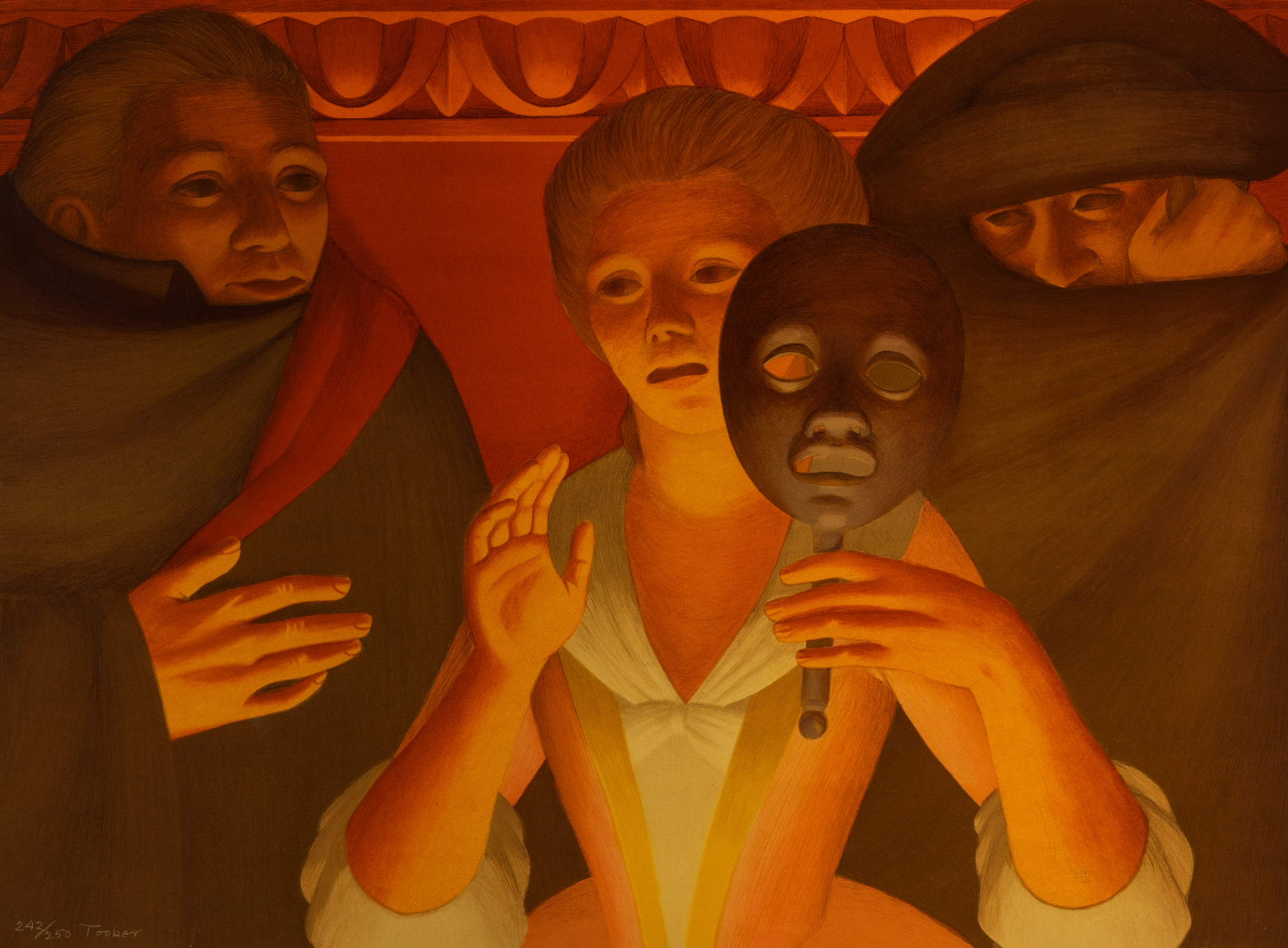
Un Ballo in Maschera (A Masked Ball), 1983 by George Tooker (1920-2011)

Self Portrait, 1650 by Dirck Helmbreker (1633-1696)
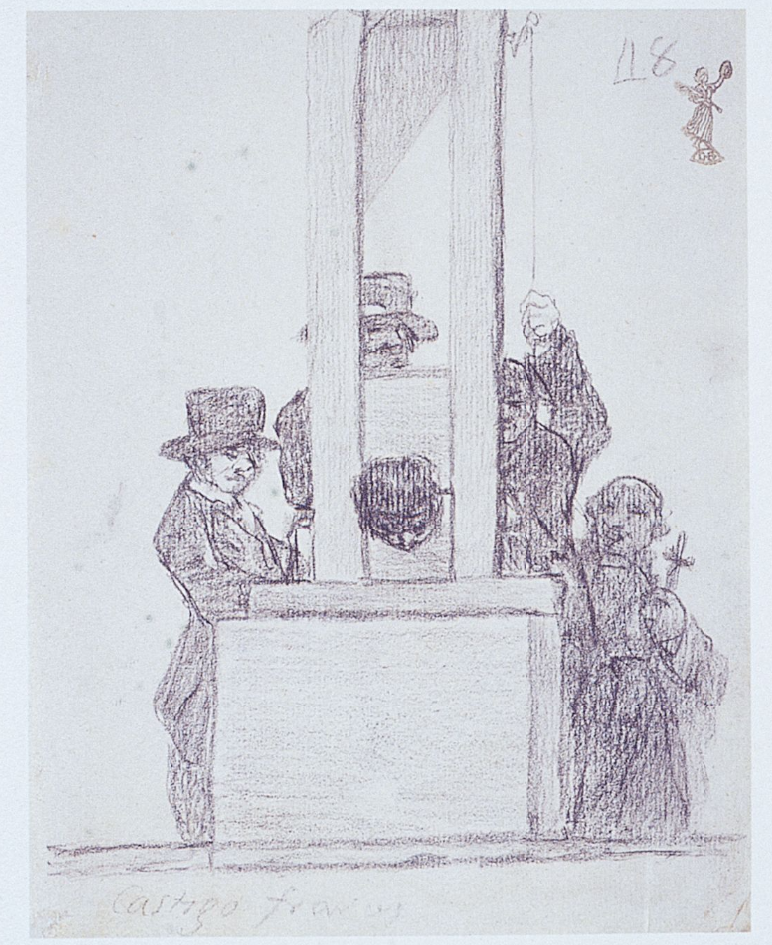
Castigo francés (French punishment), Notebook G.48 (c. 1824-1828) by Francisco Goya (1746-1828)
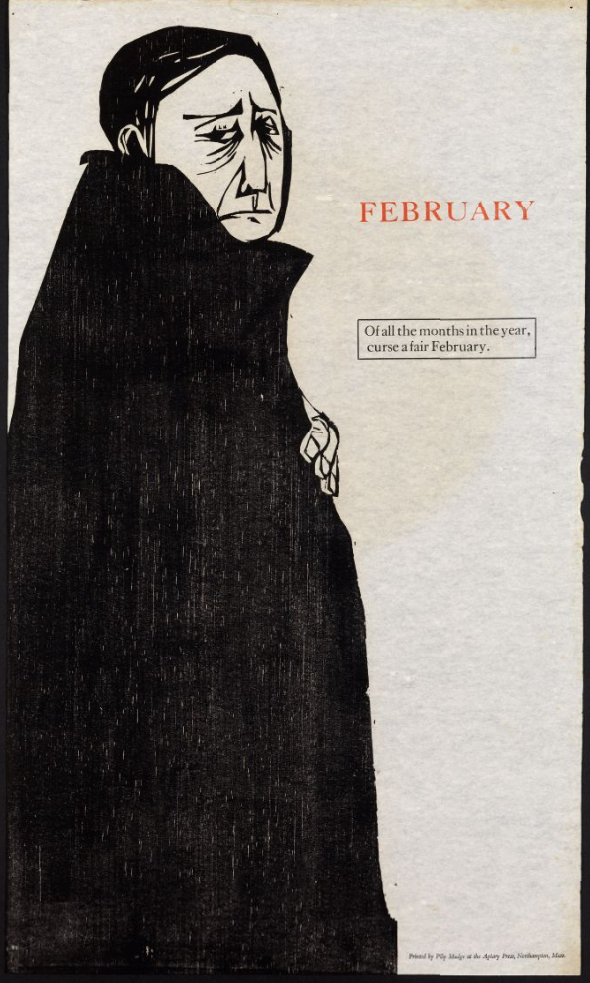
February, from the Apiary Almanac, 1960 by Polly Mudge (1938-1976)

Groundhog Day, 1959 by Andrew Wyeth (1917-2009)
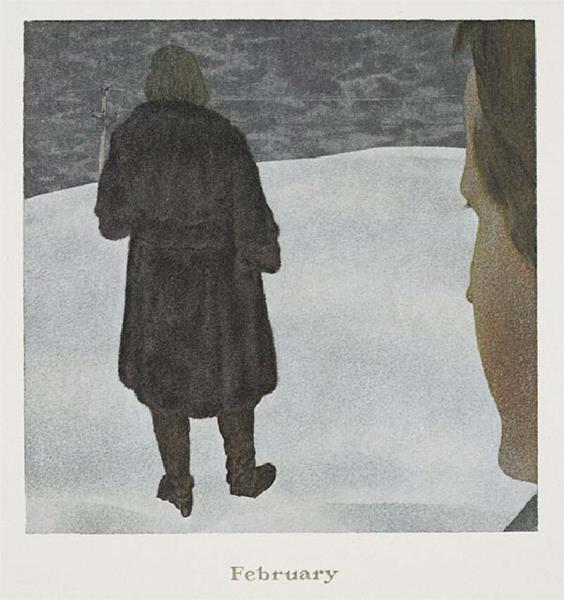
February, 1979 by Alex Colville (1920-2013)
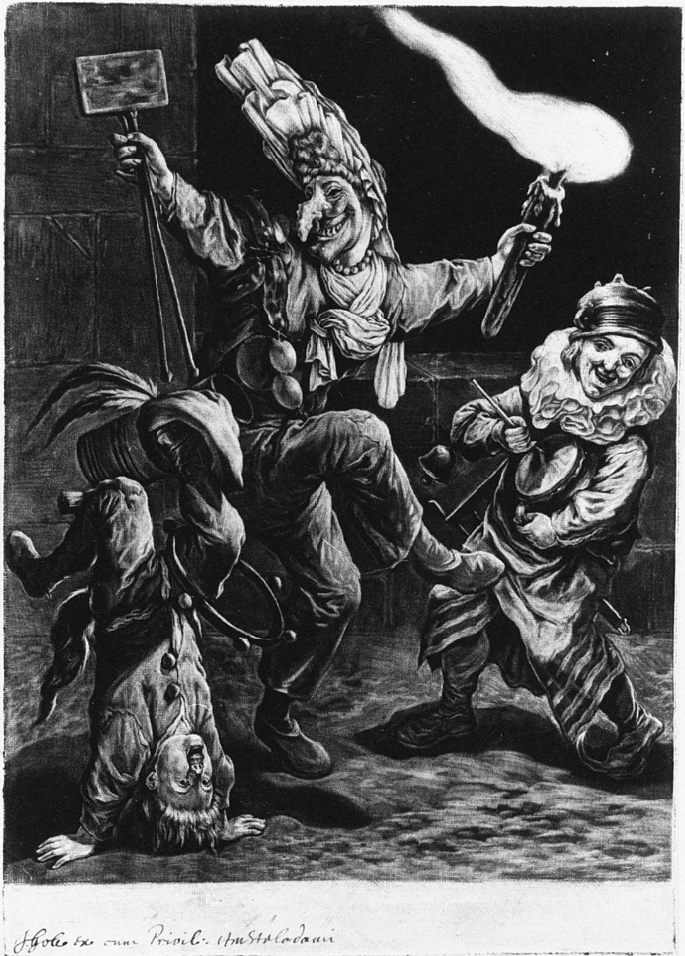
February, c. 1680s by Cornelis Dusart, 1660-1704
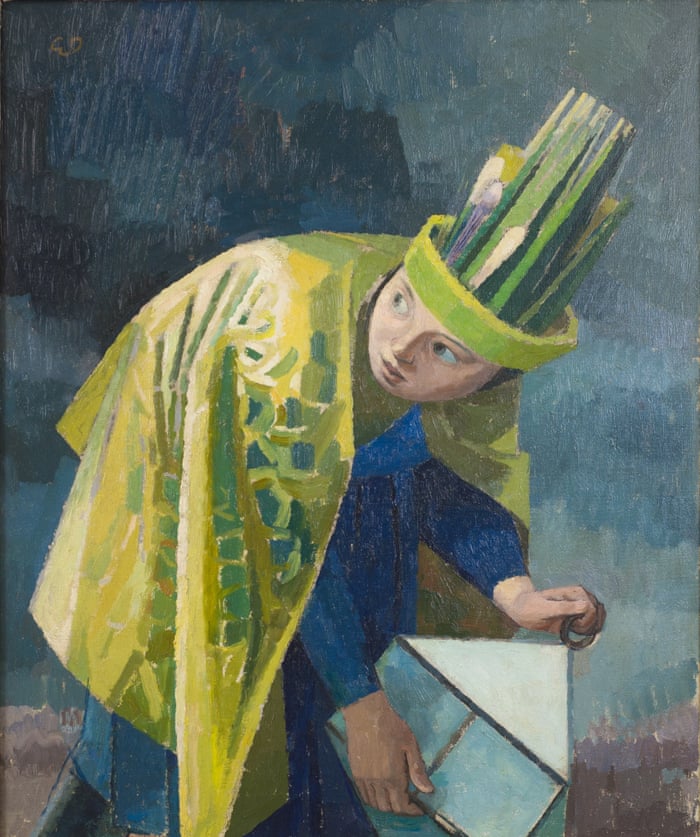
February, 1938 by Evelyn Dunbar (1906-1960)

Hotel Service, 2023 by Eric Fischl (b. 1948)

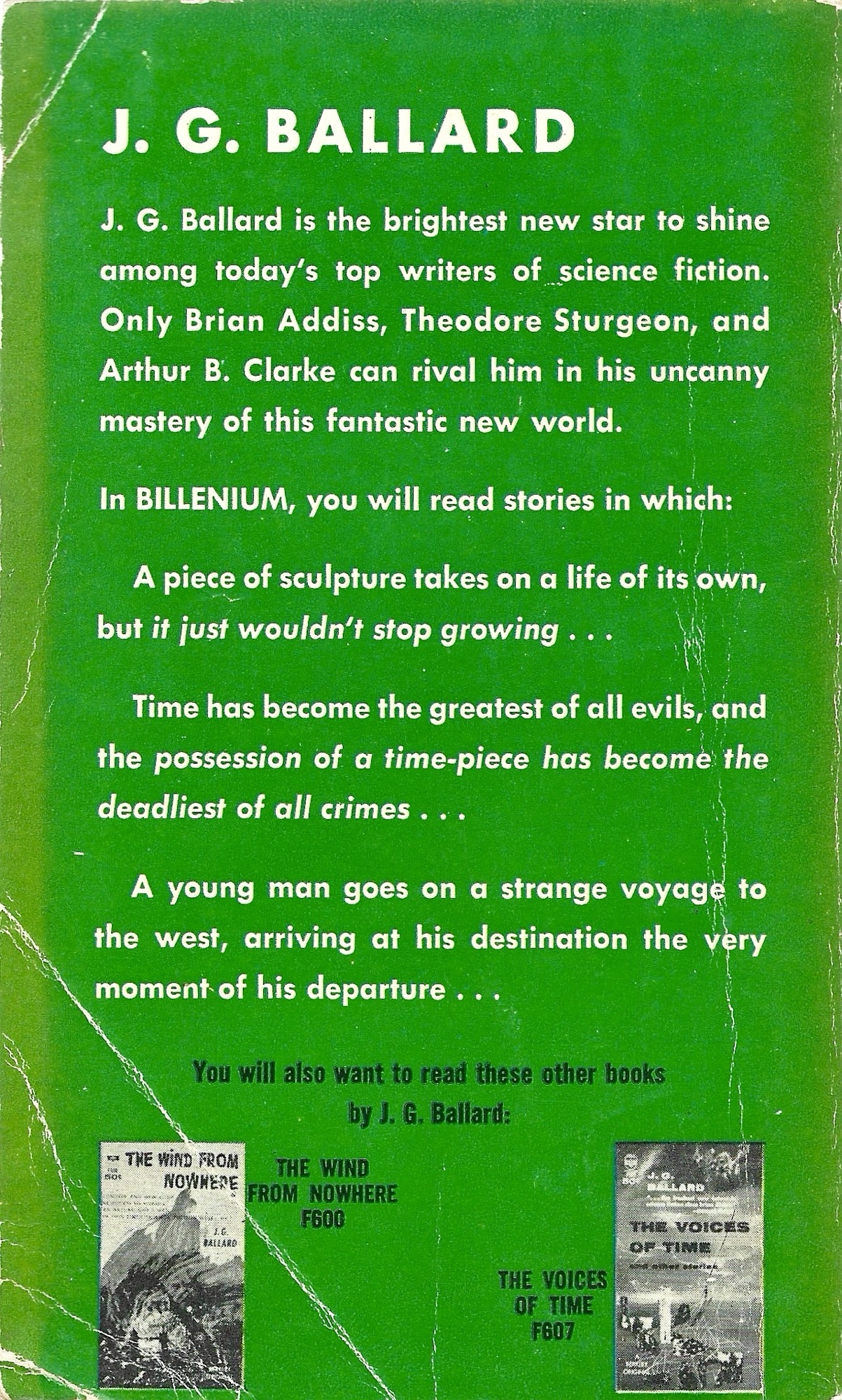
Billenium, J.G. Ballard. Berkley Medallion Books (1962). No cover designer or artist credited. 159 pages.
ISFDB credits Richard Powers as the cover artist.
Ten years ago I read The Complete Short Stories of J.G. Ballard and wrote about them on this blog. At the end of the (exhausting) project (about 1200 pages and just under 100 stories), I made a shortlist of 23 “essential” J.G. Ballard short stories. I included two of the ten stories from Billenium in that list: the title track “Billenium” and “Chronopolis.” Of the latter, I wrote:
“Chronopolis” offers an interesting central shtick: Clocks and other means of measuring and standardizing time have been banned. But this isn’t what makes the story stick. No, Ballard apparently tips his hand early, revealing why measuring time has been banned—it allows management to control labor:
‘Isn’t it obvious? You can time him, know exactly how long it takes him to do something.’ ‘Well?’ ‘Then you can make him do it faster.’
But our intrepid young protagonist (Conrad, his loaded name is), hardly satisfied with this answer, sneaks off to the city of the past, the titular chronopolis, where he works to restore the timepieces of the past. “Chronopolis” depicts a technologically-regressive world that Ballard will explore in greater depth with his novel The Drowned World, but the details here are precise and fascinating (if perhaps ultimately unconvincing if we try to apply them as any kind of diagnosis for our own metered age). Ending on a perfect paranoid note, Ballard borrows just a dab of Poe here, synthesizing his influence into something far more original, far more Ballardian. Let’s include it in something I’m calling The Essential Short Stories of J.G. Ballard.
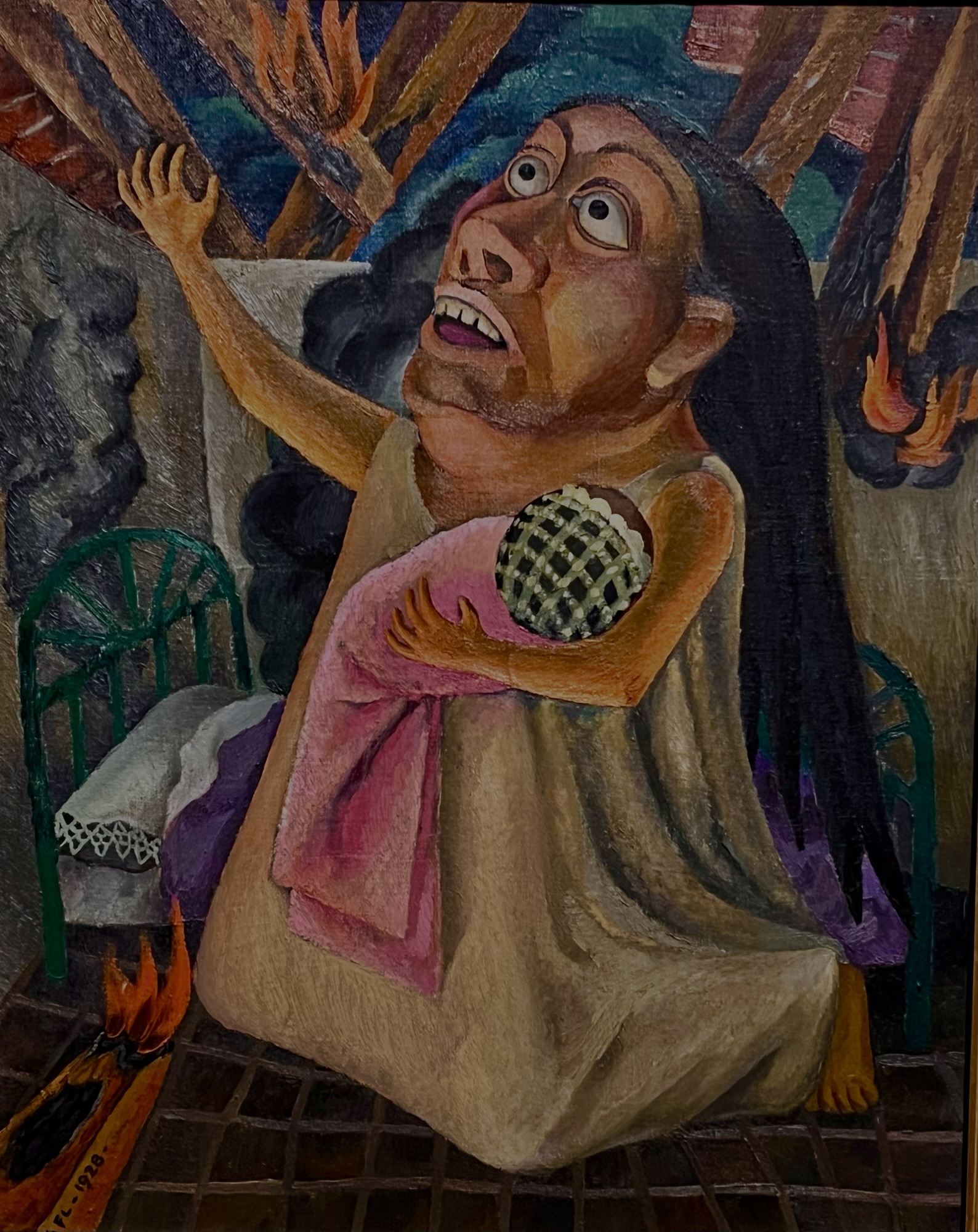
Terrible siniestro (Terrible Disaster), 1928 by Gabriel Fernández Ledesma (1900-1983)
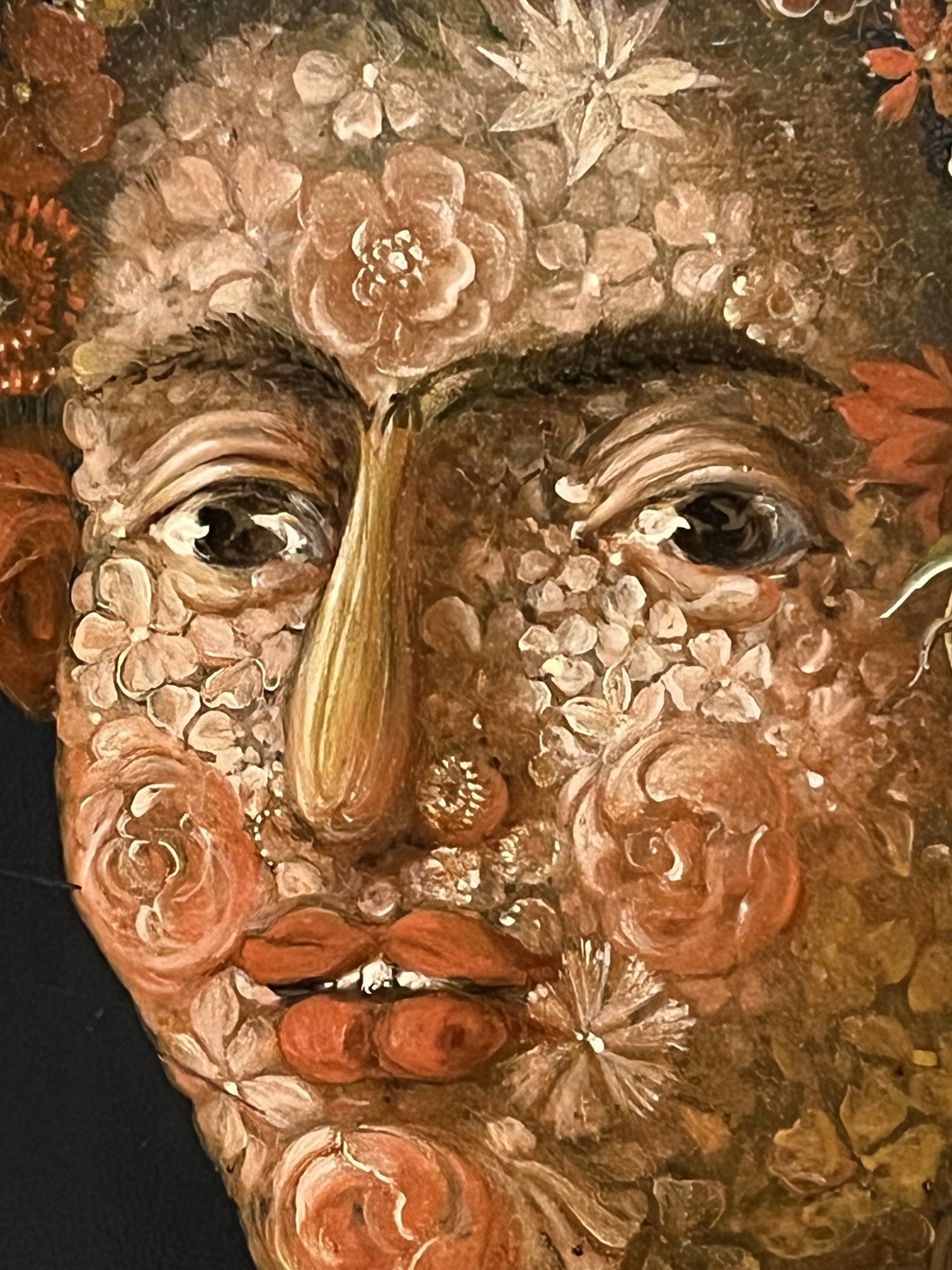
Flora (detail), c. 1590-1600, attributed to the circle of Giuseppe Arcimboldo

Untitled (from King), 1993/2005, by Ho Che Anderson (b. 1969)

Hibernación (Hibernation), 1942 by Remedios Varo (1908-1963)

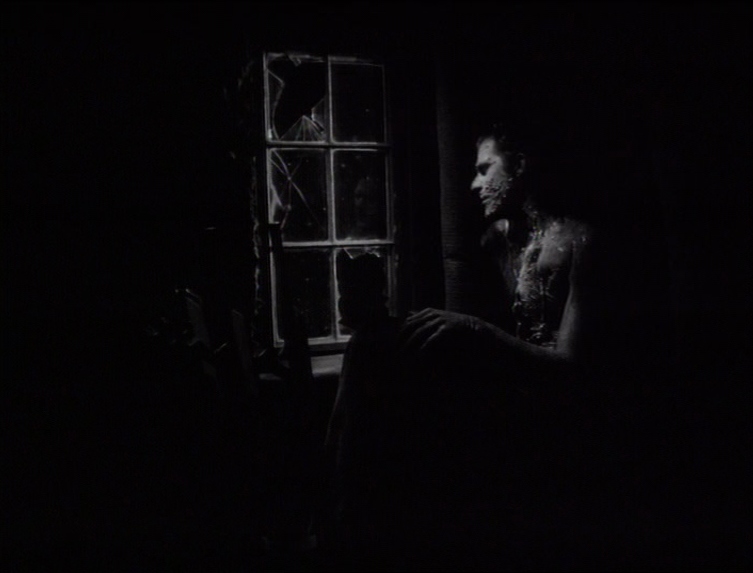

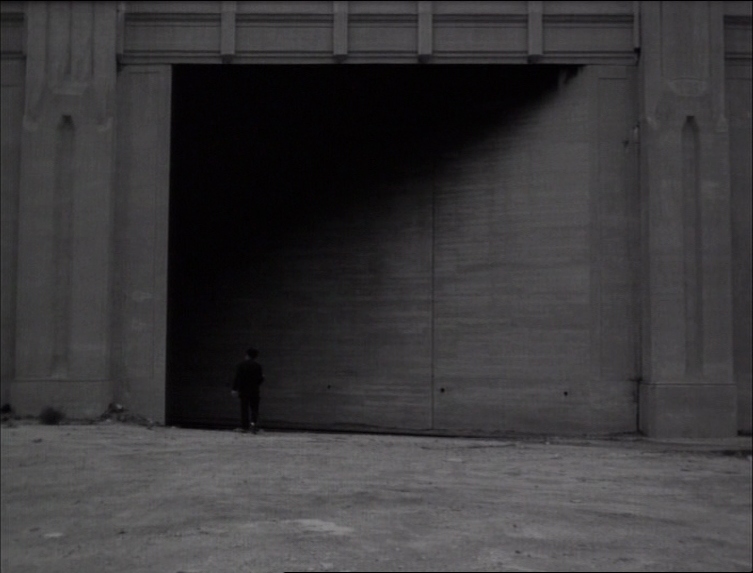

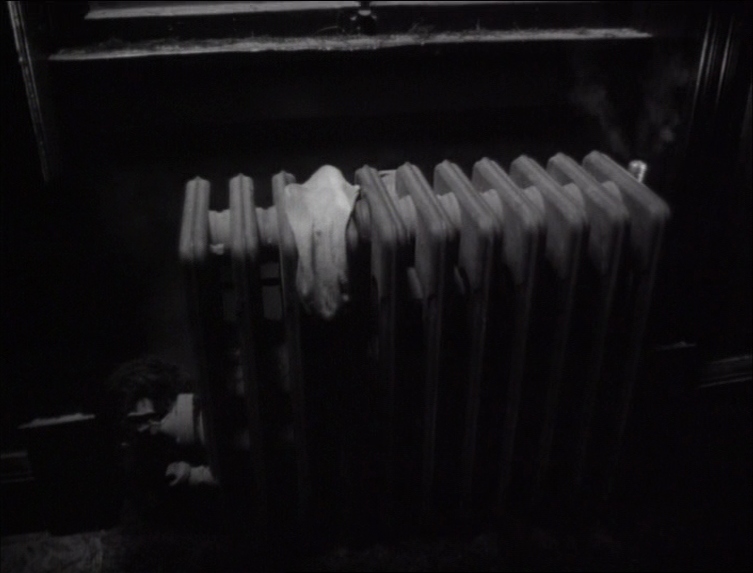
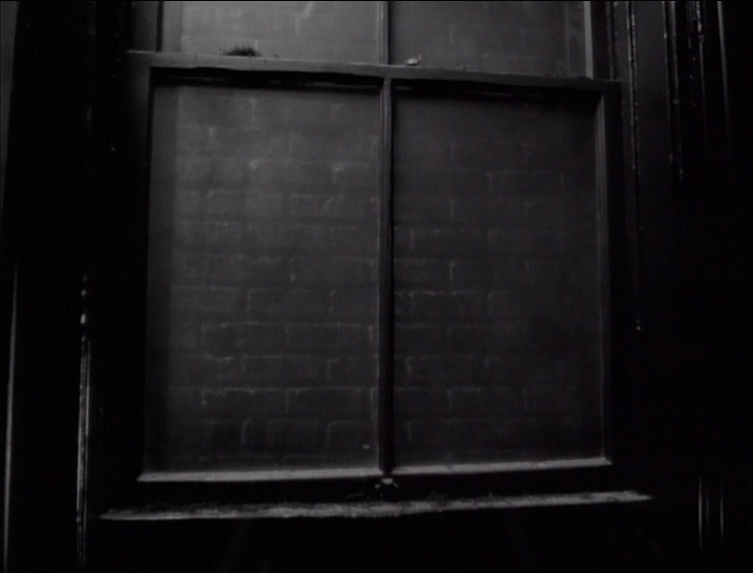
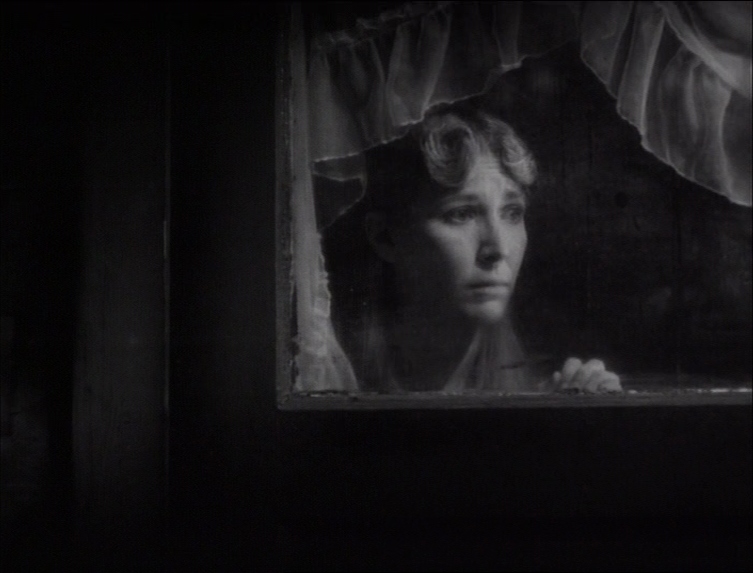
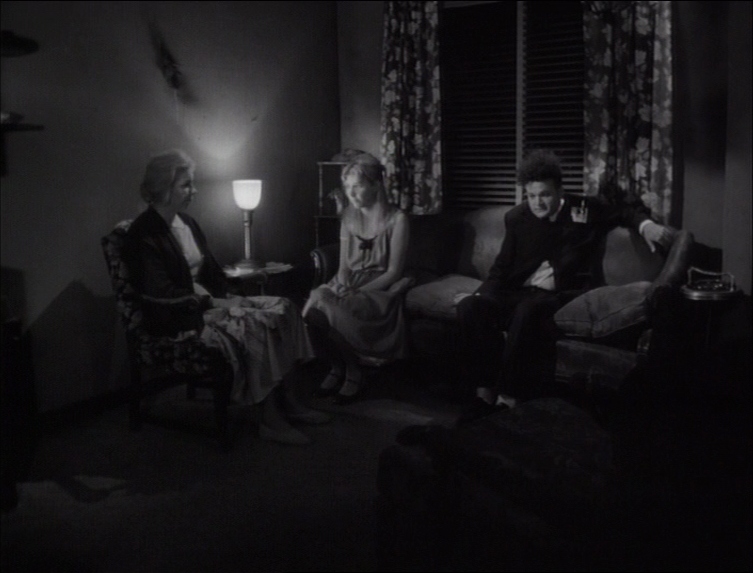
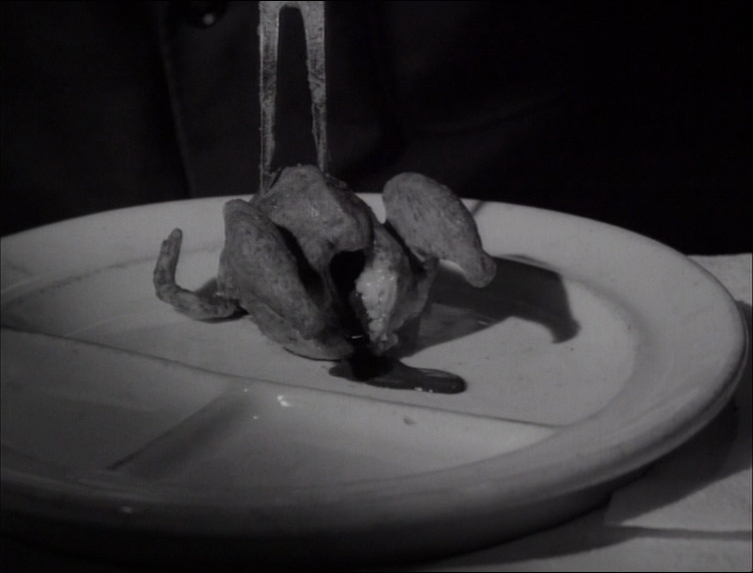
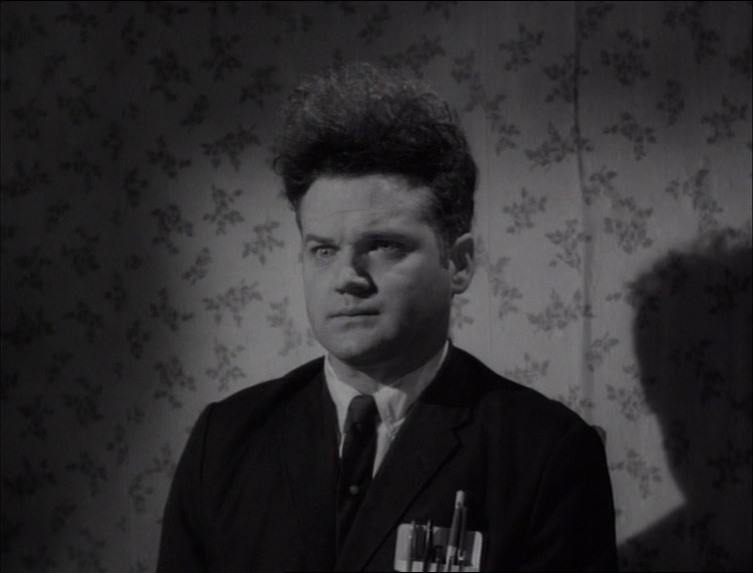

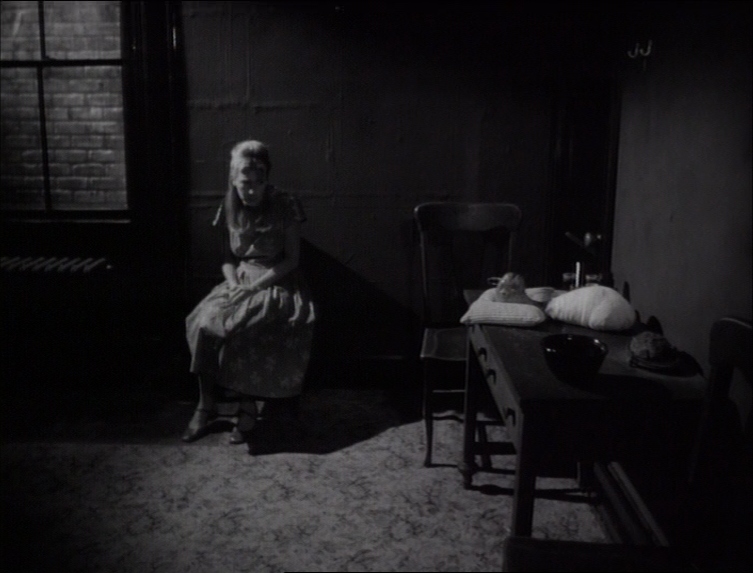
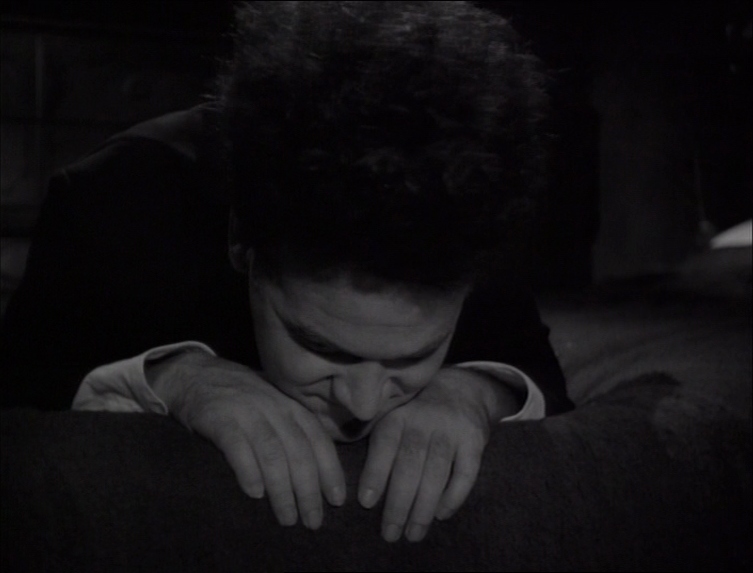
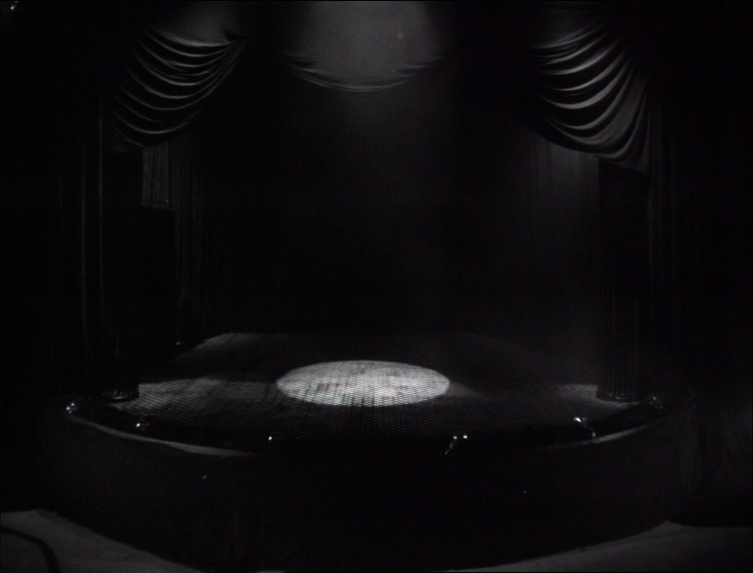

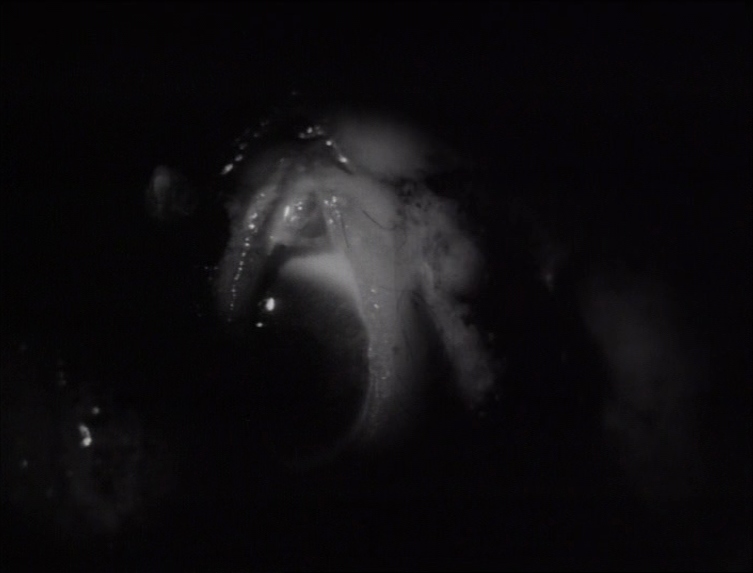
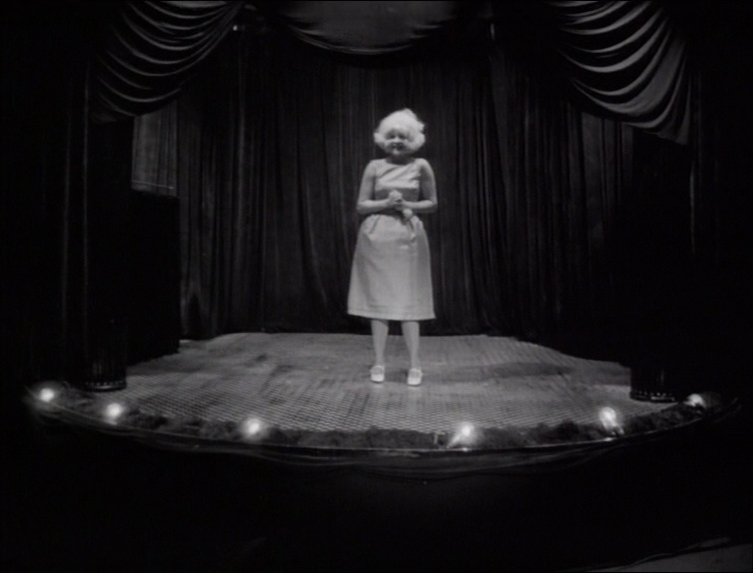
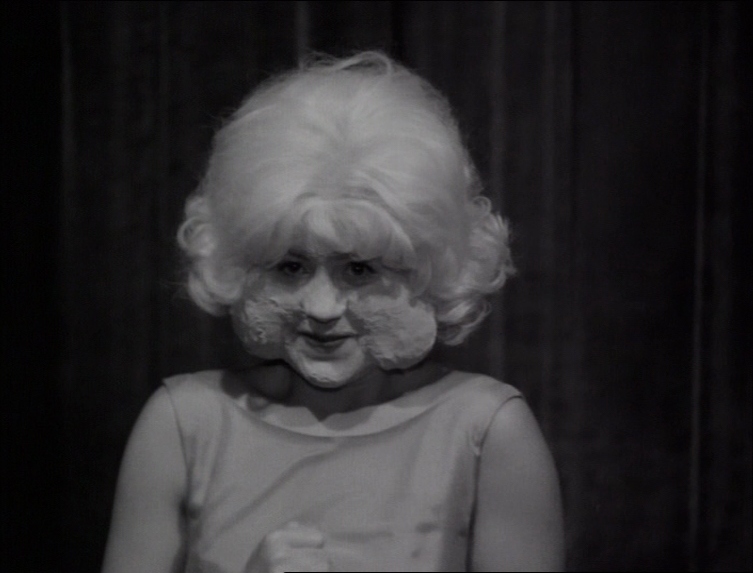
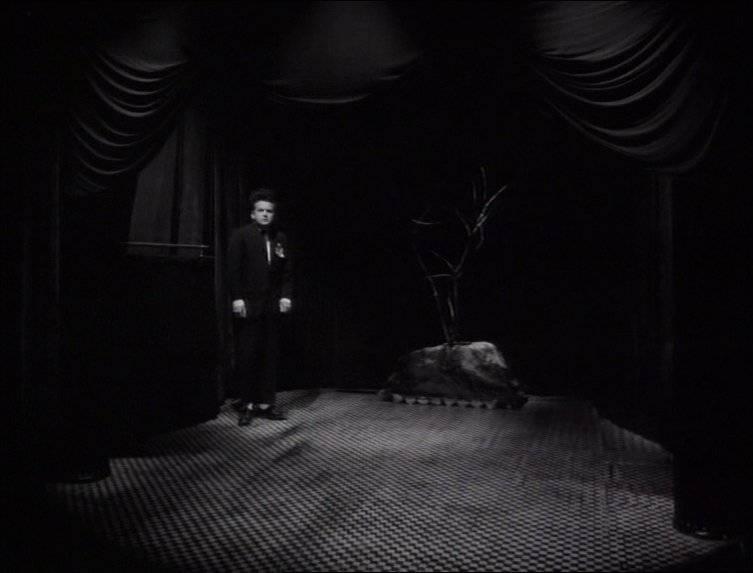
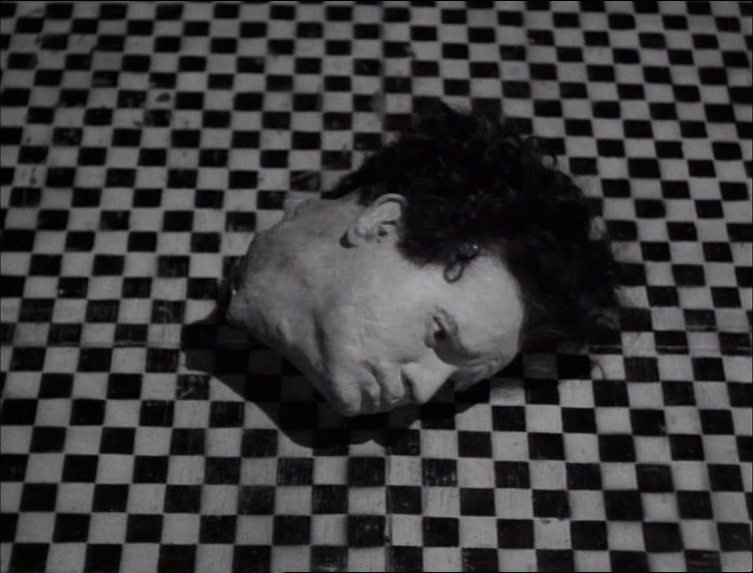
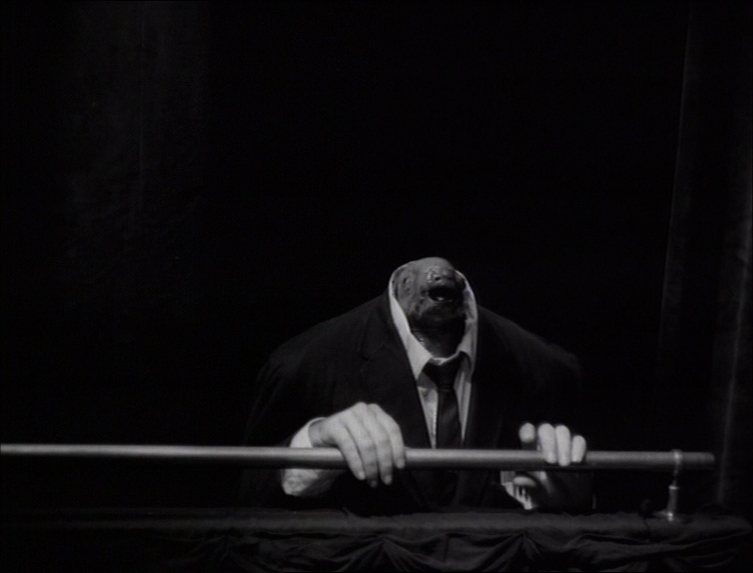
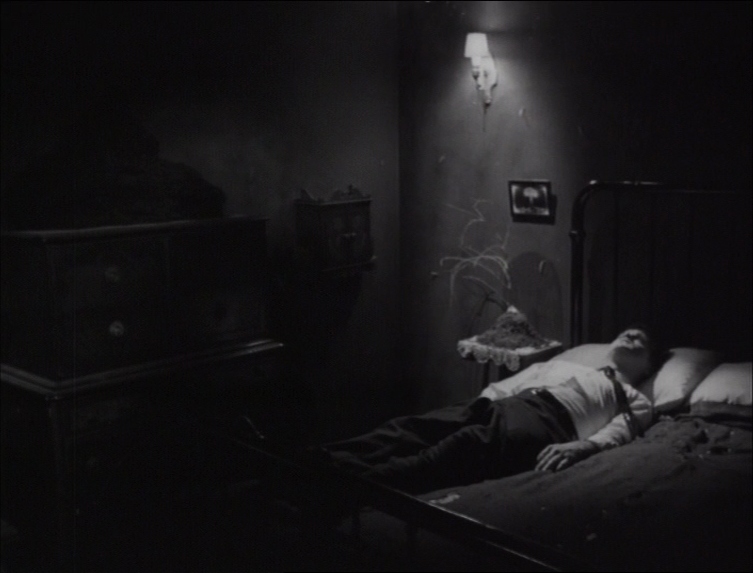
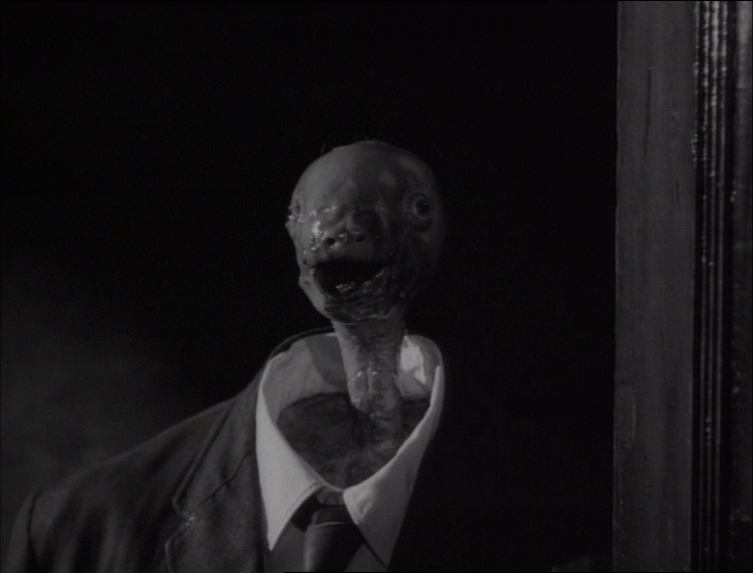
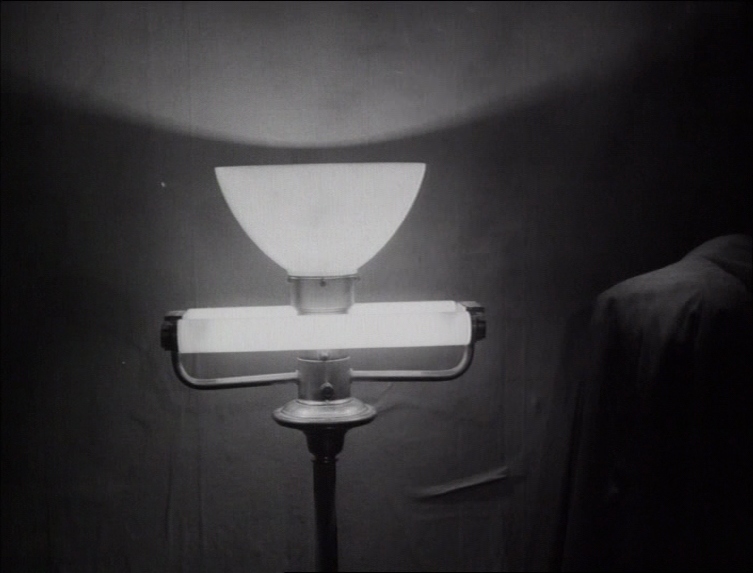
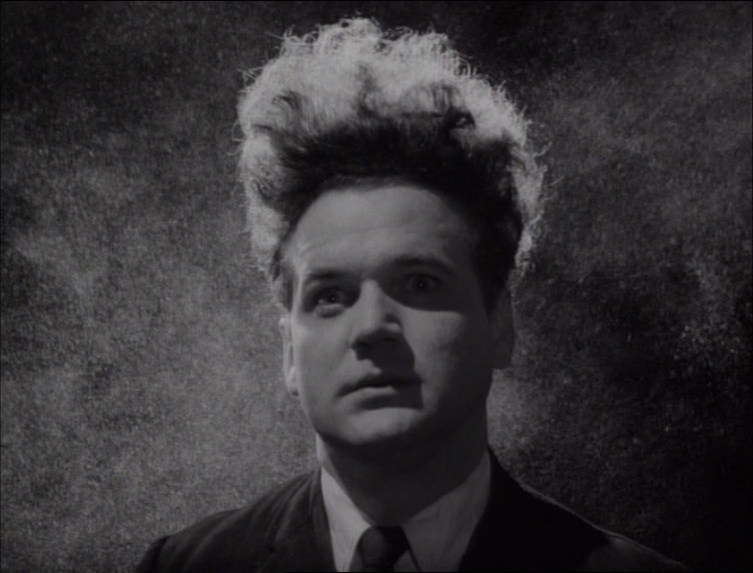
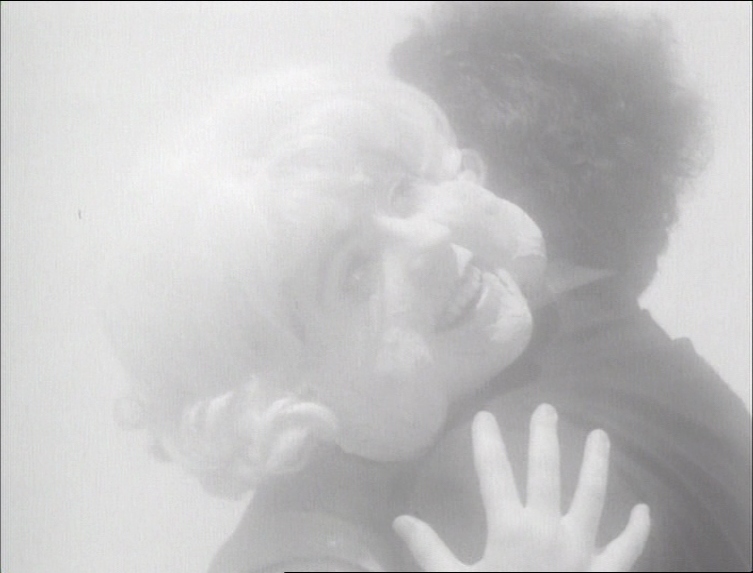
From Eraserhead, 1977. Directed by David Lynch with cinematography by Frederick Elmes and Herbert Cardwell. Via Film Grab.
 Biblioklept