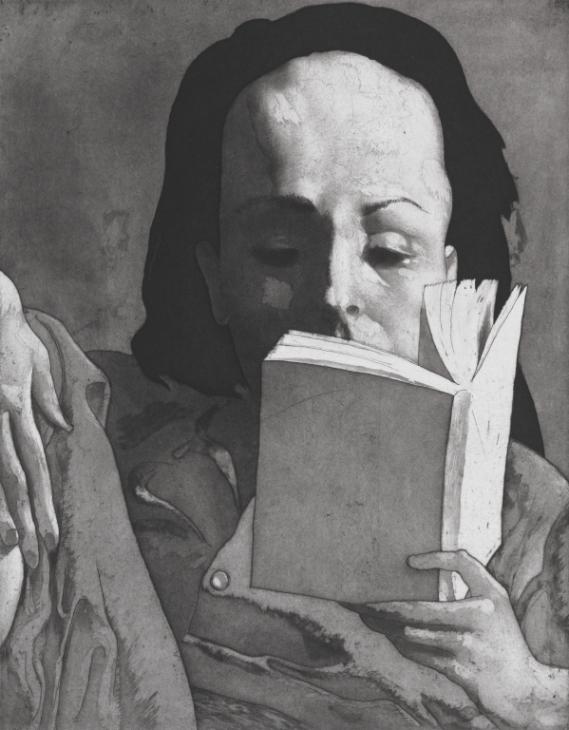
Milestones, 2006 by John Currin (b. 1962)
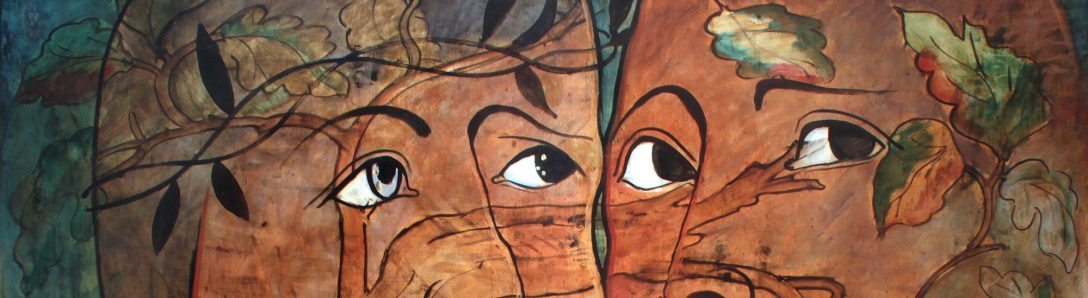
Milestones, 2006 by John Currin (b. 1962)
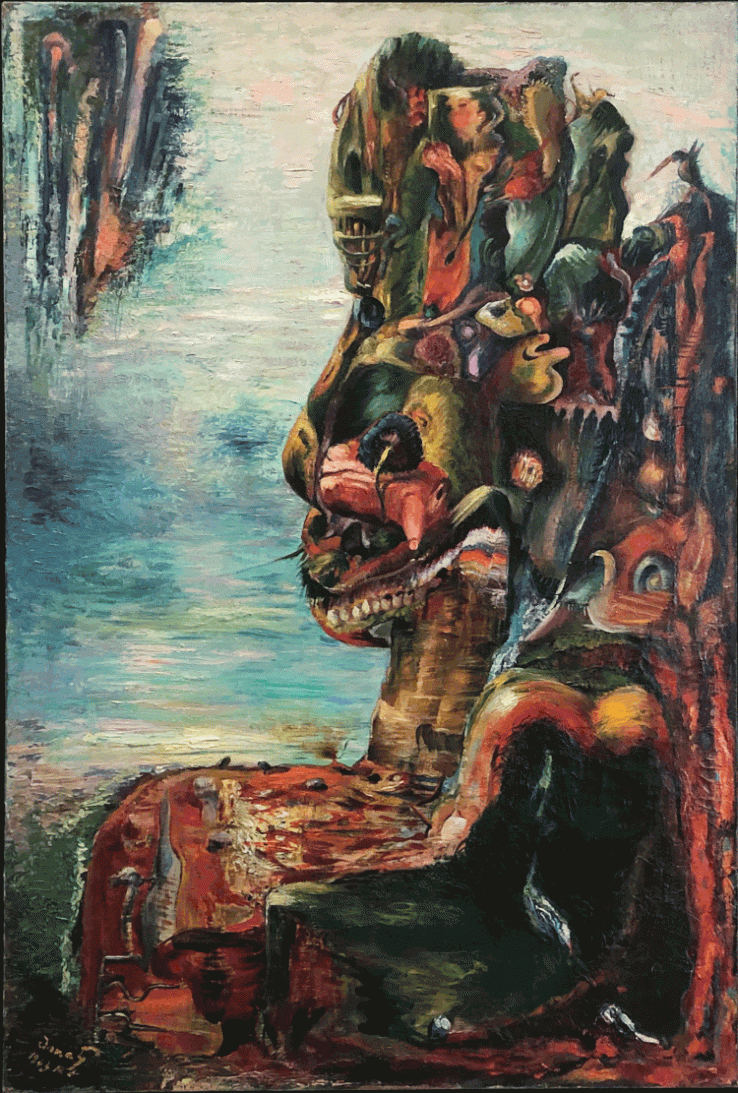
Arcimboldo, 1945 by Enrico Donati (1909-2008)
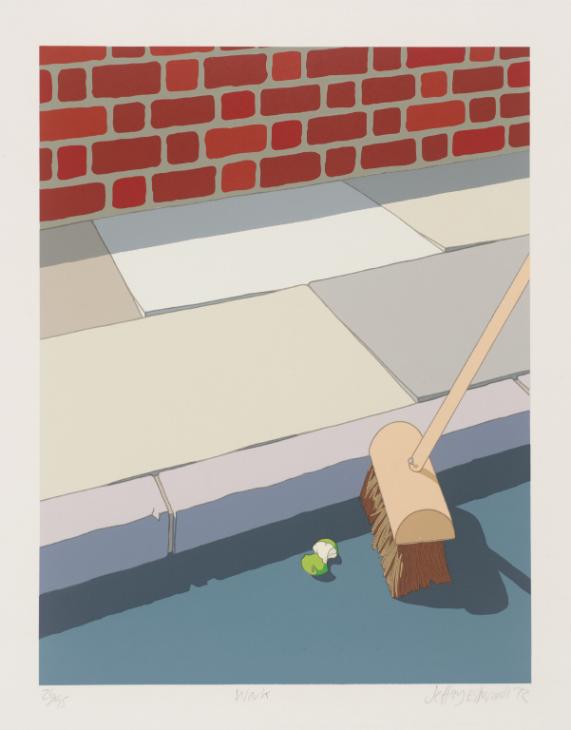
Work, 1972 by Jeffery Edwards (b. 1945)

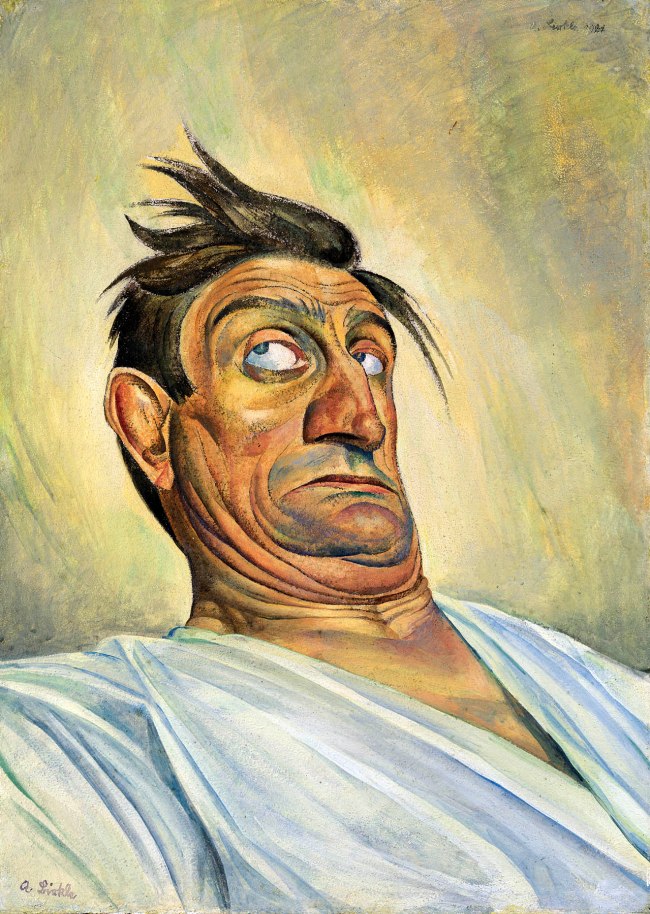
The Acrobat Schulz V, 1921 by Albert Birkle (1900-1986 )
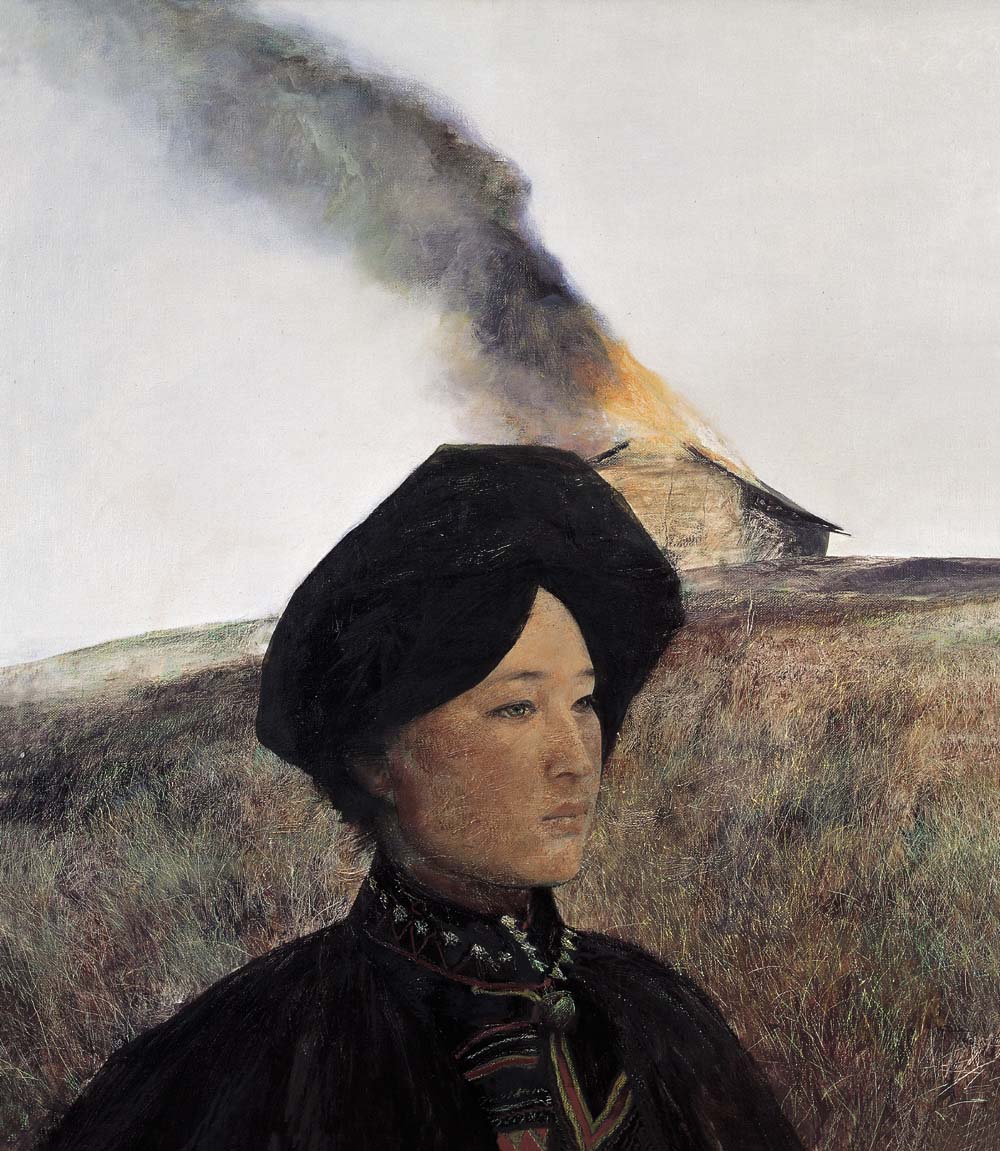
Autumn Scenery, 1988 by He Duoling (b. 1948)
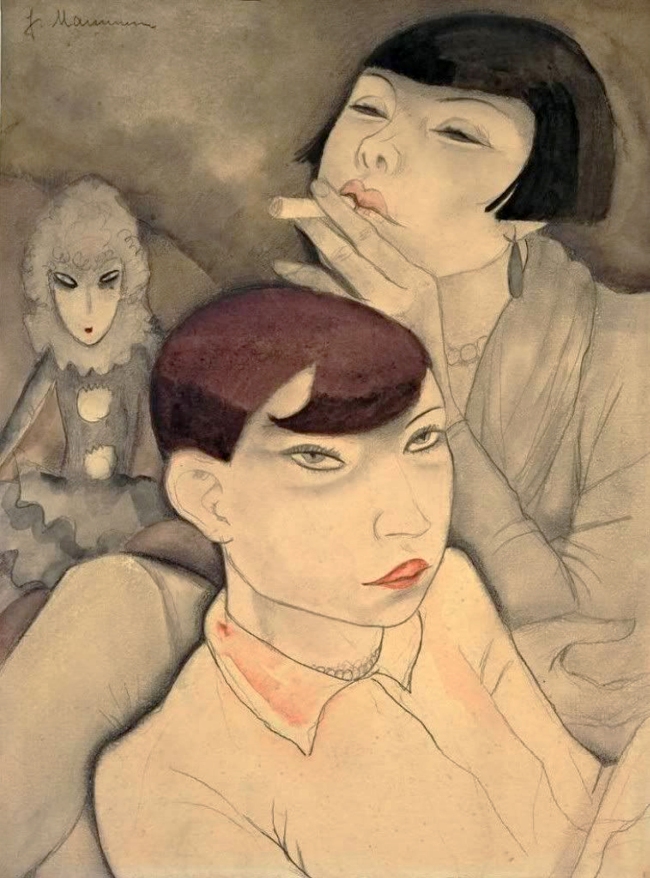
Boring Dolls, 1929 by Jeanne Mammen (1890-1976)
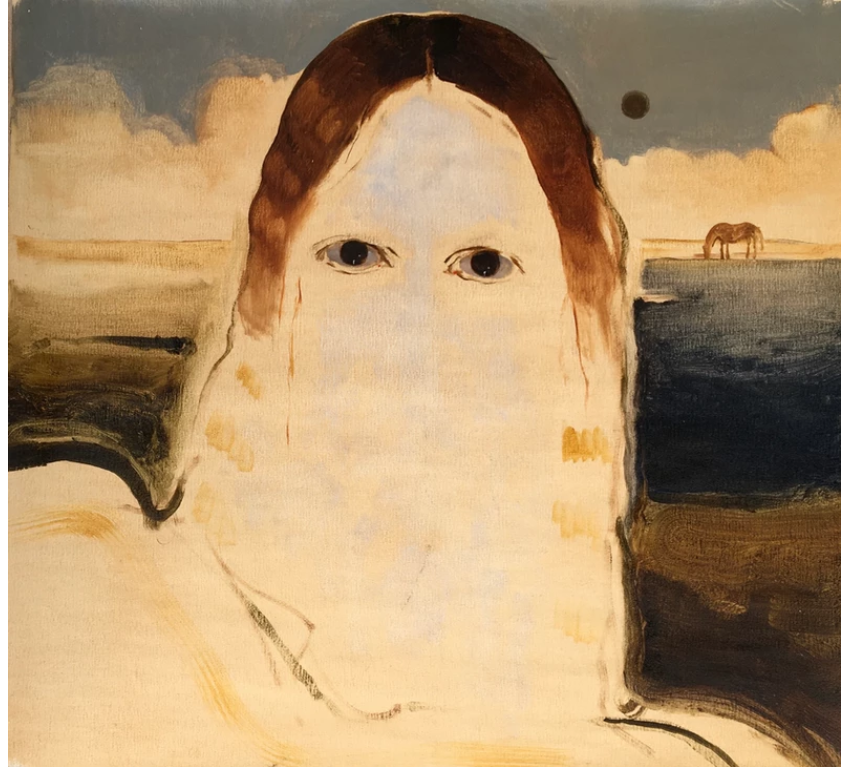
I’m Supposed to Be Fun, 2021 by Rae Klein (b. 1995)
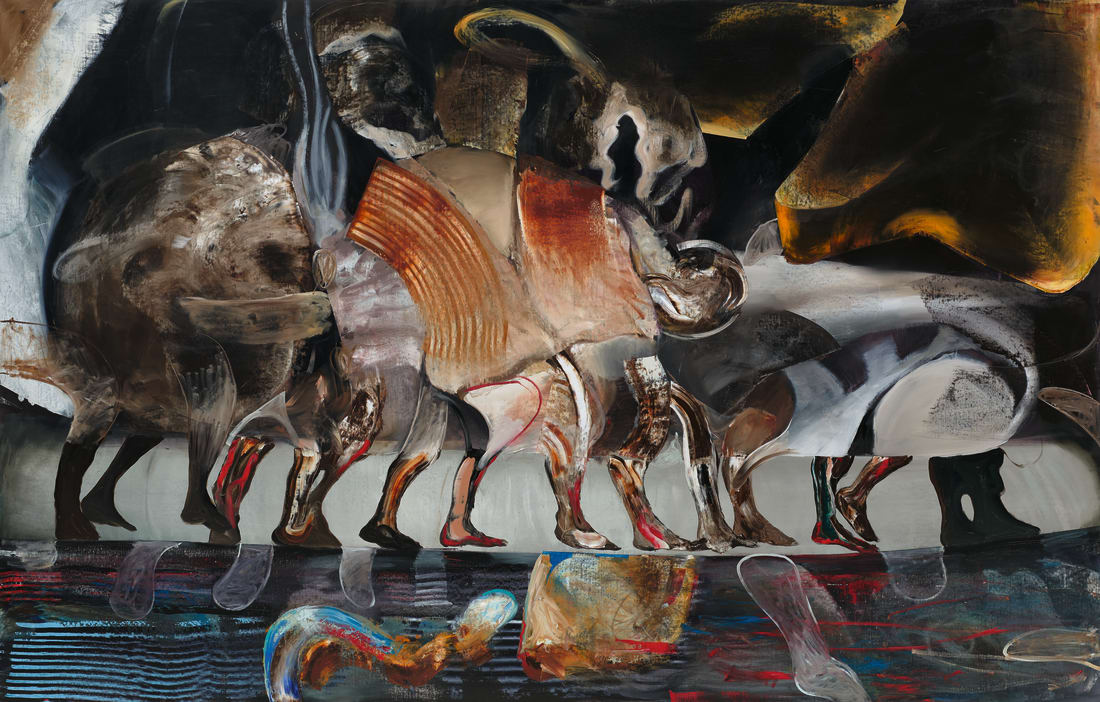
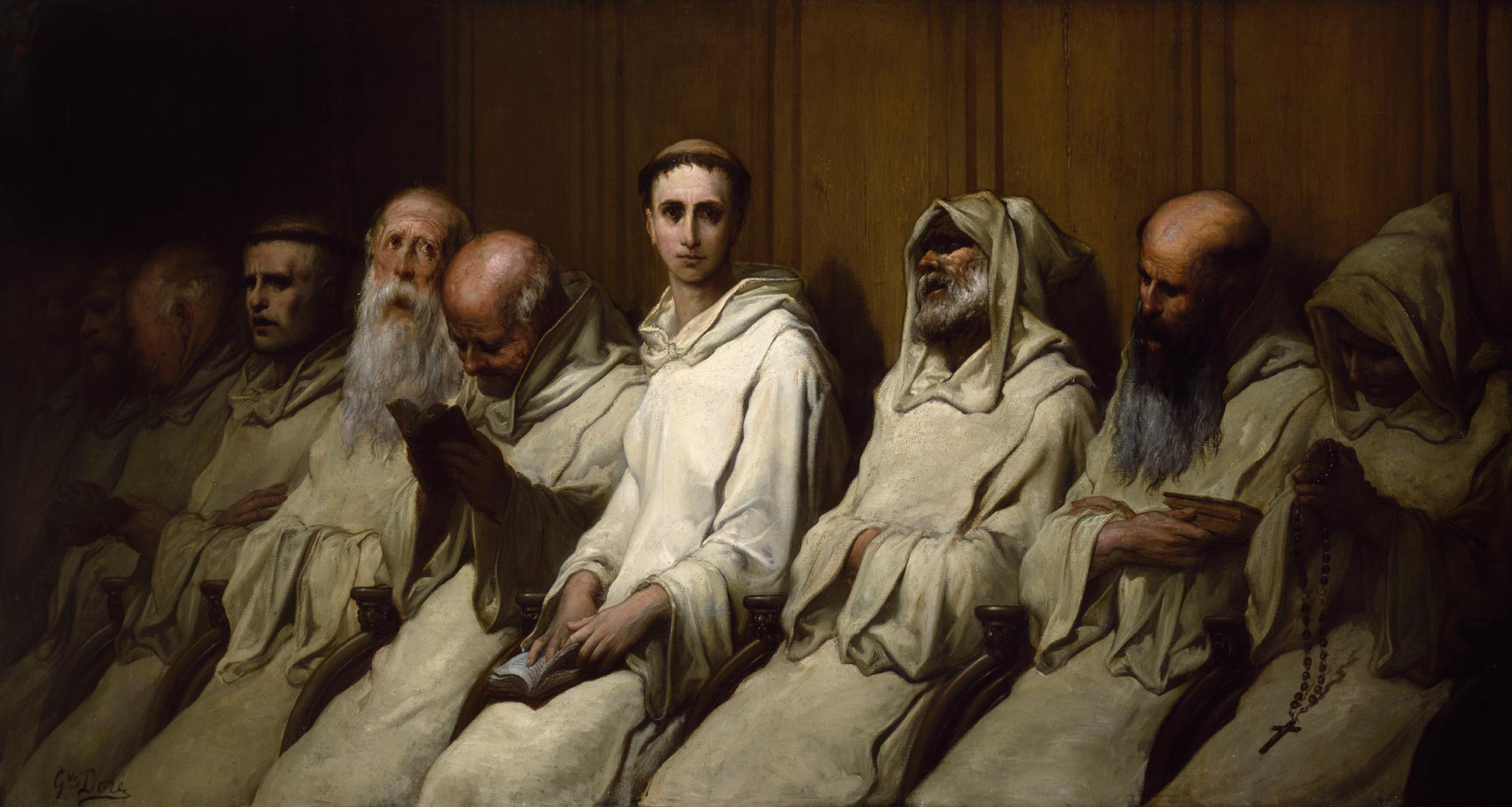
The Neophyte (First Experience of the Monastery), 1868 by Gustave Doré (1832-1883)
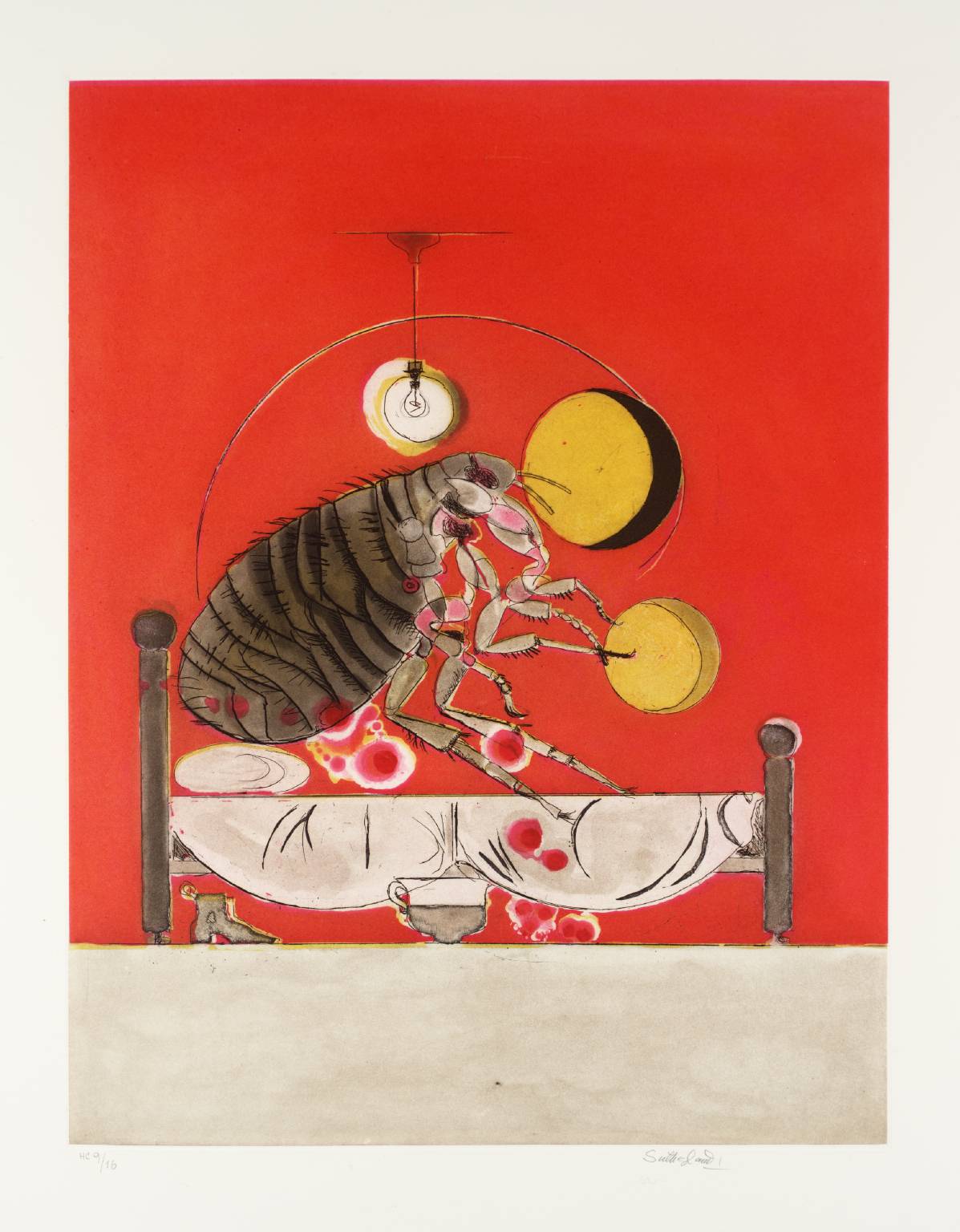
The Flea, 1979 by Graham Sutherland (1903-1980)
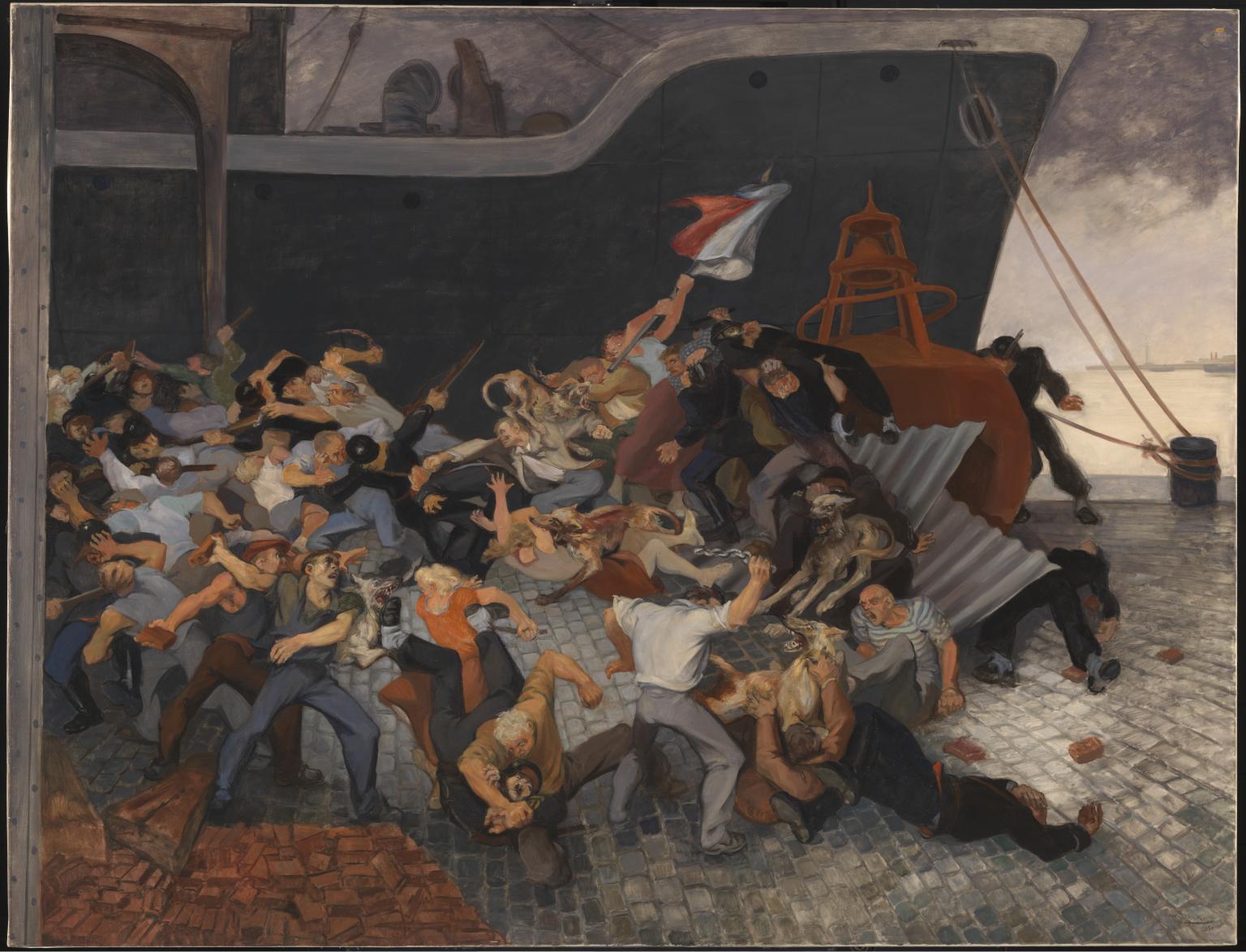
Riposte, 1951 by Boris Taslitzky (1911-2005)
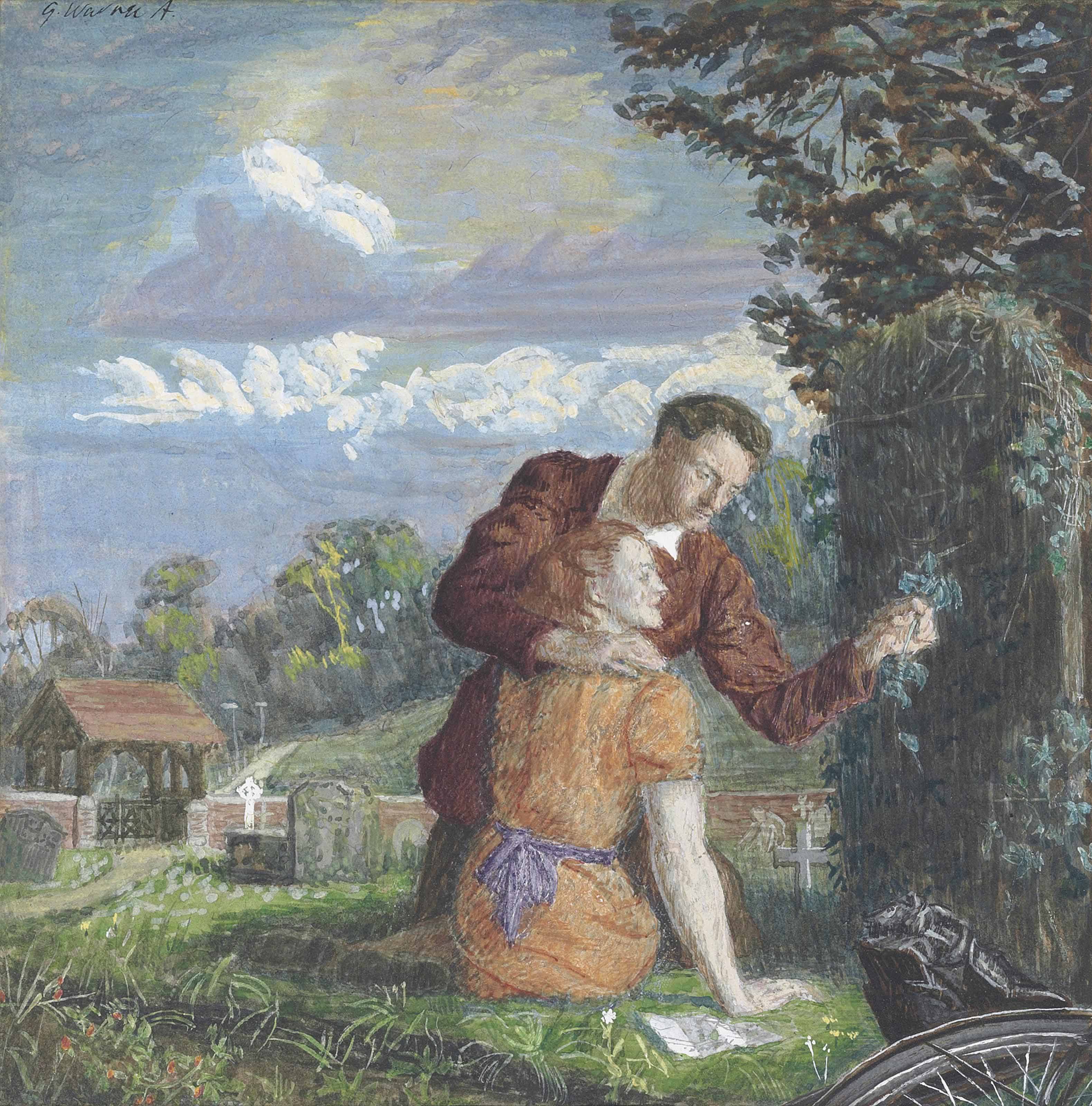
Lovers in a Graveyard by George Warner Allen (1916–1988)
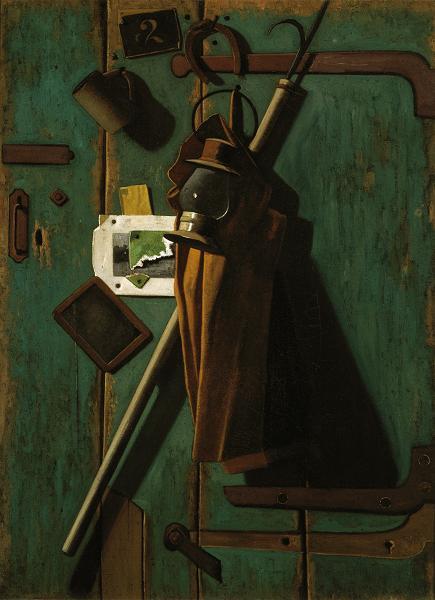
Fish House Door, 1905 by John Frederick Peto (1854-1907)
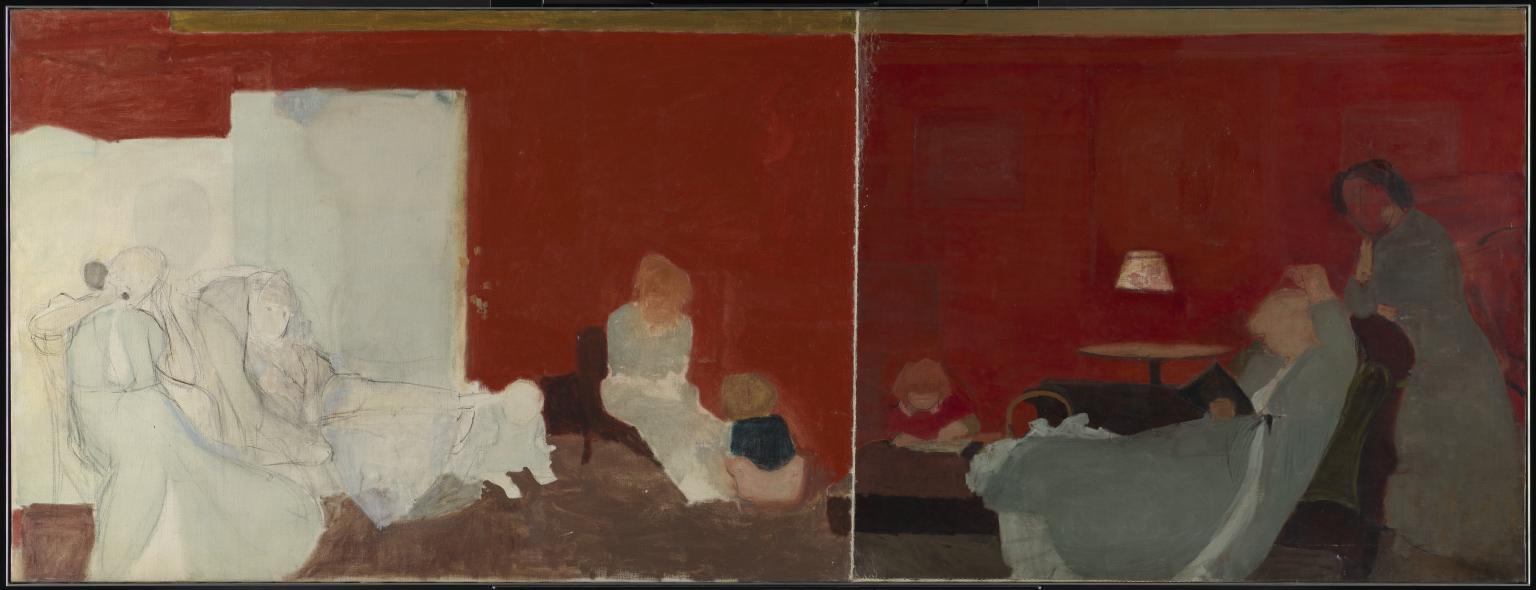 Interior with Reclining Women, 1946 by Victor Pasmore (1908-1998)
I know a painter who feels the same way about being a painter. Every morning he gets up, brushes his teeth, and stands before the empty canvas. A terrible feeling of being de trop comes over him. So he goes to the corner and buys the Times, at the corner newsstand He comes back home and reads the Times. During the period in which he’s coupled with the Times he is all right. But soon the Times is exhausted. The empty canvas remains. So (usually) he makes a mark on it, some kind of mark that is not what he means. That is, any old mark, just to have something on the canvas. Then he is profoundly depressed because what is there is not what he meant. And it’s time for lunch. He goes out and buys a pastrami sandwich at the deli. He comes back and eats the sandwich meanwhile regarding the canvas with the wrong mark on it out of the corner of his eye. During the afternoon, he paints out the mark of the morning. This affords him a measure of satisfaction. The balance of the afternoon is spent in deciding whether or not to venture another mark. The new mark, if one is ventured, will also, inevitably, be misconceived. He ventures it. It is misconceived. It is, in fact, the worst kind of vulgarity. He paints out the second mark. Anxiety accumulates. However, the canvas is now, in and of itself, because of the wrong moves and the painting out, becoming rather interesting-looking. He goes to the A&P and buys a TV Mexican dinner and many bottles of Carta Blanca. He comes back to his loft and eats the Mexican dinner and drinks a couple of Carta Blancas, sitting in front of his canvas. The canvas is, for one thing, no longer empty. Friends drop in and congratulate him on having a not-empty canvas. He begins feeling better. A something has been wrested from the nothing. The quality of the something is still at issue-he is by no means home free. And of course all of painting-the whole art-has moved on somewhere else, it’s not where his head is, and he knows that, but nevertheless he-
-How does this apply to trombone playing? Hector asked.
-1 had the connection in my mind when I began, Charles said.
-As Goethe said, theory is gray, but the golden tree of life is green.
From “City Life” by Donald Barthelme.
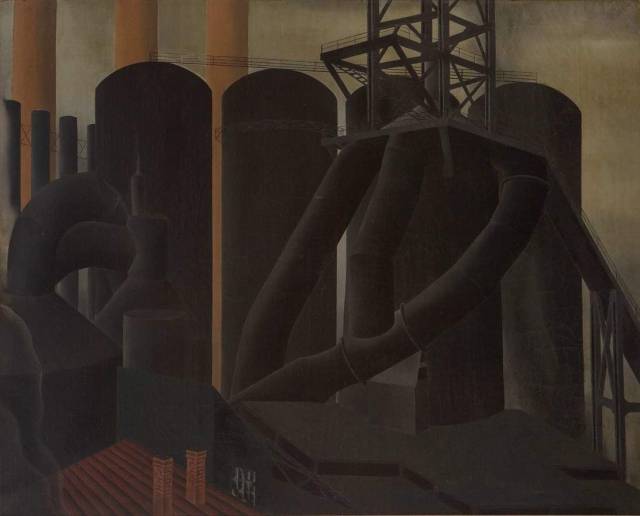
Blast Furnaces, 1927 by Elsie Driggs (1898-1992)
 Biblioklept