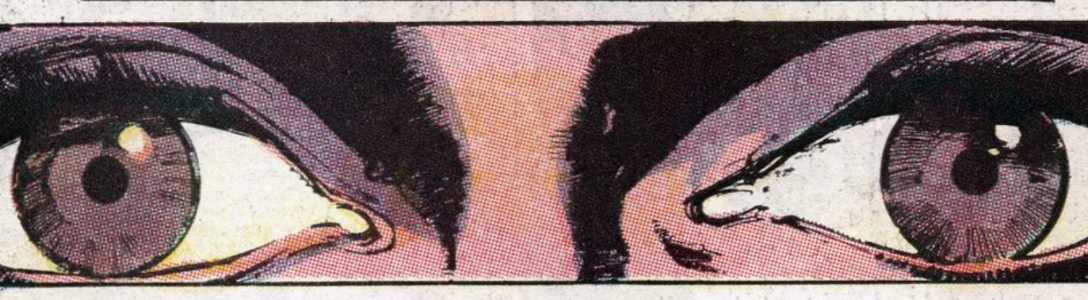


Sadness, 1972, Donald Barthelme. Kangaroo Pocket Books (1980). No cover artist or designer credited. 159 pages.
Here is the fifth section of “Departures,” a series of vignettes. It stands alone as its own short story–
My grandfather once fell in love with a dryad—a wood nymph who lives in trees and to whom trees are sacred and who dances around trees clad in fine leaf-green tutu and who carries a great silver-shining axe to whack anybody who does any kind of thing inimical to the well-being and mental health of trees. My grandfather was at that time in the lumber business.
It was during the Great War. He’d got an order for a million board feet of one-by-ten of the very poorest quality, to make barracks out of for the soldiers. The specifications called for the dark red sap to be running off it in buckets and for the warp on it to be like the tops of waves in a distressed sea and for the knotholes in it to be the size of an intelligent man’s head for the cold wind to whistle through and toughen up the (as they were then called) doughboys.
My grandfather headed for East Texas. He had the timber rights to ten thousand acres there, Southern yellow pine of the loblolly family. It was third-growth scrub and slash and shoddy—just the thing for soldiers. Couldn’t be beat. So he and his men set up operations and first crack out of the box they were surrounded by threescore of lovely dryads and hamadryads all clad in fine leaf-green tutus and waving great silver-shining axes.
“Well now,” my grandfather said to the head dryad, “wait a while, wait a while, somebody could get hurt.”
“That is for sure,” says the girl, and she shifts her axe from her left hand to her right hand.
“I thought you dryads were indigenous to oak,” says my grandfather, “this here is pine.”
“Some like the ancient tall-standing many-branched oak,” says the girl, “and some the white-slim birch, and some take what they can get, and you will look mighty funny without any legs on you.”
“Can we negotiate,” says my grandfather, “it’s for the War, and you are the loveliest thing I ever did see, and what is your name?”
“Megwind,” says the girl, “and also Sophie. I am Sophie in the night and Megwind in the day and I make fine whistling axe-music night or day and without legs for walking your life’s journey will be a pitiable one.”
“Well Sophie,” says my grandfather, “let us sit down under this tree here and open a bottle of this fine rotgut here and talk the thing over like reasonable human beings.”
“Do not use my night-name in the light of day,” says the girl, “and I am not a human being and there is nothing to talk over and what type of rotgut is it that you have there?”
“It is Teamster’s Early Grave,” says my grandfather, “and you’ll cover many a mile before you find the beat of it.”
“I will have one cupful,” says the girl, “and my sisters will have each one cupful, and then we will dance around this tree while you still have legs for dancing and then you will go away and your men also.”
“Drink up,” says my grandfather, “and know that of all the women I have interfered with in my time you are the absolute top woman.”
“I am not a woman,” says Megwind, “I am a spirit, although the form of the thing is misleading I will admit.”
“Wait a while,” says my grandfather, “you mean that no type of mutual interference between us of a physical nature is possible?”
“That is a thing I could do,” says the girl, “if I chose.”
“Do you choose?” asks my grandfather, “and have another wallop.”
“That is a thing I will do,” says the girl, and she had another wallop.
“And a kiss,” says my grandfather, “would that be possible do you think?”
“That is a thing I could do,” says the dryad, “you are not the least prepossessing of men and men have been scarce in these parts in these years, the trees being as you see mostly scrub, slash and shoddy.”
“Megwind,” says my grandfather, “you are beautiful.”
“You are taken with my form which I admit is beautiful,” says the girl, “but know that this form you see is not necessary but contingent, sometimes I am a fine brown-speckled egg and sometimes I am an escape of steam from a hole in the ground and sometimes I am an armadillo.”
“That is amazing,” says my grandfather, “a shape-shifter are you.”
“That is a thing I can do,” says Megwind, “if I choose.”
“Tell me,” says my grandfather, “could you change yourself into one million board feet of one-by-ten of the very poorest quality neatly stacked in railroad cars on a siding outside of Fort Riley, Kansas?”
“That is a thing I could do,” says the girl, “but I do not see the beauty of it.”
“The beauty of it,” says my grandfather, “is two cents a board foot.”
“What is the quid pro quo?” asks the girl.
“You mean spirits engage in haggle?” asks my grandfather.
“Nothing from nothing, nothing for nothing, that is a law of life,” says the girl.
“The quid pro quo,” says my grandfather, “is that me and my men will leave this here scrub, slash and shoddy standing. All you have to do is to be made into barracks for the soldiers and after the War you will be torn down and can fly away home.”
“Agreed,” says the dryad, “but what about this interference of a physical nature you mentioned earlier? for the sun is falling down and soon I will be Sophie and human men have been scarce in these parts for ever so damn long.”
“Sophie,” says my grandfather, “you are as lovely as light and let me just fetch another bottle from the truck and I will be at your service.”
This is not really how it went. I am fantasizing. Actually, he just plain cut down the trees.
 Biblioklept