The dispossessed (From Richard Hofstadter’s essay “The Paranoid Style in American Politics”)

If, after our historically discontinuous examples of the paranoid style, we now take the long jump to the contemporary right wing, we find some rather important differences from the nineteenth-century movements. The spokesmen of those earlier movements felt that they stood for causes and personal types that were still in possession of their country—that they were fending off threats to a still established way of life. But the modern right wing…feels dispossessed: America has been largely taken away from them and their kind, though they are determined to try to repossess it and to prevent the final destructive act of subversion. The old American virtues have already been eaten away by cosmopolitans and intellectuals; the old competitive capitalism has been gradually undermined by socialistic and communistic schemers; the old national security and independence have been destroyed by treasonous plots, having as their most powerful agents not merely outsiders and foreigners as of old but major statesmen who are at the very centers of American power. Their predecessors had discovered conspiracies; the modern radical right finds conspiracy to be betrayal from on high.

From Richard Hofstadter’s 1964 essay “The Paranoid Style in American Politics.”
Sunday Comics

I recently re-read all of Jeff Smith’s massive comic Bone—this time to my son, and this time in the Scholastic color reprints. (I read Bone in full with my daughter years ago through the unwieldy 1,300 page single-volume single edition; I read bits and pieces of it earlier in the late nineties, when Dave Sim (of Cerebus fame/infamy) was an early champion of Smith’s cartooning charms).

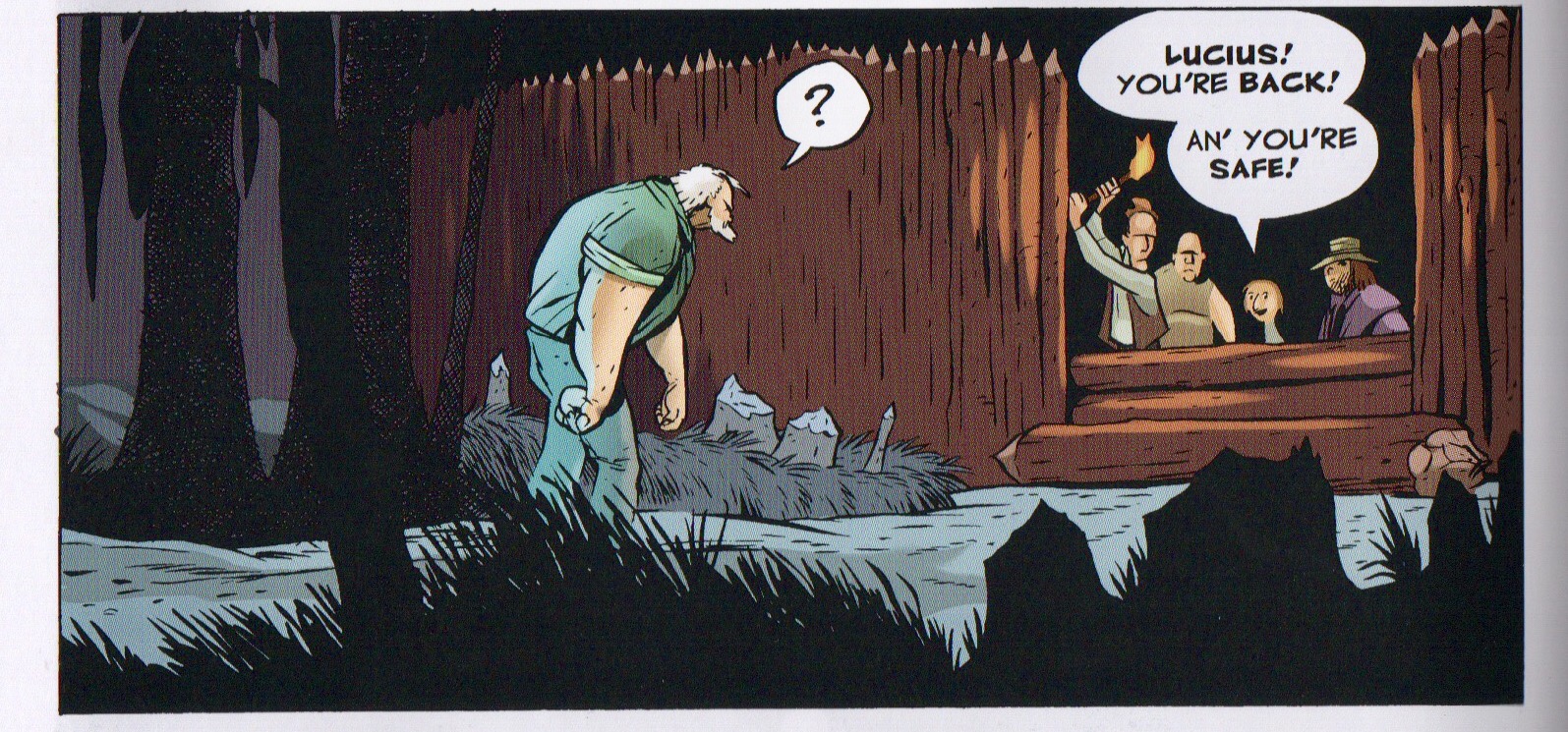
Anyway, we enjoyed the read, and the fourth book, The Dragonslayer, seemed particularly timely.

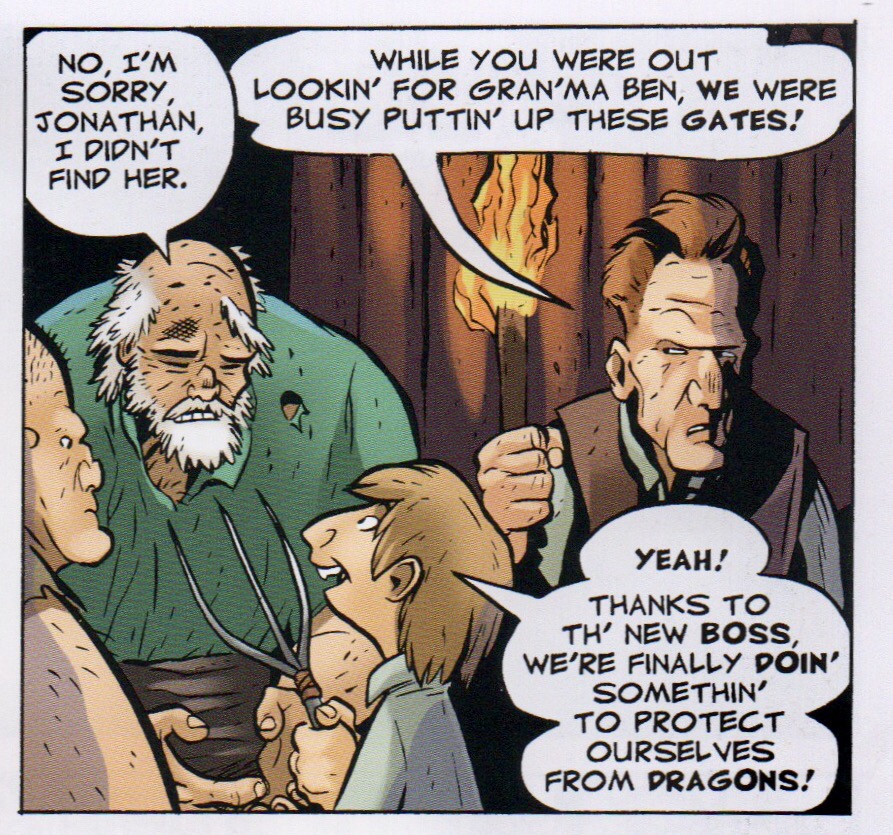
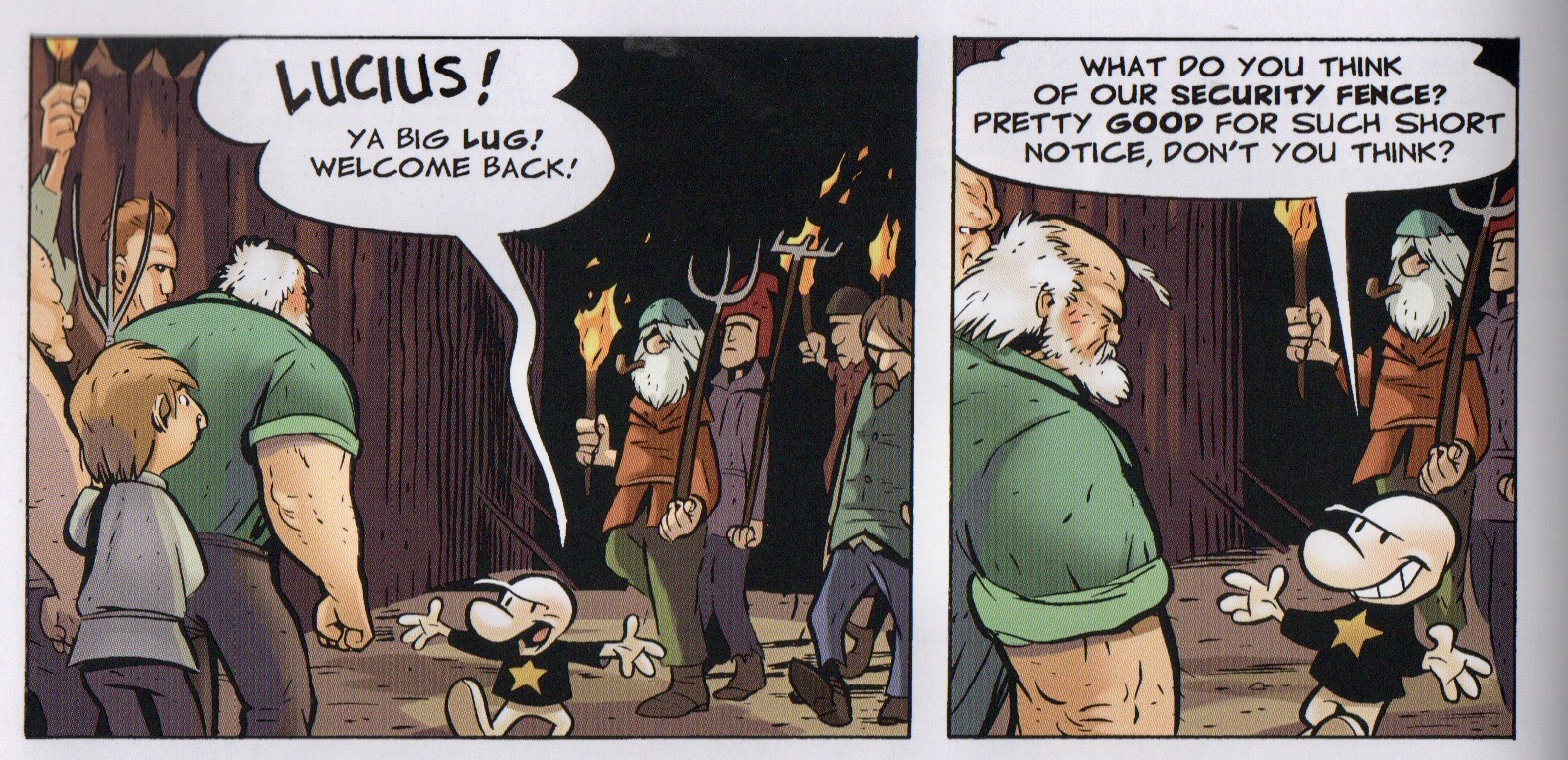
In this volume, Phoncible P. Bone—aka Phoney Bone—manipulates the fears of the populace of Barrelhaven. A natural conman, Phoney instructs the townspeople to build a wall to keep “dragons” out. Only sensible Lucius Down (and Phoney’s cousins, who know he’s a scammer) realize that Phoney is driven by egomania and greed.

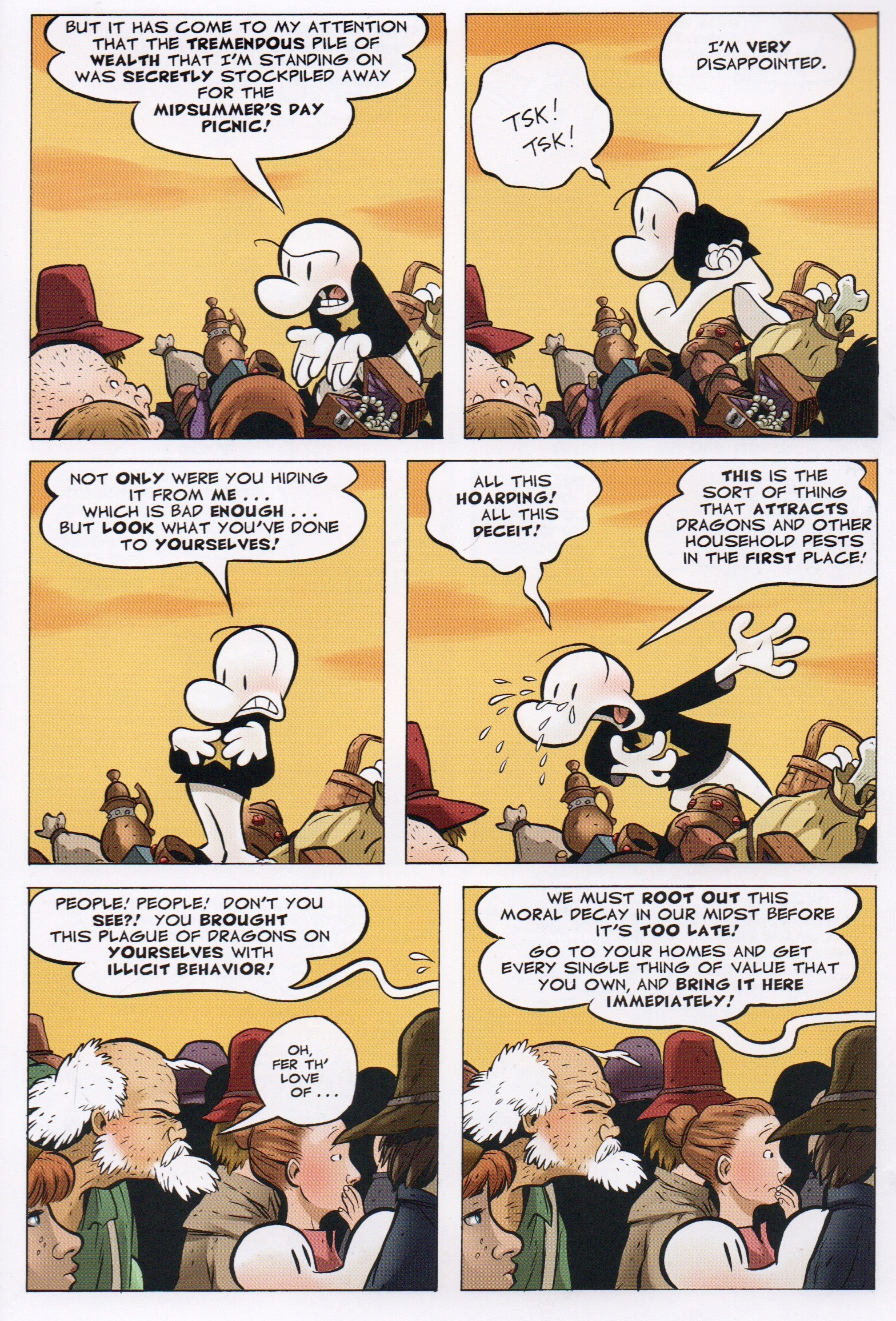
Perhaps the most infuriating moment in the story comes when Phoney—a gifted pitchman—cloaks his greed in the language of ethics and morality.

Of course Phoney doesn’t win in the end. And Bone is just a comic; it’s not real life. It’s not like a xenophobic conman could really take sway over the zeitgeist.

The dispossessed (From Richard Hofstadter’s essay “The Paranoid Style in American Politics”)

If, after our historically discontinuous examples of the paranoid style, we now take the long jump to the contemporary right wing, we find some rather important differences from the nineteenth-century movements. The spokesmen of those earlier movements felt that they stood for causes and personal types that were still in possession of their country—that they were fending off threats to a still established way of life. But the modern right wing…feels dispossessed: America has been largely taken away from them and their kind, though they are determined to try to repossess it and to prevent the final destructive act of subversion. The old American virtues have already been eaten away by cosmopolitans and intellectuals; the old competitive capitalism has been gradually undermined by socialistic and communistic schemers; the old national security and independence have been destroyed by treasonous plots, having as their most powerful agents not merely outsiders and foreigners as of old but major statesmen who are at the very centers of American power. Their predecessors had discovered conspiracies; the modern radical right finds conspiracy to be betrayal from on high.

From Richard Hofstadter’s 1964 essay “The Paranoid Style in American Politics.”