RIP Alasdair Gray

Screenshot 2019-12-29 at 6.54.56 PM

RIP Alasdair Gray, 1934-2019

The Scottish novelist and artist Alasdair Gray died today, one day after his 85th birthday.

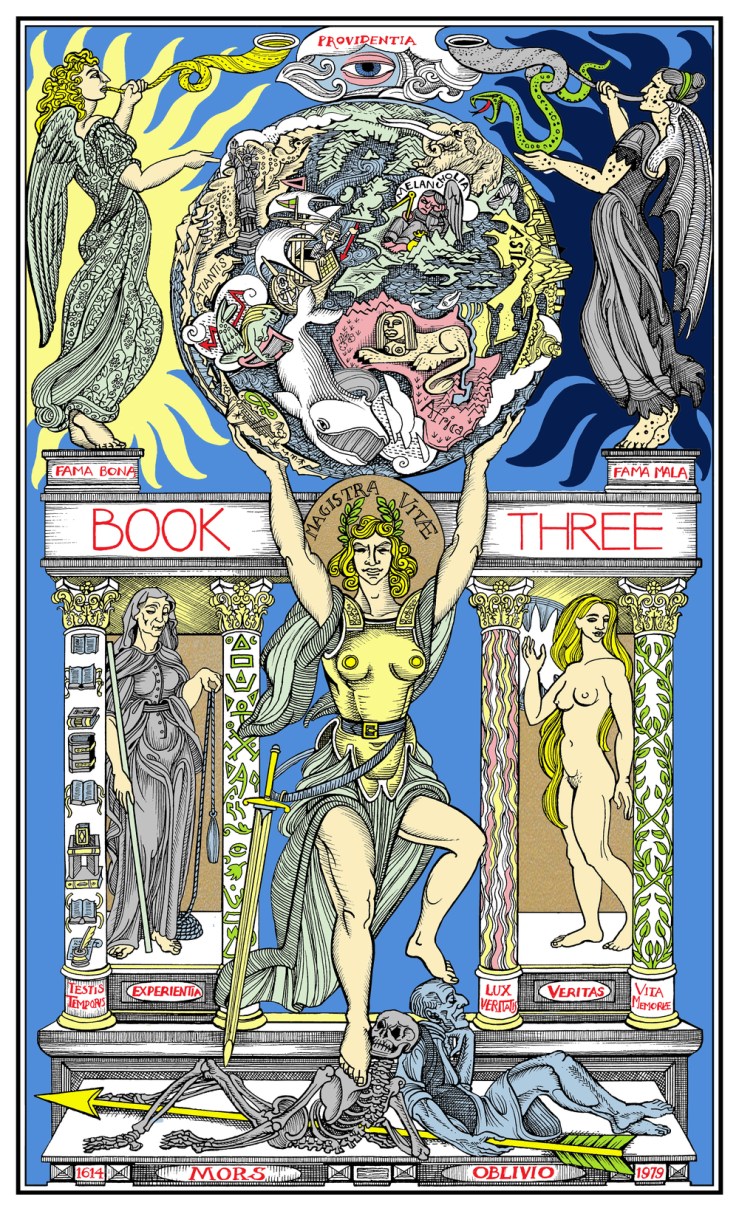
Gray’s first novel, 1981’s Lanark, is one of the strangest and most memorable novels I’ve ever read. Part dystopian fantasy, part realist autofiction, part Kafkaesque anti-quest, and part Künstlerroman, Lanark deconstructs the traditional novel, braiding multiple narratives into a complex, sharp, satirical epic.
super

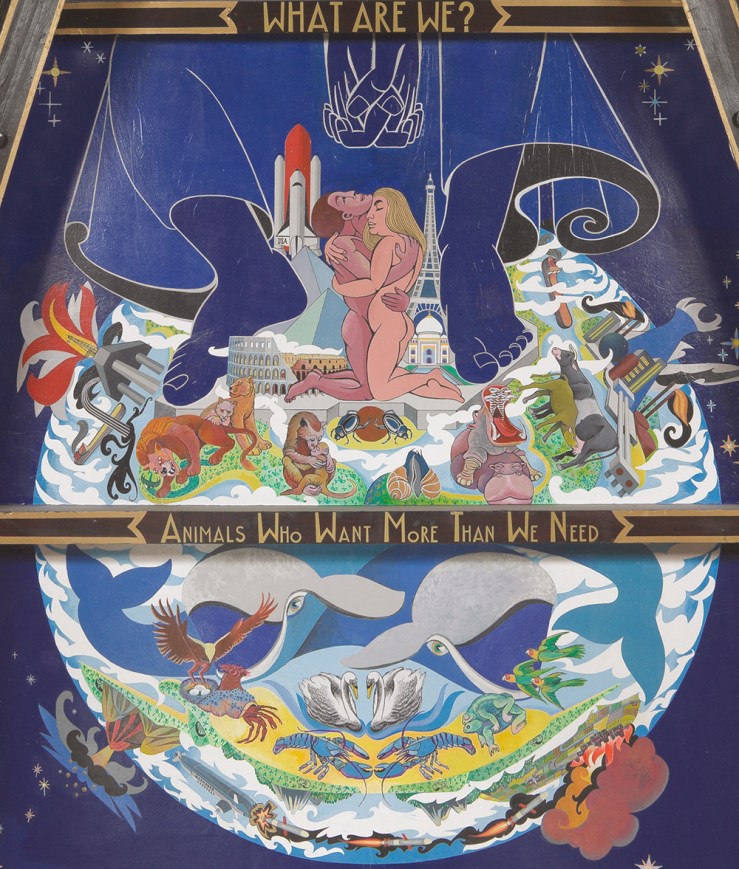
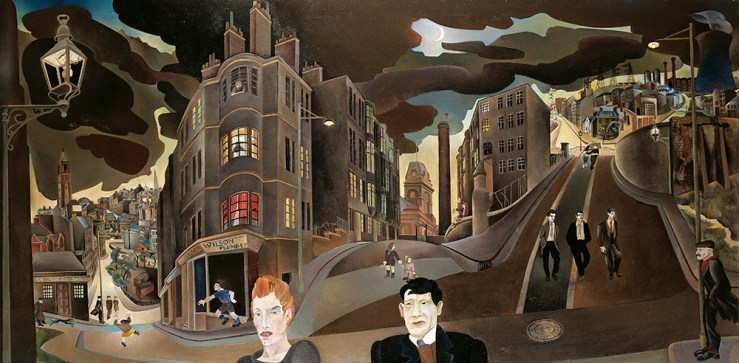
Lanark included original artwork by Gray, a trend that would continue over the course of his career as a novelist. Gray was trained as a muralist, and if I ever make it to Glasgow I plan to see his murals.
omworldcrop

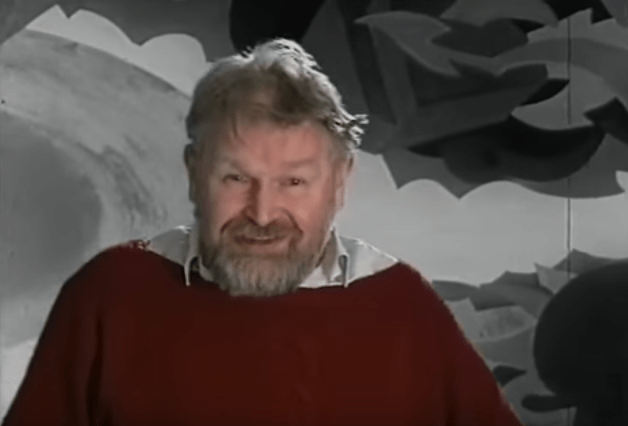
Gray’s art of course adorns his follow-up to Lanark, 1984’s 1982, Janine, a challenging novel of debauchery. 1982, Janine is conceptually, formally, and typographically challenging, a kind of answer to Finnegans Wake, and like Joyce’s big weird fun hard novel, Gray’s sophomore jaunt is a jam I return to again and again without the hope of truly ever finishing. 1982, Janine also has the best blurb I think I’ve ever read—you can watch Gray read it in this 1993 STV documentary about Gray (around 15:34)—

The Gray Matter also features Gray discussing his novels and reading from them, as well as his art. It makes a neat primer to the Gray’s work, and while I’m no expert—just a big fan of those first two novels and his art, to be clear—I think it does a nice job of letting the artist speak about his art.

I’ll close by reiterating that Lanark has stuck with me in a way that most novels don’t. It might seem a daunting read at nearly 600 pages (not to mention its four-book structure, which begins with Book Three before going to Books One and Two and then concluding with Four—and, oh the books are formally/stylistically varied)—but Lanark might be the cult novel you’ve been missing from your life.
140


Why we like tragedies (Alasdair Gray)

A story can always end happily by stopping at a cheerful moment. Of course in nature the only end is death, but death hardly ever happens when people are at their best. That is why we like tragedies. They show men ending energetically with their wits about them and deserving to do it.

From Alasdair Gray’s novel Lanark

Moby-Dick (Alasdair Gray’s Lanark)

It is a relief to turn to the honest American book about the whale. A captain wants to kill it because the last time he tried to do that it bit off his leg while escaping. He embarks with a cosmopolitan crew who don’t like home life and prefer this way of earning money. They are brave, skilful and obedient, they chase the whale round the world and get themselves all drowned together: all but the storyteller. He describes the world flowing on as if they had never existed. There are no women or children in this book, apart from a little black boy whom they accidentally drive mad.

From Alasdair Gray’s unwieldy cult classic Lanark. In this particular episode, a version of the author of the novel Lanark itself (a conjurer-king, not named Gray) discusses and describes the great national epics; he chooses Moby-Dick as the American epic. There is no listing of a Scottish national epic; presumably Gray intends his novel to fill that slot.

Complaint to God (Alasdair Gray’s Lanark)

The more he worked the more the furious figure of God kept popping in and having to be removed: God driving out Adam and Eve for learning to tell right from wrong, God preferring meat to vegetables and making the first planter hate the first herdsman, God wiping the slate of the world clean with water and leaving only enough numbers to start multiplying again, God fouling up language to prevent the united nations reaching him at Babel, God telling a people to invade, exterminate and enslave for him, then letting other people do the same back. Disaster followed disaster to the horizon until Thaw wanted to block it with the hill and gibbet where God, sick to death of his own violent nature, tried to let divine mercy into the world by getting hung as the criminal he was. It was comical to think he achieved that by telling folk to love and not hurt each other. Thaw groaned aloud and said, “I don’t enjoy hounding you like this, but I refuse to gloss the facts. I admire most of your work. I don’t even resent the ice ages, even if they did make my ancestors carnivorous. I’m astonished by your way of leading fertility into disaster, then repairing the disaster with more fertility. If you were a busy dung beetle pushing the sun above the skyline, if you had the head of a hawk or the horns and legs of a goat I would understand and sympathize. If you headed a squabbling committee of Greek departmental chiefs I would sympathize. But your book claims you are a man, the one perfect man of whom we are imperfect copies. And then you have the bad taste to put yourself in it. Only the miracle of my genius stops me feeling depressed about this, and even so my brushes are clogged by theology, that bastard of the sciences. Let me remember that a painting, before it is anything else, is a surface on which colours are arranged in a certain order.

From Alasdair Gray’s novel Lanark.

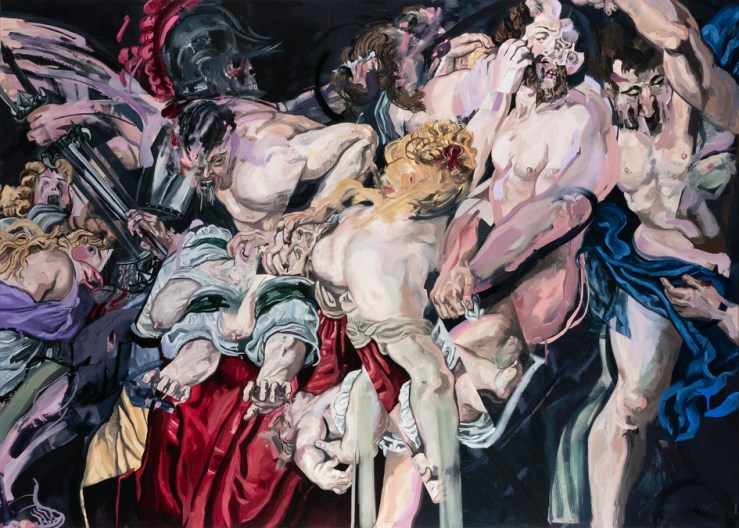
The Massacre of the Innocents — Mitchell Villa

708027_-massacreofthe-innocents-2018-oiloncancas-59x82inches
The Massacre of the Innocents, 2018 by Mitchell Villa