
Illustration for Frankenstein by Bernie Wrightson (1948-2017)
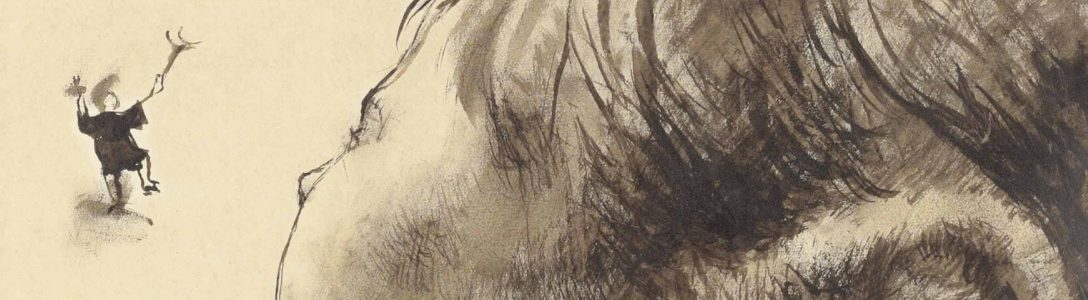
Illustration for Frankenstein by Bernie Wrightson (1948-2017)

Poster for a theatrical production of Heart of a Dog, 1982 by Andrzej Pagowski (b. 1953)
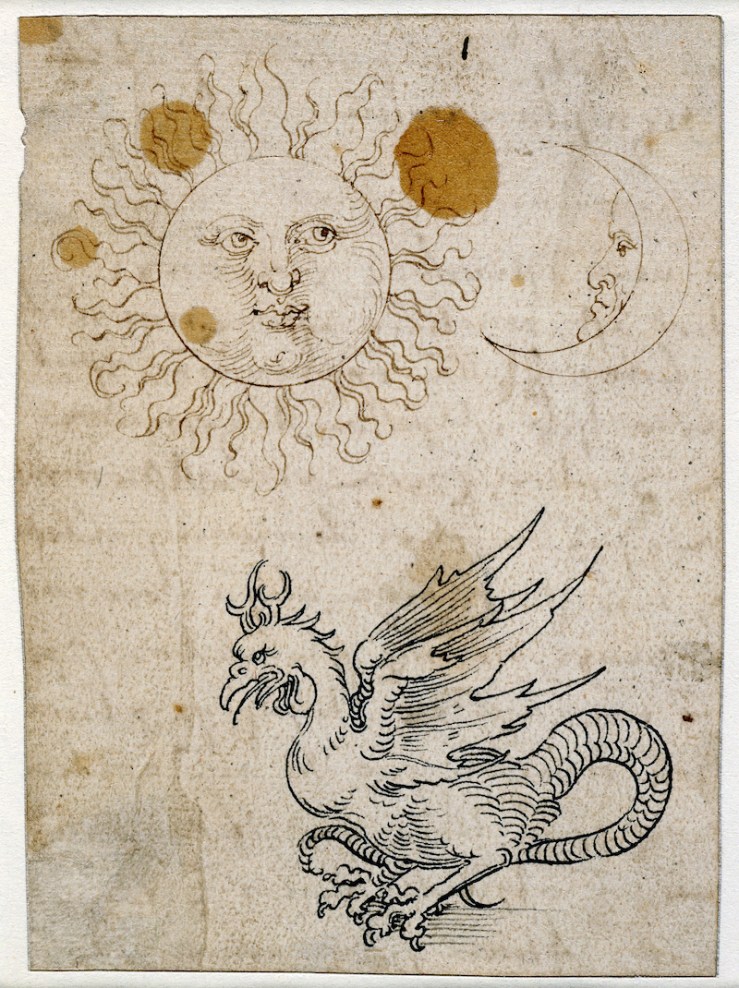
The Sun, the Moon and a Basilisk, c. 1512 by Albrecht Durer (1471-1528)

The Monster, Odilon Redon (1840–1916)
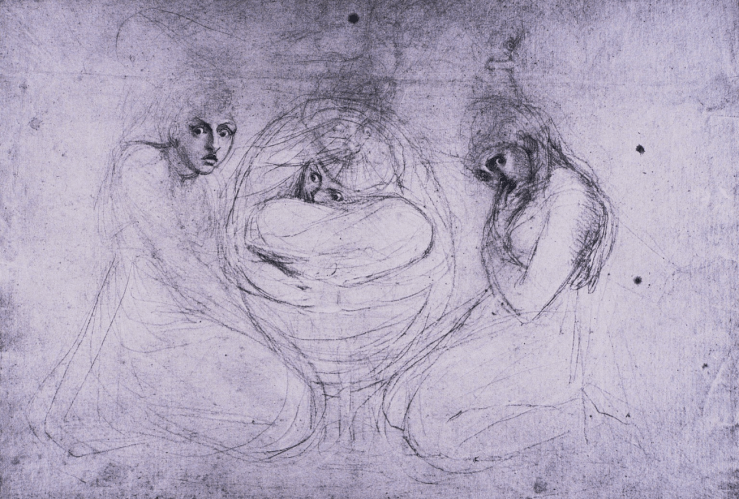
Fear (Three Girls Crouching), 1777 by Henry Fuseli (1741-1825)
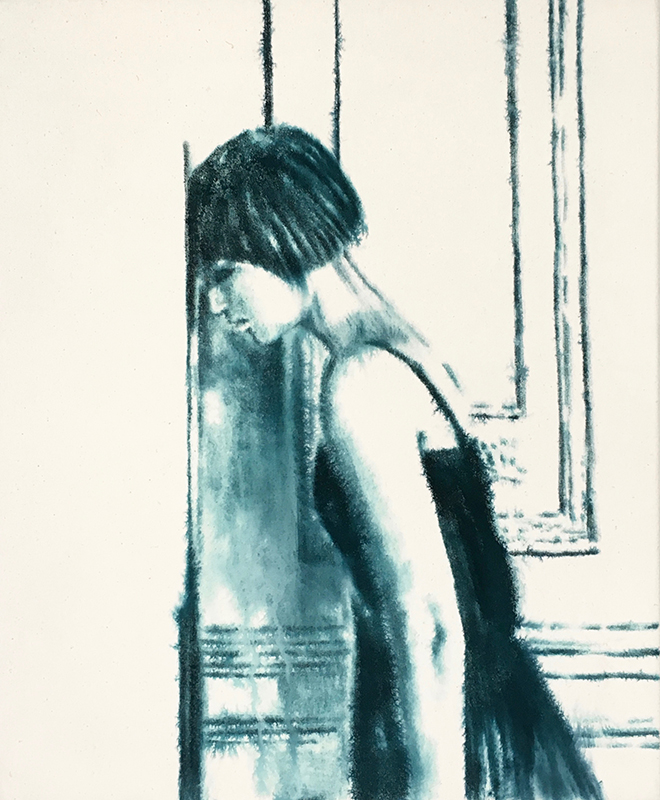
Absage, 2020 by by Dieter Mammel (b. 1965)
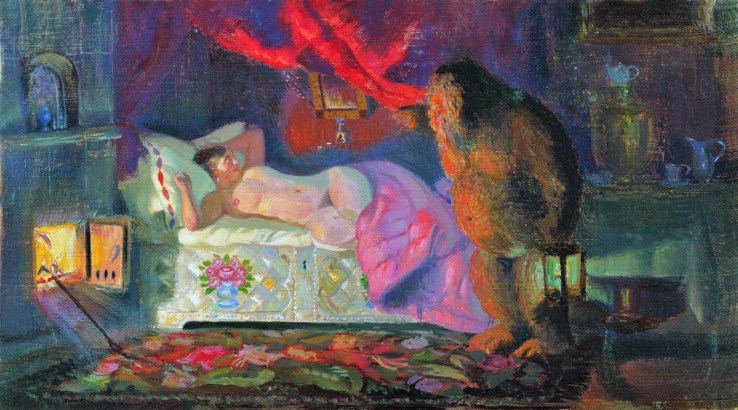
Merchant’s Wife and Domovoi, 1922 by Boris Kustodiev (1878–1927)
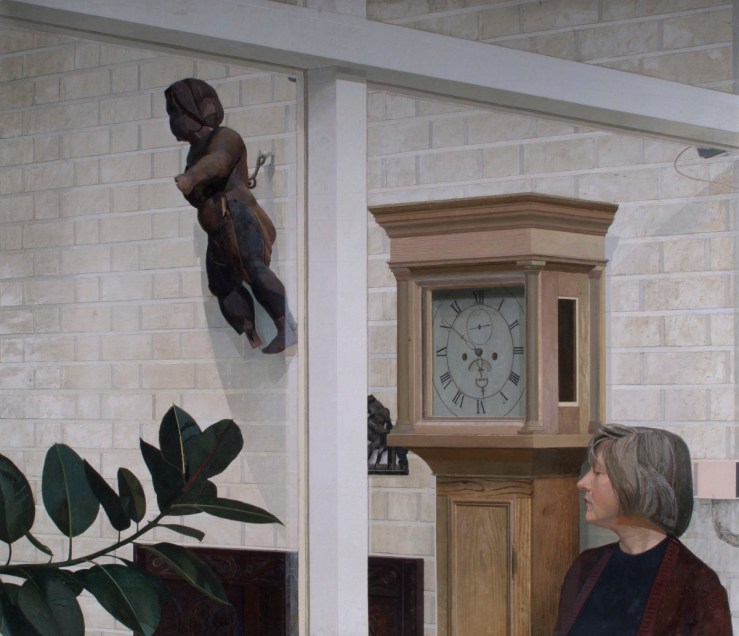
Margaret through the Studio Window, 1972 by Norman Blamey (1914 – 2000)
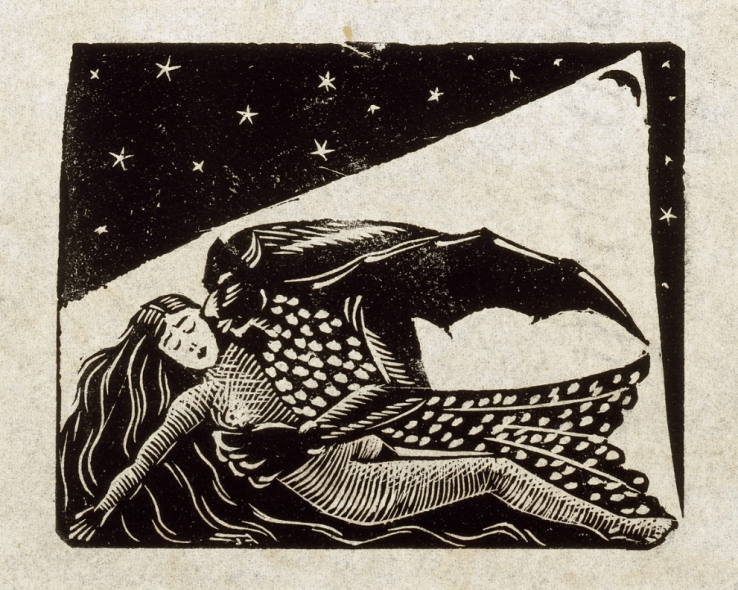
The Vampire, 1948 by Franco Lázaro Gómez (1920-1949)
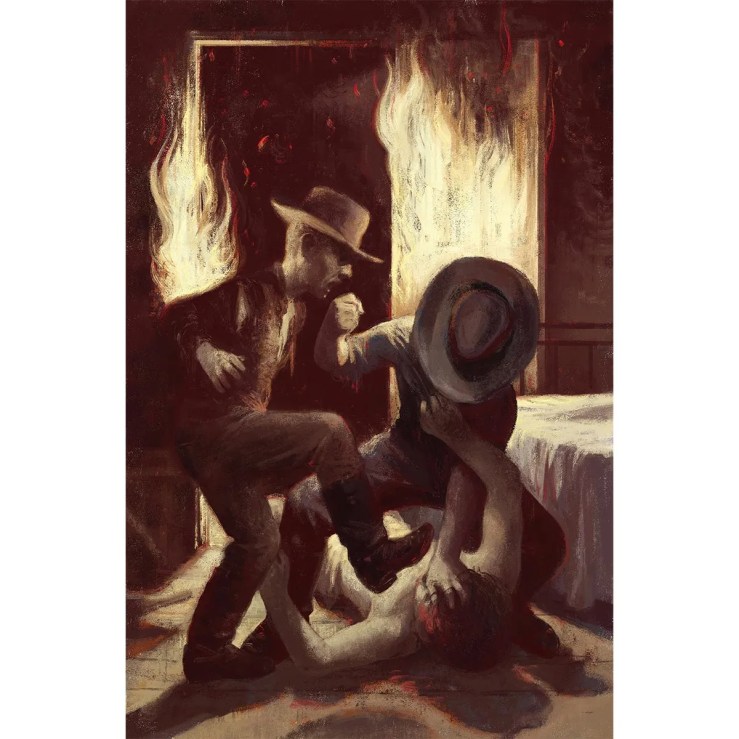
Illustration for Cormac McCarthy’s novel Blood Meridian by Gérard DuBois. From the Folio Society edition of Blood Meridian.
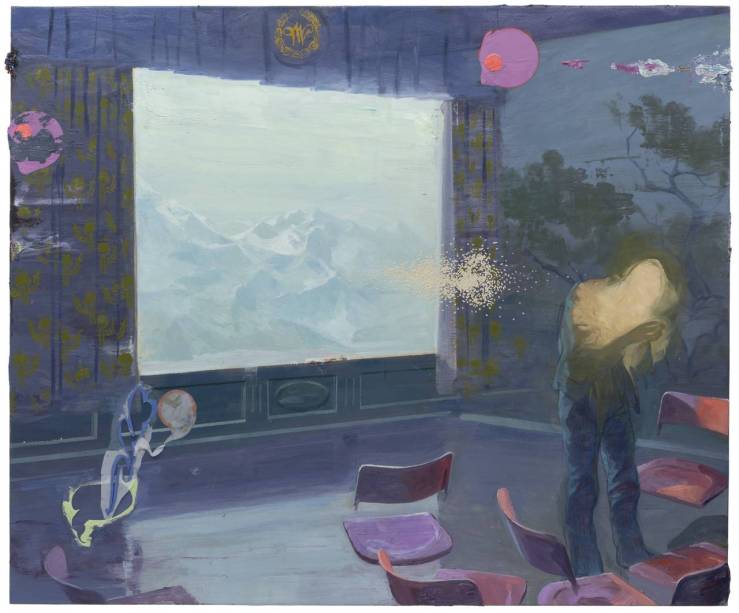
The Last Act, 2019 by Ruprecht von Kaufmann (b. 1974)
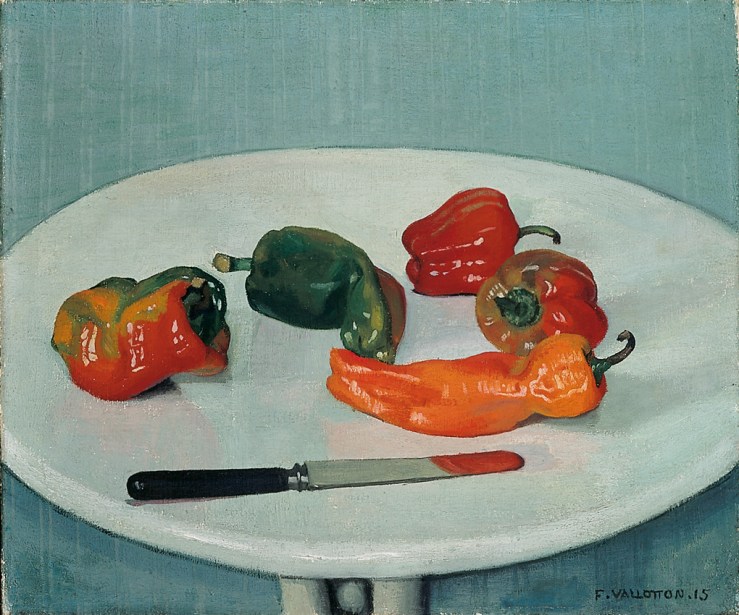
Still Life with Red Peppers on a White Lacquered Table, 1915 by Felix Vallotton (1865-1925)
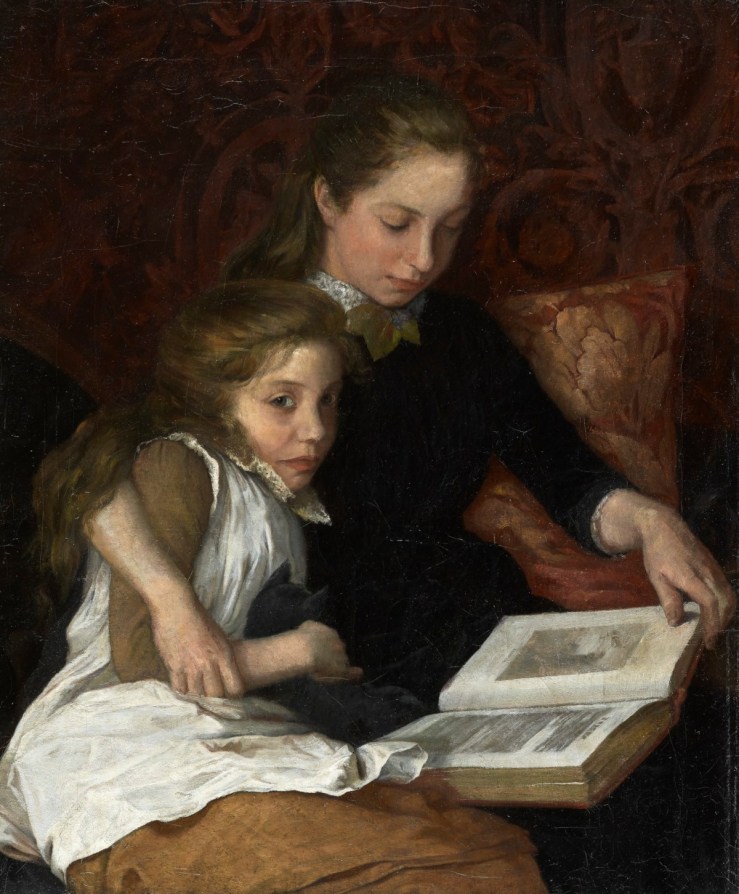
Two Girls Reading, early 20thc. by Arthur George Walker (1861 – 1939)
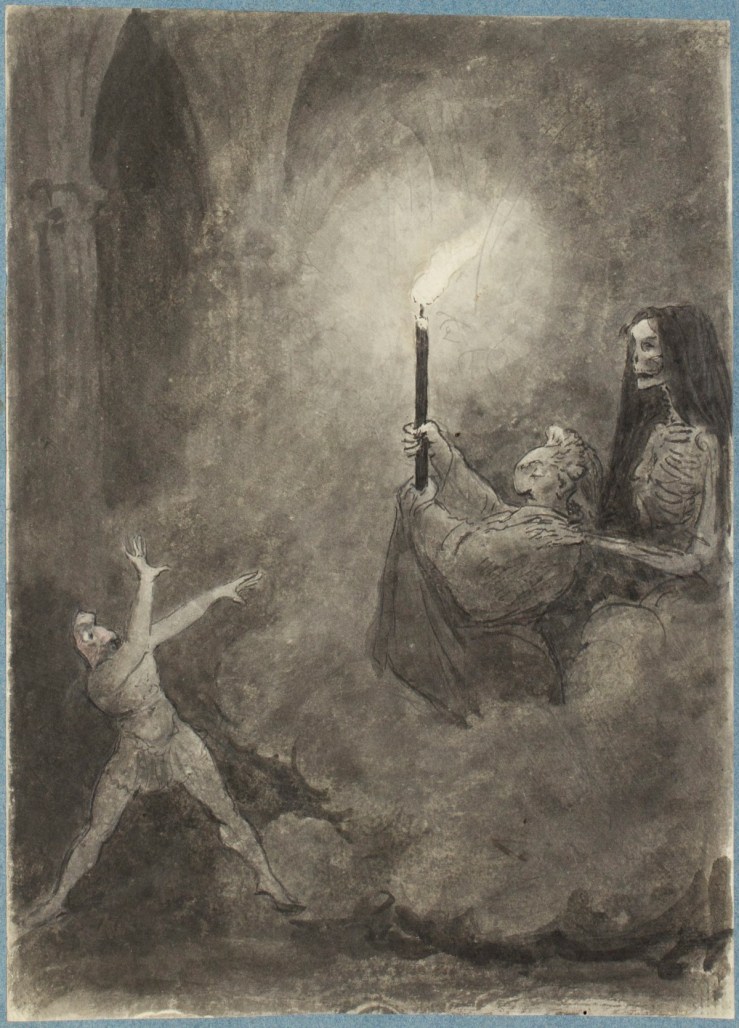
A Skeleton and Two Figures in a Gothic Building by George Dance (1741 – 1825)
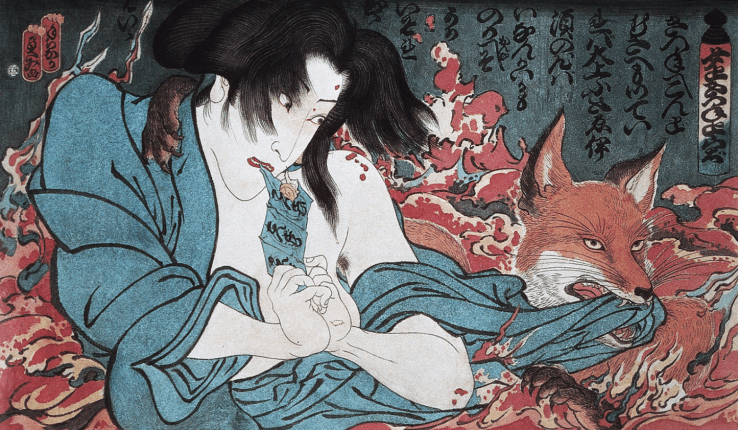
Geisha and Fox, 1988 by Masami Teraoka (b. 1936)
“The Executioner’s Beautiful Daughter”
by
Angela Carter
Here, we are high in the uplands.
A baleful almost-music, that of the tuneless cadences of an untutored orchestra repercussing in an ecstatic agony of echoes against the sounding boards of the mountains, lured us into the village square where we discover them twanging, plucking and abusing with horsehair bows a wide variety of crude stringed instruments. Our feet crunch upon dryly whispering shifting sawdust freshly scattered over impacted surfaces of years of sawdust clotted, here and there, with blood shed so long ago it has, with age, acquired the colour and texture of rust . . . sad, ominous stains, a threat, a menace, memorials of pain.
There is no brightness in the air. Today the sun will not irradiate the heroes of the dark spectacle to which accident and disharmony combined to invite us. Here, where the air is choked all day with diffuse moisture tremulously, endlessly the point of becoming rain, light falls as if filtered through muslin so at all hours a crepuscular gloaming prevails; the sky looks as though it is about to weep and so, gloomily illuminated through unshed tears, the tableau vivant before us is suffused with the sepia tints of an old photograph and nothing within it moves. The intent immobility of the spectators, wholly absorbed as they are in the performance of their hieratic ritual, is scarcely that of living things and this tableau vivant might be better termed a nature morte for the mirthless carnival is a celebration of a death. Their eyes, the whites of which are yellowish, are all fixed, as if attached by taut, invisible strings upon a wooden block lacquered black with the spilt dews of a millennia of victims.
And now the rustic bandsmen suspend their unmelodious music. This death must be concluded in the most dramatic silence. The wild mountain-dwellers are gathered together to watch a public execution; that is the only entertainment the country offers.
Time, suspended like the rain, begins again in silence, slowly. Continue reading ““The Executioner’s Beautiful Daughter” — Angela Carter”

Picnic at Wittenham, 1948 by George Warner Allen 1916-1988
 Biblioklept