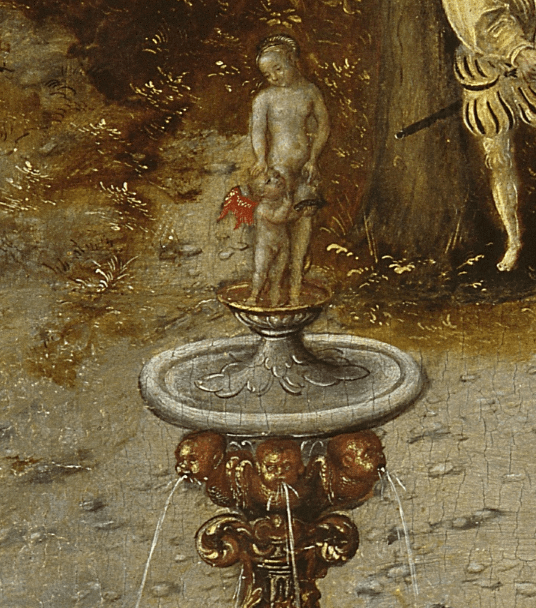
Detail from Der Jungbrunnen (The Fountain of Youth), 1546 by Lucas Cranach the Elder (c. 1472–1553)

Detail from Der Jungbrunnen (The Fountain of Youth), 1546 by Lucas Cranach the Elder (c. 1472–1553)
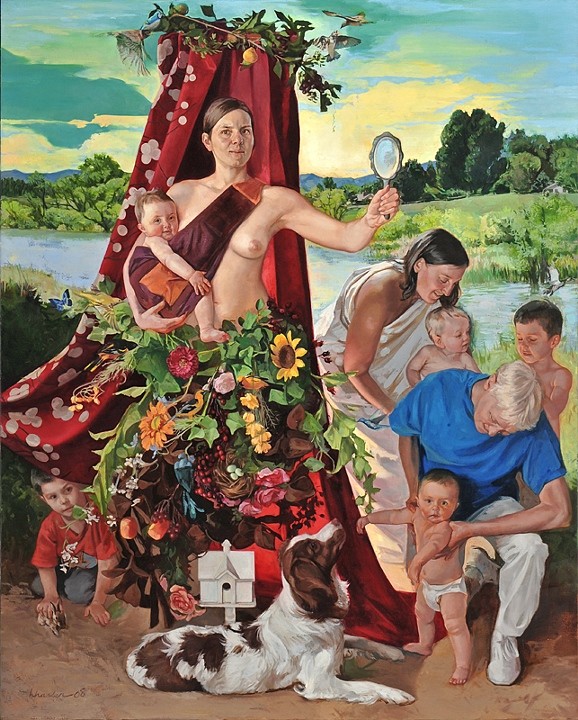
Idyllic Childhood, 2009 by Haley Hasler
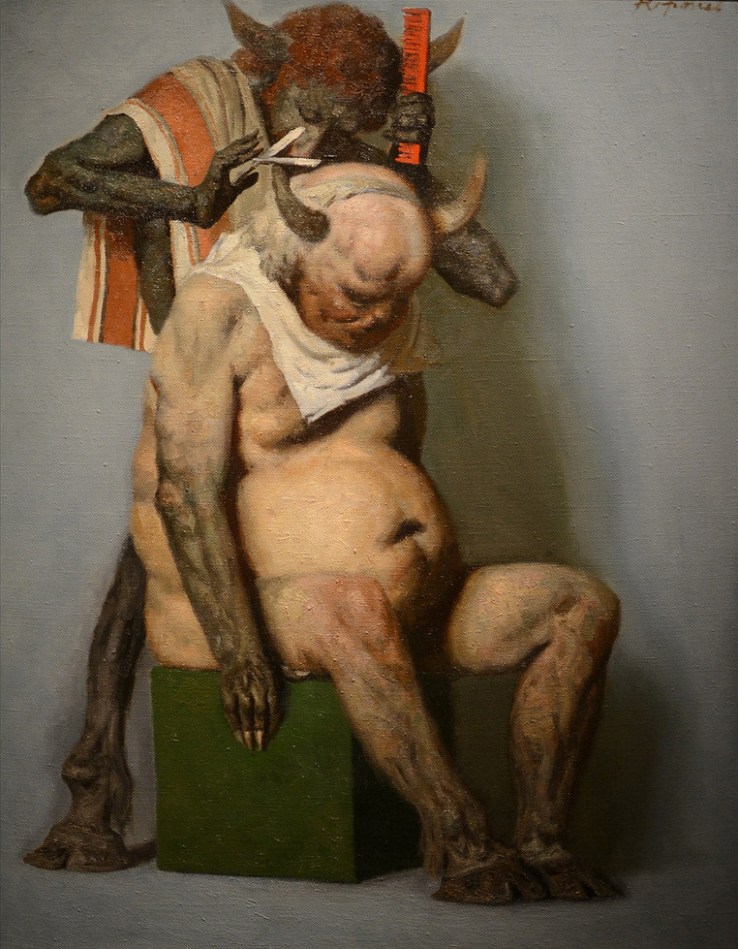
At the Hairdressers, by Gely Korzhev (1925-2012)
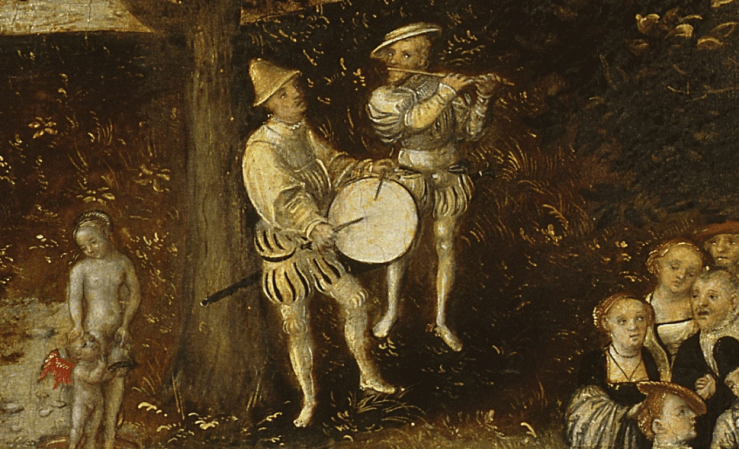
Detail from Der Jungbrunnen (The Fountain of Youth), 1546 by Lucas Cranach the Elder (c. 1472–1553)

The Apartment, 1943 by Jacob Lawrence (1938-2000)


The Virgin of the Annunciation and the Archangel Gabriel, 1465 by Andrea della Robbia (1435-1525)


Virgin Adoring the Christ Child with St. John the Baptist and Two Angels, c. 1500-1520 by Tomasso (c. 1500-1550)


Satan, c. 1836 by Jean-Jacques Feuchère (1807-1852)
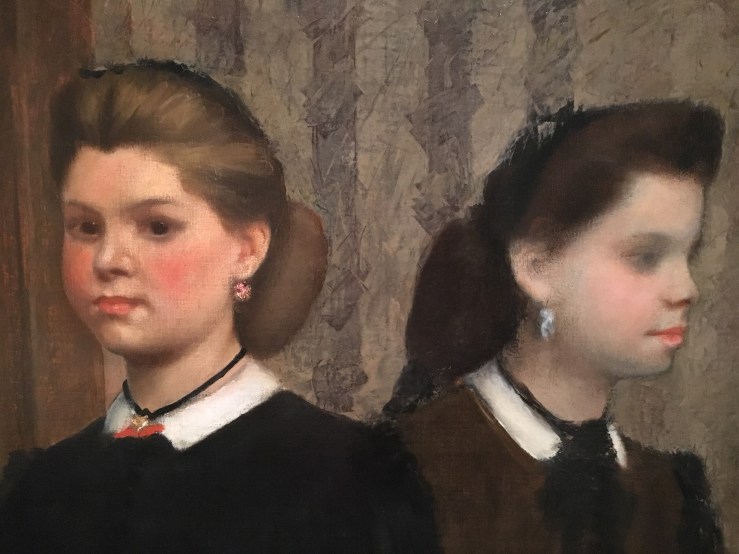
The Bellelli Sisters (detail), 1865-1866 by Edgar Degas (1834-1917)


The Dragon Slayer, 1913 by Franz von Stuck (1863-1913)
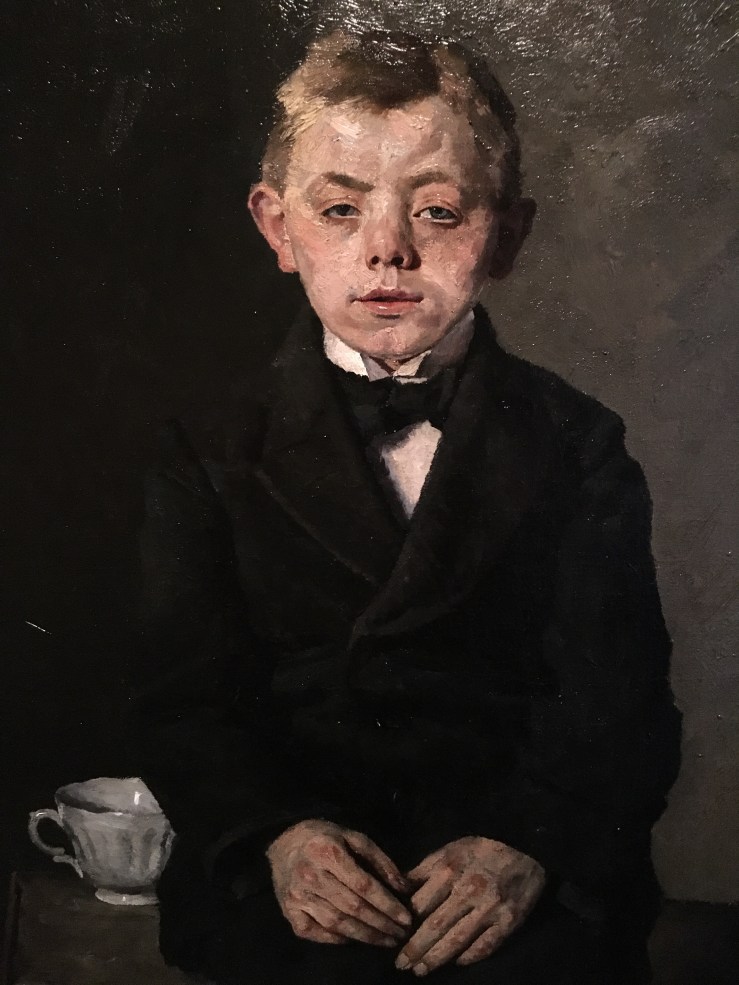
The Page Piccolo of the Hotel Stadt Gotha, Dresden (detail), 1918 by Thomas Baumgartner (1892 – 1962)


Two Girls Reading, c. 1890-1891 by Pierre-Auguste Renoir (1841-1919)


The Disillusioned One, 1892 by Ferdinand Hodler (1853-1918)
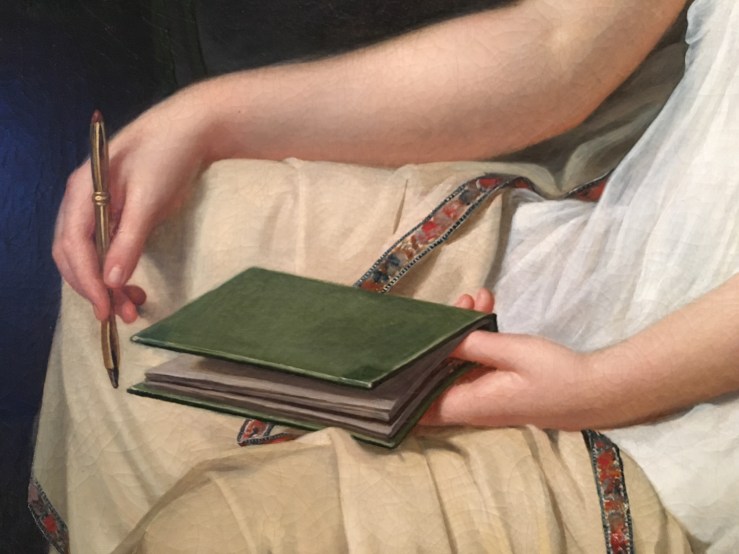
Portrait of a Woman Holding a Pencil and a Drawing Book, c. 1808 by Robert-Jacques Lefevre (1755-1830)


Satan and Death with Sin Intervening, 1799-1800 by Henry Fuseli (1741-1825)


The 10th of August, 1792 (details), c. 1795-1799 by Baron François-Pascal-Simon Gérard (1770-1837)
adsfdsf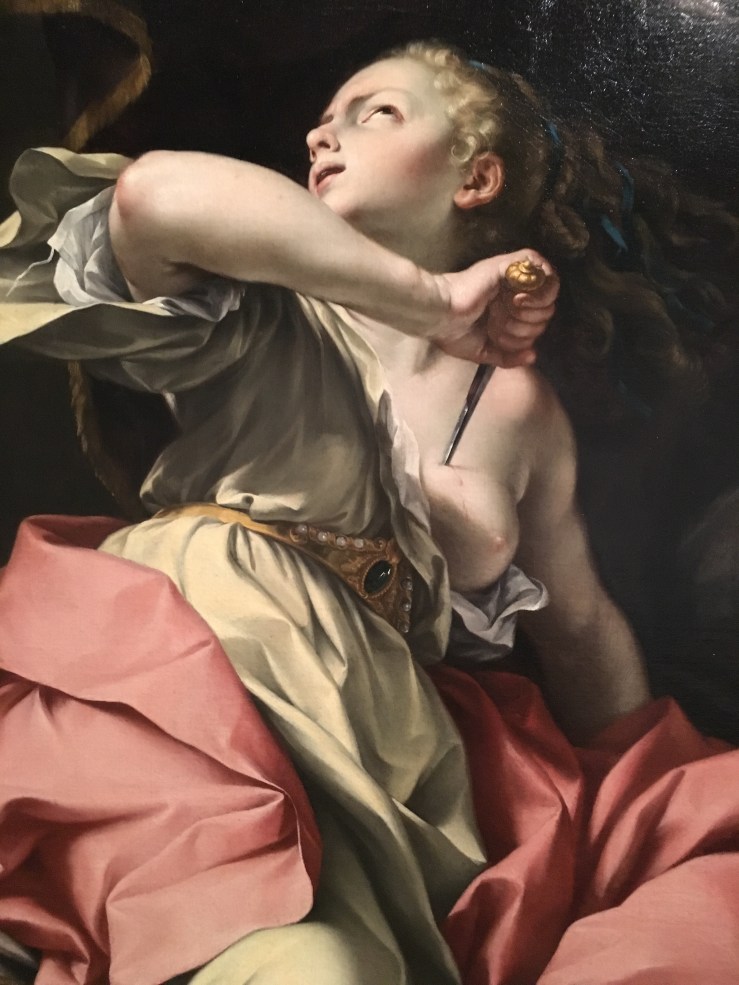
The Death of Lucretia, c. 1730 by Ludovico Mazzanti (1686-1775)
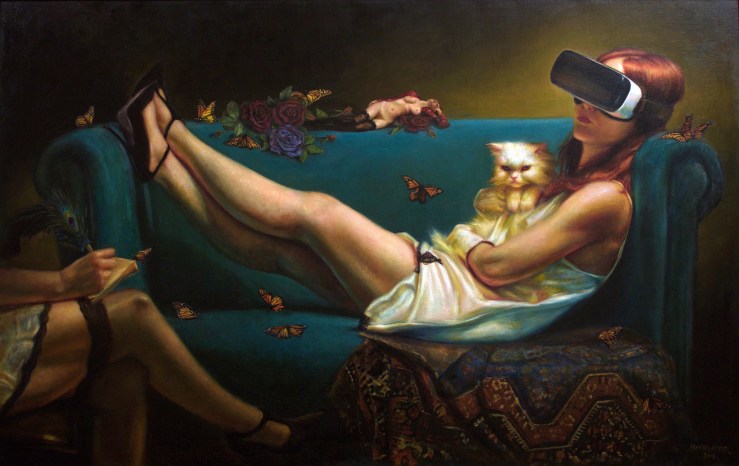
Head Games, 2016 by Rose Freymuth-Frazier (b. 1977)
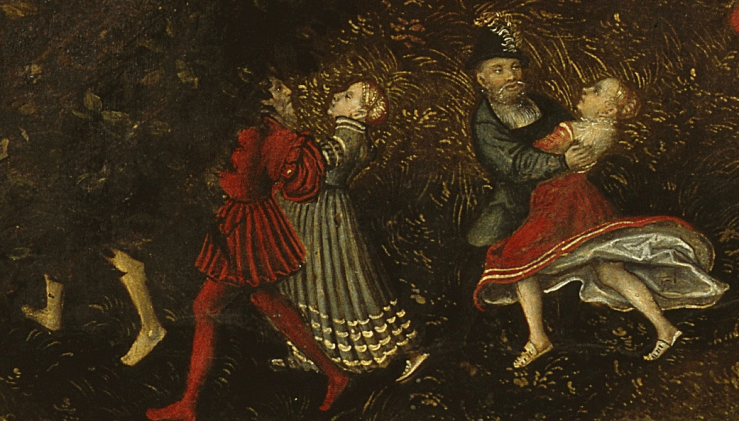
Detail from Der Jungbrunnen (The Fountain of Youth), 1546 by Lucas Cranach the Elder (c. 1472–1553)

Detail from Der Jungbrunnen (The Fountain of Youth), 1546 by Lucas Cranach the Elder (c. 1472–1553)

Untitled (from The Democratic Forest) by William Eggleston (b. 1938)
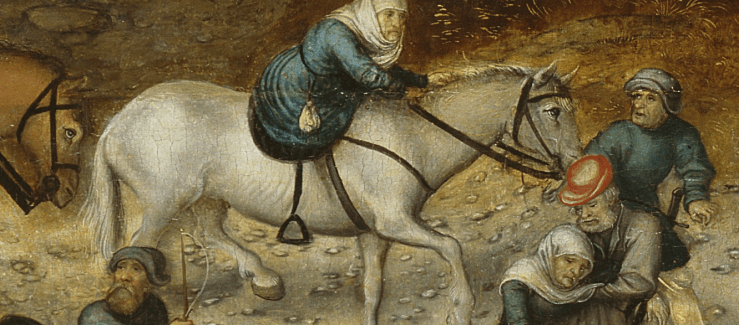
Detail from Der Jungbrunnen (The Fountain of Youth), 1546 by Lucas Cranach the Elder (c. 1472–1553)
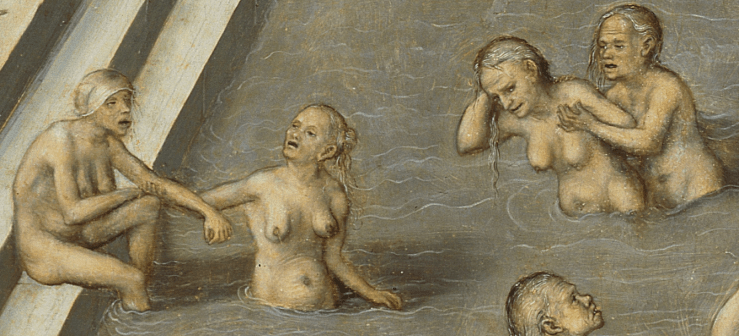
Detail from Der Jungbrunnen (The Fountain of Youth), 1546 by Lucas Cranach the Elder (c. 1472–1553)
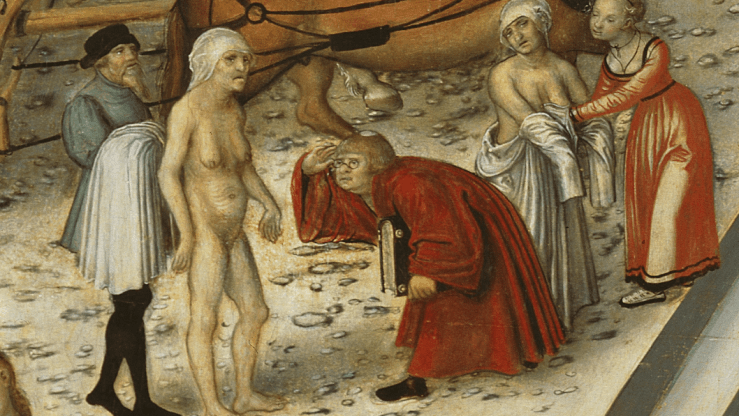
Detail from Der Jungbrunnen (The Fountain of Youth), 1546 by Lucas Cranach the Elder (c. 1472–1553)
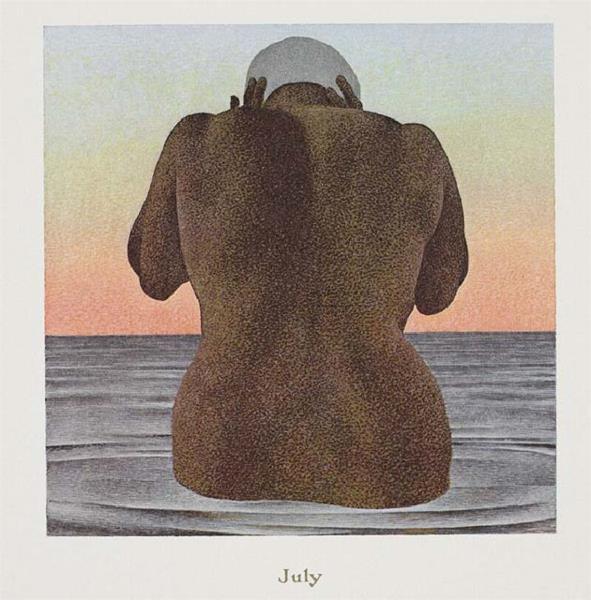
July, 1979 by Alex Colville (1920-2013)
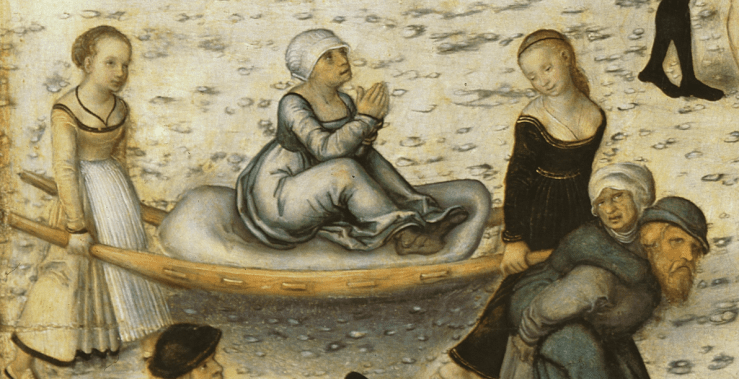
Detail from Der Jungbrunnen (The Fountain of Youth), 1546 by Lucas Cranach the Elder (c. 1472–1553)

Detail from Der Jungbrunnen (The Fountain of Youth), 1546 by Lucas Cranach the Elder (c. 1472–1553)
One can’t study the masters too much—I mean, from the amateur’s view-point; in the case of an artist it depends on the receptivity of his temperament. Velasquez didn’t like Raphael, and it was Boucher who warned Fragonard, when he went to Rome, not to take the Italian painters too seriously. Imitation may be the sincerest form of flattery, but it sometimes stifles individuality. I think it is probably the belief that never again will this planet have another golden age of painting and sculpture that arouses in me the melancholy I mention. Music has passed its prime and is now entering the twilight of perfections past for ever. So is it with the Seven Arts. Nevertheless, there is no need of pessimism. Even if we could, it would not be well to repeat the formulas of art accomplished, born as they were of certain conditions, social as well as technical. Other days, other plays. And that is the blight on all academic art. “Traditional art,” says Frank Rutter, “is the art of respectable plagiarism,” a slight variation on Paul Gauguin’s more revolutionary axiom. No fear of any artist being too original. “There is no isolated truth,” exclaimed Millet; but Constable wrote: “A good thing is never done twice.” Best of all, it was R. A. M. Stevenson who said in effect that after studying Velasquez at the Prado he had modified his opinions as to the originality of modern art. Let us admit that there is no hope of ever rivalling the dead; yet a new beauty may be born, a new vision, and with it necessarily new technical procedures. When I say “new,” I mean a new variation on the past. To-day the Chinese and Assyrian are revived. It is the denial of these very obvious truths that makes academic critics slightly ridiculous. They obstinately refuse to see the sunlight on the canvases of the Impressionists just as they deny the sincerity and power of the so-called post-Impressionists. The transvaluation of critical values must follow in the trail of revolutions.
From James Huneker’s “The Melancholy of Masterpieces.” Collected in Ivory, Apes and Peacocks (1915).

 Biblioklept
