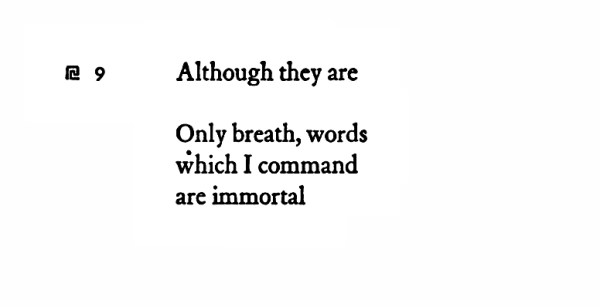
Only breath (Sappho)

Capture

The Invention of Life — Rene Magritte

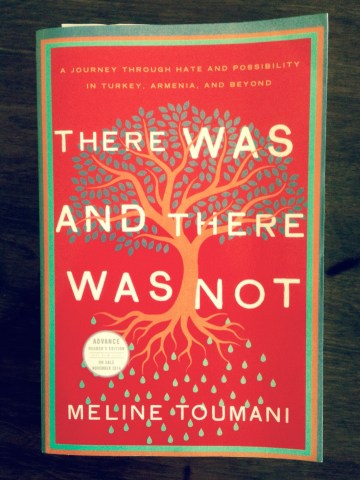
There Was and There Was Not (Book Acquired Some Time in Late October, 2014)

IMG_3885.JPG

There Was and There Was Not by Maline Toumani. Forthcoming from Metropolitan. Their blurb:

A young Armenian-American goes to Turkey in a “love thine enemy” experiment that becomes a transformative reflection on how we use—and abuse—our personal histories

Meline Toumani grew up in a close-knit Armenian community in New Jersey where Turkish restaurants were shunned and products made in Turkey were boycotted. The source of this enmity was the Armenian genocide of 1915 at the hands of the Ottoman Turkish government, and Turkey’s refusal to acknowledge it. A century onward, Armenian and Turkish lobbies spend hundreds of millions of dollars to convince governments, courts and scholars of their clashing versions of history.

Frustrated by her community’s all-consuming campaigns for genocide recognition, Toumani leaves a promising job at The New York Timesand moves to Istanbul. Instead of demonizing Turks, she sets out to understand them, and in a series of extraordinary encounters over the course of four years, she tries to talk about the Armenian issue, finding her way into conversations that are taboo and sometimes illegal. Along the way, we get a snapshot of Turkish society in the throes of change, and an intimate portrait of a writer coming to terms with the issues that drove her halfway across the world.

In this far-reaching quest, told with eloquence and power, Toumani probes universal questions: how to belong to a community without conforming to it, how to acknowledge a tragedy without exploiting it, and most importantly how to remember a genocide without perpetuating the kind of hatred that gave rise to it in the first place

 

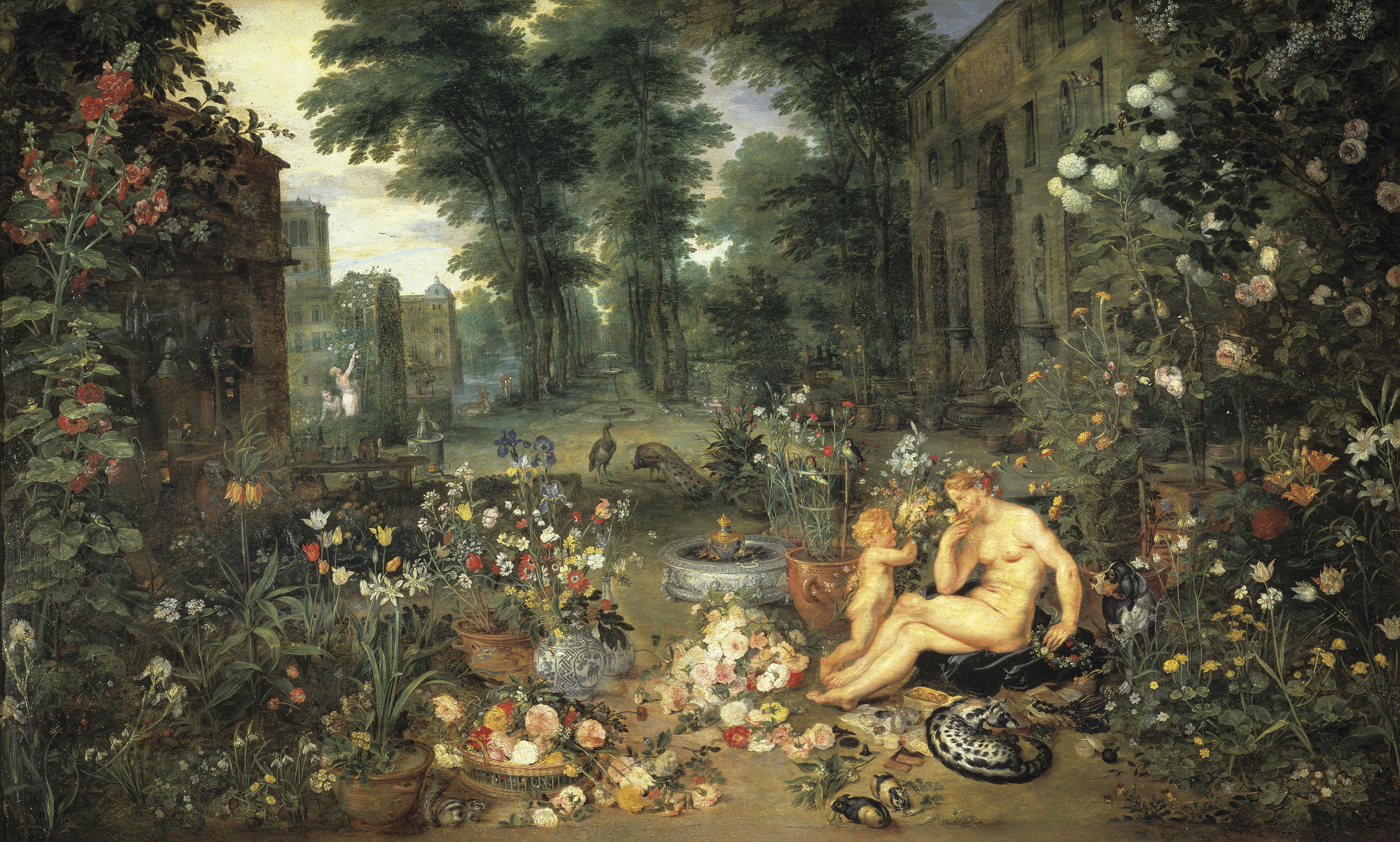
Allegory of Smell — Jan Brueghel and Peter Paul Rubens

Every happiness that a man enjoys rests upon illusion (Schopenhauer)

Every happiness that a man enjoys, and almost every friendship that he cherishes, rest upon illusion; for, as a rule, with increase of knowledge they are bound to vanish. Nevertheless, here as elsewhere, a man should courageously pursue truth, and never weary of striving to settle accounts with himself and the world. No matter what happens to the right or to the left of him,—be it a chimaera or fancy that makes him happy, let him take heart and go on, with no fear of the desert which widens to his view. Of one thing only must he be quite certain: that under no circumstances will he discover any lack of worth in himself when the veil is raised; the sight of it would be the Gorgon that would kill him. Therefore, if he wants to remain undeceived, let him in his inmost being feel his own worth. For to feel the lack of it is not merely the greatest, but also the only true affliction; all other sufferings of the mind may not only be healed, but may be immediately relieved, by the secure consciousness of worth. The man who is assured of it can sit down quietly under sufferings that would otherwise bring him to despair; and though he has no pleasures, no joys and no friends, he can rest in and on himself; so powerful is the comfort to be derived from a vivid consciousness of this advantage; a comfort to be preferred to every other earthly blessing. Contrarily, nothing in the world can relieve a man who knows his own worthlessness; all that he can do is to conceal it by deceiving people or deafening them with his noise; but neither expedient will serve him very long.

From Arthur Schopenhauer’s The Art of Controversy. Translated by T. Bailey Saunders.

Blossom (Detail) — Rustam Qbic

qbic-2