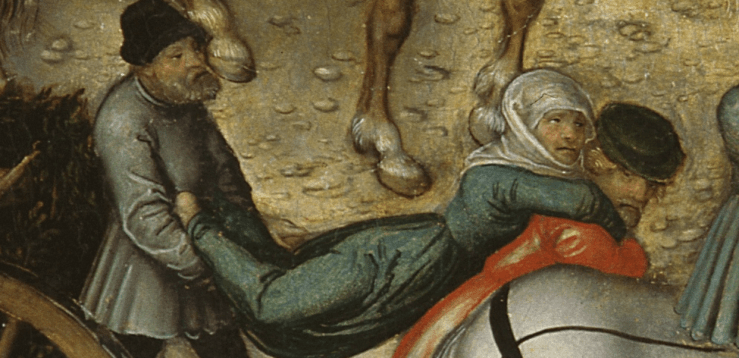
Some pictures I took at the Los Angeles County Museum of Art last week

The Virgin of the Annunciation and the Archangel Gabriel, 1465 by Andrea della Robbia (1435-1525)

Virgin Adoring the Christ Child with St. John the Baptist and Two Angels, c. 1500-1520 by Tomasso (c. 1500-1550)

Satan, c. 1836 by Jean-Jacques Feuchère (1807-1852)
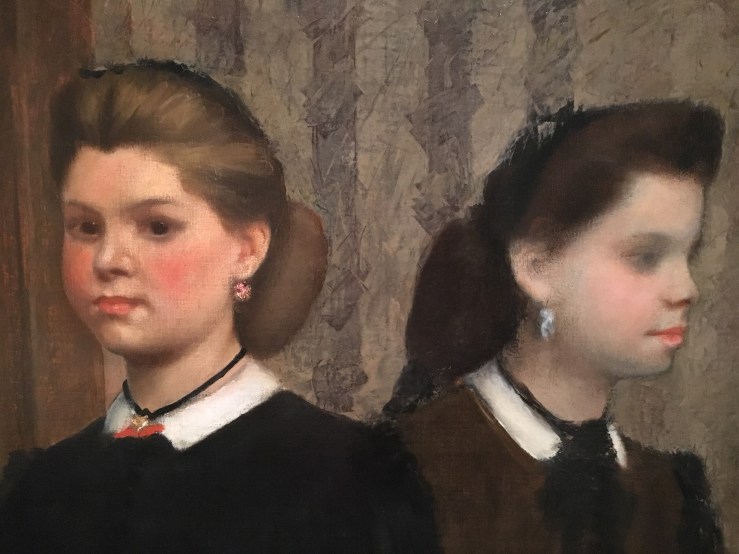
img_7029-1

The Bellelli Sisters (detail), 1865-1866 by Edgar Degas (1834-1917)

The Dragon Slayer,  1913 by Franz von Stuck (1863-1913)
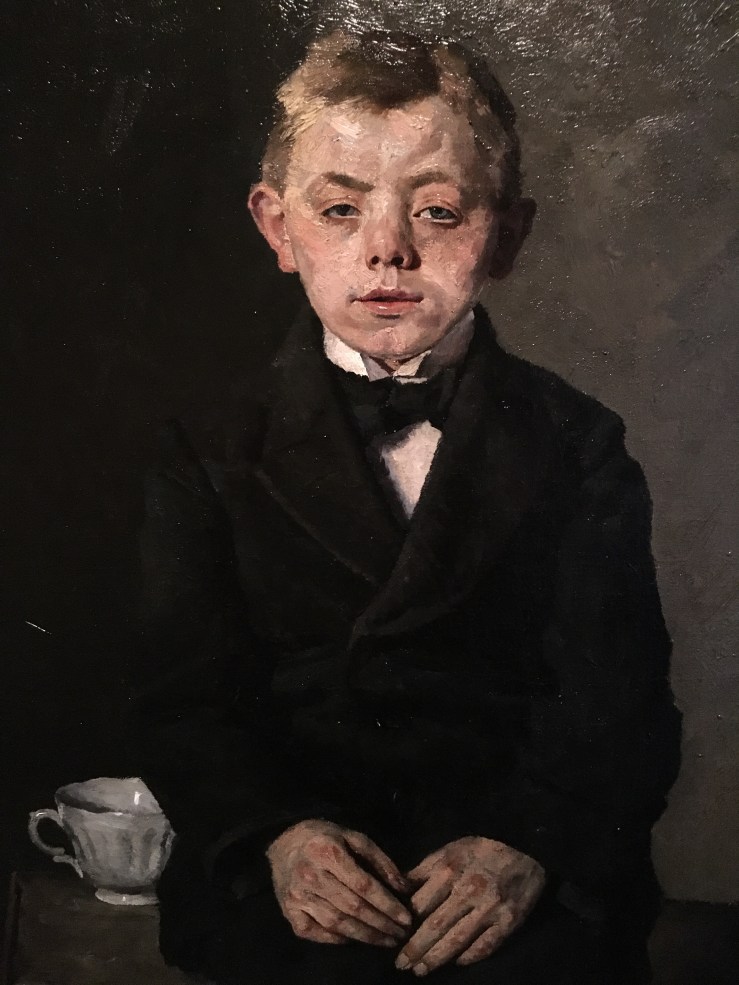
img_7023-1

The Page Piccolo of the Hotel Stadt Gotha, Dresden (detail), 1918 by Thomas Baumgartner (1892 – 1962)

Two Girls Reading, c. 1890-1891 by Pierre-Auguste Renoir (1841-1919)

The Disillusioned One, 1892 by Ferdinand Hodler (1853-1918)
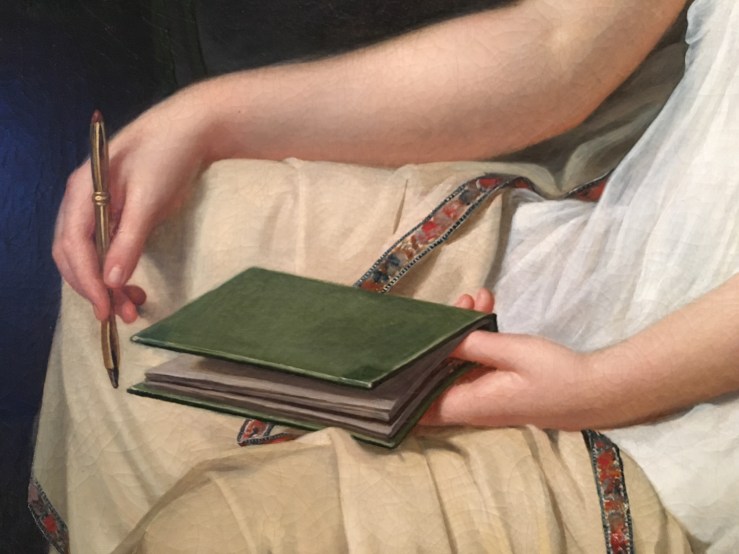
img_7039-1

Portrait of a Woman Holding a Pencil and a Drawing Book, c. 1808 by Robert-Jacques Lefevre (1755-1830)

Satan and Death with Sin Intervening, 1799-1800 by Henry Fuseli (1741-1825)

The 10th of August, 1792 (details), c. 1795-1799 by Baron François-Pascal-Simon Gérard (1770-1837)

adsfdsfimg_7048-1
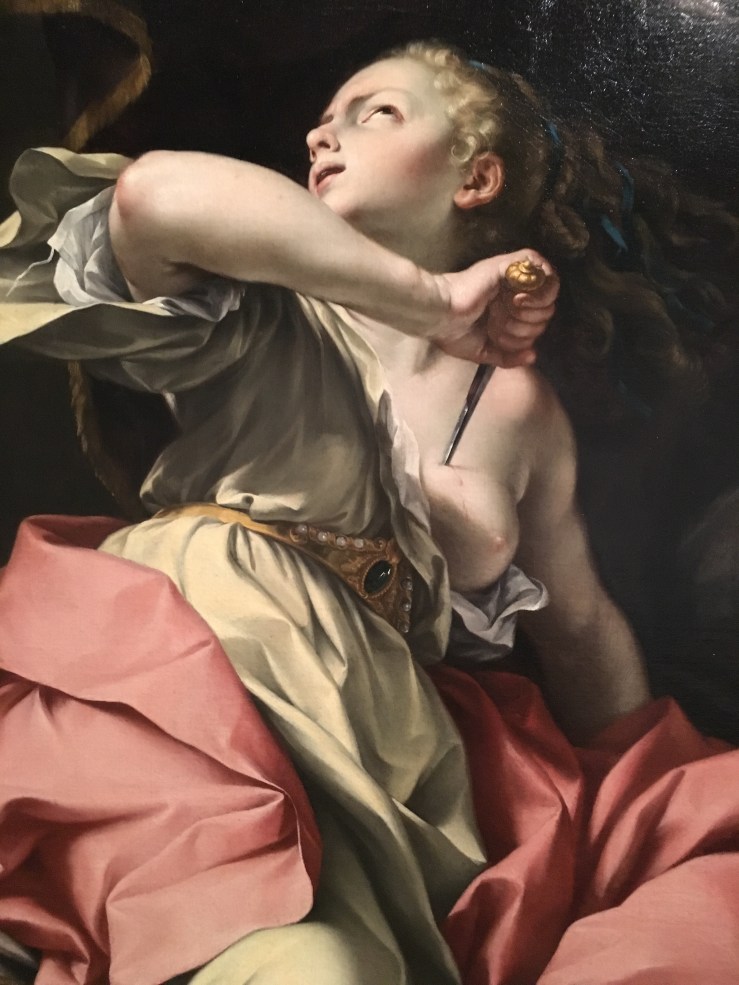
The Death of Lucretia, c. 1730 by Ludovico Mazzanti (1686-1775)
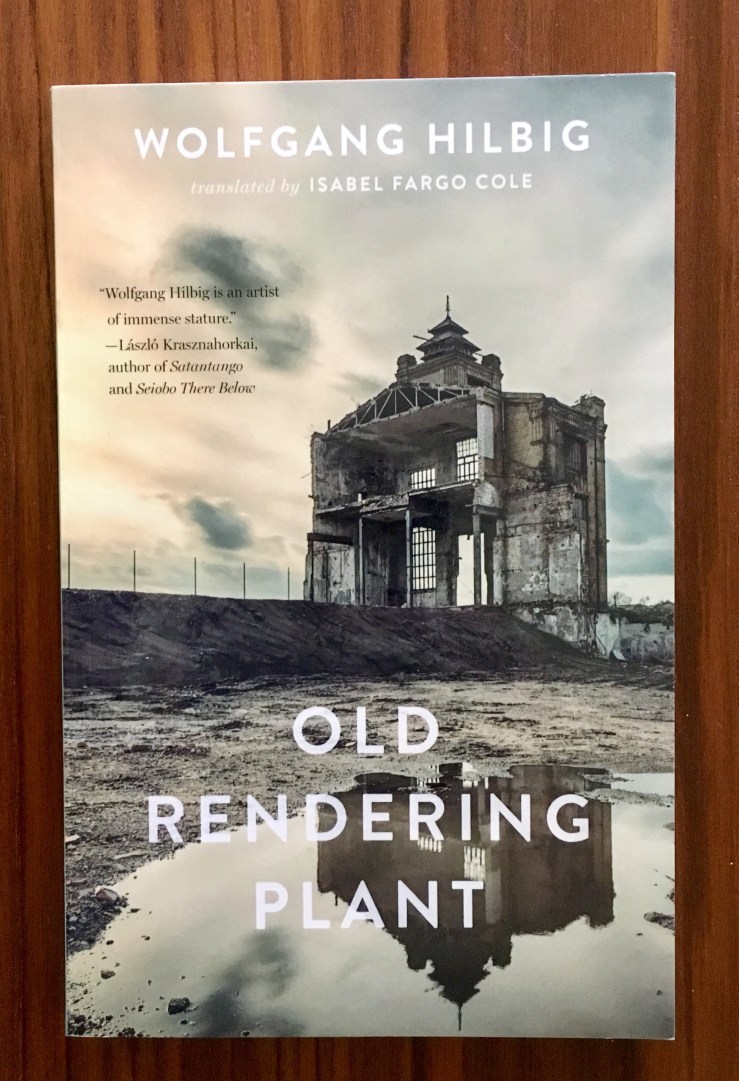
Hilbig’s Old Rendering Plant (Book acquired sometime at the end of June, 2017)

img_7443

Wolfgang Hilbig’s novella Old Rendering Plant (translated from German by Isabel Fargo Cole) is new from Two Lines Press. It looks pretty cool—a blurb from the NYT comparing him to Sebald and that quote on the cover from Krasznahorkai don’t hurt either. Here’s TLP’s blurb:

What falsehoods do we believe as children? And what happens when we realize they are lies—possibly heinous ones? In Old Rendering Plant Wolfgang Hilbig turns his febrile, hypnotic prose to the intersection of identity, language, and history’s darkest chapters, immersing readers in the odors and oozings of a butchery that has for years dumped biological waste into a river. It starts when a young boy becomes obsessed with an empty and decayed coal plant, coming to believe that it is tied to mysterious disappearances throughout the countryside. But as a young man, with the building now turned into an abattoir processing dead animals, he revisits this place and his memories of it, realizing just how much he has missed. Plumbing memory’s mysteries while evoking historic horrors, Hilbig gives us a gothic testament for the silenced and the speechless. With a tone worthy of Poe and a syntax descended from Joyce, this suggestive, menacing tale refracts the lost innocence of youth through the heavy burdens of maturity.

Suggestive and menacing? Poe and Joyce? This one’s next on my list. I was hoping to dig into it over the July 4th weekend(ish), but I was a bit crosseyed from Bloody Marys and other good spirits, and got almost no reading done for five days in a row.

I loved the last novella I read from Two Lines, by the way—João Gilberto Noll’s Quiet Creature on the Corner.

The Fountain of Youth (Detail) — Lucas Cranach the Elder

Screenshot 2017-06-20 at 2.45.17 PM

Detail from Der Jungbrunnen (The Fountain of Youth), 1546 by Lucas Cranach the Elder (c. 1472–1553)

Posted in Art