
So my son finished Douglas Adams’ A Hitchhiker’s Guide to the Galaxy on Tuesday night, giving me a nice excuse to swing by the used bookstore on Wednesday to pick up the next two entries in the series, The Restaurant at the End of The Universe and Life, the Universe and Everything. I managed to find the same editions I read when I was his age. I gave my copies to one of my students some time in the early 2000s, back when I was teaching high school.
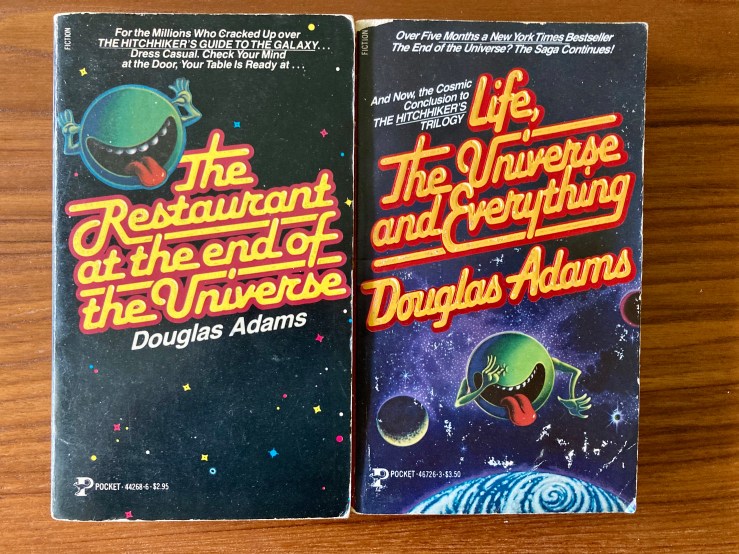
I found the Adams books almost immediately and had an hour to kill, so I strolled around, aiming not to buy anything. I’d been to the shop not a week before and picked up John Brunner’s 600+ page novel Last Stand on Zanzibar—but I thought I’d look for some interesting covers and maybe share them on twitter. And I did:
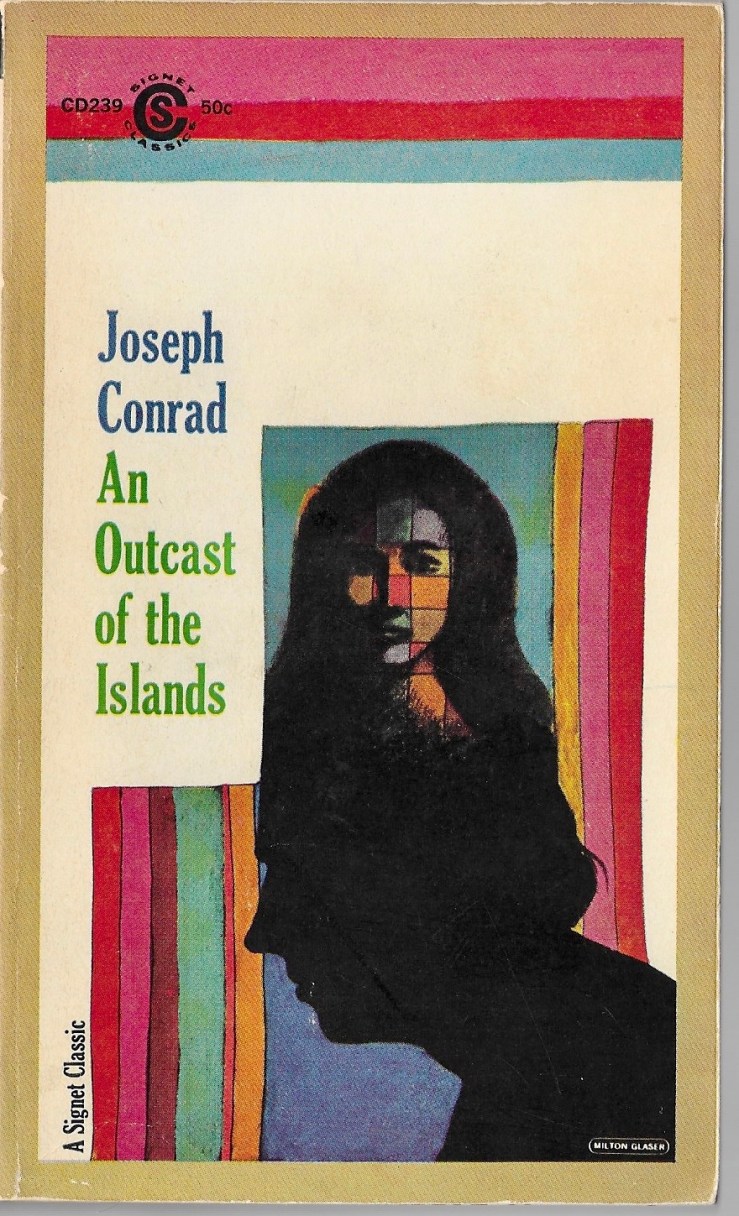
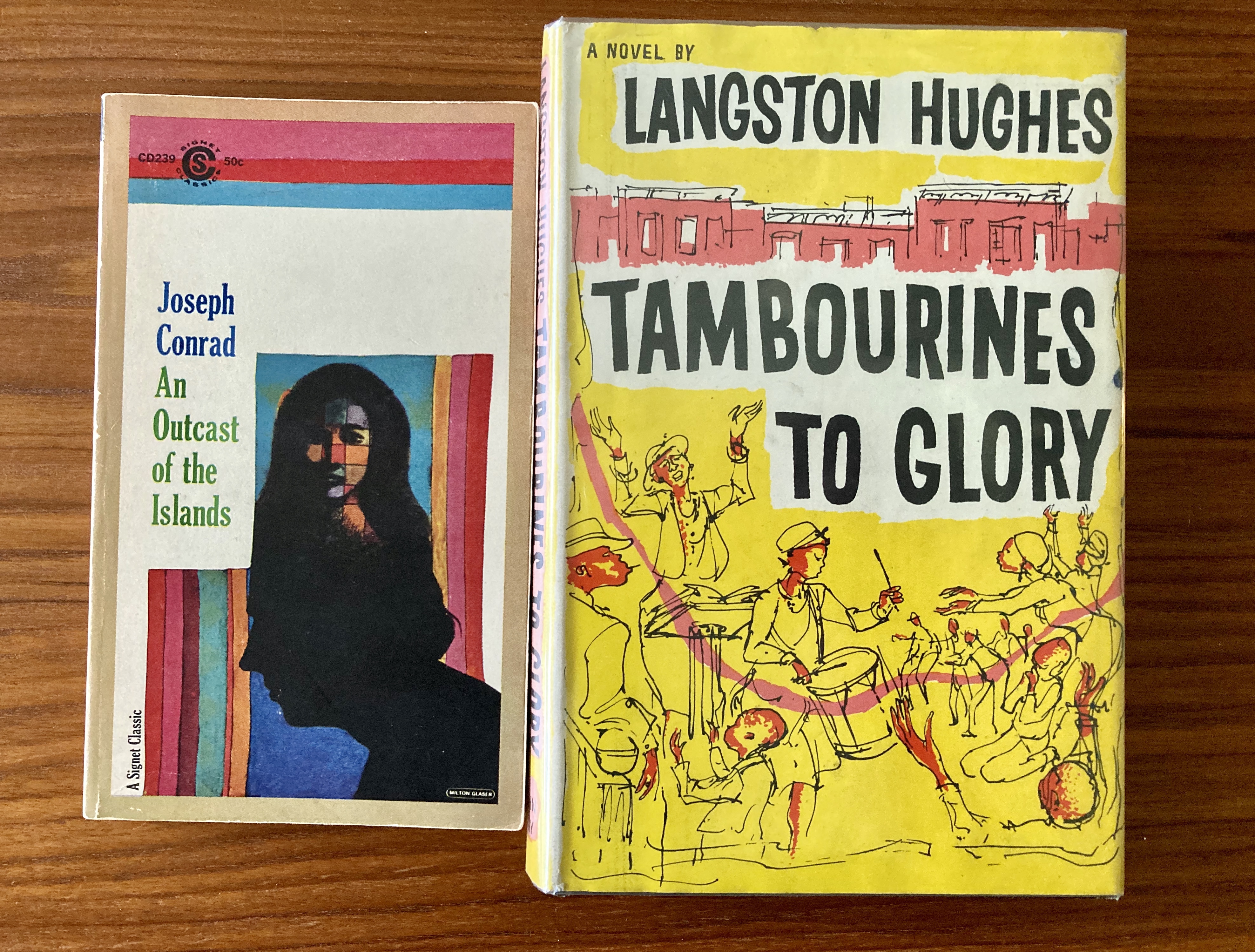
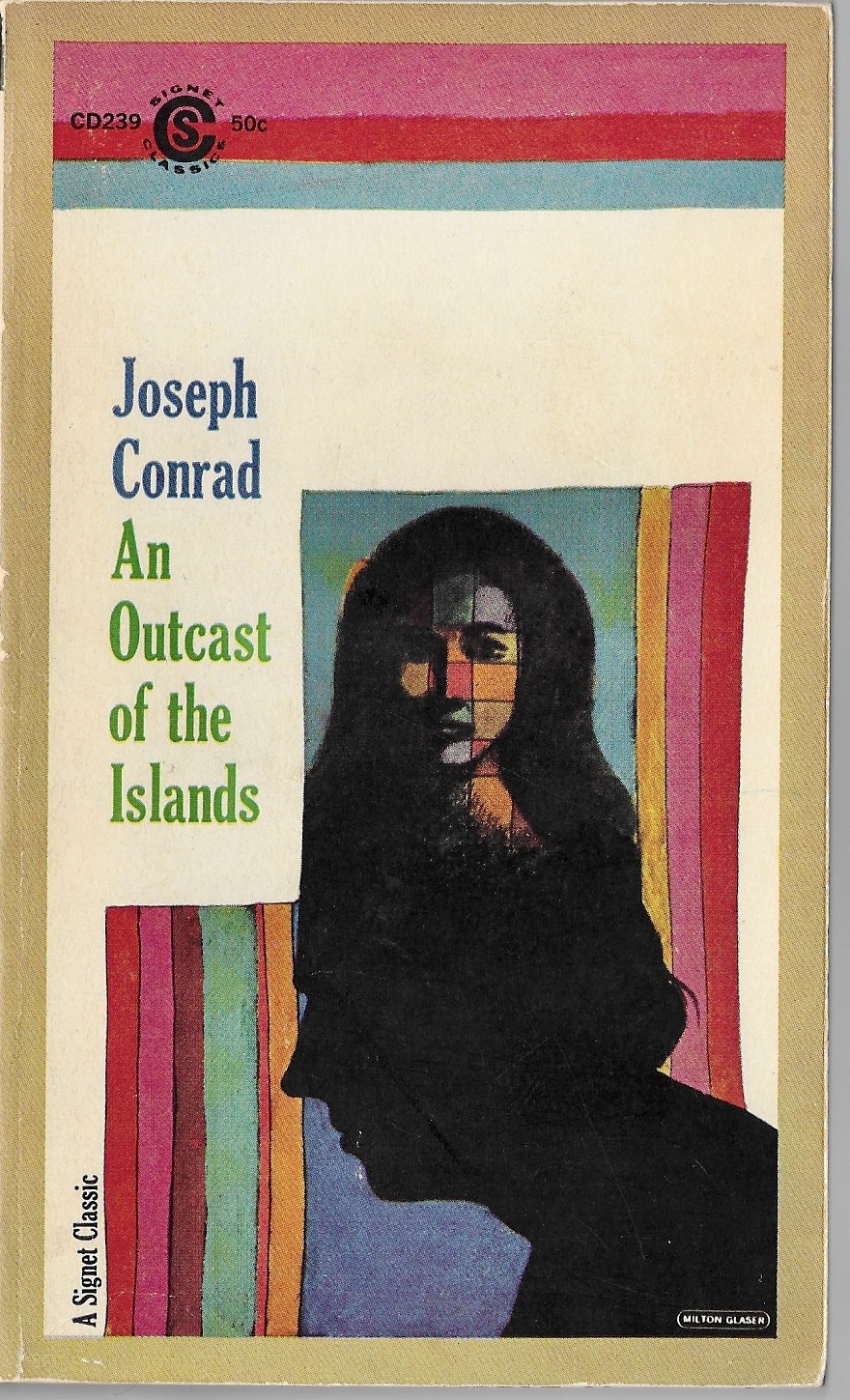
In the end though, I couldn’t pass up two books. First, I found a pristine first-edition Signet paperback of Joseph Conrad’s second novel An Outcast of the Islands with a striking Milton Glaser cover:
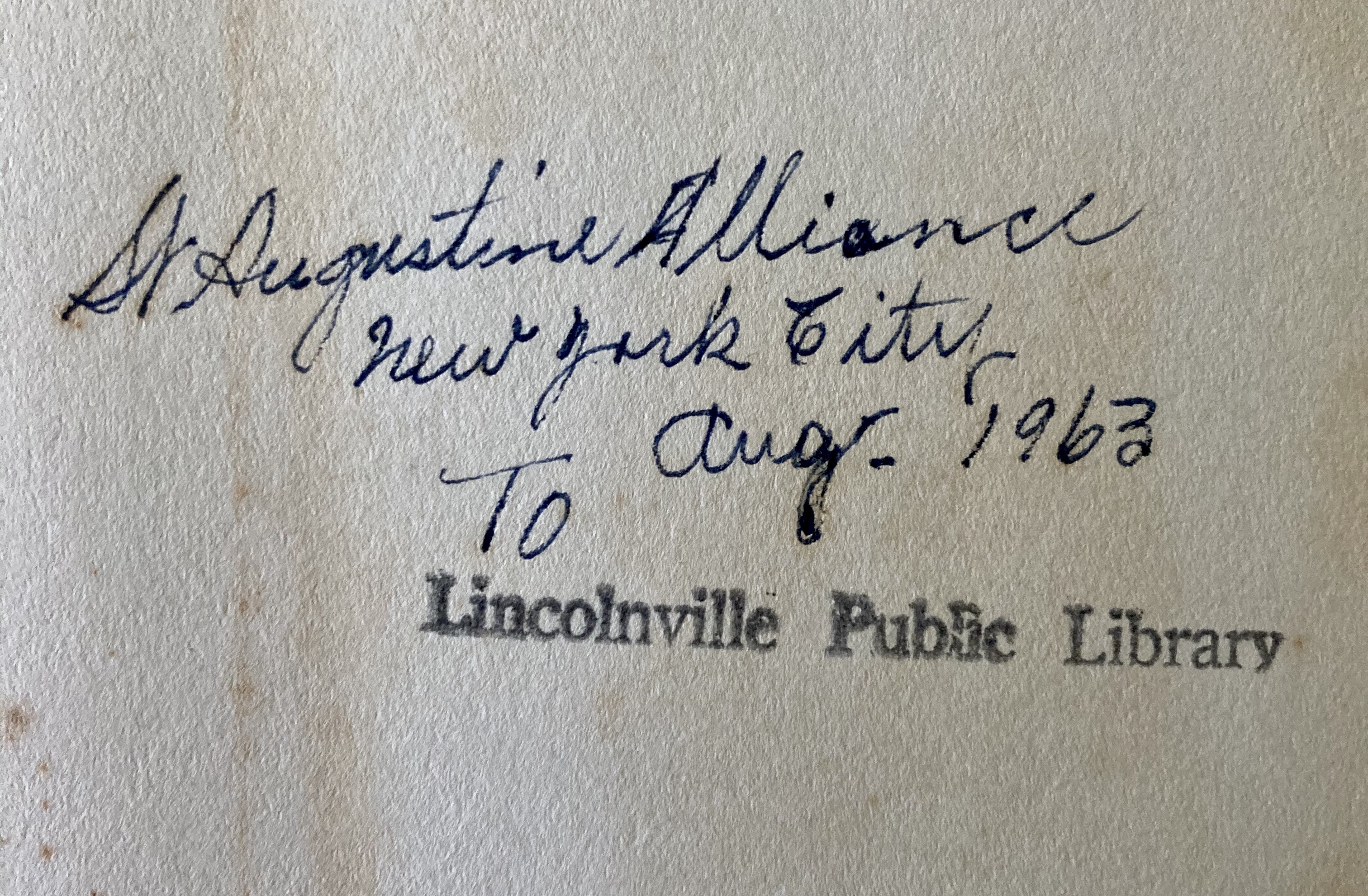
Then I came across a hardback first edition of Langston Hughes’ second novel Tambourines to Glory. At thirty bucks, it ate up the rest of my store credit, but it’s in excellent condition with no damage to the jacket and foxing only on the front flyleaf. It’s an old library book, but was fortunately spared any ugly WITHDRAWN stamps and appears never to have had a pocket in the back. Indeed, I’m not sure if the book was ever even read by anyone. Besides a few stamps identifying the library it once belonged to, the only mark in the book is on the front flyleaf:
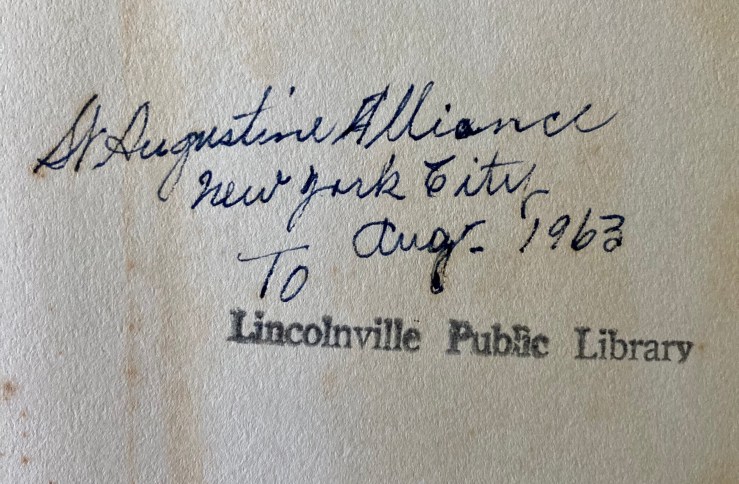
Lincolnville is an historic black neighborhood founded by ex-enslaved people in the late 1860s. Famously, St. Augustine (and the “St. Augustine movement”) was a key location in the Civil Rights movement, and protests in the summer of 1964 when demonstrators jumped into the “whites-only” pool at the Monson Motor Lodge. Journalists captured racist motel owner James Brock pouring muriatic acid into the pool during the swim-in. A day after the world saw these images, the Senate passed the Civil Rights Act.
I wonder whose handwriting that is?




 Biblioklept