50 Great Guitarists, All Better Than Slash (In No Particular Order)–Part III

11. John Fahey
In the late nineties, indie rock kids–myself included–started embracing sounds that expanded beyond four white guys playing drums, bass, and guitar. Bands like Tortoise and The Sea and Cake bridged the way to the avant garde stylings of Gastr del Sol and Oval, opening up whole new sound-worlds to young ears. Gastr del Sol’s stunning 1996 record Upgrade and Afterlife featured a cover of Fahey’s “Dry Bones in the Valley” as the most beautiful closing statement imaginable. A whole new generation of listeners were introduced to cult fave Fahey’s cryptic finger-picking style via Gastr’s Jim O’Rourke, along with Table of the Elements records who released Fahey’s Womblife in 1997. Today, followers of Fahey’s sound include Six Organs of Admittance, Jack Rose, Glenn Jones, and James Blackshaw, among many others. Great stuff, all around.

12. Jimi Hendrix

Hendrix is as great as everyone thinks he is.

13. Brian Jones

Brian Jones is often credited as the “second guitarist” for the Rolling Stones, and relegated to a space under the shadow of Keith Richards. He’s more infamous than famous, remembered as the wild man of the Stones who helped define their renegade image. However, Brian Jones was a multi-instrumentalist whose passion for different styles of music from around the world helped infuse the basic rocknroll of the early Stones with a certain eclectic punch. And although his early drowning death (like Dennis Wilson) in 1969 (before Jimi Hendrix, Jim Morrison, Janis Joplin) is tragic on some levels (like Keith Moon), it may have preserved him from turning into what the Rolling Stones are today–a decrepit zombie joke that can no longer reasonably retire, already having permanently damaged any patina of mythos to their legacy.

14. Pete Townshend

What Pete Townshend lacked in technical dazzle he more than made up for in bombast, his raw energy and indelicacy summed up best in his propensity to smash his guitars and stab his amps. His work with synthesizers pioneered whole new territories and genres of music, and his penchant for arranging narrative song-suites proved a profound influence on my favorite band, The Fiery Furnaces.

This is one of my favorite things ever:

15. Phil Manzanera

Besides being a founding member of Roxy Music, Manzanera released a series of excellent solo albums of strange new wave music in the late seventies, continuing to work with Brian Eno, as well as guys like Robert Wyatt and John Wetton. Diamond Head is a favorite of mine.

The Biblioklept Salute to Eleven Great TV Shows, Not One of Them with Us Today–Part VI

Parts I, II, III, IV, and V — everyone’s doing it.

So way back when, when I first started this series (ah, those were gentler times) the original eleven shows I planned to feature didn’t include the two that now comprise the end of this list, for the simple reason that I wasn’t even aware that they had been canceled. Which is a cryin’ shame, because these shows still had a lot of mileage in them. What can you do.

10. Veronica Mars (2004-2006, UPN; 2006-2007, CW)

Teeming with neo-noir cool, tight plotting, and good ole fashioned teen angst, Veronica Mars managed to fill the Buffy-sized hole in my heart for a brief time. Veronica Mars (Kristen Bell) is the teenage daughter of a private investigator. She’s ten times savvier than detective dad (and several hundred thousand times cuter), she manages to solve a lot of his cases–behind his back (my wife, incidentally hates Veronica–she thinks she’s a nosy brat). The first season of this show was an absolute masterpiece in TV plotting, a single season arc revolving around the murder of Veronica’s best friend. It maintained an intense and exciting pace over 20 or so episodes, never straying off course. Of course, not enough of you watched this show, and in June the CW network decided to pull it, replacing it with re-runs of a show about street tramps trying out for a “pop group” comprised of dirty strippers. Ugh.

I normally post clips of these shows, but to be honest, VM seems a little cheesy in Youtube-sized portions (the show is probably a little cheesy, perhaps). You really have to watch the whole thing. If you’re unwilling to Netflix it up, at least check out a full, divX quality episode here.

11. Deadwood (2004-2006, HBO)

Deadwood is the best TV show ever (or at least in the top three with The Andy Griffith Show and The Simpsons). Why did HBO cancel it? I don’t get it. I don’t get it. If you take the time to watch the first three episodes of Deadwood and still don’t like it, it’s probably because you’re not very bright (or perhaps you’re offended by lots and lots of cursing, which is fair I guess…actually my last proclamation is a little mean. I just really like the show, and if you don’t like it, fine, that’s fair, opinions are subjective, blah blah blah). Al Swearengen as played by Ian McShane is reason enough to watch every episode of this show twice. Observe some great Deadwood moments and tell me this show ain’t the bees knees:

(Incidentally, Kristen Bell–Veronica Mars–had a brief guest role on Deadwood–you can view a clip of that here, but it’s in Italian (the language, not the dressing)).

So that’s all folks, as a certain old young swine might say, but no fear–undoubtedly future lists will be populated by near-dozens of other TV shows that are sadly no longer with us–f’r’instance, how much longer could 30 Rock have? If we’ve learned anything through this series (you’re welcome), it’s that TV is precious, and we need to spend more time with our favorite shows each and every day.

Alphabet Soup: J

jonah.jpg

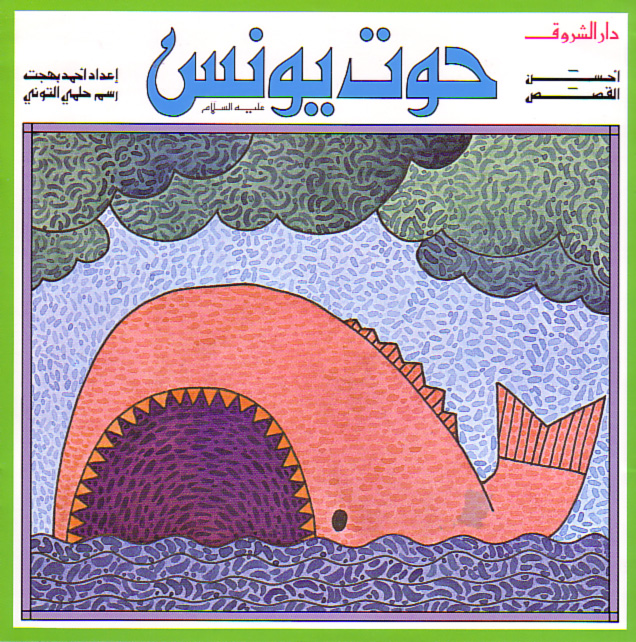
J is for Jonah, the reluctant Old Testament prophet. He’s been called by YHWH to bring the word to Nineveh–something he is definitely unprepared and unwilling to do. So Jonah hits Joppa Road and boards a ship sailing to Tarshish (this is pretty much as far away as one could get from Nineveh in the known world). YHWH is a wrathful God, and sets out in pursuit, sending storms to wreak havoc on the ship; the sailors panic and despair and pray. Jonah, meanwhile, manages to sleep like a baby through the whole thing. They eventually wake him up and he says, “Oh yeah, this is kinda my fault, throw me overboard.” At first the sailors are reluctant, but eventually the tempest leaves them no other choice, and they heave Jonah off the ship. Wrathful YHWH now shows his merciful side: he sends a “great fish” to swallow Jonah, thus saving him from drowning. In the belly of the beast, Jonah sends a prayer of repentance and thanksgiving; the whale then “vomits” him out onto the dry land of Nineveh where he preaches the word of YHWH. Jonah, however, is wrathful now–he hopes that the people won’t accept the word, and that YHWH will wipe them out. YHWH’s satisfied, however, and leaves Jonah outside of the city in the heat. A gourd grows giving Jonah some shade, but then a worm eats it, pissing him off again. He even gets suicidal sitting in the hot sun. YHWH asks him why if it’s right that he’s angry and Jonah replies: “I do well to be angry”–his last line in the story. YHWH then lectures him, reminding him that he didn’t make the gourd, and that furthermore he shouldn’t be angry at YHWH for sparing Nineveh, which is full of people and cattle.

The story, especially the episode with the whale, resonates throughout the history of myth and literature and into contemporary stories. But beyond the mythic echoes of Jonah and the whale, we just downright love the guy–he’s angry, lazy, and self-righteous–just like us.

50 Great Guitarists, All Better Than Slash (In No Particular Order)–Part II

Check out Part I here.

6. Ian Williams

I’ve been blown away each time I’ve seen Ian Williams play, whether it was in the original monsters of crushing polyrhythmic madness, Don Caballero, the avant-weird hyperkinetic not-jazz of Storm & Stress, or in his current band Battles, where he taps the fretboard with his left hand and plays a keyboard with his right. On top of that, he’s a really nice guy.

Ian rocks “Atlas” live–

7. Prince

Prince is such an extraordinary performer and songwriter that his skills on the axe are often overlooked. The guy is awesome though, displaying a masterful command over his blistering, soul-stinging solos and tight riffage.

Prince shows Eric Clapton a better way–

8. Brian May

Brian May had to invent new instruments and equipment in order to translate the melodic heavy metal pop in his head. His triple-tracked leads, chugging rhythms, and ambient harmonics were certainly showy at times, but Queen was a showy band. Nothing wrong with that–it’s called glam music after all.

Brian May rips up a 10 minute solo from “Brighton Rock”–

9. Mick Ronson

Would we care about David Bowie today if Mick Ronson hadn’t been there to boost the one-time fairy-folk singer’s fey melodies and bizarro lyrics with some rocknroll oomph? Maybe, who knows–Bowie was (is) always adept at finding great people to work with (no fewer than three of Bowie’s guitar players will make this list). Besides working with Bowie and the perennially underrated Mott the Hoople, Ronson was always behind the scenes working with all the cool kids–Lou Reed, Bob Dylan, Morrissey, etc.

Ronson tears up the solo from “Moonage Daydream” on the Ziggy Stardust tour–

10. Richard Thompson

After making five albums with British folkies Fairport Convention (including my faves Unhalfbricking and Liege and Lief) Richard Thompson set out down the solo path, recording some brilliant albums with his wife Linda, including the classic I Want to See the Bright Lights Tonight. Although he’s best known for his distinctive folk-rock sound and wiry, spare solos, Thompson also made a significant contribution to the new, punk influenced music of the early eighties with his album Shoot Out the Lights–a masterpiece on par with Television’s Marquee Moon and almost as good as anything the Talking Heads ever did.

Check out “Wall of Death” from Shoot Out the Lights

50 Great Guitarists, All Better Than Slash (In No Particular Order)–Part I

Welcome to yet another ongoing Biblioklept series which may or may not ever end in your lifetime (and no, we haven’t given up on the Alphabet Soup thing). These axe-masters will come in random order–don’t confuse the numbers I give them with rankings. There’s only one tier of hierarchy here–all of these guitar players are superior to Slash, he of Snake Pit fame.

1. Robert Fripp

Fripp is the guitarist who best epitomizes the spirit of this list: he has consistently evolved over his 40+ years in King Crimson, he combines his masterful playing with a keen ear for control, and he’s a true innovator to his instrument. Watch the man demonstrate his patented Frippertronics below.

2. Nels Cline

This guy is fucking amazing, whether he’s channeling John Coltrane:

lending a virtuoso lead to Wilco:

or just kicking it experimental:

3. Sonny Sharrock

Sonny Sharrock’s 1991 album Ask the Ages is absolutely perfect. Possibly the most under-appreciated guitarist in history.

Sonny jams with Last Exit:

4. Neil Young

Neil Young gets more mileage out of a one-note solo on “Cinnamon Girl” than most wankers achieve on the whole fretboard. Neil Young was willing to go beyond the standard rock stuff (which he excelled at of course) and challenge his listeners with experimental albums like Trans and Arc. And for the record, Harvest is the most perfect Sunday-morning album ever committed to vinyl.

From the Rust Never Sleeps tour:

5. Steve Cropper

Cropper’s subtle and steady rhythm helped define the Stax sound. He was never showy, and in his production and songwriting as well as his playing he knew how to highlight the song, not his own guitar. If he’d only done “(Sittin’ on the) Dock of the Bay” with Otis Redding he’d still be on this list; as it is you can hear him on literally hundreds of hit recordings. And we’ll agree to forgive him for the Blues Brothers, okay?

Steve Cropper playing with Booker T & The MGs:

Hieroglyphick Bibles and other Marvelous Oddities

I’ve really been enjoying going through the Library of Congress American Treasures Collection. I came across this Hieroglyphick Bible (1788) the other day and thought it was pretty cool.

hieroglyph.jpg

Of course, I’m a big fan of the graphic novel (as well as the Old Testament) so this was right up my alley. More evidence supporting Scott McCloud‘s argument that the comics form is one of the oldest forms on earth (of course he goes way further back than the eighteenth century, contending that Egyptian hieroglyphs fall into his definition of comics art). Either way, check out LOC’s collection–fun for book nerds and history geeks alike.

The Biblioklept Salute to Eleven Great TV Shows, Not One of Them with Us Today–Part V

Prove that you’re a winner by checking out parts I, II, III, and IV.

9. Home Movies (1999, UPN; 2001-2004, Cartoon Network)

Eight-year-old maverick director Brendon Small makes movies in his basement with the help of his regular crew, Melissa and Jason. He also plays a little soccer on the side, although his team never wins–no doubt due to the fact that their coach, McGuirk, is a washed-up alcoholic. Home Movies is the funniest show ever to appear on Cartoon Network’s Adult Swim. Comprised of hilarious, rambling conversations, witty movie parodies, and really cool original songs, Home Movies also boasted an excellent round-up of regular guest stars, including Jonathan Katz, Emo Phillips, Mitch Hedburg and Louis CK. But more than anything, it was the repartee between Brendon and his friends, teachers, and nemeses that really made the series so funny. For the record, John McGuirk is my favorite animated non-Simpsons character ever, and a personal hero of mine. The last episode of Home Movies was the saddest TV finale I’ve ever seen. The episodes are still funny on DVD or re-runs.

This is one of my favorite episodes: Brendon directs the school play (a take on Grease), convincing McGuirk to play the male lead (as well as drive his car onto the stage).

Alphabet Soup: I

1831s.jpg

I is for Ishmael, narrator of Herman Melville’s Moby-Dick, a story about whaling/wailing. Ishmael’s narrative is an attempt to transform his pain and loss into some kind of meaningful human connection–to try to measure the incomprehensible and to put the ineffable into words. He’s a lovable guy, something of an eccentric in his time, who makes good friends with his strange bedfellow Queequeg. Of course, the whole thing ends in disaster, a disaster that Ishmael alone bears witness to, like one of Job’s servants returning to the master.

Also, I think that the great white whale, Moby Dick, is like a symbol or something.

infinitejest.jpg

I is also for Incandenza, Hal, the would-be tennis prodigy, secret stoner, and eidetically gifted prescriptive grammarian who is–along with Don Gately (somehow unjustly skipped over in installments D and G)–the protagonist of David Foster Wallace’s mammoth novel Infinite Jest. Hal is a sensitive kid, the son of a mad scientist filmmaker/tennis academy founder, who kinda sorta haunts both the novel as well as the Enfield Tennis Academy. Writing this makes me wish for a free month (i.e. no grad school) to re-read IJ, just so that I could take another crack at why Hal comes down with the howling fantods. Plenty of theories here.

How to Write a Lazy Post

1. Begin with some kind of excuse or explanation for why your post is so lazy. Remember to be earnest and emphatic.

Example: Sorry this post is so lazy! It’s Monday! I was swamped all weekend with school work and reading!

2. Link to somebody else’s work, preferably work that’s more creative and interesting than your own, but still within the realm of your blog’s subject.

Example: For a humorous take on the prose styles of some of our favorite authors, check out “The American Canon of the Choose-Your-Own-Adventure, Volume II” at McSweeney’s. Funny stuff.

3. If possible, link to some past post of your own that may or may not be tangentially related to the link to more-creative stuff above (of course, this older post of your may contain numerous links to other people’s more-creative-than-your-own stuff). Linking to your own previous work may help present your lazy post as something other than lethargic hackwork. Or not.

Example: Then check out our own post from last year on the Choose-Your-Own-Adventure series.

4. Then, so your readers don’t feel totally cheated (remember, they’re only really reading your blog to kill time at “work” anyway), post a completely unrelated mp3 or video.

Example A: On a completely unrelated note, my little baby two month old daughter just loves this song:

YMCK–“Magical 8bit Tour”

Example B: On a completely unrelated note, I recently saw the 1961 version of Sanctuary (adapted from a combination of two Faulkner books–Sanctuary and Requiem for a Nun). The film featured a standout performance from blues singer Odetta, which reminded me of this killer footage from that Bob Dylan movie Scorcese made:

5. Finally, apologize again for your lazy post and make an unsubstantiated promise to post more meaningful, more original content in the near future.

Example: Again, sorry for the lazy post folks, but look forward to upcoming posts on canceled TV shows, books-on-tape, a graphic novel about Mohawks (the people, not the hairstyle), and more griping about Faulkner.

The Biblioklept Salute to Eleven Great TV Shows, Not One of Them with Us Today–Part IV

Check out parts I, II, and III.
8. Salute Your Shorts (1991-1992, Nickelodeon)

A salute to Salute. Nickelodeon’s Salute Your Shorts only ran for two seasons–a grand total of 26 episodes–but in my impressionable young mind the show seemed to last forever. It’s weird to me now that at the same time I was trying to cultivate some kind of hipness–buying my first albums (Nevermind, Out of Time, Dirty, Doolittle, Aerosmith’s Greatest Hits) and starting to reach beyond comic books and genre sci-fi and fantasy to read “adult books” (Fear and Loathing in Las Vegas, Kurt Vonnegut)–I was also hopelessly addicted to a show as goofy as Salute Your Shorts. But I was. I watched it every afternoon, delighting in the kids’ adventures at summer camp. I was particularly intrigued by pranksters Budnick and Donkeylips (I was thrilled when Budnick turned up in Terminator 2. Really). I also watched Nickelodeon’s Hey Dude, which I considered to be a pale imitation of Salute Your Shorts (a little research shows that Hey Dude actually began its two season run a full two years before Salute Your Shorts first aired). I’m not sure if I finally did get too old–or perceived myself too hip–to watch Nickelodeon, but it seems to me like Nickelodeon has been on a slow decline since the early nineties and the demise of shows like SYS and Ren and Stimpy.

Before you check out the episode below (which I know you’re psyched about), find out what Donkeylips (aka Michael Bower) has been up to. Apparently he’s a rapper now; unfortunately the section of his fantastic website (you really should go there now) devoted to “My Rap Music” (via “Media,” via “Audio”) only contains “One Mic” by Nas–still an awesome song, though.

Seven Films That Do Shakespeare Right

1. Titus (1999; directed by Julie Taymor)

Titus Andronicus, one of Shakespeare’s most overlooked plays, comes to lurid, gory glory in this late nineties adaptation. Gang rape, incest, and mutilation mark Titus as one of the downright nastiest Shakespearean works. Throw in a Thyestean banquet, and you’ve got the makings of a nightmare. The villain Aaron is on par with Iago as one of the bard’s greatest baddies.

This trailer makes the movie seem way cheesier than it really is. Trust me.

2. Romeo + Juliet (1996; directed by Baz Luhrmann)

Baz Lurhmann’s take on the ultimate boy-meets-girl story dazzles viewers in a cacophony of glitter and fireworks that captures the sheer silliness of adolescence–the real theme of Romeo and Juliet. Despite a myriad of critical naysayers, I believe Lurhmann’s hypercolor vision far superior to Zeffirelli’s 1968 version (“the one with the boobies”) so often thrust on high school kids. I actually used this version when I used to teach 9th graders. They loved it. I love it too, particularly John Leguizamo’s standout turn as Tybalt.

The first 10 minutes are excellent, if you don’t recall.

3. Macbeth (1972; directed by Roman Polanski)

Another one I show to my students. Polanski’s Macbeth is one of my favorite films, Shakespeare aside. Filmed relatively shortly after Polanski’s wife Sharon Tate was horrifically stabbed to death by the Manson family, Macbeth captures a forbidding spirit of bloody doom, sexual violence, and inescapable guilt. Beautifully shot and superbly acted, every other attempt has paled in comparison.

4. Looking for Richard (1996; directed by Al Pacino)

Wow. What a film. Pacino leads a group of thespians who try to reclaim Shakespeare “from the academics,” as one actor puts it. There’s a problem though: they’re not really sure how Richard III should go. This film captures the pre-production process for a staging of one of Shakespeare’s greatest history plays, revealing a fascinating aspect of adaptation.

This clip sums it up much better than I could:

5. Ran (1985; directed by Akira Kurosawa)

Kurosawa’s take on King Lear proves that the work of one master can be translated into something new and marvelous when placed in the hands of another master. Ran transfers the Lear story to a feudal Japan rife with warring samurai. Ran is at once an epic action film as well as a philosophic meditation on aging, a commentary on gender roles as well as a study on familial duty and love. Again, a Biblioklept fave.

This is one of the best scenes in the film, or any film, really:

6. Henry V (1989; directed by Kenneth Branagh)

Branagh has given the world more filmed adaptations of Shakespeare than would seem possible for someone to do in one lifetime, and the man is still relatively young. That said, at times his work can be stodgy, if not downright plodding. Henry V is not for everyone. This is a very, very long film, and although the battle scenes are exciting, those unfamiliar with the play will no doubt have a hard time following it–particularly the scenes in French which lack subtitles. Still, if you’re studying the Henry tetralogy, or Shakespeare’s English histories in general, then there really isn’t a better supplement. In some ways Henry V is one of the most textually faithful adaptations of a Shakespeare play I can recall. Fans of Braveheart should also note that Mel “Sugartits” Gibson essentially ripped-off large sections of Henry V when crafting that turgid turd.

A famous speech:

7. Prospero’s Books (1991; directed by Peter Greenaway)

One of the Biblioklept’s favorite directors Peter Greenaway (8 1/2 Women; The Cook, the Thief, His Wife, and Her Lover) adapted one of the Biblioklept’s favorite plays, The Tempest, into a very weird, very surreal film called Prospero’s Books. As the title suggests, this is a movie very much about the act of writing itself (a theme Greenaway also explored in his unfortunate fiasco The Pillow Book); more poignant however are the themes of forgiveness and the letting go of the desire for revenge–aspects central to the original play.

Unfortunately, for some reason Prospero’s Books is still not available in DVD, and I have located no news of plans for that to happen any time soon. So, until that time, taste a little sample:

Harry Potter Sex Romp

OK. My post’s title is solely for the sake of titillation (I have also been drinking lots of sangria and watching the first HP movie on TV, and the idea of a Harry Potter sex romp is making me giggle. Twenty points from Gryffindor). Still. Just so you’re not too disappointed, check out Shags the Dustmop’s collection of erotic Harry Potter fan fiction. A half-hearted endorsement, at best. Weird and creepy.

Now, for something truly great…

Fans of if…. will no doubt be familiar with “Sanctus,” the beautiful piece of music that haunts the film. If this recording is not the same as the one in the film, it’s very close. Either way, a sublime rendition–

Sanctus” (from the Missa Luba)

All the sangria and erotica and Congolese choral interpretations of Catholic masses have for some reason brought to mind the paintings of Wilfredo Lam (longtime pal of one of our favorite writers, Lydia Cabrera).

black081.jpg

A decent enough collections of his vibrant paintings can be found here (and you can always google for more, you lazy bastard).

Finally, it is always something special when a new blog is born. Check out Falcon Hawksome. Despite the author claiming that he “can’t stand” Van Morrison’s (or Them’s, if you want to be overly technical, geek) “Gloria,” please take my word that he is something of an arbiter of taste.

OK. Back to my sangria.

We the People

We love America–who doesn’t? We also love the Preamble to the Constitution. Those three magic words “We the people” created a whole new country (there was also a violent revolution involved). O! the transformative power of words! How glorious that the very act of saying “we” creates a “we” (sure, at the time, the “we” really meant white landowning males, but still, let’s glory in the democratic magic folks). In appreciation of the best country in the world (yes, we’re being earnest dear reader), we present a few classic clips for your viewing pleasure.

No doubt you’ve already gloried in the glory of glorious Dennis Madalone’s glorious tune “America, We Stand as One,” but you can always glory out again.

After that, learn some history kids. Did you know that the Founding Fathers could sing? Better than Rent!

Finally, this is where Biblioklept learned the true meaning of Independence Day, and what it really means to be “Living in America”–

Lessons in Virtual Photography

bachelder1.jpg

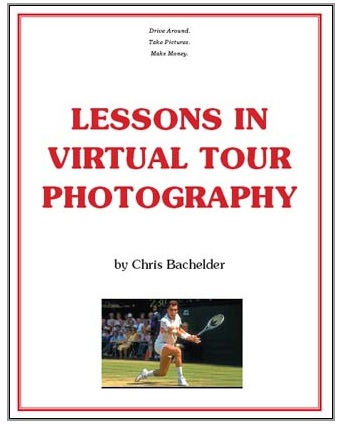
After devouring U.S.! a few weeks ago, I went seeking more Chris Bachelder. What d’y’know, the guy wrote an e-book, Lessons in Virtual Photography, available for free from McSweeney’s. Go figure. Check it out here. It’s pretty funny.

bachelder.jpg

Gaming Literacy

According to this NPR report, the MacArthur Foundation is providing a $1.1 million grant to create a new middle/high school in New York with a curriculum based on video game design. The idea here is that video game design promotes a new type of literacy vital for America’s success in the rapidly growing global economy. The report stresses a shift from older models of literacy, which focus on content memorization, to the pressing need to emphasize literacy models that engage the dynamic systems inherent in newer media.

I think that this is a fantastic idea. Some may find it a nonsensical or even radical shift in education, but we have to try something new. The educational system in this country is based on a model that hasn’t really changed since the industrial revolution. Although numerous sources rank America as having one of the highest literacy rates in the world, my own anecdotal evidence collected as a high school English teacher leads me to believe that this country is in the midst of a literacy crisis that is sure to have a major impact in the country’s ability to compete with countries like India and China.

The risks here are very, very real. Literacy is not just a matter of being able to read stop signs or popular novels or wikipedia pages–literacy is what informs the content of our cultural, social, and political discourse. And beyond the economic issues presented in our difficulty competing in fields like science and engineering–an issue that the MacArthur Foundation’s grant may help address–the everyday rhetoric in this country has become drastically dumbed-down, polarized, reduced to hackneyed platitudes and snappy sound-bites. Political and cultural discourse now consists of empty catch-phrases and meaningless psychobabble. I mean, it’s like totally gay, know what I’m sayin’?

This clip from Mike Judge’s satire Idiocracy neatly sums up the future of verbal discourse in America:

Sweet Summer Jams

The Audioklept knows how greedy your ears are –here are some dope tracks to help flesh out that awesome mix tape you’ve been making.

frog-eyes.jpg

First up, a sweet little ditty from Frog Eyes’ latest stellar rock opera, Tears of the Valedictorian (OK, it’s not really a rock opera, but so what). Post-punk prog for professional pessimists. Frog Eyes — “Evil Energy the Ill Twin of…”

ole-770.jpg

Frog Eyes are connected to The New Pornographers by way of a band called Swan Lake–Dan Bejar is in both bands. Dan Bejar’s solo stuff as Destroyer kicks ass all day long, and then kicks more ass at night. The New Pornographers have a new record coming out called Challengers, set to drop August 21 on Matador Records. Of course you can’t wait until then to hear Neko Case’s sweet voice. The New Pornographers — “Failsafe.”

200px-mathsandenglish.jpg

We love love love the new Dizzee Rascal album, Maths and English, a big surprise considering his first two albums made no impact on us. Hear Mr. Rascal’s guide to how to succeed in the music industry (play it loud so everyone will know how hardcore you are). Dizzee Rascal — “Hardback (Industry)”

paw16_big.jpg

While you wait for the new Black Dice album to drop on Paw Tracks sometime later this year, tide yourself over with the A-side from their latest limited edition 12″ record disc. Black Dice — “Roll Up”

nnjw.jpg

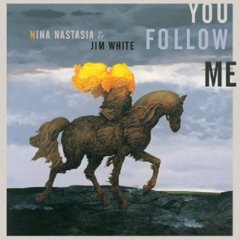
We really really really like You Follow Me, the recent collaboration between songwriter Nina Nastasia and Dirty Three’s Jim White–and so should you. Nina Nastasia and Jim White — “I’ve Been Out Walking”

alog.jpg

Alog have a new album out on Rune Grammafon called Amateur. It’s the perfect soundtrack for sharpening knives, feeding the azaleas, or just reading stupid magazines. Alog –“Write Your Thoughts in Water”

Word of the Week

Boojum (n)

from the OED:

“[Invented by ‘Lewis Carroll’ (C. L. Dodgson) in The Hunting of the Snark (1876).]

An imaginary animal, a particularly dangerous kind of ‘snark’.


1904 B. VON HUTTEN Pam III. vi. 146 We shall see a good deal of each other. I am a boojum, and I know. 1922 Edin. Rev. Oct. 241 Both these beautiful abstractions are in reality boojums. 1925 Blackw. Mag. Mar. 345/1 A solitary Boojum-like person. 1950 AUDEN Enchafèd Flood (1951) i. 42 The dreadful Boojum of Nothingness.”

Famous boojums include:


The Basilisk

Cerberus

The Manticore

Smaug

Gamera

manticore.jpg