Sphinx II — Ludwig Schwarzer

Sphinx II, 1978 by Ludwig Schwarzer (1912 – 1989)

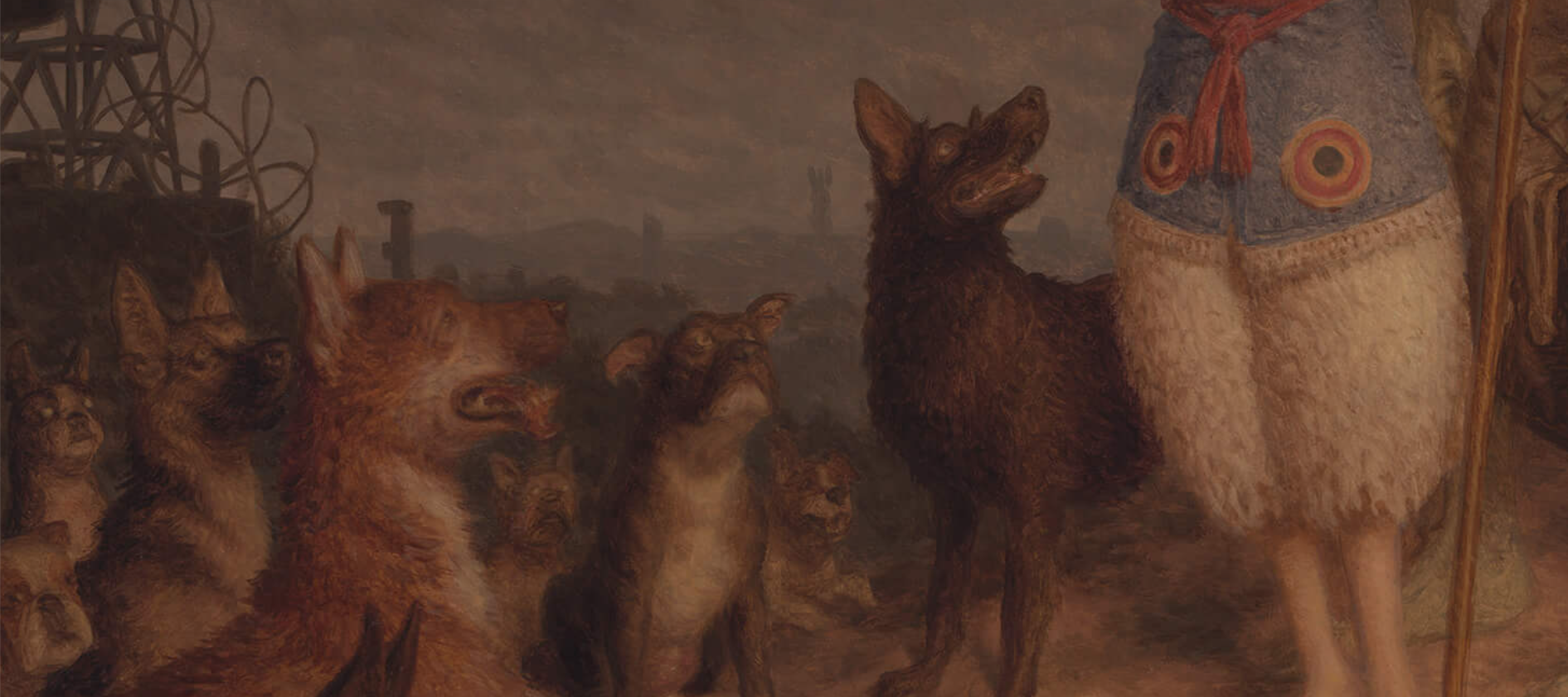
A Portent for All Good Dogs of Tulsa Who Want to Show Their Quality — Peter Ferguson

A Portent for All Good Dogs of Tulsa Who Want to Show Their Quality by Peter Ferguson (b. 1968)

On the Beach — Peter Busch

On the Beach, 2019 by Peter Busch (b. 1971)

Conspirators — Aaron Gilbert

Conspirators, 2020 by Aaron Gilbert (b. 1979)

Riff on rereading Riddley Walker, Russell Hoban’s post-apocalyptic coming-of-age novel

  1. I first read Russell Hoban’s 1980 post-apocalyptic quasi-religious coming-of-age novel Riddley Walker in maybe 1996 or 1997, when I was sixteen or seventeen, or possibly eighteen.
  2. That was the right age to read Riddley Walker for the first time, although I think anyone of any age, for the most part, could read Riddley Walker, if they want.
  3. This is not a review of Riddley Walker, but here is a nice summary from Benjamin DeMott’s 1981 NYT’s review:
  4. Set in a remote future and composed in an English nobody ever spoke or wrote, this short, swiftly paced tale juxtaposes preliterate fable and Beckettian wit, Boschian monstrosities and a hero with Huck Finn’s heart and charm, lighting by El Greco and jokes by Punch and Judy. It is a wrenchingly vivid report on the texture of life after Doomsday.

  5. The setting is near what was known – until 1997, when cataclysms wiped us out – as Canterbury, England. It is about 2,000 years after that disaster. The mostly dim lights of human life who survive are slaves to the obsessions of their invisible rulers. From generation to generation, they labor ceaselessly, under close surveillance, to disinter by hand the past that lies buried beneath tons of muck – mangled machines, mysteriously preserved bits of flesh, indecipherable fragments of writing. The rulers dream of uncovering the secret of secrets – the key to the power that enabled the giants of yesteryear to create a world in which boats sailed in the air and pictures moved on the wind.

  6. If the plot of Riddley Walker seems a trickle familiar it of course is. It’s been warmed up and reserved many times (and wholesale ripped off in the third Mad Max Max film). (It’s good eating.)
  7. But the novel still feels fresh (and grimy!) because of Hoban’s electrifying prose. Young Riddley’s narration is odd and alienating, even if, in, say, 2023, the novel’s premise seems worn.
  8. Back in the halcyon nineteennineties, when the world seemed generally less apocalpytic, a very good friend of mine loaned me his copy of Riddley Walker.
  9. I never gave it back.
  10. (Somehow, he still gives me books.)
  11. I too lost the first copy of Riddley Walker that I read. I loaned it to a student who never returned it, or Dune, or The Left Hand of Darkness, or a bunch of other sci-fi novels, god keep his soul.
  12. Riddley Walker was one of the first novels I wrote about on this silly website, way back in 2006. It wasn’t a review, it was about book theft.
  13. I had no plan to reread Riddley Walker, but here’s what happened—
  14. —I had finished reading Ian Banks’s odd coming-of-age novel The Wasp Factory
  15. —and I had and have been listening to the audiobook of T.H. White’s Arthur saga, a return perhaps inspirited by—
  16. —reading Jim Dodge’s alchemical-grail-quest-coming-of-age novel Stone Junction
  17. —and really, there were a lot of coming-of-age novels I seemed to get into this year:
  18. Trey Ellis’s postmodern polyglossic satire Platitudes—
  19. —Kathy Acker’s Great Expectations and Blood and Guts in High School—
  20. Henri Bosco’s The River and the Child
  21. Bernardo Zanonni’s picaresque My Stupid Intentions—
  22. and Cormac McCarthy’s coming-of-age novel The Crossing
  23. And so well and anyway, I was reading a novel in bed, my eyes working overtime, they’re older now, lenses over them but still there’s never enough light. I was reading this novel, it doesn’t matter what novel, but there was this little weird urge, germinating from the reading of the novels I mentioned above, asking me to Go pick up Riddley Walker again and check in.
  24. So I went and found my copy of Riddley Walker.
  25. It was not, obviously, the copy that I stole from my good friend that was later stolen from me.
  26. I’m not sure when I picked up this particular copy of Riddley Walker, but I’m thinking it was around 2008 or 2009.
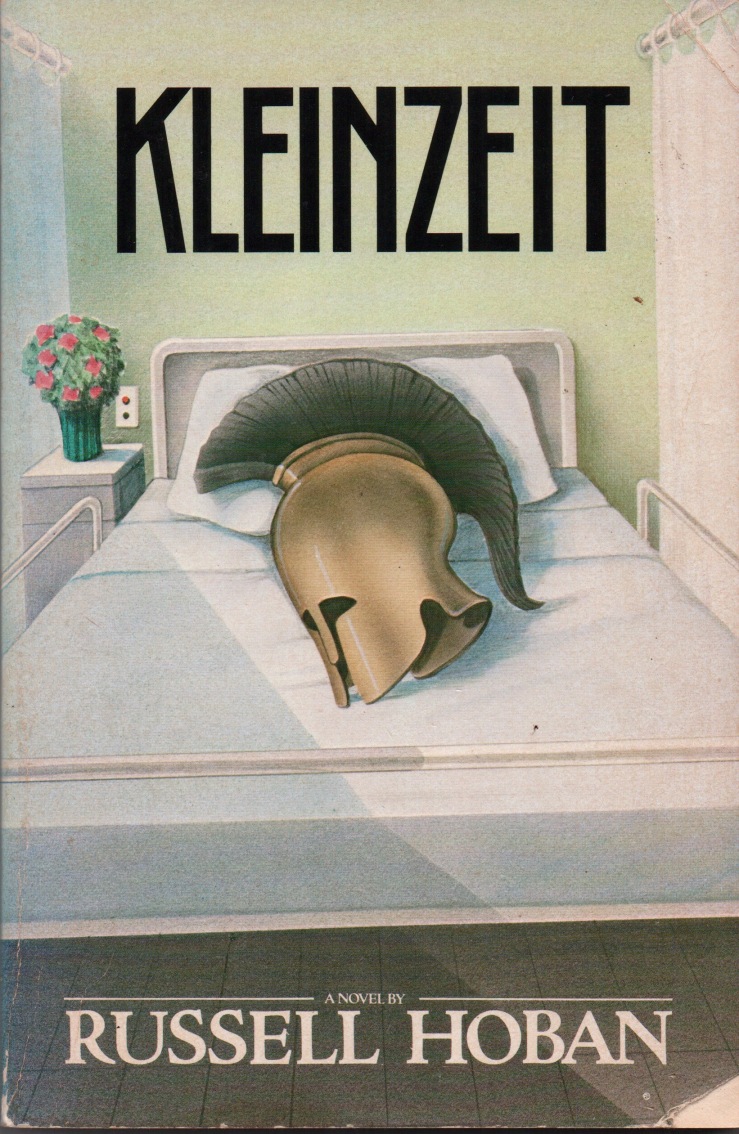
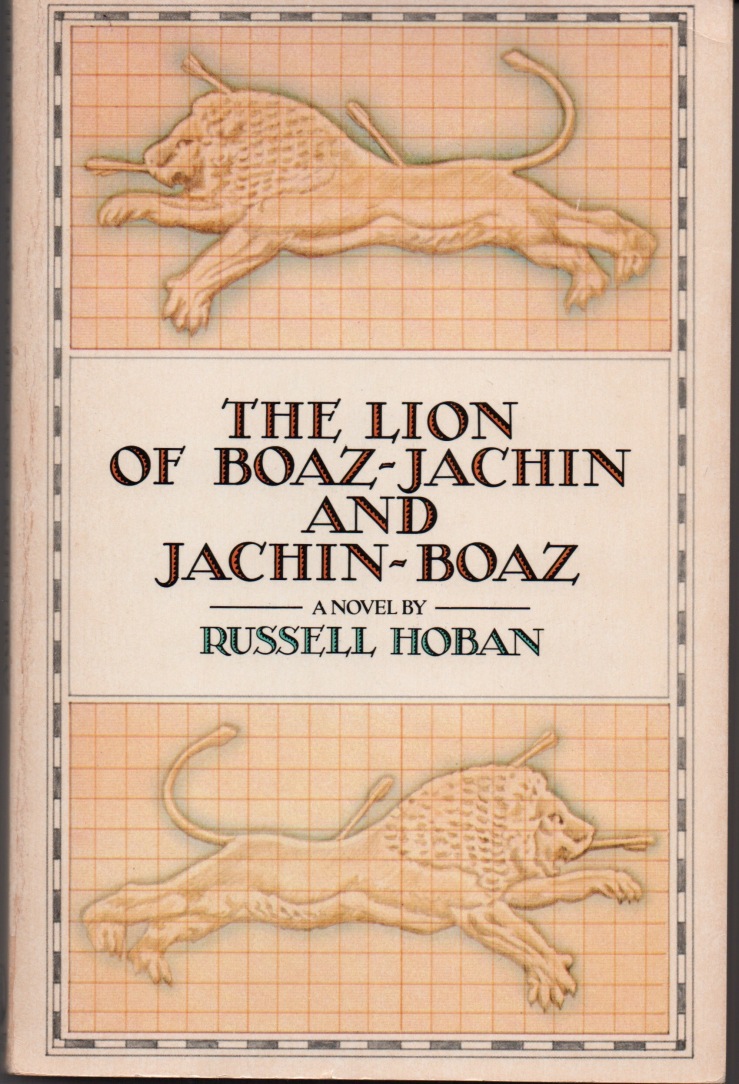
  27. I think that’s when I read the other Hoban novels that I’ve read: The Lion of Boaz-Jachin and Jachin-Boaz; Kleinzeit; Pilgermann.
  28. IMG_0010IMG_0012IMG_0013
  29. Of these three novels, Pilgermann is the best and most fucked up.
  30. (I like Kleinzeit, but it’s too indebted to Beckett.)
  31. Well so and anyway, I put down the novel I had been trying to read, and dug up Riddley Walker, put the thing under my poor old lensed eyes.
  32. Here are the first two paragraphs of Russell Hoban’s novel Riddley Walker:
  33. On my naming day when I come 12 I gone front spear and kilt a wyld boar he parbly ben the las wyld pig on the Bundel Downs any how there hadnt ben none for a long time befor him nor I aint looking to see none agen. He dint make the groun shake nor nothing like that when he come on to my spear he wernt all that big plus he lookit poorly. He done the reqwyrt he ternt and stood and clattert his teef and made his rush and there we wer then. Him on 1 end of the spear kicking his life out and me on the other end watching him dy. I said, ‘Your tern now my tern later.’ The other spears gone in then and he wer dead and the steam coming up off him in the rain and we all yelt, ‘Offert!’                                      The woal thing fealt jus that littl bit stupid. Us running that boar thru that las littl scrump of woodling with the forms all roun. Cows mooing sheap baaing cocks crowing and us foraging our las boar in a thin grey girzel on the day I come a man.

  34. I think this is probably the fifth time I’ve read Riddley Walker. I have a very distinct memory of using the novel as the basis for a project in a linguistics class in college. The project had something to do with graphemes and phonemes and was very harebrained, and I am lucky, as always, that the internet was an infant at the time. (I got a “B” on the project and recycled it my senior year in an English class, getting (earning?) an “A.”)
  35. The previous point is a way of protesting that, even as familiar as I was and perhaps am with Riddley Walker’s linguistic barrier, I still found rereading it physically exhausting.
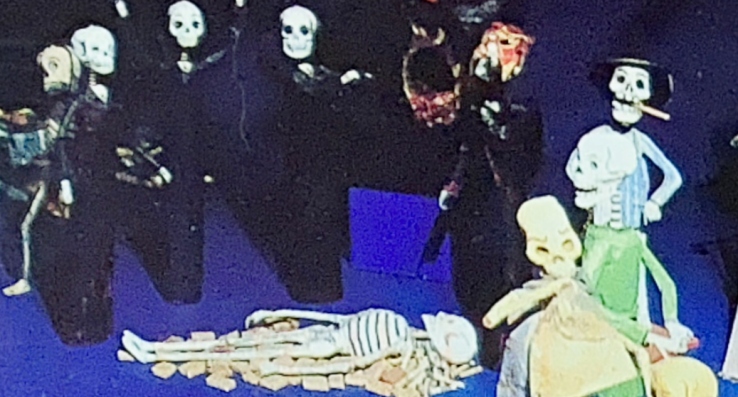
  36. (I am older now, and all reading tires my body in ways I didn’t expect would be possible even five years ago.)
  37. I also find myself putting the book down to chase rabbits down internet holes that simply weren’t available to me the last times I read the book—
  38. —reading variations of the legend of St. Eustace or mapping Hoban’s Riddley Walker map to contemporary England—
  39. —or just getting hung up on particular phrases and images, letting them rattle around. (And now wishing I’d underlined them so as to share them here, which I didn’t, underline them that is.)
  40. Riddley himself is far more arrogant and decisive than I’d remembered; the angst here is more about a great becoming of a world to come than it is a becoming into the self of adulthood.
  41. (Whatever the fuck that last phrase means; sorry.)
  42. I find myself with new connections too—Aleksei German’s 2013 film adaptation of the Strugagtski’s novel Hard to Be a God comes readily to mind, as does Alfonso Cuarón’s 2006 film Children of Men.
  43. And David Mitchell’s novel Cloud Atlas, too (along with the Wachowskis’ film adaptation), which stole readily from Riddley Walker.
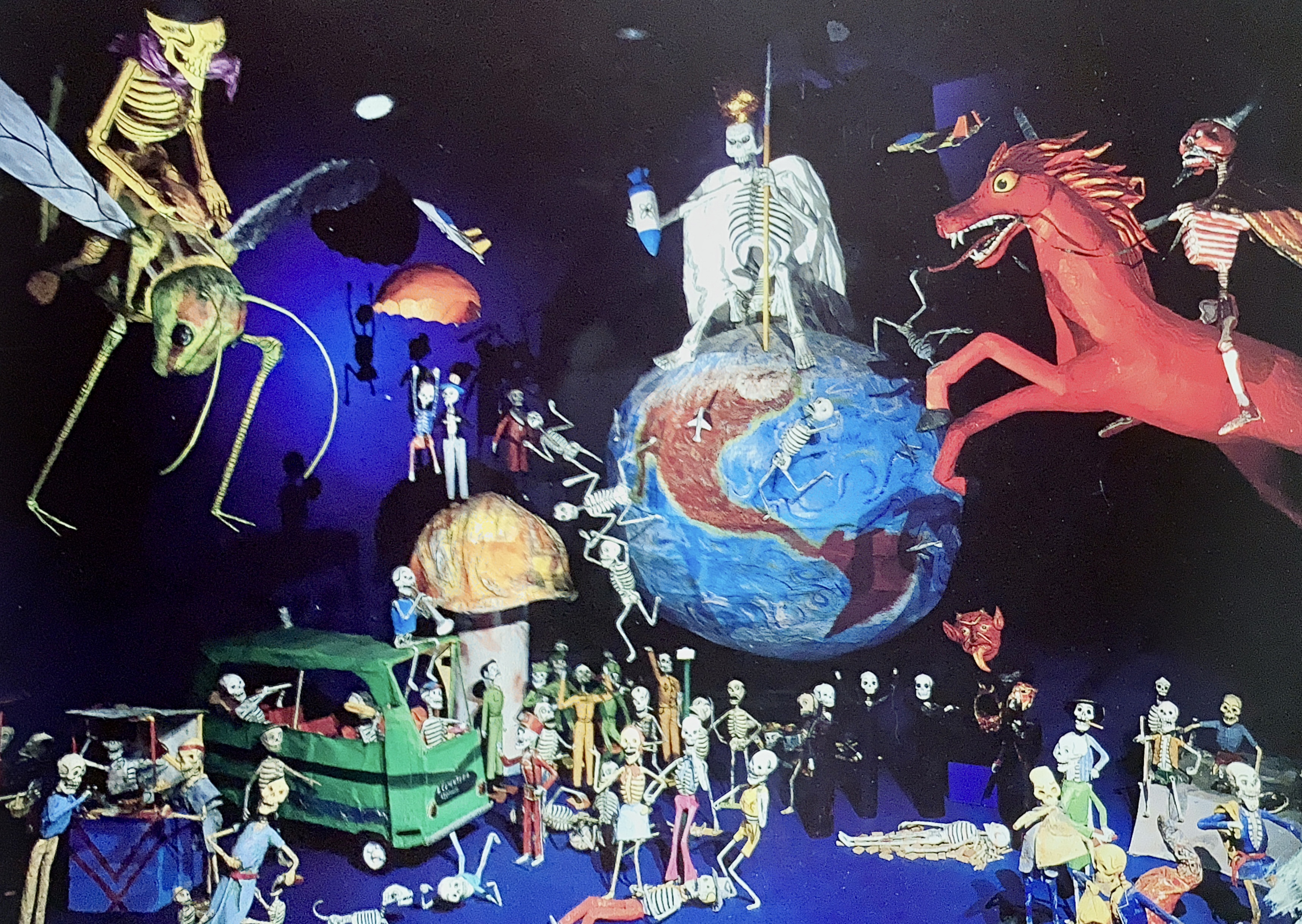
  44. The bookmark at the back of the copy of Riddley Walker I opened was a postcard from Mexico from Texas:
  45. The piece, according to the back of the postcard, is appropriately titled The Atomic Apocalypse—Will Death Die? The piece is a photograph of a painted papier mache menagerie, attirbuted to the Linares Family of Mexico City, 1989.
  46. Some old younger version of myself stuck it in the back of Riddley Walker as a joke.
  47. The postcard came from a man in Texas who won a contest to win a copy of the 25th-anniversary edition of Blood Meridian. 
  48. This man sent several postcards, and I scanned them and shared them on the site, but this particular postcard is not in that set of shared postcards.
  49. Why? Did the postcard not fit on the scanner? Was it sent later, as a polite Thank you? (I don’t think so; on the postcard’s b-side, the man who won the contest shared a quote from Blood Meridian describing the physical appearance of Judge Holden.)
  50. Let this postcard stand as aesthetic précis for Riddley Walker though, and let me be done. (I will find the other postcards over the years, or not.)

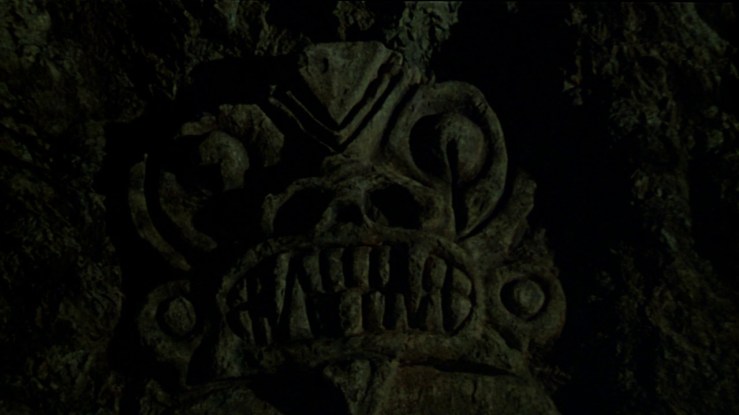
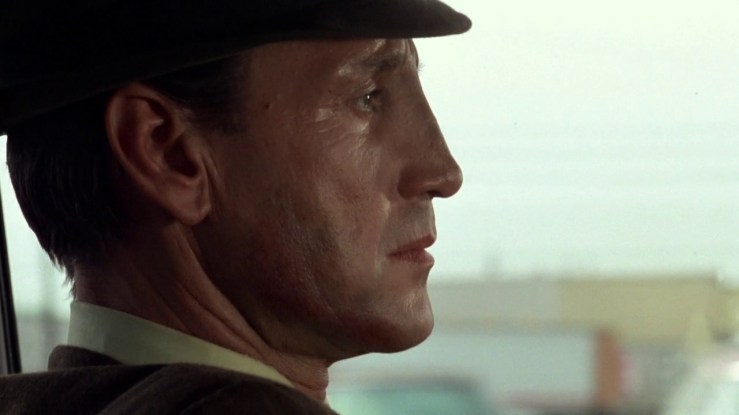
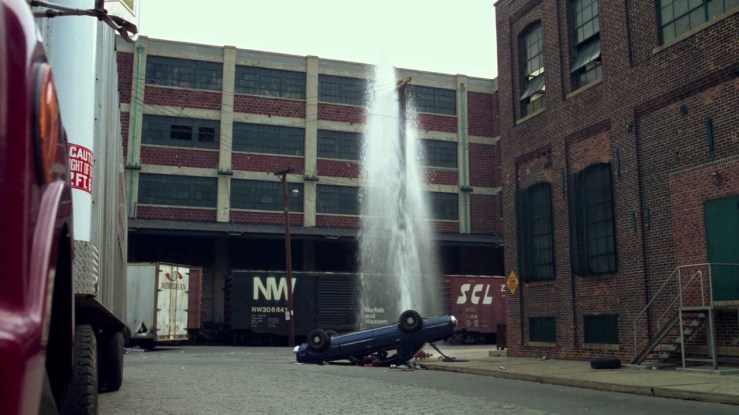
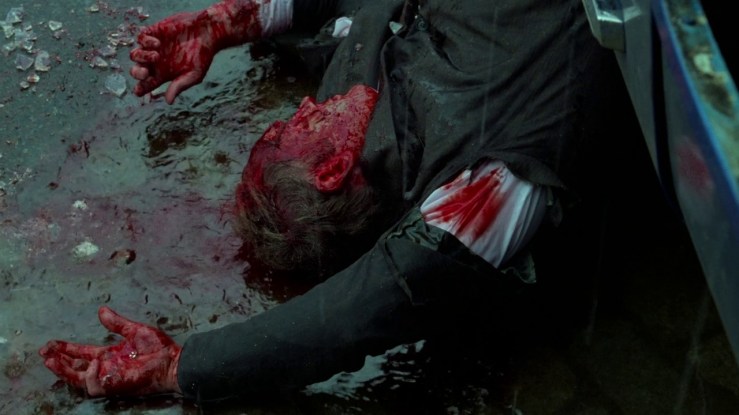
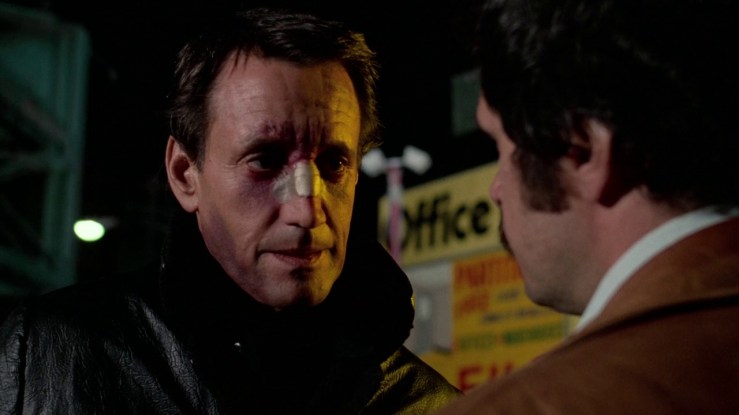
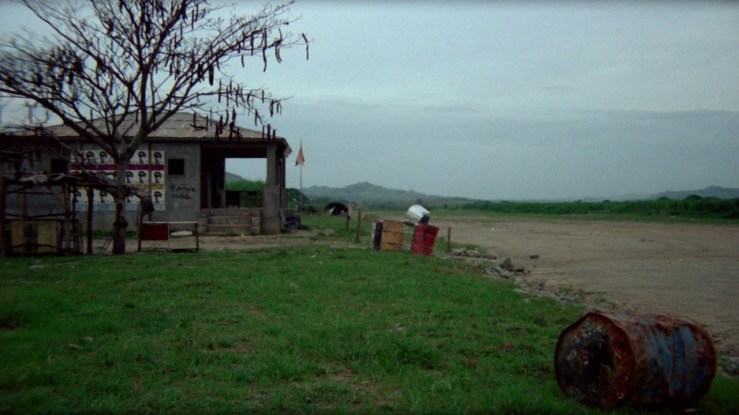
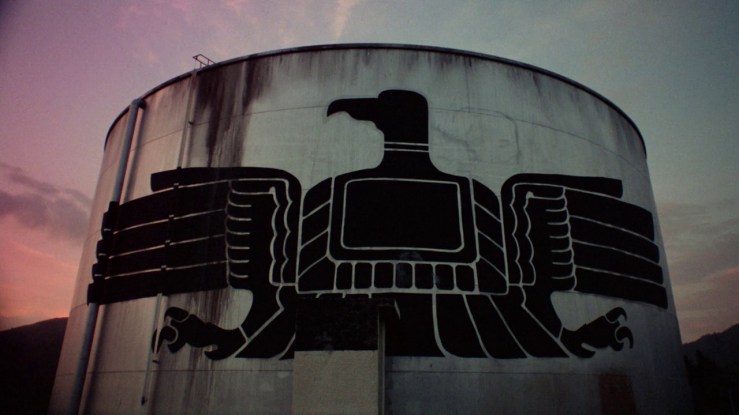
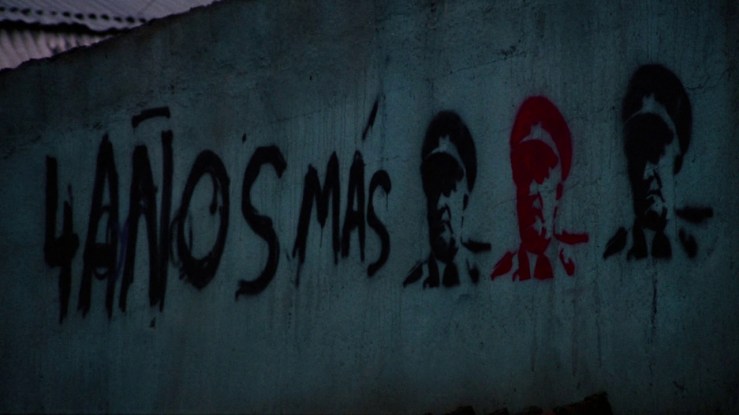
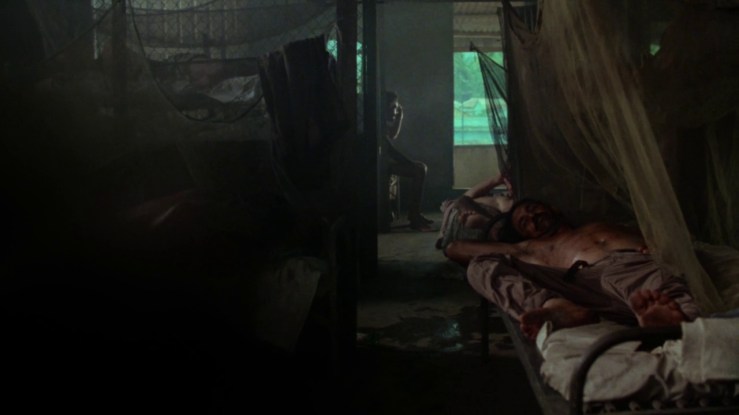
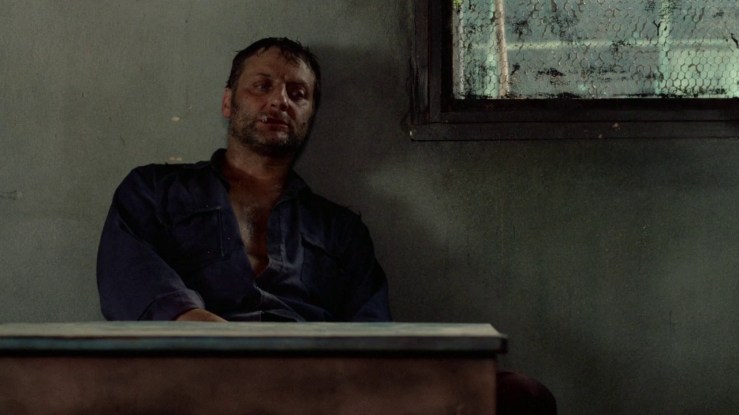
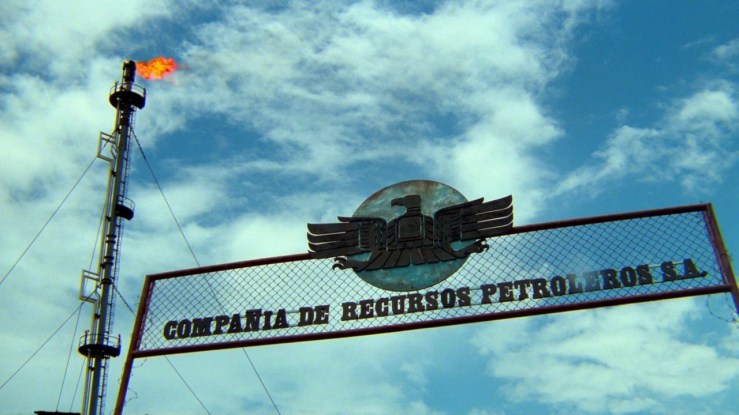
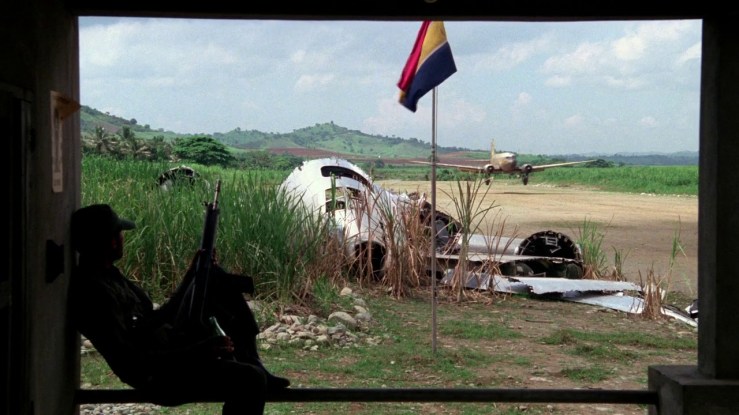
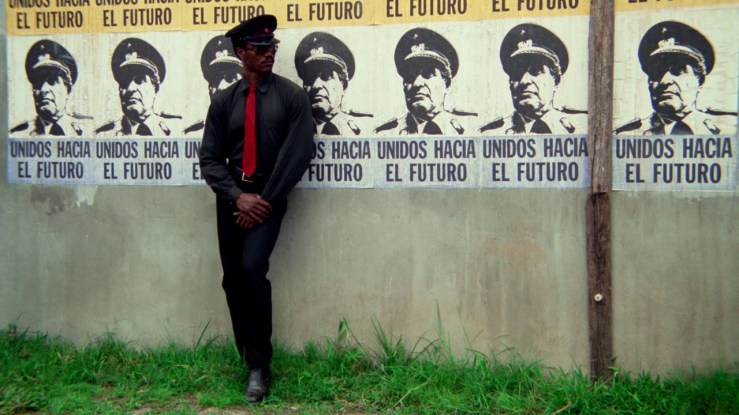
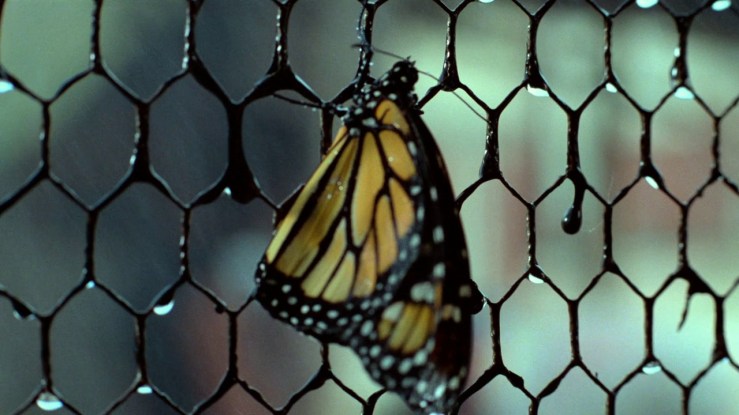
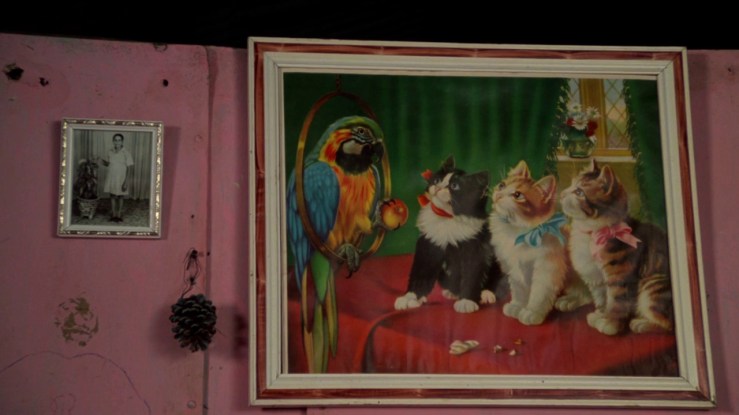
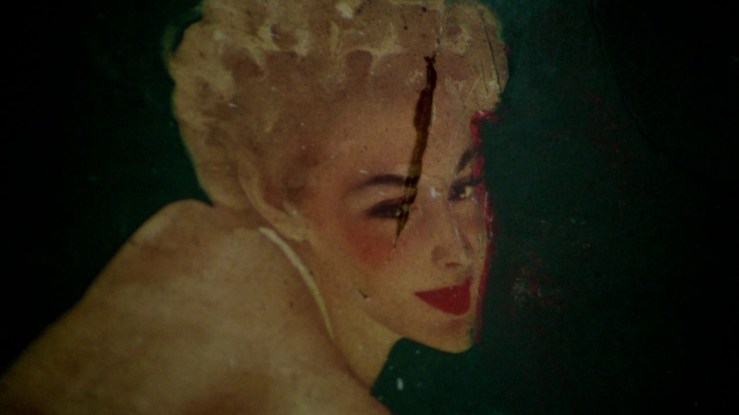
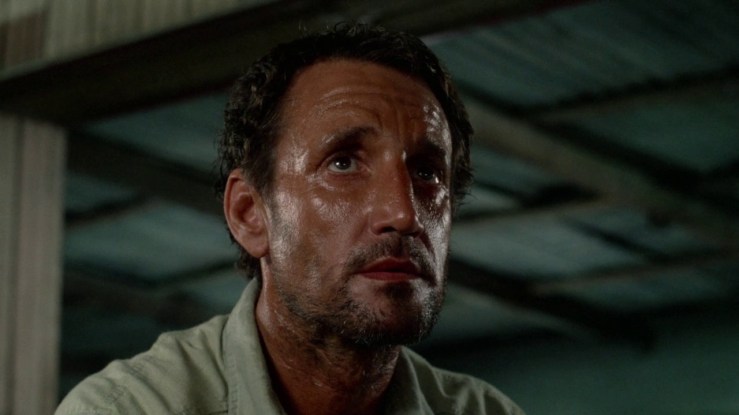
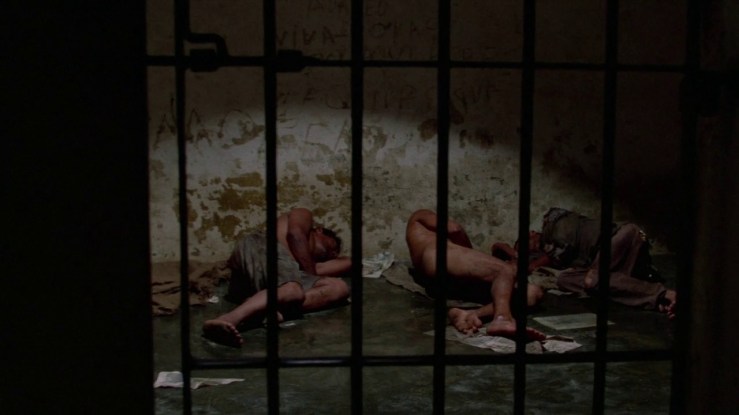
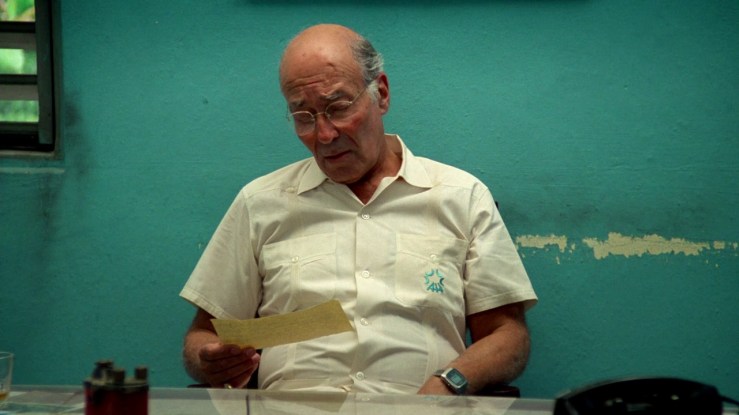
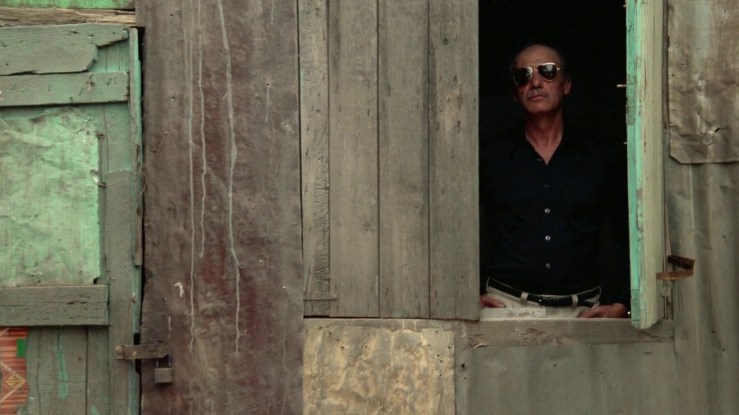
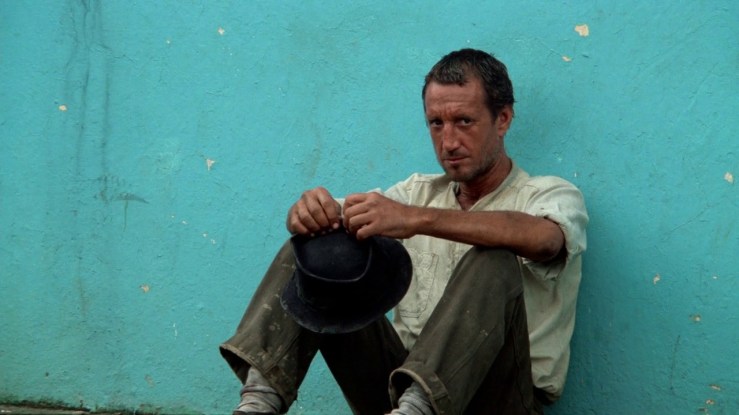
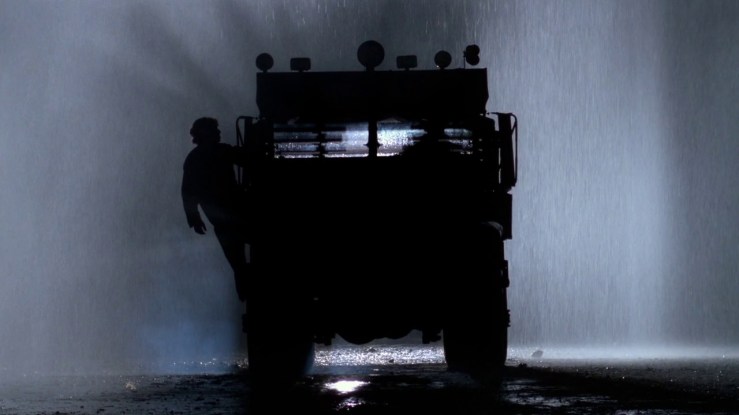
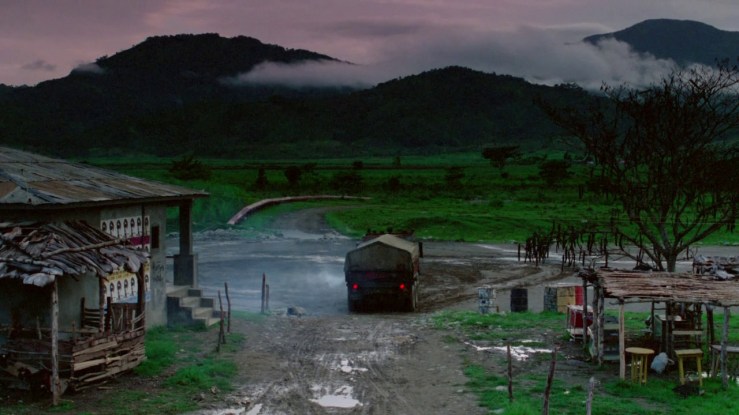
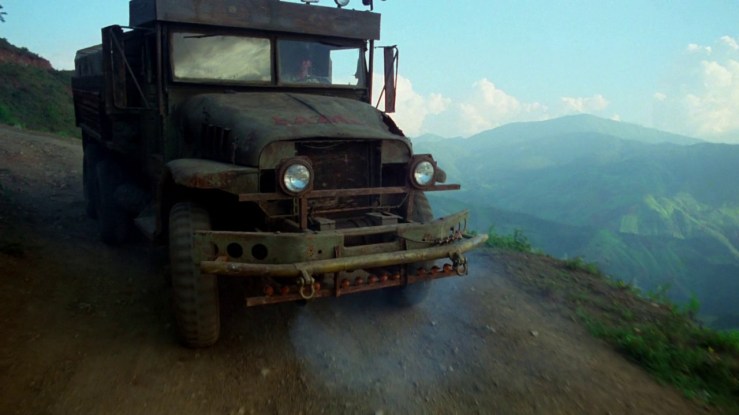
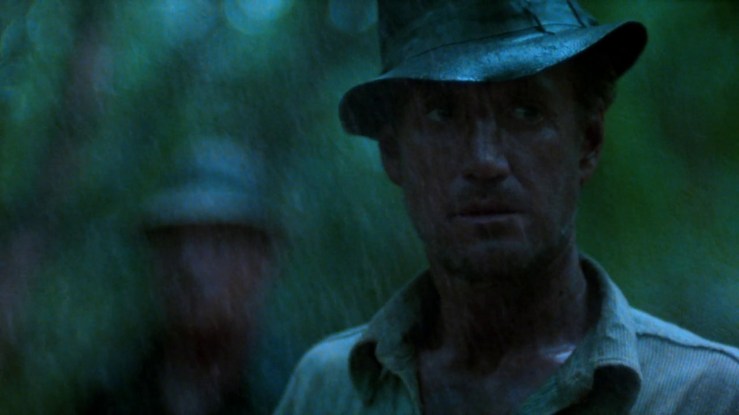
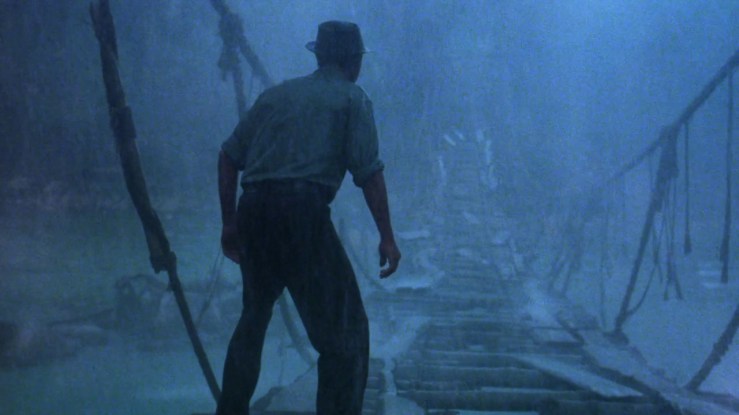
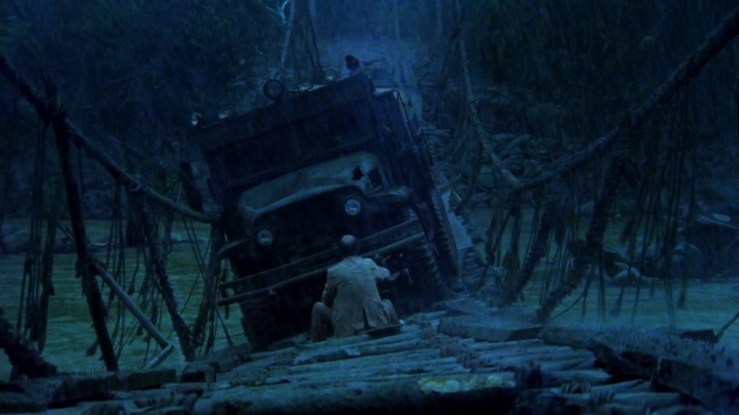
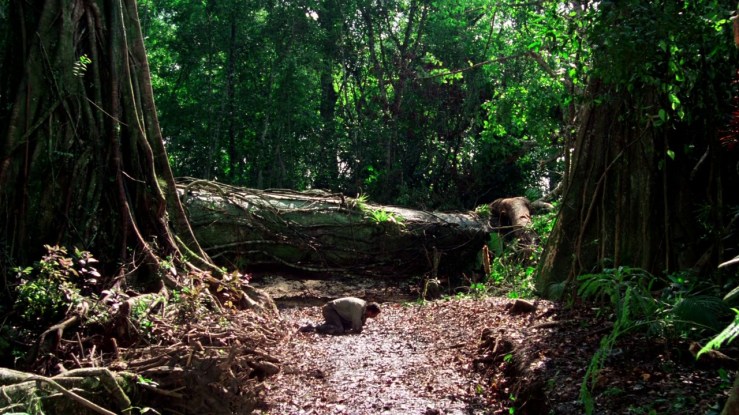
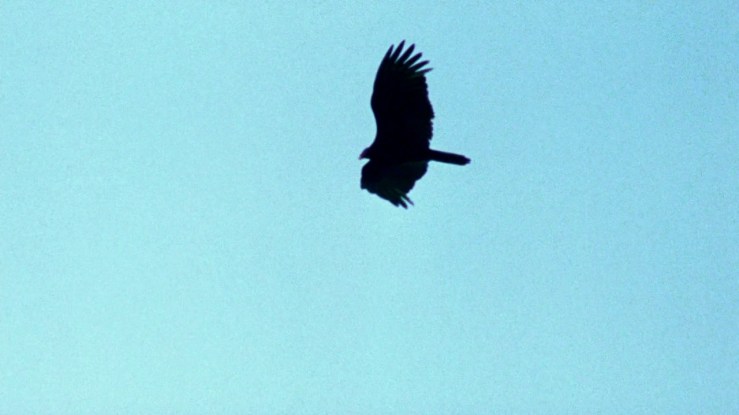
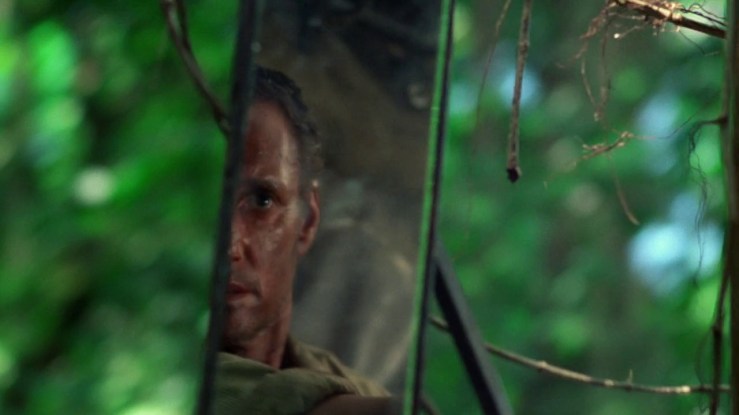
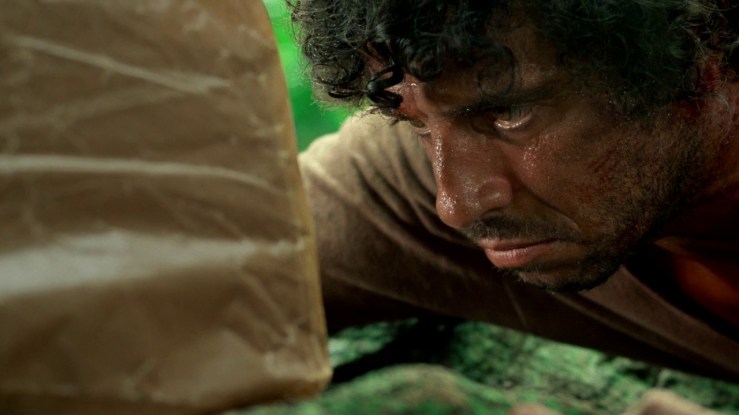
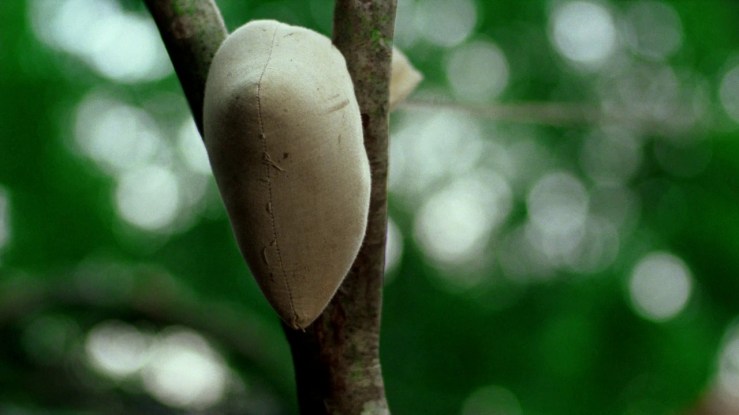
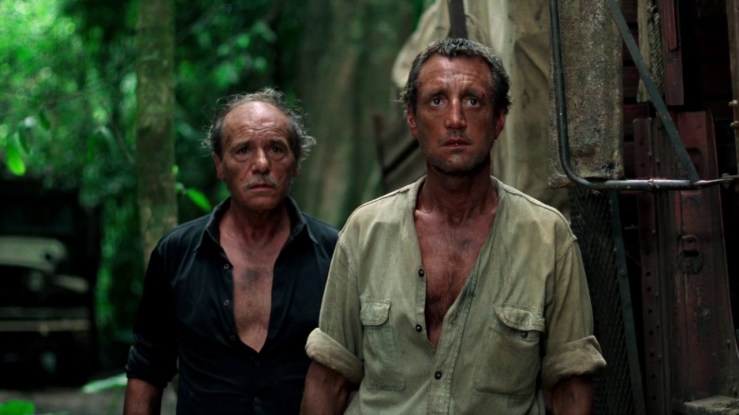
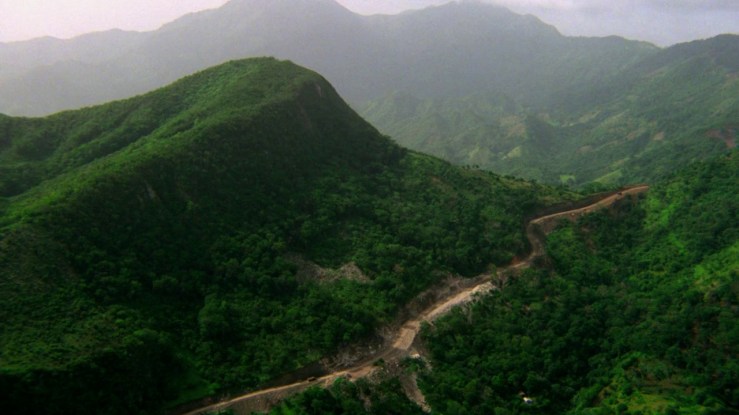
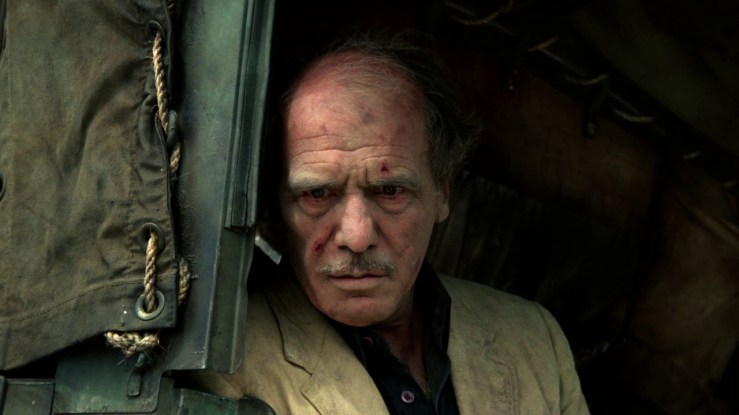
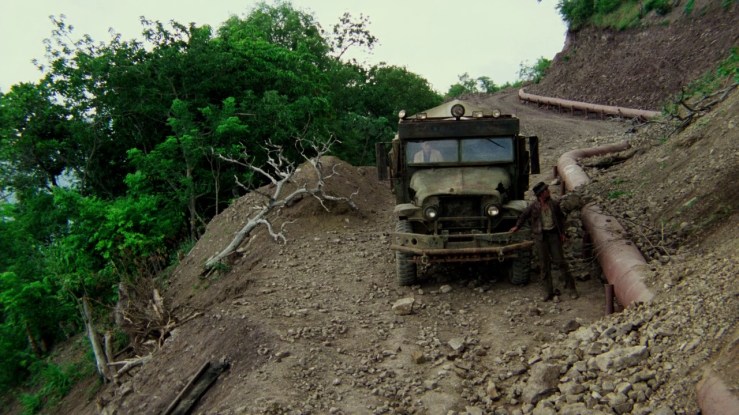
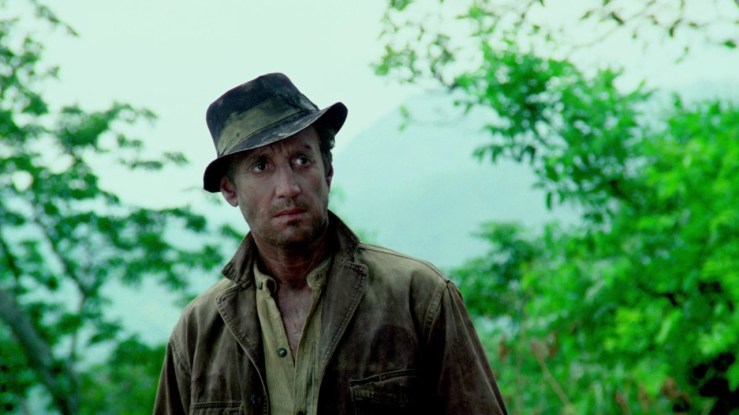
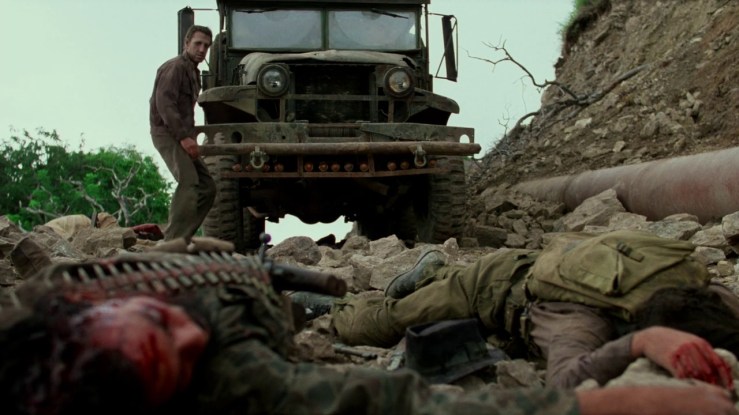
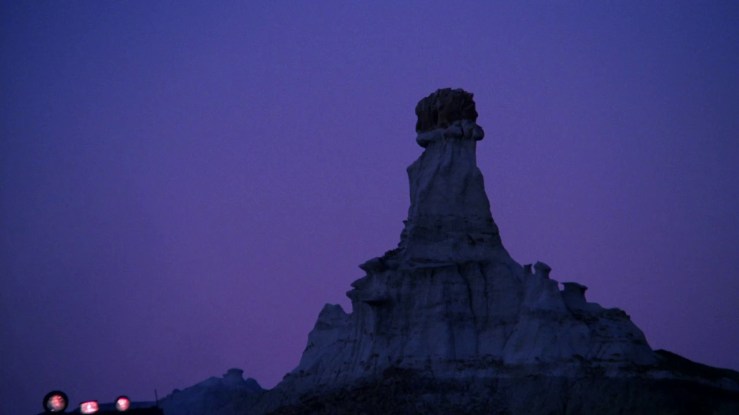
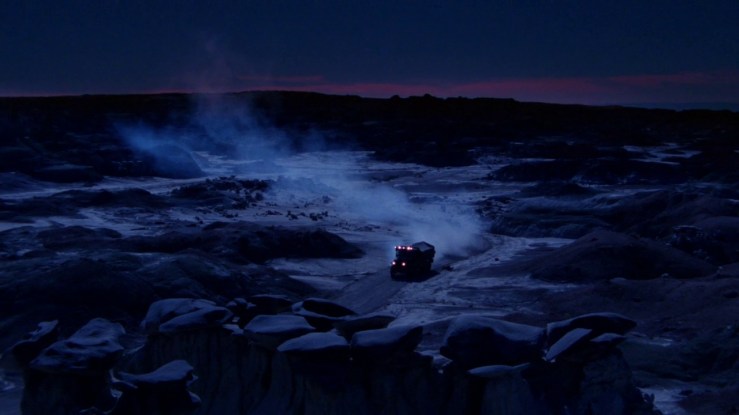
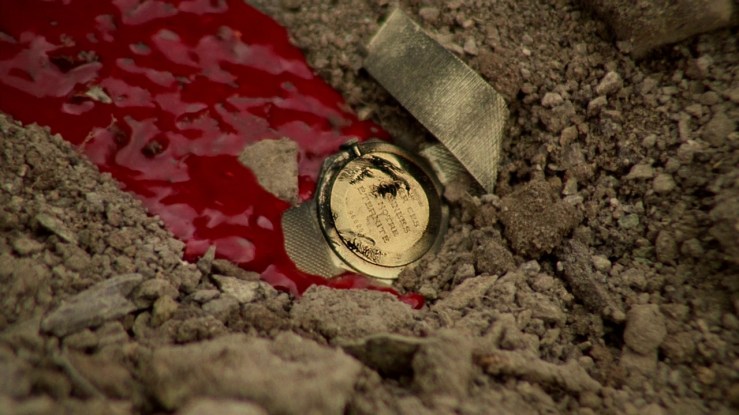
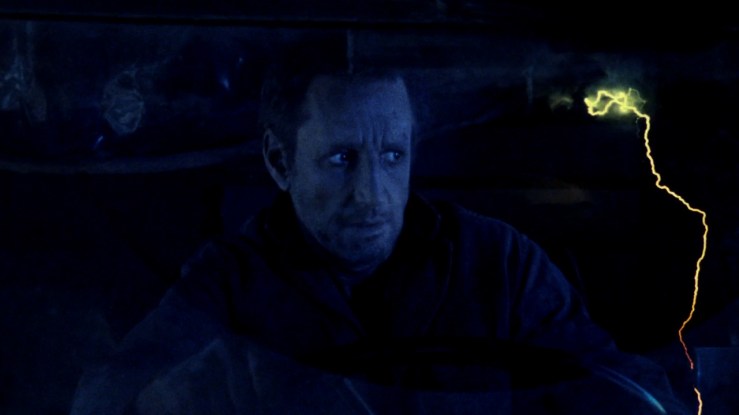
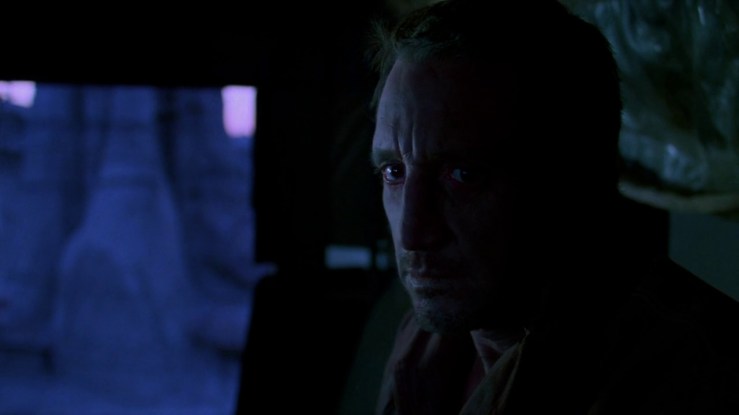
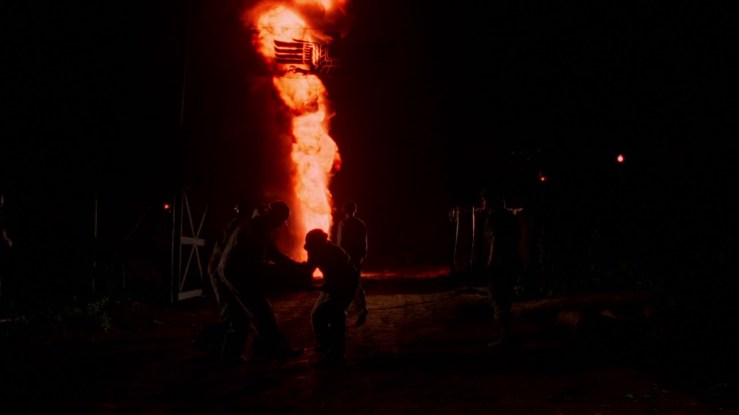
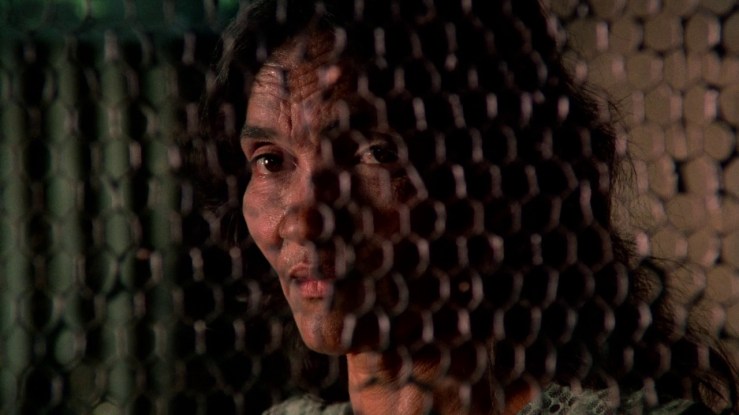
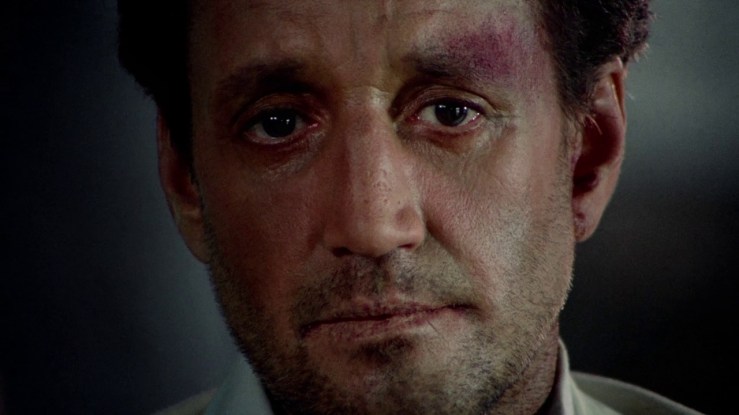
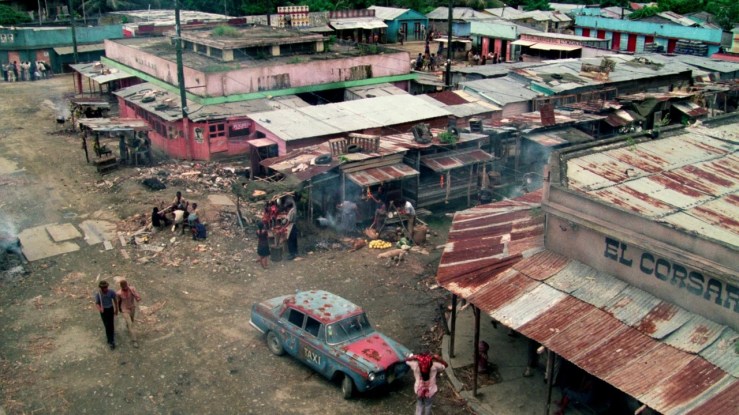
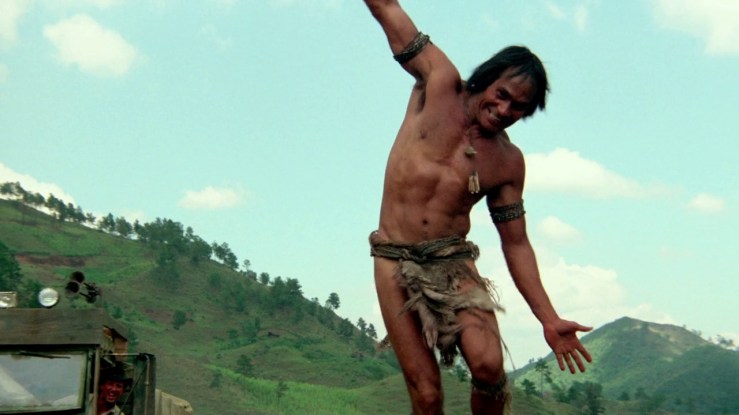
48 frames from William Friedkin’s Sorcerer

From Sorcerer, 1977. Directed by William Friedkin. Cinematography by Dick Bush & John M. Stephens. Stills via Film Grab.

RIP William Friedkin, 1935-2023.

All art constantly aspires to the condition of music all art constantly aspires to the condition of music

Gosfield Street Murder — James Boswell

Gosfield Street Murder, 1942 by James Boswell (1906-1971)

Portrait of James Baldwin — Beauford Delaney

Portrait of James Baldwin, 1965 by Beauford Delaney (1901-79)

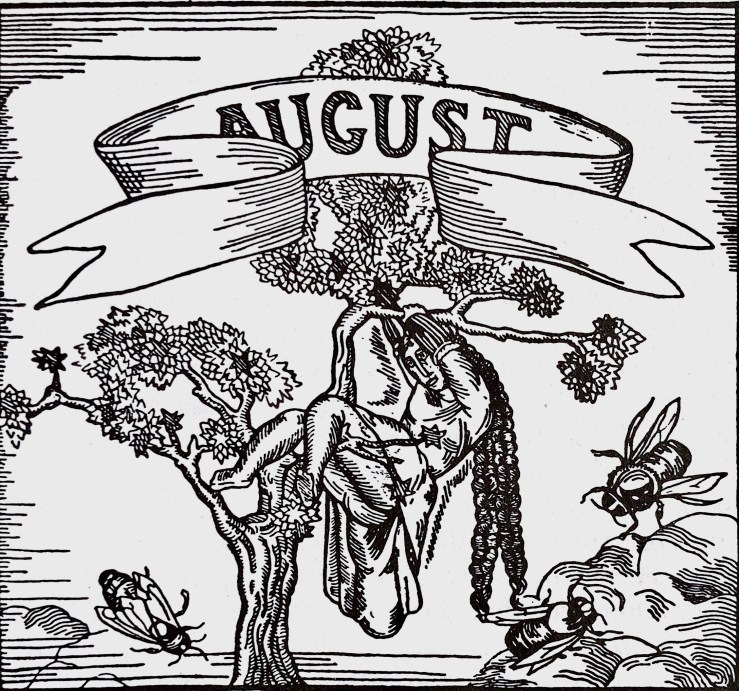
August — Djuna Barnes

All inextricably linked to those words and phrases | From Natalia Ginzburg’s Family Lexicon

 My parents had five children. We now live in different cities, some of us in foreign countries, and we don’t write to each other often. When we do meet up we can be indifferent or distracted. But for us it takes just one word. It takes one word, one sentence, one of the old ones from our childhood, heard and repeated countless times. All it takes is for one of us to say “We haven’t come to Bergamo on a military campaign,” or “Sulfuric acid stinks of fart,” and we immediately fall back into our old relationships, our childhood, our youth, all inextricably linked to those words and phrases. If my siblings and I were to find ourselves in a dark cave or among millions of people, just one of those phrases or words would immediately allow us to recognize each other. Those phrases are our Latin, the dictionary of our past, they’re like Egyptian or Assyro-Babylonian hieroglyphics, evidence of a vital core that has ceased to exist but that lives on in its texts, saved from the fury of the waters, the corrosion of time. Those phrases are the basis of our family unity and will persist as long as we are in the world, re-created and revived in disparate places on the earth whenever one of us says, “Most eminent Signor Lipmann,” and we immediately hear my father’s impatient voice ringing in our ears: “Enough of that story! I’ve heard it far too many times already!”

From Natalia Ginzburg’s 1963 memoir Lessico famigliarein translation (under the title Family Lexicon) by Jenny McPhee.

I love this book so far, and this passage may come as close as anything to an early thesis for what Ginzburg is doing. I suppose, too, I deeply identify with this idea, this notion of phrases, saying, quips, in jokes, etc., as the psychological basis of familial identification.


Reclining Nude Reading — Felice Casorati

tumblr_n6sq23lmJo1qb4lg8o1_1280

Reclining Nude Reading, 1943 by Felice Casorati (1883–1963)

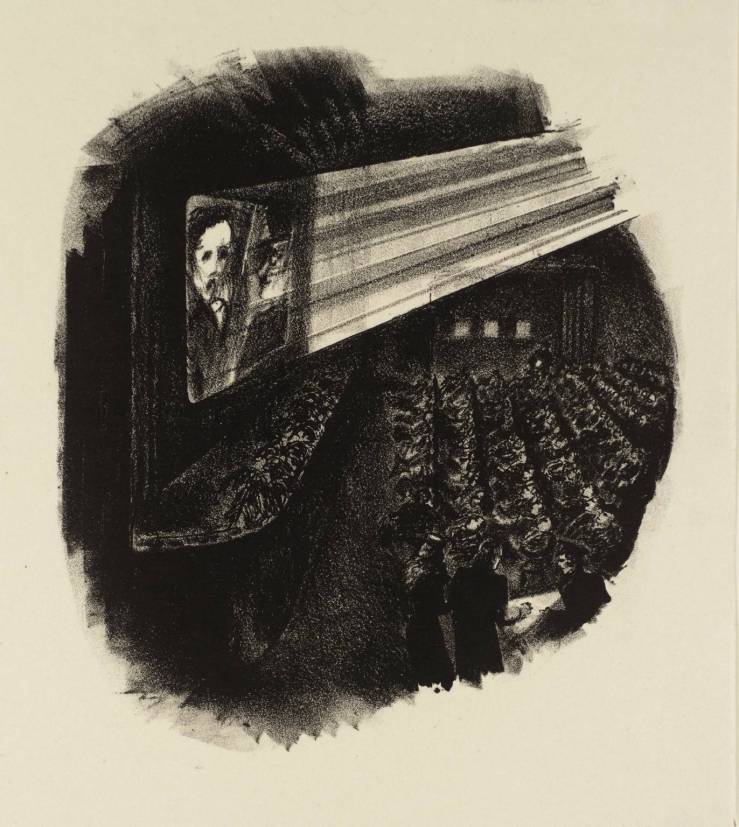
The Cinema — James Boswell

The Cinema, 1939 by James Boswell (1906-1971)

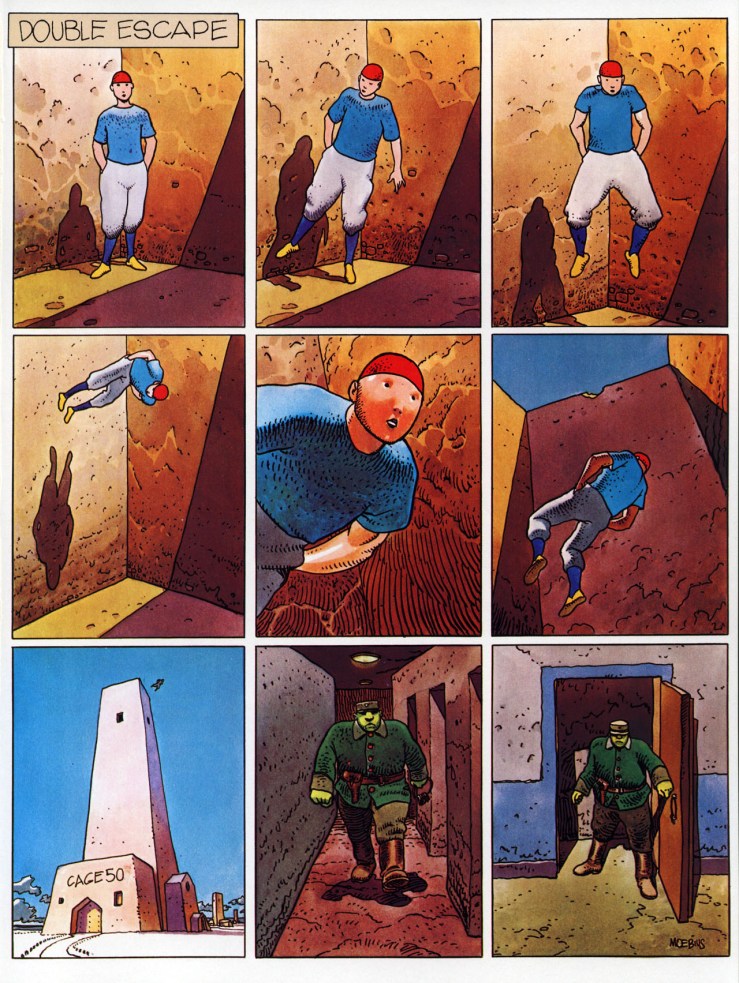
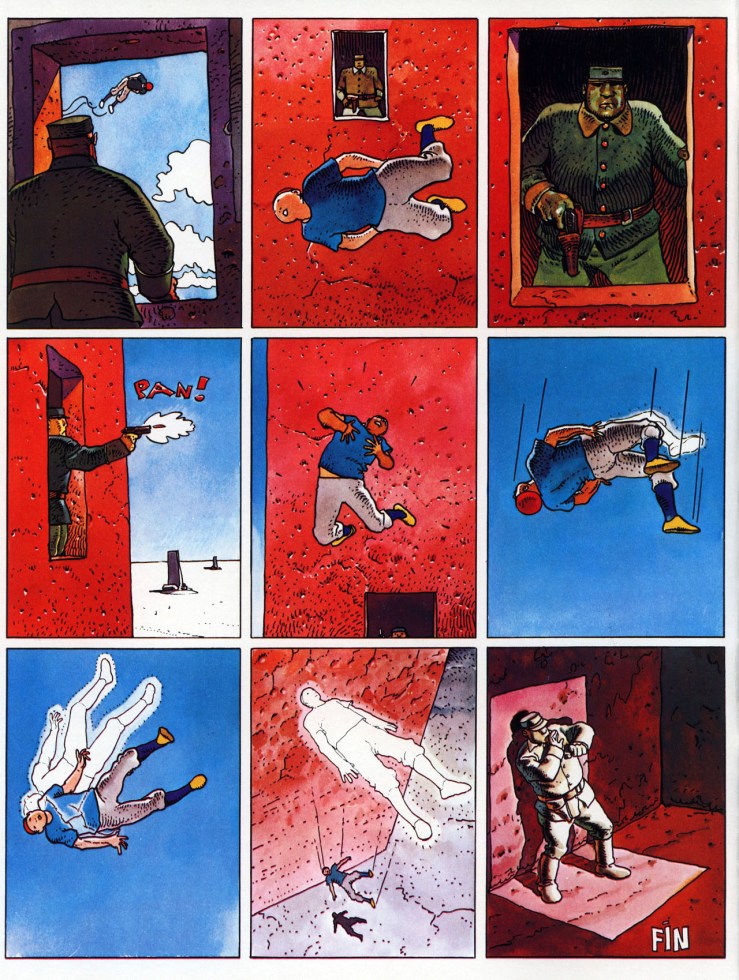
“Double Escape” — Moebius

Double Door — Lois Dodd

Double Door, 1976 by Lois Dodd (b. 1927)
Impossible Body 2 — Adrian Ghenie

Impossible Body 2, 2022 by Adrian Ghenie (b. 1977)

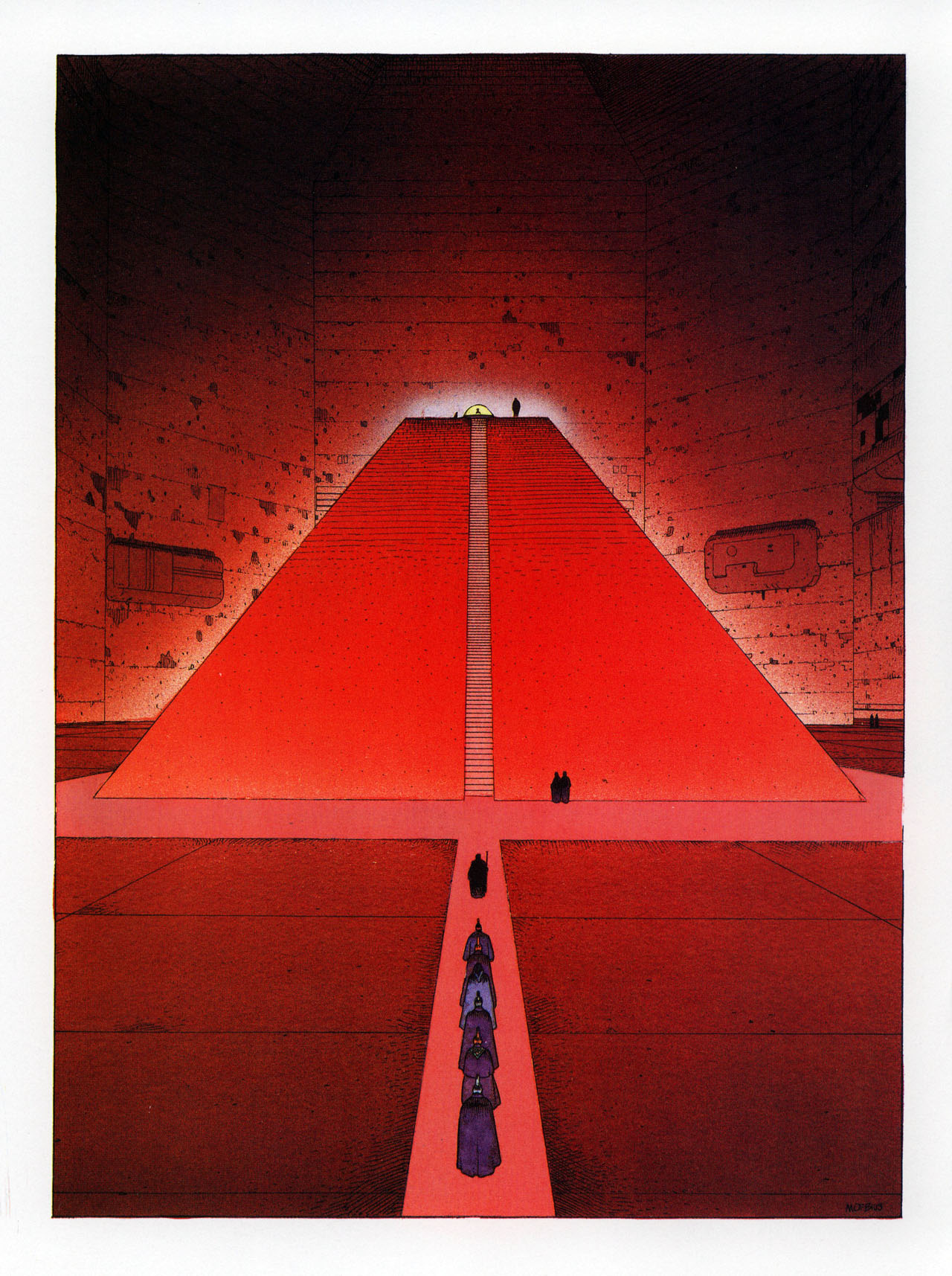
Untitled (Approaching the Paternum) — Moebius

Page from The Goddess, 1990 by Moebius (Jean Giraud, 1938–2012)