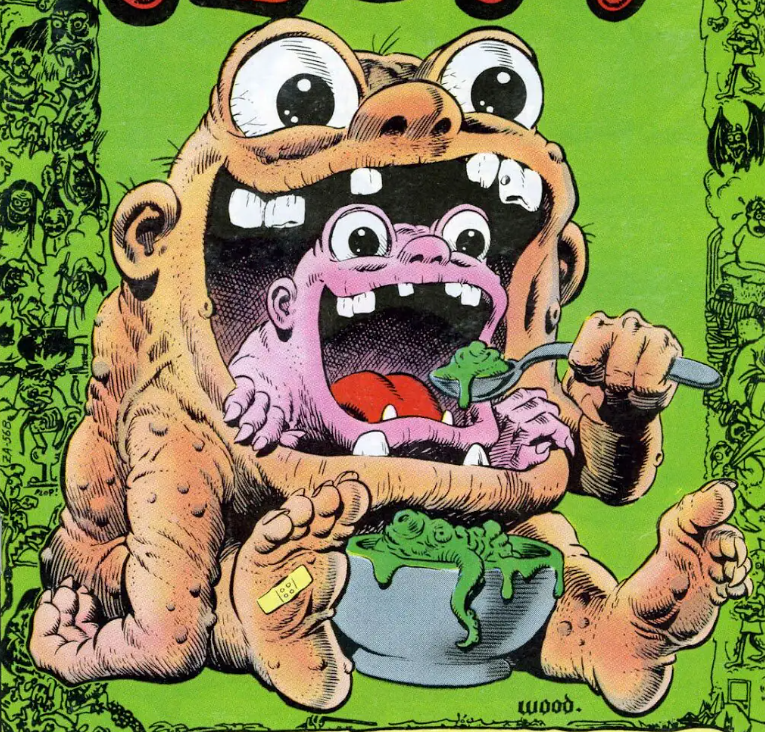
“Multiple Mouth McCardy,” a detail from Wally Wood’s cover for Plop! #13, June, 1975, DC Comics.
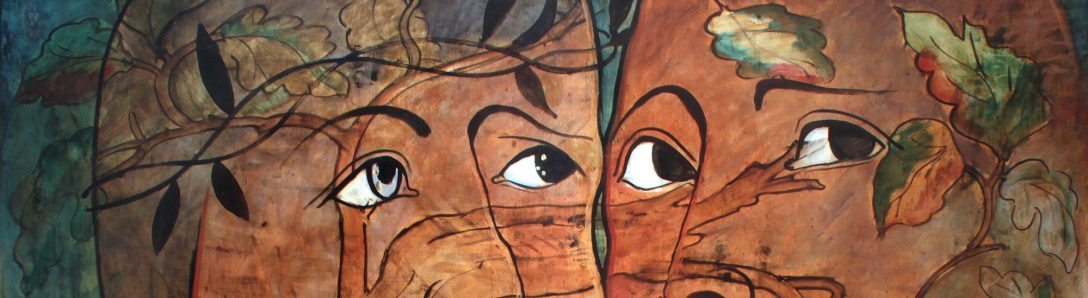
“Multiple Mouth McCardy,” a detail from Wally Wood’s cover for Plop! #13, June, 1975, DC Comics.
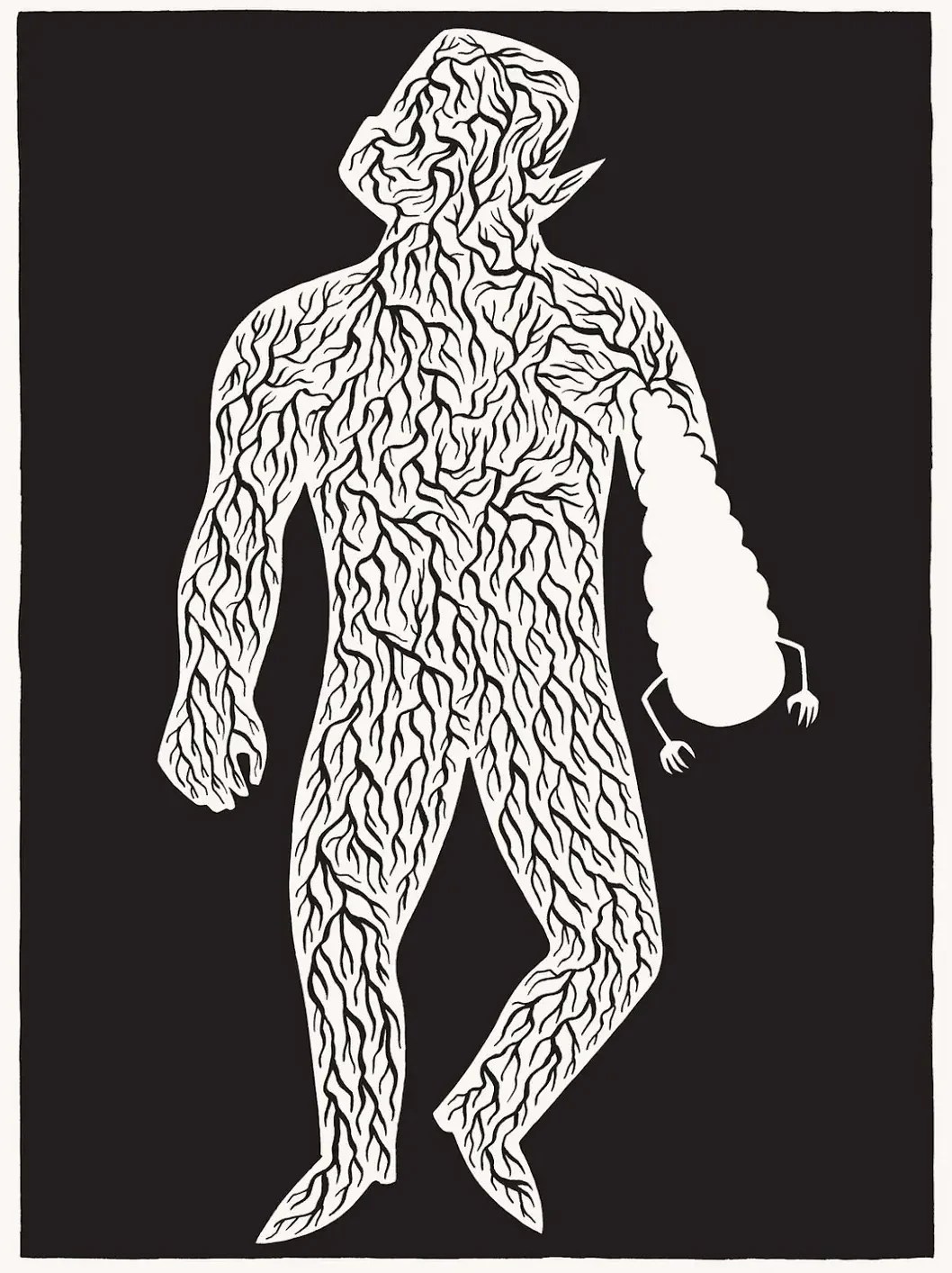
A page from Prison Pit, Book One by Johnny Ryan, 2009, Fantagraphics Books.
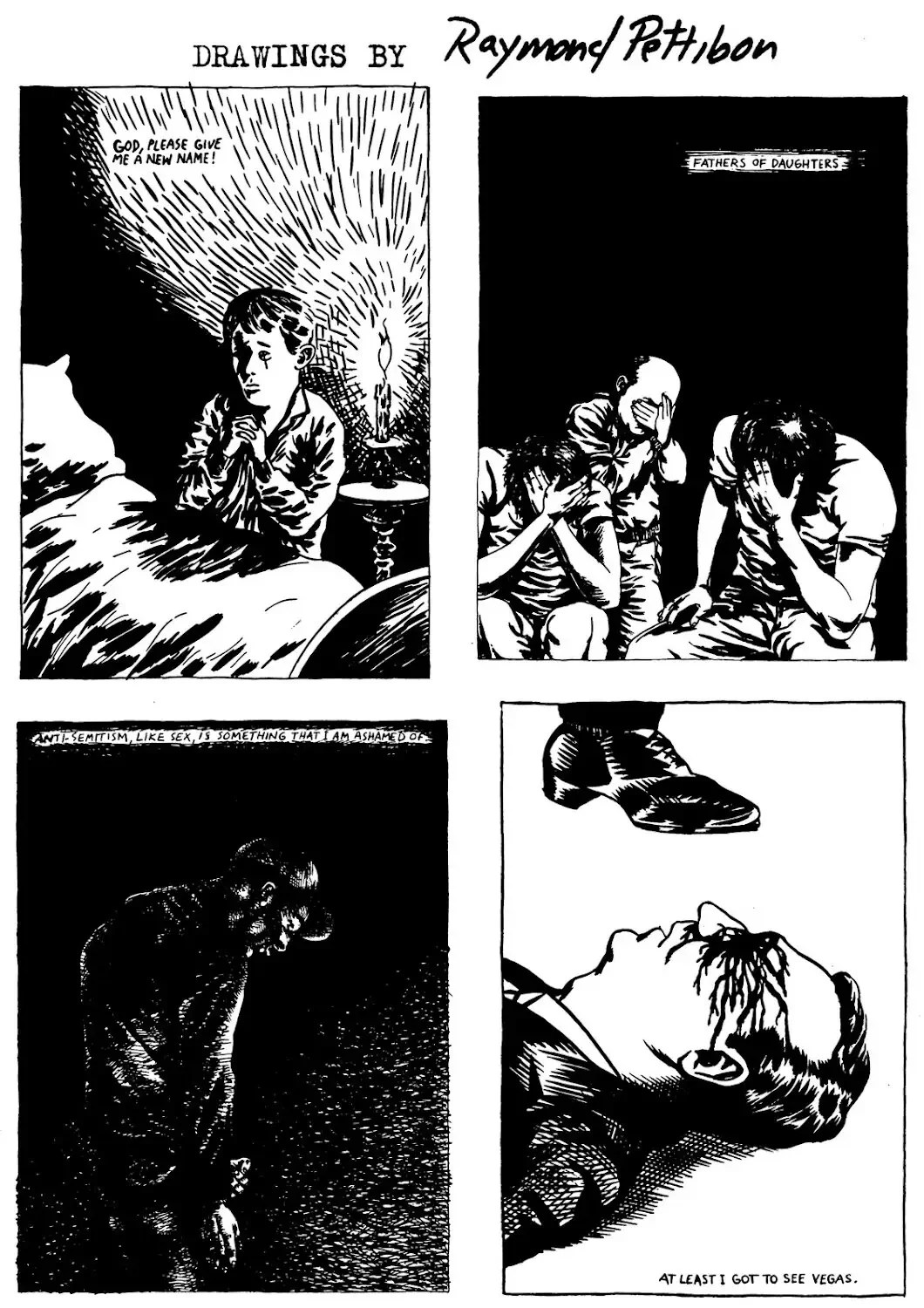
Drawings by Raymond Pettibon. From Weirdo #13, Summer, 1985, Last Gasp.
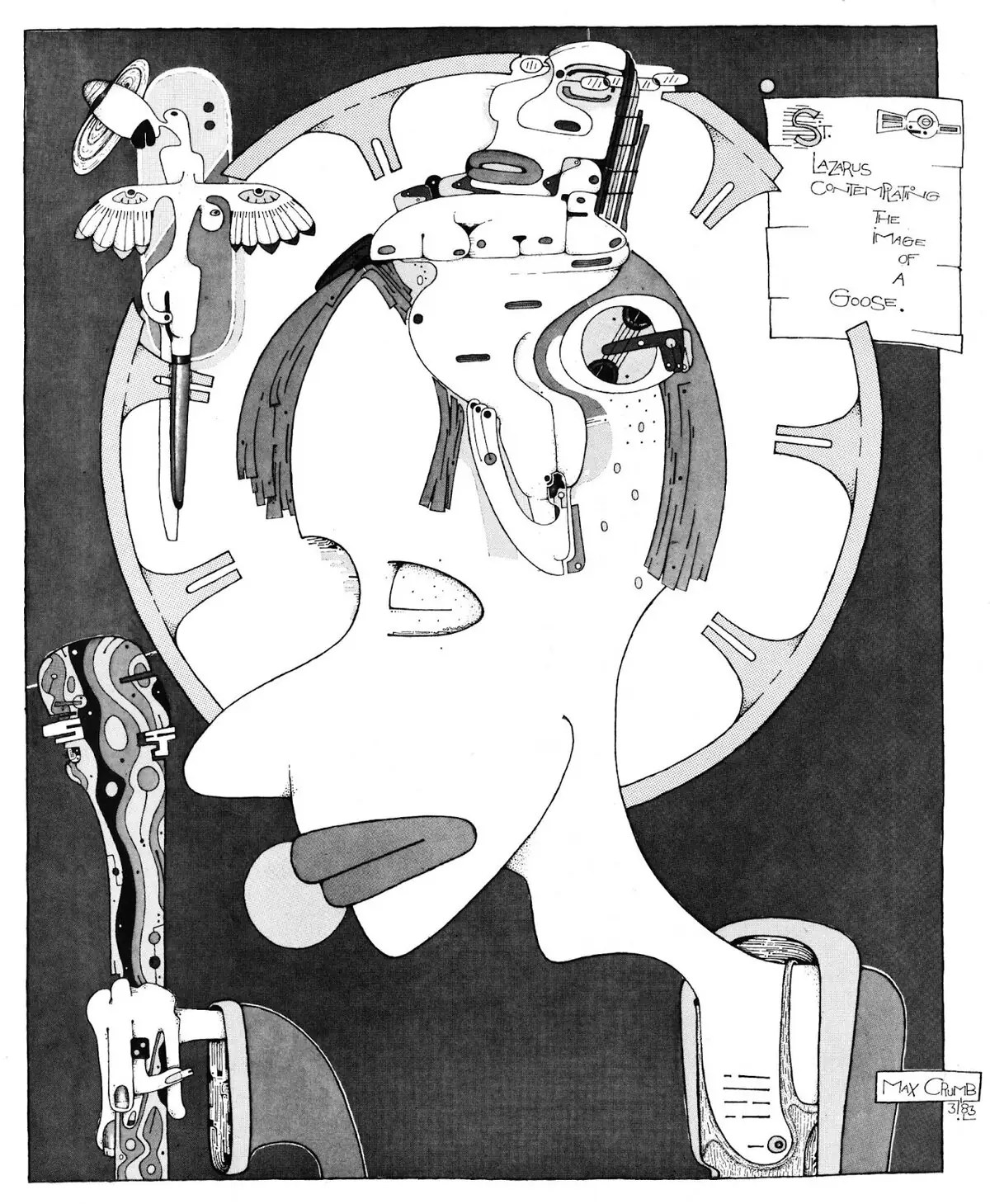
“St. Lazarus Contemplating the Image of a Goose” by Maxon Crumb. From Weirdo #9, January, 1983, Last Gasp.

A panel from “Pixie Meat” by Tom De Haven, Gary Panter, and Charles Burns. Published in Snake Eyes #1, 1991, Fantagraphics Books.

A panel from Crumple by Dave Cooper. Published in Zero Zero #20, Sept.-Oct. 1997, Fantagraphics Books.
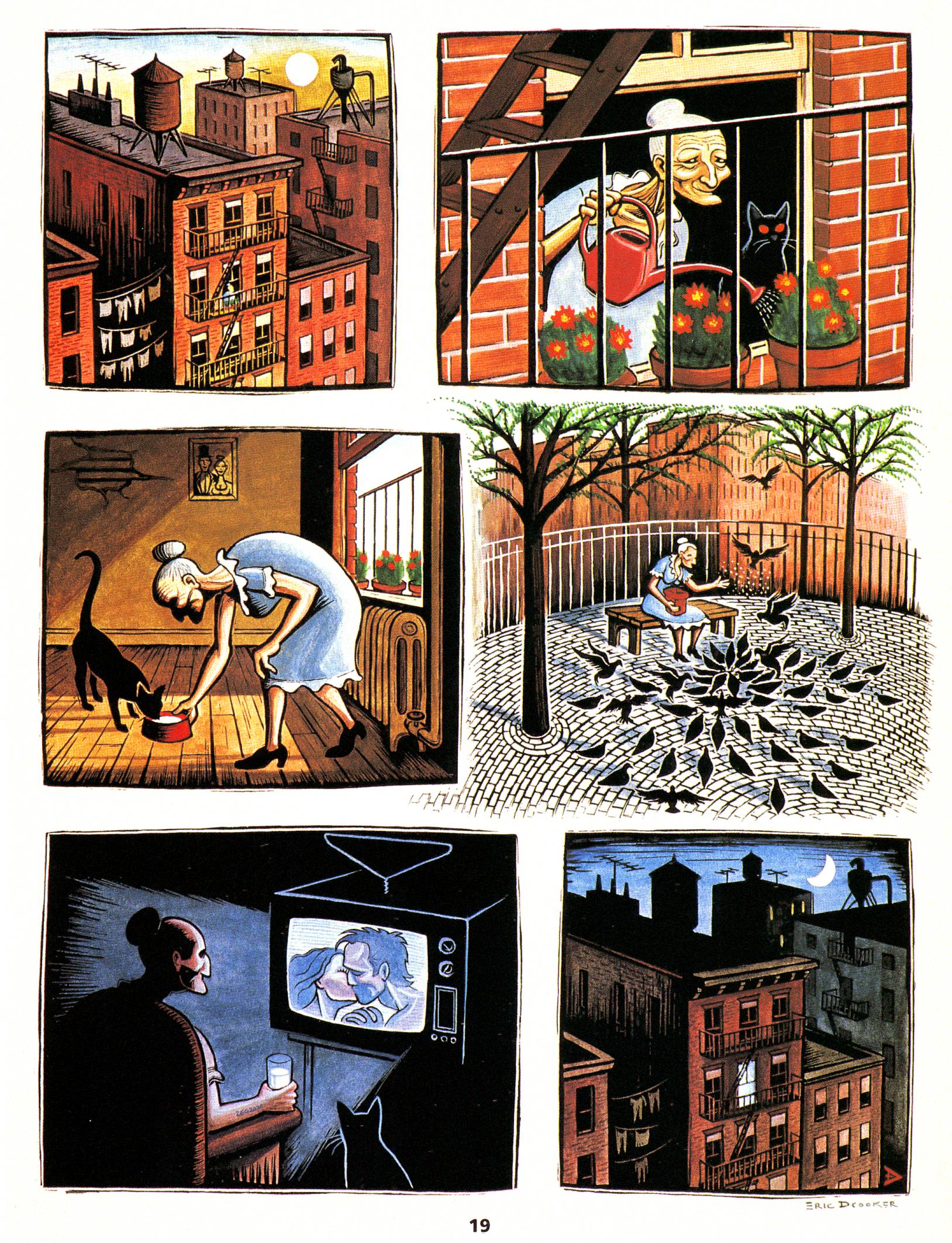
“Eleanor” by Eric Drooker. Published in Drawn & Quarterly #2 (vol. 2), Dec. 1994, Drawn & Quarterly Publications.
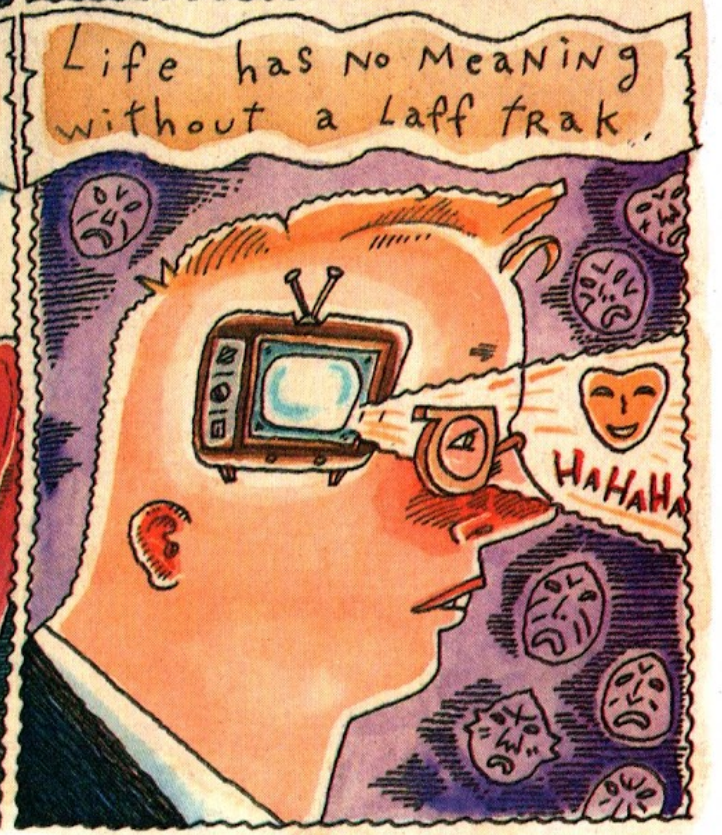
A panel from “Credo” by Richard Sala. Published in Drawn & Quarterly #2 (vol. 1), Oct. 1990, Drawn & Quarterly Publications.
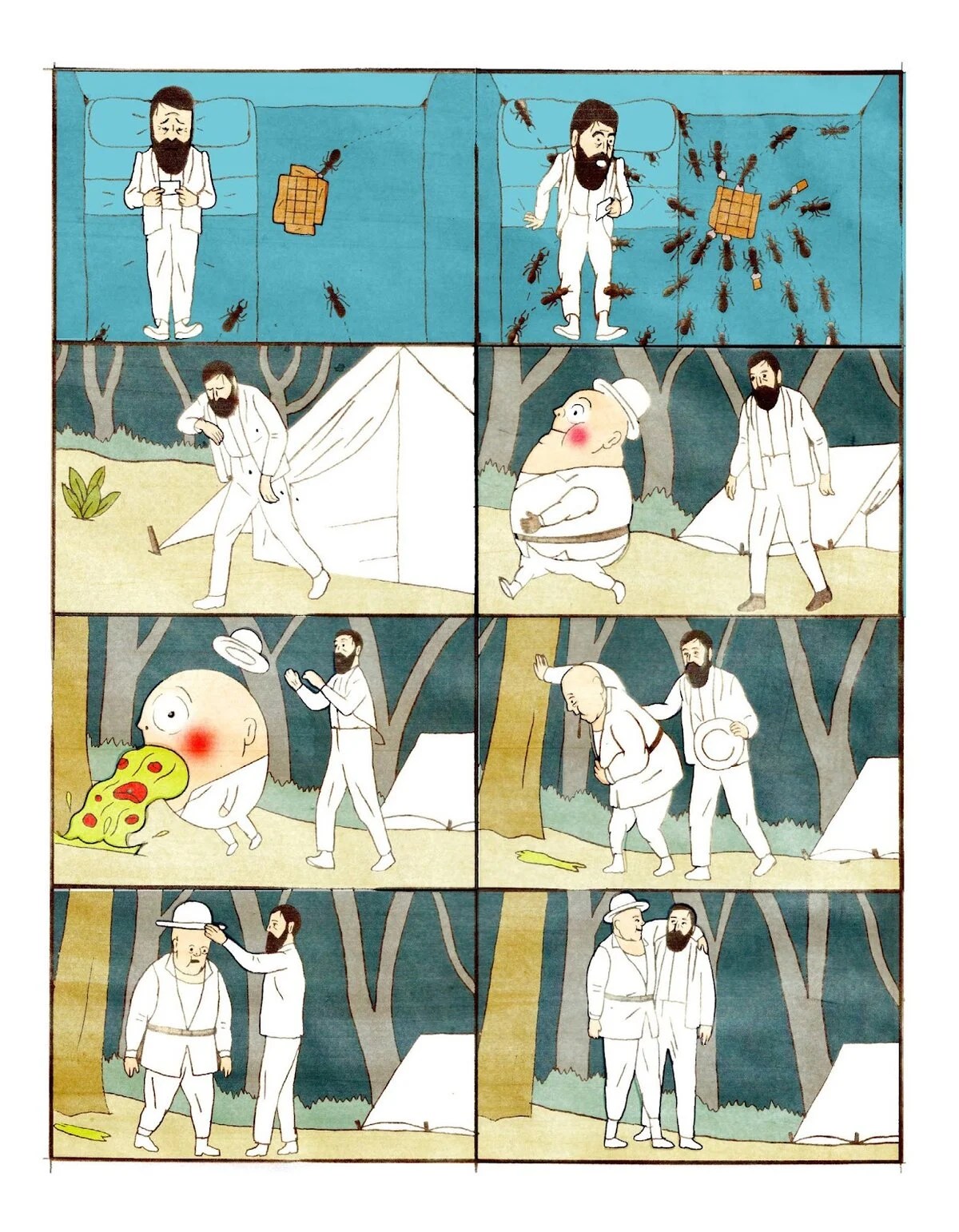
A page from Congo Chromo by Olivier Schrauwen. Published in Mome v. 17, Winter 2010, Fantagraphics Books.
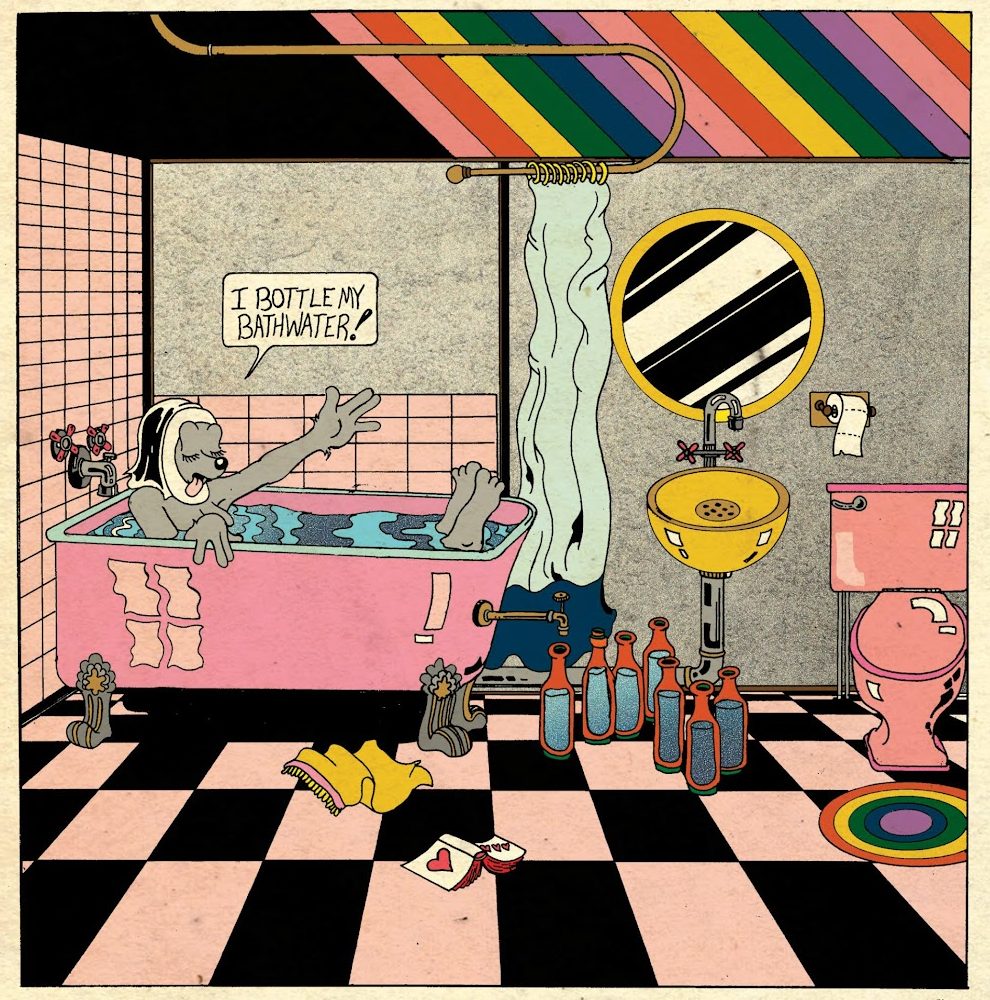
A panel from “Pray for Pianoland” by Brian Blomerth. Published in NOW #4, Sept. 2018, Fantagraphics Books.
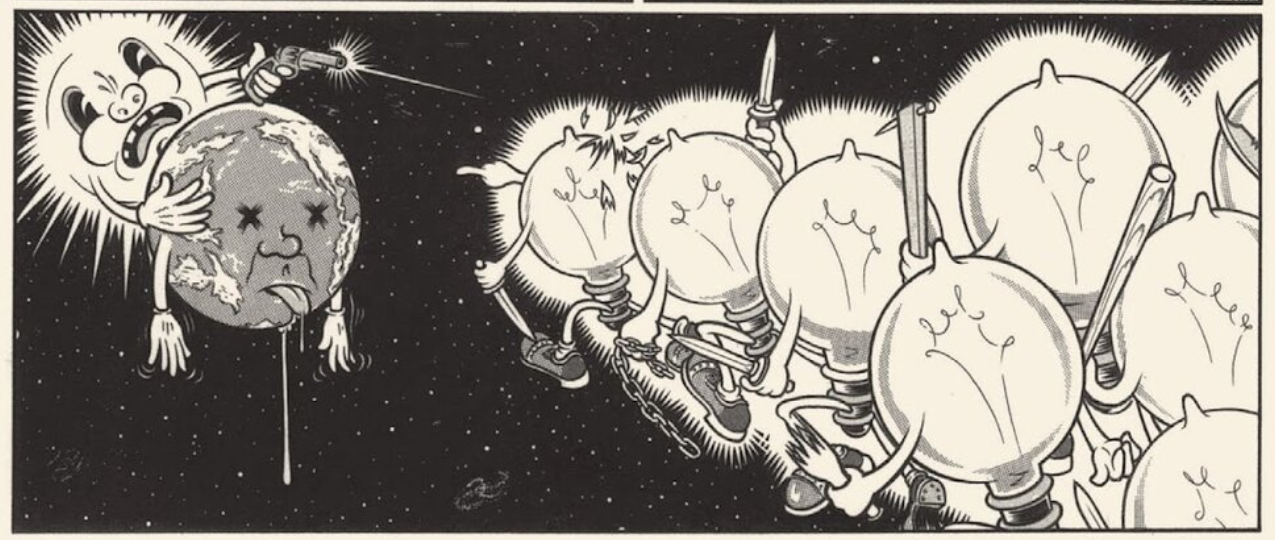
A panel from “Hide & Watch Me” by Joe Kimball. Published in Mome #8, Summer 2007, Fantagraphics Books.
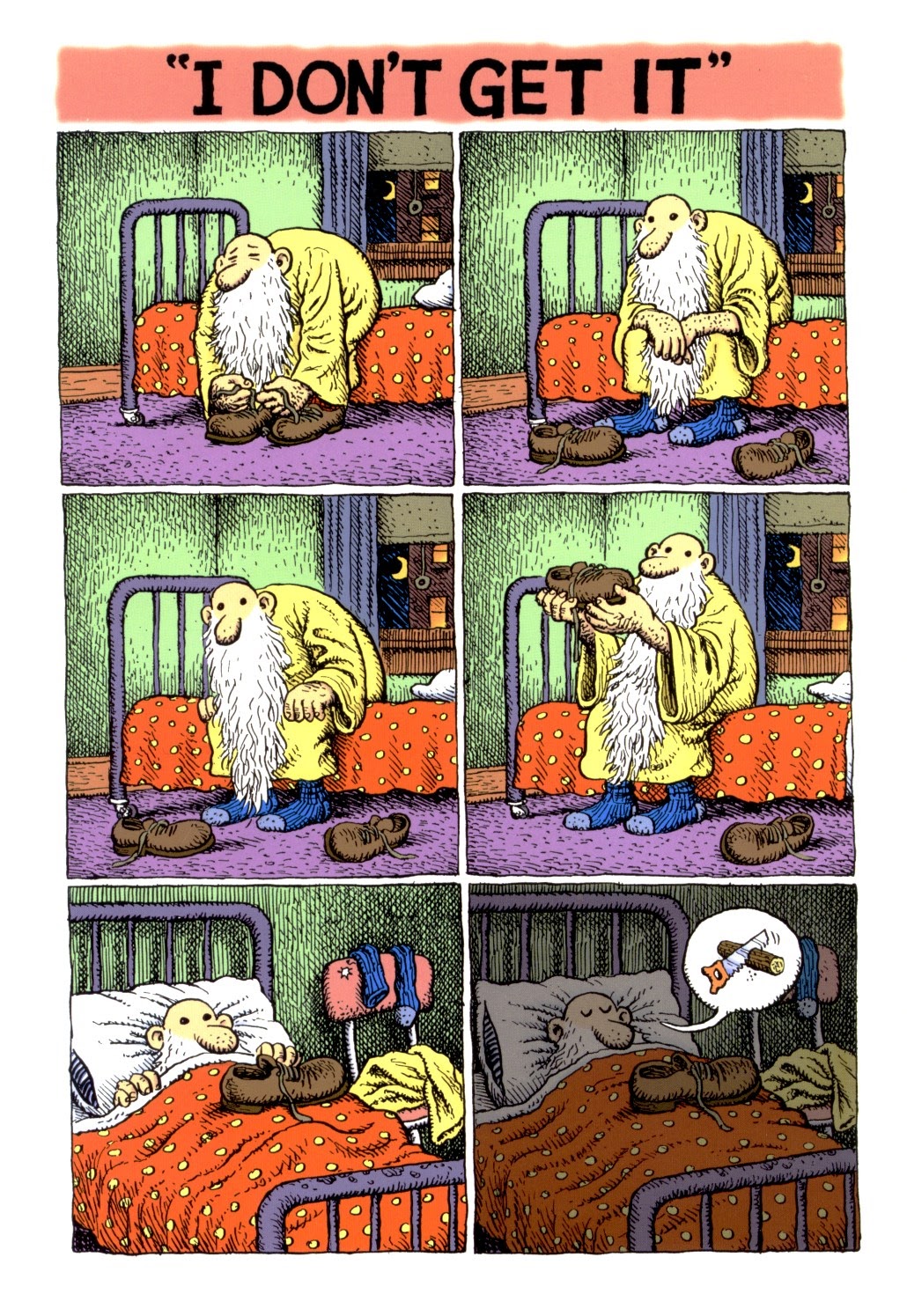
“I Don’t Get It” by Robert Crumb, published in Mystic Funnies #1, Alex Wood, 1997.
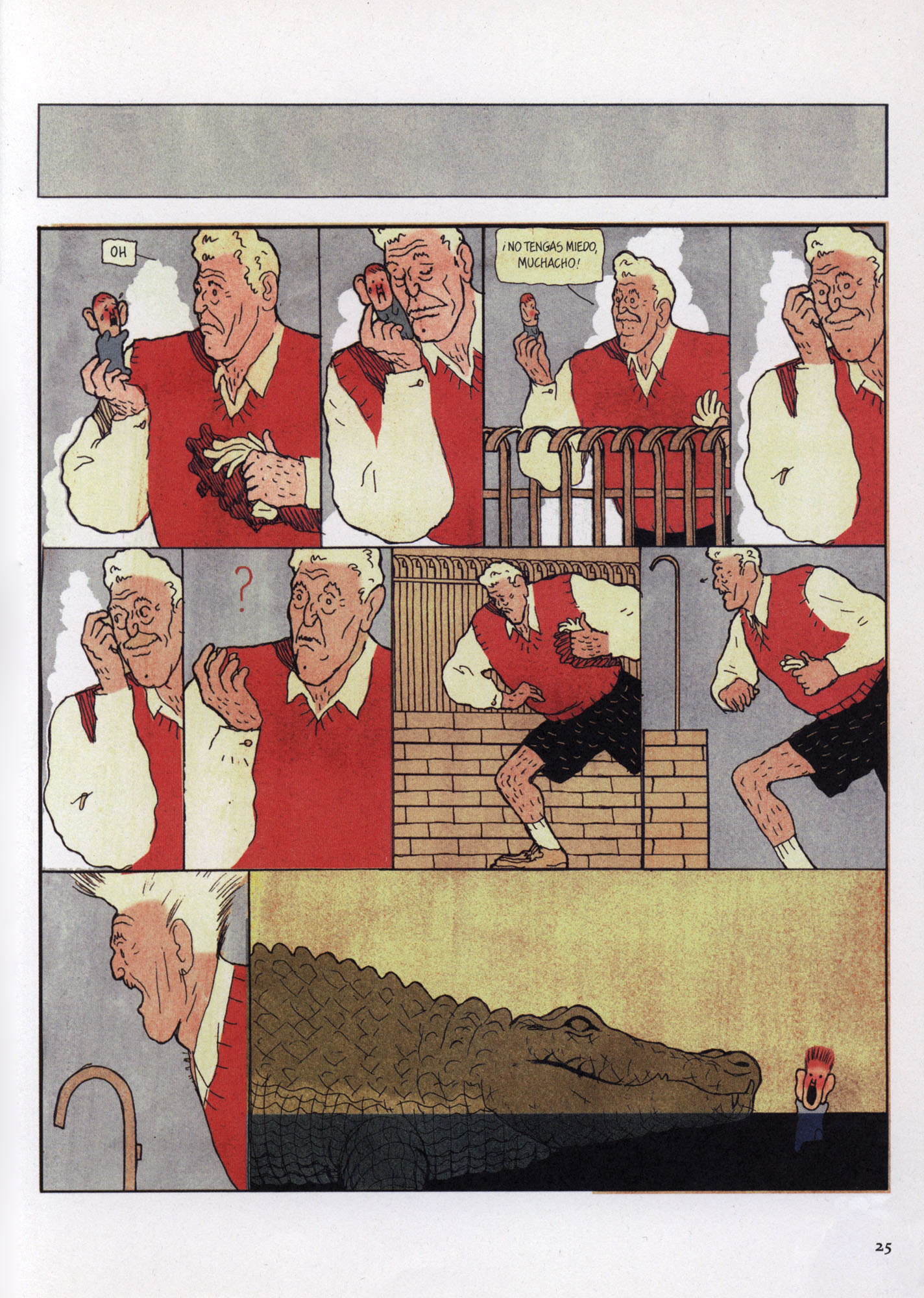
From Mi pequeño (Mon fiston) by Olivier Schrauwen, Norma Editorial, 2009.
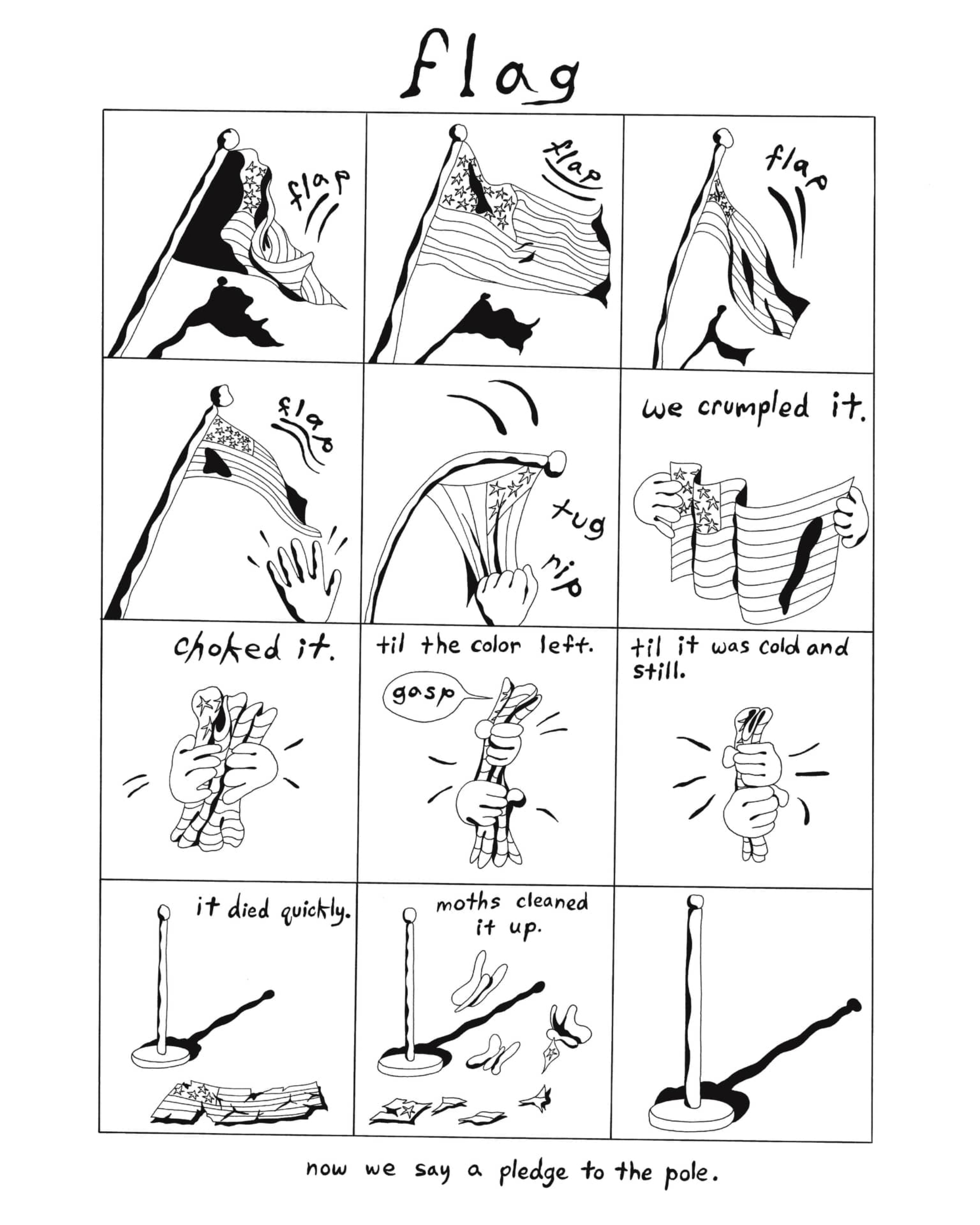
“Flag” by Noel Freibert. Published in Kramers Ergot #9, 2016, Fantagraphics Books.
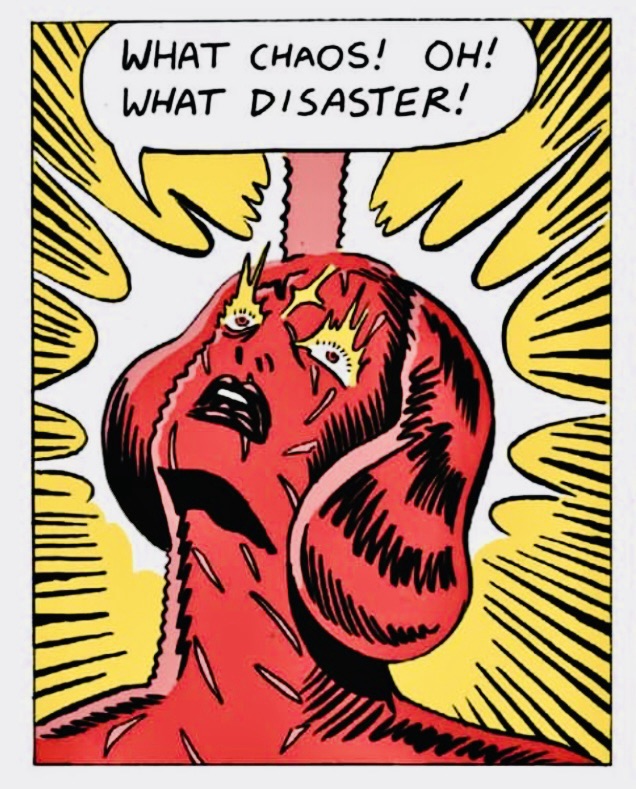
From “The Kanibul Ball” by Lale Westvind. Published in Kramers Ergot #9, 2016, Fantagraphics Books.
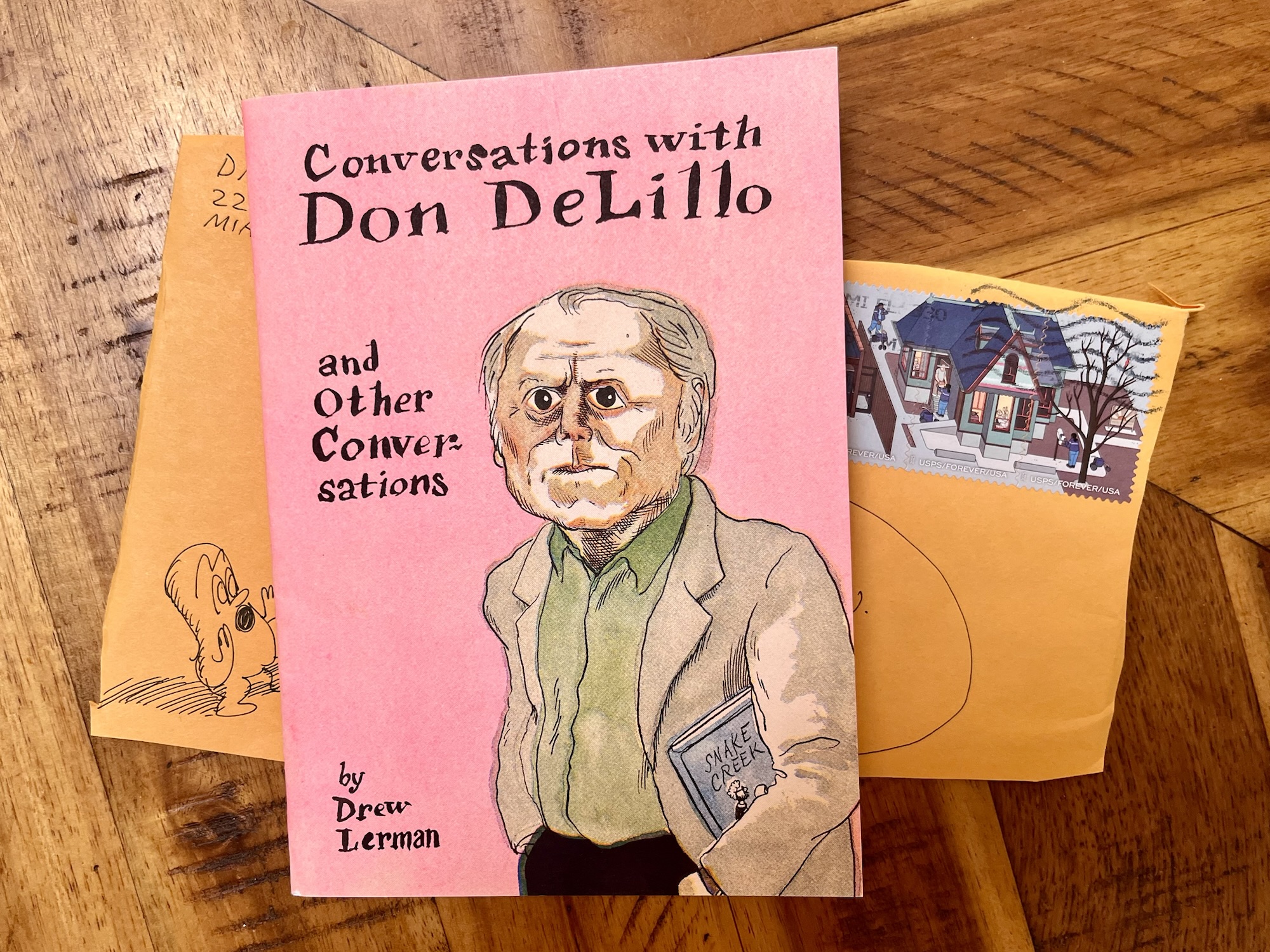
I’m a big fan of Drew Lerman’s work, and I’m always excited when he puts together a new collection. His latest is Conversations with Don DeLillo and Other Conversations, collecting his recent strips. I would describe these strips as functioning in the mode of pseudoautiobiographical postmodern literary interrogation, only that makes them sound pretentious, which they aren’t. They are very funny and very niche, and I often feel like I am Lerman’s ideal reader. This is my niche.
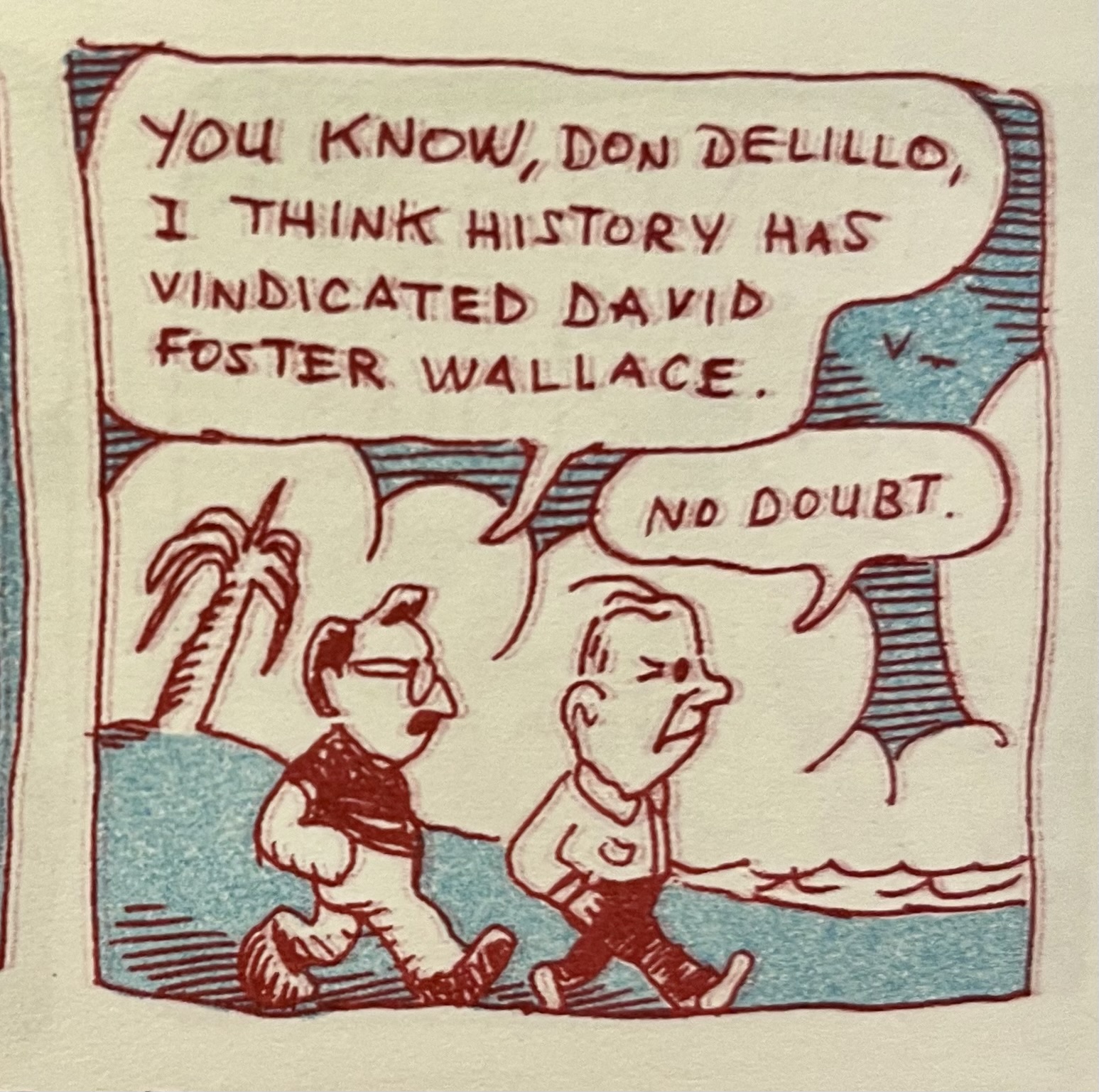
Each one-page strip features (a version of) Lerman encountering (and often trailing) a writer (DeLillo, obv., but also Joy Williams, Jonathan Franzen, Gordon Lish, William T. Vollmann…); the conversations are often very one-sided and allow Lerman to interrogate his subject on the kind of minutiae that often overtakes our ability to see the forest for the trees, so to speak, when it comes to art. In one of my favorite bits, for example, Lerman critiques the implementation of (“middle school book report-ass”) Courier New Unjustified as the font for DeLillo’s novel The Silence. I could go on but I should save it for a proper review.
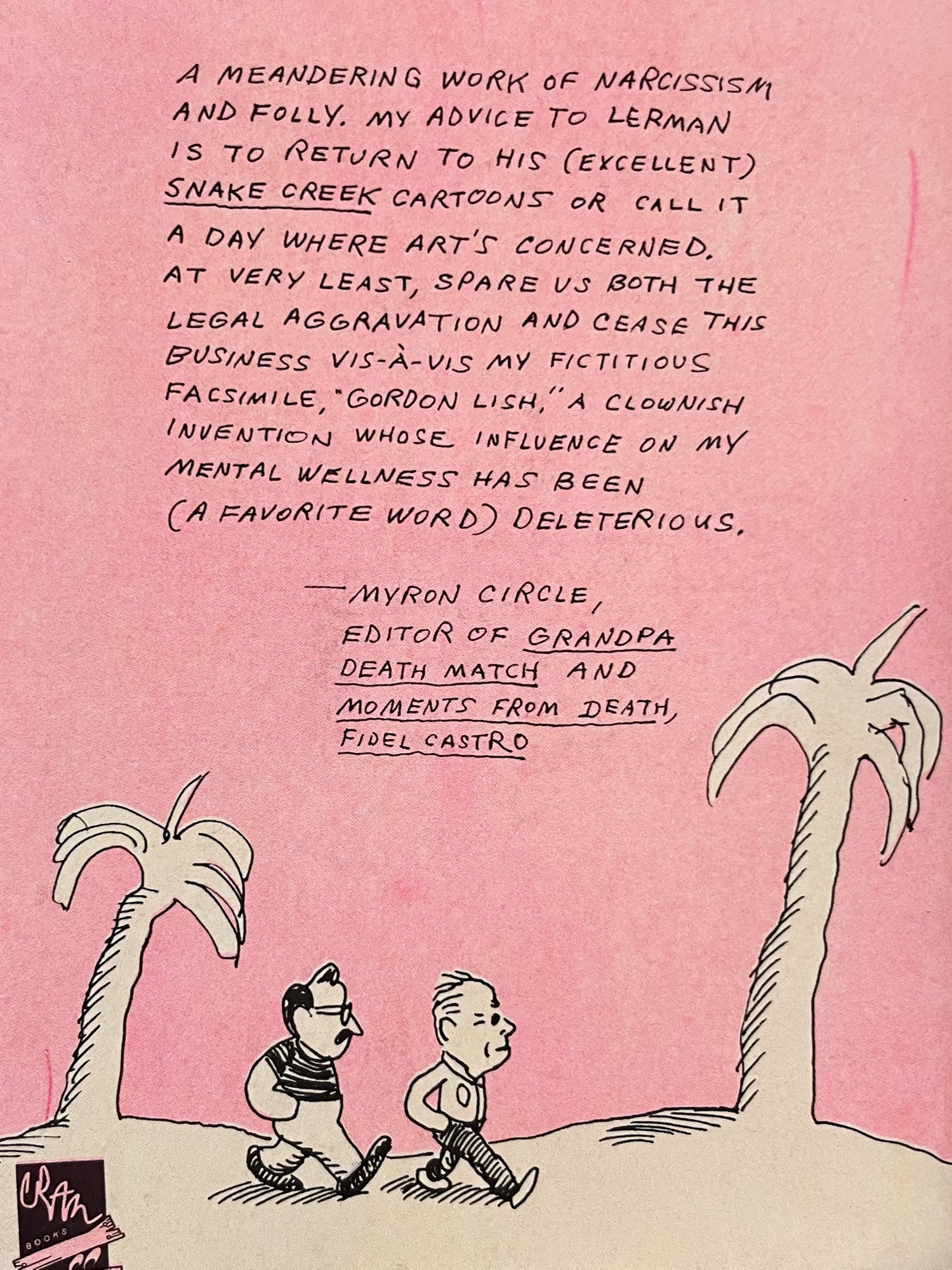
Conversations with Don DeLillo also features a great negative blurb by a certain grouchy “Myron Circle”:
And maybe this is corny of me, but I love that Lerman used Chris Ware stamps to mail me Conversations with Don DeLillo. (Chris Ware shows up in Conversations, btw — he tries to give Lerman a bunch of his books and tell Lerman how much he loves Snake Creek

More thoughts to come.
RIP Marjane Satrapi, 19-2026
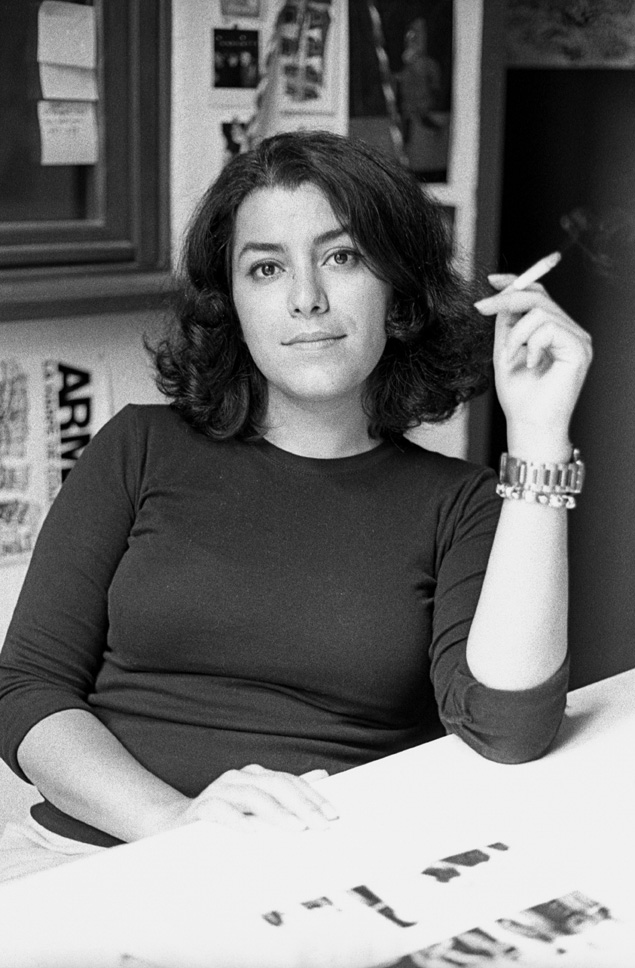
I was saddened to learn today of the death of the artist Marjane Satrapi. Satrapi was only 56.
Satrapi is probably most recognized for her first published work, Persepolis, a graphic novel she completed in 2003. Persepolis was one of the first books I wrote about on Biblioklept, way back in 2007, when this blog was not half a year old. Here is the entire post:
“It was funny to see how Marx and God looked like each other.”
Marjane Satrapi’s Persepolis makes a nice introduction to the graphic
novelautobiography for anyone who hasn’t read one before. Marjane’s memoir weaves the political turmoil of the Islamic Revolution with the everyday stuff of childhood experience. As the the repressive Islamic regime revokes liberal freedoms, Marjane’s folks (secular intellectuals, of course) smuggle Iron Maiden posters back from Turkey; young Marjane sneaks cigarettes and rock music to a backdrop of political assassinations and war with Iraq.Persepolis succeeds by engaging the reader in a personal experience of revolution and cultural alienation. It works as a history lesson and as a coming of age story. Readers who try something different (maybe suspend some prejudices?) will be rewarded with an enriched perspective on a political/cultural upheaval still affecting global politics today.
I wrote that twenty years ago, and there are any number of things I could pick at, I think my defensive tone is the most interesting to me. I think that general audiences have come to understand that comics, just like any other medium, can express the highest ideals of art. Persepolis, now a staple on many school reading lists, contributed to that cultural shift.
I looked around for my copy, but then realized that my daughter took Persepolis with her when she left for college last year. I remember reading the book to her when she was little; later she read it herself. We repeated the process with our son. And then we watched Satrapi’s 2007 film adaptation together a few times.
We also watched her film adaptation of her graphic novel Chicken with Plums. The film is good, but the book is better. My 2009 review of the paperback edition again highlighted an anxiety that mainstream audiences held prejudices against the comics medium:
Casual readers to comics often make the error of supposing that the medium is merely words with accompanying pictures. Satrapi’s deft work here might do wonders in correcting this ignorance. There isn’t a wasted panel in Chicken with Plums, and Satrapi commands intense emotion from her thick, black lines. There’s a seamless quality to Chicken with Plums; the text and the pictures, indivisible, add up to more than the sum of their parts. Satrapi knows when to hold back and let her simple black and white images tell the story. There is a certain economy of storytelling that great comic writers can achieve in ways entirely possible in prose, and here Satrapi has surpassed her earlier work in Persepolis, which, while great, often relied heavily on textual exposition. In Chicken with Plums, Satrapi’s evocations of troubled family life, unfulfilled love, the perils of Iranian immigration to California, and Sufi mysticism all blend into a poignant, often-funny, and occasionally devastating portrait that exemplifies the best of the comics medium.
While comparisons to her Persepolis series will undoubtedly hang over all of Satrapi’s work, Chicken with Plums is a wonderful successor, and in some senses, a more achieved work. Although it doesn’t convey the first-person immediacy of Persepolis, nor that memoir’s dramatic scope, the story of Nasser Ali is intimately detailed and achieves something rare in an age of overstuffed books: it leaves its readers hungry for more.
The plot of Chicken with Plums is devastatingly simple. Nasser Ali, a renowned Iranian musician (and Satrapi’s great uncle), elects to die after his wife destroys his beloved instrument. He quits eating and refuses to leave his bedroom. The story is very much an extrapolation of hazy events revealed in dreams and flashbacks, with a tint of magical realism.
I was a bit taken aback, given the plot of Chicken with Plums, while reading the following detail from Satrapi’s obituary in Le Monde today. The French newspaper reported that those close to the artist declared that, “Marjane Satrapi died of sadness a little over a year after the death of Mattias Ripa, her husband and the love of her life.” How very sad. I hope she has found some peace.