Paula Rego was one of the great figurative painters of the late-twentieth and early twenty-first centuries. Born in Portugal, Rego lived and worked most of her life in England. She first began exhibiting her work in the early 1960s with The London Group, and over the decades, her paintings were recognized for their haunting power in a series of career retrospectives at major museums, including the Tate Britain. She was also the first Associate Artist of the National Gallery in London.
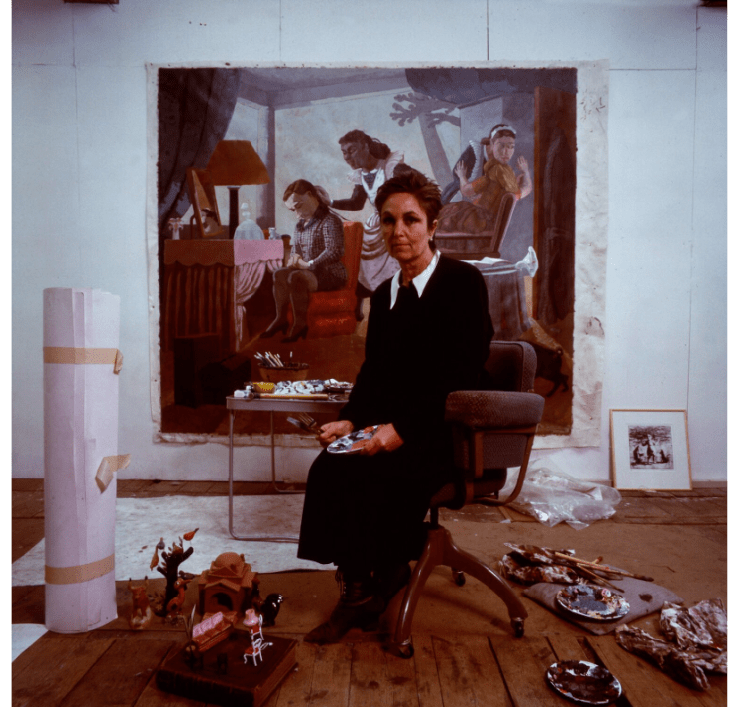
Paula Rego portrait by Chris Garnham, 1988
Rego’s paintings are strange and disturbing, evoking the psychosexual tumult that underwrites Western myths and fairy tales. Obliquely feminist, Rego’s images conjure a counternarrative to patriarchal domination. As Whitney Chadwick put it in her book Women, Art, and Society, Rego’s paintings were part of “the figurative tradition of history painting but used heroic scale, harsh lighting, and theatrical compositions to present a pantheon of female figures traditionally suppressed in accounts of male exploits . . .[her] works propose a new iconography for the female heroine.”
Snow White Swallows the Poisoned Apple, 1995
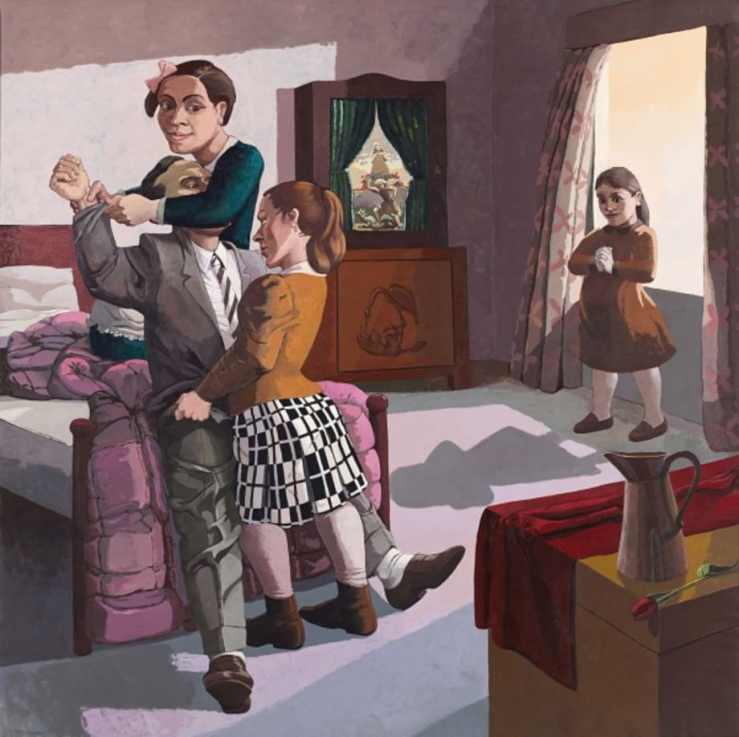
I’m pretty sure it was in Chadwick’s Women, Art, And Society that I first saw a reproduction of The Family, a painting that shocked me, and reminded me of the work of one of my favorite painters at the time, Balthus, as well as the films of David Lynch.
The Family, 1988The Maids, 1987
There’s an uncanny mix of humor and paranoid terror in much of Rego’s work, and her feminist reimagining of folk tales and myths has much in common with the work of writers like Angela Carter and Anne Sexton.
The Little Murderess, 1987The Fitting, 1989The Policeman’s Daughter, 1987
A strong advocate of women’s rights, in 2019 Rego called out the increasingly-draconian anti-choice laws being acted in America, telling The Guardian, “It seems unbelievable that these battles have to be fought all over again. It’s grotesque.”
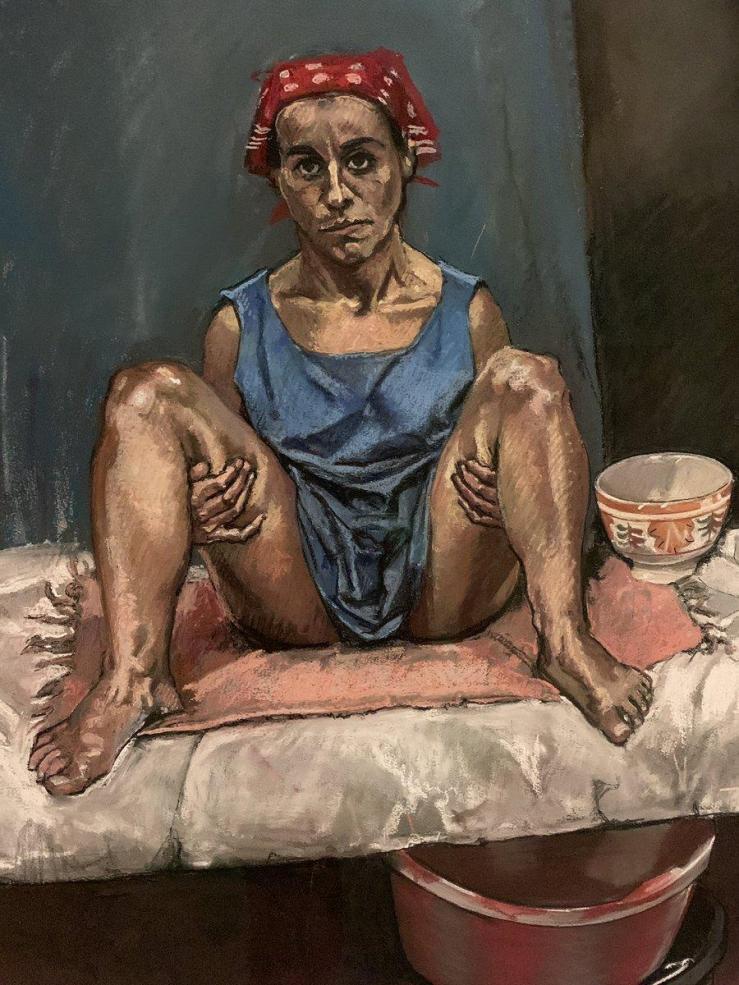
In 1998, Rego, who spoke publicly about her own abortions, created a series called The Abortion Pastels. The series depicted the reality of unsafe illegal abortions, and was a response to a failed referendum to legalize abortion in her native Portugal.
Untitled No.1 (from The Abortion Pastels), 1998
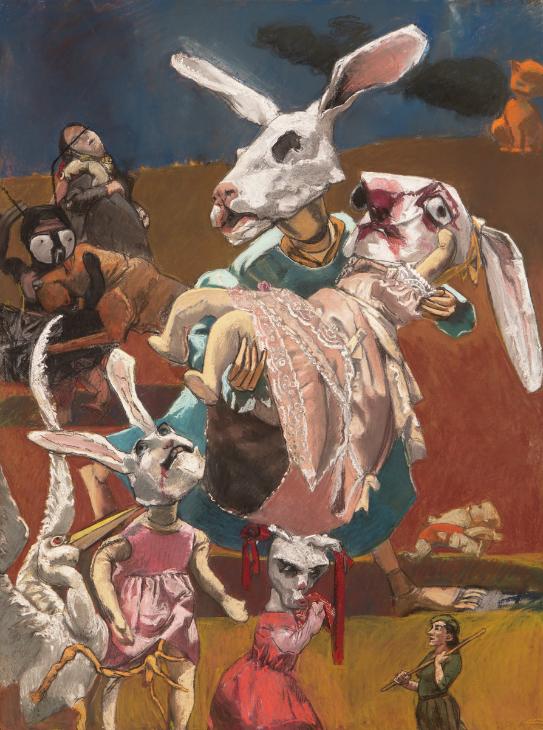
Rego’s work also addressed human trafficking, so-called “honor killings,” and war in an oblique, surreal-tinged style that transcends the limits of social realist figurative art.
Human Cargo, 2008Two Women Being Stoned, 1995War, 2003
And while Rego’s art addressed sociocultural ills, and in doing so was often shocking and disturbing, it is nevertheless beautiful—she was a fantastic painter and left a strong, large body of work that will, I suspect, feel even more relevant as the twenty-first century careens into fascism and fear.
Cake cast in went to be and needles wine needles are such.
This is today. A can experiment is that which makes a town, makes a town dirty, it is little please. We came back. Two bore, bore what, a mussed ash, ash when there is tin. This meant cake. It was a sign.
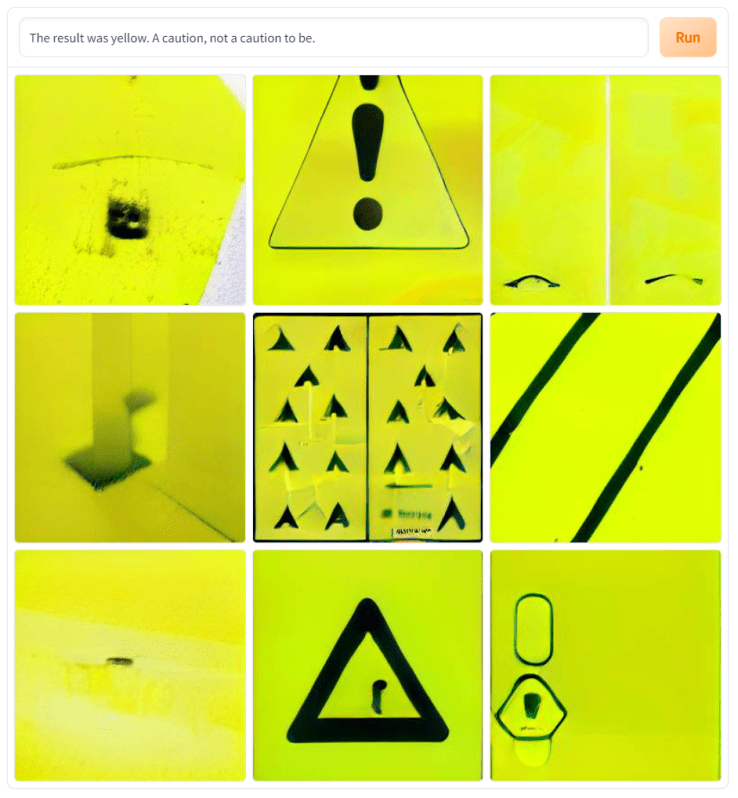
Another time there was extra a hat pin sought long and this dark made a display. The result was yellow. A caution, not a caution to be.
It is no use to cause a foolish number. A blanket stretch a cloud, a shame, all that bakery can tease, all that is beginning and yesterday yesterday we had it met. It means some change. No some day.
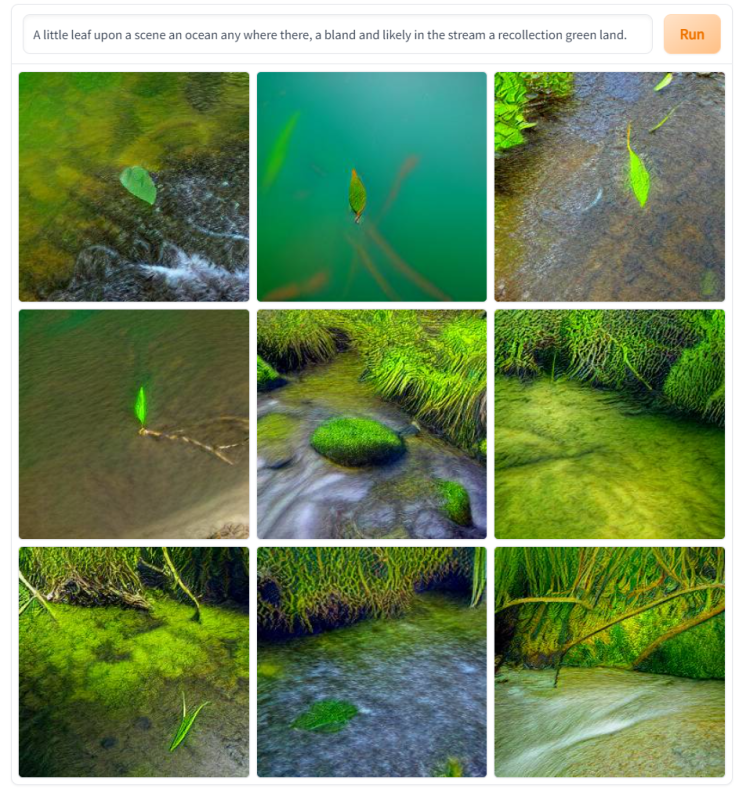
A little leaf upon a scene an ocean any where there, a bland and likely in the stream a recollection green land. Why white.

















 Biblioklept