
What the mass culture really reflects…is the American bewilderment in the face of the world we live in. We do not seem to want to know that we are in the world, that we are subject to the same catastrophes, vices, joys, and follies which have baffled and afflicted mankind for ages. And this has everything to do, of course, with what was expected of America: which expectation, so generally disappointed, reveals something we do not want to know about sad human nature, reveals something we do not want to know about the intricacies and inequities of any social structure, reveals, in sum, something we do not want to know about ourselves. The American way of life has failed—to make people happier or to make them better. We do not want to admit this, and we do not admit it. We persist in believing that the empty and criminal among our children are the result of some miscalculation in the formula (which can be corrected); that the bottomless and aimless hostility which makes our cities among the most dangerous in the world is created, and felt, by a handful of aberrants; that the lack, yawning everywhere in this country, of passionate conviction, of personal authority, proves only our rather appealing tendency to be gregarious and democratic. We are very cruelly trapped between what we would like to be and what we actually are. And we cannot possibly become what we would like to be until we are willing to ask ourselves just why the lives we lead on this continent are mainly so empty, so tame, and so ugly.
This is a job for the creative artist—who does not really have much to do with mass culture, no matter how many of us may be interviewed on TV. Perhaps life is not the black, unutterably beautiful, mysterious, and lonely thing the creative artist tends to think of it as being; but it is certainly not the sunlit playpen in which so many Americans lose first their identities and then their minds.
I feel very strongly, though, that this amorphous people are in desperate search for something which will help them to re-establish their connection with themselves, and with one another. This can only begin to happen as the truth begins to be told. We are in the middle of an immense metamorphosis here, a metamorphosis which will, it is devoutly to be hoped, rob us of our myths and give us our history, which will destroy our attitudes and give us back our personalities. The mass culture, in the meantime, can only reflect our chaos: and perhaps we had better remember that this chaos contains life—and a great transforming energy.
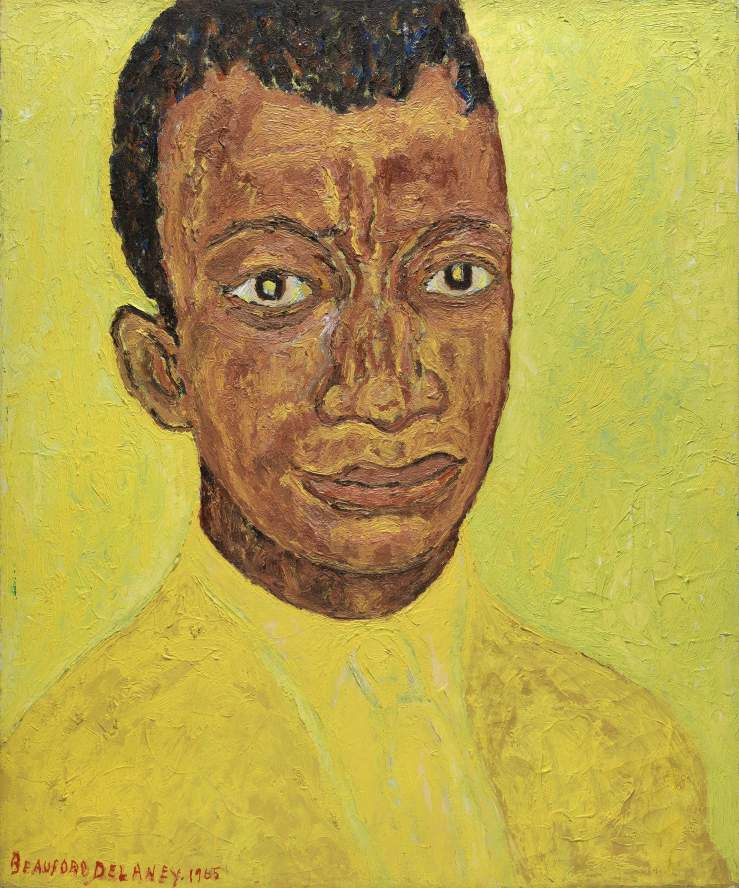
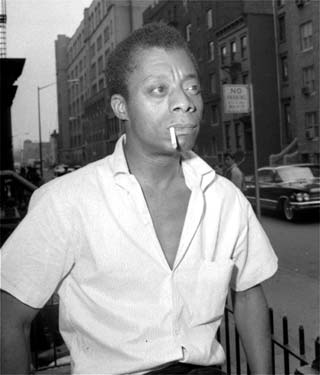
From James Baldwin’s 1959 essay “Mass Culture and the Creative Artist: Some Personal Notes,” collected in The Cross of Redemption.
[Ed. note–the elision in the first sentence of this excerpt is mine; I chose to remove a parenthetical aside that Baldwin makes to Archibald MacLeish’s 1958 play J.B. Here is the first line in full: “What the mass culture really reflects (as is the case with a “serious” play like J.B.) is the American bewilderment in the face of the world we live in.”]



 Biblioklept