“All art constantly aspires towards the condition of music”

New Alain Badiou — The Age of the Poets (Book Acquired, 10.10.2014)

IMG_3585

New from Verso Books, a collection of writings from philosopher Alain Badiou. Verso’s blurb:

The Age of the Poets revisits the age-old problem of the relation between literature and philosophy, arguing against both Plato and Heidegger’s famous arguments. Philosophy neither has to ban the poets from the republic nor abdicate its own powers to the sole benefit of poetry or art. Instead, it must declare the end of what Badiou names the “age of the poets,” which stretches from Hölderlin to Celan. Drawing on ideas from his first publication on the subject, “The Autonomy of the Aesthetic Process,” Badiou offers an illuminating set of readings of contemporary French prose writers, giving us fascinating insights into the theory of the novel while also accounting for the specific position of literature between science and ideology.

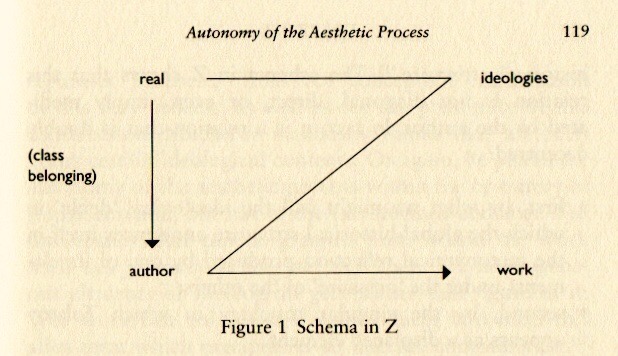
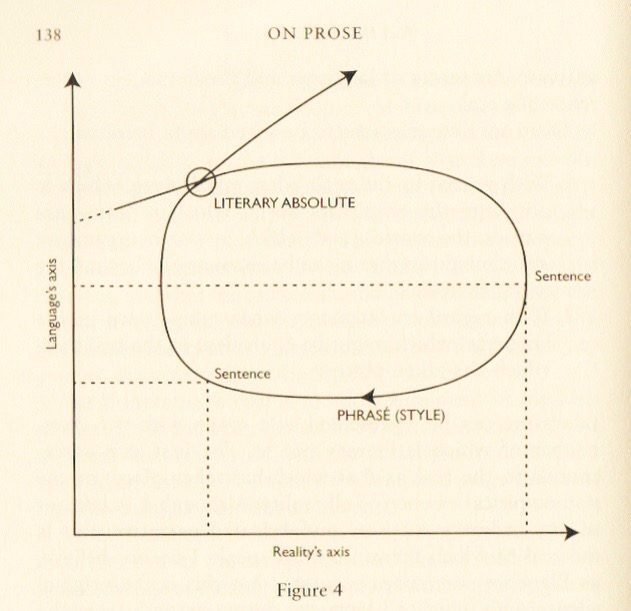
More to come—but for now: Diagrams! (I will try to understand them in context):
IMG_3588 IMG_3587

Danse Macabre — William Strang

YHVBGDnuUVI

Our books (Edgar Allan Poe)

Our books—the books which, for years, had formed no small portion of the mental existence of the invalid—were, as might be supposed, in strict keeping with this character of phantasm. We pored together over such works as the “Ververt et Chartreuse” of Gresset; the “Belphegor” of Machiavelli; the “Heaven and Hell” of Swedenborg; the “Subterranean Voyage of Nicholas Klimm” by Holberg; the “Chiromancy” of Robert Flud, of Jean D’Indaginé, and of De la Chambre; the “Journey into the Blue Distance” of Tieck; and the “City of the Sun” of Campanella. One favorite volume was a small octavo edition of the “Directorium Inquisitorium,” by the Dominican Eymeric de Gironne; and there were passages in Pomponius Mela, about the old African Satyrs and Œgipans, over which Usher would sit dreaming for hours. His chief delight, however, was found in the perusal of an exceedingly rare and curious book in quarto Gothic—the manual of a forgotten church—the Vigiliæ Mortuorum Secundum Chorum Ecclesiæ Maguntinæ.

From “The Fall of the House of Usher” by Edgar Allan Poe.

Meditation — Jean Léon Bazile Perrault