It was nonsense, Dr Vrba continued, to study the emergence of man in a vacuum, without pondering the fate of other species over the same time-scale. The fact was that around 2.5 million, just as man took his spectacular ‘jump’, there was a ‘tremendous churning over of species’.
‘All hell’, she said, ‘broke loose among the antelopes.’
Everywhere in eastern Africa, the more sedentary browsers gave way to ‘brainier’ migratory grazers. The basis for a sedentary existence was simply no longer there.
‘And sedentary species,’ she said, ‘like sedentary genes, are terribly successful for a while, but in the end they are self-destructive.’
In arid country, resources are never stable from one year to the next. A stray thunderstorm may make a temporary oasis of green, while only a few miles off the land remains parched and bare. To survive in drought, therefore, any species must adopt one of two stratagems: to allow for the worst and dig in; to open itself to the world and move.
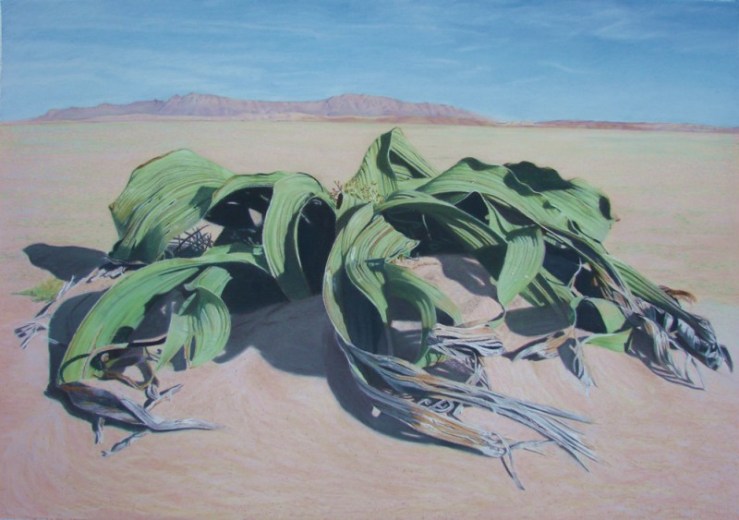
Some desert seeds lie dormant for decades. Some desert rodents only stir from their burrows at night. The weltwitchia, a spectacular, strap-leaved plant of the Namib Desert, lives for thousands of years on its daily diet of morning mist. But migratory animals must move – or be ready to move.
Elizabeth Vrba said, at some point in the conversation, that antelopes are stimulated to migrate by lightning.
‘So’, I said, ‘are the Kalahari Bushmen. They also “follow” the lightning. For where the lightning has been, there will be water, greenery and game.’

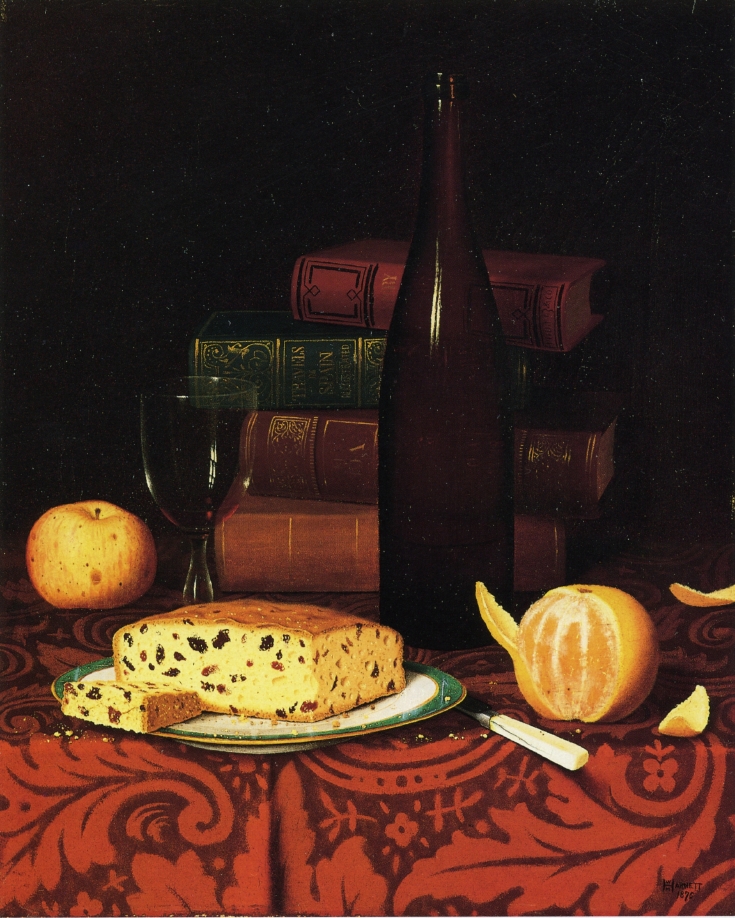
 On Avenida Juárez, across from the Alameda in Mexico City, sits an unassuming little bookstore, three steps below street level. It was here at the Librería del Sótano where Roberto Bolaño would buy novels or poetry books or, when he was short on cash (which was often), just pocket them. For centuries Latin American literature belonged not to those passionate, young biblioklepts like Bolaño but to affluent property owners who dabbled in writing the way they might take up equestrianism or falconry. Some time in the 1960s the roles reversed and the middle class became the seedbed of national literature. Bookstores, libraries, and the literary life prevailed in the cultural scene of Mexico City and Buenos Aires just as much as they did in Paris, New York, or London. This bibliophilia, this bibliomania, this passion for the literary life binds the world together in a global industry that sadly still remains separated by language barriers and a lack of curiosity.
 Biblioklept