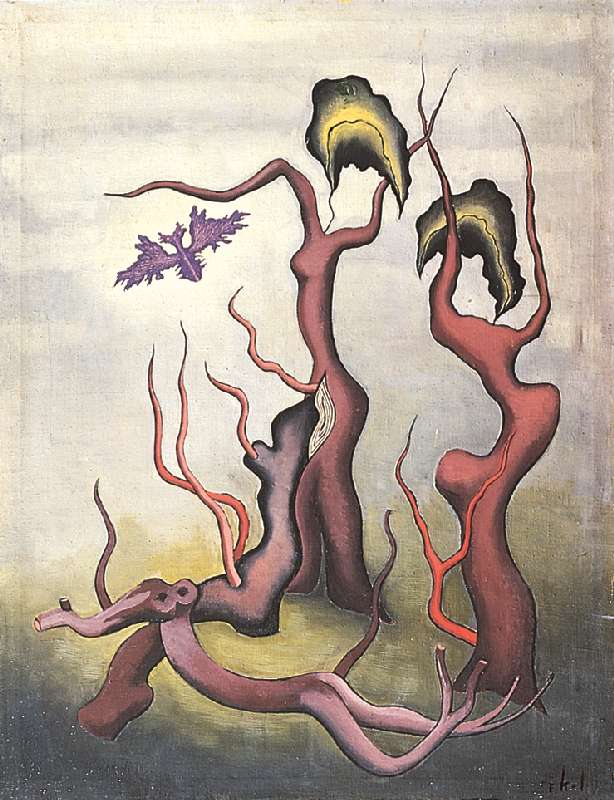
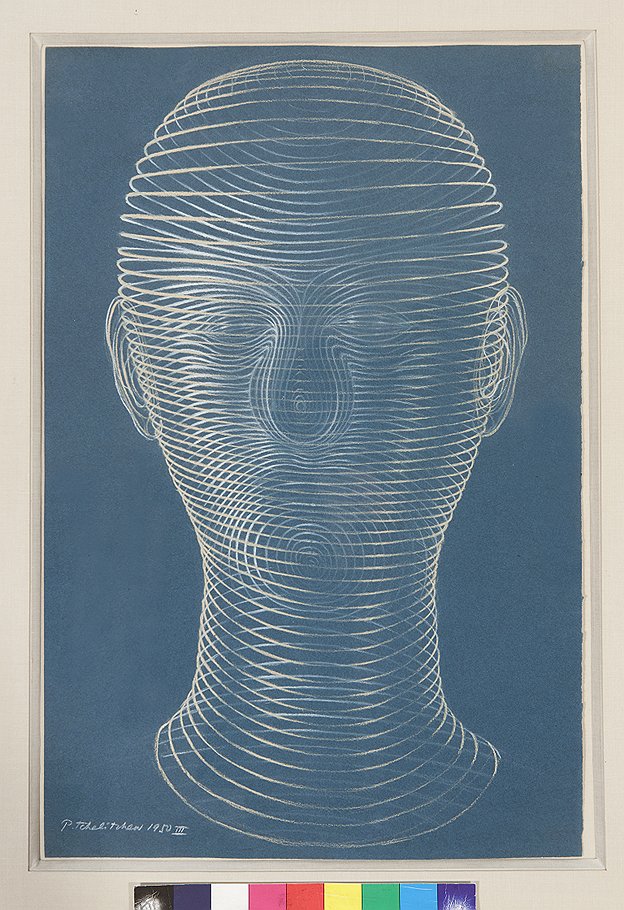
Spiral Head III — Pavel Tchelitchew

Spiral Head III, 1950 by Pavel Tchelitchew (1898-1957)

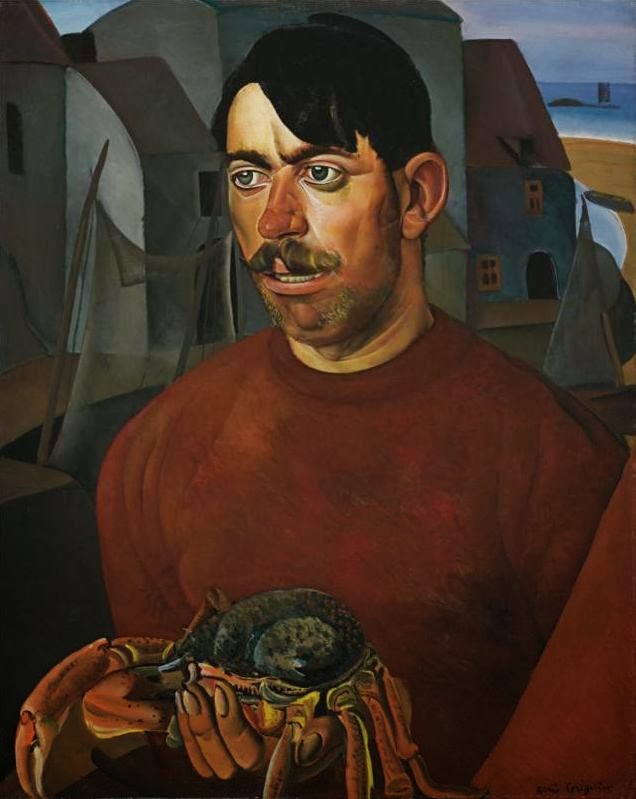
Fisherman with a Crab — Boris Grigoriev

Fisherman with a Crab, 1923 by Boris Grigoriev (1886–1939)

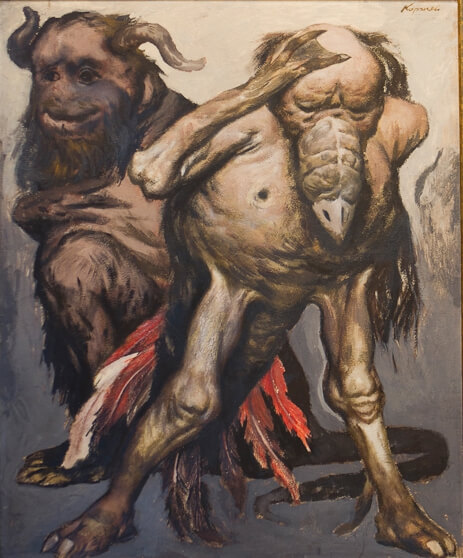
Philosophers — Gely Korzhev

Philosophers, 1990 by Gely Korzhev (1925-2012)

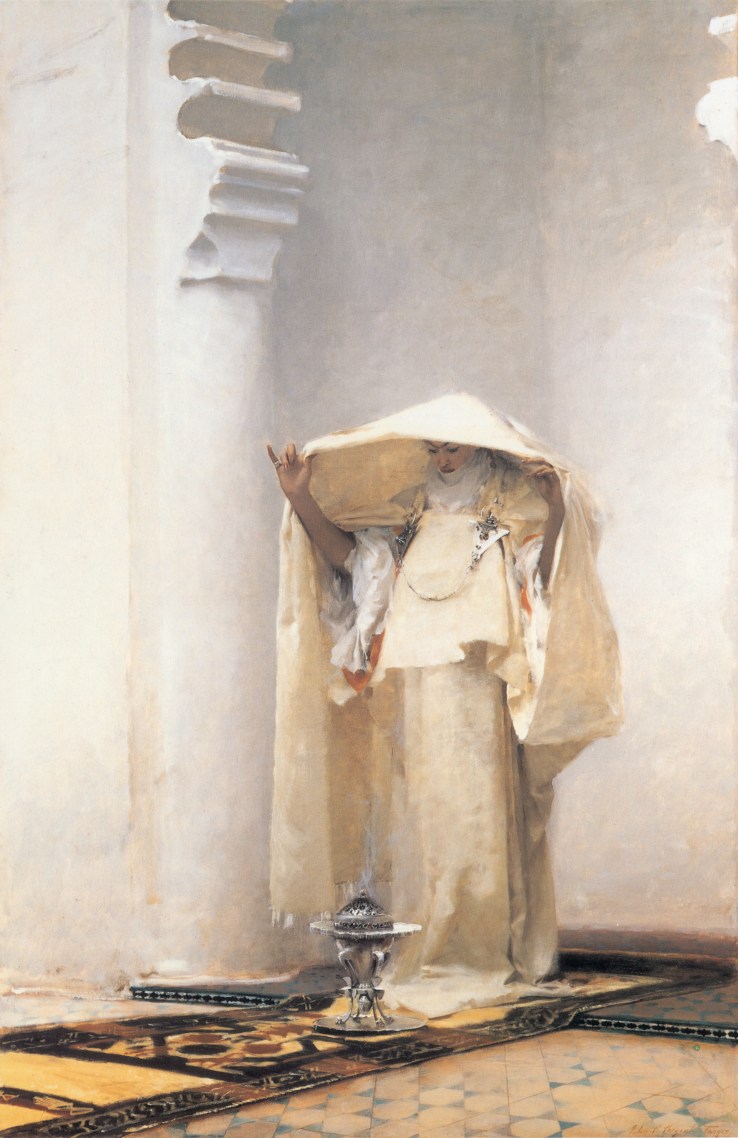
Fumée d’ambre gris (Smoke of Ambergris) — John Singer Sargent

Fumée d’ambre gris (Smoke of Ambergris), 1880 by John Singer Sargent (1856-1925)

Japanese Beggar — Vasily Vereshchagin

Japanese Beggar, c. 1904 by Vasily Vereshchagin (1842-1904)

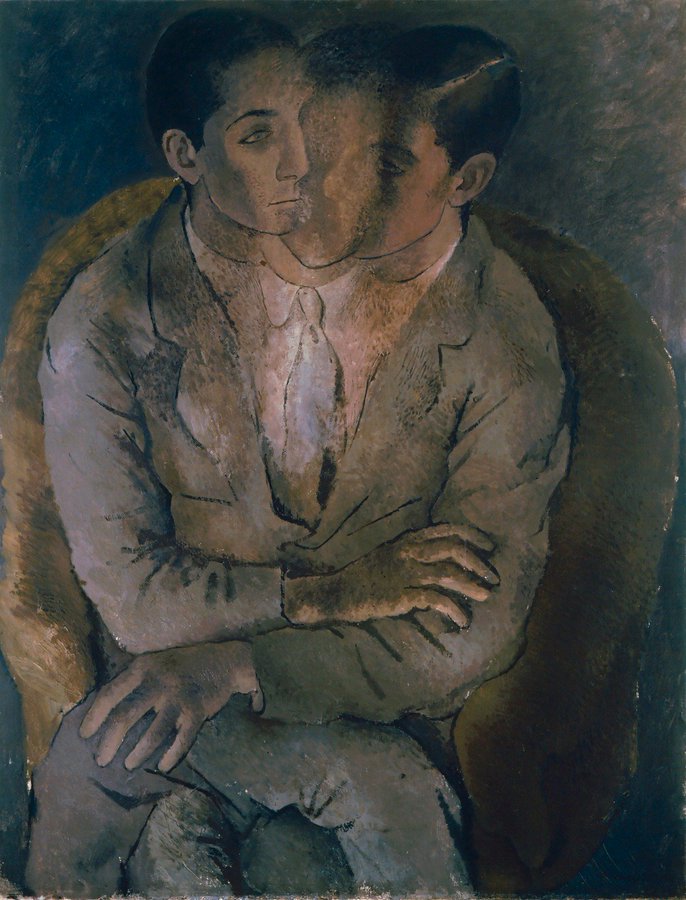
Untitled (Seated Man) — Pavel Tchelitchew

Untitled (Seated Man), 1927 by Pavel Tchelitchew (1898-1957)

Nice catch

There’s a nice long profile of Ishmael Reed in this week’s New Yorker magazine

There’s a nice long profile of Ishmael Reed in this week’s New Yorker magazine.

The profile is by Julian Lucas, who does an excellent job covering both Reed’s extensive literary output as well as his biography. While Lucas’s profile is generally sympathetic, he doesn’t shy away from Reed’s many (many) battles (Lin-Manuel Miranda, Alice Walker, Ralph Ellison, the New York literary establishment, etc. etc. etc.).  The print edition of the article is titled “I Ain’t Been Mean Enough,” which comes from a line from Reed’s 1973 poem “The Author Reflects on His 35th Birthday”: 

For half a century, he’s been American literature’s most fearless satirist, waging a cultural forever war against the media that spans a dozen novels, nine plays and essay collections, and hundreds of poems, one of which, written in anticipation of his thirty-fifth birthday, is a prayer to stay petty: “35? I ain’t been mean enough . . . Make me Tennessee mean . . . Miles Davis mean . . . Pawnbroker mean,” he writes. “Mean as the town Bessie sings about / ‘Where all the birds sing bass.’ ”

Lucas’s Reed is not a cantankerous caricature though. We get a nice survey of the man’s works situated against his ever-evolving politics and aesthetics. Nor does the profile dwell too long on Reed’s earlier novels (which I confess are my favorites—the most recent long work of Reed’s I’ve read was 2011’s Juice! I had absolutely no idea before reading the profile that Reed has a new novel out this summer, The Terrible Fours)

There’s a measure of defiance to his late-career productivity. Wary of being tethered to his great novels of the nineteen-seventies, Reed is spoiling for a comeback, and a younger generation receptive to his guerrilla media criticism may be along for the ride. “I’m getting called a curmudgeon or a fading anachronism, so I’m going back to my original literature,” Reed told me. “In the projects, we had access to a library, and I’d go get books by the Brothers Grimm.” Now, he says, “I’m reverting to my second childhood. I’m writing fairy tales.”

 

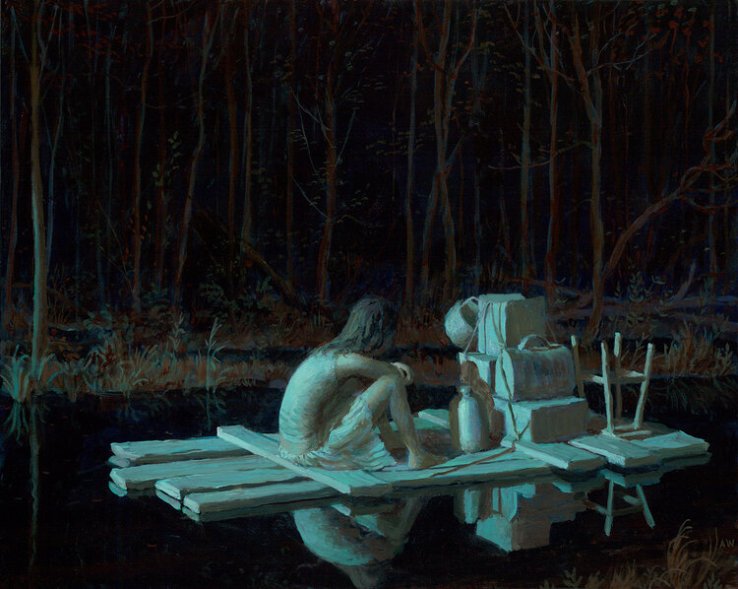
Raft — Aron Wiesenfeld 

Raft, 2020 by Aron Wiesenfeld (b. 1972)

Girl with a Hand-Mirror — Arnold Mason

Girl with a Hand-Mirror, 1929 by Arnold Mason (1885-1963)

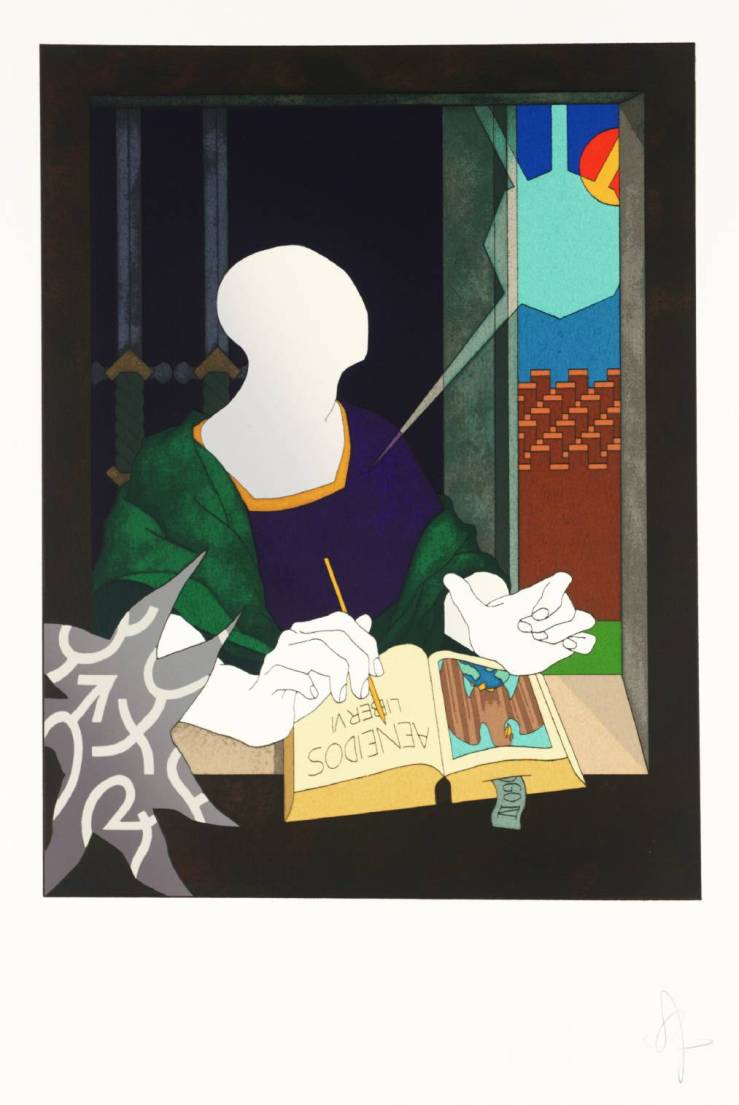
Canto II — Tom Phillips

Canto II, 1982 by Tom Phillips (b. 1937). From the Dante’s Inferno series.

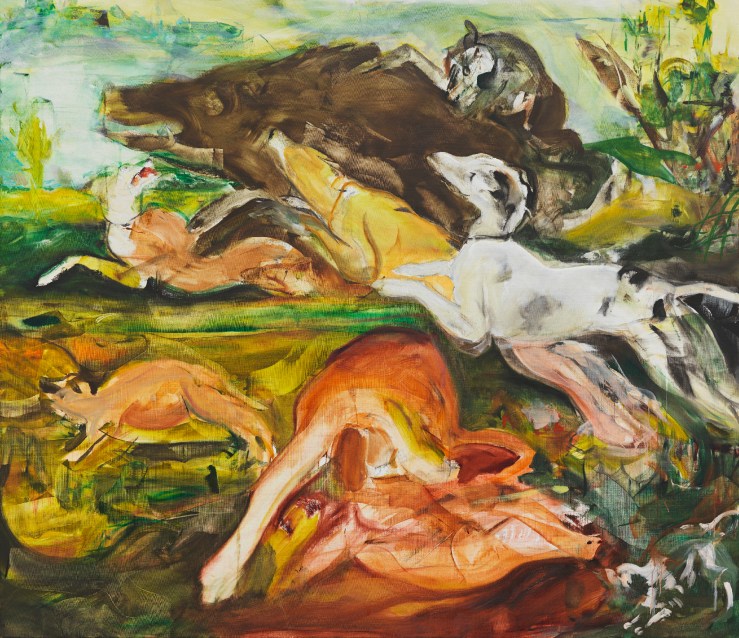
Hunt (After Frans Snyders) — Cecily Brown

Hunt (After Frans Snyders), 2019 by Cecily Brown (b. 1969)

The Two Young Ladies — Rita Kernn-Larsen

The Two Young Ladies, 1939 by Rita Kernn-Larsen (1904-1998

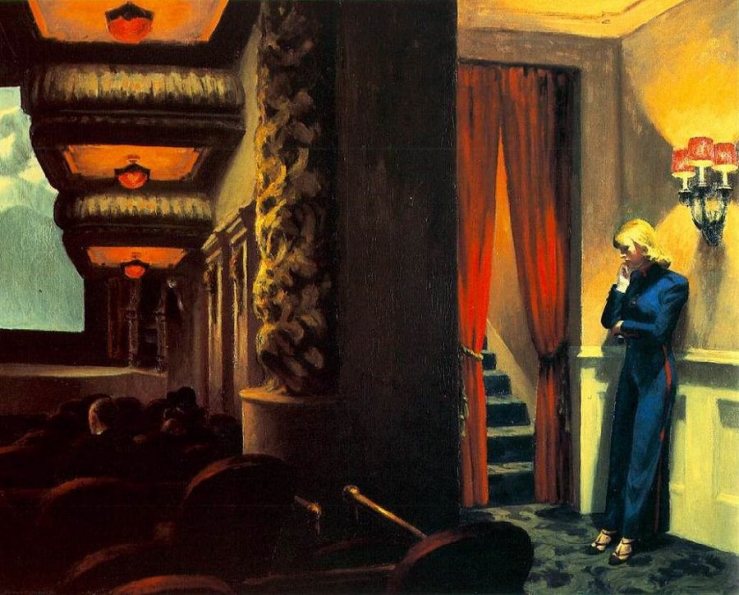
“Edward Hopper’s New York Movie” — Joseph Stanton

“Edward Hopper’s New York Movie

by

Joseph Stanton


We can have our pick of seats.
Though the movie’s already moving,
the theater’s almost an empty shell.
All we can see on our side
of the room is one man and one woman—
as neat, respectable, and distinct
as the empty chairs that come
between them. But distinctions do not surprise,
fresh as we are from sullen street and subway
where lonelinesses crowded
about us like unquiet memories
that may have loved us once or known our love.
Here we are an accidental
fellowship, sheltering from the city’s
obscure bereavements to face a screened,
imaginary living,
as if it were a destination
we were moving toward. Leaning to our right
and suspended before us
is a bored, smartly uniformed usherette.
Staring beyond her lighted corner, she finds
a reverie that moves through
and beyond the shine of the silver screening.
But we can see what she will never see—
that she’s the star of Hopper’s scene.
For the artist she’s a play of light,
and a play of light is all about her.
Whether the future she is
dreaming is the future she will have
we have no way of knowing. Whatever
it will prove to be
it has already been. The usherette
Hopper saw might now be seventy,
hunched before a Hitachi
in an old home or a home for the old.
She might be dreaming now a New York movie,
Fred Astaire dancing and kissing
Ginger Rogers, who high kicks across New York
City skylines, raising possibilities
that time has served to lower.
We are watching the usherette, and the subtle
shadows her boredom makes across her not-quite-
impassive face beneath
the three red-shaded lamps and beside
the stairs that lead, somehow, to dark streets
that go on and on and on.
But we are no safer here than she.
Despite the semblance of luxury—
gilt edges, red plush,
and patterned carpet—this is no palace,
and we do not reign here, except in dreams.
This picture tells us much
about various textures of lighted air,
but at the center Hopper has placed
a slab of darkness and an empty chair.


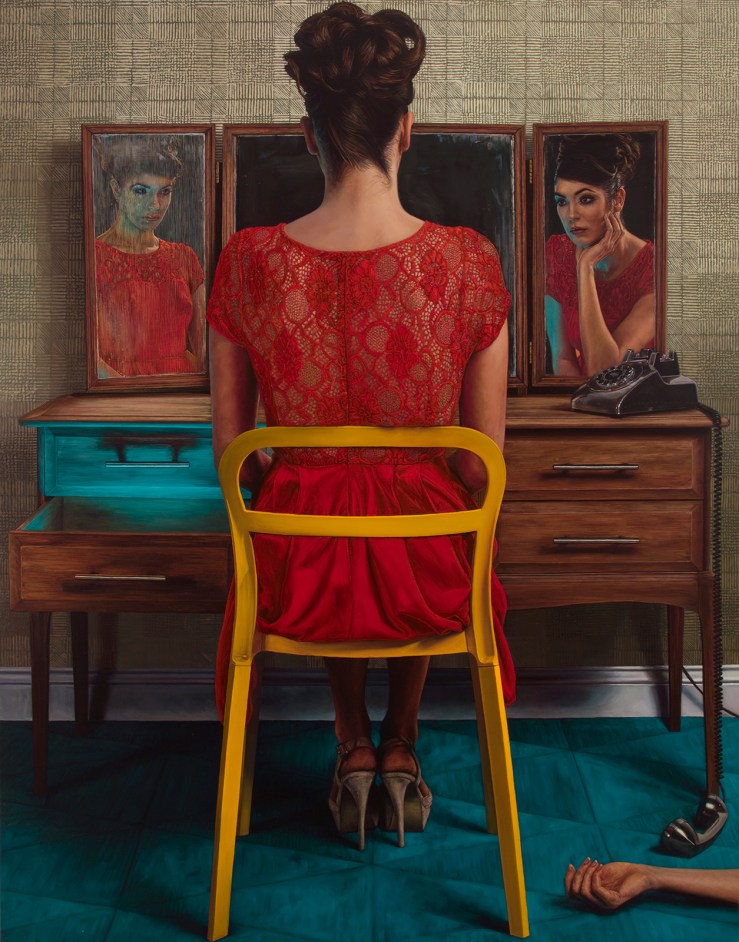
Entanglement — Ian Cumberland

Entanglement, 2016 by Ian Cumberland (b. 1983)

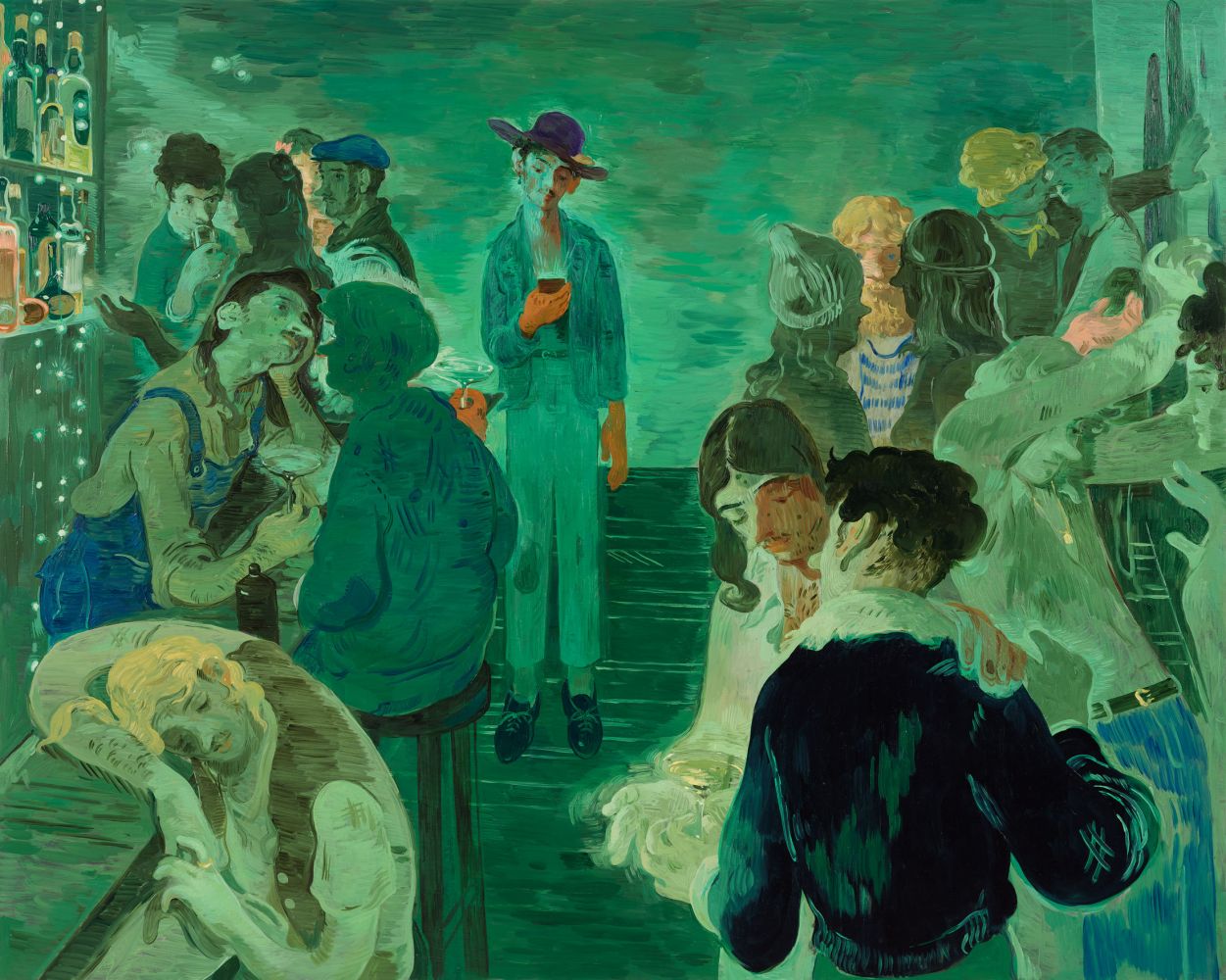
Bar Boy — Salman Toor

Bar Boy, 2020 by Salman Toor (b. 1983)