The Listening Room — Rene Magritte

classic-1920

The Listening Room, 1952 by Rene Magritte (1898-1967)

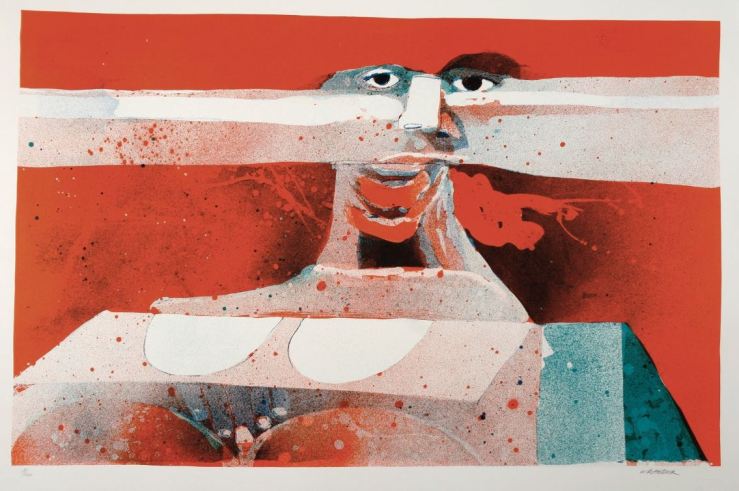
Sorrow — Hans Graeder

sorrow

Sorrow, by Hans Graeder (1919-1999)

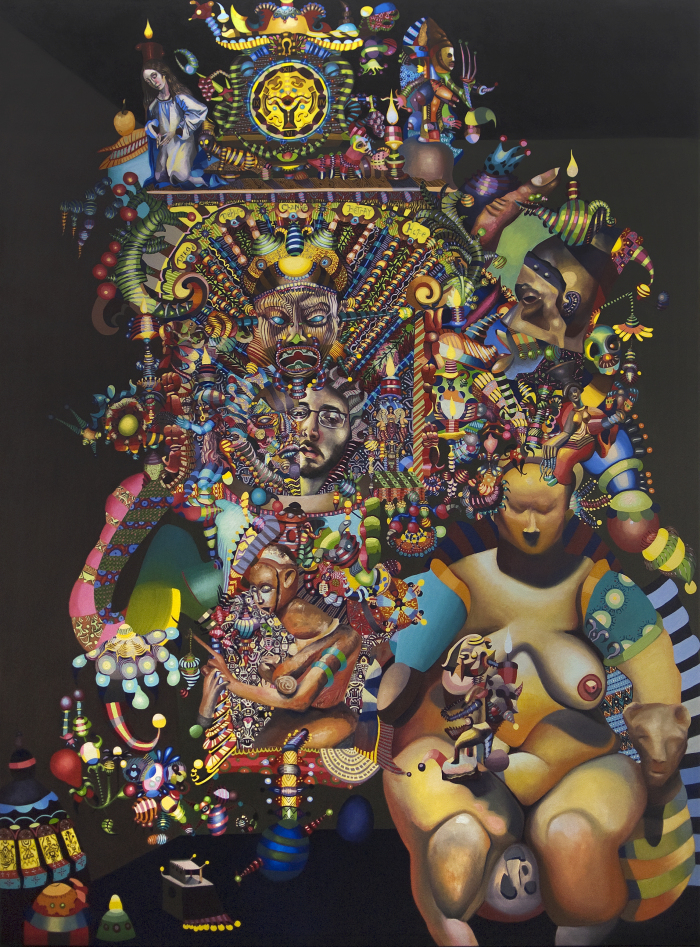
Venus and Time — Jacob Hicks

jacob2

Venus and Time, 2013 by Jacob Hicks (b. 1985)

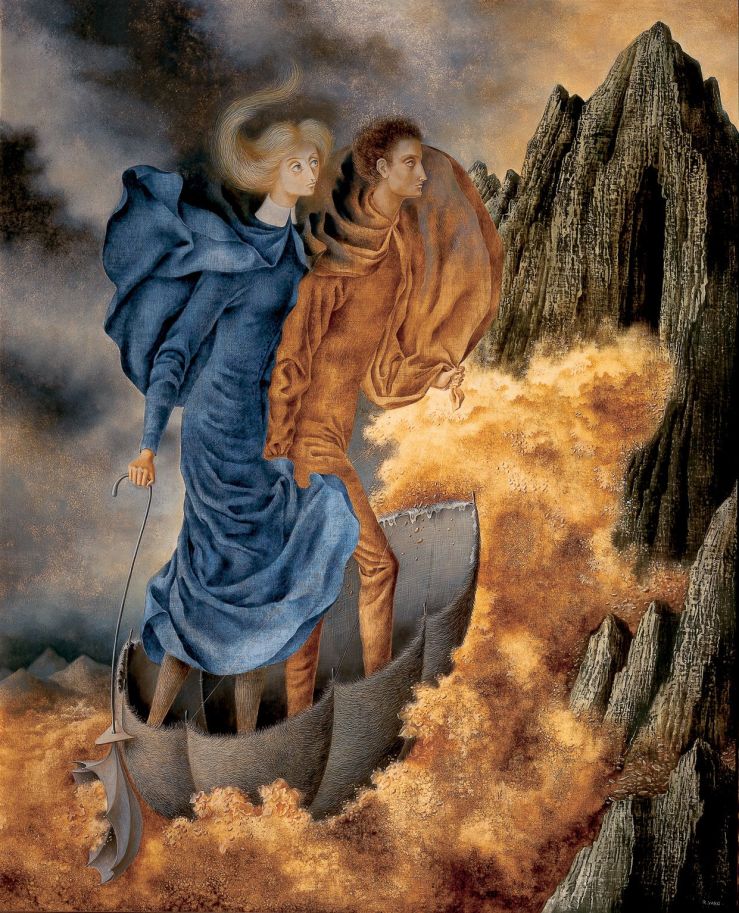
The Escape — Remedios Varo

c88dfd7bf5f2cdf78971920dbb659cc7

The Escape, 1961 by Remedios Varo (1908-1963)

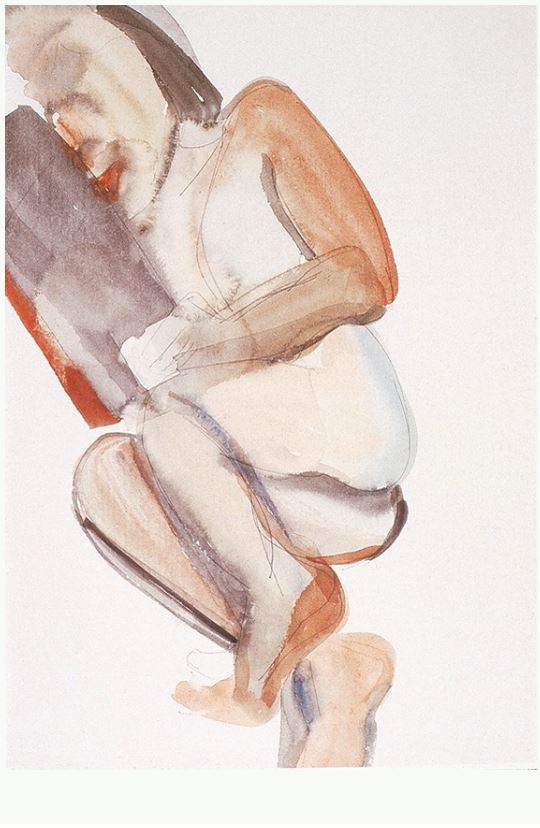
Annie Reading — Lucian Freud

lucian freud

Annie Reading, 1961 by Lucian Freud (1922-2011)

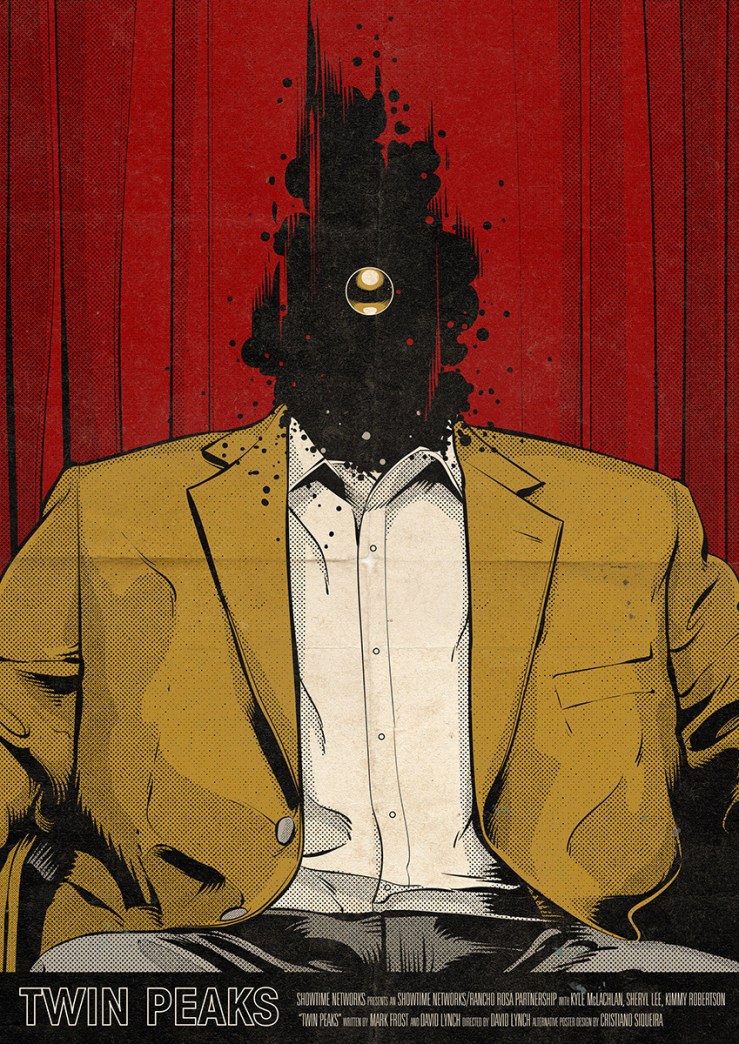
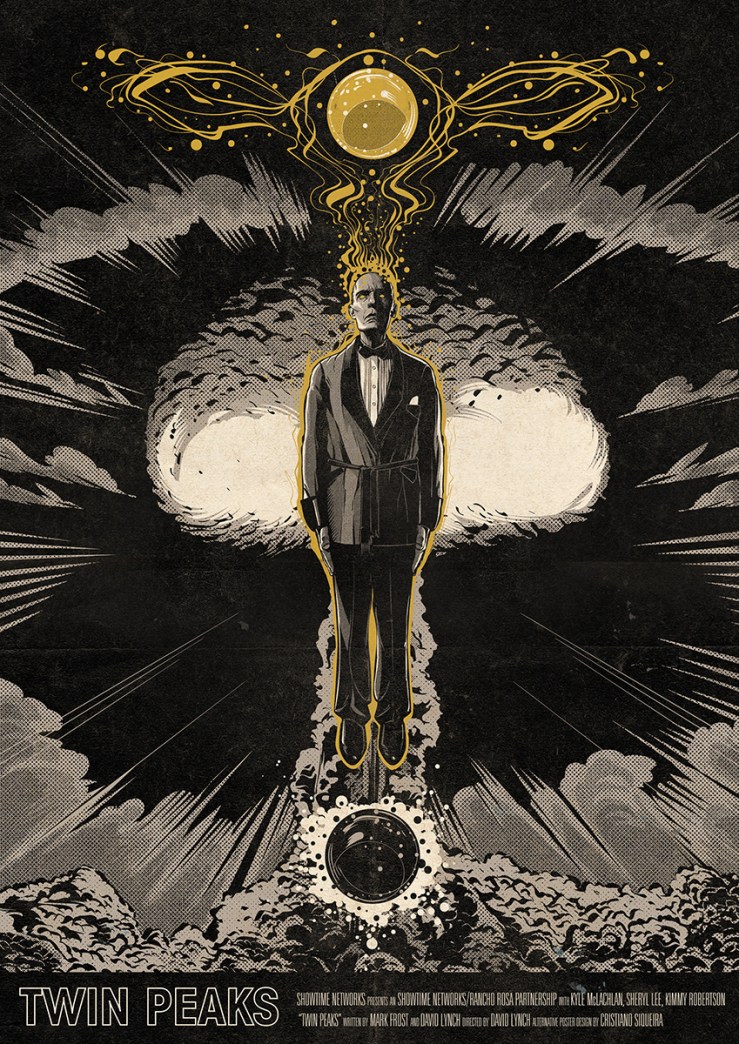
Cristiano Siqueira’s posters for Twin Peaks: The Return

21b4b3b6-f56f-46ff-a167-474799408a56_rw_1200f3e6bfb7-b3c3-456d-9d1e-52a8fff56c89_rw_1200f1edfd74-c9fb-4c3d-a542-3381c2294691_rw_1200ddc36d80-7648-48ec-9b5a-391e8e2fe914_rw_1200

I somehow missed Cristiano Siqueira’s series of posters for Twin Peaks: The Return. Siqueira did a poster for each episode of David Lynch’s 2017 sequel—19 posters in all, including a bonus poster depicting Audrey. Check out all nineteen posters here.

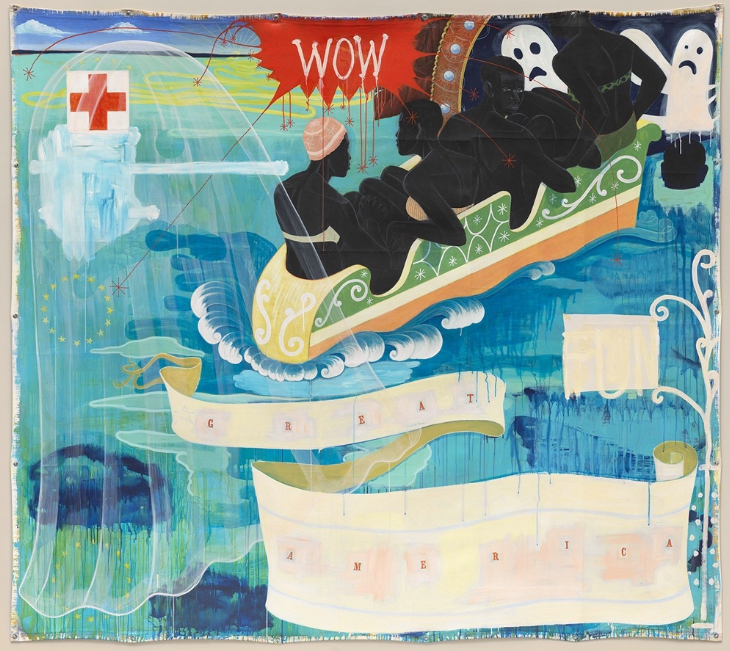
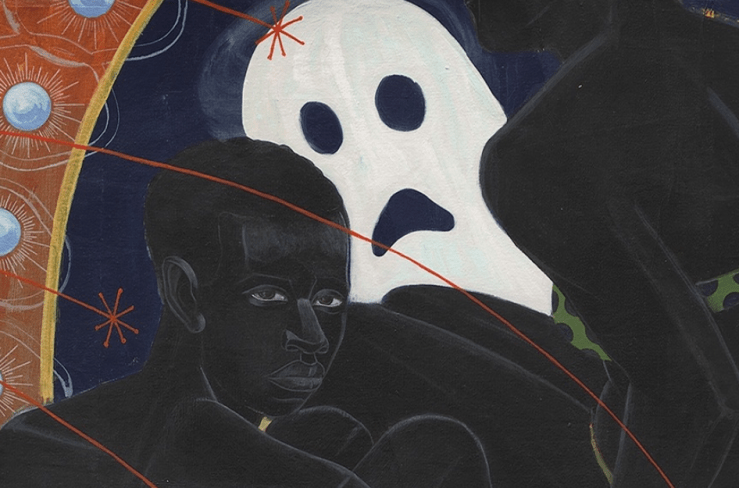
Great America — Kerry James Marshall

Screenshot 2018-08-21 at 4.57.29 PM.png

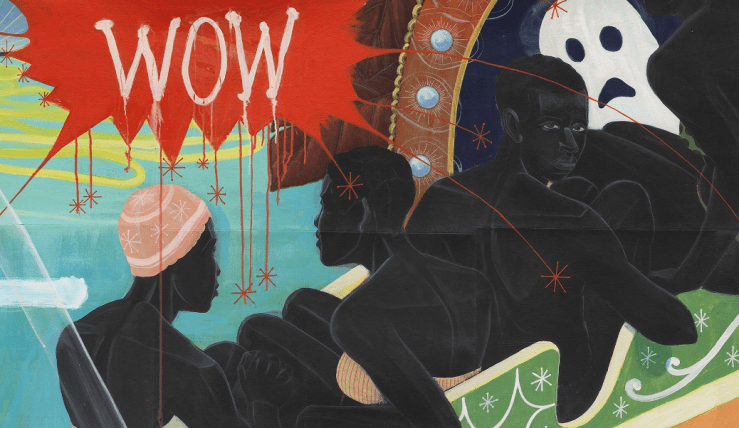
Great America, 1994 by Kerry James Marshall (b. 1955)

Screenshot 2018-08-21 at 4.58.06 PMScreenshot 2018-08-21 at 4.58.18 PM

Untitled (Pinball Machine) — William Eggleston

8d5313f83d969292a38cc4c5584a7751

Untitled (Pinball Machine), 1971 (from Troubled Waters) by William Eggleston (b. 1939)

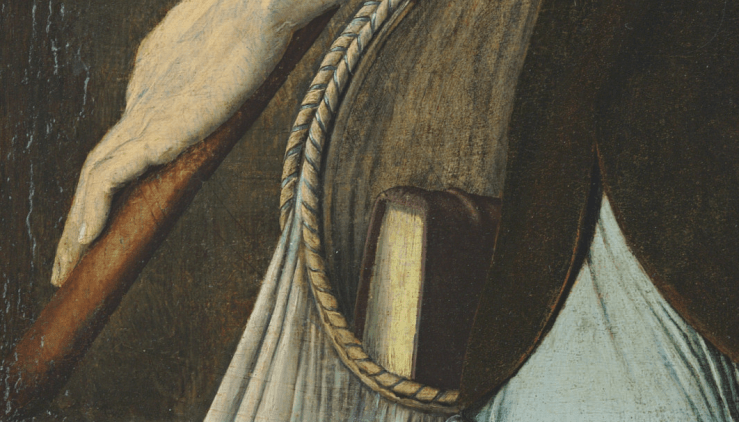
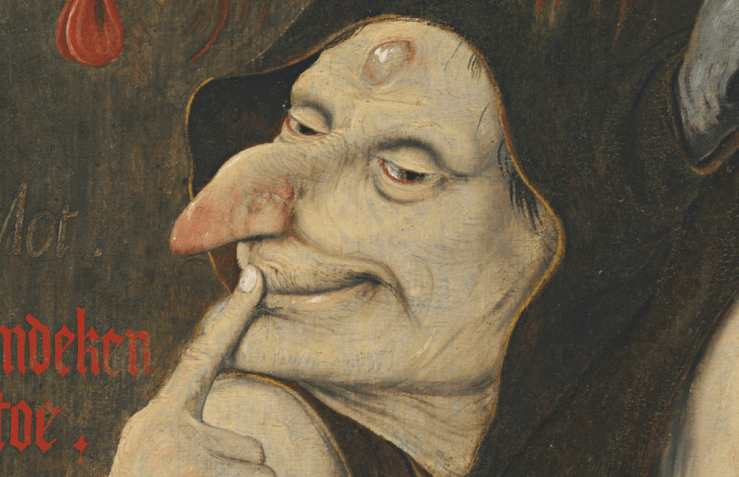
An Allegory of Folly — Quentin Matsys

2009_nyr_02237_0066_000

An Allegory of Folly, early 16th century by Quentin Matsys (1456/1466–1530)

Screenshot 2018-08-19 at 7.52.43 PM

Screenshot 2018-08-19 at 7.53.23 PMScreenshot 2018-08-19 at 7.53.05 PMScreenshot 2018-08-19 at 7.53.42 PM

The Reader — Edouard Manet

25c32589douard2bmanet2bart2b25281092529

The Reader, 1861 by Edouard Manet (1832-1883)

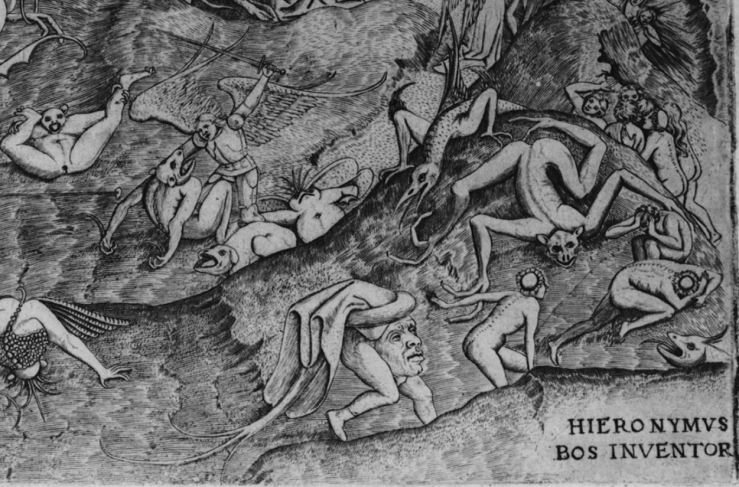
The Last Judgment (Detail) — Alart du Hameel

cc

The Last Judgment (detail) by Alart du Hameel (c. 1478-c. 1506)

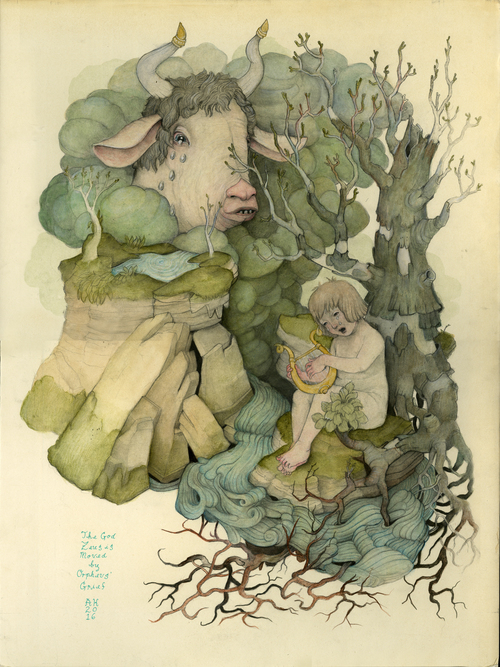
The God Zeus Is Moved by Orpheus’ Grief — Alex Kuno

grieffull

The God Zeus Is Moved by Orpheus’ Grief, 2016 by Alex Kuno

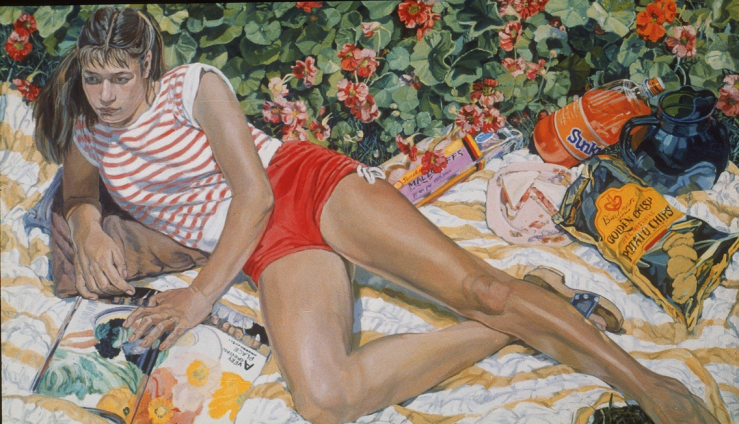
Darlene Reading — Janet Fish

Screenshot 2018-08-17 at 4.35.08 PM

Darlene Reading, 1982 by Janet Fish (b. 1938)

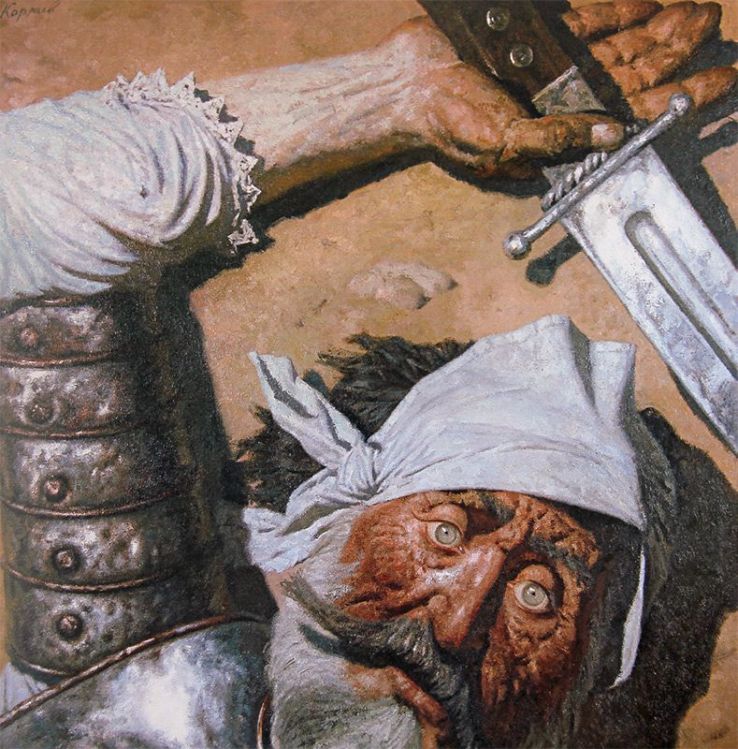
Don Quixote Defeated — Gely Korzhev

cb17b86a01677d18d5982413b54cd931

Don Quixote Defeated, 1990 by Gely Korzhev (1925-2012)

High Council — Helen Verhoeven

image012

Hoge Raad (High Council), 2015 by Helen Verhoeven (b. 1974)

The Last Judgment (Detail) — Alart du Hameel

cb

The Last Judgment (detail) by Alart du Hameel (c. 1478-c. 1506)

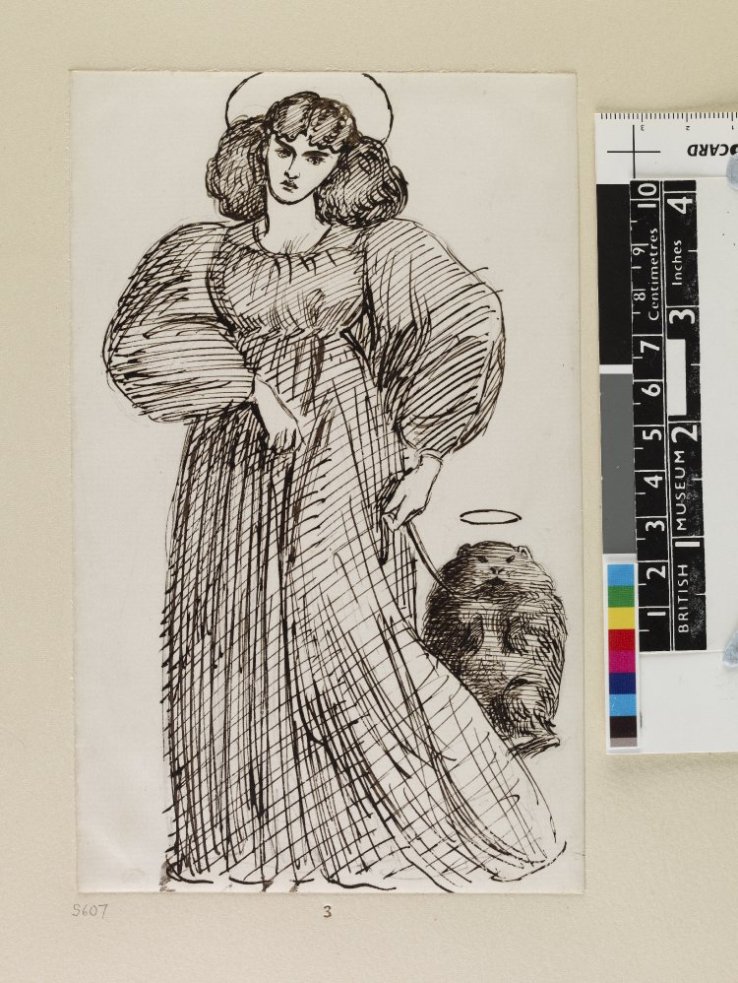
Rossetti also used his pet wombat as a cruelly comical emblem for Jane’s long-suffering, cuckolded husband

an00875171_001_l

From Angus Trumble’s lecture “Rossetti’s Wombat: A Pre-Raphaelite Obsession in Victorian England”:

Rossetti finally arranged to buy a wombat, again through Jamrach, when at length a suitable specimen became available. This wombat arrived in September 1869, when he was away in Scotland. Rossetti was recovering from a kind of breakdown, largely precipitated by failing eyesight, insomnia, drugs and above all his growing infatuation with Jane Morris, the wife of his old friend and protégé [William Morris] from the Oxford Union days.

A remarkable drawing of Jane Morris and the wombat in the British Museum illustrates the degree to which lover and pet merged in Rossetti’s mind as objects of sanctification. Each of them wears a halo. But Jane has the wombat on a leash, and it seems clear that Rossetti also used his pet wombat as a cruelly comical emblem for Jane’s long-suffering, cuckolded husband. Since university days Morris was known to his friends as ‘Topsy’; the name Rossetti chose for his Wombat was ‘Top’.

Still shaky, Rossetti could not wait to get back to Chelsea from freezing Scotland. He wrote to Janethe following mock-heroic lines:

Oh! How the family affections combat
Within this heart; and each hour flings a bomb at
My burning soul; neither from owl nor from bat
Can peace be gained, until I clasp my wombat!