Untitled (Lights) — William Eggleston

william-eggleston-untitled-c-1971-73-lights

Untitled, c. 1971-1973 by William Eggleston (b. 1939)

Censer — Martin Schongauer

censer

Censer, 1485 by Martin Schongauer (c. 1448-1491)

The School of Vanity — Jane Graverol

196720the20school20of20vanity20collage

The School of Vanity, 1967 by Jane Graverol (1909-1984)

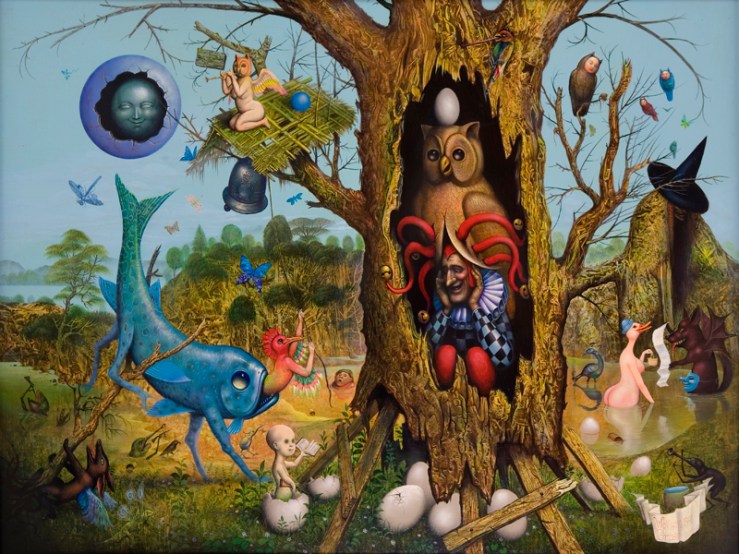
The Tree of Wisdom — Wolfgang Grässe

199020the20tree20of20wisdom

The Tree of Wisdom, 1990 by Wolfgang Grässe (1930-2008)

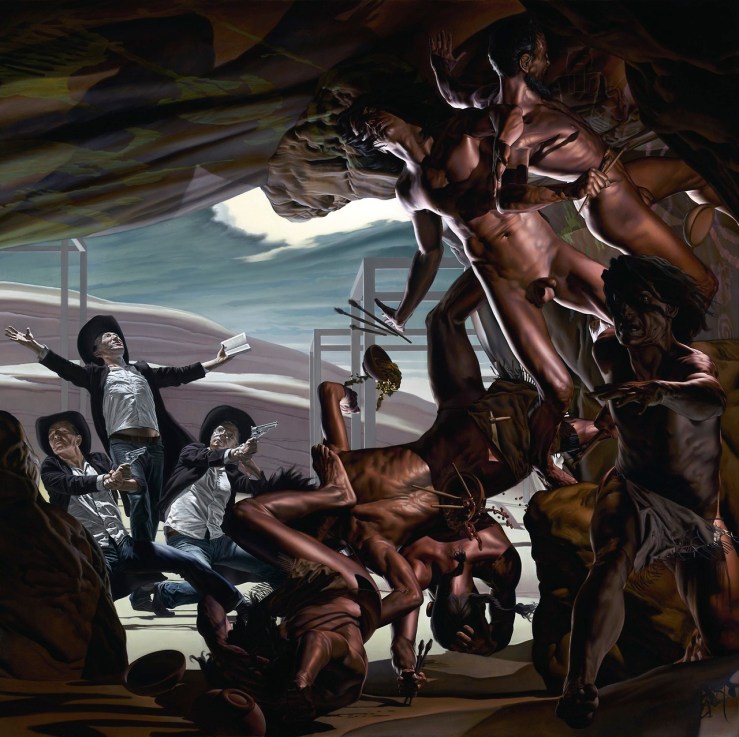
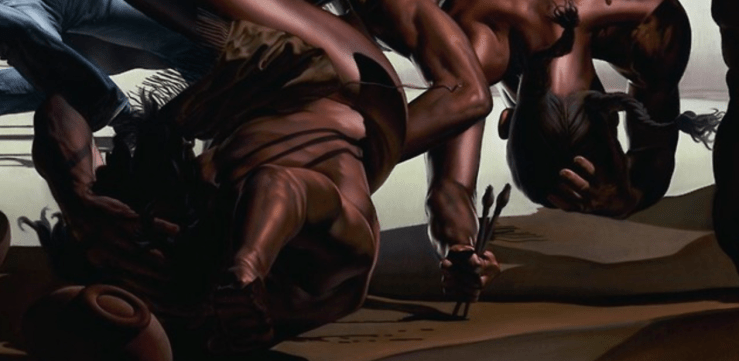
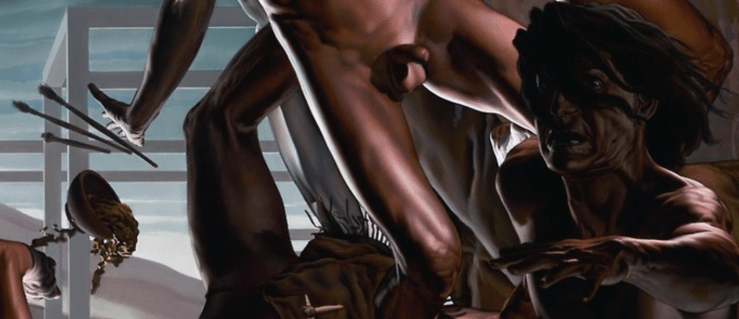
The Cave — Nicola Verlato

tumblr_ozcla7ohxz1res2syo1_1280Screenshot 2017-12-09 at 10.20.18 PMScreenshot 2017-12-09 at 10.20.02 PMScreenshot 2017-12-09 at 10.19.29 PMScreenshot 2017-12-09 at 10.21.57 PM

The Cave, 2017 by Nicola Verlato (b. 1965)

Self-Portrait — William H. Gass

gass_01_body

Why are works of art so socially important? | William H. Gass

Why are works of art so socially important? Not for the messages they may contain, not because they expose slavery or cry hurrah for the worker, although such messages in their place and time might be important, but because they insist more than most on their own reality; because of the absolute way in which they exist. Certainly, images exist, shadows and reflections, fakes exist and hypocrites, there are counterfeits (quite real) and grand illusions – but it is simply not true for the copies are as real as their originals, that they meet all of the tests which I suggested earlier. Soybean steak, by God, is soybean steak, and a pious fraud is a fraud. Reality is not a matter of fact, it is an achievement; and it is rare – rarer, let me say – than an undefeated football season. We live, most of us, amidst lies, deceit, and confusions. A work of art may not utter the truth, but it must be honest. It may champion a cause we deplore, but like Milton’s Satan, it must in itself be noble; it must be all there. Works of art confront us the way few people dare to: completely, openly, at once. They construct, they comprise, our experience; they do not deny or destroy it; and they shame us, we fall so short of the quality of their Being. We live in Lafayette or Rutland – true. We take our breaths. We fornicate and feed. But Hamlet has his history in the heart and none of us will ever be as real as vital, as complex and living as he is – a total creature of the stage. 

From William H. Gass’s essay “The Artist and Society” (1968). Collected in Fiction and the Figures of Life.

The aim of the artist | William H. Gass

The aim of the artist ought to be to bring into the world objects which do not already exist there, and objects which are especially worthy of love. We meet people, grow to know them slowly, settle on some to companion our life. Do we value our friends for their social status, because they are burning in the public blaze? do we ask of our mistress her meaning? calculate the usefulness of our husband or wife? Only too often. Works of art are meant to be lived with and loved, and if we try to understand them, we should try to understand them as we try to understand anyone—in order to know them better, not in order to know something else.

–From William H. Gass’s essay “The Artist and Society” (1968). Collected in Fiction and the Figures of Life.

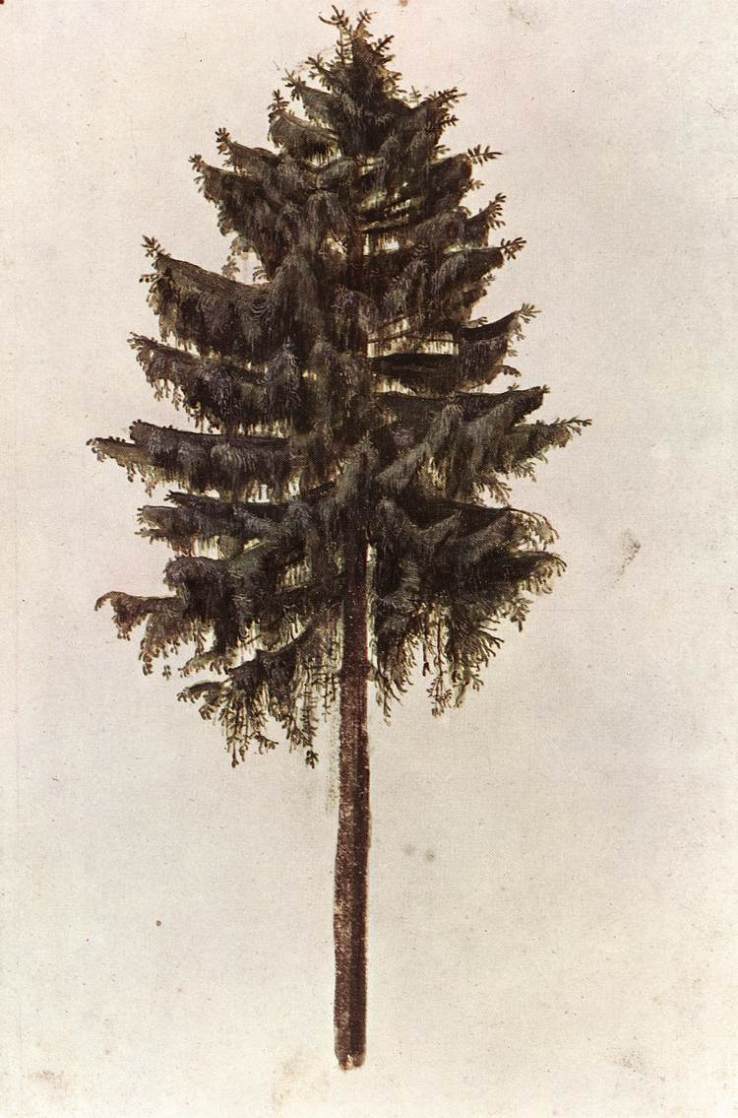
Pine — Albrecht Durer

pine-1497

Pine, 1497 by Albrecht Durer (1471-1528)

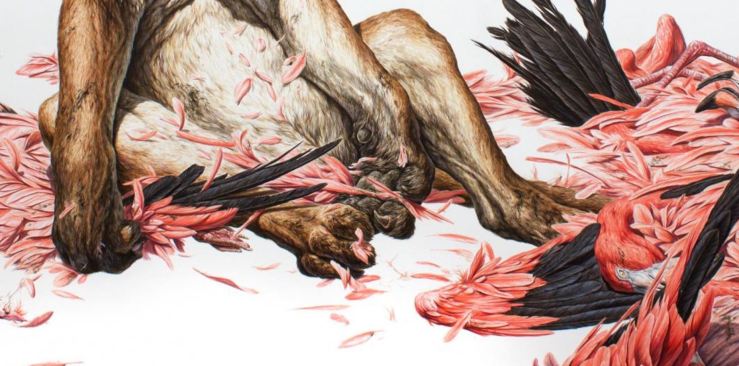
Chatham Bend — George Boorujy

boorujy-chatham-bend_-sm_

ab

Chatham Bend, 2017 by George Boorujy.

(Read my interview with Boorujy).

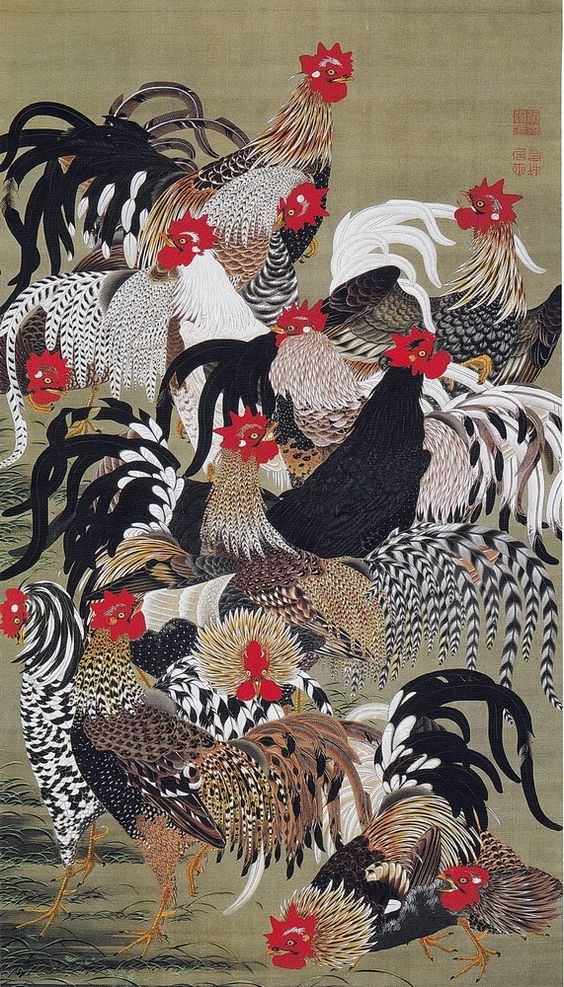
Roosters — Ito Jakuchu

fbbf625e33a8b4845e08ef7107f0f27f-japan-art-tokyo-japan

Roosters by Ito Jakuchu (1716-1800)

Candle Dancers — Emil Nolde

candle-dancers-1912

Candle Dancers, 1912 by Emil Nolde (1867-1956)

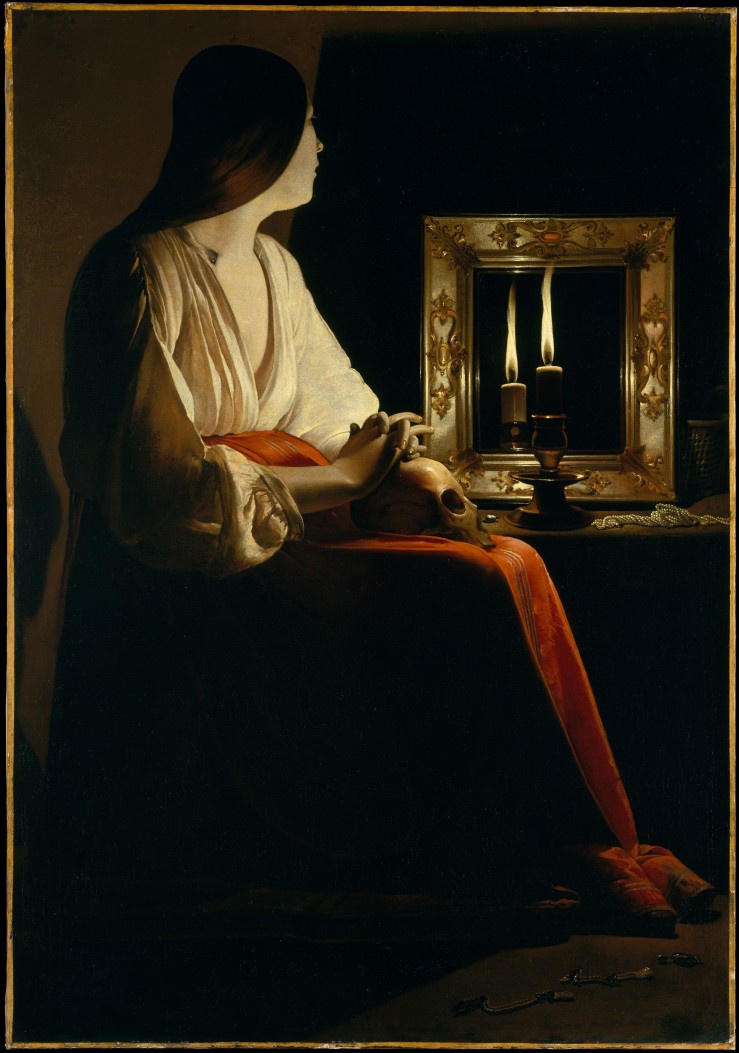
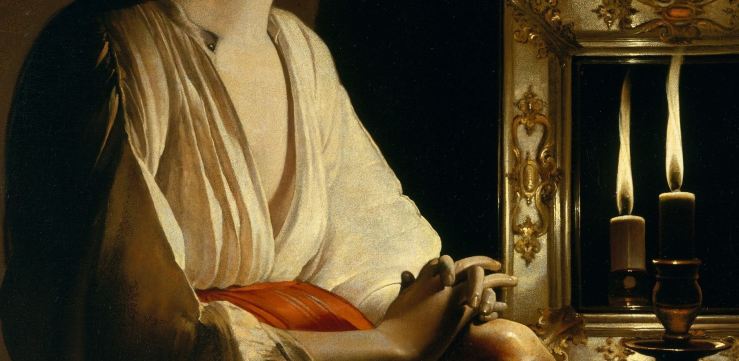
Georges de La Tour’s Mary Magdalene has not yet arrived at an ecstasy of repentance (Angela Carter)

a

Mary Magdalene, the Venus in sackcloth. Georges de La Tour’s picture does not show a woman in sackcloth, but her chemise is coarse and simple enough to be a penitential garment, or, at least, the kind of garment that shows you were not thinking of personal adornment when you put it on. Even though the chemise is deeply open on the bosom, it does not seem to disclose flesh as such, but a flesh that has more akin to the wax of the burning candle, to the way the wax candle is irradiated by its own flame, and glows. So you could say that, from the waist up, this Mary Magdalene is on the high road to penitence, but, from the waist down, which is always the more problematic part, there is the question of her long, red skirt.
b

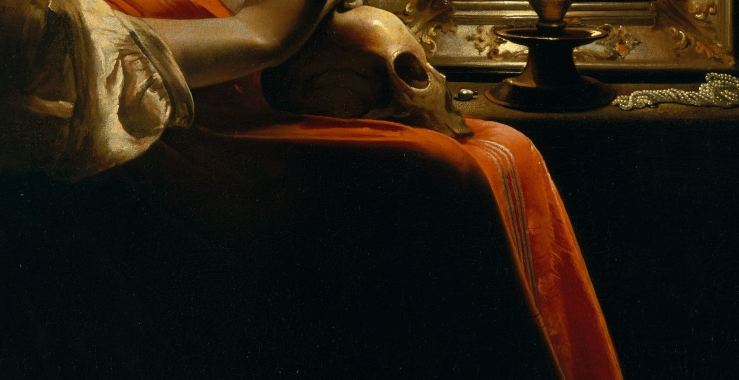
Left-over finery? Was it the only frock she had, the frock she went whoring in, then repented in, then set sail in? Did she walk all the way to the Sainte-Baume in this red skirt? It doesn’t look travel-stained or worn or torn. It is a luxurious, even scandalous skirt. A scarlet dress for a scarlet woman. …
c

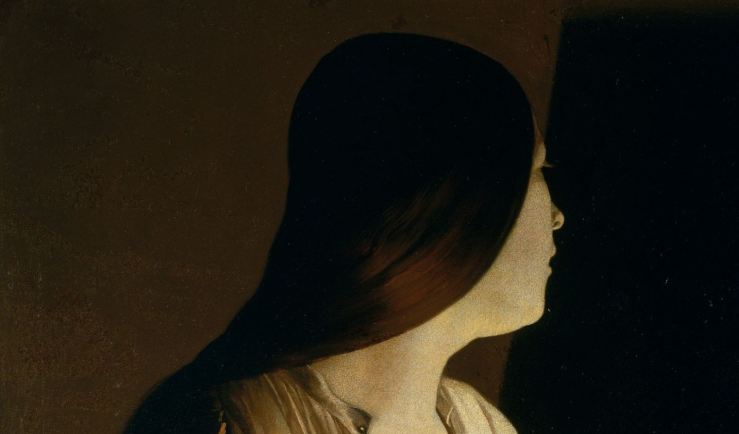
Georges de La Tour’s Mary Magdalene has not yet arrived at an ecstasy of repentance, evidently. Perhaps, indeed, he has pictured her as she is just about to repent — before her sea voyage in fact, although I would prefer to think that this bare, bleak space, furnished only with the mirror, is that of her cave in the woods. But this is a woman who is still taking care of herself. Her long, black hair, sleek as that of a Japanese woman on a painted scroll — she must just have finished brushing it, reminding us that she is the patron saint of hairdressers. Her hair is the product of culture, not left as nature intended. Her hair shows she has just used the mirror as an instrument of worldly vanity. Her hair shows that, even as she meditates upon the candle flame, this world still has a claim upon her.

Unless we are actually watching her as her soul is drawn out into the candle flame.

From Angela Carter’s short story “Impressions: The Wrightsman Magdalene.”

magdalene

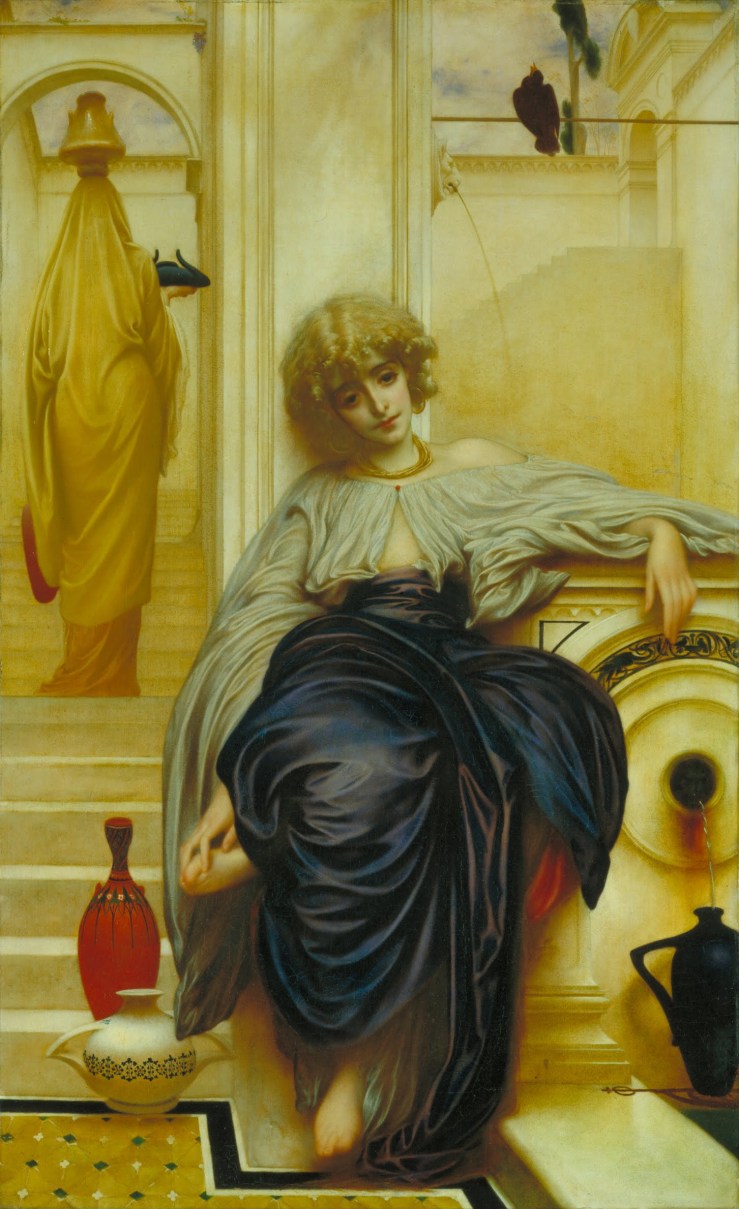
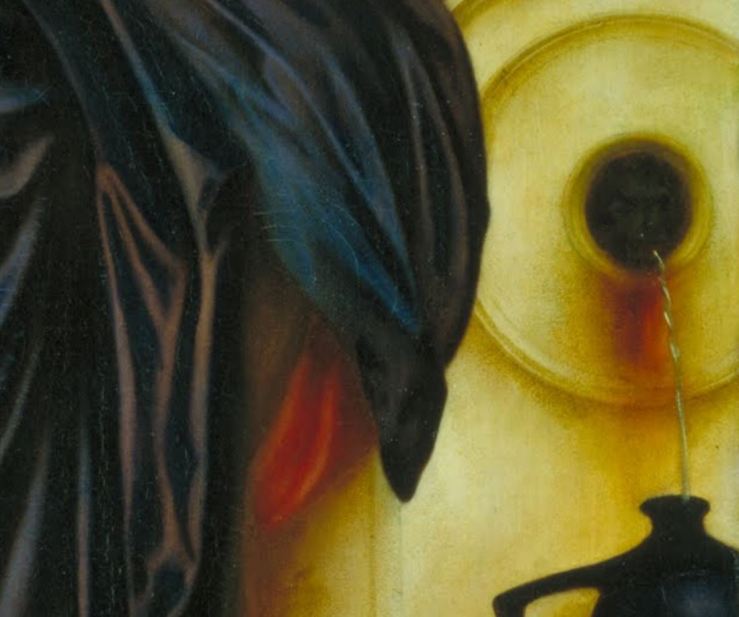
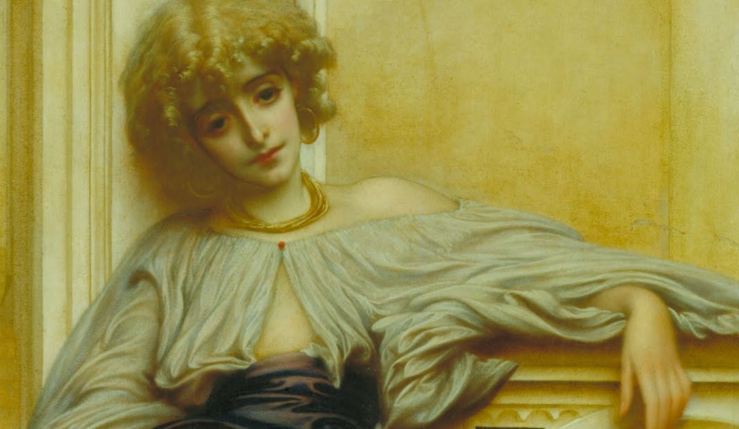
Songs without Words — Frederic Leighton

songs-without-words

abc

Songs without Words, c. 1860 by Frederic Leighton (1830-1896)

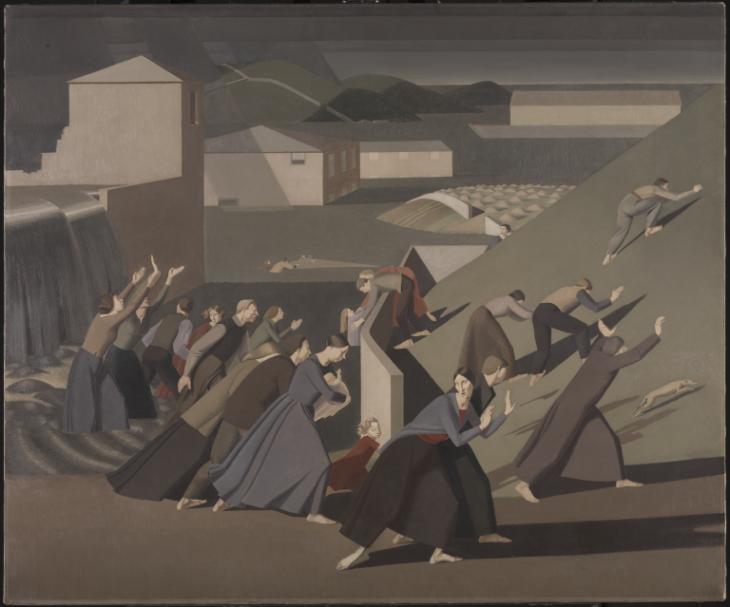
The Deluge — Winifred Knights

The Deluge 1920 by Winifred Knights 1899-1947

The Deluge, 1920 by Winifred Knights (1899–1947)

Lincolnshire Giant — Glenn Ibbitson

giant

Lincolnshire Giant, 2000 by Glenn Ibbitson

Building the Boat, Tréboul — Christopher Wood

building-the-boat-tr-boul-1930

Building the Boat, Tréboul, 1930 by Christopher Wood (1901-1930)