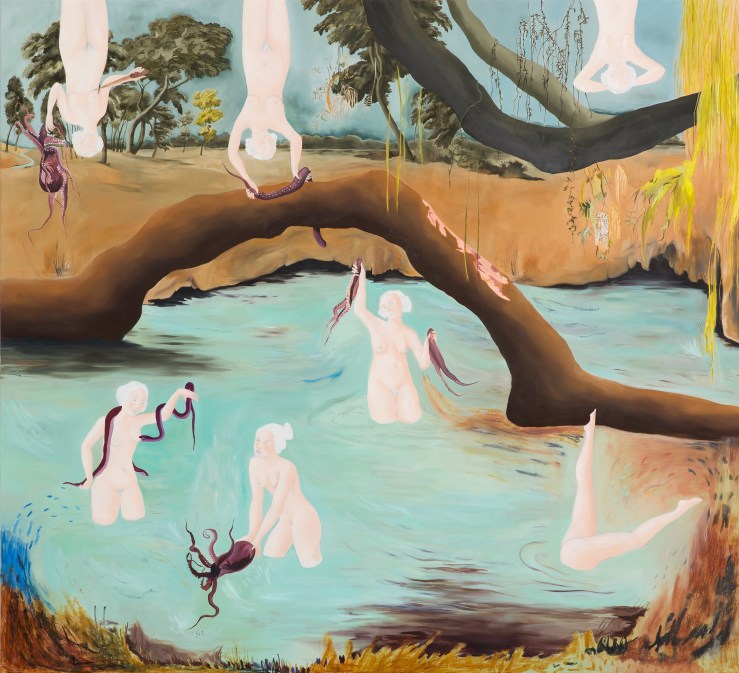


A Distinct Affection of a More Animal Kind, 2016 by Sanam Khatibi (b. 1979)

A Distinct Affection of a More Animal Kind, 2016 by Sanam Khatibi (b. 1979)

The Knives by Michaël Borremans (b. 1963)
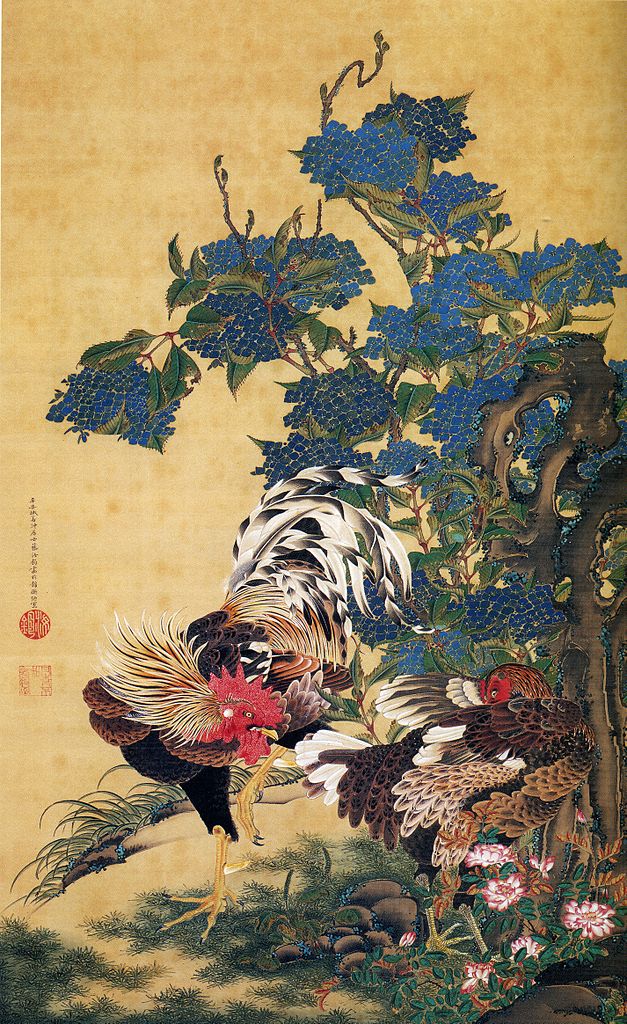
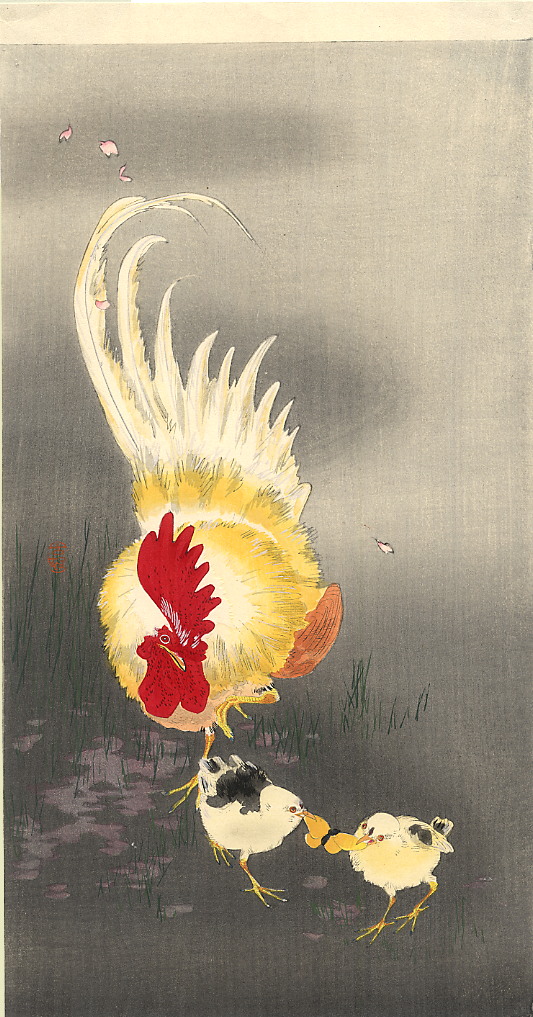
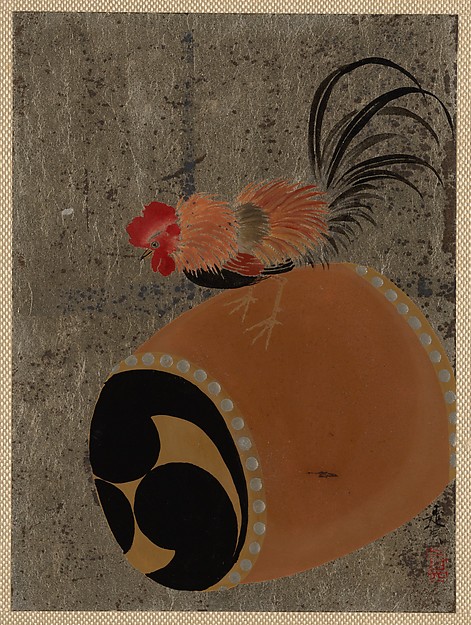
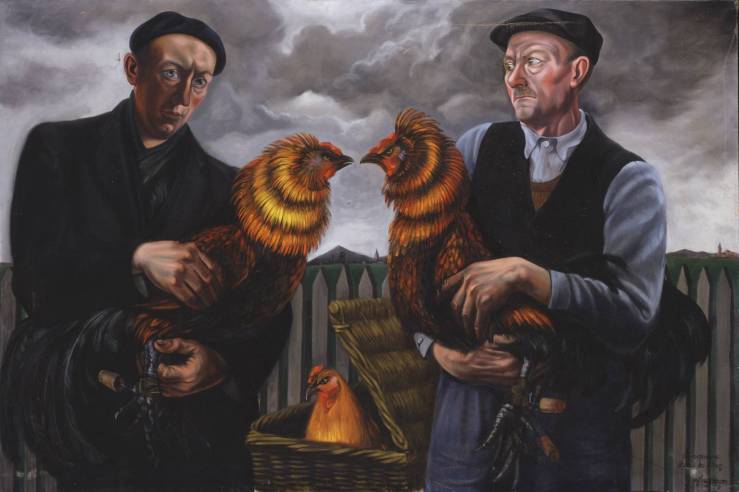
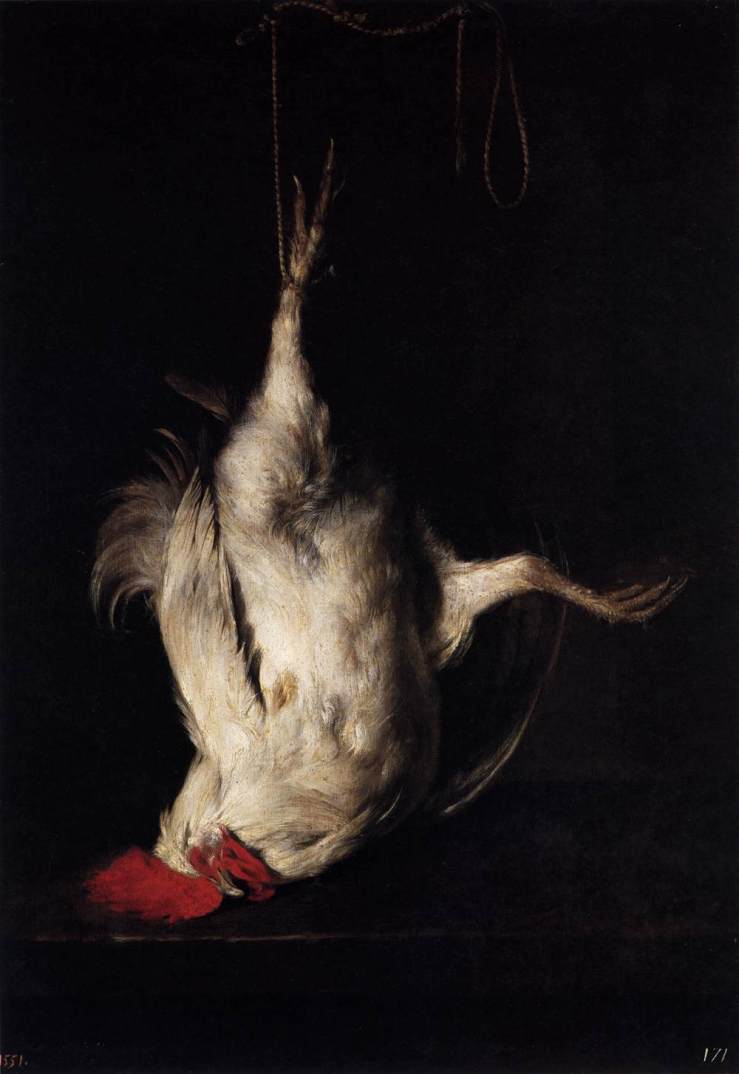
I read fewer books in 2017 than I have in years, and wrote a lot less on this blog than in the past. There are (uninteresting) reasons. There were lots of books and films that I wish I’d written about—maybe I’ll squeeze them into a post in the next week—but for now, mostly as a means of archiving and organizing (and a reminder to update the reviews page), these are the longer things I wrote on this blog this year (and, uh, some roosters):
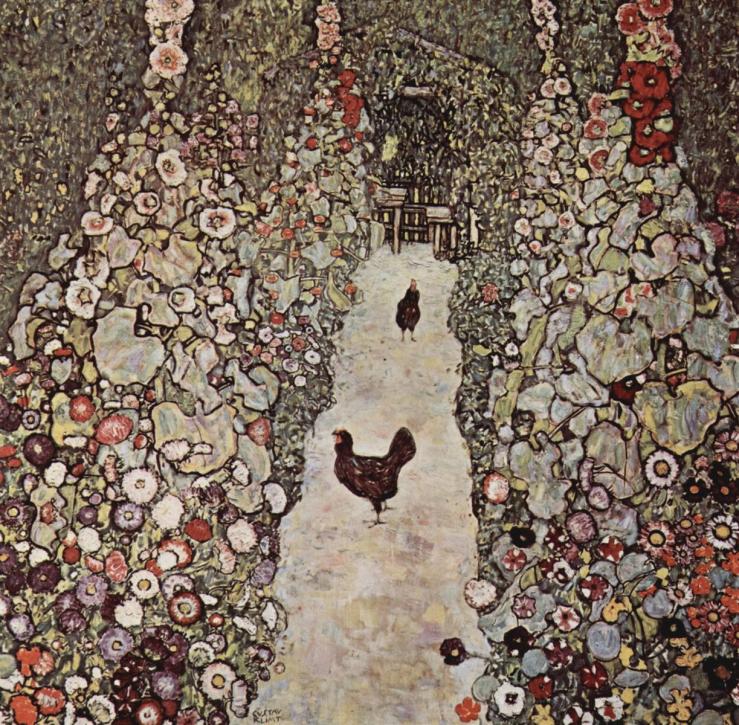
A review of Ishmael Reed’s Christmas satire, The Terrible Twos
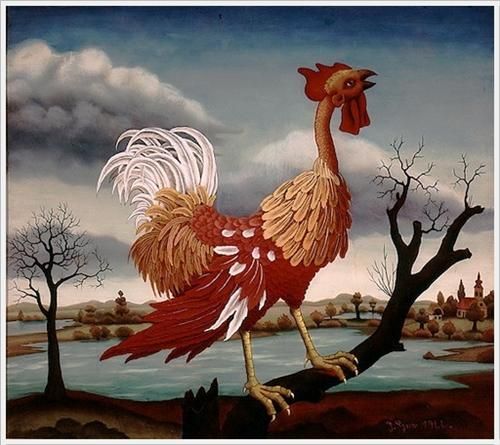
Not a review of Laurent Binet’s novel The Seventh Function of Language
Eddie Campbell’s canon of great graphic novels, 1977-2001
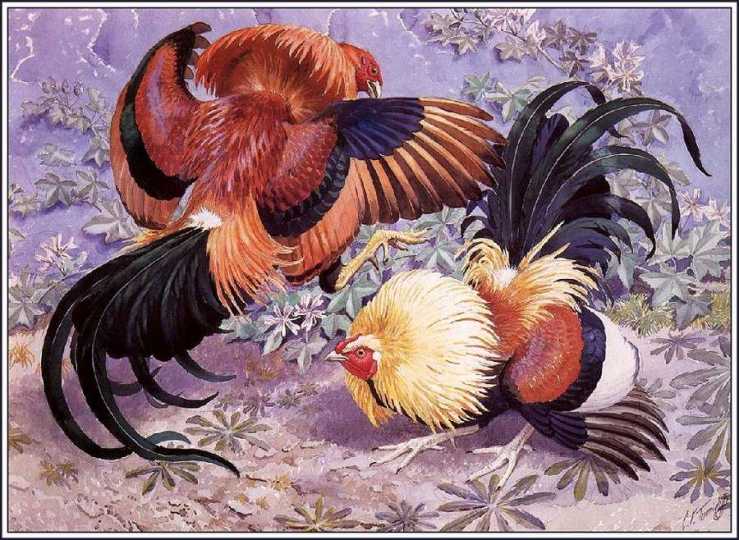
On Philip K. Dick’s novel A Maze of Death

A review of Gisèle Prassinos’s collection of surreal anti-fables, The Arthritic Grasshopper
A riff on rereading Carson McCullers’ novel The Heart Is a Lonely Hunter

Yuri Herrera’s Kingdom Cons condenses myth into vibrant narco noir
Not a review of Han Kang’s novel The Vegetarian

On Margaret Atwood’s The Handmaid’s Tale, a story about storytelling
A quick note on Mikhail Bulgakov’s novel The Heart of a Dog
Let me recommend Antonio di Benedetto’s overlooked novel Zama
Helen DeWitt’s novel Lightning Rods just wasn’t for me

A review of Yellow Back Radio Broke-Down, Ishmael Reed’s syncretic Neo-HooDoo revenge Western
A review of Robert Coover’s excellent new novel Huck Out West
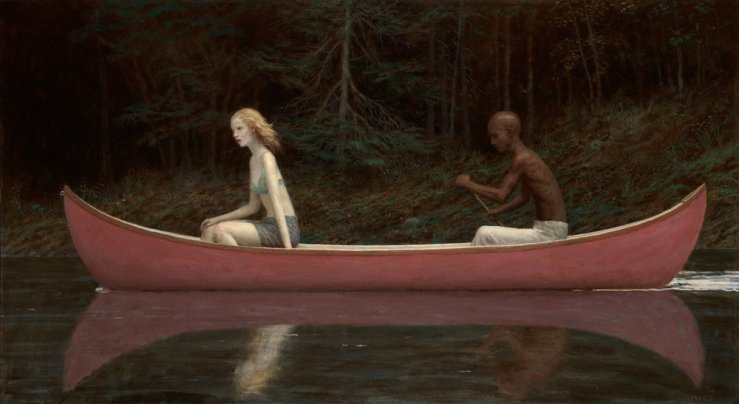
Canoe by Aron Wiesenfeld (b. 1972)
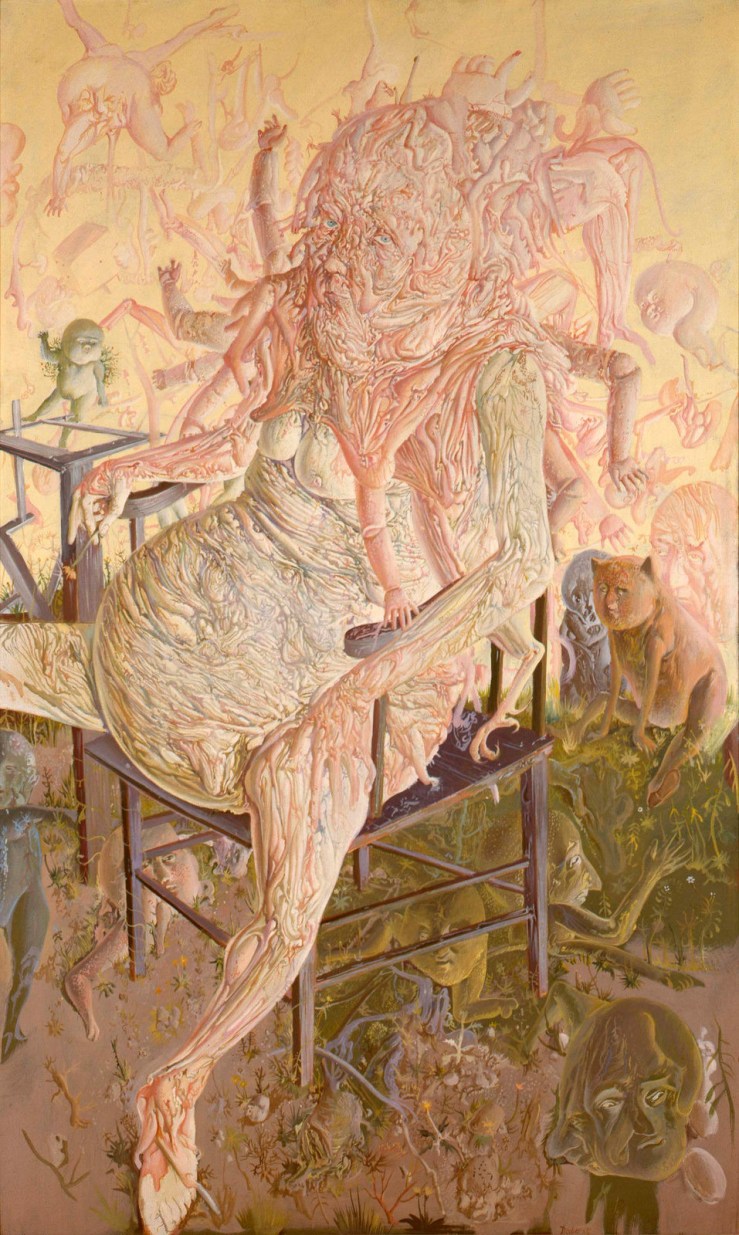


Untitled, 1969 by Dado (Miodrag Đurić, 1933-2010)
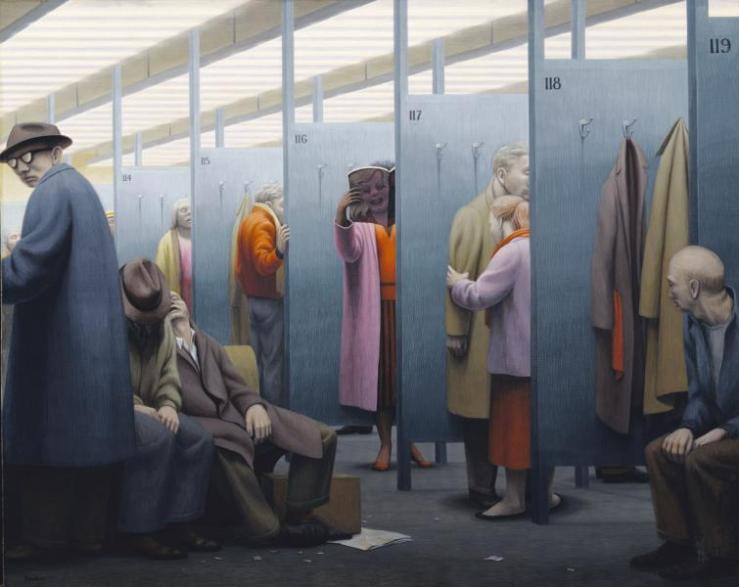
The Waiting Room, 1959 by George Tooker (1920-2011)


Crux Mystica, 2017 by Agostino Arrivabene (b. 1967)
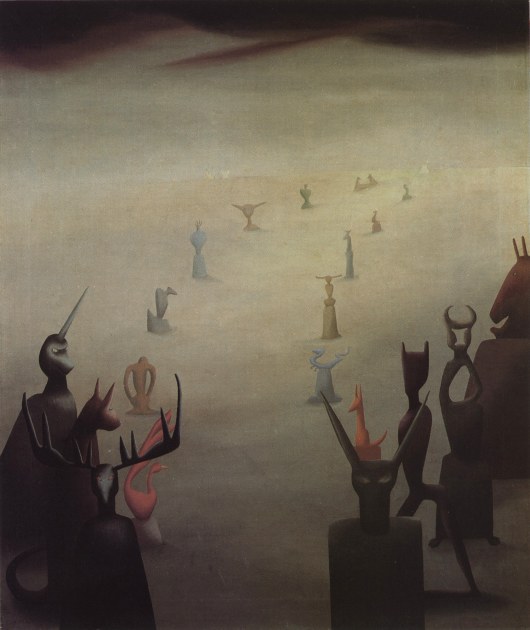
Animal Kingdom, 1946 by Stella Snead (1910-2006)

Nemesis (The Great Fortune), 1503 by Albrecht Durer (1471-1528)

Untitled, c. 1971-1973 by William Eggleston (b. 1939)

Censer, 1485 by Martin Schongauer (c. 1448-1491)

The School of Vanity, 1967 by Jane Graverol (1909-1984)
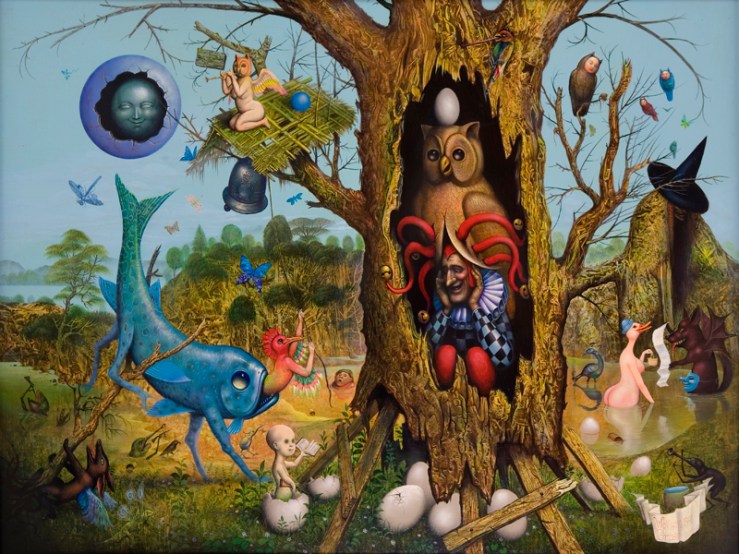
The Tree of Wisdom, 1990 by Wolfgang Grässe (1930-2008)
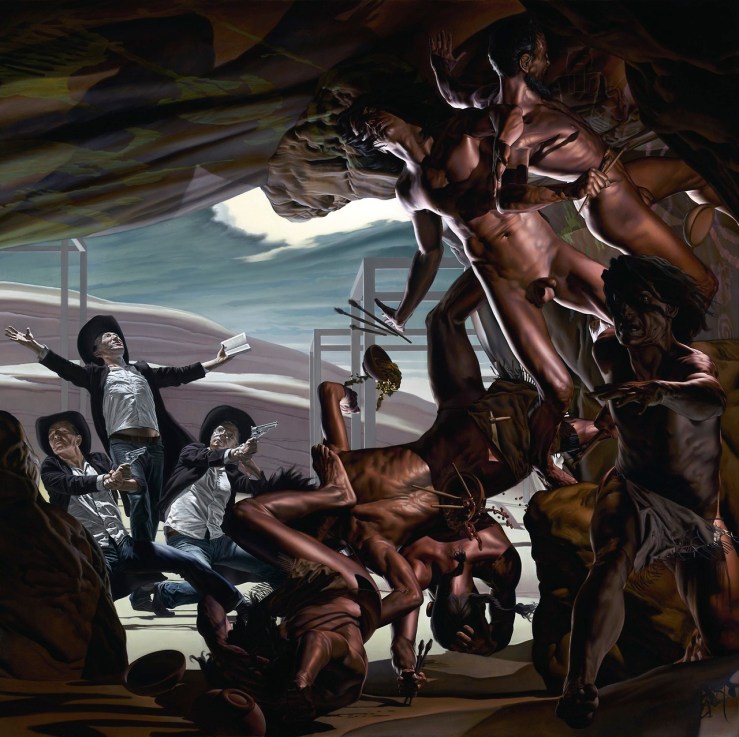
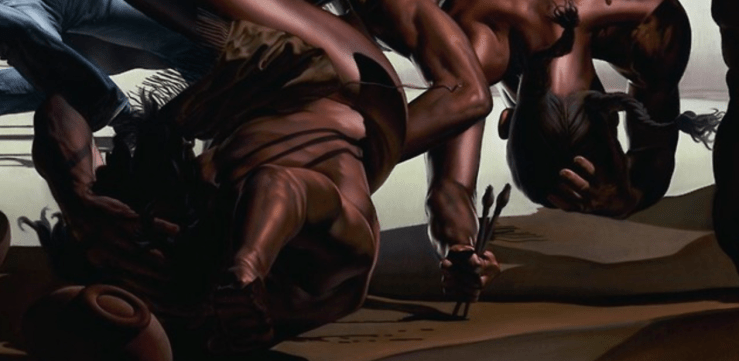
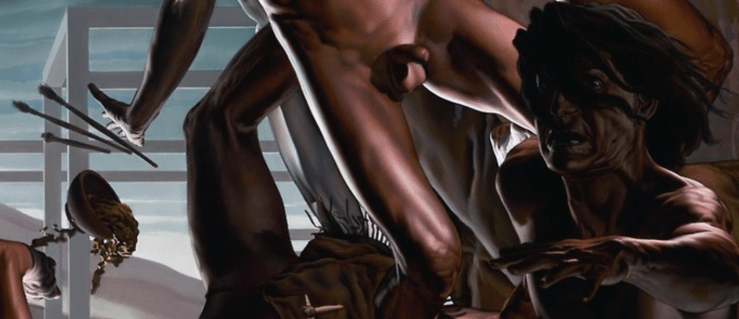


The Cave, 2017 by Nicola Verlato (b. 1965)

Why are works of art so socially important? Not for the messages they may contain, not because they expose slavery or cry hurrah for the worker, although such messages in their place and time might be important, but because they insist more than most on their own reality; because of the absolute way in which they exist. Certainly, images exist, shadows and reflections, fakes exist and hypocrites, there are counterfeits (quite real) and grand illusions – but it is simply not true for the copies are as real as their originals, that they meet all of the tests which I suggested earlier. Soybean steak, by God, is soybean steak, and a pious fraud is a fraud. Reality is not a matter of fact, it is an achievement; and it is rare – rarer, let me say – than an undefeated football season. We live, most of us, amidst lies, deceit, and confusions. A work of art may not utter the truth, but it must be honest. It may champion a cause we deplore, but like Milton’s Satan, it must in itself be noble; it must be all there. Works of art confront us the way few people dare to: completely, openly, at once. They construct, they comprise, our experience; they do not deny or destroy it; and they shame us, we fall so short of the quality of their Being. We live in Lafayette or Rutland – true. We take our breaths. We fornicate and feed. But Hamlet has his history in the heart and none of us will ever be as real as vital, as complex and living as he is – a total creature of the stage.
From William H. Gass’s essay “The Artist and Society” (1968). Collected in Fiction and the Figures of Life.
The aim of the artist ought to be to bring into the world objects which do not already exist there, and objects which are especially worthy of love. We meet people, grow to know them slowly, settle on some to companion our life. Do we value our friends for their social status, because they are burning in the public blaze? do we ask of our mistress her meaning? calculate the usefulness of our husband or wife? Only too often. Works of art are meant to be lived with and loved, and if we try to understand them, we should try to understand them as we try to understand anyone—in order to know them better, not in order to know something else.
–From William H. Gass’s essay “The Artist and Society” (1968). Collected in Fiction and the Figures of Life.

