Sunday Comix

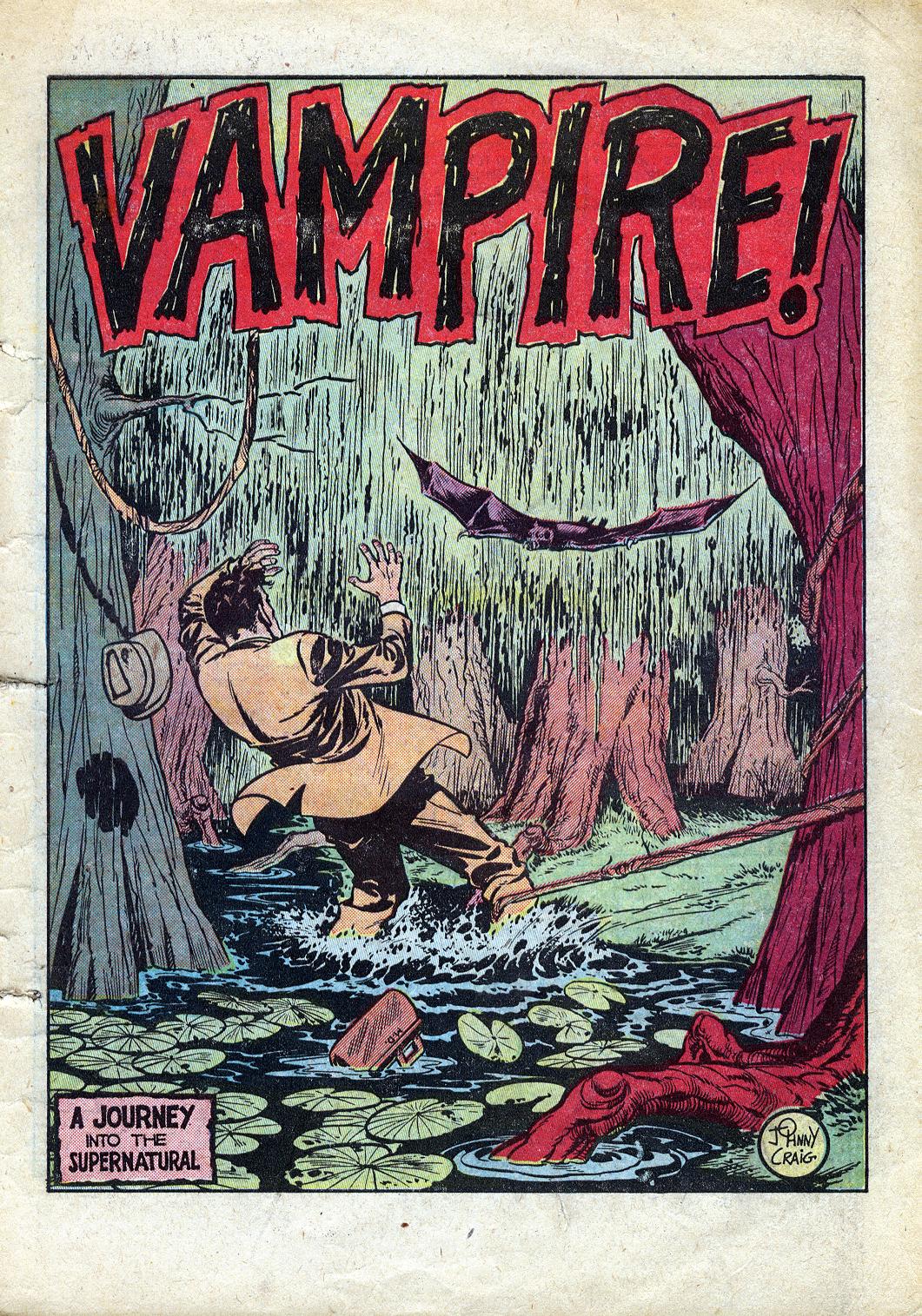
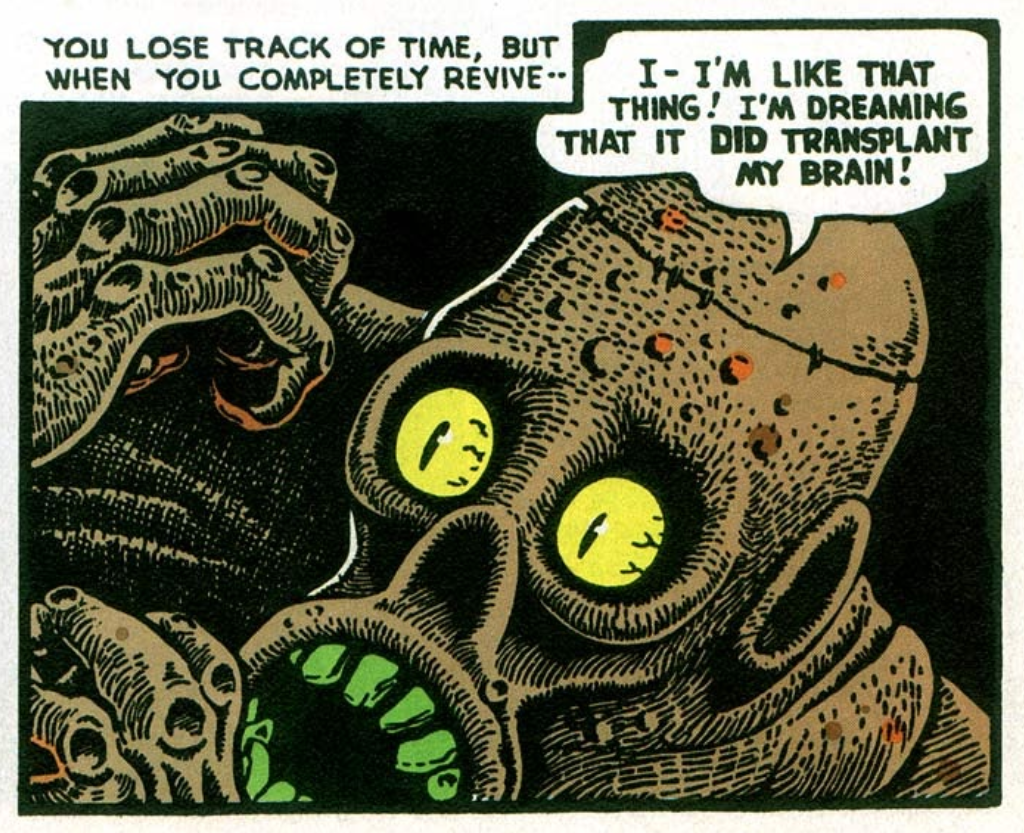
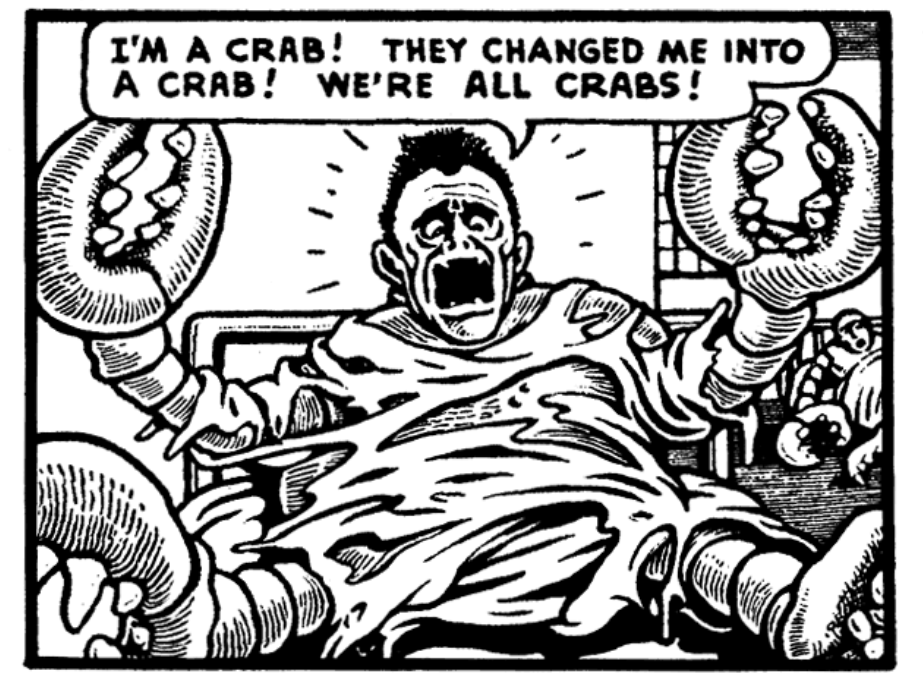
From “They Crawl by Night” by Daniel Keyes and Basil Wolverton, Journey Into Unknown Worlds #15, February 1953, Atlas Comics. Reprinted in Basil Wolverton’s Gateway to Horror #1, June 1988, Dark Horse Comics.

Sunday Comix

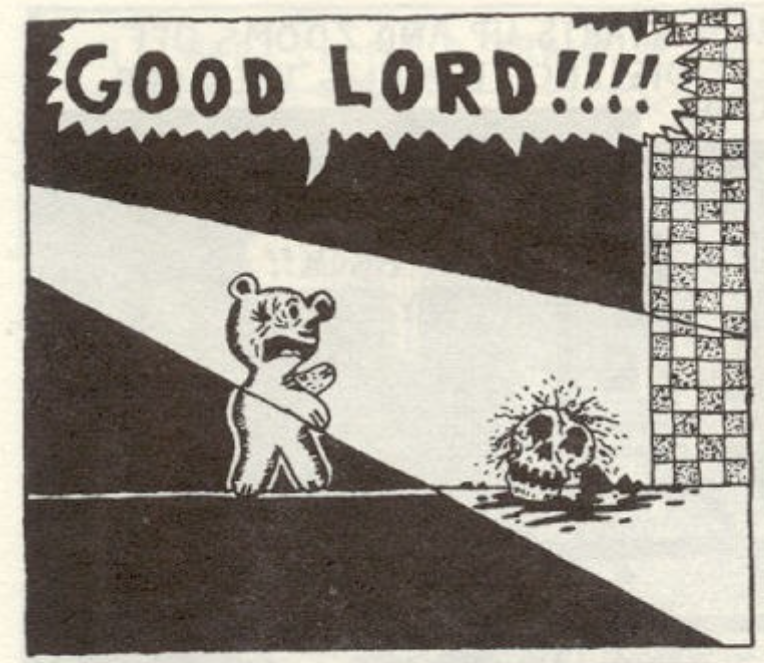
From “Lost in the Andes!” by Carl Barks, Four Color Comics #223, 1949.

Sunday Comix

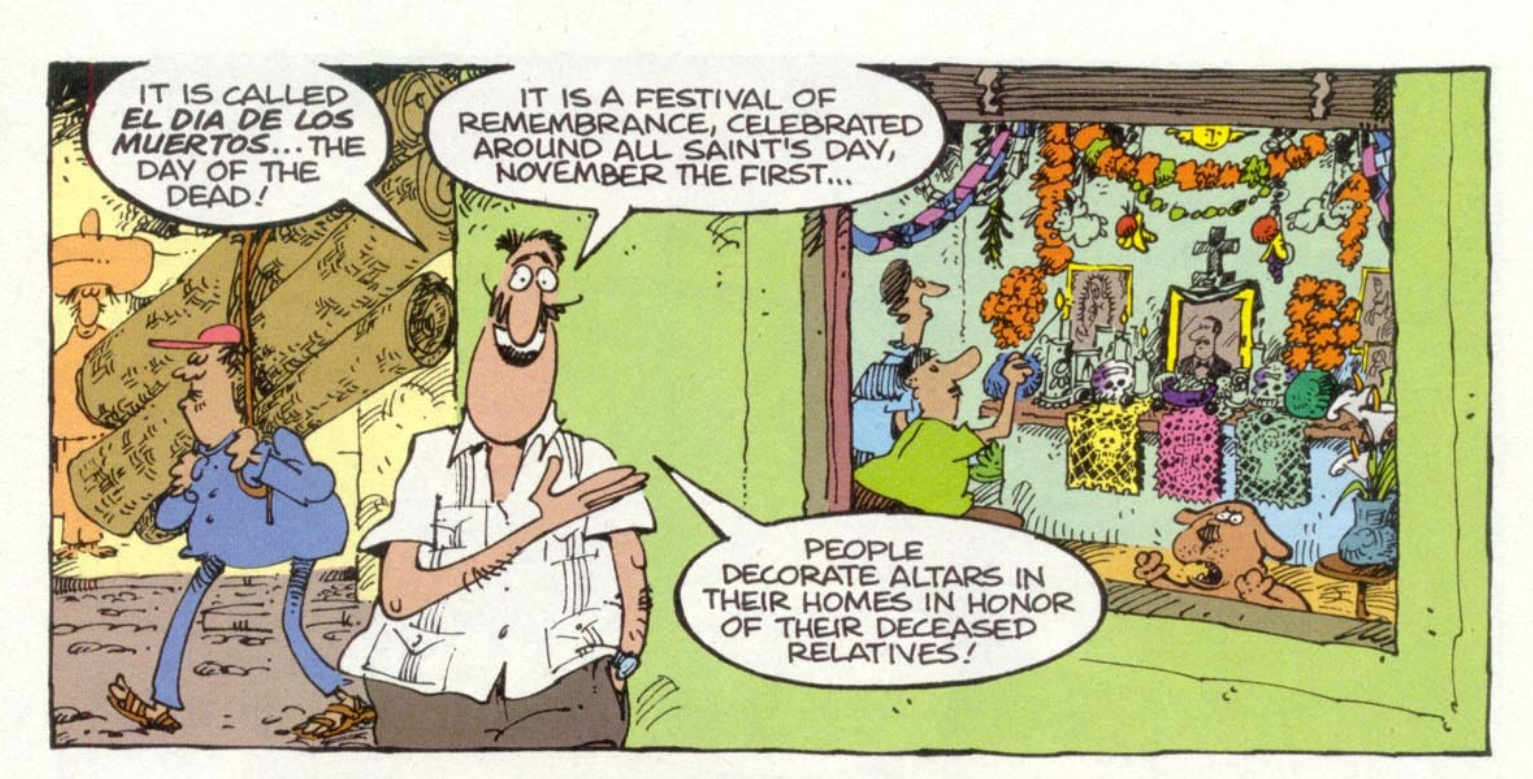
From “The Paradox Man, Ch. 2” by Barry Windsor-Smith, Storyteller, 1996
Sunday Comix

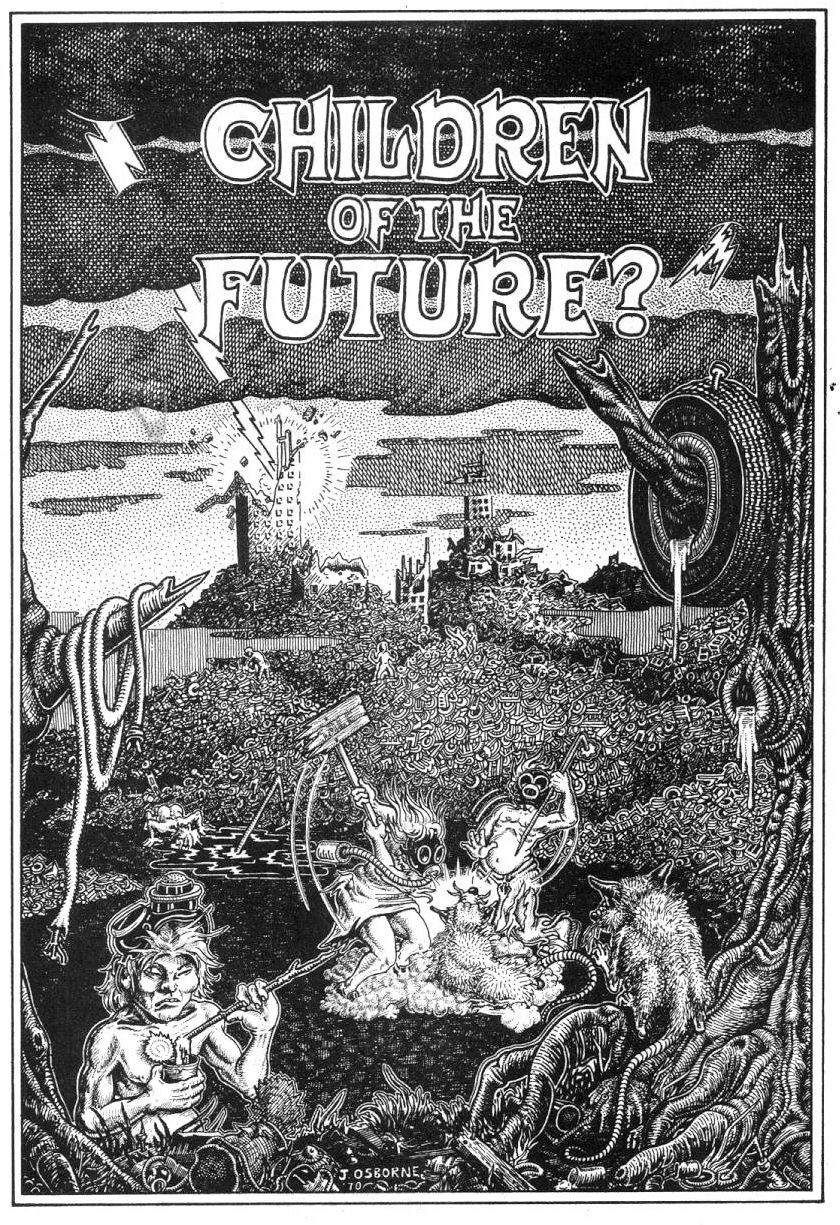
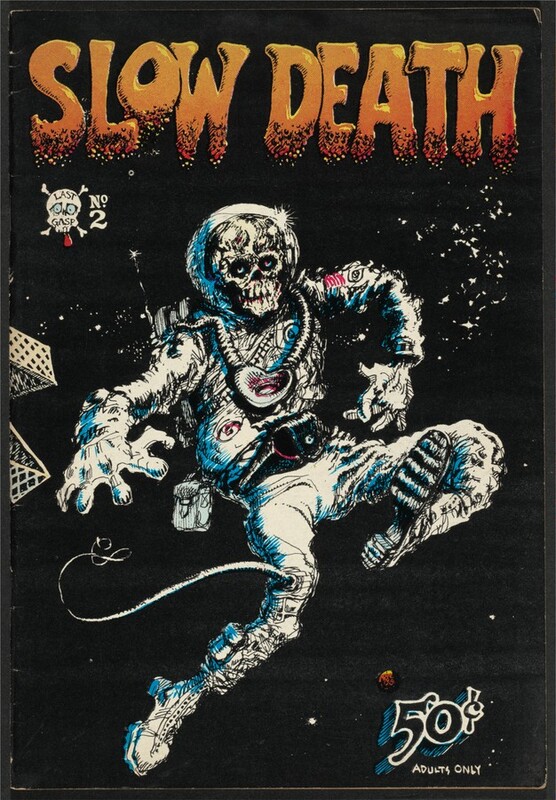
Cover for Slow Death #2, 1970 by Jack Jackson and Dave Sheridan

Sunday Comix

From “A Folk Tale” by Gilbert Hernandez, Love and Rockets #27, 1982

Sunday Comix

From New Mutants #25, 1985 by Bill Sienkiewicz and Chris Claremont

Sunday Comix

From Moebius’s illustrations for Robert Bloch’s Contes de Terreur, 1975; reprinted in Metallic Memories, 1992.


Sunday Comix

Cover art for ZAP Comix #7 by Spain Rodriguez, 1973

Sunday Comix

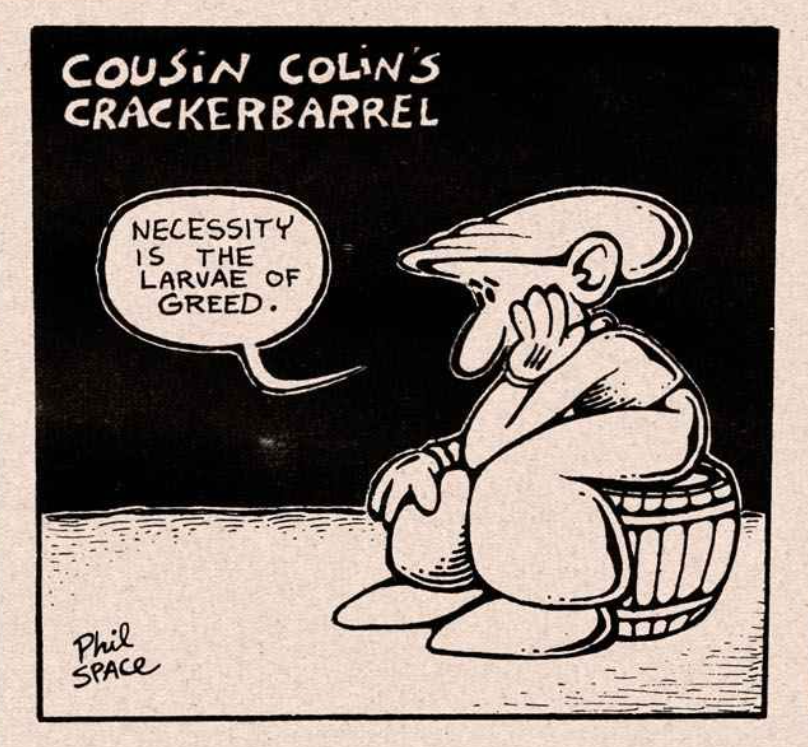
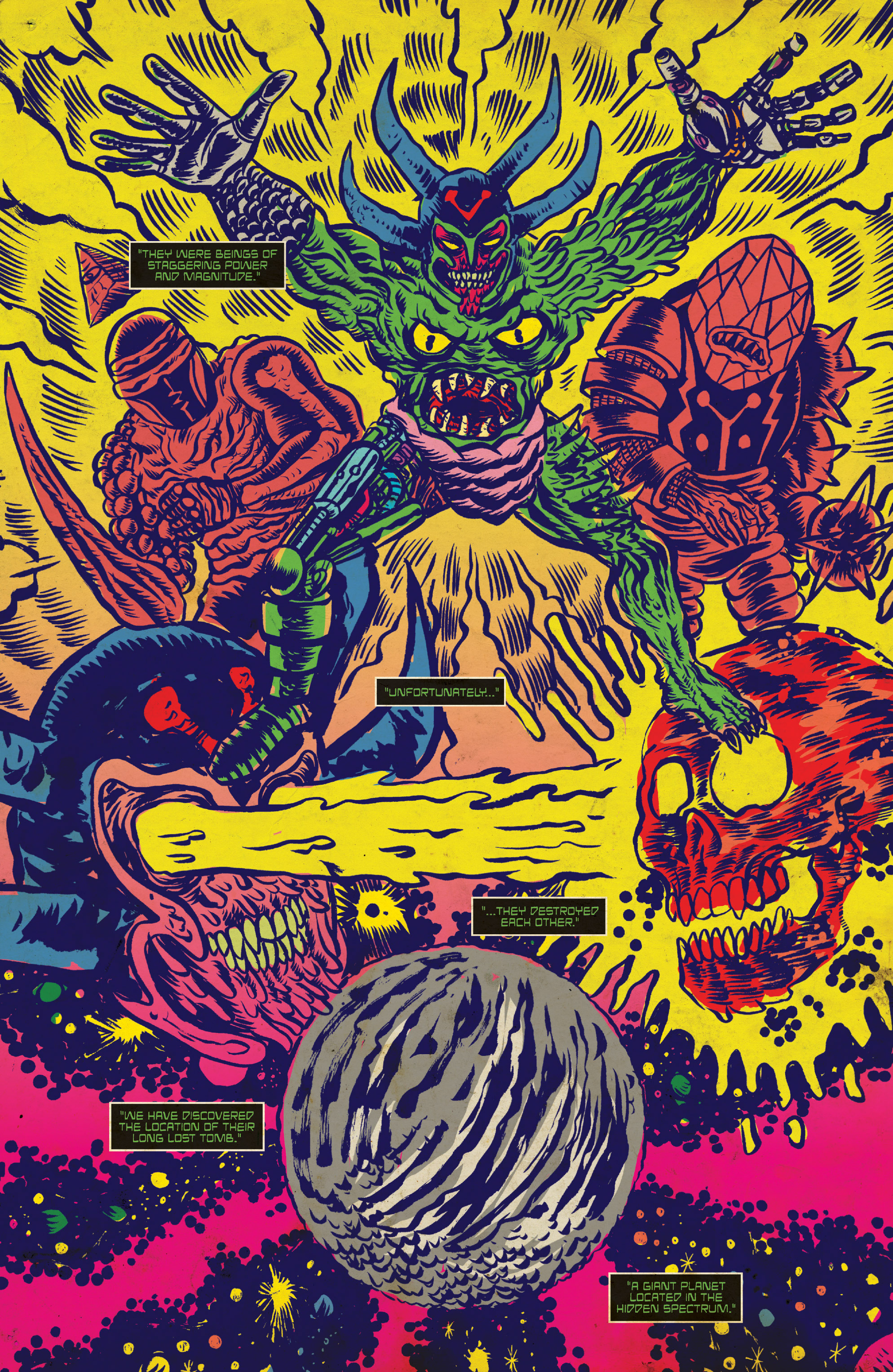
From “The Spawn of Cokethulhu” by Chris Statler, Cocaine Comix #2, 1981.

Sunday Comix

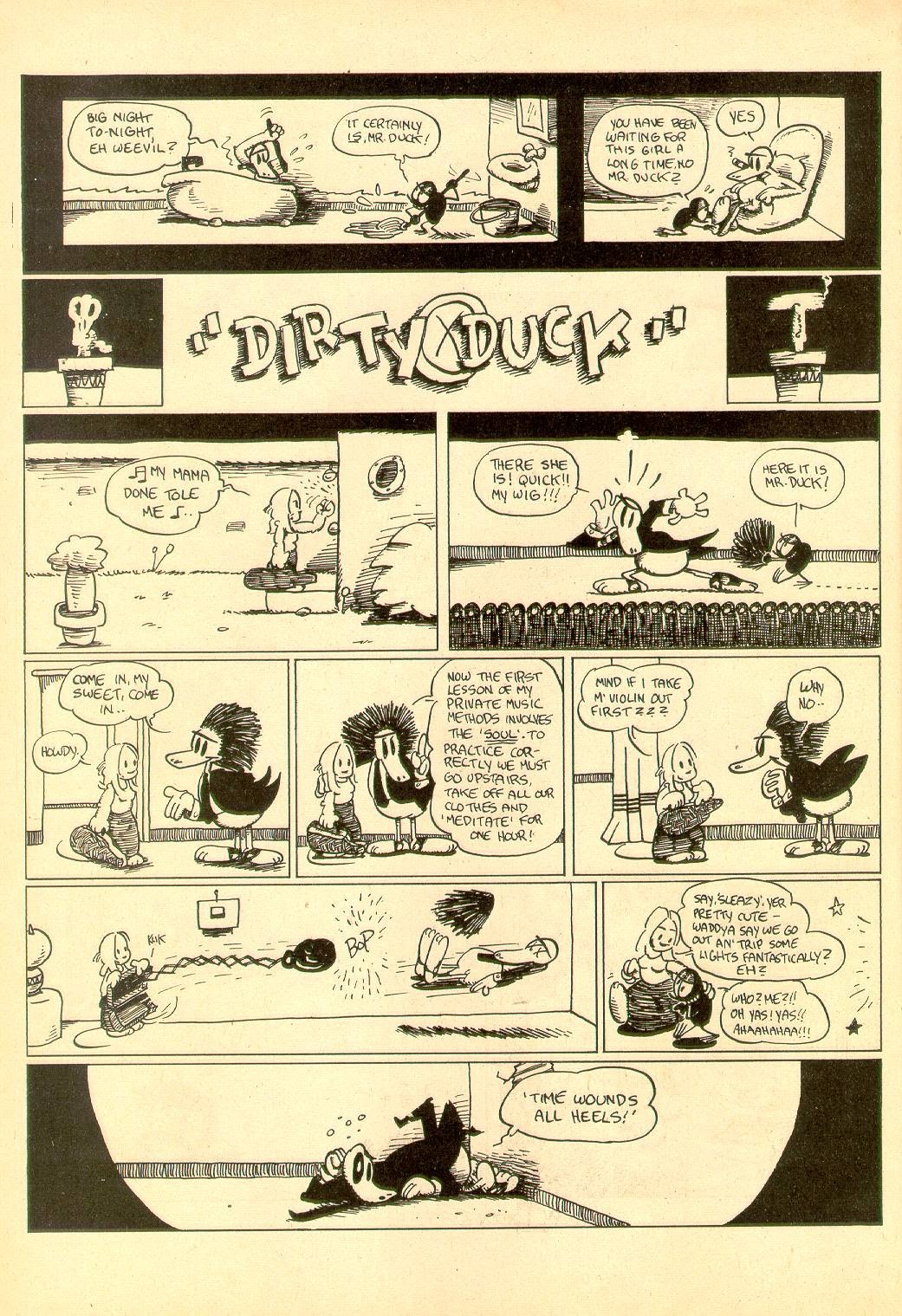
From “Mister Machine” by Jack Kirby, 2001: A Space Odyssey #10, 1977.

Sunday Comix

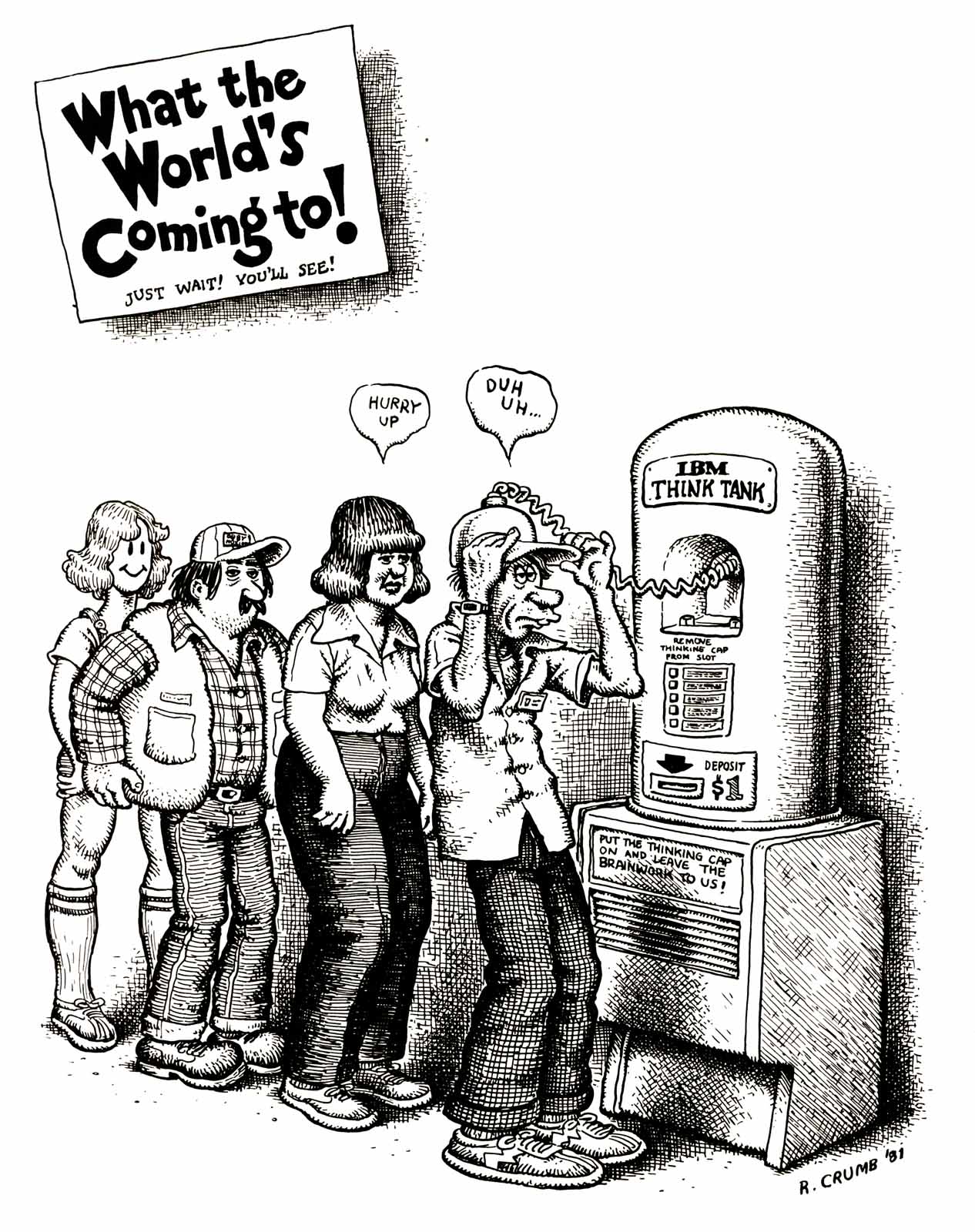
From “The Electronic Concert” by Fred Schrier, Meef Comix #2, 1973.

Sunday Comix

From “A MAD Look at Alfred Hitchcock Movies” by Sergio Aragones, MAD Magazine #10, Dec. 2019.

Sunday Comix

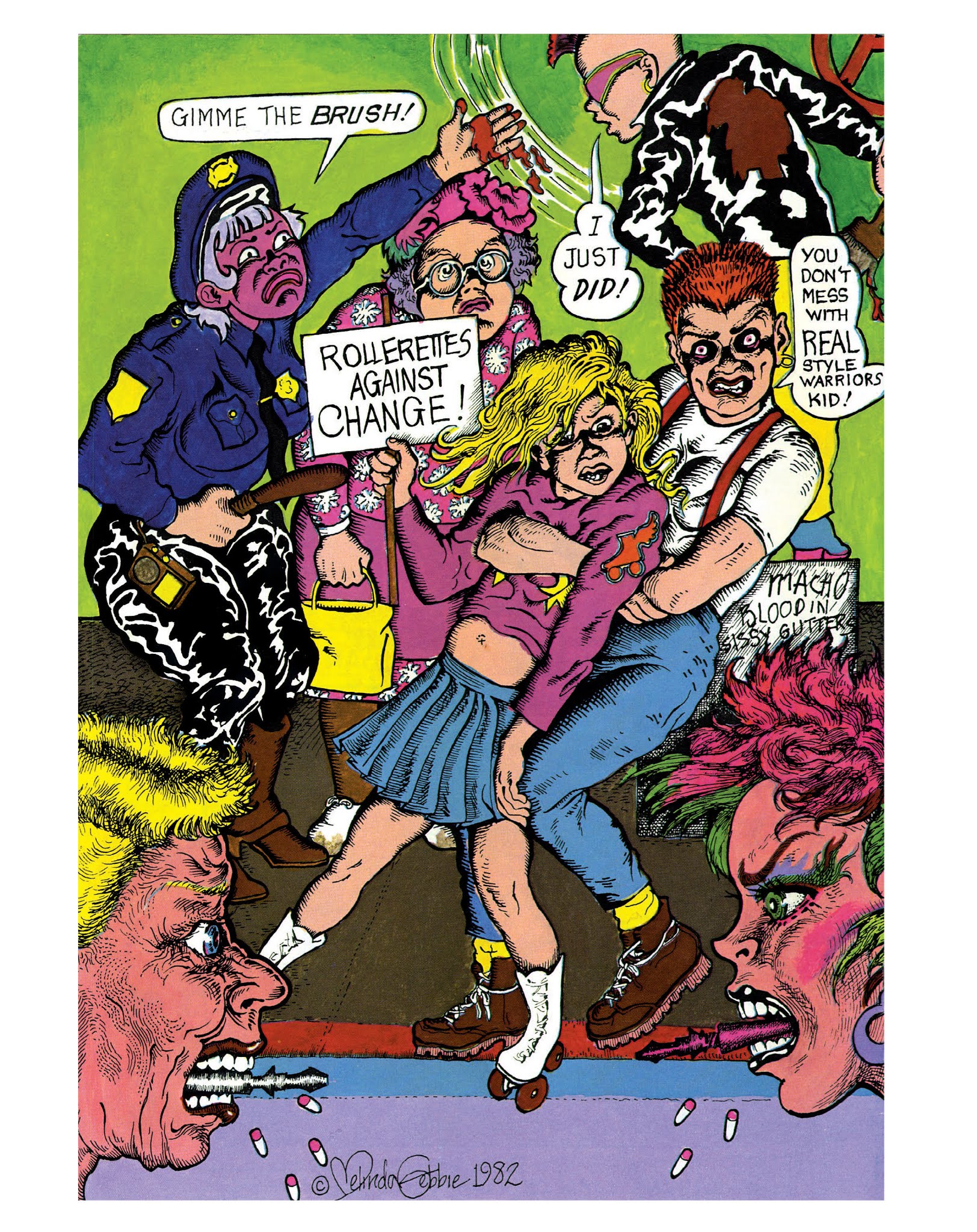
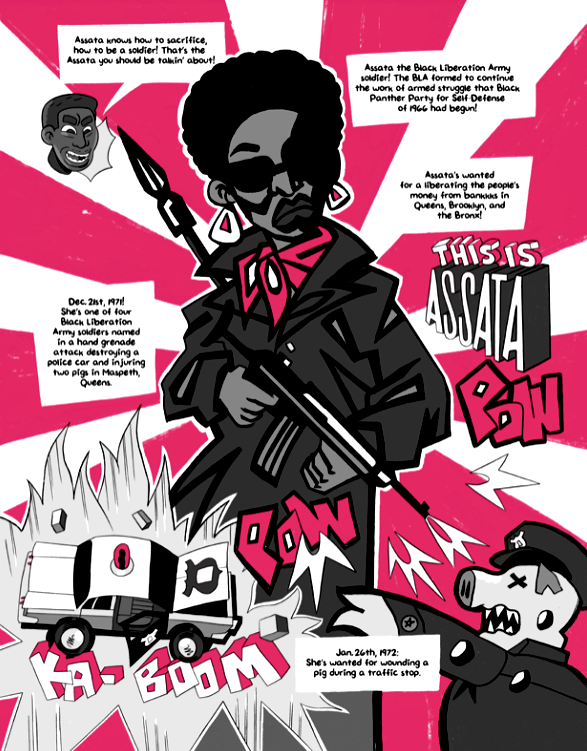
From “Rude Interlude” by Robert E. Armstrong, Mickey Rat #4, 1982.

Sunday Comics (From Hell)

img_4081

From Hell, Alan Moore and Eddie Campbell’s epic revision of the Jack the Ripper story, posits Sir William Gull, a physician to Queen Victoria, as the orchestrator of the Ripper murders that terrified Londoners at the end of the 19th century. The murders initially arise as a means to cover up an illegitimate son begat by foolish Prince Albert, Victoria’s grandson. However, for Gull the murders represent much more. The murders are part of the continued forces of “masculine rationality” that will constrain “lunar female power.” Gull is a high-level Mason; during a stroke, he experiences a vision of the Masonic god Jahbulon, one which prompts him to his “great work”–namely, the murders that will reify masculine dominance.

One of the standout chapters in the book is Gull’s tour of London, with his hapless (and witless) sidekick Netley. In a trip that weds geography, religion, politics, and mythology, Gull riffs on a barbaric, hermetic history of London, revealing the gritty city as an ongoing site of conflict between paganism and orthodoxy, artistic lunacy and scientific rationality, female and male, left brain and right brain. The tour ends with a plan to commit the first murder.

img_4080

From there, the book picks up the story of Frederick Abberline, the Scotland Yard inspector charged with solving the murders. Of course, the murders are unsolvable, as the hierarchy of London–from the Queen down to the head of police–are well aware of who the (government-commissioned) murderer is. The police procedural aspects of the plot are fascinating and offer a balanced contrast with Gull’s mystical visions–visions that culminate in a climax of a sort of time-travel. Gull goes backwards (William Blake sees him in a vision and turns that vision into Ghost of Flea) and Gull goes forwards: he sees London at the end of the twentieth century, and receives a guarantee that his murder plot has had its intended effect.

From Hell takes many of its cues from the idea that history is shaped not by random events, but rather by tragic conspiracies that force people to willingly give up freedom to a “rational” authority. The book points repeatedly to the 1811 Ratcliffe Highway murders, which led directly to the world’s first modern police force. In our own time, if we’re open to conspiracy theories, we might find the same pattern in the 21st century responses to terrorism.

img_4083

Although From Hell features moments of supernatural horror in Gull’s mysticism, it is the book’s grimy realism that is far more terrifying. London in the late 1880s is no place you want to be, especially if you are poor, especially if you are a woman. The city is its own character, a labyrinth larded with ancient secrets the inhabitants of which cannot hope to plumb. Despite the nineteenth century’s claims for enlightenment and rationality, this London is bizarrely cruel and deeply unfair. Campbell’s style evokes this London and its denizens with a surreal brilliance; his dark inks are by turns exacting and then erratic, concentrated and purposeful and then wild and severe. The art is somehow both rich and stark, like the coal-begrimed London it replicates. Although Moore has much to say, he allows Campbell’s art to forward the plot whenever possible. Moore is erudite and fascinating; even when one of his characters is lecturing us, it’s a lecture we want to hear. His ear for dialog and tone lends great sympathy to each of the characters, especially the unfortunate women who must turn to prostitution to earn their “doss” money. And while Abberline’s frustrations at having to solve a crime that no higher-ups want solve make him the hero of this story, Gull’s mystic madness makes him the narrative’s dominant figure.

From Hell is a fantastic starting place for anyone interested in Moore’s work, more self-contained than his comics that reimagine superhero myths, like Watchmen or Swamp Thing, and more satisfying and fully achieved than Promethea or V Is for Vendetta. Be forewarned that it is a graphic graphic novel, although I do not believe its violence is gratuitous or purposeless. Indeed, From Hell aspires to remark upon the futility and ugliness of cyclical violence, and it does so with wisdom and verve. Highly recommended.

[Editorial note: Biblioklept published a version of this review on Halloween day in 2010].