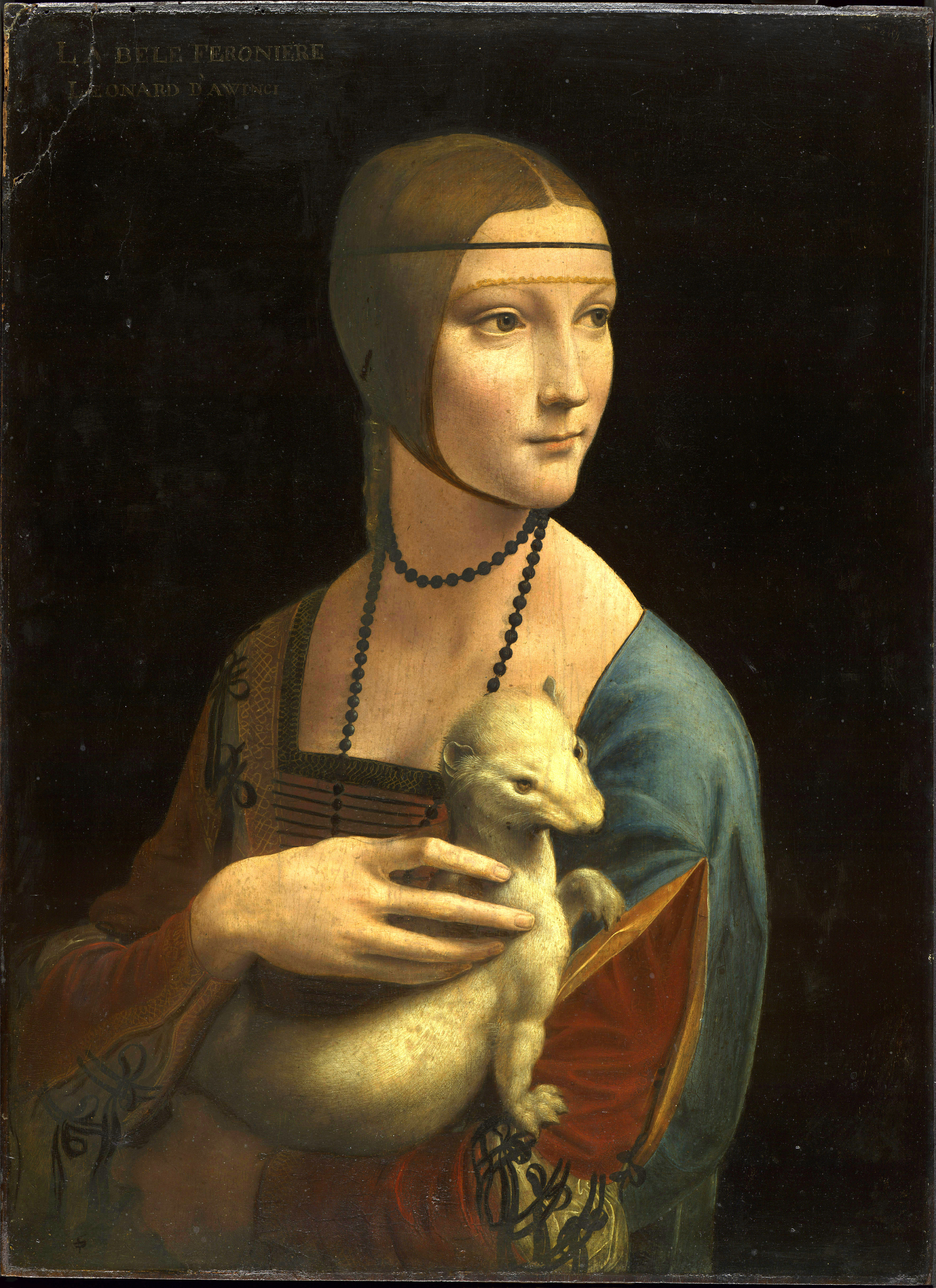
Seated Woman — Richard Diebenkorn

They will not do us any good—the good books (William H. Gass)

They will not do us any good—the good books—no—if by good we mean good looks, good times, good shoes; yet they still offer us salvation, for salvation does not wait for the next life, which is anyhow a vain and incautious delusion, but is to be had, if at all, only here—in this one. It is we who must do them honor by searching for our truth there, by taking their heart as our heart, by refusing to let our mind flag so that we close their covers forever, and spend our future forgetting them, denying the mind’s best moments. They extend the hand; we must grip it. Spinach never made Popeye strong sitting in the can. And the finest cookbook ever compiled put not one pot upon the stove or dish upon the table. Here, in the library that has rendered you suspect, you have made their acquaintance—some of the good books. So now that you’ve been nabbed for it, you must become their lover, their friend, their loyal ally. But that is what the rest of your life is for. Go now, break jail, and get about it.

From William H. Gass’s essay “To a Young Friend Charged with Possession of the Classics.” Collected in A Temple of Texts.

Detail from Lady with an Ermine — Leonardo da Vinci

ermine

Saving Simon (Book Acquired, 9.15.2014)

IMG_3341.JPG

Saving Simon by Jon Katz is new in hardback from Random House. Their blurb:

In this heartfelt, thoughtful, and inspiring memoir, New York Times bestselling author Jon Katz tells the story of his beloved rescue donkey, Simon, and the wondrous ways that animals make us wiser and kinder people.

In the spring of 2011, Jon Katz received a phone call that would challenge every idea he ever had about mercy and compassion. An animal control officer had found a neglected donkey on a farm in upstate New York, and she hoped that Jon and his wife, Maria, would be willing to adopt him. Jon wasn’t planning to add another animal to his home on Bedlam Farm, certainly not a very sick donkey. But the moment he saw the wrenching sight of Simon, he felt a powerful connection. Simon touched something very deep inside of him. Jon and Maria decided to take him in.

Simon’s recovery was far from easy. Weak and malnourished, he needed near constant care, but Jon was determined to help him heal. As Simon’s health improved, Jon would feed him by hand, read to him, take him on walks, even confide in him like an old and trusted friend. Then, miraculously, as if in reciprocation, Simon began to reveal to Jon the true meaning of compassion, the ways in which it can transform our lives and inspire us to take great risks.

This radically different perspective on kindness and empathy led Jon to a troubled border collie from Ireland in need of a home, a blind pony who had lived outside in a pasture for fifteen years, and a new farm for him and Maria. In the great tradition of heroes—from Don Quixote to Shrek—who faced the world in the company of their donkeys, Jon came to understand compassion and mercy in a new light, learning to open up “not just to Simon, not just to animals, but to the human experience. To love, to risk, to friendship.”

With grace, warmth, and keen emotional insight, Saving Simon plumbs the depths of the bonds we form with our animals, and the rewards of “living a more compassionate, considered, and meaningful life.”
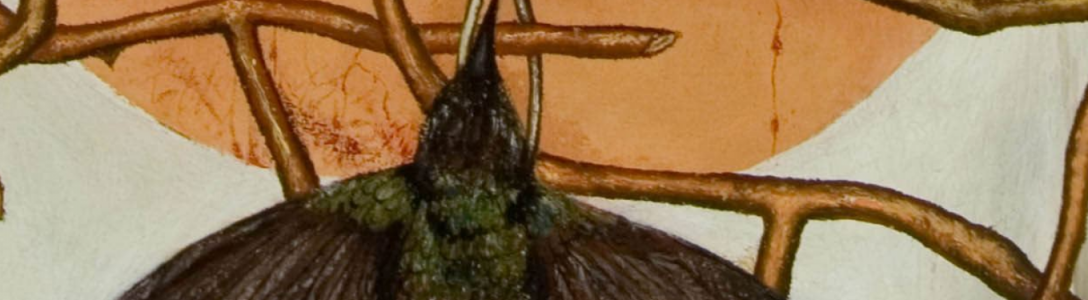
“On Being in the Blues” — Jerome K. Jerome

“On Being in the Blues”

by

Jerome K. Jerome

I can enjoy feeling melancholy, and there is a good deal of satisfaction about being thoroughly miserable; but nobody likes a fit of the blues. Nevertheless, everybody has them; notwithstanding which, nobody can tell why. There is no accounting for them. You are just as likely to have one on the day after you have come into a large fortune as on the day after you have left your new silk umbrella in the train. Its effect upon you is somewhat similar to what would probably be produced by a combined attack of toothache, indigestion, and cold in the head. You become stupid, restless, and irritable; rude to strangers and dangerous toward your friends; clumsy, maudlin, and quarrelsome; a nuisance to yourself and everybody about you.

While it is on you can do nothing and think of nothing, though feeling at the time bound to do something. You can’t sit still so put on your hat and go for a walk; but before you get to the corner of the street you wish you hadn’t come out and you turn back. You open a book and try to read, but you find Shakespeare trite and commonplace, Dickens is dull and prosy, Thackeray a bore, and Carlyle too sentimental. You throw the book aside and call the author names. Then you “shoo” the cat out of the room and kick the door to after her. You think you will write your letters, but after sticking at “Dearest Auntie: I find I have five minutes to spare, and so hasten to write to you,” for a quarter of an hour, without being able to think of another sentence, you tumble the paper into the desk, fling the wet pen down upon the table-cloth, and start up with the resolution of going to see the Thompsons. While pulling on your gloves, however, it occurs to you that the Thompsons are idiots; that they never have supper; and that you will be expected to jump the baby. You curse the Thompsons and decide not to go. Continue reading ““On Being in the Blues” — Jerome K. Jerome”

The Housemaid — William McGregor Paxton

william-mcgregor-paxton-the-hausmaid-1910