Videodrome film poster by Kilian Eng

tumblr_oku367uaka1uwe8gdo2_r1_1280

Le Guin/Abish/Farber (Books 2.03.2017)

img_5054-1

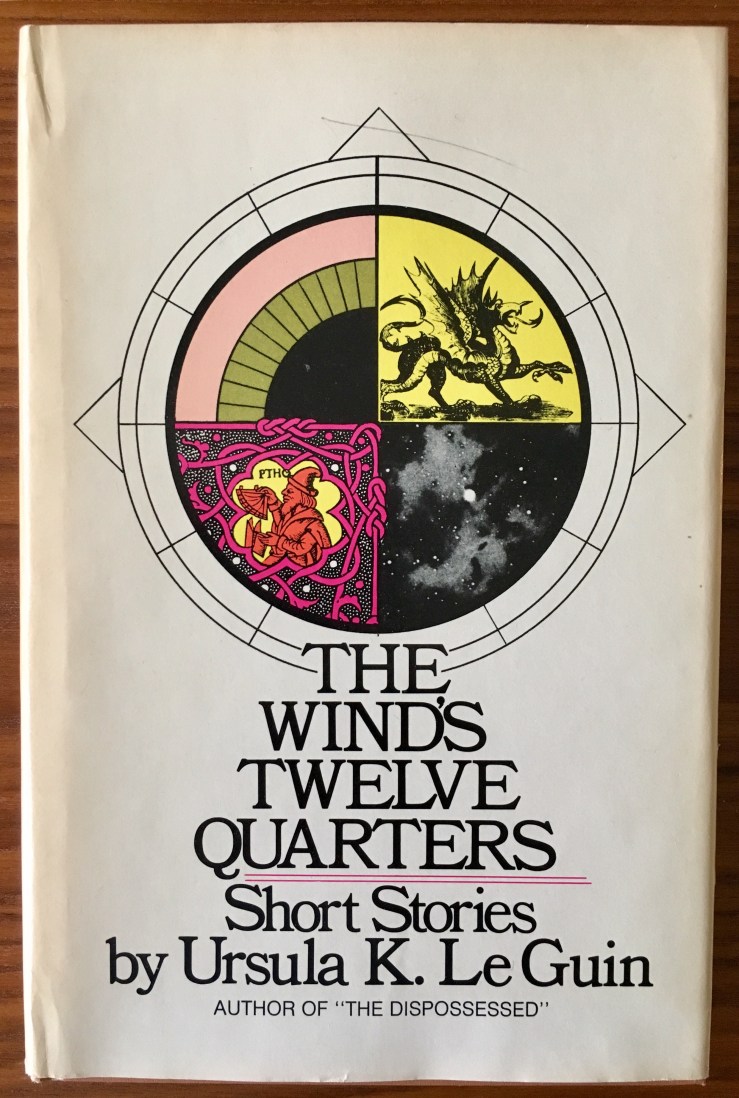
I picked up this handsome hardback collection of early Ursula K. LeGuin stories last Friday when I went to my local used bookshop. I was there looking for something else.

I wasn’t looking for stories by Walter Abish (and I can’t remember how or why I picked this up, but I read part of it in the store…I mean I can’t recall why I was in the “A’s” for Atwood or Abish):

img_5055-1

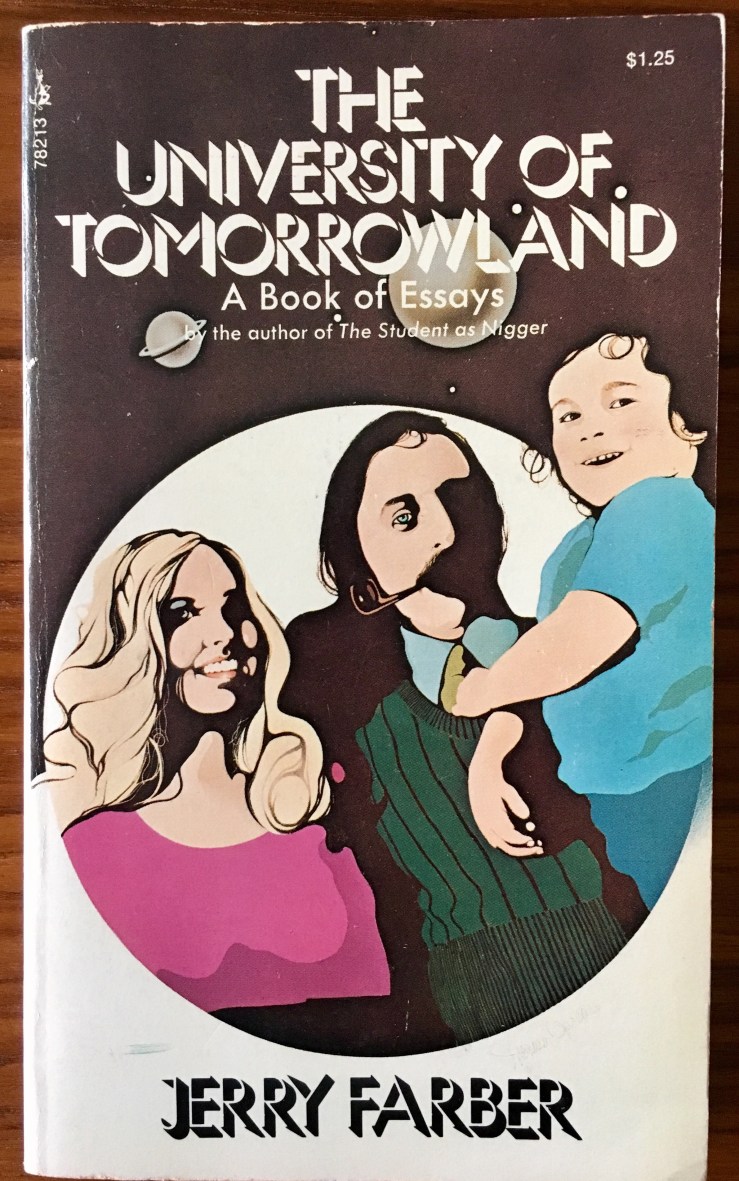
And I wasn’t looking for essays by Jerry Farber (this weird mass market paperback was crammed into a completely wrong section—misshelved as if someone was trying to hide it. The font on the spine prompted me to pull it out, and I knew that the guy had written “The Student as Nigger”….I started reading “Why People Love Capitalism” and decided to pick it up):
img_5056-1

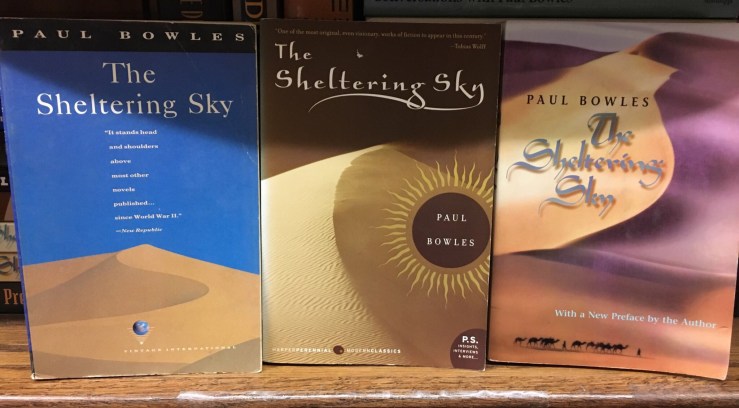
What I was looking for was Paul Bowles’s novel The Sheltering Sky, which is prominent on my to-read list after devouring The Stories of Paul Bowles. But I simply couldn’t come to terms with these covers:
img_4987

I mean, look, I know I shouldn’t care about the cover, but these are dreadful, and it this point if I’m going to own a paper book, it needs to have some aesthetic merit. Aesthetic merit like the cover for this collection:
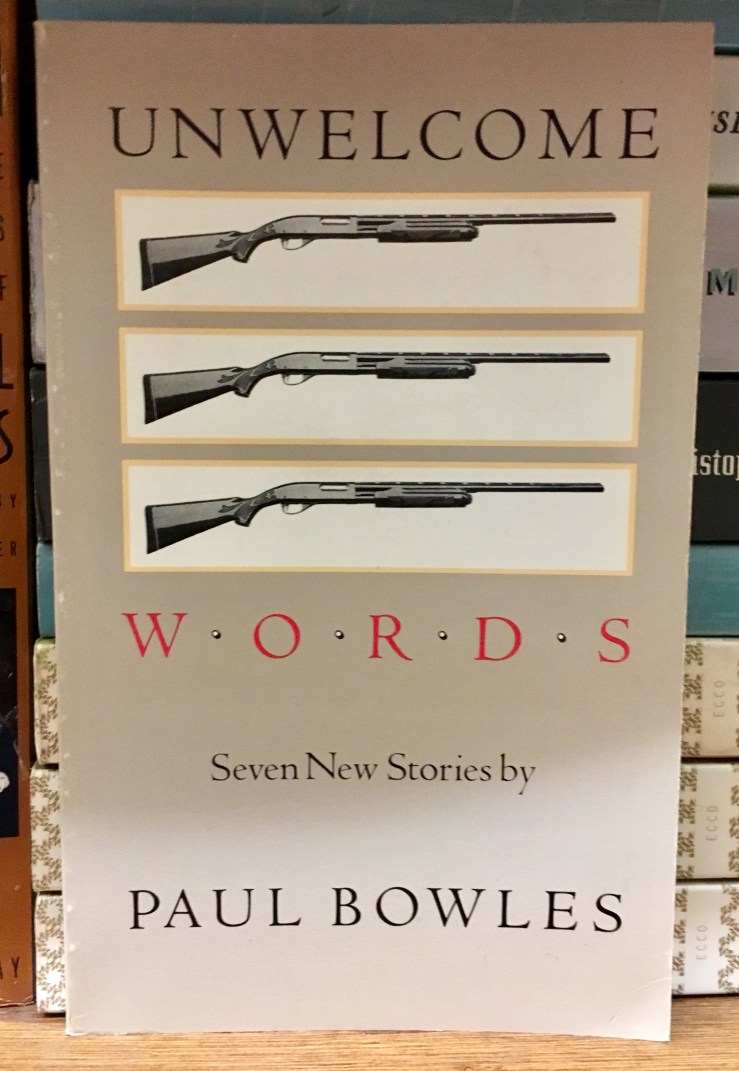
img_4985-1

(I didn’t pick it up because the seven stories are in The Stories of Paul Bowles).

A last thought on covers:
“There’s quite a bit of schmaltz in Lincoln in the Bardo.”

Caleb Crain reviews George Saunders’s first novel Lincoln in the Bardo

First paragraph:

George Saunders’s new novel—his first, after four collections of short stories and a novella—takes place in the afterlife. Or rather, it takes place in the “bardo,” a term that Saunders has borrowed from Buddhism for what might be called the “justafterlife”—the interval between a ghost’s separation from its body and its departure for whatever comes next. As in The Sixth Sense and other movies and television shows, the ghosts imagined by Saunders linger in our world because they either don’t know they’re dead or aren’t yet resigned to leaving. “You are a wave that has crashed upon the shore,” they are told by browbeating angels who visit intermittently, but they refuse to listen.

Crain doesn’t exactly eviscerate Lincoln in the Bardo in his review (which also situates the novel in context with Saunders’s previous stories and essays), but he does make a strong case for passing on it.

John Henry — Frederick Brown

1995.22.1_1a.jpg

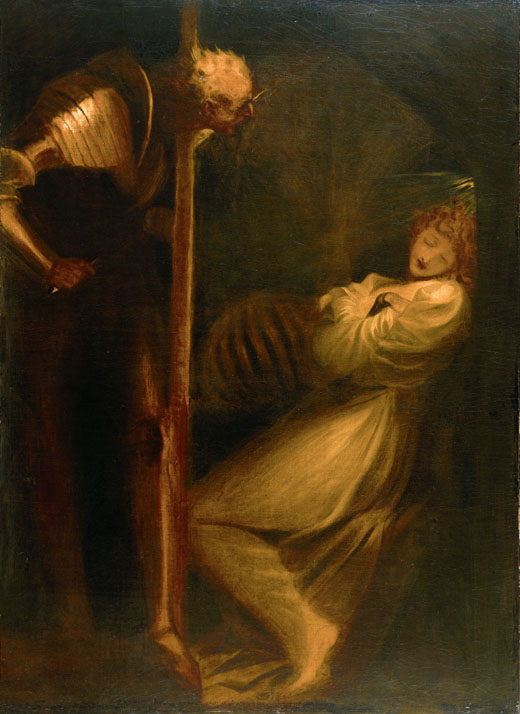
Wolfram Observing His Wife in Her Walled-in Cell with the Skeleton of Her Lover — Henry Fuseli

9.jpg