They grew gaunted and lank under the white suns of those days and their hollow burnedout eyes were like those of noctambulants surprised by day. Crouched under their hats they seemed fugitives on some grander scale, like beings for whom the sun hungered. Even the judge grew silent and speculative. He’d spoke of purging oneself of those things that lay claim to a man but that body receiving his remarks counted themselves well done with any claims at all. They rode on and the wind drove the fine gray dust before them and they rode an army of gray-beards, gray men, gray horses. The mountains to the north lay sunwise in corrugated folds and the days were cool and the nights were cold and they sat about the fire each in his round of darkness in that round of dark while the idiot watched from his cage at the edge of the light. The judge cracked with the back of an axe the shinbone on an antelope and the hot marrow dripped smoking on the stones. They watched him. The subject was war.
The good book says that he that lives by the sword shall perish by the sword, said the black.
The judge smiled, his face shining with grease.
What right man would have it any other way? he said.
The good book does indeed count war an evil, said Irving. Yet there’s many a bloody tale of war inside it.
It makes no difference what men think of war, said the judge. War endures. As well ask men what they think of stone. War was always here. Before man was, war waited for him. The ultimate trade awaiting its ultimate practitioner. That is the way it was and will be. That way and not some other way.
He turned to Brown, from whom he’d heard some whispered slur or demurrer. Ah Davy, he said. It’s your own trade we honor here. Why not rather take a small bow. Let each acknowledge each.
My trade?
Certainly.
What is my trade?
War. War is your trade. Is it not?
And it aint yours?
Mine too. Very much so.
What about all them notebooks and bones and stuff?
All other trades are contained in that of war.
Is that why war endures?
No. It endures because young men love it and old men love it in them. Those that fought, those that did not.
That’s your notion.
The judge smiled. Men are born for games. Nothing else. Every child knows that play is nobler than work. He knows too that the worth or merit of a game is not inherent in the game itself but rather in the value of that which is put at hazard. Games of chance require a wager to have meaning at all. Games of sport involve the skill and strength of the opponents and the humiliation of defeat and the pride of victory are in themselves sufficient stake because they inhere in the worth of the principals and define them. But trial of chance or trial of worth all games aspire to the condition of war for here that which is wagered swallows up game, player, all.
Suppose two men at cards with nothing to wager save their lives. Who has not heard such a tale? A turn of the card. The whole universe for such a player has labored clanking to this moment which will tell if he is to die at that man’s hand or that man at his. What more certain validation of a man’s worth could there be? This enhancement of the game to its ultimate state admits no argument concerning the notion of fate. The selection of one man over another is a preference absolute and irrevocable and it is a dull man indeed who could reckon so profound a decision without agency or significance either one. In such games as have for their stake the annihilation of the defeated the decisions are quite clear. This man holding this particular arrangement of cards in his hand is thereby removed from existence. This is the nature of war, whose stake is at once the game and the authority and the justification. Seen so, war is the truest form of divination. It is the testing of one’s will and the will of another within that larger will which because it binds them is therefore forced to select. War is the ultimate game because war is at last a forcing of the unity of existence. War is god. Brown studied the judge.
You’re crazy Holden. Crazy at last.
The judge smiled.

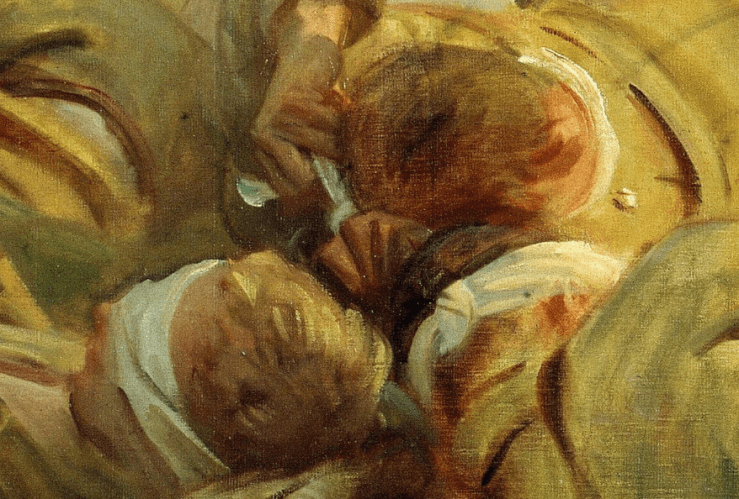
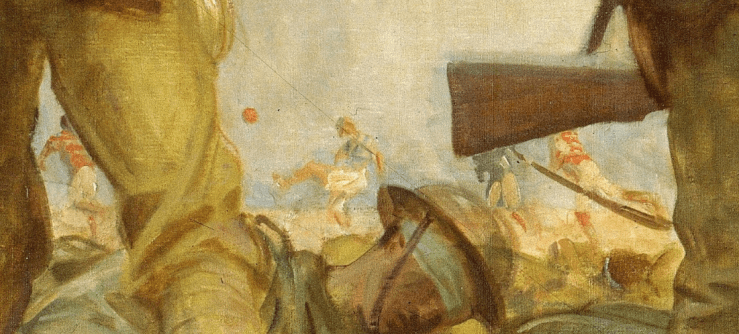
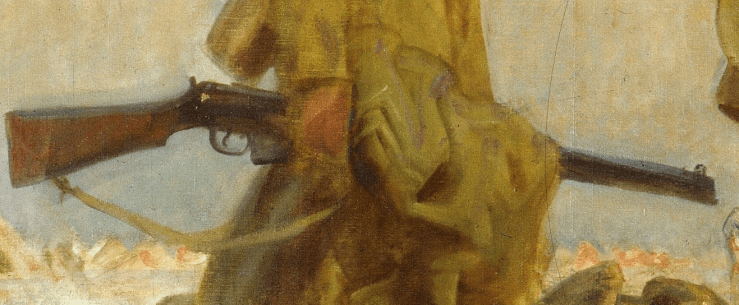
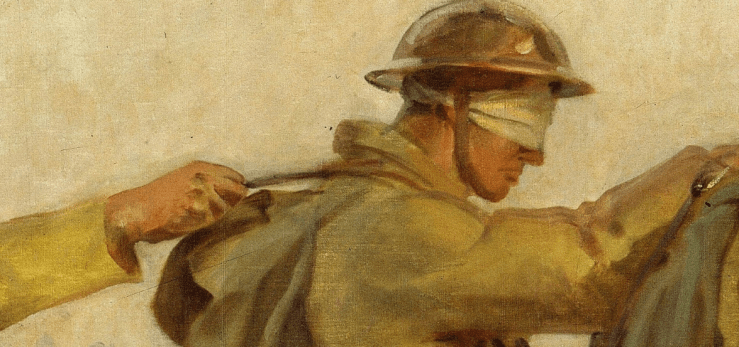
 Biblioklept