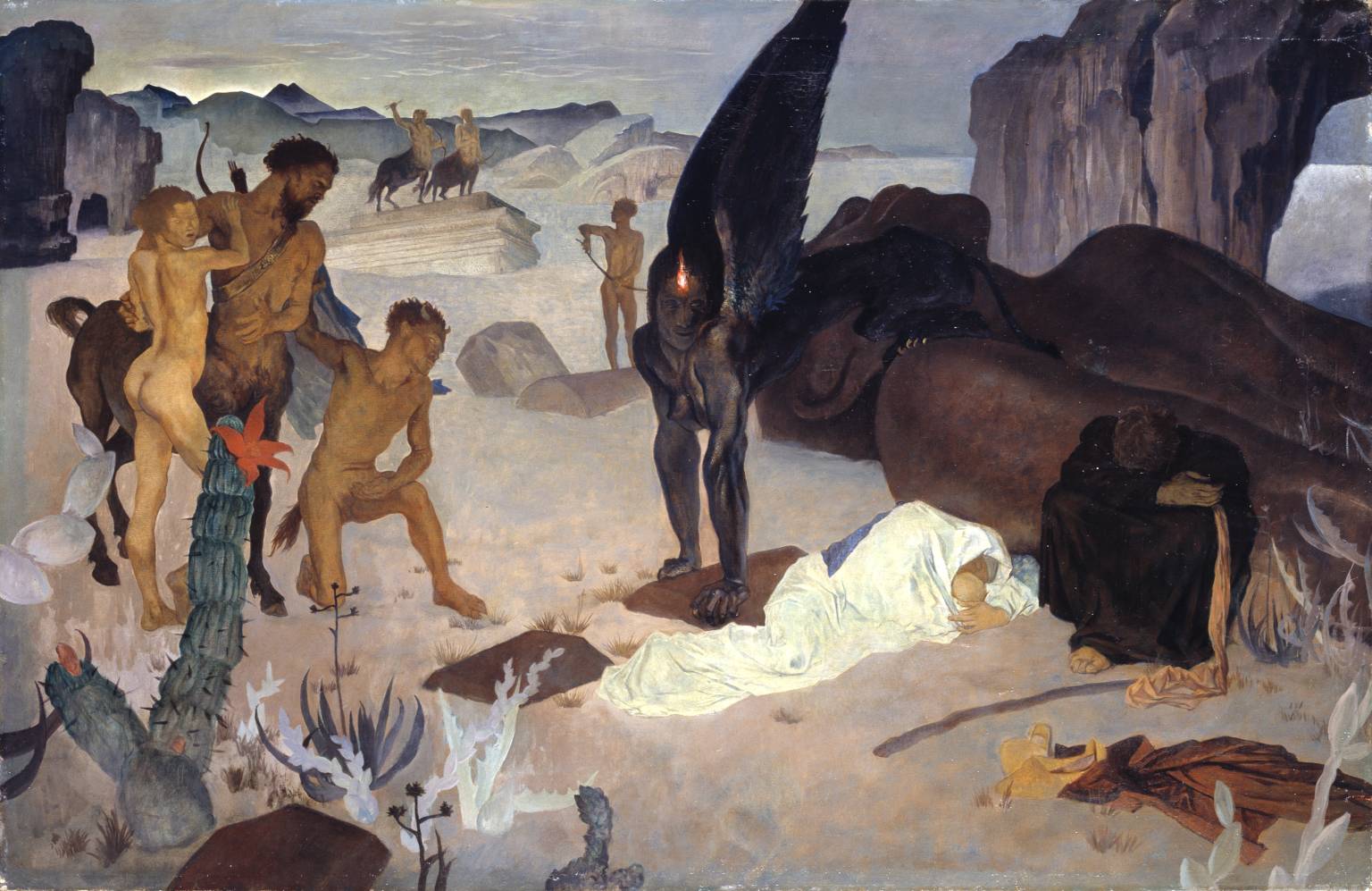
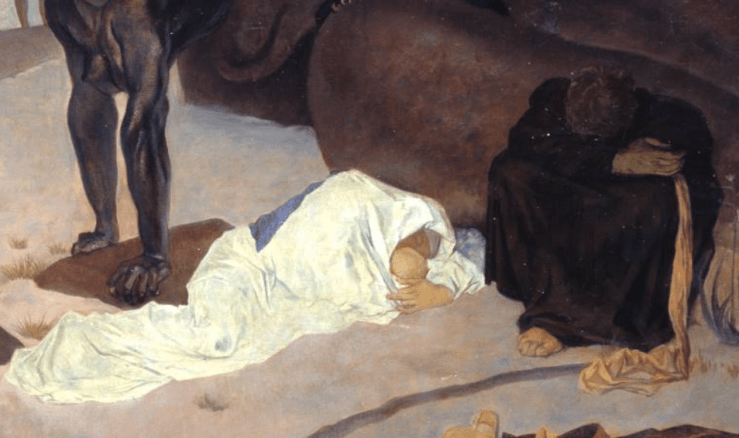
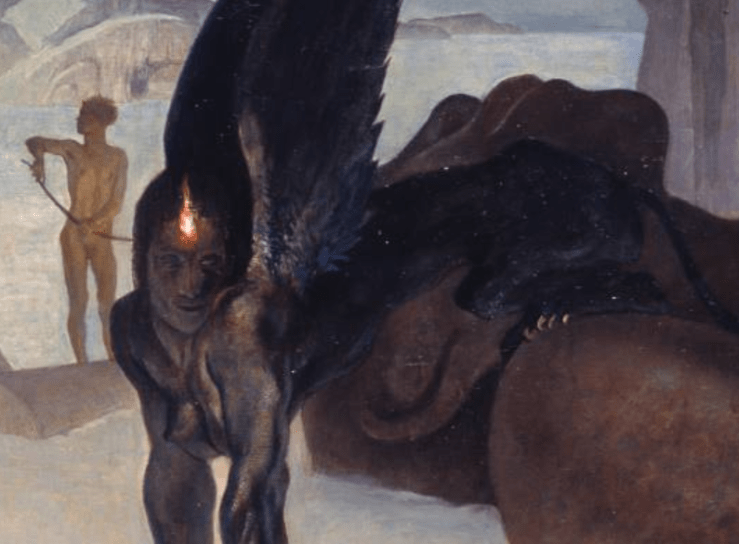
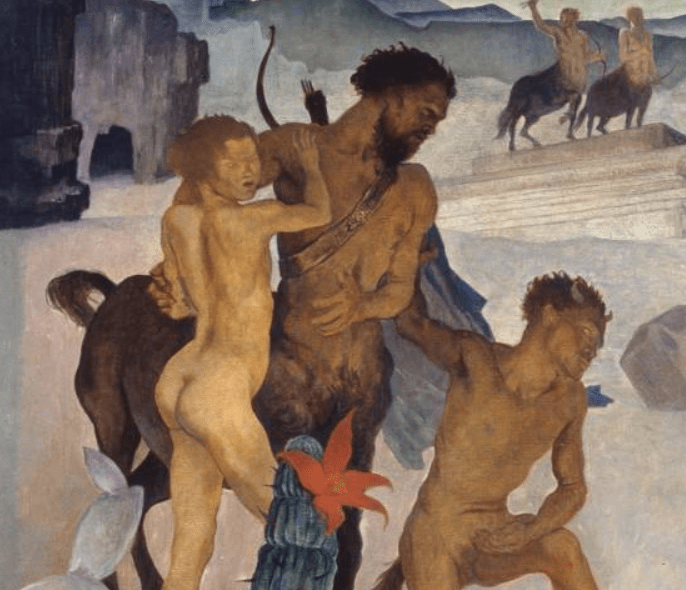
Repose on the Flight into Egypt, 1922 by Glyn Warren Philpot (1884 – 1937)

Repose on the Flight into Egypt, 1922 by Glyn Warren Philpot (1884 – 1937)

Trash and Trashcan, 1970 by Neil Jenney (b. 1945)
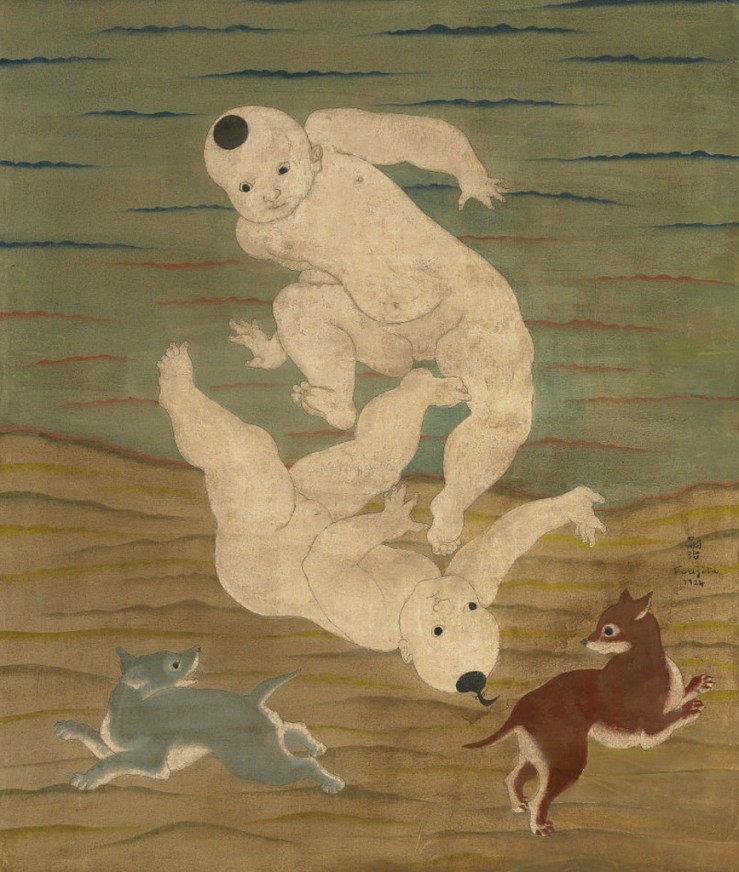
The Children, 1924 by Tsuguharu Foujita (1886–1968)
Otherwise I scarcely know what to say to your request for help on ‘more background’ first, I think, and I am not being facetious when I plead not that it’s so long since I wrote it but that [following a strikeover] (I’ve been typing all day and getting a little bleary) so long since I read it. If I named a single influence it would certainly be TS Eliot who still takes my breath away as he did then (and as a fair number of his lines sprinkled through the book might attest). Regarding any ‘message’, perhaps that art abides and the artist is its tool and victim but despite that it is the only enterprise worth embracing in the attempt to justify life; that art executed without love is bad (false) art but such love is not easy to come by. There was a corollary there too with God (perfection, gold) and the driving impossibility of grasping it because of our finite condition but that attempt being all we have to justify this finite condition (page 689 at the top I suppose is the key to the book if there is such). And in taking it down just now to look for this reference I read a few pages at random and must confess found them quite entertaining. I suppose if there has been one immense frustration with the book’s often grudging acceptance it has been how few people seemed able to permit themselves, despite its so-called ‘erudition’, to simply enjoy it.
From Letters of William Gaddis, edited by Steven Moore. Excerpted from a 1972 reply to Jeanne G. Howes, a student at Case Western Reserve University who wrote a thesis on The Recognitions.

Waiting for a Chance, 1999 — Tetsuya Ishida (1973-2005)
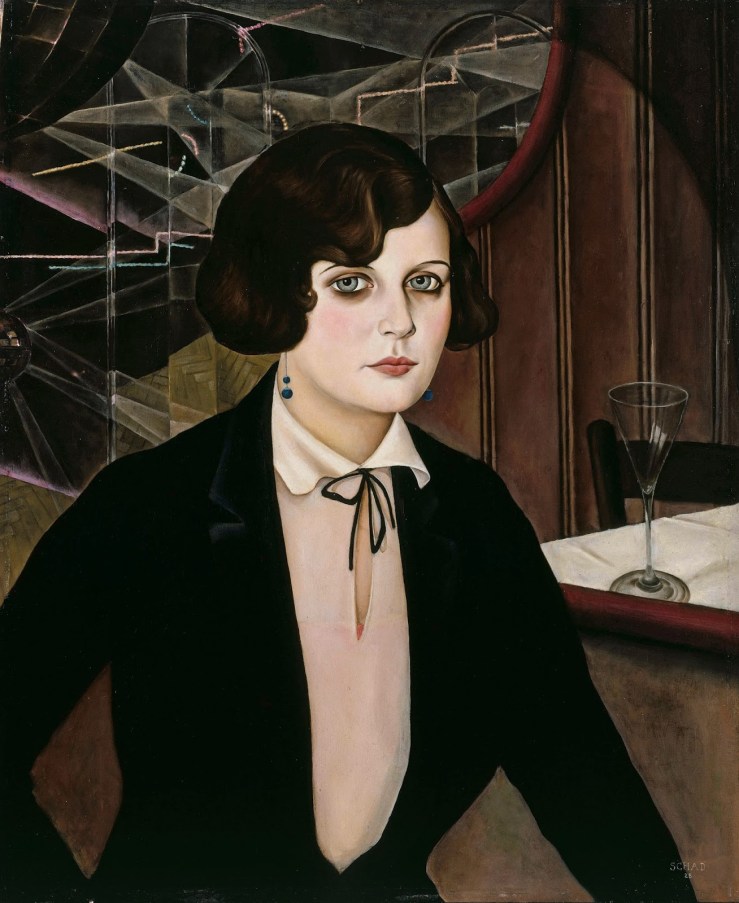
Lotte, 1927 by Christian Schad (1894-1982)
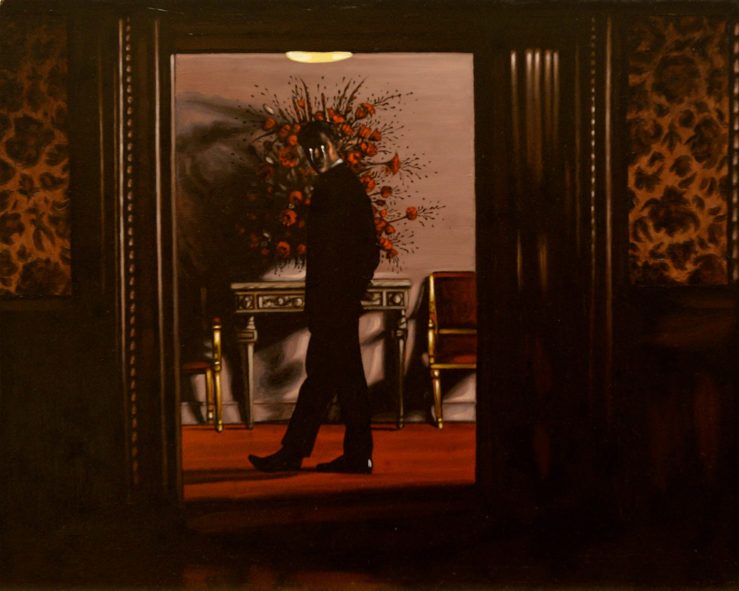
Escaping the Candy Jail with My Good Eye Closed 2, 2016 by Drew Simpson
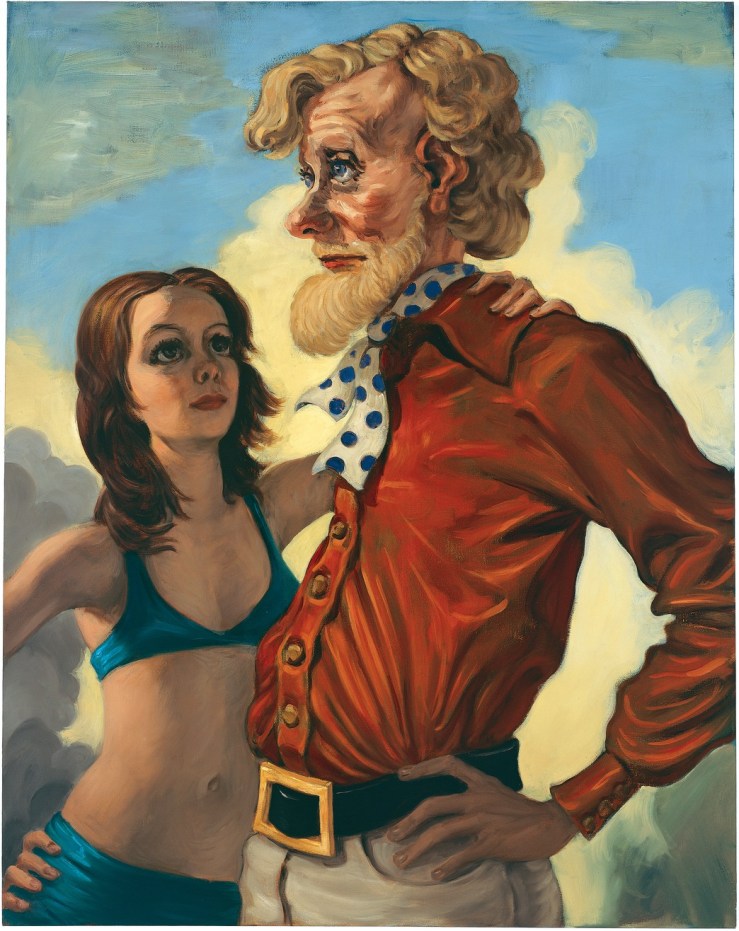
The Neverending Story, 1994 by John Currin (b. 1962)

Super Saian George With Trojan Horse, 2018 by Mu Pan (b. 1976)
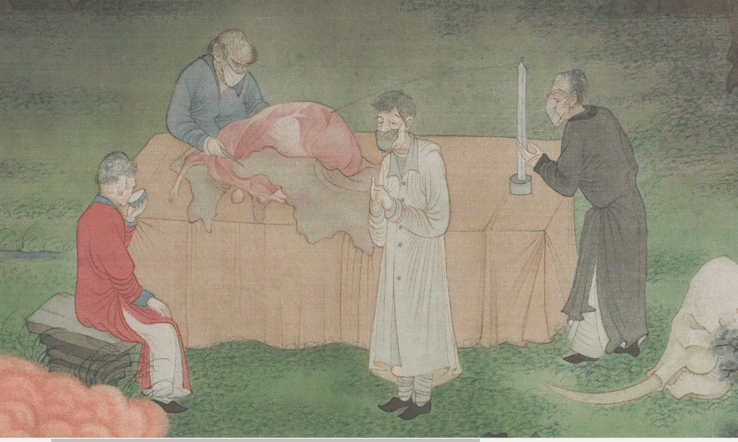
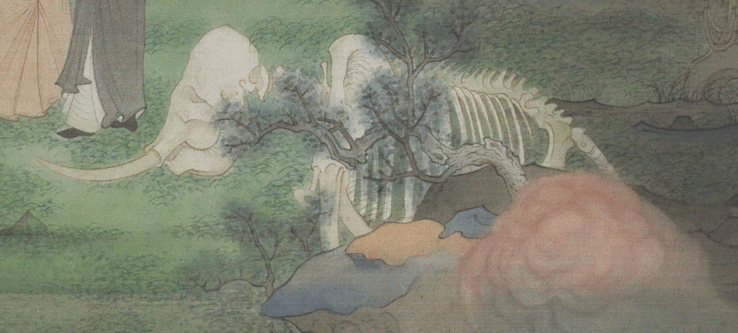
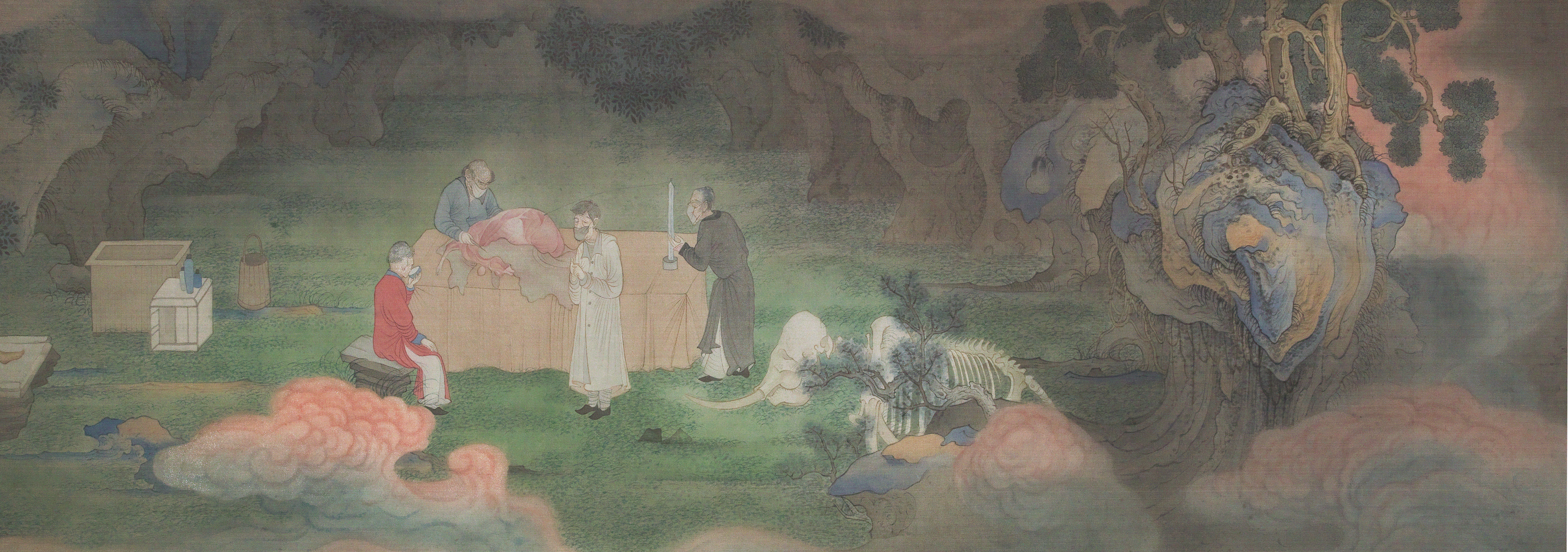 The Tale of Clouds, 2013 by Hao Liang (b. 1983)
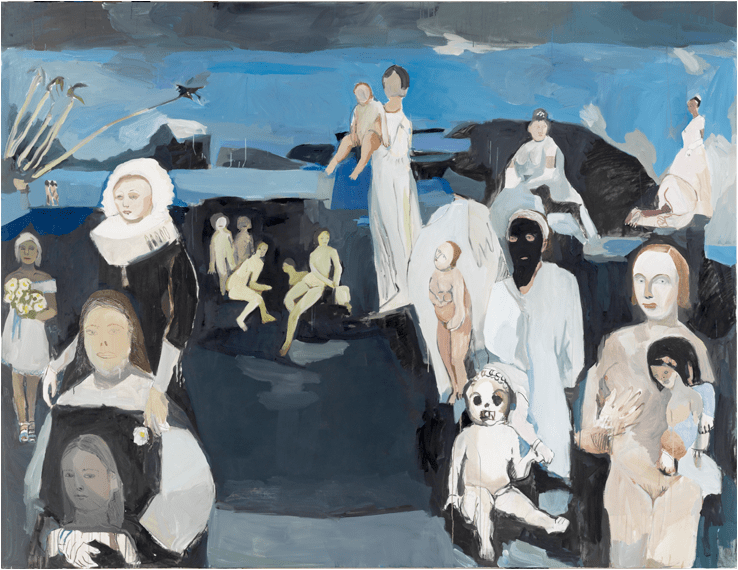
Donner Dames, 2011 by Helen Verhoeven (b. 1974)
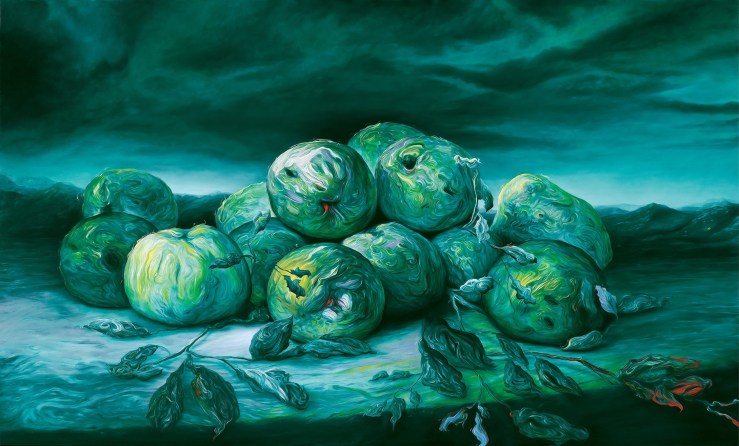
Burlesque, 2008 by Glenn Brown (b. 1966)
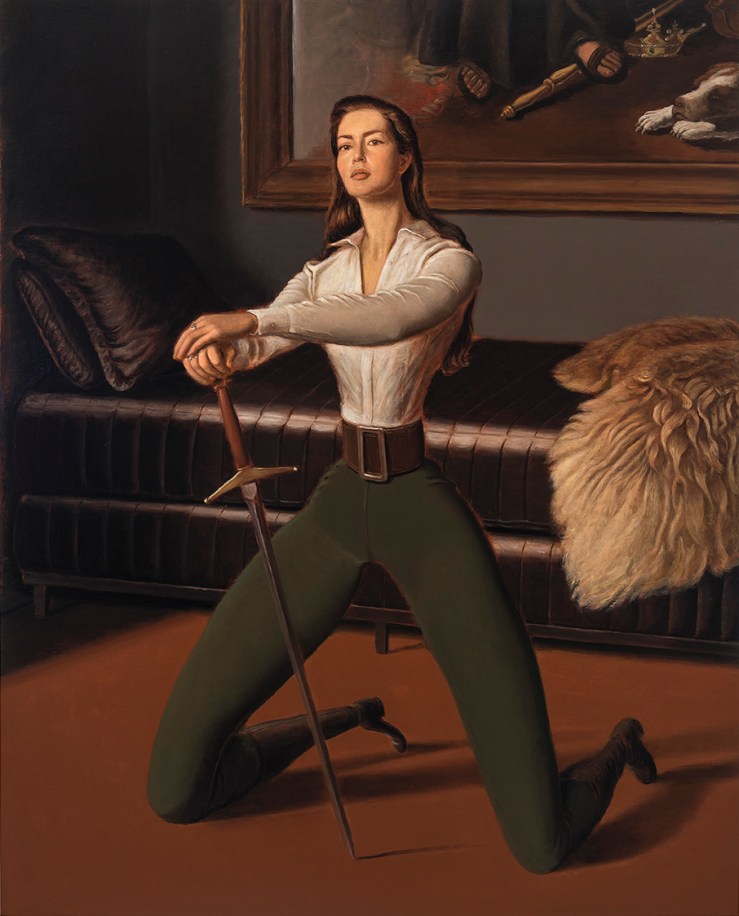
Swordswoman, 2018 by Jansson Stegner (b. 1972)
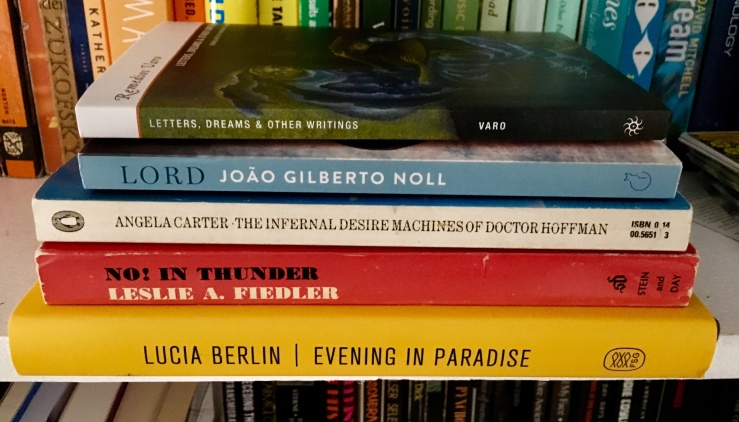
I finished Angela Carter’s surreal fantasia The Infernal Desire Machines of Doctor Hoffman a week or so ago, in a bit of a fever at its depraved horniness. Hoffman sprints along with an out-of-the-frying-pan-into-the-fire energy. The story is essentially a picaresque adventure—our narrator Desiderio sets out on a mission to assassinate Dr. Hoffman, a not-really-mad scientist who’s waging war on reality. Desiderio falls in love with Hoffman’s daughter Albertina though, complicating matters. All kinds of wild shit happens in each episode of the book—indeed, each chapter feels like it could stand on its own as a short story. I loved it, and it deserves a proper review, but for now I’ll lazily compare it to a bunch of other books I loved: Voltaire’s Candide, Réage’s Story of O, Le Guin’s The Farthest Shore, Kafka’s The Castle, Acker’s Don Quixote, any of Robert Coover’s fables, Kristeva’s Powers of Horror, and Swift’s Gulliver’s Travels. Oh, and video games. Someone could make a fantastic video game out of The Infernal Desire Machines of Doctor Hoffman.
I read the first half of João Gilberto Noll’s novel Lord (new in English translation by Edgar Garbeletto) on Sunday. The book is seriously weird. The narrator is “a Brazilian who wrote books that were mostly well received by critics but not the public.” The Brazilian novelist (a strange cipher of Noll himself) arrives in London in the winter on a “mission.” What that mission is is completely unclear, but it seems to involve an English university. Like the other Noll books I’ve read, Quiet Creature on the Corner and Atlantic Hotel, Lord moves on its own dream logic. The narrator seems unstuck in both time and space. He’s an abject voice trying to reinvent himself from the outside in—but his disintegration seems fatally imminent.
I’ve also started in on the latest Lucia Berlin collection, Evening in Paradise, reading the first three stories. The first two, “The Musical Vanity Boxes” (which I’d read before in Homesick) and “Sometimes in Summer” are memoir pieces set in Berlin’s childhood home of El Paso (or, more properly I suppose, El Paso–Juárez). There’s a frankness to these tales that’s remarkable, an artistry of storytelling that never announces itself as such. The stories read like vivid recollections, and center on a very young Lucia and her best friend Hope, a Syrian immigrant. There’s an underlying menace here, too, a sense that these two friends might fall into disaster at any given moment. (In this way, these stories recalled the young female friends at the center of Elena Ferrante’s My Brilliant Friend who slowly come into consciousness of the real world around them). The third story in the collection “Andado: A Gothic Romance” is written in the third-person, although its hero “Laura” is clearly a stand-in for a teenage Lucia. Laura, like Lucia was, is an ex-pat teenager living in Chile. “Andado” too offers a slow swelling malice, as we perceive the dangers that Laura cannot. The story culminates in an impressionistic dreamlike sequence that matches Laura’s shaken psyche. I’m trying to restrain myself from reading all of these stories too fast.
I’ve poked about in Leslie Fiedler’s collection No! In Thunder, reading first his essay on Walt Whitman, and then his essay on Faulkner (it trapped me with its title: “William Faulkner, Highbrows’ Lowbrow”).
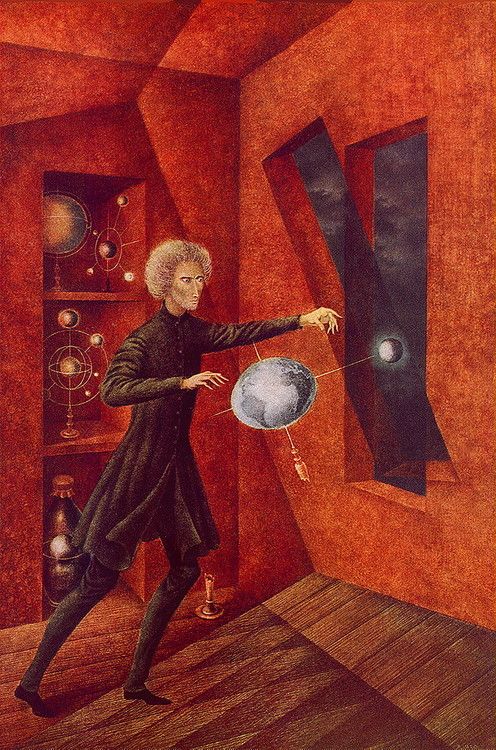
Finally, I’ve been reading Letters, Dreams & Other Writings by Remedios Varo (translated by Margaret Carson) in bits and pieces. I really dig the book and am happy Carson translated it and Wakefield Press published it. There’s a neat section where Varo describes her paintings—like this, for example:
Phenomenon of Weightlessness, 1963
The Earth escapes from its axis and its center of gravity to the great surprise of the astronomer, who tries to keep his balance with his left foot standing in one dimension and his right foot standing in another.
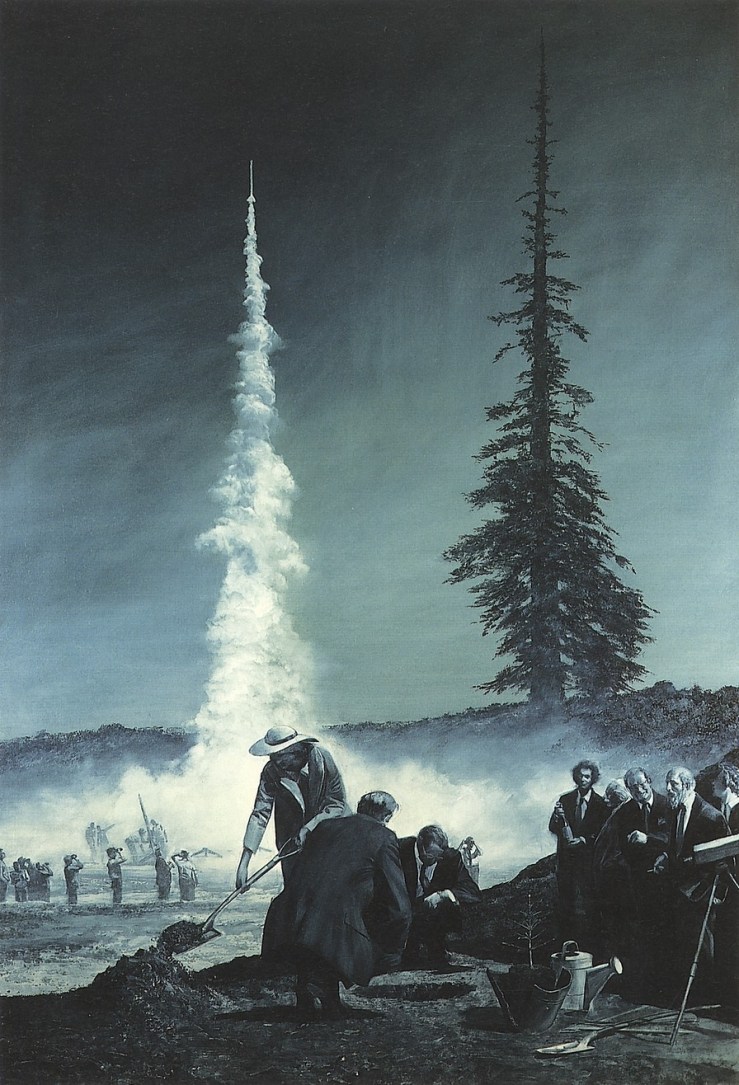
Achilles and the Tortoise, 1986 by Mark Tansey (b. 1949)
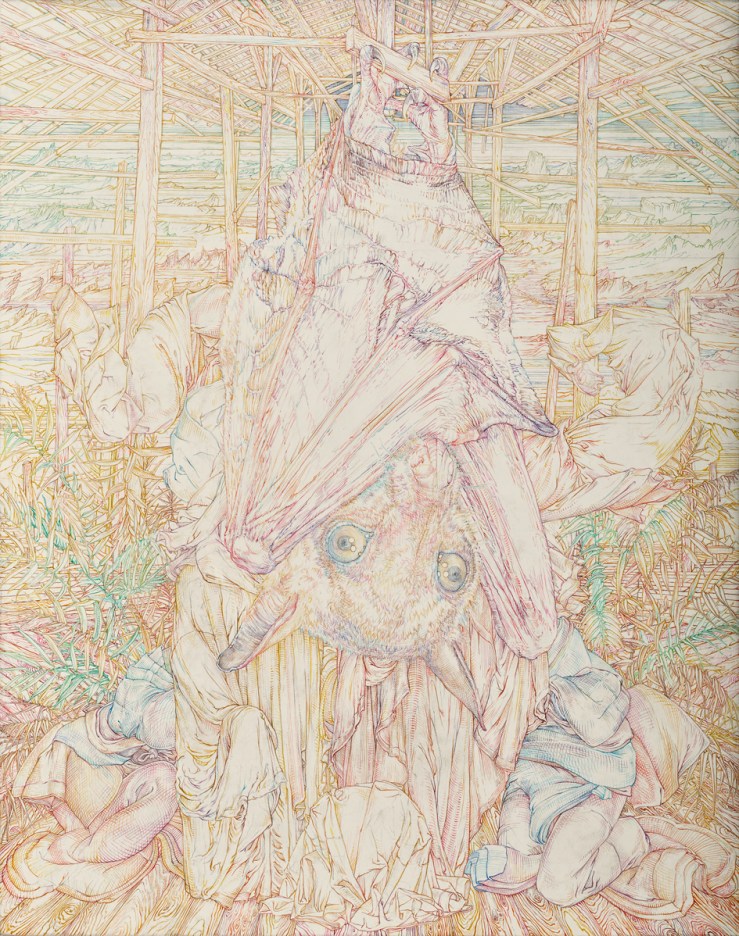
Untitled, 2013 by Koen De Cock
 Biblioklept