Art abides (William Gaddis)

Otherwise I scarcely know what to say to your request for help on ‘more background’ first, I think, and I am not being facetious when I plead not that it’s so long since I wrote it but that [following a strikeover] (I’ve been typing all day and getting a little bleary) so long since I read it. If I named a single influence it would certainly be TS Eliot who still takes my breath away as he did then (and as a fair number of his lines sprinkled through the book might attest). Regarding any ‘message’, perhaps that art abides and the artist is its tool and victim but despite that it is the only enterprise worth embracing in the attempt to justify life; that art executed without love is bad (false) art but such love is not easy to come by. There was a corollary there too with God (perfection, gold) and the driving impossibility of grasping it because of our finite condition but that attempt being all we have to justify this finite condition (page 689 at the top I suppose is the key to the book if there is such). And in taking it down just now to look for this reference I read a few pages at random and must confess found them quite entertaining. I suppose if there has been one immense frustration with the book’s often grudging acceptance it has been how few people seemed able to permit themselves, despite its so-called ‘erudition’, to simply enjoy it.

From Letters of William Gaddis, edited by Steven Moore. Excerpted from a 1972 reply to Jeanne G. Howes, a student at Case Western Reserve University who wrote a thesis on The Recognitions.

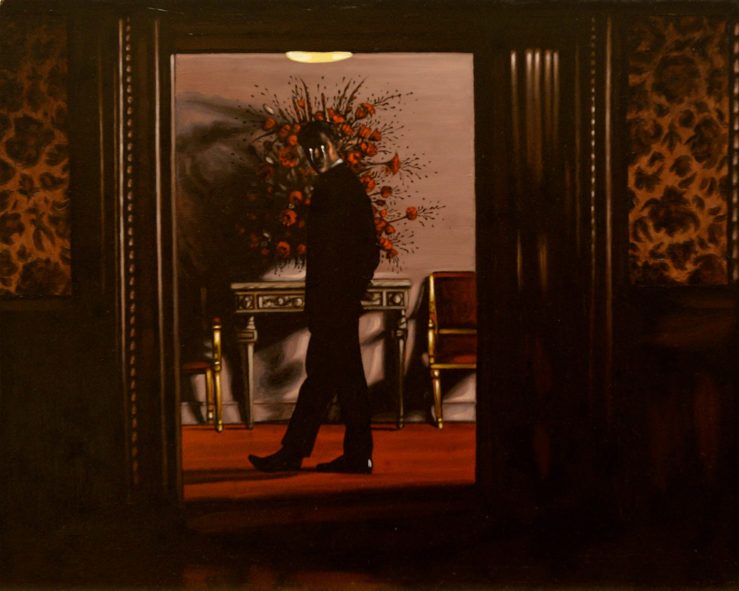
Waiting for a Chance — Tetsuya Ishida

kisdg-oa5cmv_2340x1316

Waiting for a Chance, 1999 — Tetsuya Ishida (1973-2005)

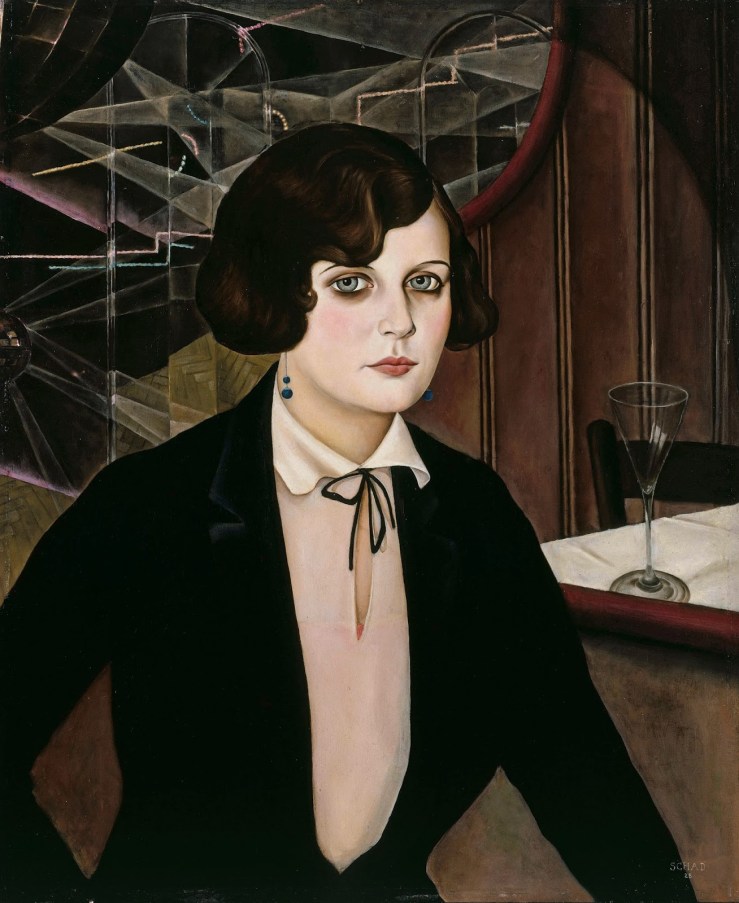
Lotte — Christian Schad

af5c635bae10f0c8657a06484d150516

Lotte, 1927 by Christian Schad (1894-1982)

Escaping the Candy Jail with My Good Eye Closed 2 — Drew Simpson

4

Escaping the Candy Jail with My Good Eye Closed 2, 2016 by Drew Simpson

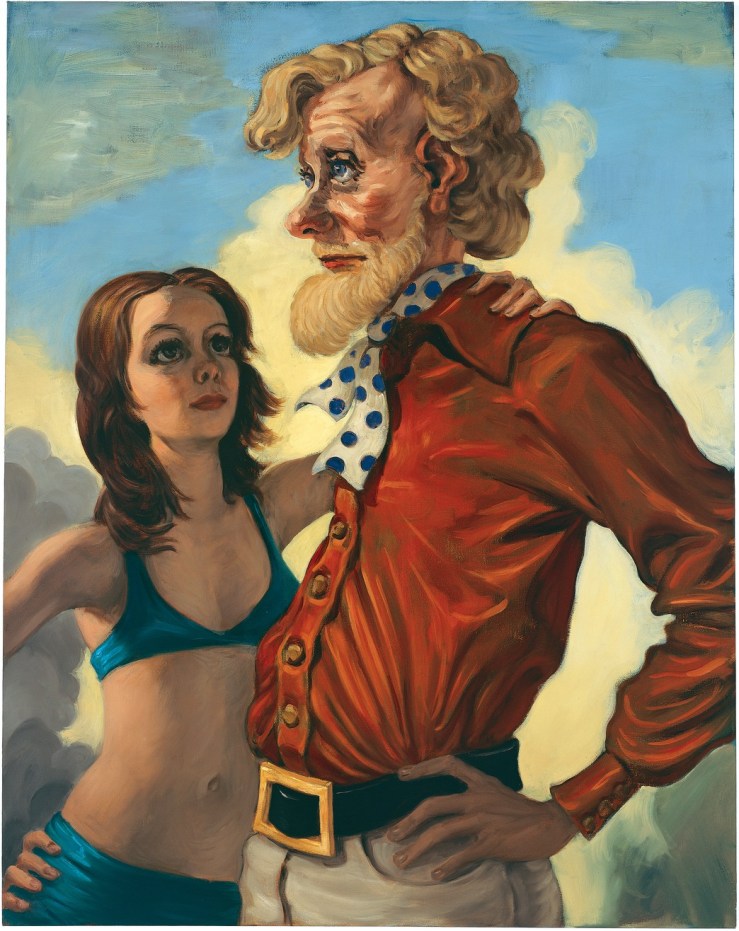
The Neverending Story — John Currin

pen2dwmygtm3_2340x1316

The Neverending Story, 1994 by John Currin (b. 1962)

Super Saian George with Trojan Horse — Mu Pan

trojan_horse_fb

Super Saian George With Trojan Horse, 2018 by Mu Pan (b. 1976)

Morgan Neville on Orson Welles’s F for Fake

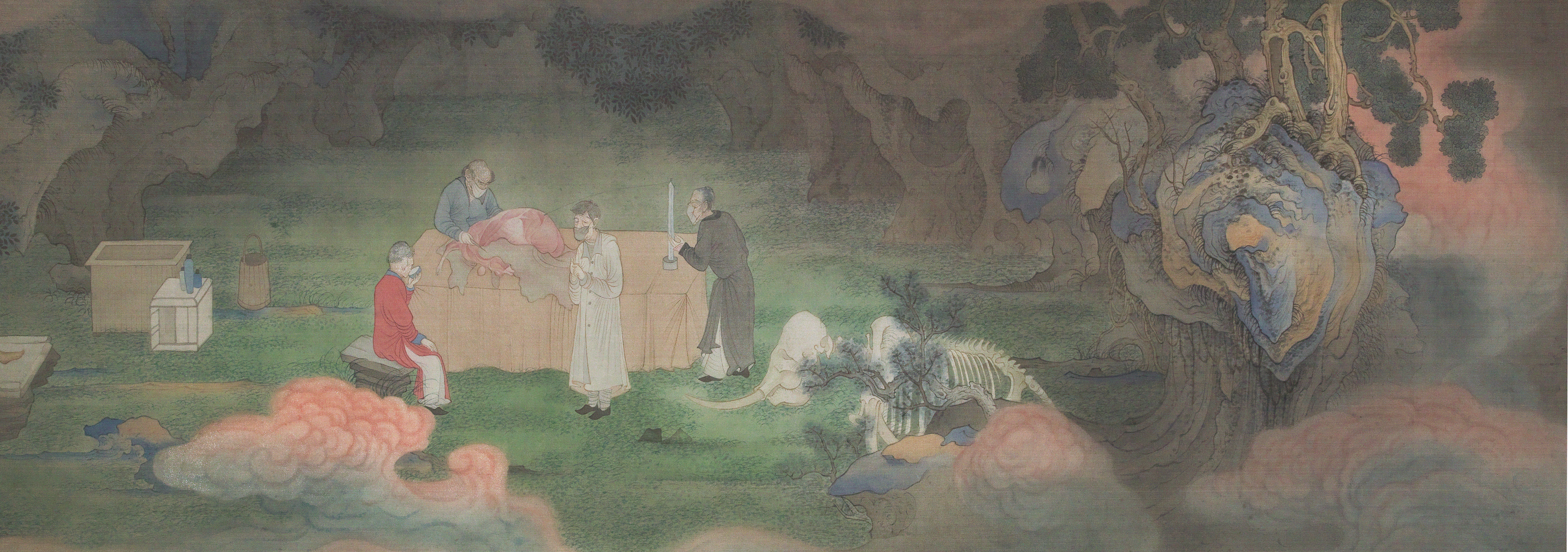
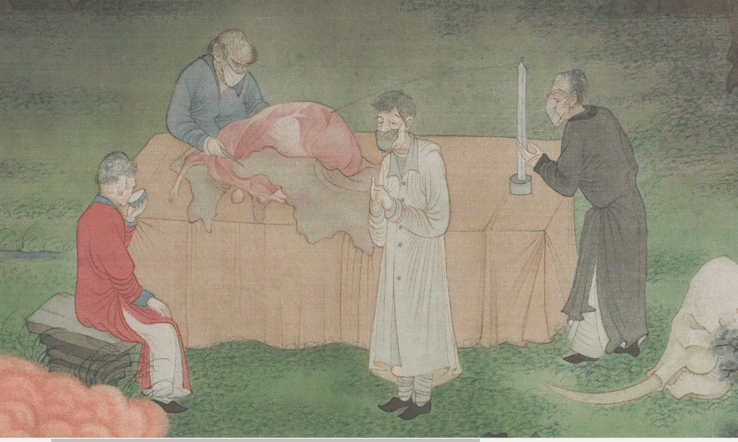
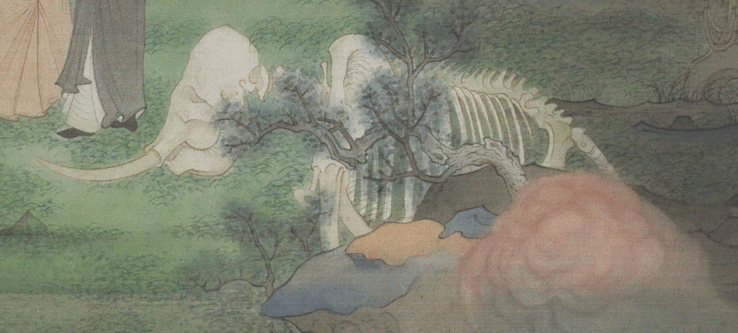
The Tale of Clouds — Hao Liang

2014_sha_03397_0225_001hao_liang_the_tale_of_cloudsThe Tale of Clouds, 2013 by Hao Liang (b. 1983)

ab

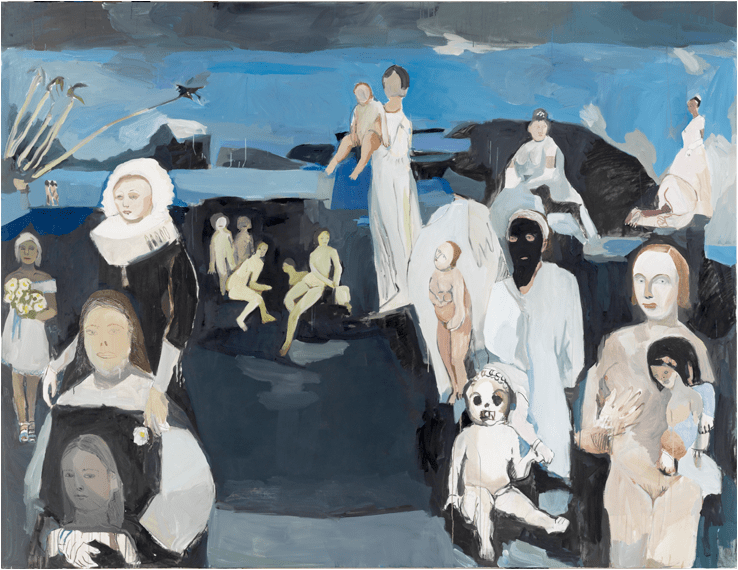
Donner Dames — Helen Verhoeven

image074

Donner Dames, 2011 by Helen Verhoeven (b. 1974)

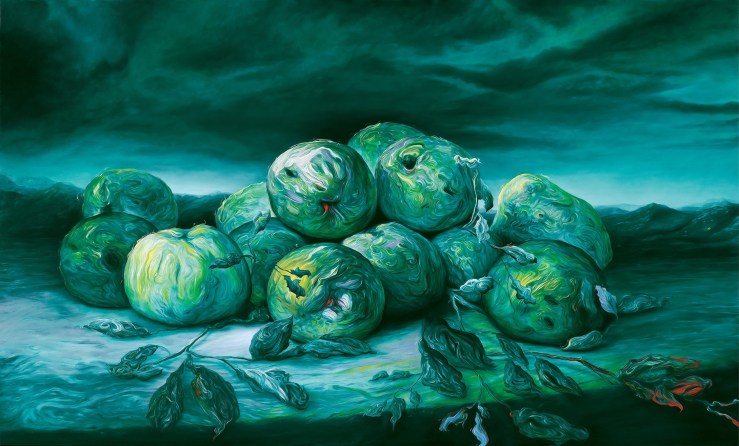
Burlesque — Glenn Brown

b0vnnbp2-9sr_2340x1316

Burlesque, 2008 by Glenn Brown (b. 1966)

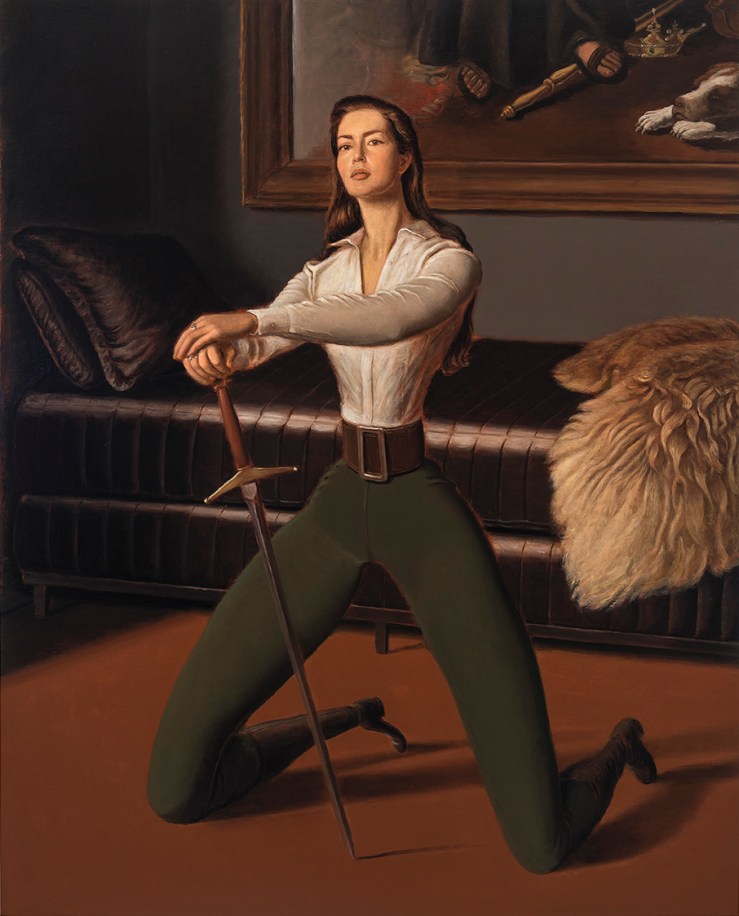
Swordswoman — Jansson Stegner 

swordswomanweb

Swordswoman, 2018 by Jansson Stegner (b. 1972)

Blog about some recent reading

img_2128

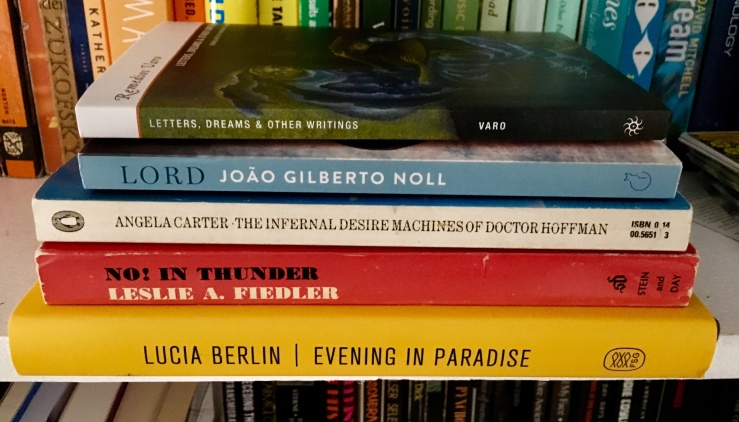
I finished Angela Carter’s surreal fantasia The Infernal Desire Machines of Doctor Hoffman a week or so ago, in a bit of a fever at its depraved horniness. Hoffman sprints along with an out-of-the-frying-pan-into-the-fire energy. The story is essentially a picaresque adventure—our narrator Desiderio sets out on a mission to assassinate Dr. Hoffman, a not-really-mad scientist who’s waging war on reality. Desiderio falls in love with Hoffman’s daughter Albertina though, complicating matters. All kinds of wild shit happens in each episode of the book—indeed, each chapter feels like it could stand on its own as a short story. I loved it, and it deserves a proper review, but for now I’ll lazily compare it to a bunch of other books I loved: Voltaire’s Candide, Réage’s Story of O, Le Guin’s The Farthest Shore, Kafka’s The Castle, Acker’s Don Quixote, any of Robert Coover’s fables, Kristeva’s Powers of Horror, and Swift’s Gulliver’s Travels. Oh, and video games. Someone could make a fantastic video game out of The Infernal Desire Machines of Doctor Hoffman.

I read the first half of João Gilberto Noll’s novel Lord (new in English translation by Edgar Garbeletto) on Sunday. The book is seriously weird. The narrator is “a Brazilian who wrote books that were mostly well received by critics but not the public.” The Brazilian novelist (a strange cipher of Noll himself) arrives in London in the winter on a “mission.” What that mission is is completely unclear, but it seems to involve an English university. Like the other Noll books I’ve read, Quiet Creature on the Corner and Atlantic Hotel,  Lord moves on its own dream logic. The narrator seems unstuck in both time and space. He’s an abject voice trying to reinvent himself from the outside in—but his disintegration seems fatally imminent.

I’ve also started in on the latest Lucia Berlin collection, Evening in Paradise, reading the first three stories. The first two, “The Musical Vanity Boxes” (which I’d read before in Homesick) and “Sometimes in Summer” are memoir pieces set in Berlin’s childhood home of El Paso (or, more properly I suppose, El Paso–Juárez). There’s a frankness to these tales that’s remarkable, an artistry of storytelling that never announces itself as such. The stories read like vivid recollections, and center on a very young Lucia and her best friend Hope, a Syrian immigrant. There’s an underlying menace here, too, a sense that these two friends might fall into disaster at any given moment. (In this way, these stories recalled the young female friends at the center of Elena Ferrante’s My Brilliant Friend who slowly come into consciousness of the real world around them). The third story in the collection “Andado: A Gothic Romance” is written in the third-person, although its hero “Laura” is clearly a stand-in for a teenage Lucia. Laura, like Lucia was, is an ex-pat teenager living in Chile. “Andado” too offers a slow swelling malice, as we perceive the dangers that Laura cannot. The story culminates in an impressionistic dreamlike sequence that matches Laura’s shaken psyche. I’m trying to restrain myself from reading all of these stories too fast.

I’ve poked about in Leslie Fiedler’s collection No! In Thunder, reading first his essay on Walt Whitman, and then his essay on Faulkner (it trapped me with its title: “William Faulkner, Highbrows’ Lowbrow”).

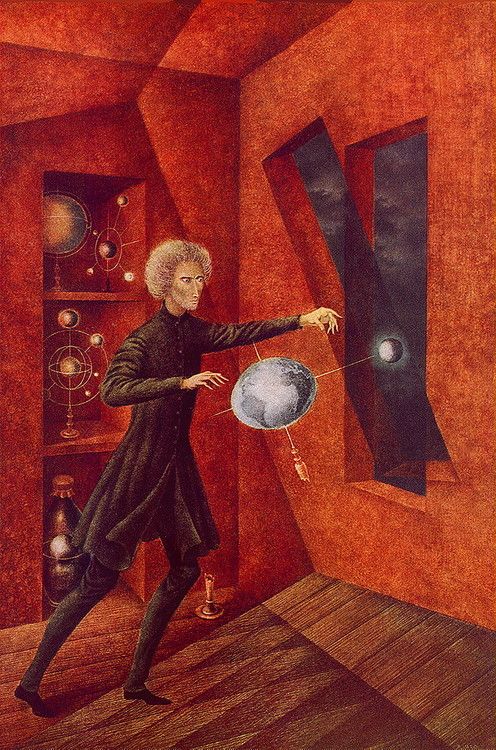
Finally, I’ve been reading Letters, Dreams & Other Writings by Remedios Varo (translated by Margaret Carson) in bits and pieces. I really dig the book and am happy Carson translated it and Wakefield Press published it. There’s a neat section where Varo describes her paintings—like this, for example:

Phenomenon of Weightlessness, 1963

The Earth escapes from its axis and its center of gravity to the great surprise of the astronomer, who tries to keep his balance with his left foot standing in one dimension and his right foot standing in another.
aeb34488236480657dc6aba97fc2d00d

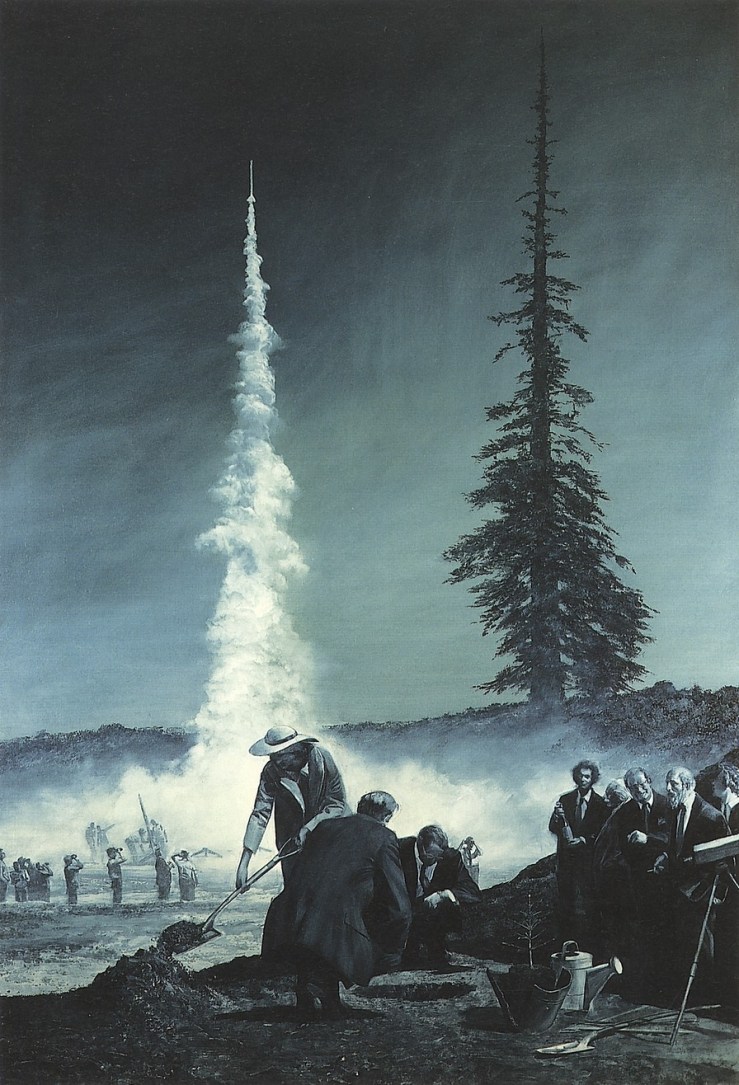
Achilles and the Tortoise — Mark Tansey

w6ykkoobuzck_2340x1316

Achilles and the Tortoise, 1986 by Mark Tansey (b. 1949)

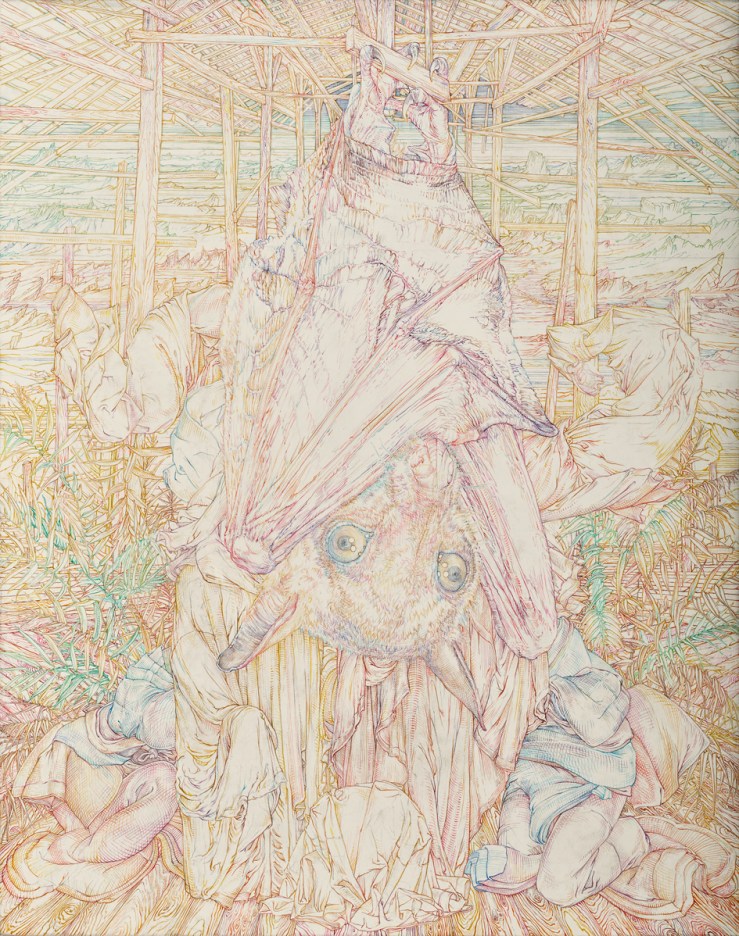
Untitled (Bat) — Koen De Cock

27fulloil

Untitled, 2013 by Koen De Cock

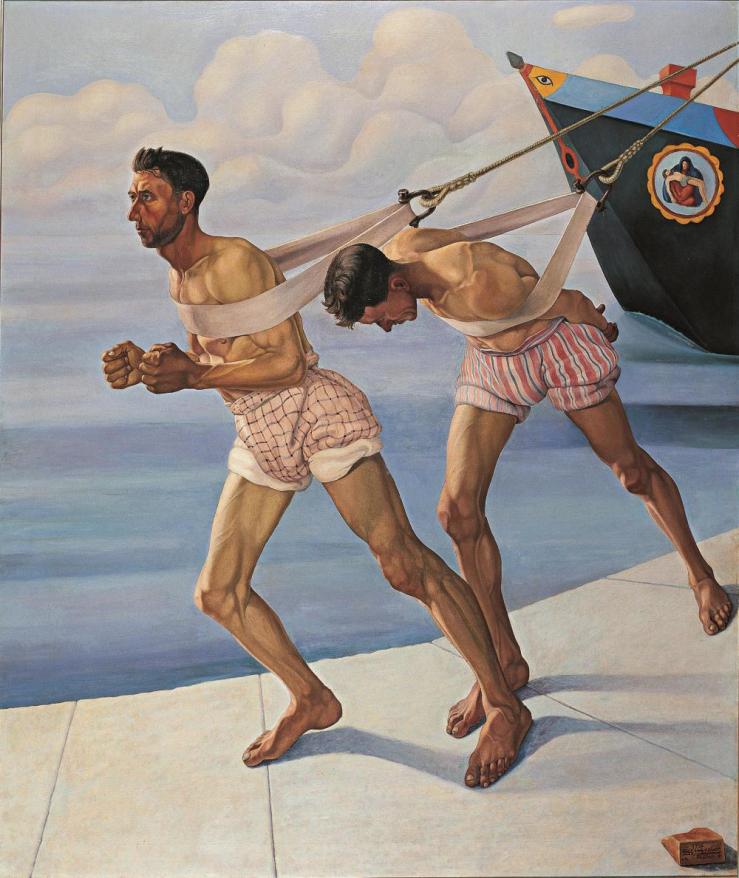
L’Alzana — Cagnaccio di San Pietro

cagnaccio-di-san-pietro-lalzana-1926

L’Alzana, 1926 by Cagnaccio di San Pietro (1897 – 1946)

Almayer’s Folly — Rene Magritte

78831

Almayer’s Folly, 1951 by René Magritte (1898-1967)

“Kaspar!  Makan!”

The well-known shrill voice startled Almayer from his dream of splendid future into the unpleasant realities of the present hour.  An unpleasant voice too.  He had heard it for many years, and with every year he liked it less.  No matter; there would be an end to all this soon.

He shuffled uneasily, but took no further notice of the call.  Leaning with both his elbows on the balustrade of the verandah, he went on looking fixedly at the great river that flowed—indifferent and hurried—before his eyes.  He liked to look at it about the time of sunset; perhaps because at that time the sinking sun would spread a glowing gold tinge on the waters of the Pantai, and Almayer’s thoughts were often busy with gold; gold he had failed to secure; gold the others had secured—dishonestly, of course—or gold he meant to secure yet, through his own honest exertions, for himself and Nina.  He absorbed himself in his dream of wealth and power away from this coast where he had dwelt for so many years, forgetting the bitterness of toil and strife in the vision of a great and splendid reward.  They would live in Europe, he and his daughter.  They would be rich and respected.  Nobody would think of her mixed blood in the presence of her great beauty and of his immense wealth.  Witnessing her triumphs he would grow young again, he would forget the twenty-five years of heart-breaking struggle on this coast where he felt like a prisoner.  All this was nearly within his reach.  Let only Dain return!  And return soon he must—in his own interest, for his own share.  He was now more than a week late!  Perhaps he would return to-night.  Such were Almayer’s thoughts as, standing on the verandah of his new but already decaying house—that last failure of his life—he looked on the broad river.  There was no tinge of gold on it this evening, for it had been swollen by the rains, and rolled an angry and muddy flood under his inattentive eyes, carrying small drift-wood and big dead logs, and whole uprooted trees with branches and foliage, amongst which the water swirled and roared angrily.

One of those drifting trees grounded on the shelving shore, just by the house, and Almayer, neglecting his dream, watched it with languid interest.  The tree swung slowly round, amid the hiss and foam of the water, and soon getting free of the obstruction began to move down stream again, rolling slowly over, raising upwards a long, denuded branch, like a hand lifted in mute appeal to heaven against the river’s brutal and unnecessary violence.  Almayer’s interest in the fate of that tree increased rapidly.  He leaned over to see if it would clear the low point below.  It did; then he drew back, thinking that now its course was free down to the sea, and he envied the lot of that inanimate thing now growing small and indistinct in the deepening darkness.  As he lost sight of it altogether he began to wonder how far out to sea it would drift.  Would the current carry it north or south?  South, probably, till it drifted in sight of Celebes, as far as Macassar, perhaps!

–The opening paragraphs of Joseph Conrad’s 1895 novel Almayer’s Folly.

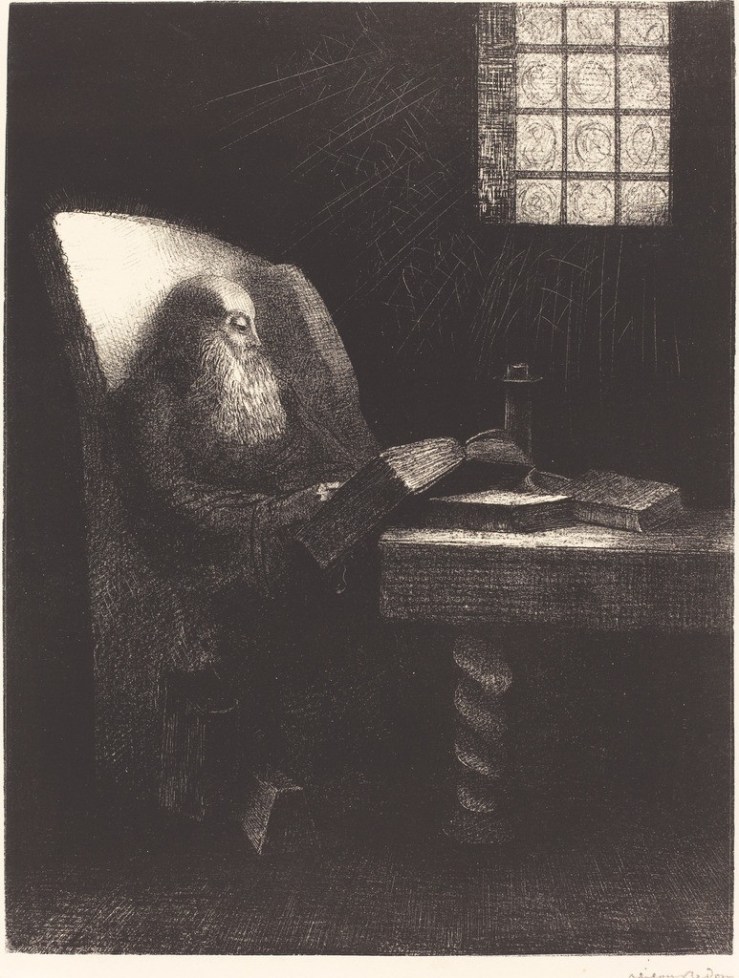
The Reader — Odilon Redon

odilon-redon-le-liseur-the-reader-1892

The Reader, 1892 by Odilon Redon (1840-1916)