“A Chapter on Dreams”
by
Robert Louis Stevenson
from
Across the Plains (1915)
The past is all of one texture—whether feigned or suffered—whether acted out in three dimensions, or only witnessed in that small theatre of the brain which we keep brightly lighted all night long, after the jets are down, and darkness and sleep reign undisturbed in the remainder of the body. There is no distinction on the face of our experiences; one is vivid indeed, and one dull, and one pleasant, and another agonising to remember; but which of them is what we call true, and which a dream, there is not one hair to prove. The past stands on a precarious footing; another straw split in the field of metaphysic, and behold us robbed of it. There is scarce a family that can count four generations but lays a claim to some dormant title or some castle and estate: a claim not prosecutable in any court of law, but flattering to the fancy and a great alleviation of idle hours. A man’s claim to his own past is yet less valid. A paper might turn up (in proper story-book fashion) in the secret drawer of an old ebony secretary, and restore your family to its ancient honours, and reinstate mine in a certain West Indian islet (not far from St. Kitt’s, as beloved tradition hummed in my young ears) which was once ours, and is now unjustly some one else’s, and for that matter (in the state of the sugar trade) is not worth anything to anybody. I do not say that these revolutions are likely; only no man can deny that they are possible; and the past, on the other baud, is, lost for ever: our old days and deeds, our old selves, too, and the very world in which these scenes were acted, all brought down to the same faint residuum as a last night’s dream, to some incontinuous images, and an echo in the chambers of the brain. Not an hour, not a mood, not a glance of the eye, can we revoke; it is all gone, past conjuring. And yet conceive us robbed of it, conceive that little thread of memory that we trail behind us broken at the pocket’s edge; and in what naked nullity should we be left! for we only guide ourselves, and only know ourselves, by these air-painted pictures of the past.
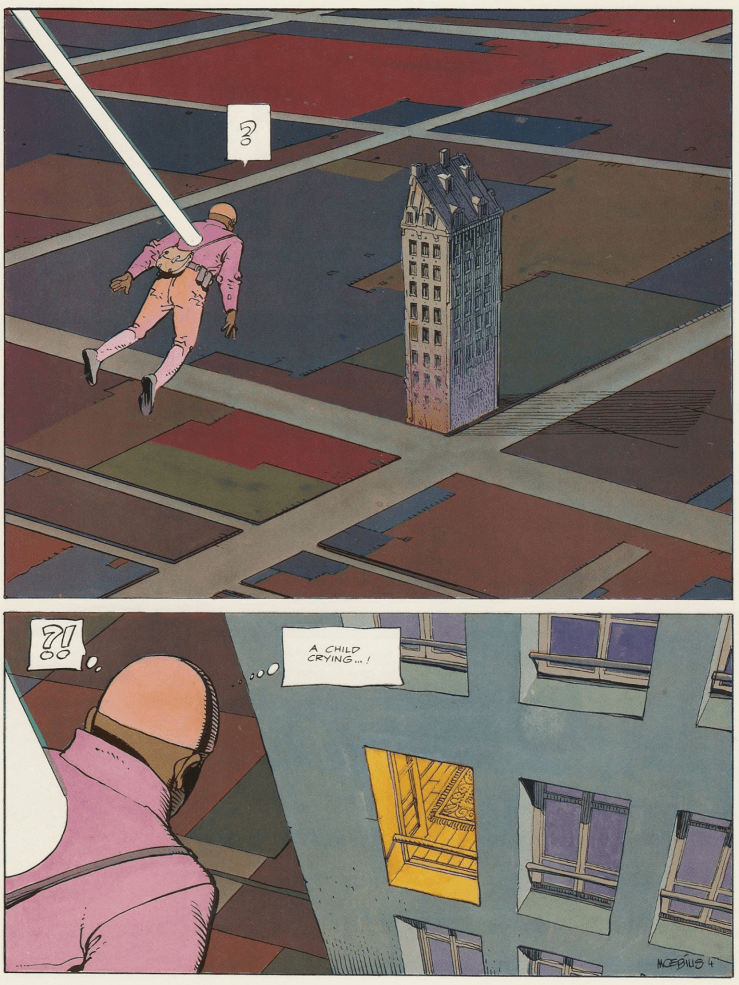
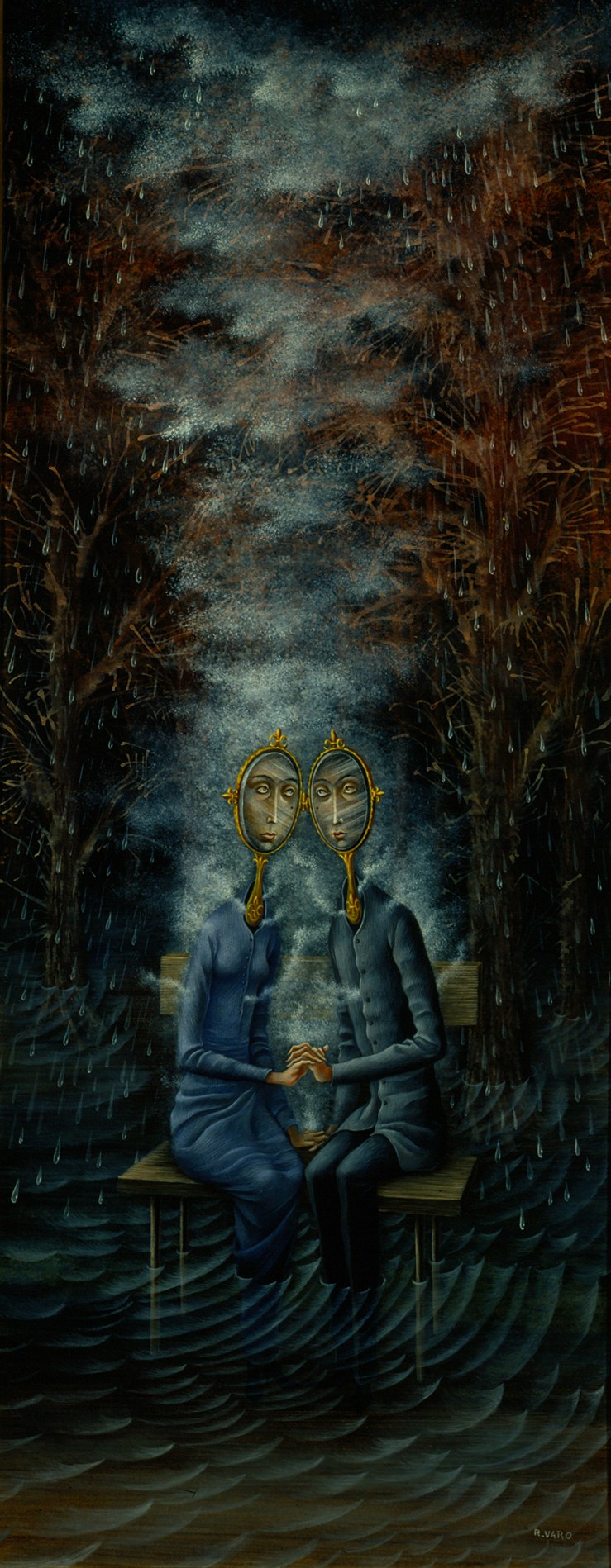
Upon these grounds, there are some among us who claim to have lived longer and more richly than their neighbours; when they lay asleep they claim they were still active; and among the treasures of memory that all men review for their amusement, these count in no second place the harvests of their dreams. There is one of this kind whom I have in my eye, and whose case is perhaps unusual enough to be described. He was from a child an ardent and uncomfortable dreamer. When he had a touch of fever at night, and the room swelled and shrank, and his clothes, hanging on a nail, now loomed up instant to the bigness of a church, and now drew away into a horror of infinite distance and infinite littleness, the poor soul was very well aware of what must follow, and struggled hard against the approaches of that slumber which was the beginning of sorrows.
But his struggles were in vain; sooner or later the night-hag would have him by the throat, and pluck him strangling and screaming, from his sleep. His dreams were at times commonplace enough, at times very strange, at times they were almost formless: he would be haunted, for instance, by nothing more definite than a certain hue of brown, which he did not mind in the least while he was awake, but feared and loathed while he was dreaming; at times, again, they took on every detail of circumstance, as when once he supposed he must swallow the populous world, and awoke screaming with the horror of the thought. The two chief troubles of his very narrow existence—the practical and everyday trouble of school tasks and the ultimate and airy one of hell and judgment—were often confounded together into one appalling nightmare. He seemed to himself to stand before the Great White Throne; he was called on, poor little devil, to recite some form of words, on which his destiny depended; his tongue stuck, his memory was blank, hell gaped for him; and he would awake, clinging to the curtain-rod with his knees to his chin. Continue reading ““A Chapter on Dreams” — Robert Louis Stevenson” →






 Biblioklept