
Capillary Locomotion, 1959 by Remedios Varo (1908-1963)

Capillary Locomotion, 1959 by Remedios Varo (1908-1963)
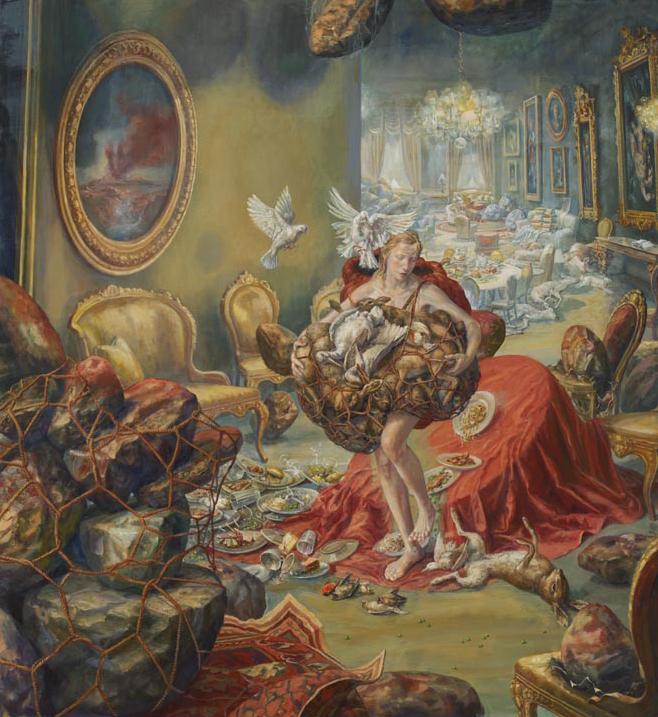
Self Portrait as After Party, 2013 by Julie Heffernan (b. 1956)
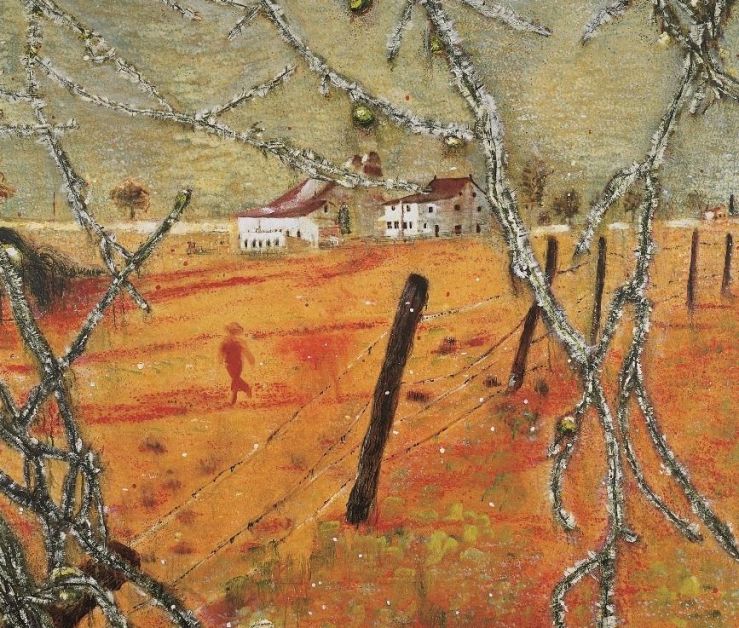
Young Bean Farmer, 1991 by Peter Doig (b. 1959)
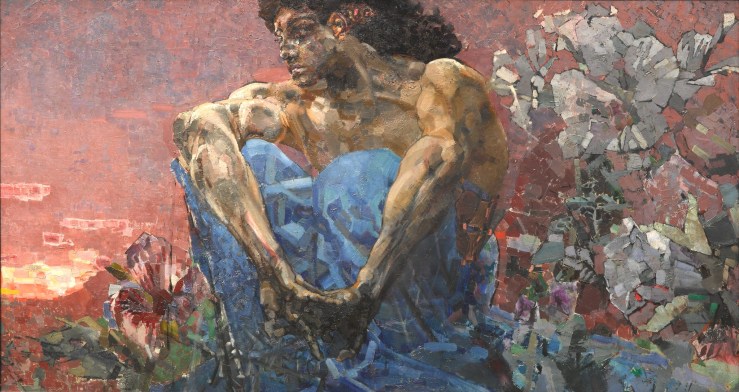
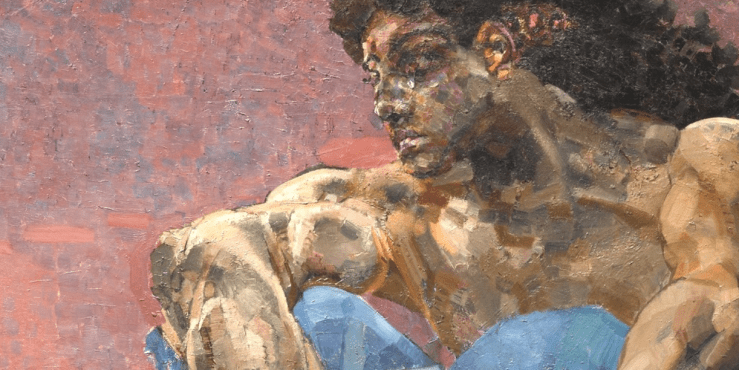
The Demon Seated, 1890 by Mikhail Vrubel (1856-1910)
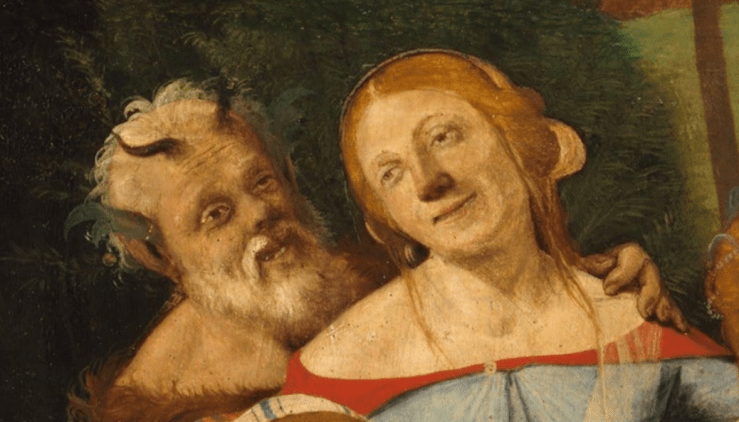
The Misfortunes of Silenus (detail), c. 1500 by Pierro di Cosimo (1462-1522)
One out of several humiliating features about writing fiction for a living is that here after all is just about everybody else, all along the capitalist spectrum from piano movers to systems analysts, cheerfully selling their bodies or body parts according to time-honored custom and usage, while it’s only writers, out at the fringes of the entertainment sector, wretched and despised, who are obliged, more intimately and painfully, actually to sell their dreams, yes, dreams these days you’ll find are every bit as commoditized as any pork bellies there on the financial page. To be upbeat about it, though, in most cases it doesn’t present much moral problem, since dreams seldom make it through into print with anything like the original production values anyway. Even if you do good recovery, learning to write legibly in the dark and so forth, there’s still the matter of getting it down in words that can bring back even a little of the clarity and sweep, the intensity of emotion, the transcendent weirdness of the primary experience. So it’s a safe bet that most writers’ dreams, maybe even including the best ones, manage to stay untranslated and private after all.
Barthelme, however, happens to be one of a handful of American authors there to make the rest of us look bad, who know instinctively how to stash the merchandise, bamboozle the inspectors, and smuggle their nocturnal contraband right on past the checkpoints of daylight “reality.” What he called his “secret vice” of “cutting up and pasting together pictures” bears an analogy, at least, to what is supposed to go on in dreams, where images from the public domain are said likewise to combine in unique, private, and, with luck, spiritually useful ways. How exactly Barthelme then got this into print, or for that matter pictorial, form, kept the transitions flowing the way he did and so on, is way too mysterious for me, though out of guild solidarity I probably wouldn’t share it even if I did know. The effect each time, at any rate, is to put us in the presence of something already eerily familiar … to remind us that we have lived in these visionary cities and haunted forests, that the ancient faces we gaze into are faces we know.
From Thomas Pynchon’s introduction to The Teachings of Don B. The introduction was republished yesterday in The Paris Review in a version that omits the first two paragraphs. You can read the full version of Thomas Pynchon’s essay on Donald Barthelme at ThomasPynchon.com.

Predator, 2004 by Eteri Chkadua
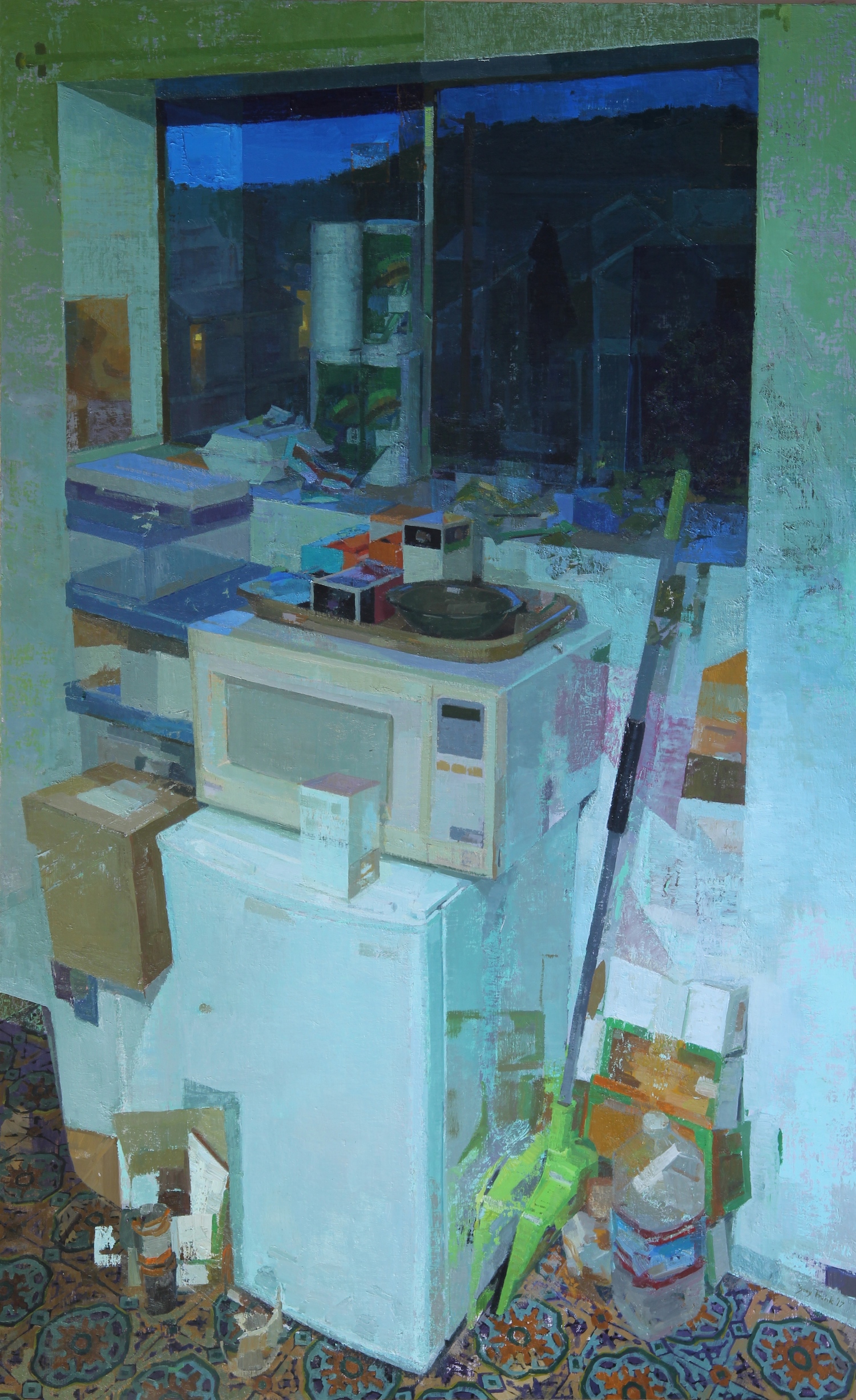
Window at Night, 2017 by Zoey Frank (b. 1987)
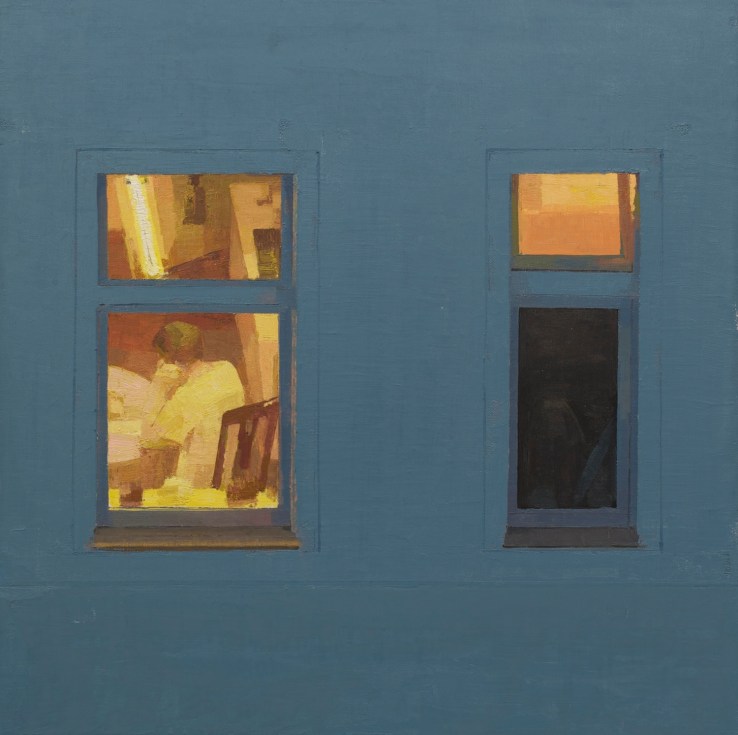
Berlin Windows #6, 2018 by Zoey Frank (b. 1987)

Night Nurse, 2017 by Van Arno
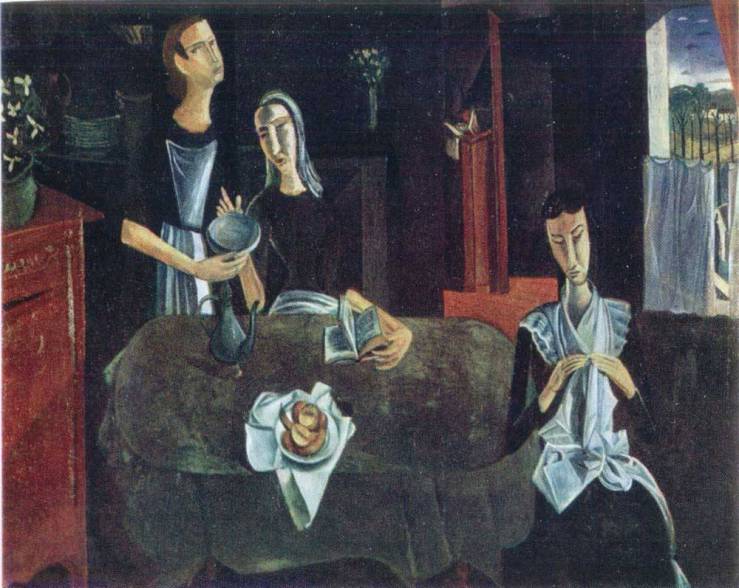
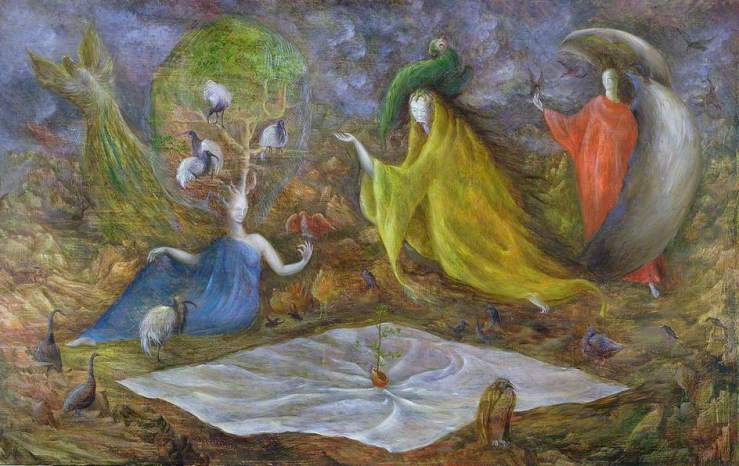
The Pomps of the Subsoil, 1947 by Leonora Carrington (1917–2011)
.jpg)
Landscape with Couple Walking and Crescent Moon, 1890 by Vincent van Gogh (1853-1890)

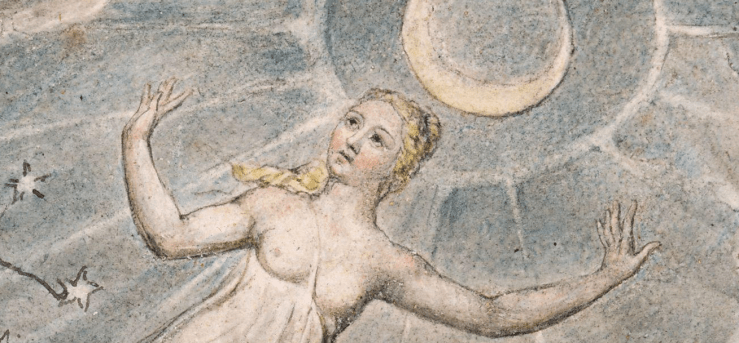
The Wandering Moon, 1820 by William Blake (1757-1827)

Girl Reading, 1961 by Richard Diebenkorn (1922 – 1993)

Gleaming Connection, 2018 by Wiley Wallace
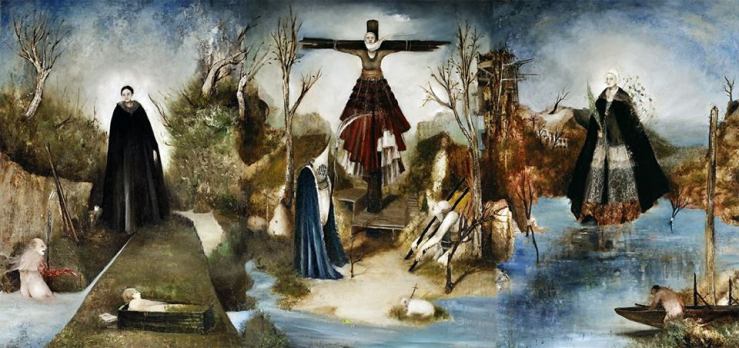
Triptych of Saints by Sergio Padovani (b. 1972)
 Biblioklept