Paul Kirchner’s Dope Rider: A Fistful of Delirium (Book acquired, 7 April 2021)

I am a huge fan of Paul Kirchner’s bold and witty comix. I fell in love with his cult strip The Bus some years back, and was thrilled when he revised the series with The Bus 2. Both volumes were published in handsome editions by the fine folks at Tanibis. The French publisher also released a retrospective collection of Kirchner’s work to date, the essential compendium Awaiting the Collapse. Tanibis also published the collected Hieronymus & Bosch, strip, another entry in the cartoonists explosive output in the twentyteens.

Now, Tanibis has published A Fistful of Delirium, the recent adventures of the resurrected hero Dope Rider. Kirchner’s Dope Rider is a mystical skeleton weedslinger, a philosophical wanderer prone to surreal transformation. Our cowboy rides again here via the full-page full-color strips Kirchner ran in High Times from 2015-2020. Here’s Tanibis’s blurb:

Dope Rider is back in town! After a 30-year hiatus, Paul Kirchner brought back to life the iconic bony stoner whose first adventures were a staple of the psychedelic counter-culture magazine High Times in the 1970s.

The stories collected in this book appeared in High Times between January 2015 and May 2020. Despite the years, Dope Rider has stayed essentially the same, still smoking his ever-present joint, getting high and chasing metaphysical dragons through whimsical realities in meticulously illustrated and colorful one-page adventures. Fans of the original Dope Rider comics will still find the bold graphical innovations, dubious puns and wild dreamscapes inspired by classical painting and western movies that were some of Dope Rider’s trademark.

This time though, Kirchner draws from a much larger panel of influences, including modern pop – and pot – culture (lines and characters from Star Wars as well as references to Denver as the US weed capital can be found here and there) and a wider range of artistic references, from Alice in Wonderland to 2001, A Space Odyssey to Ed Roth’s Kustom Kulture. Native American culture and mythology, only hinted at in the classic adventures, is also much more present in the form of Chief, one of Dope Rider’s new sidekicks. Kirchner’s playful, tongue-in-cheek humor binds together all these influences into stories that mock both the mundane and the nonsensical alike.

You can get a signed edition from Kirchner’s website. Full review down the line.
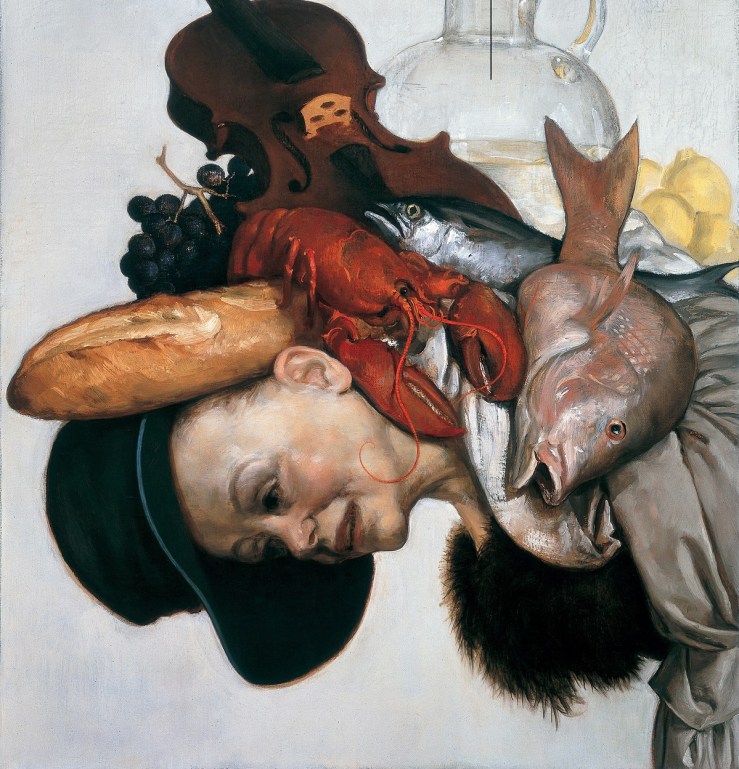
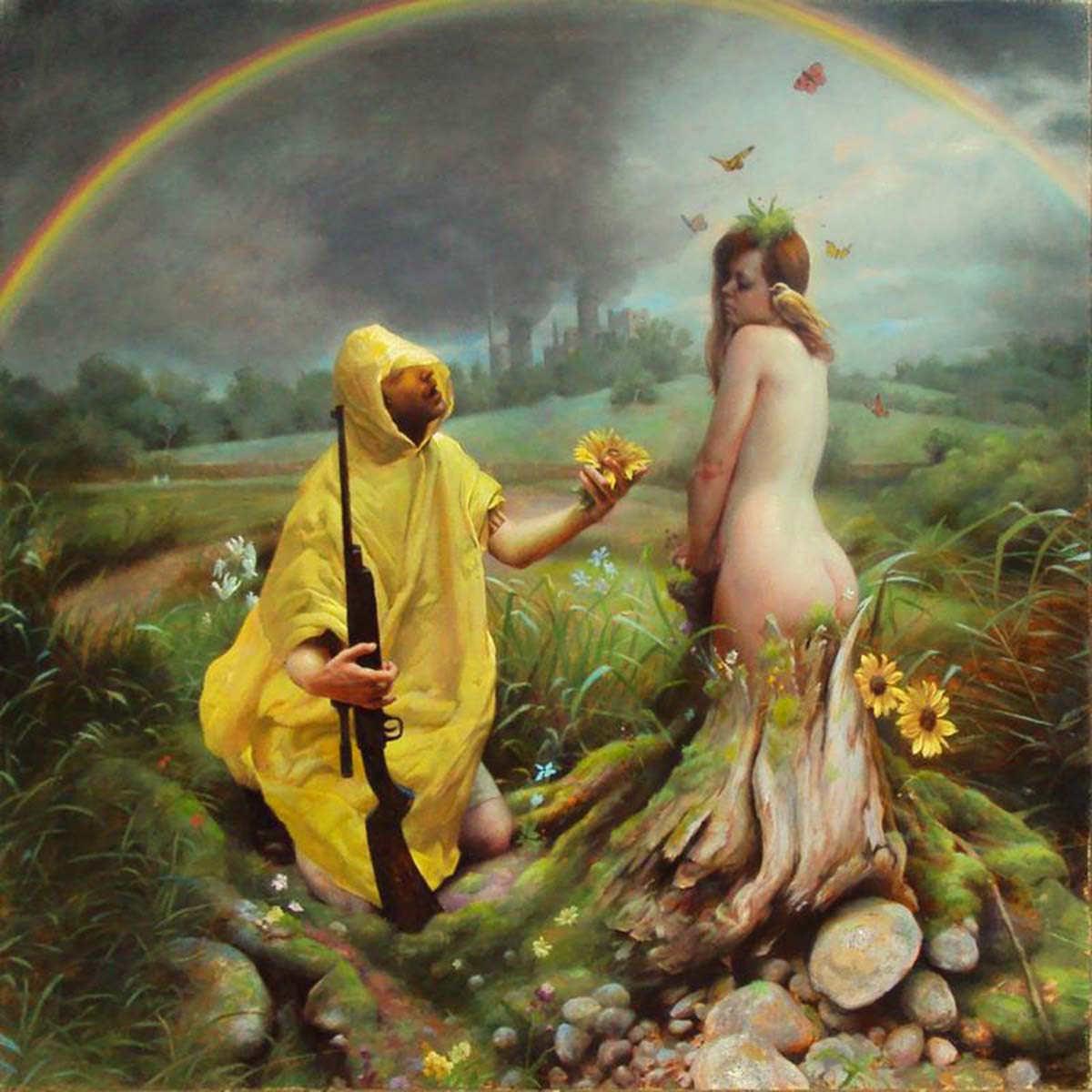
The Lobster — John Currin

The Lobster, 2001 by John Currin (b. 1962)

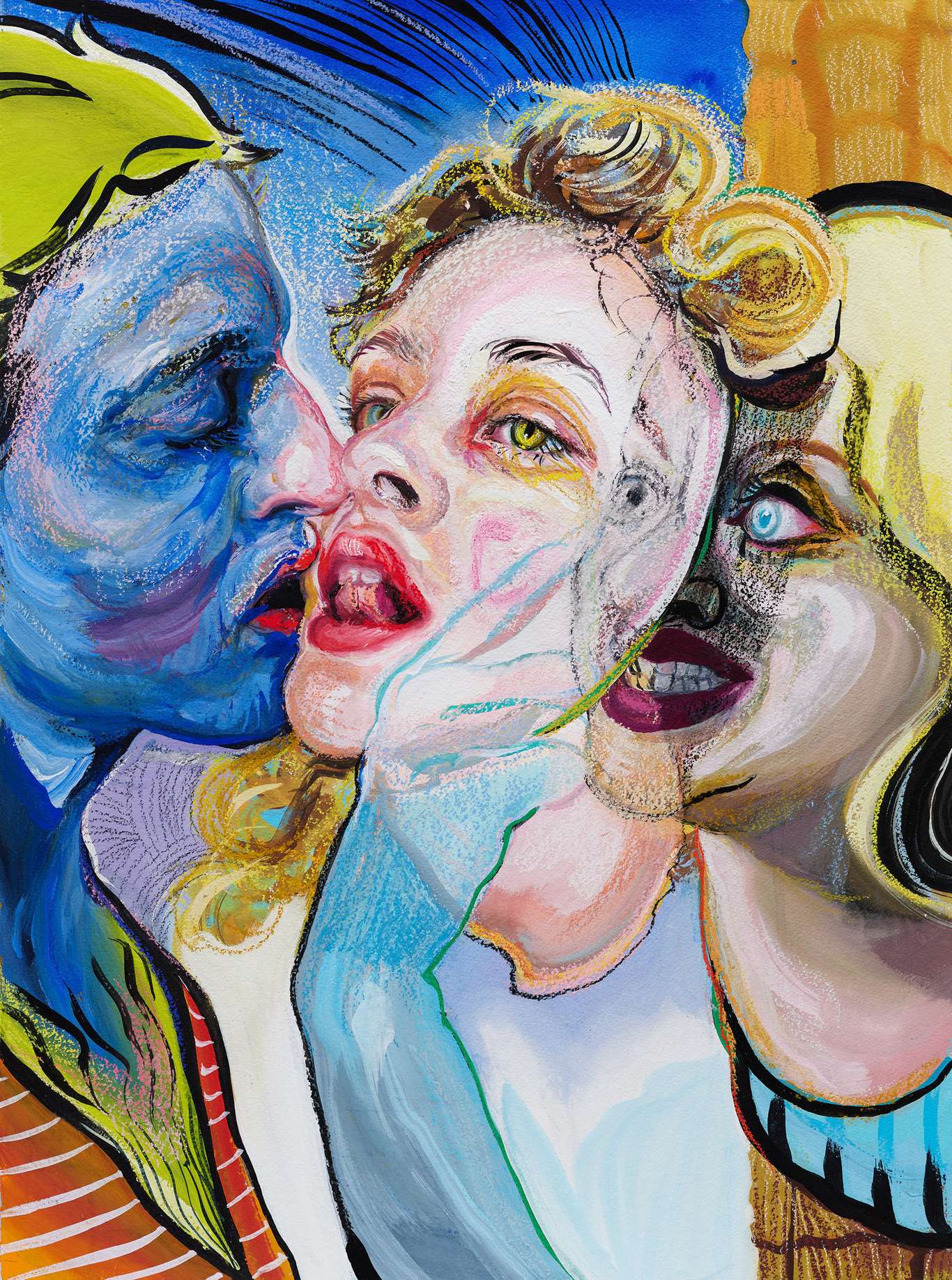
Careful Pretty — Helen Verhoeven 

Careful Pretty, 2005 by Helen Verhoeven (b. 1974)

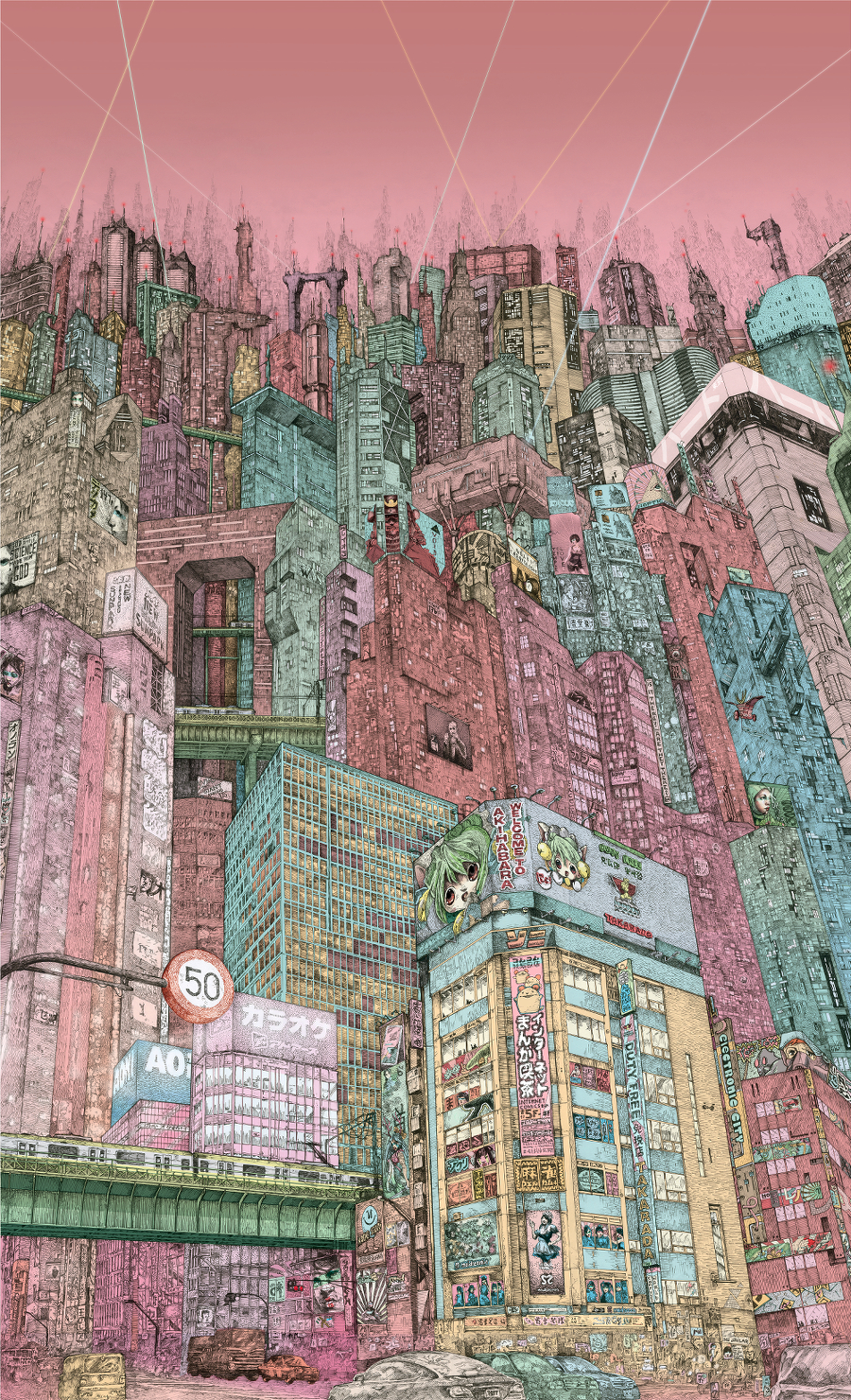
Fun! — Samplerman

Fun!, 2021 by Samplerman (Yvan Guillo)

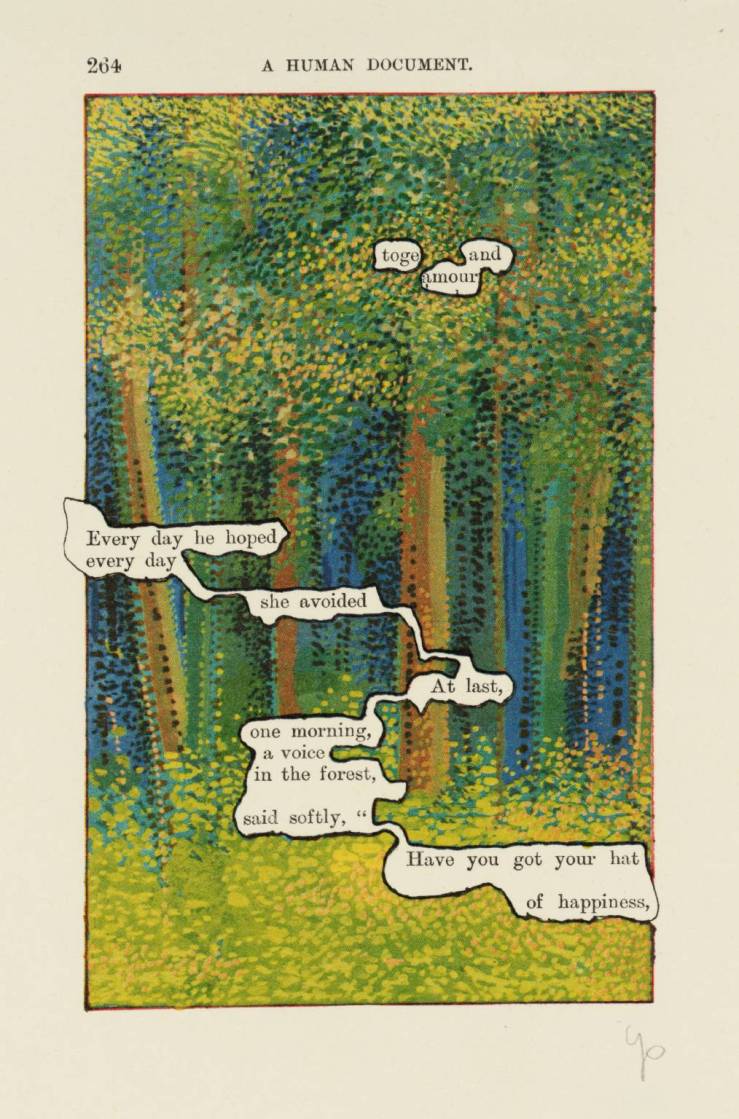
Untitled (A Human Document, 264) — Tom Philips

Untitled (From A Human Document, p. 264), 1970 by Tom Phillips (b. 1937)

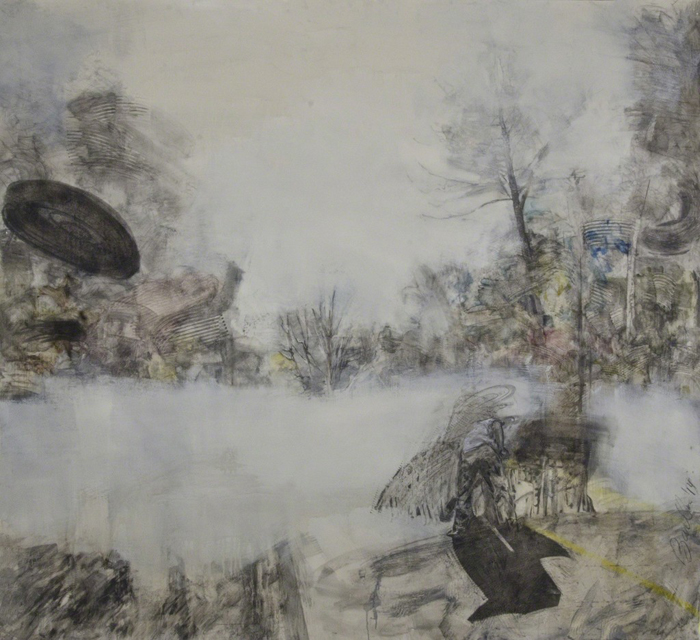
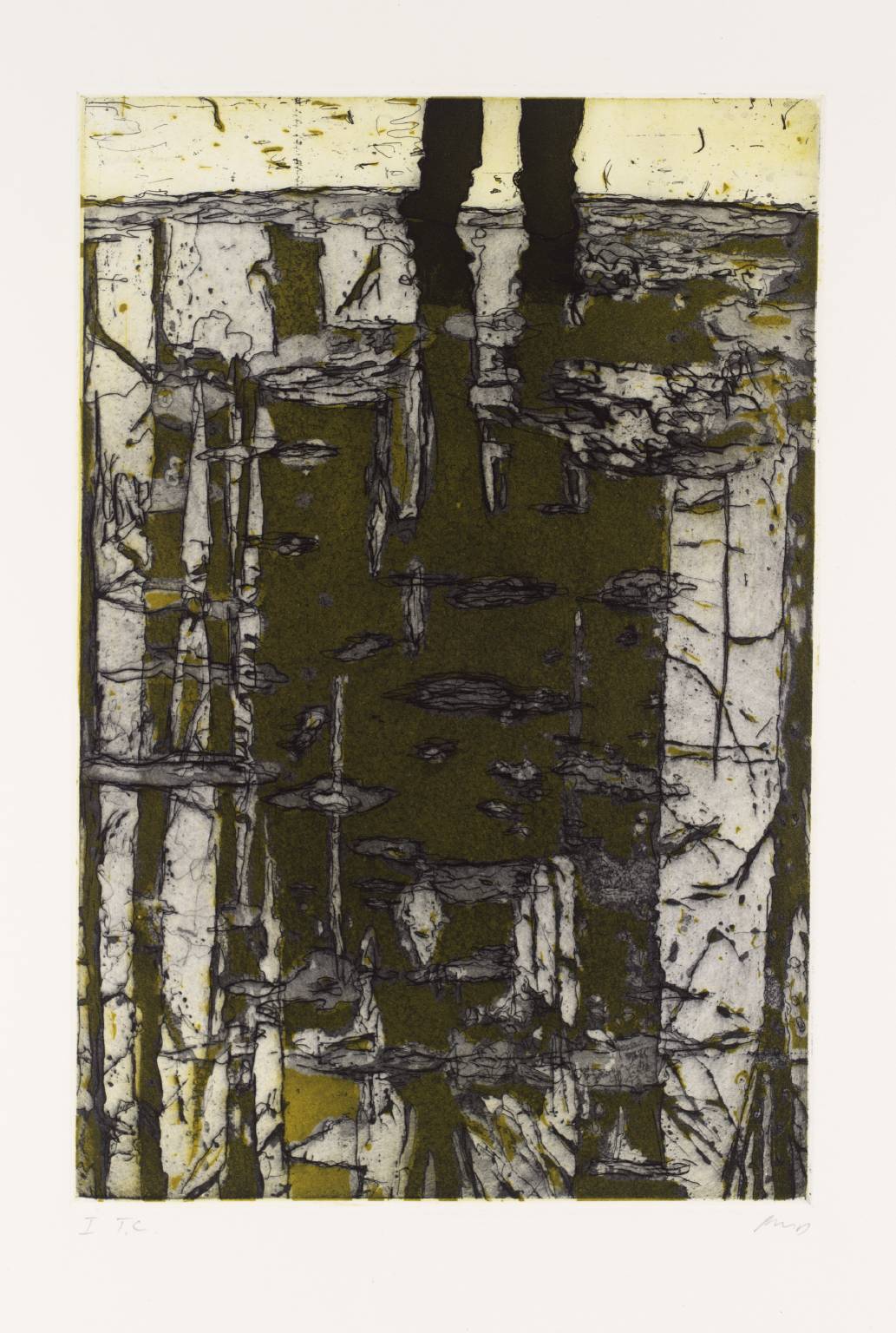
Against the Day — David Bailin

Against the Day, 2014 by David Bailin

I Left My Heart in Tokyo — Audun Grimstad

I Left My Heart in Tokyo, 2015 by Audun Grimstad (b. 1985)

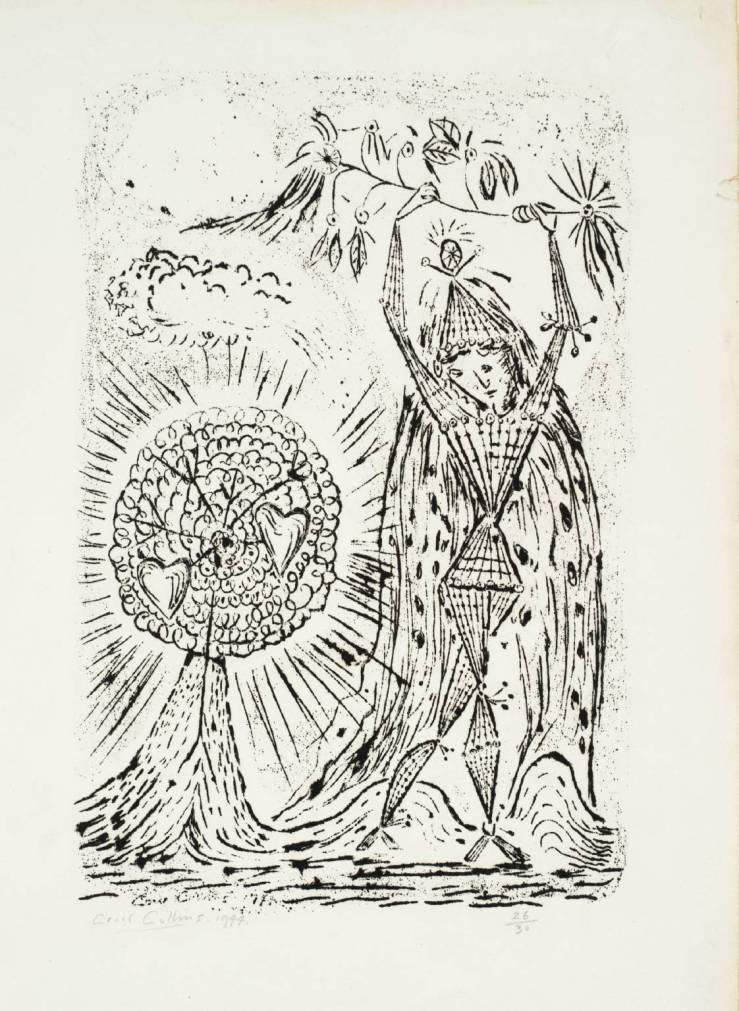
The Joy of the Fool — Cecil Collins

The Joy of the Fool, 1944 by Cecil Collins (1908-1989)

“Beware of Mara” — Thomas Pynchon

“Beware of Mara”

an excerpt from Thomas Pynchon’s novel V.


Then Mehemet told him of Mara.

“Another of your women.”
“Ha, ha. Indeed. Maltese for woman.”
“Of course.”

“She is—if you care for the word—a spirit, constrained to live in Xaghriet Mewwija. The inhabited plain; the peninsula whose tip is Valletta, her domain. She nursed the shipwrecked St. Paul—as Nausicaa and Odysseus—taught love to every invader from Phoenician to French. Perhaps even to the English, though the legend loses respectability after Napoleon. She was from all evidence a perfectly historical personage, like St. Agatha, another of the island’s minor saints.

“Now the Great Siege was after my time, but legend—one of them—says that she once had access to the entire island and the waters as far as the fishing banks off Lampedusa. The fishing fleets would always lie to there in the shape of a carob pod, her proper symbol. Early in your 1565, at any rate, two privateers, Giou and Romegas, captured a Turkish galleon belonging to the chief eunuch of the Imperial Seraglio. In retaliation Mara was taken prisoner on one of her jaunts to Lampedusa by the corsair Dragut, and brought back to Constantinople. Soon as the ship had passed the invisible circle centered at Xaghriet Mewwija with Lampedusa on the rim, she fell into a strange trance, from which neither caresses nor tortures could rouse her. At length, having lost their own figurehead in a collision with a Sicilian ragusy the week before, the Turks lashed Mara to the bowsprit and that was how she entered Constantinople: a living figurehead. On drawing near to that city, blinding yellow and dun under a clear sky, she was heard to awake and cry: ‘Lejl, hekk ikun.’ Night, so be it. The Turks thought she was raving. Or blind.

“They brought her to the serail, into the presence of the Sultan. Now she never was pictured as a raving beauty. She shows up as a number of goddesses, minor deities. Disguise is one of her attributes. But one curious thing about those images: jar ornaments, friezes, sculptures, no matter: she’s always tall, slim, small-breasted and bellied. No matter what the prevalent fashion in females, she remains constant. In her face is always a slight bow to the nose, a wide spacing of the eyes, which are small. No one you’d turn to watch on the street. But she was a teacher of love after all. Only pupils of love need be beautiful.

“She pleased the Sultan. Perhaps she made the effort. But was installed somehow as a concubine about the time La Vallette back on her island was blocking the creek between Senglea and St. Angelo with an iron chain and poisoning the springs in the Marsa plain with hemp and arsenic. Once in the seraglio she proceeded to raise hell. She’d always been attributed magical talents. Perhaps the carob pod—she’s often depicted holding one—had something to do with it. Wand, scepter. Perhaps too, some kind of fertility goddess—do I embarrass your Anglo-Saxon nerves?—though it is a quaint, hermaphrodite sort of deity.


“Soon—a matter of weeks—the Sultan noticed a certain coldness infecting each of his nightly companions; a reluctance, a lack of talent. Also a change in attitude among the eunuchs. Almost—how to say it—smug and keeping a bad secret of it. Nothing he could establish definitely; and so like most unreasonable men with suspicions he had certain girls and eunuchs tortured horribly. All protested innocence, showed honest fear to the last twist of the neck, the last upward thrust of the iron spike. And yet it progressed. Spies reported that shy concubines who had once paced with ladylike steps—limited by a slim chain between the ankles—and downcast eyes now smiled and flirted promiscuously with the eunuchs, and the eunuchs—horror!—flirted back. Girls left to themselves would suddenly leap on one another with fierce caresses; on occasion make loud abandoned love before the scandalized eyes of the Sultan’s agents.

Continue reading ““Beware of Mara” — Thomas Pynchon”

Into the Wild — Adam Miller

Into the Wild, 2013 by Adam Miller (b. 1979)

Reflection (What Does Your Soul Look Like?) — Peter Doig

Reflection (What Does Your Soul Look Like?), 1997 by Peter Doig (b. 1959)

The Blue Bird I — Natalie Frank

The Blue Bird I, 2019 by Natalie Frank (b. 1980)


“The Blue Bird”

by

Madame d’Aulnoy

Translated from the French by

Andrew Lang


Once upon a time there lived a King who was immensely rich. He had broad lands, and sacks overflowing with gold and silver; but he did not care a bit for all his riches, because the Queen, his wife, was dead. He shut himself up in a little room and knocked his head against the walls for grief, until his courtiers were really afraid that he would hurt himself. So they hung feather-beds between the tapestry and the walls, and then he could go on knocking his head as long as it was any consolation to him without coming to much harm. All his subjects came to see him, and said whatever they thought would comfort him: some were grave, even gloomy with him; and some agreeable, even gay; but not one could make the least impression upon him. Indeed, he hardly seemed to hear what they said. At last came a lady who was wrapped in a black mantle, and seemed to be in the deepest grief. She wept and sobbed until even the King’s attention was attracted; and when she said that, far from coming to try and diminish his grief, she, who had just lost a good husband, was come to add her tears to his, since she knew what he must be feeling, the King redoubled his lamentations. Then he told the sorrowful lady long stories about the good qualities of his departed Queen, and she in her turn recounted all the virtues of her departed husband; and this passed the time so agreeably that the King quite forgot to thump his head against the feather-beds, and the lady did not need to wipe the tears from her great blue eyes as often as before. By degrees they came to talking about other things in which the King took an interest, and in a wonderfully short time the whole kingdom was astonished by the news that the King was married again to the sorrowful lady. Continue reading “The Blue Bird I — Natalie Frank”

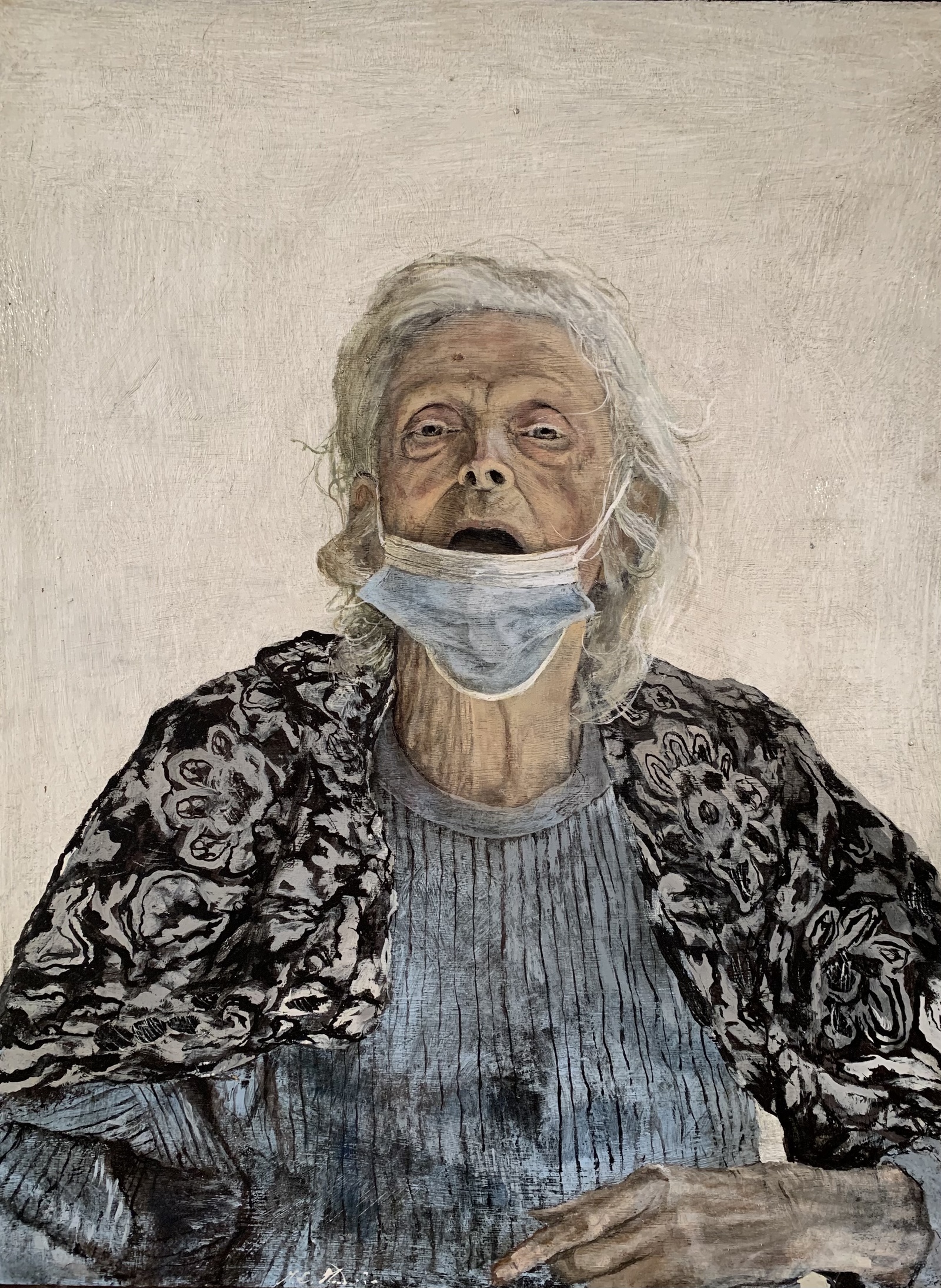
The Pandemic — Miles Cleveland Goodwin 

The Pandemic, 2021 by Miles Cleveland Goodwin (b. 1980)

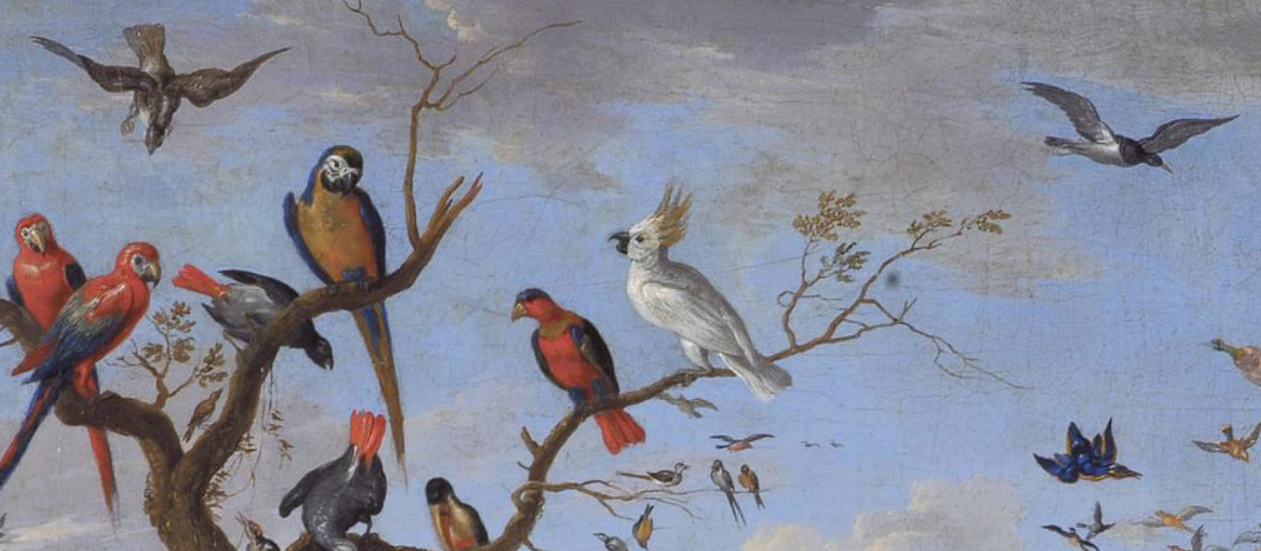
Allegory of Air (Detail) — Jan van Kessel the Elder

Allegory of Air (detail), 1661 by Jan van Kessel the Elder (1626-1679)

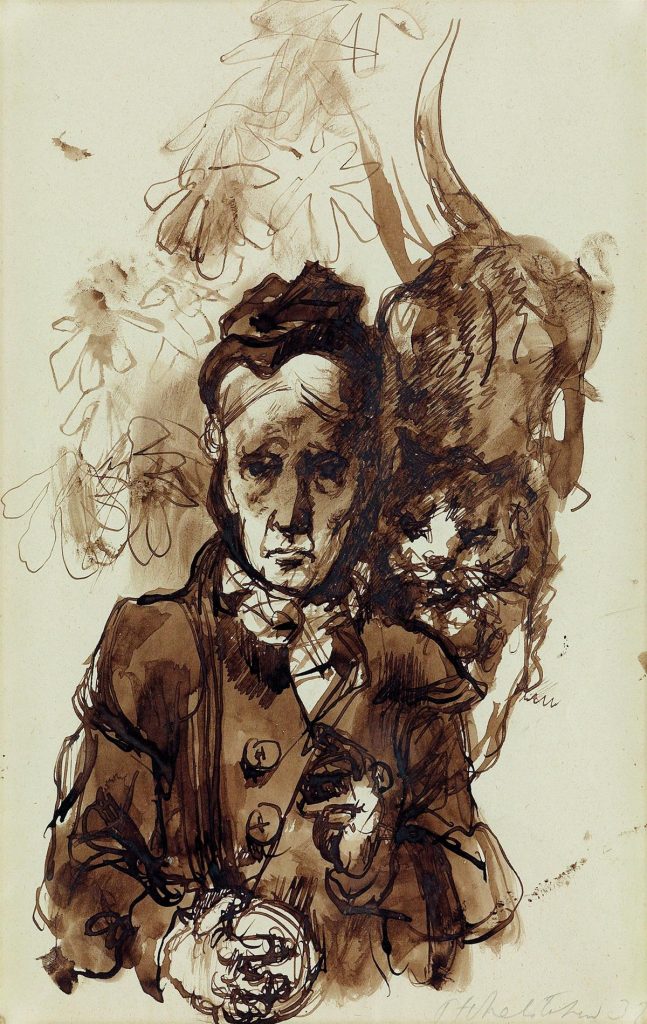
The Sorceress — Pavel Tchelitchew

The Sorceress, 1932 by Pavel Tchelitchew (1898-1957)

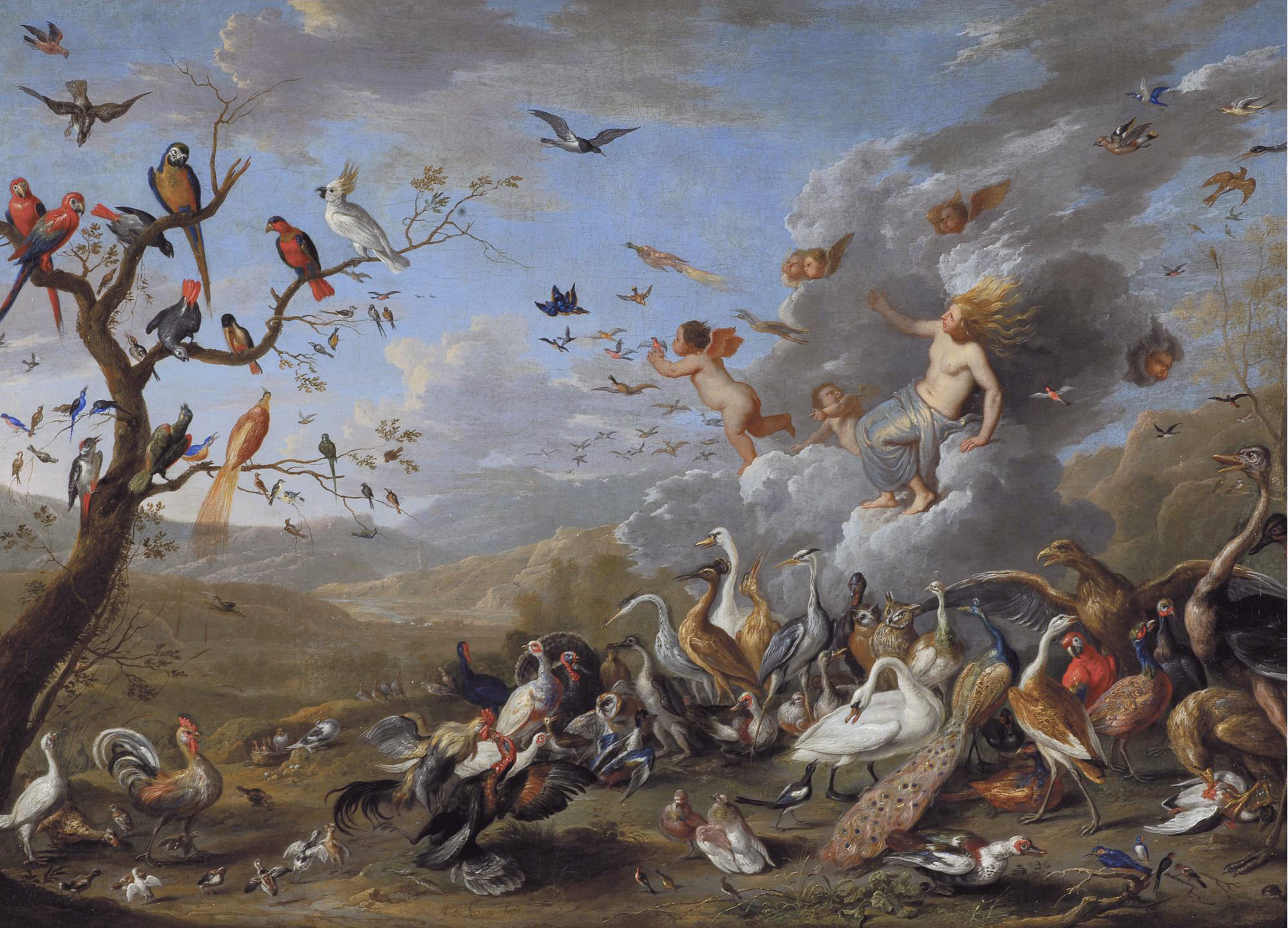
Allegory of Air (Detail) — Jan van Kessel the Elder

Allegory of Air (detail), 1661 by Jan van Kessel the Elder (1626-1679)

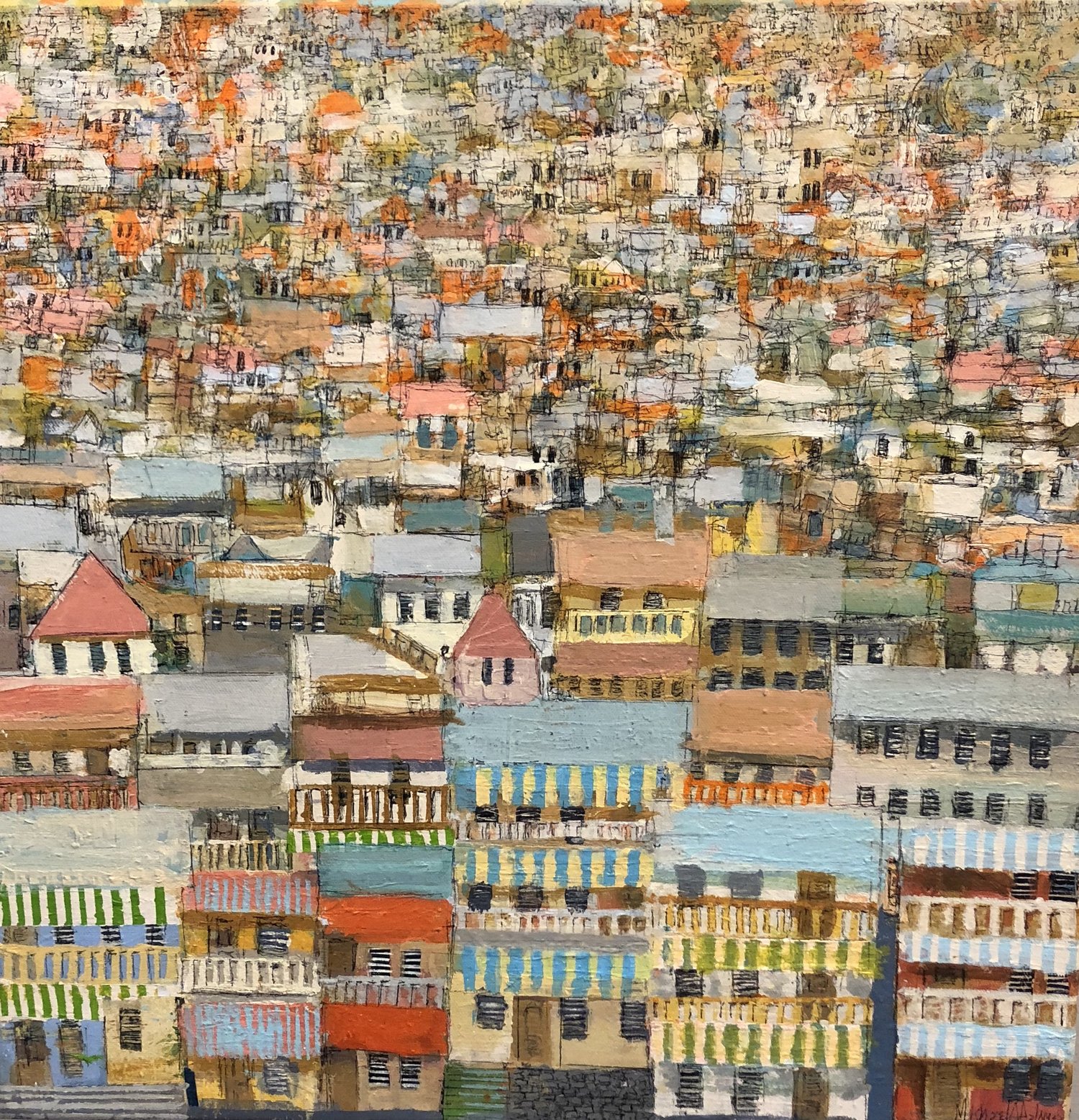
Chaos XLIX — Michael Palmer

Chaos XLIX by Michael Palmer (b. 1942)