Peasant Burning Weeds — Vincent van Gogh

Book Shelves #38, 9.16.2012

20120916-133140.jpg

Book shelves series #38, thirty-eighth Sunday of 2012

The final entry on this corner piece.

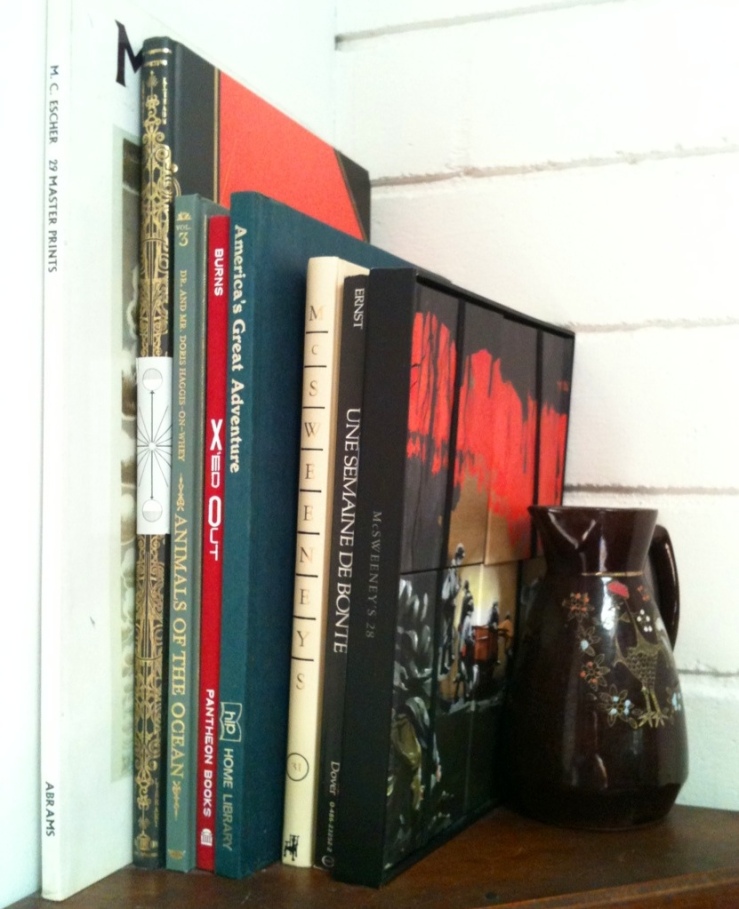
What have these volumes in common? They are all aesthetically pleasing.

They are all too tall to fit elsewhere comfortably.

Several issues of McSweeney’s, some art books, and some graphic novels:
20120916-133146.jpg

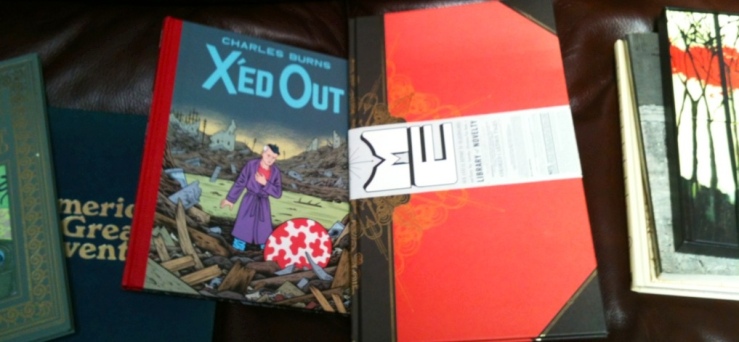
I’ve already expressed my strong enthusiasm for Charles Burns’s X’ed Out. The Acme Library pictured is part of Chris Ware’s series, and is beautiful and claustrophobic.

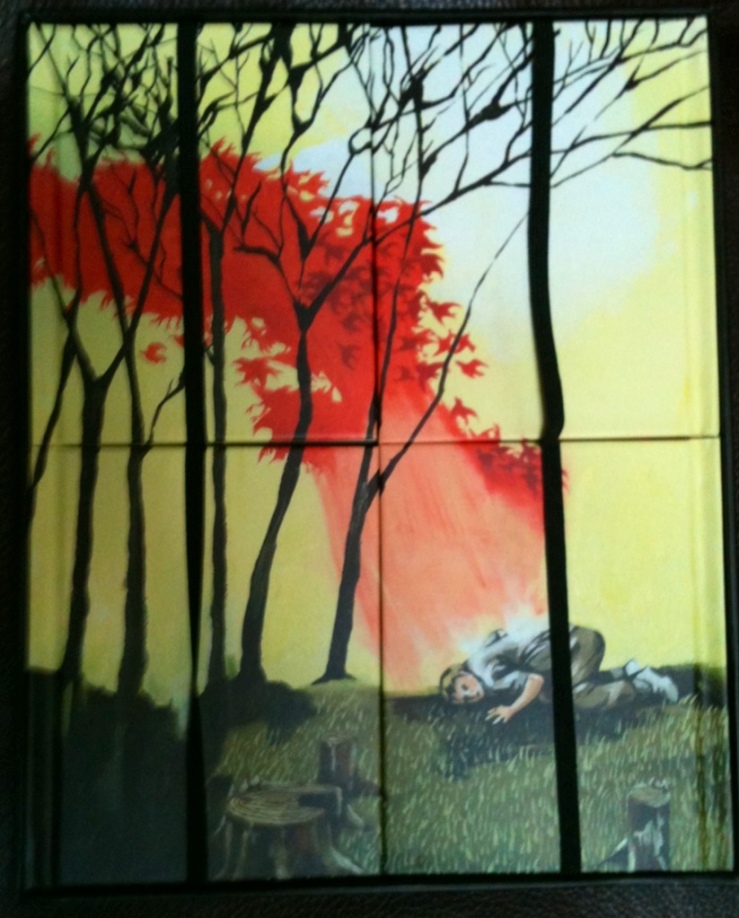
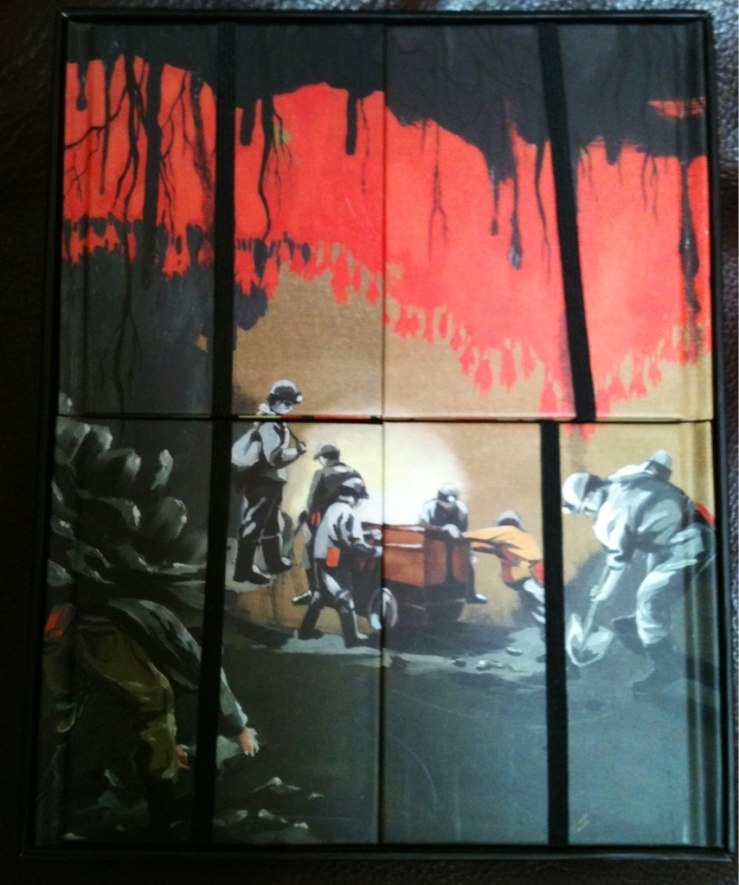
McSweeney’s #28 comprises eight little hardbacked fables that arrange into two “puzzle” covers:
20120916-133153.jpg

20120916-133200.jpg

20120916-133207.jpg

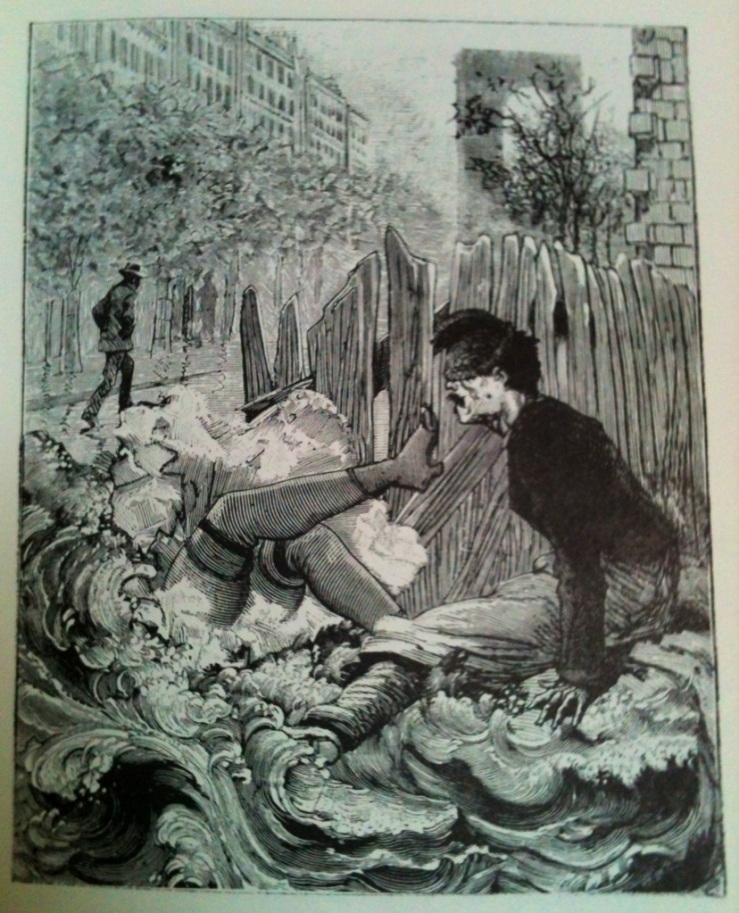
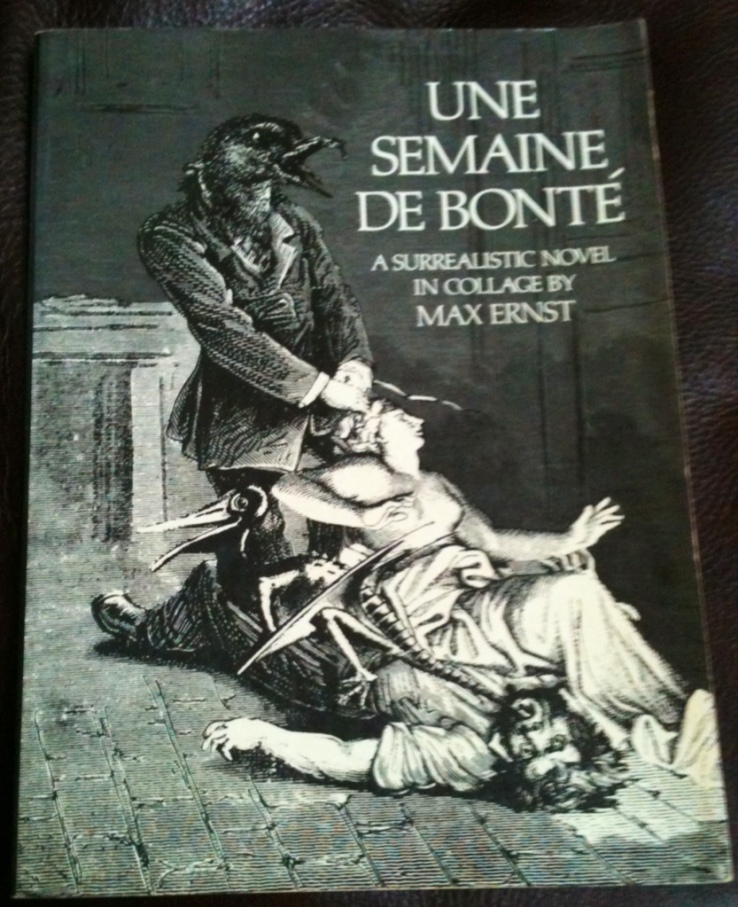
I’ve also written enthusiastically about Max Ernst’s surreal graphic novel, Une Semaine de Bonte:
20120916-133214.jpg

20120916-133221.jpg

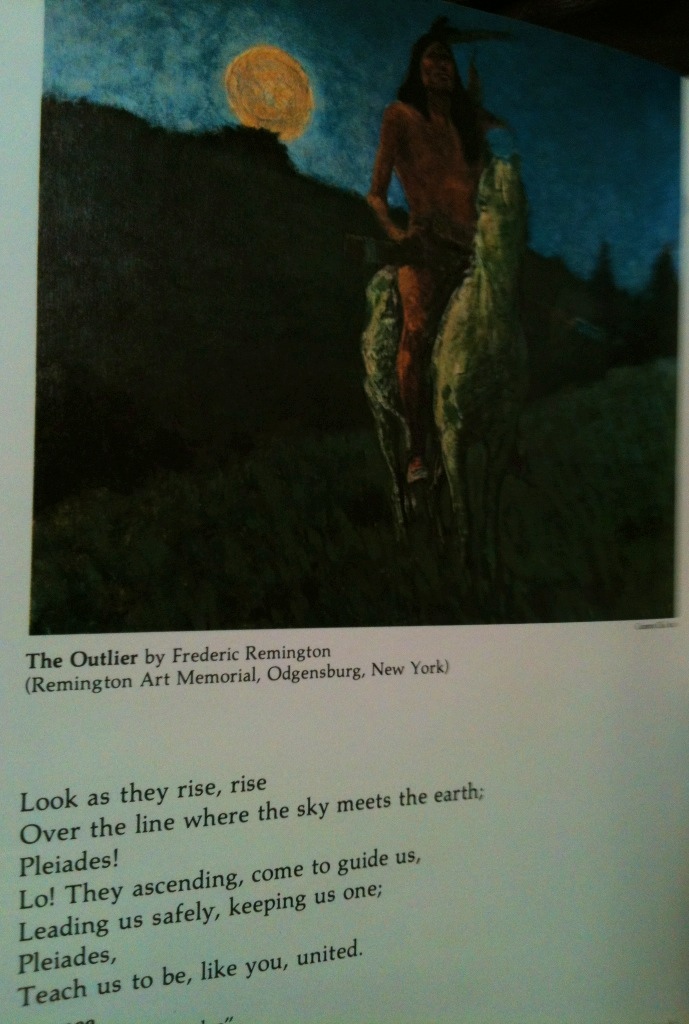
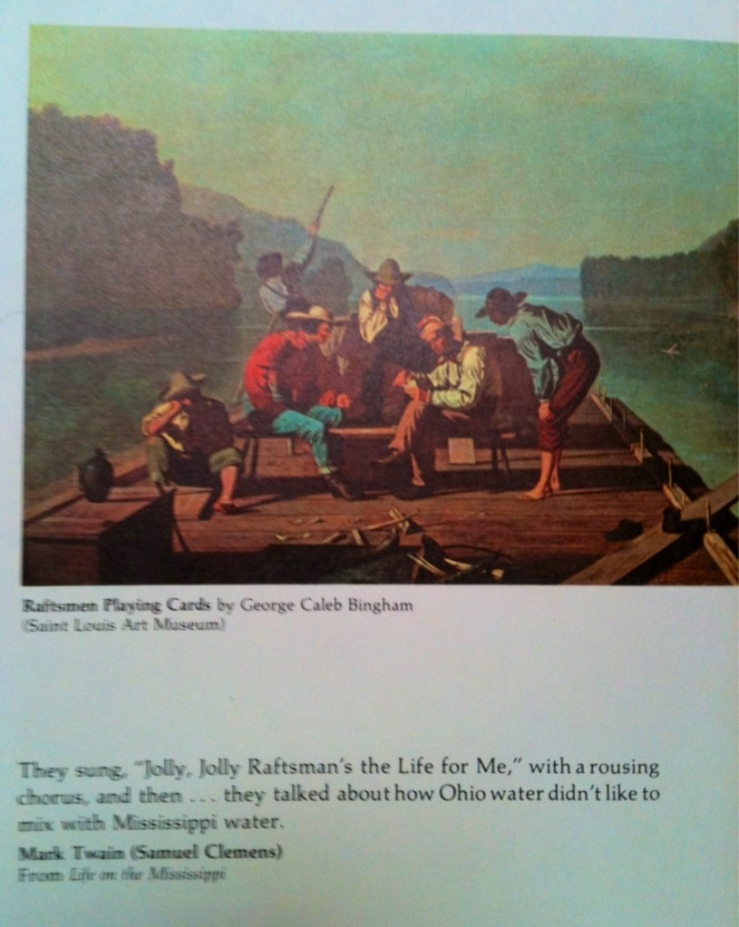
America’s Great Adventure is this wonderful book that pairs American writing (poems, songs, excerpts from novels and journals) with American paintings to tell a version of American history:

20120916-133230.jpg

20120916-133238.jpg

20120916-133244.jpg

It probably deserves its own review. Short review: It’s a wonderful book if you can find it.
“Our Eruptions” — Nietzsche

Our Eruptions.

Numberless things which humanity acquired in its earlier stages, but so weakly and embryonically that it could not be noticed that they were acquired, are thrust suddenly into light long afterwards, perhaps after the lapse of centuries: they have in the interval become strong and mature.

In some ages this or that talent, this or that virtue seems to be entirely lacking, as it is in some men; but let us wait only for the grandchildren and grandchildren s children, if we have time to wait, they bring the interior of their grandfathers into the sun, that interior of which the grandfathers themselves were unconscious.  Often, the son already betrays the father and the father understands himself better after he has a son.  We have all hidden gardens and plantations in us; and by another simile, we are all growing volcanoes, which will have their hours of eruption: how near or how distant this is, nobody of course knows, not even the good God.

—Fragment nine of The Gay Science by Friedrich Nietzsche.

That Time Deadwood Was on The Wire


John Hawkes/Javier Marías/Beautiful Moth on Basil (Books Acquired, 9.14.2012)

20120914-170840.jpg

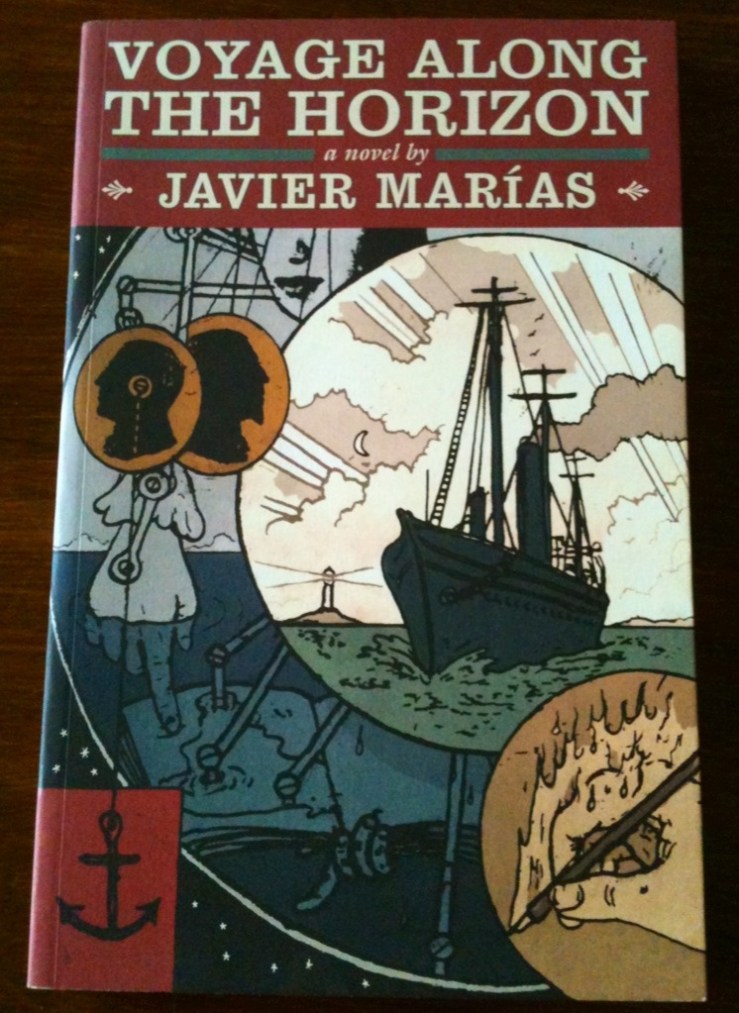
John Hawkes and Javier Marías. Was looking for something else, spotted the ND spine (Hawkes) and The Believer Books aesthetic (Marías).

From the back of the Hawkes:

No synopsis conveys the quality of this now famous novel about an hallucinated Germany in collapse after World War II. John Hawkes, in his search for a means to transcend outworn modes of fictional realism, has discovered a highly original technique for objectifying the perennial degradation of mankind within a context of fantasy… Nowhere has the nightmare of human terror and the deracinated sensibility been more concisely analyzed than in The Cannibal. Yet one is aware throughout that such analysis proceeds only in terms of a resolutely committed humanism.   (Hayden Carruth)

20120914-170848.jpg

Here’s a description, sort of, of a 2006 review of Voyage Along the Horizon (from the NYT):

To judge the Spanish novelist and essayist Javier Marías solely on the basis of “Voyage Along the Horizon” would be akin to imagining Flaubert only from “Salammbô” or Nabokov from “Transparent Things.” Though these works aren’t insignificant in their own right, to read them without recourse to their authors’ larger bodies of work is to comprehend a complex organism only from its vestigial limbs.

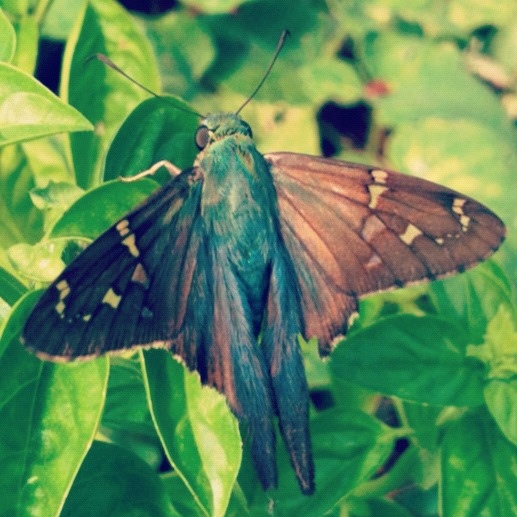
Here is a picture of a colorful moth doing something to a basil plant in my back yard:

20120914-171200.jpg

Lady Reading in a Wooded Park — George Stubbs