Perpetual Motion — Rene Magritte

perpetual-motion-19351

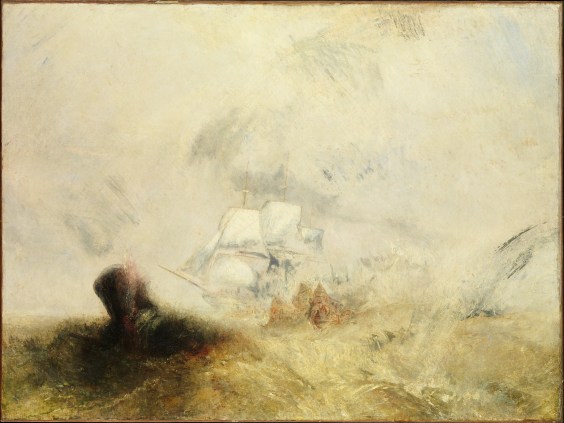
…it was here that Melville saw the work of JMW Turner

DP169567.jpg
Whalers, JMW Turner

It is clear from Melville’s journal, one of only two such surviving documents, that his mind was already playing with these ideas. Late at night, he “turned flukes” down Oxford Street as if he were being followed by a great whale, and thought he saw “blubber rooms” in the butcheries of the Fleet Market. And when he saw Queen Victoria riding past in a carriage, he joked that the young man sitting beside her was the Prince of Whales. London – which itself had only lately been a whaling port – was stirring up the ghosts of his past.

Perhaps most importantly, it was here that Melville saw the work of J M W Turner, a clear visual influence on his book-to-be. Turner had painted a series of whaling scenes for Elhanan Bicknell, whose British whaling company was based in the Elephant and Castle; parts of Moby-Dick would read like commentaries to those tempestuous, brutally poetic canvases, not least the painting that greets Ishmael at the Spouter-Inn, “a boggy, soggy, squitchy picture” of “a black mass . . . floating in a nameless yeast . . . an exasperated whale”. It is all the more intriguing to note how Melville’s Anglophilia was the yeast out of which this great American novel emerged – especially given that the book failed spectacularly in his homeland and it was left to British writers to recognise first its wilful, prophetic genius.

Read the rest of Philip Hoare’s essay “White Whale in the Big Smoke: How the Geography of London Inspired Moby-Dick” at the New Statesmen.

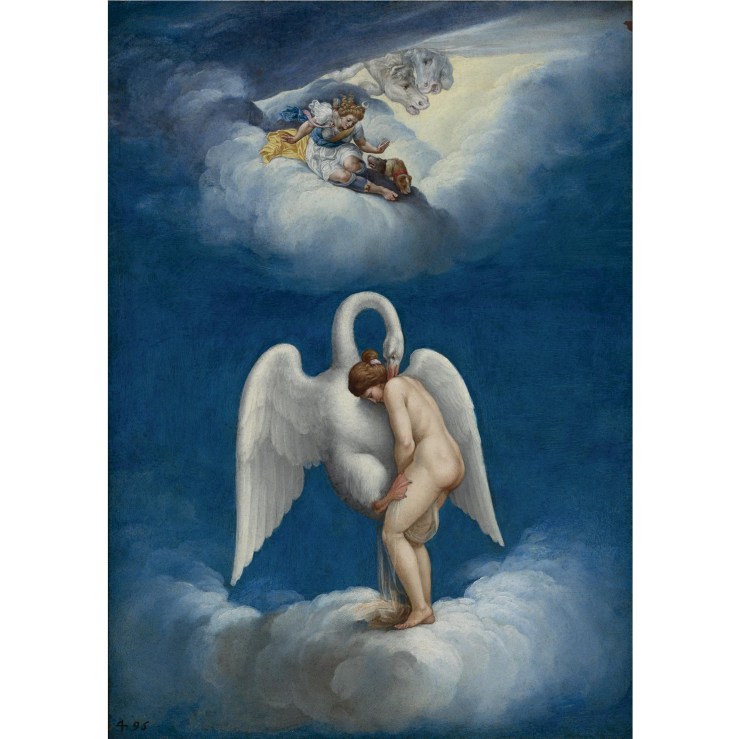
Leda and the Swan — Lelio Orsi

N08404-36-lr-1.jpg

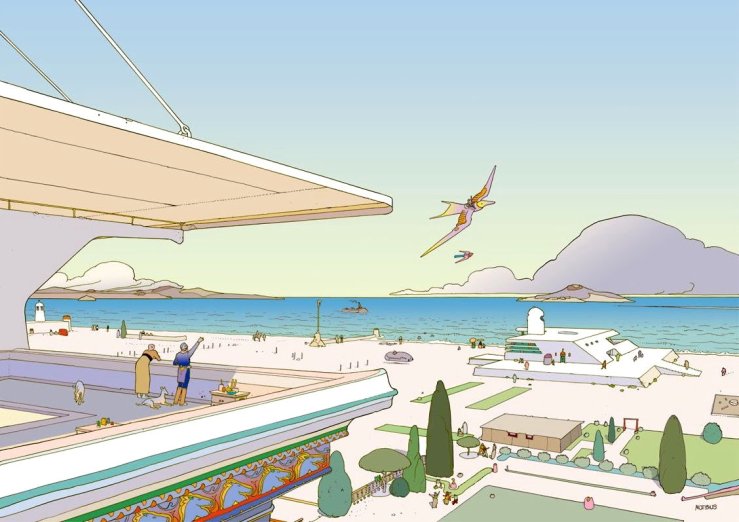
Voyage d’Hermès — Moebius

Moebius-VoyageHermes-8

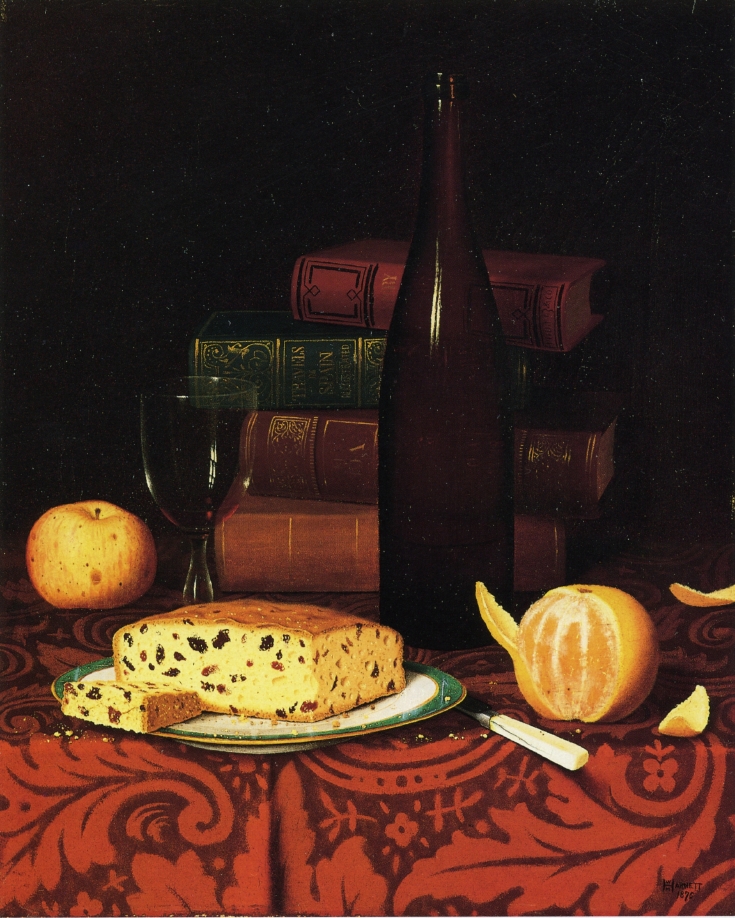
Still Life with Raisin Cake, Fruit and Wine — William Michael Harnett

still-life-with-raisin-cake-fruit-and-wine-1876

The Ship of Fools — Hieronymus Bosch

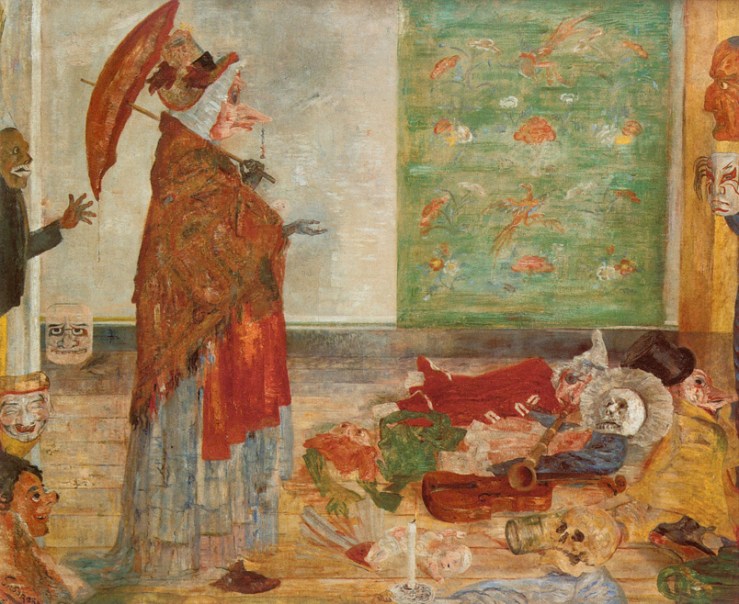
The Astonishment of the Mask Wouse — James Ensor

the-astonishment-of-the-mask-wouse-1889

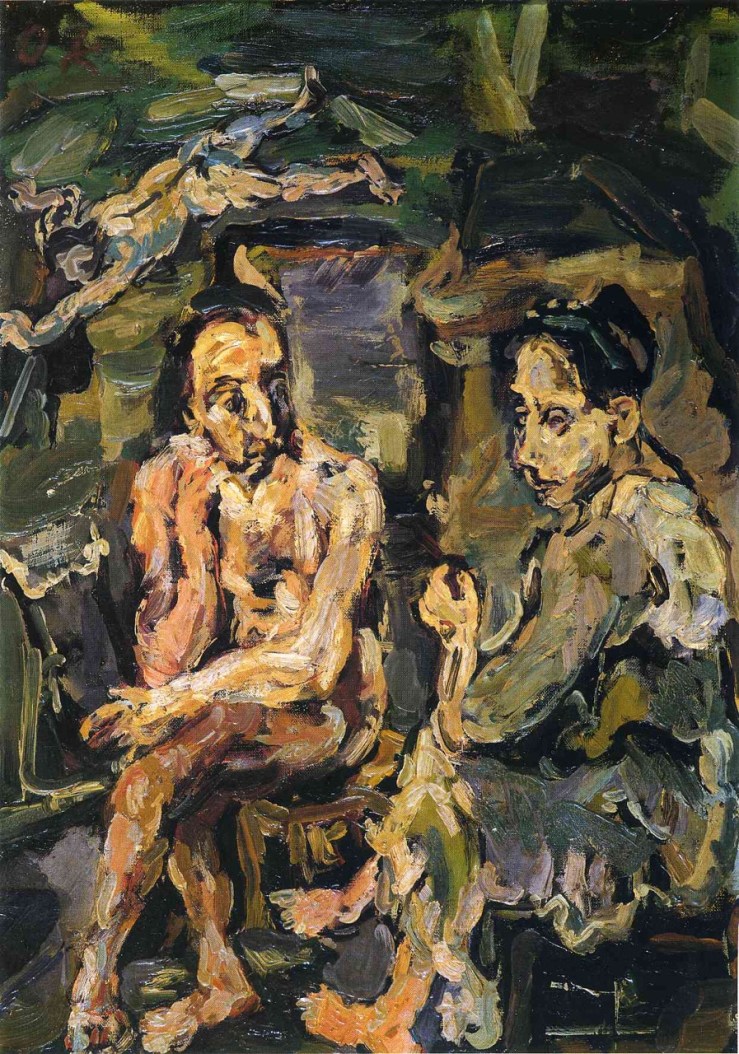
Orpheus and Eurydice — Oskar Kokoschka

ok

A daily diet of morning mist – from Bruce Chatwin’s The Songlines


Welwitchia-Louise Nienaber.jpg

It was nonsense, Dr Vrba continued, to study the emergence of man in a vacuum, without pondering the fate of other species over the same time-scale. The fact was that around 2.5 million, just as man took his spectacular ‘jump’, there was a ‘tremendous churning over of species’.

‘All hell’, she said, ‘broke loose among the antelopes.’

Everywhere in eastern Africa, the more sedentary browsers gave way to ‘brainier’ migratory grazers.  The basis for a sedentary existence was simply no longer there.

‘And sedentary species,’ she said, ‘like sedentary genes, are terribly successful for a while, but in the end they are self-destructive.’

In arid country, resources are never stable from one year to the next. A stray thunderstorm may make a temporary oasis of green, while only a few miles off the land remains parched and bare. To survive in drought, therefore, any species must adopt one of two stratagems: to allow for the worst and dig in; to open itself to the world and move.

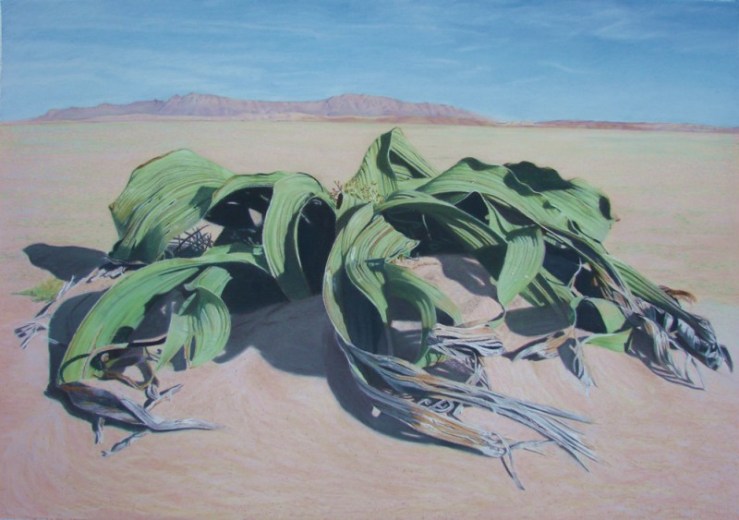
Some desert seeds lie dormant for decades. Some desert rodents only stir from their burrows at night. The weltwitchia, a spectacular, strap-leaved plant of the Namib Desert, lives for thousands of years on its daily diet of morning mist. But migratory animals must move – or be ready to move.

Elizabeth Vrba said, at some point in the conversation, that antelopes are stimulated to migrate by lightning.

‘So’, I said, ‘are the Kalahari Bushmen. They also “follow” the lightning. For where the lightning has been, there will be water, greenery and game.’


From Bruce Chatwin’s novel/memoir/travelogue The Songlines. The image is Welwitschia by Louise Nienaber.

The School Scene — Francisco Goya

God Judging Adam — William Blake

god-judging-adam

Respite — Jacek Malczewski

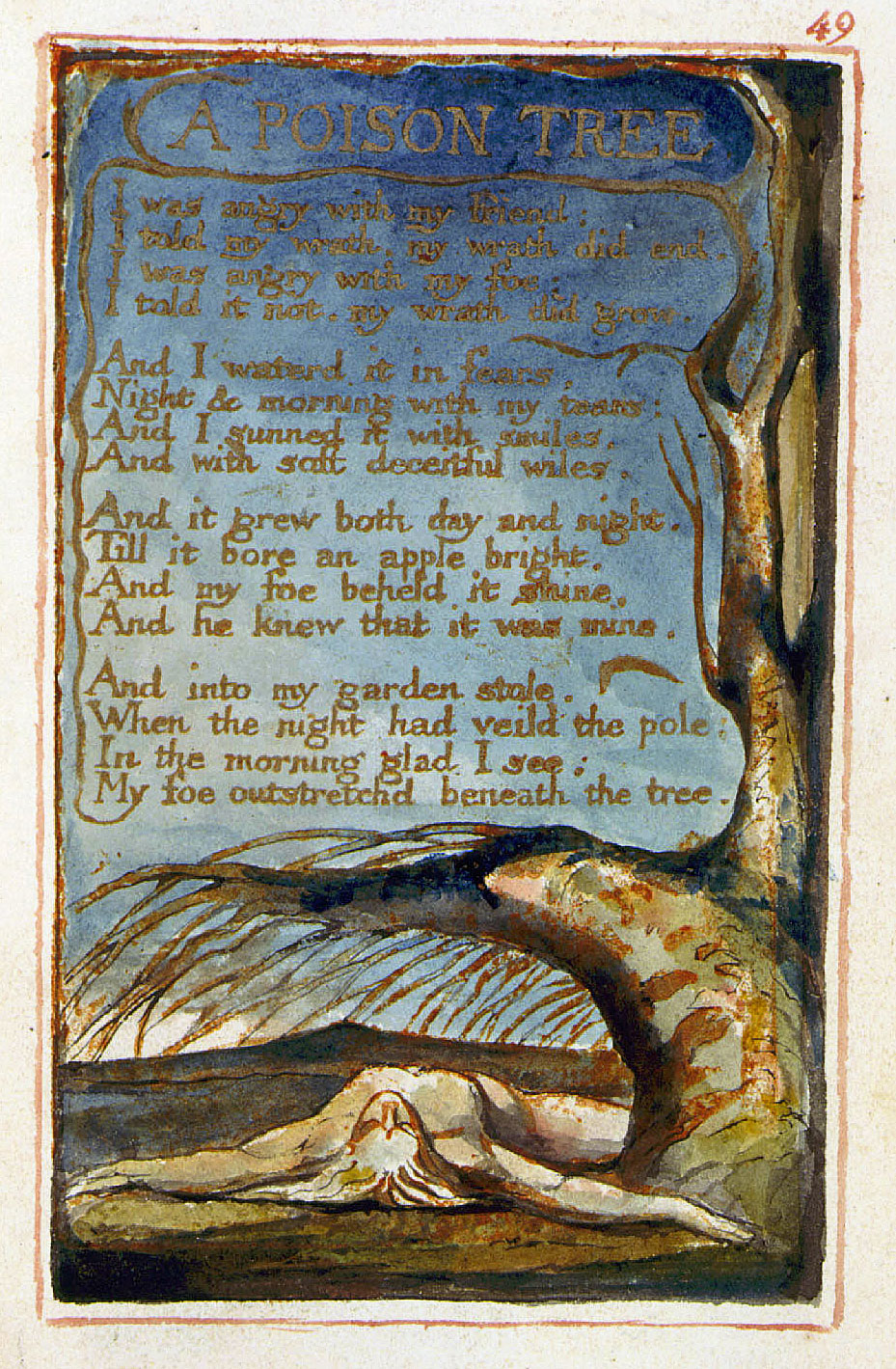
A Poison Tree — William Blake

blake

Why I Love Comics — Chris Ware

18ware-comics-master1050.jpg

In Smoke of Fire — Edward Okun

tumblr_mr2guxMk3t1qc6wuio1_1280.jpg