The Woman with the Medal — Lucien Lévy-Dhurmer

The Woman with the Medal, 1896 by Lucien Lévy-Dhurmer (1865–1953)

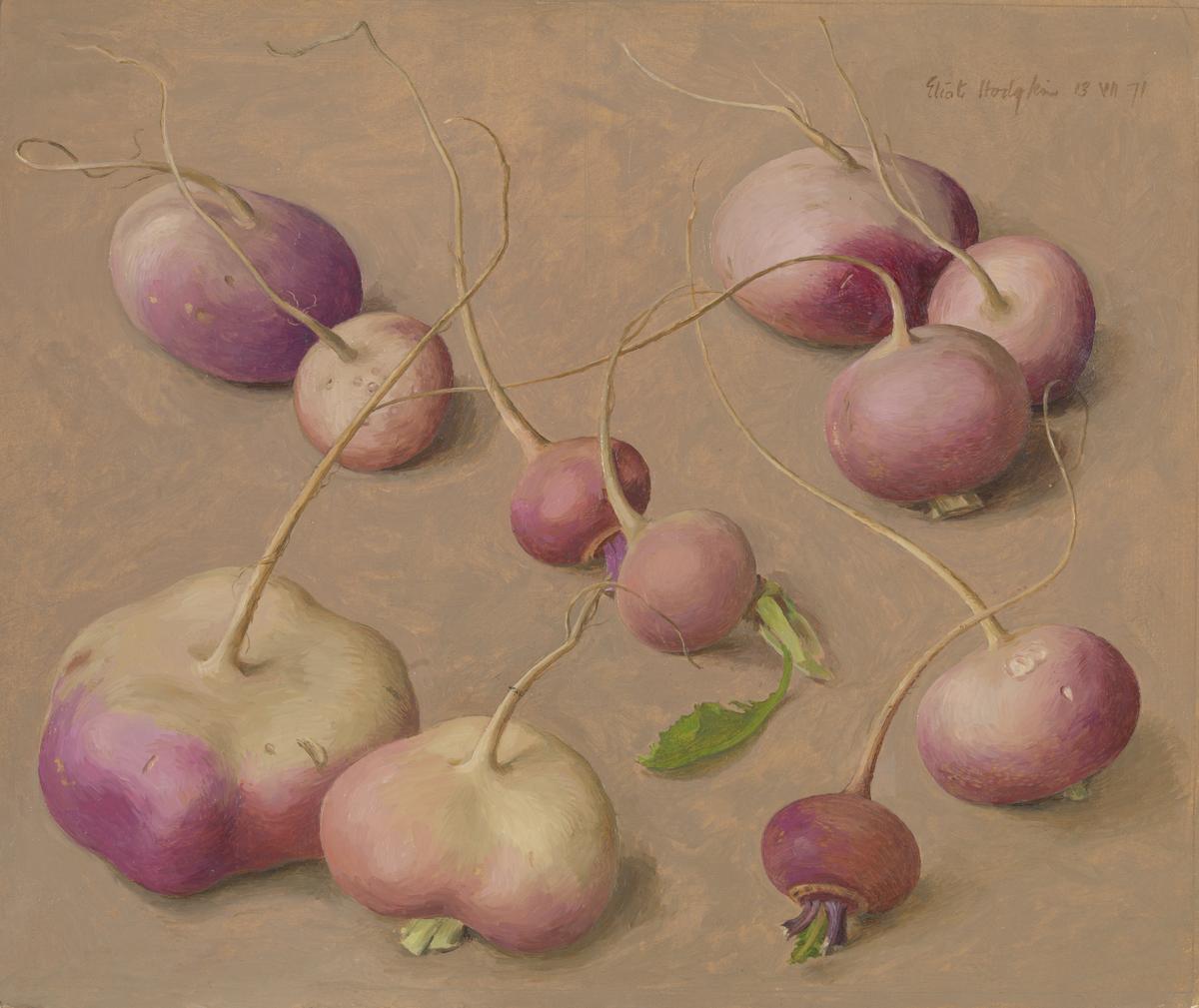
Pink and White Turnips — Eliot Hodgkin

Pink and White Turnips, 1971 by Eliot Hodgkin (1905-1987)

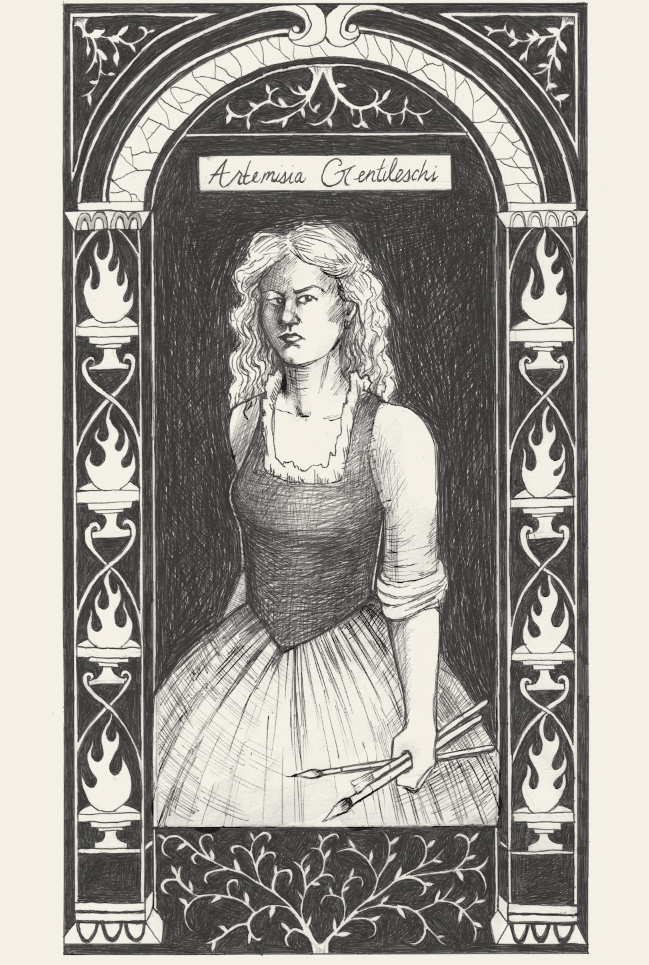
Portrait of Artemisia Gentileschi — Gina Siciliano

A portrait of the artist Artemisia Gentileschi by Gina Siciliano. From Siciliano’s brilliant biographyI Know What I Am: The Life and Times of Artemisia Gentileschi.

Gravity’s Rainbow annotations (so far)

img_4025

I’ll be adding to these and then doing more the next time (?!) I read Gravity’s Rainbow.*

Pages 82-83: The White Visitation, etc.

Page 103: Black Markets, King Kong, etc.

Pages 148-49: Preterite/Elect, Lurianic Kabbalah, Uncanny X-Men, etc.

Page 203: Rainbows, Fuck-yous, Plastic Man, etc.

Pages 204-05: Paper, mise en abyme, a silkenness of girls, etc.

Page 256: “Real America,” Hughes contra Whitman, BANZAI!, etc.

Pages 257-58: The War, nimbus clouds, Zoot Suit Riot!, etc.

Page 299: Tannhäuser, horny expectations, etc.

Page 364: Knights and fools, dendrites and axons, etc.

Pages 412-13:  Ouroboros, organic chemistry, tarot, etc.

Page 419: Innocence, experience, Wm Blake, Wagner’s Ring cycle, etc.

Page 539: Critical Mass, Weismann’s tarot reading, Rilke, hymns, etc.

[Ed. note–I published these links to my notes, riffs, and images connected to a re-reading of Gravity’s Rainbow back in November of 2016. Today marks the 50th anniversary of the publication of Pynchon’s great novel.]

Anastasis of the Wild — Celeste Dupuy-Spencer

Anastasis of the Wild, 2019 by Celeste Dupuy-Spencer (b. 1979)

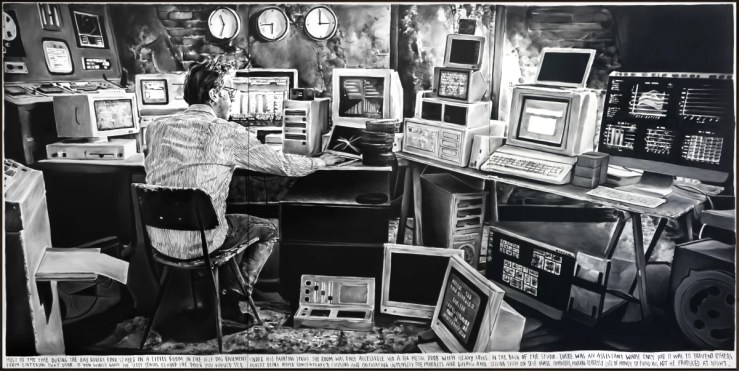
Most of the Time During the Day — Rinus van de Velde

Most of the Time During the Day, 2018 by Rinus van de Velde (b. 1983)

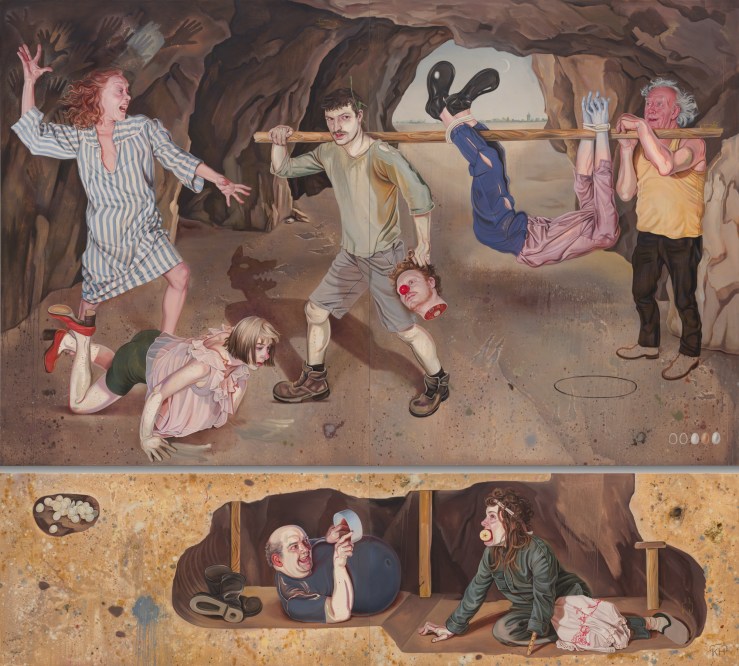
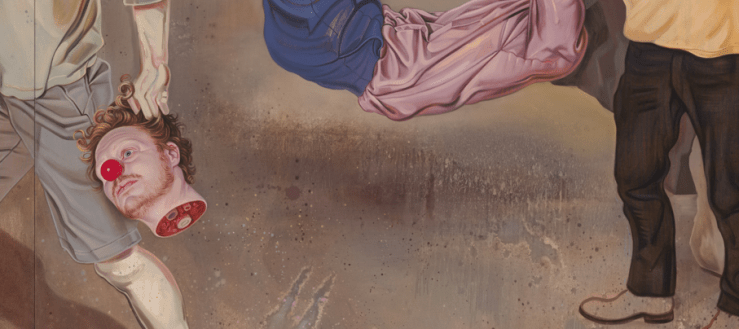
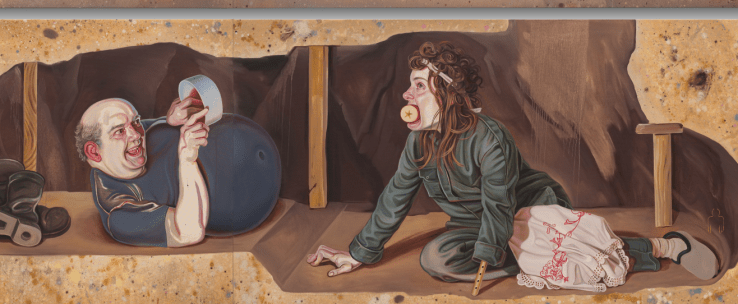
Dämmerung — Kati Heck

Dämmerung, 2022 by Kati Heck (b. 1979)

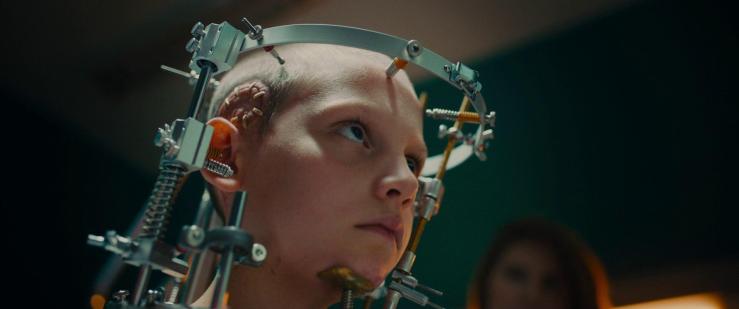
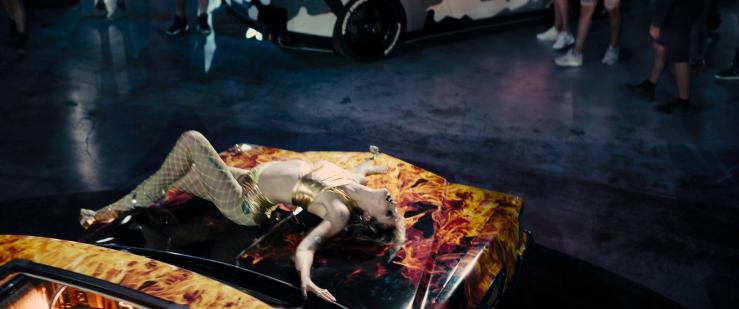
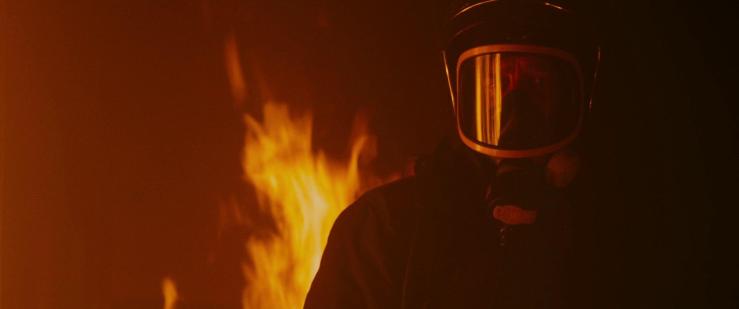
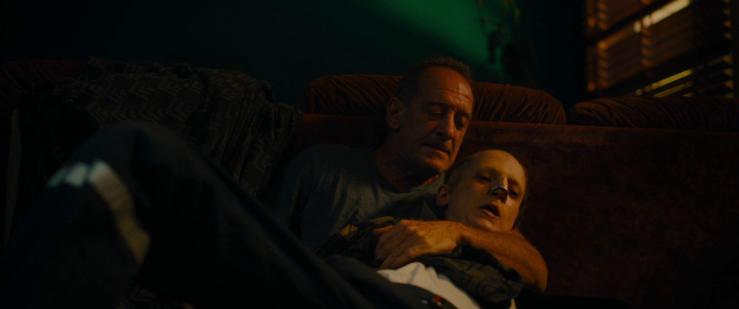
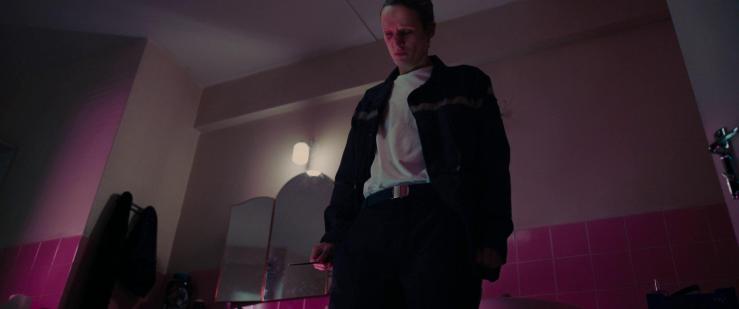
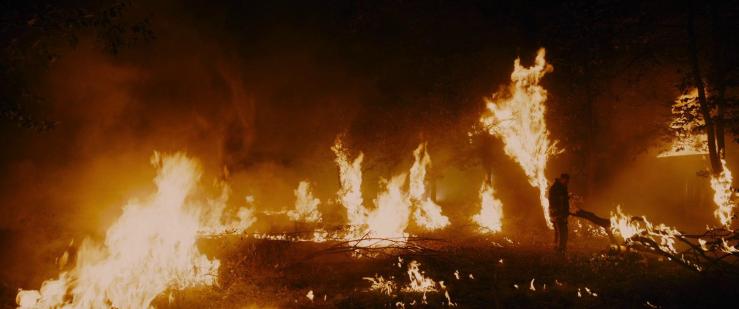
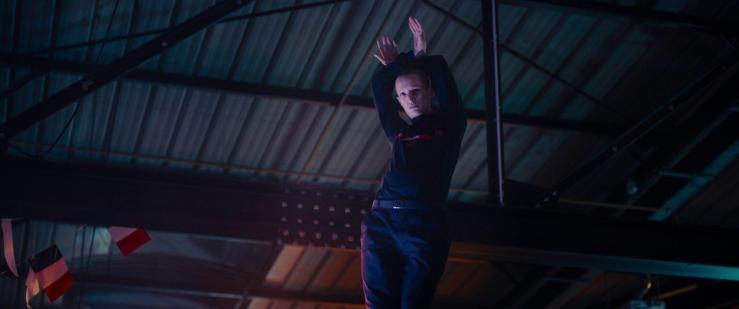
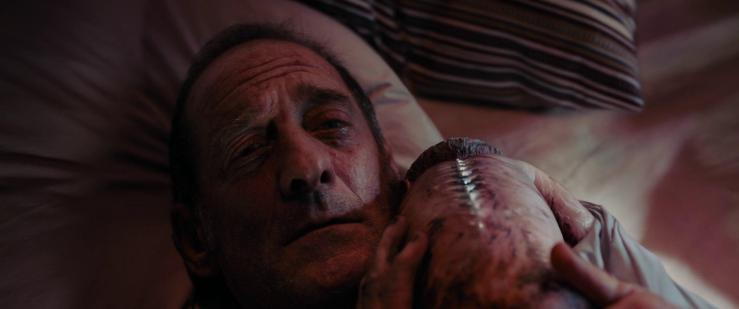
16 frames from Julia Ducournau’s Titane

From Titane, 2021. Directed by Julia Ducournau with cinematography by Ruben Impens. Via FilmGrab.

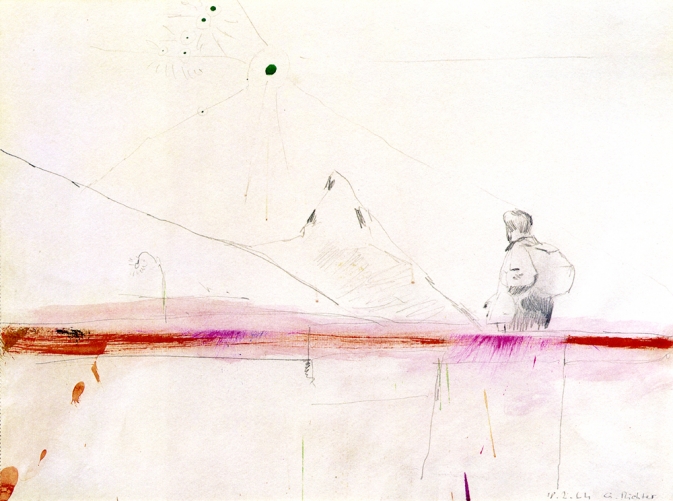
Mountaineer — Gerhard Richter 

Mountaineer 18.2.64, 1964 by Gerhard Richter (b. 1932)

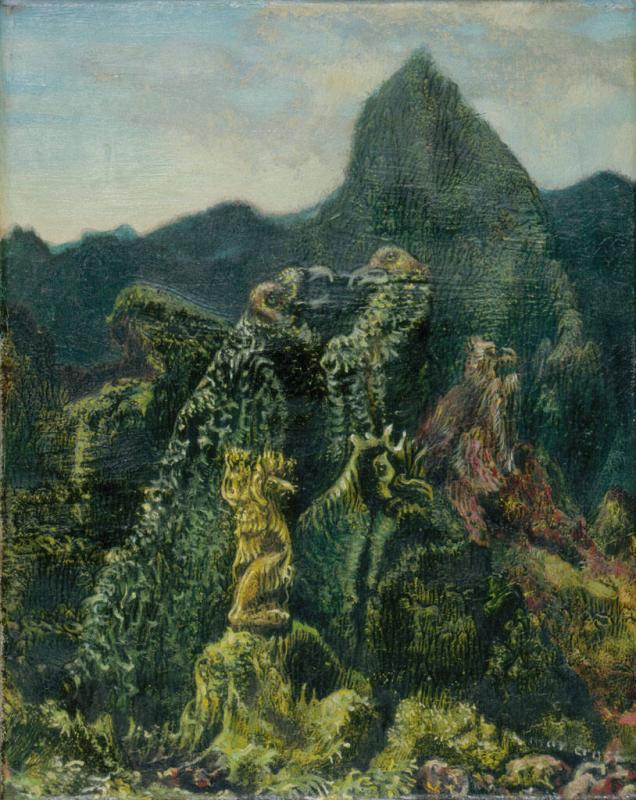
Chimeras in the Mountains — Max Ernst

(1891-1976)

Exodo –Julio Larraz 

Exodo, 2022 by Julio Larraz (b. 1944)

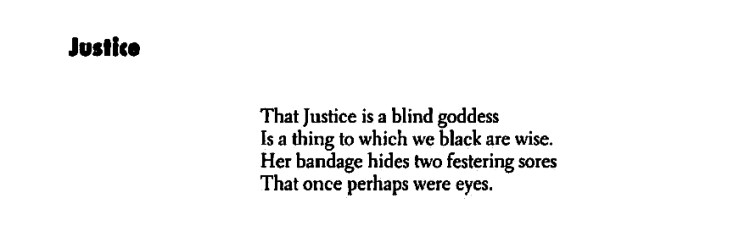
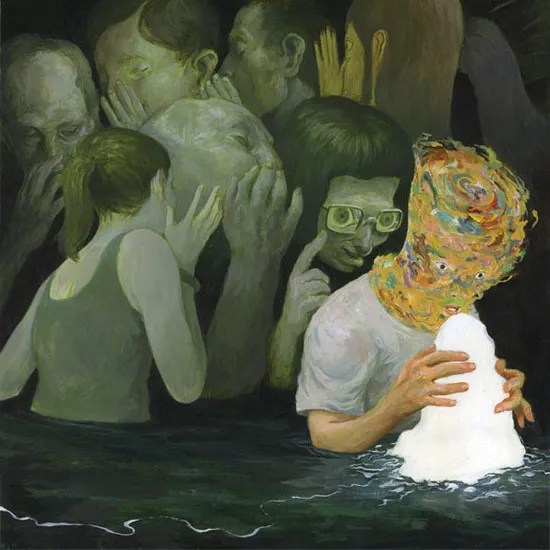
Listen — Vincent Hui

Listen, 2008 by Vincent Hui

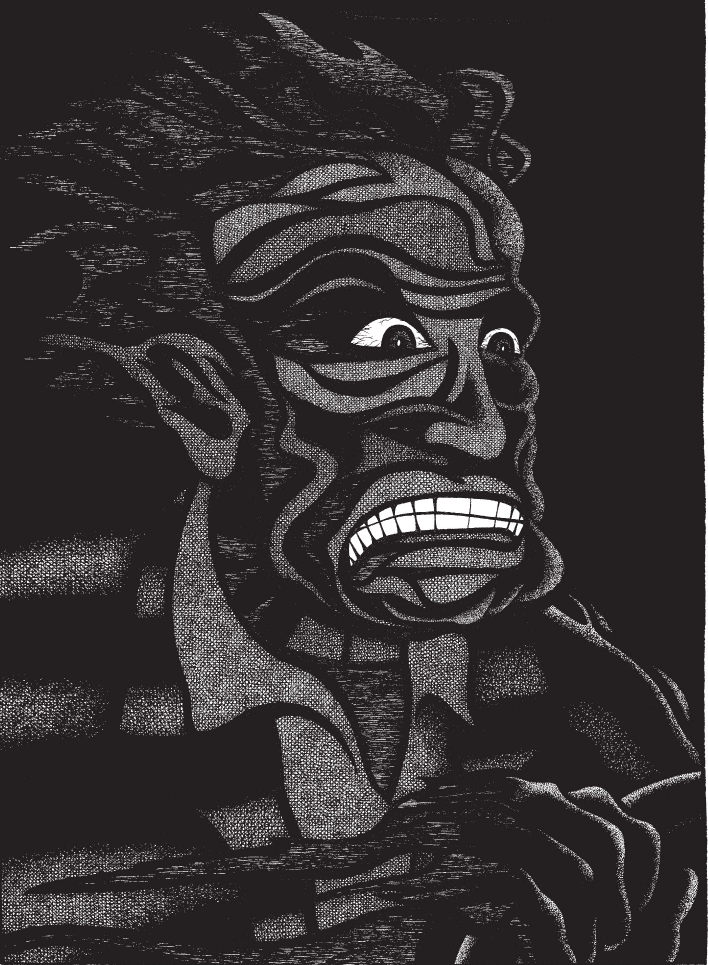
Untitled (Driver) — Eric Haven

A page from “The Highway,” collected in Compulsive Comics, 2018 by Eric Haven.

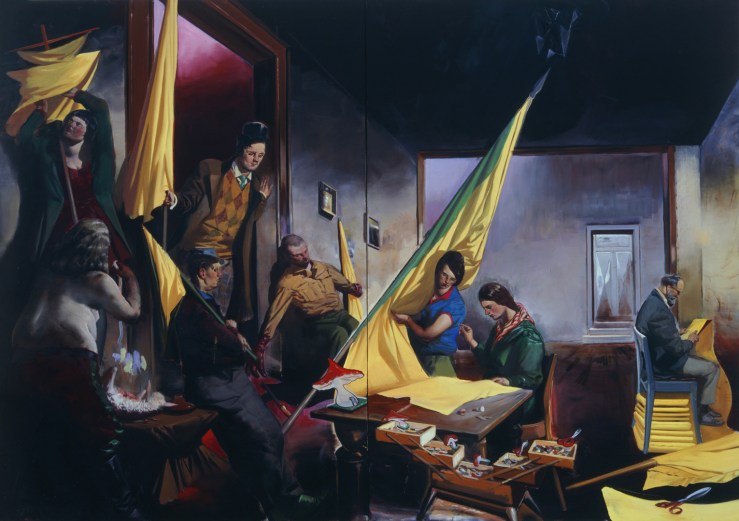
The Embroiderer — Neo Rauch

The Embroiderer, 2008 by Neo Rauch (b. 1960)


Some people found the balloon “interesting” | Donald Barthelme

There were reactions. Some people found the balloon “interesting.” As a response this seemed inadequate to the immensity of the balloon, the suddenness of its appearance over the city, on the other hand, in the absence of hysteria or other societally induced anxiety, it must be judged a calm, “mature” one. There was a certain amount of initial argumentation about the “meaning” of the balloon, this subsided, because we have learned not to insist on meanings, and they are rarely even looked for now, except in cases involving the simplest, safest phenomena. It was agreed that since the meaning of the balloon could never be known absolutely, extended discussion was pointless, or at least less purposeful than the activities of those who, for example, hung green and blue paper lanterns from the warm gray underside, in certain streets, or seized the occasion to write messages on the surface, announcing their availability for the performance of unnatural acts, or the availability of acquaintances.

Daring children jumped, especially at those points where the balloon hovered close to a building, so that the gap between balloon and building was a matter of a few inches, or points where the balloon actually made contact, exerting an ever-so-slight pressure against the side of a building, so that balloon and building seemed a unity. The upper surface was so structured that a “landscape” was presented, small valleys as well as slight knolls, or mounds, once atop the balloon, a stroll was possible, or even a trip, from one place to another. There was pleasure in being able to run down an incline, then up the opposing slope, both gently graded, or in making a leap from one side to the other. Bouncing was possible, because of the pneumaticity of the surface, and even falling, if that was your wish. That all these varied motions, as well as others, were within one’s possibilities, in experiencing the “up” side of the balloon, was extremely exciting for children, accustomed to the city’s flat, hard skin. But the purpose of the balloon was not to amuse children.

Read “The Balloon” by Donald Barthelme.

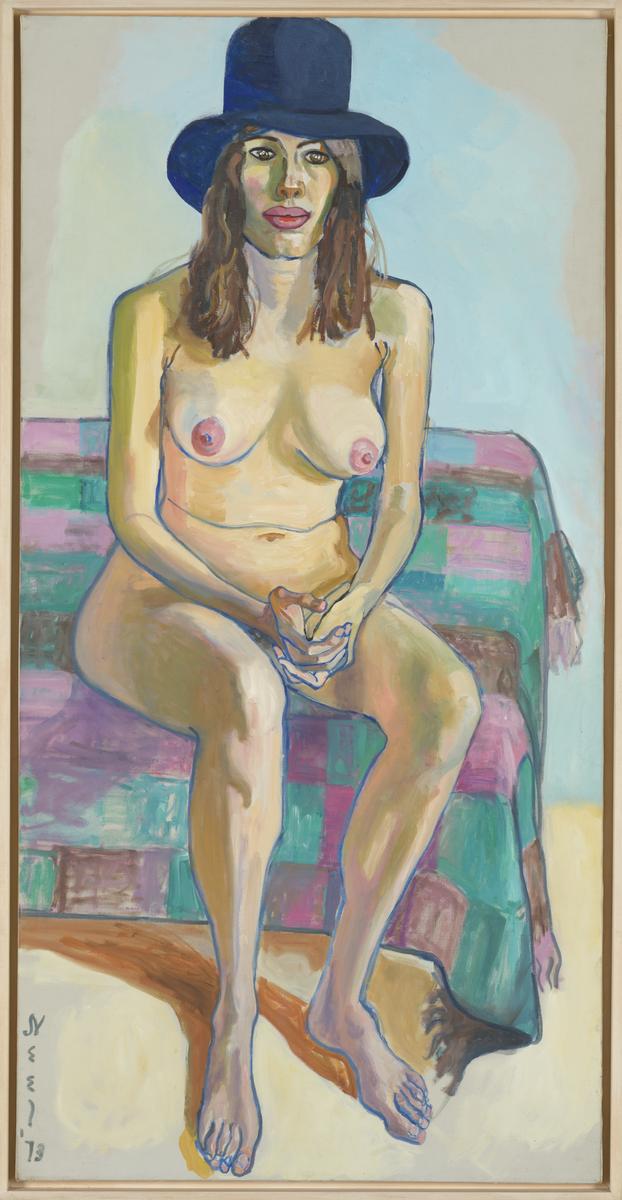
Kitty Pearson — Alice Neel

Kitty Pearson, 1973 by Alice Neel (1900-1984)