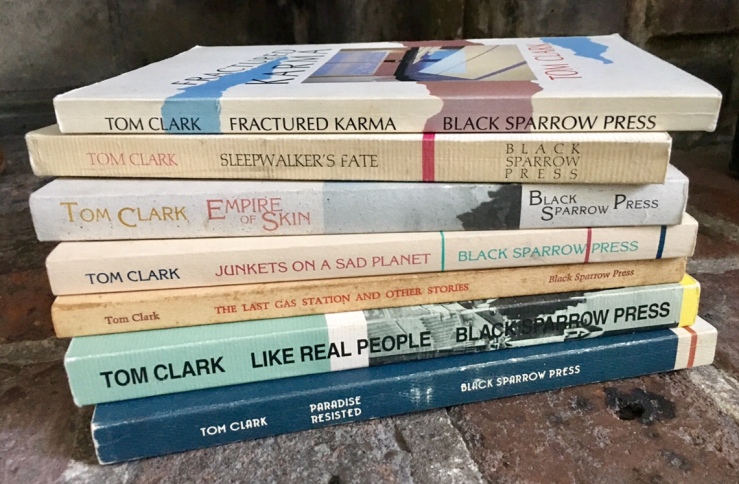
RIP Tom Clark, 1941-2018
The American poet Tom Clark died in the first hour of Saturday, August 18th, 2018 in Berkely California. The cause of the death happened a few hours earlier, late Friday night, as a motorist collided his sedan into Tom Clark as Clark tried to cross the street. Clark was 77.
Tom Clark authored over two dozen poetry collections, many published by Black Sparrow Press. He also wrote a number of literary biographies, including a pair on Jack Kerouac, bios of Robert Creeley and Charles Olson, and a biography of John Keats called Junkets from a Sad Planet that is actually a series of poems. (But also actually a biography of Keats). Clark was the poetry editor for The Paris Review from 1963-1973 (maybe you read his interview with Allen Ginsberg there). Clark was also a blogger—an excellent blogger. He updated his blog a few hours before the car collision that killed him.
I first read Tom Clark in the middle of September, 2013. I read Fractured Karma (1990) and I had never heard of him before. I know the time specifically not because I have a good memory (I don’t), but because I wrote about it then:
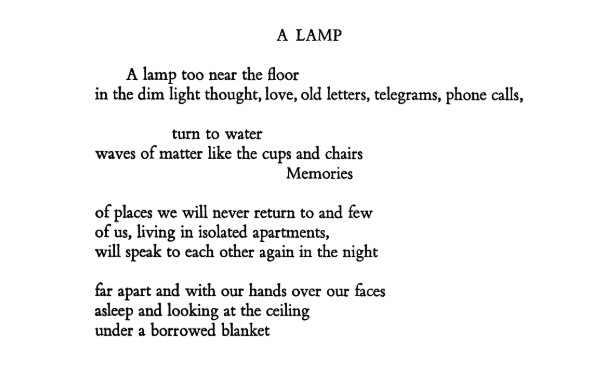
I picked up Tom Clark’s Fractured Karma two weeks ago somewhat randomly. My local bookshop had reorganized some shelves, putting all the Black Sparrow titles together. Fractured Karma must have been on top, because I don’t see how else I would’ve picked up a book with the word “karma” in the title. The book opened to this page:
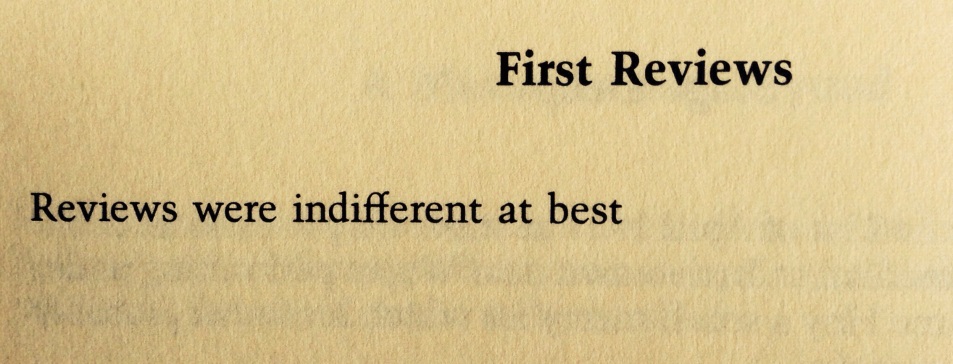
That’s all there is on that page, and something about it—the form, the phrasing—cracked me up. It’s part of a long poem called “He was born blind” about the British comedy actor George Formby. The poem is amazing: I read it there in the store. It reminded me immediately of David Markson’s notecard novels—something about how Clark includes so much reality into his poem. But there’s also this perceptive (if oblique) sense of humor behind it all. I ended up devouring the book, reading the whole thing that weekend. It was one of those holy shit reading moments, frankly. Once I finish typing this I’m going to go pick my kids up and we’re going to go to the bookstore and I’m going to get another Tom Clark book and read it this weekend.
I actually did go to the bookstore after writing that post and pick up another book by Clark, Sleepwalker’s Fate (1992). The store had several books by Clark, and I wasn’t sure which one to get. I remember that the title Sleepwalker’s Fate stood out, so I picked it up and thumbed through it, and I remember reading the poem “Terminator Too” there in the store—it did something electric to me—the goofy title, the winking irony, but also the earnestness of the poem, which paraphrases a few lines from Wordsworth’s Preface to Lyrical Ballads. Here it is:
“Terminator Too” by Tom Clark—
Poetry, Wordsworth
wrote, will have no
easy time of it when
the discriminating
powers of the mind
are so blunted that
all voluntary
exertion dies, and
the general
public is reduced
to a state of near
savage torpor, morose,
stuporous, with
no attention span
whatsoever; nor will
the tranquil rustling
of the lyric, drowned out
by the heavy, dull
coagulation
of persons in cities,
where a uniformity
of occupations breeds
cravings for sensation
which hourly visual
communication of
instant intelligence
gratifies like crazy,
likely survive this age.
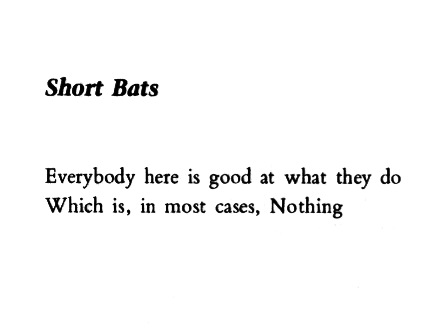
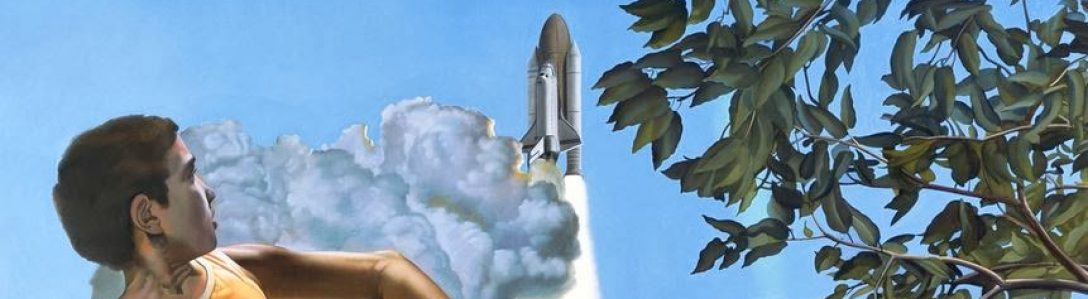
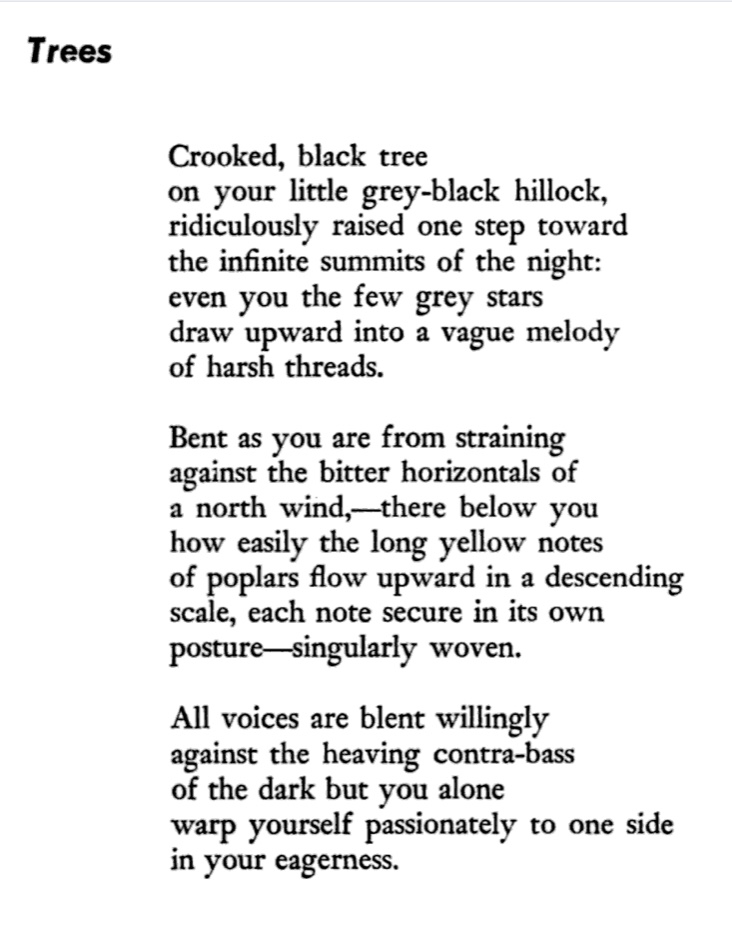
Sleepwalker’s Fate is a good starting place to read Tom Clark’s poetry, as are Fractured Karma and the collection Paradise Revisited (1984). Here’s one from Paradise Revisited:
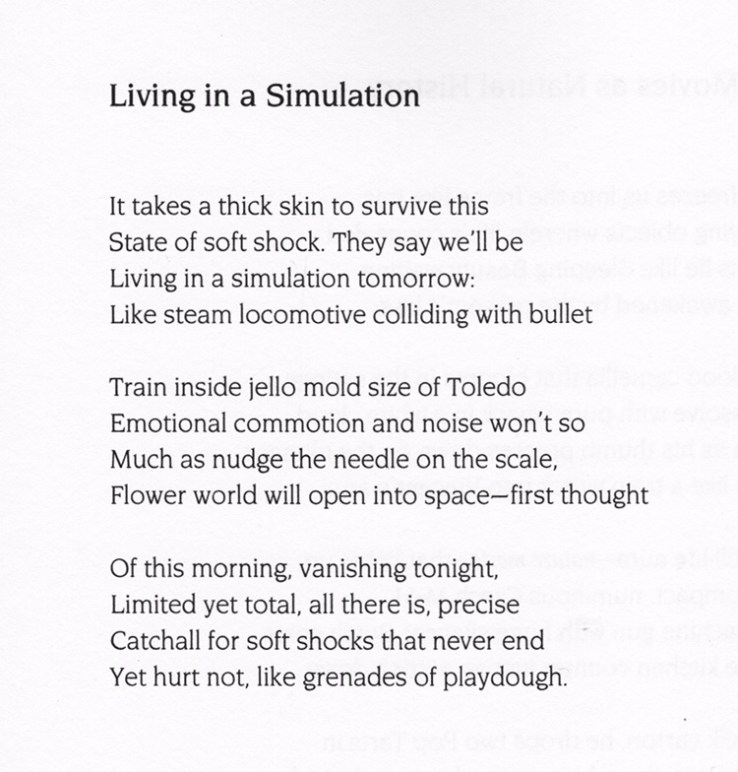
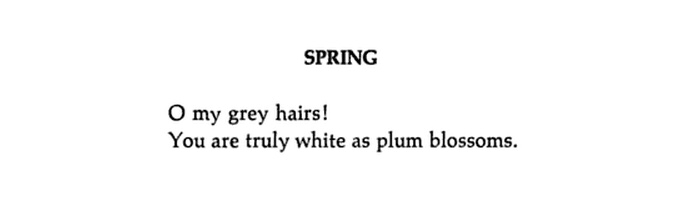
The later poetry collection Like Real People (1995) is also pretty great. It includes this humdinger:
Like Real People also includes a series of autobiographical sketches and stories told in an engaging but straightforward manner. The epilogue there is particularly good—Clark mulls over what it means to write an autobiography, straining against his anxieties over framing his own life stories. Tellingly, he lards the essay with quotes and ideas from other folks. Clark’s poetry often takes on the form of translation, citation, history, or reinterpretation (as we see in “Terminator Too,” above), and works like Empire of Skin (1997) and Junkets on a Sad Planet (1994) are particularly ambitious. Empire of Skin is a series of poems that take on the history of the American fur trade through a lens critical of Manifest Destiny. Junkets on a Sad Planet is an impressionistic series of riffs on Keats’ short life (“junkets” is a pun). From Junkets—
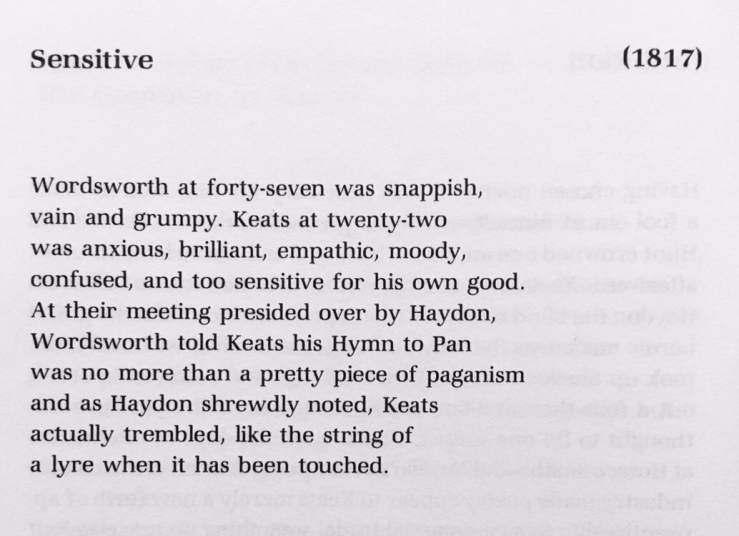
What a lovely condensation of biography, history, and poetic anxiety!
I’ll close with one of my favorite Clark poems, “Heavy,” which discharges poetic anxiety. Clark dedicated the poem to Jack Kerouac and Charles Olson—the gods in the first line, perhaps?–figures he would later write biographies on.
Peace be with Tom Clark.



 Biblioklept