Hunter S. Thompson: “I Always Roll My Ice in Chlorophyll Before I Drink Whiskey”

Fifty Sexy Literary Alternatives to Fifty Shades of Grey

I hate to be anti-book—any book, really, even awful ones—but Fifty Shades of Grey barely qualifies as a book, and it’s utterly dreadful to think that a Twilight knockoff that started as Twilight fanfiction (!) is now sold in bulk across the world when there are so many good books out there—salacious, sexy, erotic books at that. But, like I said, I hate to knock on something when it’s more productive to offer an alternative. So: a list.

This list is subjective, occasionally weird, and hardly complete (feel free to point out what I’ve left off). I’ve only included works that I’ve read in part or in whole. I’m clearly aware that certain stuff like D.H. Lawrence, much of Updike, and infamous classics like Walter’s My Secret Life are not on here—if it’s not on here, I haven’t read any of it. I vouch for everything else.

  1. Song of Songs (Old Testament)
  2. Juliette, Marquis de Sade
  3. Justine, Marquis de Sade
  4. The 120 Days of Sodom, Marquis de Sade
  5. The Pearl, William Lazenby (ed.)
  6. The Story of O, Pauline Réage
  7. Delta of Venus,  Anaïs Nin
  8. Little Birds, Anaïs Nin
  9. Lost Girls, Alan Moore and Melinda Gebbie
  10. The Soft Machine, William Burroughs
  11. Story of the Eye, Georges Bataille
  12. The Garden of Eden, Ernest Hemingway
  13. Ada, or Ador, Vladimir Nabokov
  14. Fanny Hill, John Cleland
  15. Poems of Sappho
  16. Crash, J.G. Ballard
  17. Their Eyes Were Watching God, Zora Neale Hurston
  18. House of Holes, Nicolson Baker
  19. Blood and Guts in High School, Kathy Acker
  20. Satyricon, Petronius Arbiter
  21. “Penelope”/Molly’s monologue from Ulysses, James Joyce
  22. “Nausicaa” from Ulysses, James Joyce
  23. “Circe” from Ulysses, James Joyce
  24. Boccaccio’s Decameron
  25. Tropic of Cancer, Henry Miller
  26. Tropic of Capricorn, Henry Miller
  27. Women, Charles Bukowski
  28. Poems of Catullus
  29. A Midsummer Night’s Dream, William Shakespeare
  30. Kama Sutra
  31. Naked Lunch, William Burroughs
  32. The Ways, Caracci and Aretino
  33. Vox, Nicholson Baker
  34. Ars Amatoria, Ovid
  35. A Feast of Snakes, Harry Crews
  36. Casanova’s letters and memoirs 
  37. Chaucer’s The Canterbury Tales
  38. Snow White, Donald Barthelme
  39. Brave New World, Aldous Huxley
  40. Briar Rose, Robert Coover
  41. Frisk, Dennis Cooper
  42. Song of Myself, Walt Whitman
  43. Hotel Iris, Yoko Ogawa
  44. “Wild nights! Wild nights!”, Emily Dickinson
  45. Various selections of Robert Crumb
  46. Dream Story, Arthur Schnitzler
  47. A few choice passages from Roberto Bolaño’s The Savage Detectives
  48. Venus in Furs,  Leopold von Sacher-Masoch
  49. The Bloody Chamber, Angela Carter
  50. “I started Early – Took my Dog -“, Emily Dickinson

Tiger — Eugène Delacroix

“Thomas Browne Was Born in London on the 19th of October, 1605, the Son of a Silk Merchant” — W.G. Sebald


Thomas  Browne was born in London on the 19th of October 1605, the son of a silk merchant. Little is known of his childhood, and the accounts of his life following completion of his master’s degree at Oxford tell us scarcely anything about the nature of his later medical studies. All we know for certain is that from his twenty-fifth to his twenty-eighth year he attended the universities of Montpellier, Padua and Vienna, then outstanding in the Hippocratic sciences, and that just before returning to England, received a doctorate in medicine from Leiden. In January 1632, while Browne was in Holland, and thus at a time when he was engaging more profoundly with the mysteries of the human body than ever before, the dissection of a corpse was undertaken in public at the Waaggebouw in Amsterdam—the body being that of Adriaan Adriaanszoon alias Aris Kindt, a petty thief of that city who had been hanged for his misdemeanours an hour or so earlier. Although we have no definite evidence for this, it is probable that Browne would have heard of the dissection and was present at the extraordinary event, which Rembrandt depicted in his painting of the Guild of Surgeons, for the anatomy lessons given every year in the depth of winter by Dr Nicolaas Tulp were not only of the greatest interest to a student of medicine but constituted in addition a significant date in the agenda of a society that saw itself as emerging from the darkness into the light. The spectacle, presented before a paying public drawn from the upper classes, was no doubt a demonstration of the undaunted investigative zeal in the new sciences; but it also represented (though this surely would have been refuted) the archaic ritual of dismembering a corpse, of harrowing the flesh of the delinquent even beyond death, a procedure then still part of the ordained punishment. That the anatomy lesson in Amsterdam was about more than a thorough knowledge of the inner organs of the human body is suggested by Rembrandt’s representation of the ceremonial nature of the dissection—the surgeons are in their finest attire, and Dr Tulp is wearing a hat on his head—as well as by the fact that afterwards there was a formal, and in a sense symbolic banquet. If we stand today before the large canvas of Rembrandt’s The Anatomy Lesson in the Mauritshuis we are standing precisely where those who were present at the dissection in the Waaggebouw stood, and we believe that we see what they saw then: in the foreground, the greenish, prone body of Aris Kindt, his neck broken and his chest risen terribly in rigor mortis. And yet it is debatable whether anyone ever really saw that body, since the art of anatomy, then in its infancy, was not least a way of making the reprobate body invisible. It is somehow odd that Dr Tulp’s colleagues are not looking at Kindt’s body, that their gaze is directed just past it to focus on the open anatomical atlas in which the appalling physical facts are reduced to a diagram, a schematic plan of the human being, such as envisaged by the enthusiastic amateur anatomist René Descartes, who was also, so it is said, present that January morning in the Waaggebouw. In his philosophical investigations, which form one of the principal chapters of the history of subjection, Descartes teaches that one should disregard the flesh, which is beyond our comprehension, and attend to the machine within, to what can fully be understood, be made wholly useful for work, and, in the event of any fault, either repaired or discarded.

A passage from W.G. Sebald’s book The Rings of Saturn


Reading a Book — Nikolay Bogdanov-Belsky

Robert Hughes Slags Damien Hirst and Andy Warhol

RIP Robert Hughes

RIP art critic Robert Hughes, 1938-2012

Watch “The Mechanical Paradise,” the first episode of The Shock of the New:

Details from a Museum Visit

I visited the New Orleans Museum of Art last week.

I’d been before, about ten years ago, I guess, and at that time I was far more interested in their collection of modern stuff—surrealism, pop, conceptual, etc.

Over the years my taste has veered strongly toward Renaissance stuff, and I think I got a lot more out of NOMA this time.

Anyway, I took some shots with my antique iPhone, and present them here with no commentary.
20120806-164850.jpg

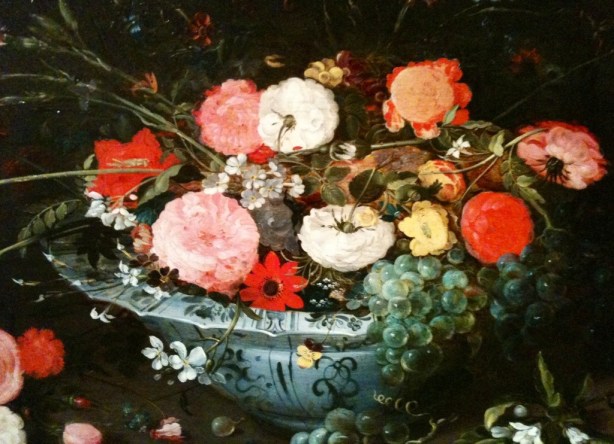
Detail from Summer Flowers in a Wanli Kraak Porcelain Bowl by Jan Brueghel the Younger
20120806-164754.jpg

20120806-164805.jpg

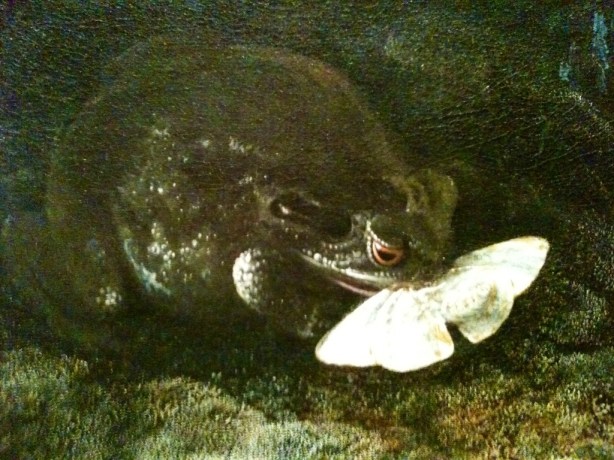
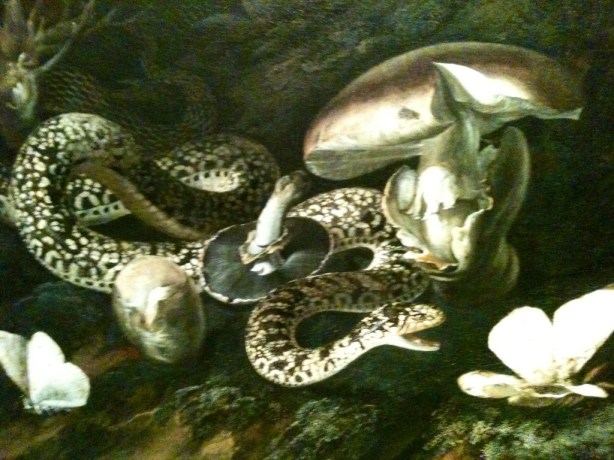
Details from Serpents and Insects by Otto Marseus van Schreick
20120806-164815.jpg

20120806-164824.jpg

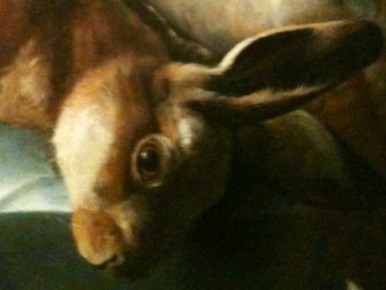
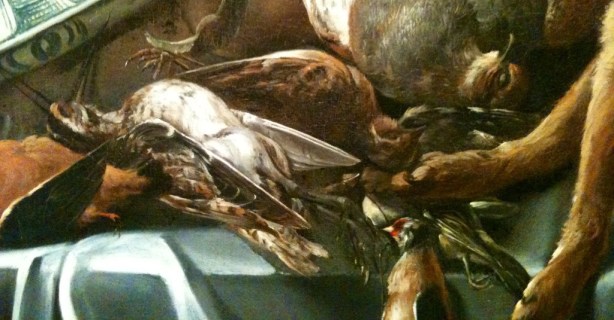
Details from Still Life of Fruit with Lobster and Dead Game by Michiel Simons
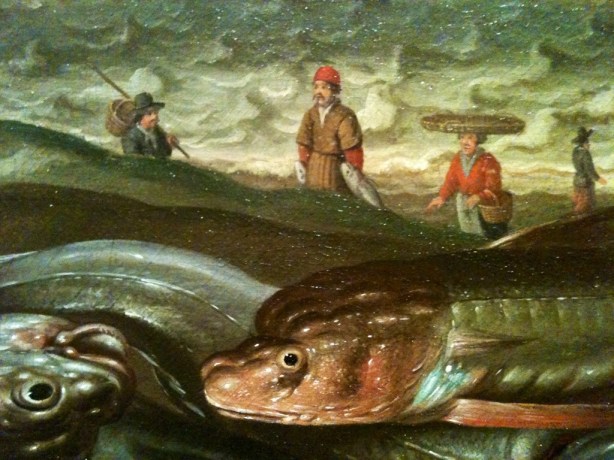
20120806-164839.jpg

Detail from Fish Heaped on the Beach by Willem Ormea and Adam Willaerts

20120806-164900.jpg

20120806-164909.jpg

Details from The Lawyer’s Office by Marinus van Reymerswache
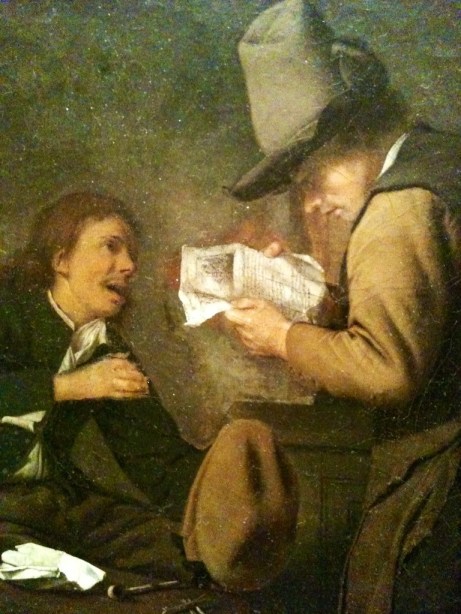
20120806-164918.jpg

Detail from The Latest News by Andries Andriesz Schaeck
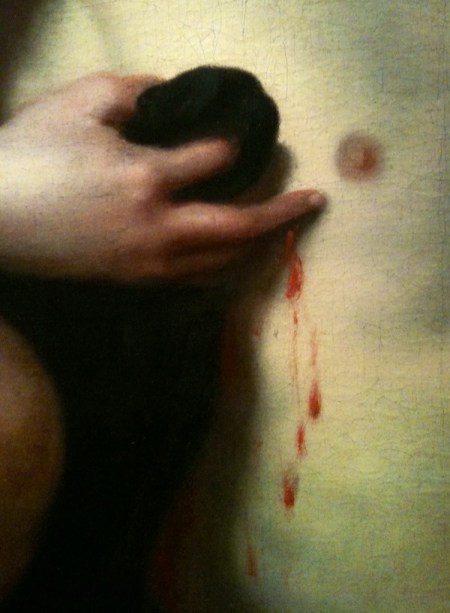
20120806-164931.jpg

20120806-164947.jpg

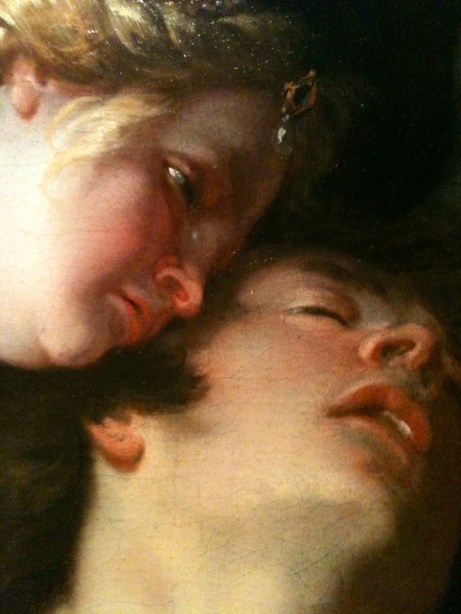
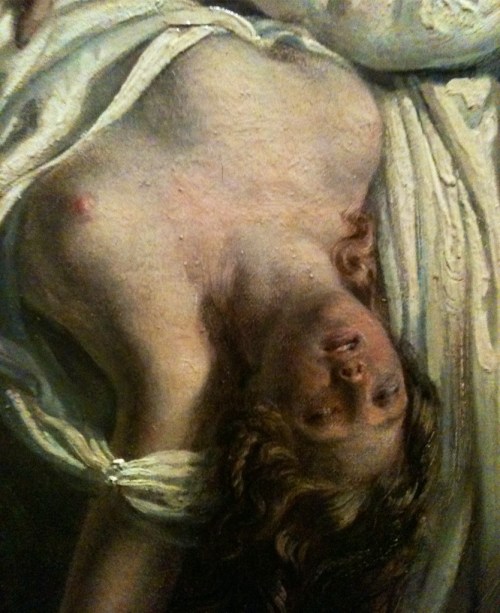
Details from Venus Mourning the Death of Adonis by Thomas Willeboirts Bosschaert

20120806-165020.jpg

20120806-165029.jpg

20120806-165049.jpg

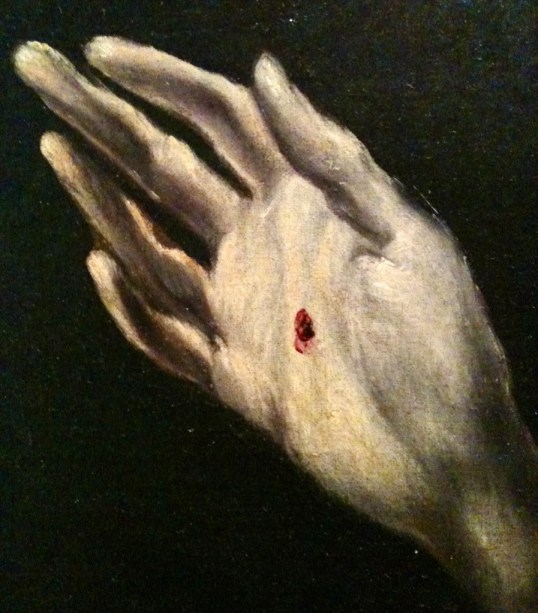
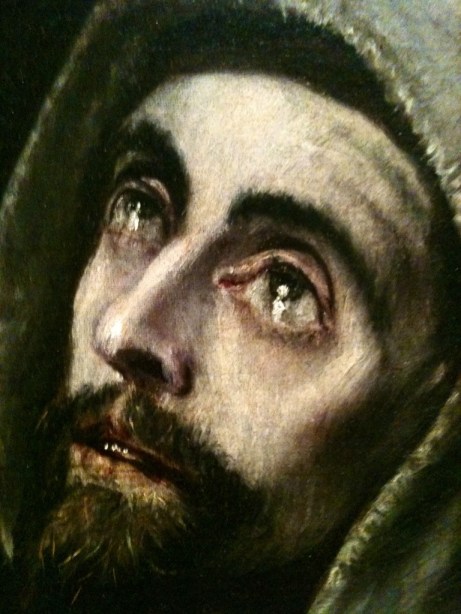
Details from St. Francis by El Greco
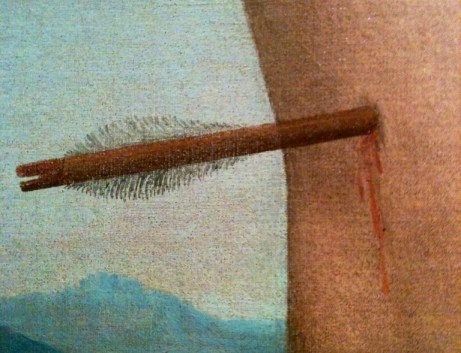
20120806-165102.jpg

Detail from Saint Sebastian by Giuliano Bugiardini
20120806-165111.jpg

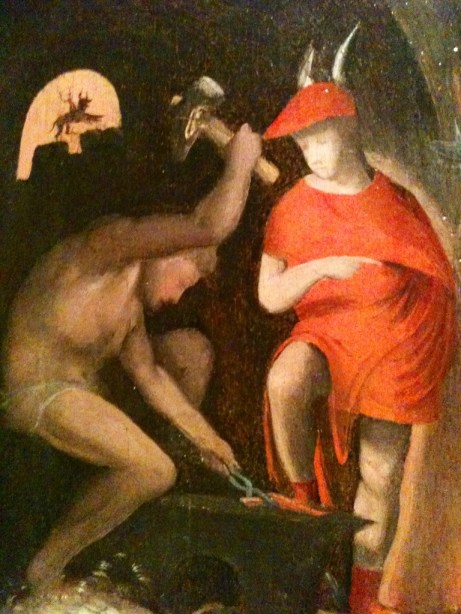
Detail from Venus and Cupid with Vulcan by Domenico Beccafumi
20120806-165123.jpg

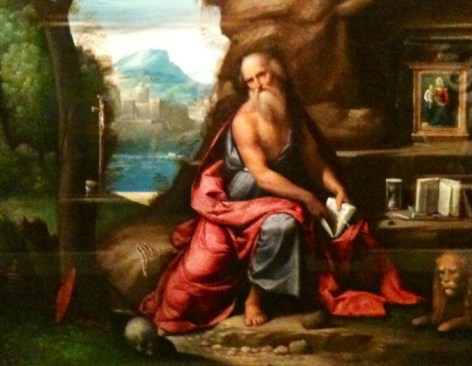
Detail from Meditation of Saint Jerome by Garofalo
20120806-165135.jpg

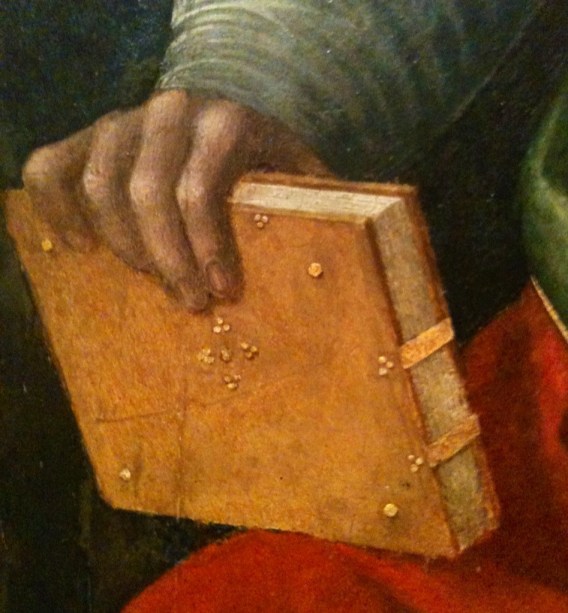
Detail from Saint Paul by Vincenzo Foppa
20120806-165152.jpg

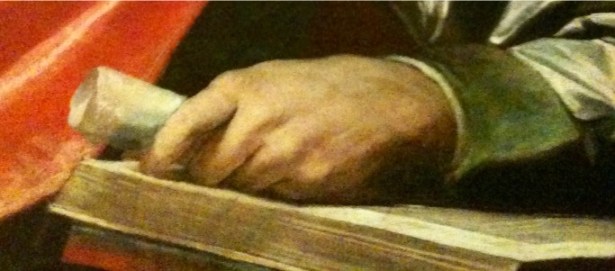
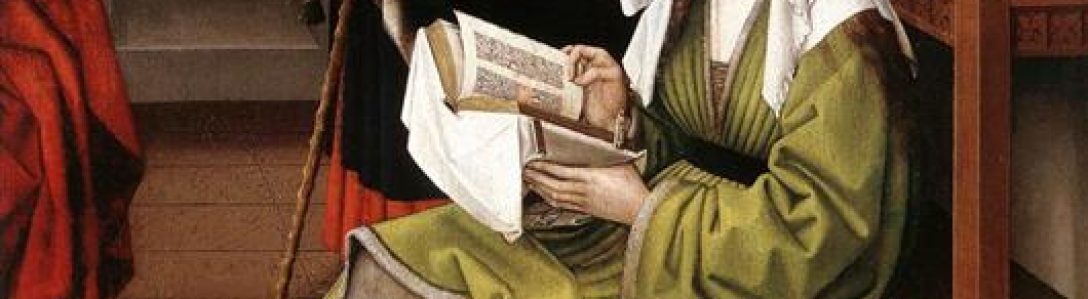
Detail from A Saint Reading by Lorenzo Lippi

20120806-165212.jpg

Detail from Saint Theresa of Avila by Joseph-Marie Vien
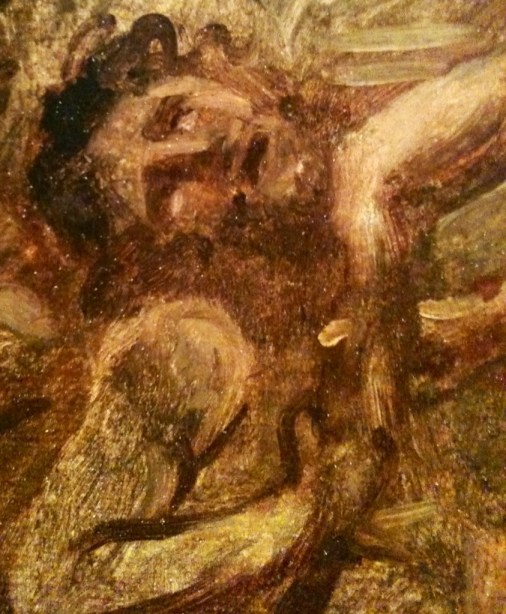
20120806-165231.jpg

20120806-165247.jpg

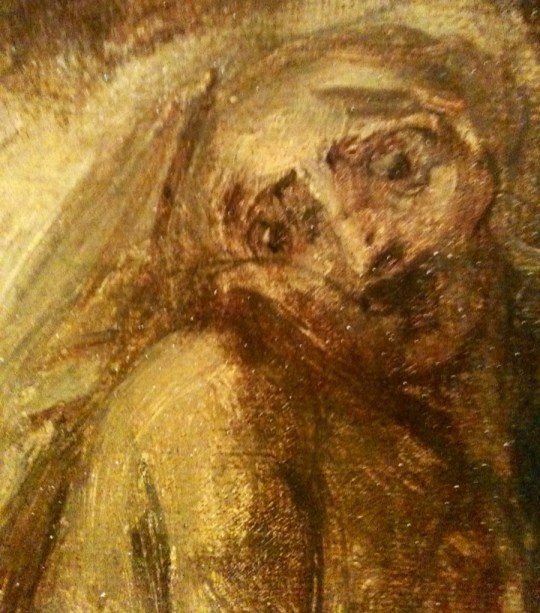
Details from First Sketch for “The Pest house at Jaffa” by Antoine Jean Barron Gros
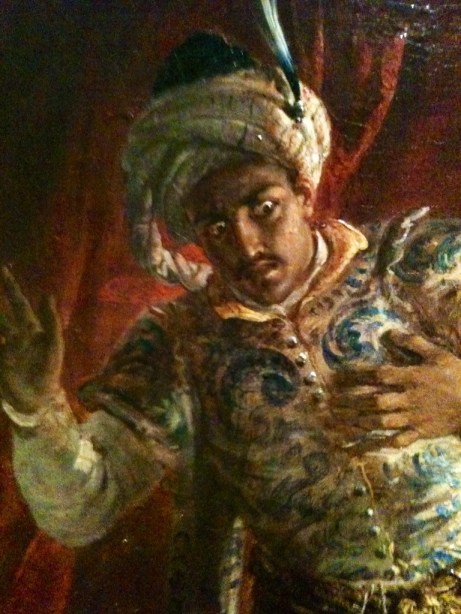
20120806-165258.jpg

20120806-165316.jpg

Details from Othello and Desdemona by Alexander-Marie Colin
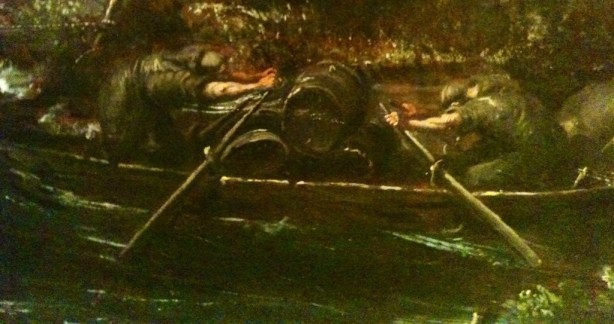
Detail from Landscape with Travelers by Alessandro Magnasco
The Exile and The Snail — William Turner

Robert Altman on Kurosawa’s Film Rashomon

“Clothes” — Franz Kafka


Clothes

Often when I see clothes with manifold pleats, frills, and appendages which fit so smoothly onto lovely bodies I think they won’t keep that smoothness long, but will get creases that can’t be ironed out, dust lying so thick in the embroidery that it can’t be brushed away, and that no one would want to be so unhappy and so foolish as to wear the same valuable gown every day from early morning till night.

And yet I see girls who are lovely enough and display attractive muscles and small bones and smooth skin and masses of delicate hair, and nonetheless appear day in, day out, in this same natural fancy dress, always propping the same face on the same palms and letting it be reflected from the looking glass.

Only sometimes at night, on coming home late from a party, it seems in the looking glass to be worn out, puffy, dusty, already seen by too many people, and hardly wearable any longer.

“Clothes” by Franz Kafka.


Portrait of a Girl with a Book — Agnolo Bronzino

Poison Oasis — Jean-Michel Basquiat

Book Shelves #32, 8.05.2012

20120729-153918.jpg

Book shelves series #31, thirty-first Sunday of 2012

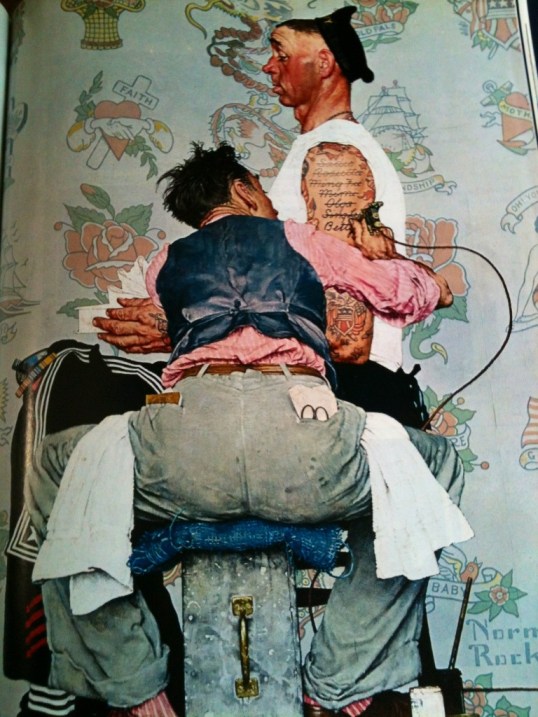
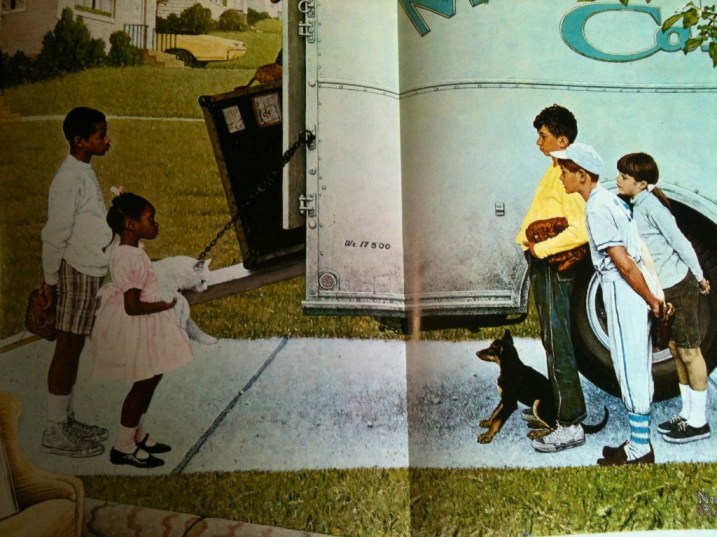
I had forgotten about this Norman Rockwell book, which I promptly took out and put on the coffee table:

20120729-153933.jpg

It’s funny to think how corny I used to think the guy was . . .

20120729-153946.jpg

. . . which I guess he is, corny, I mean, but he’s also a master painter, with cartoonish sensibility.

And if at times he’s goofy, well, he also exhibited a social conscience in his art that was, well, human-centered.

20120729-154003.jpg

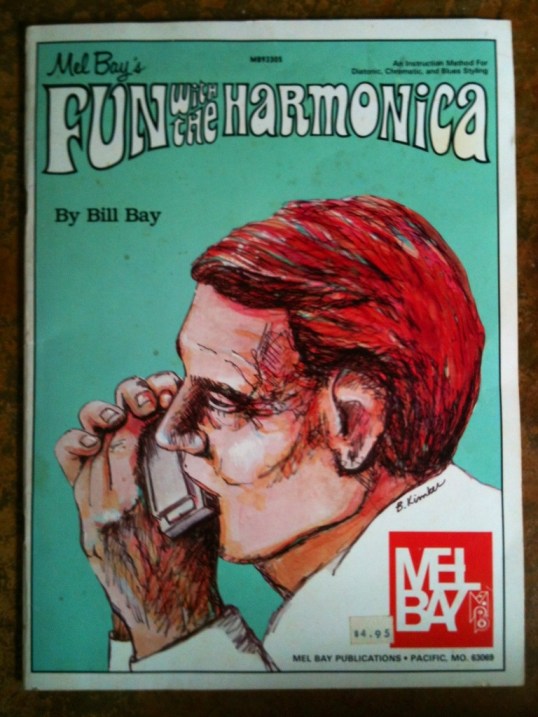
A harmonica book:

20120729-154031.jpg

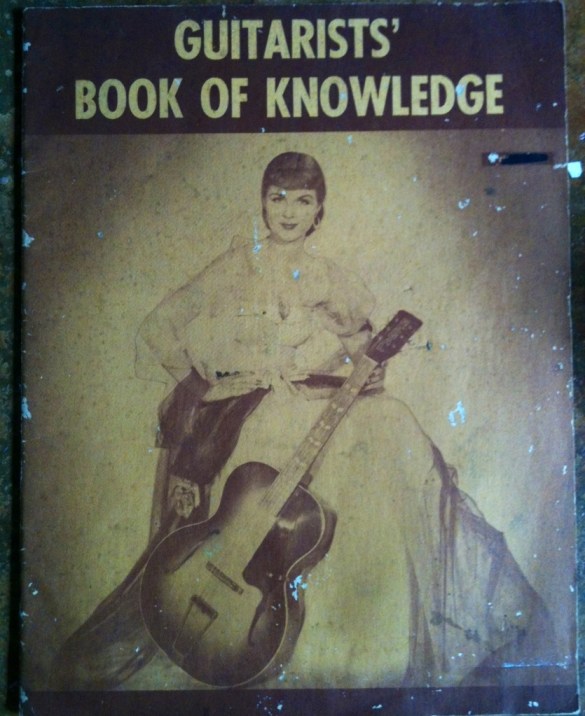
And a guitar book:

20120729-154038.jpg

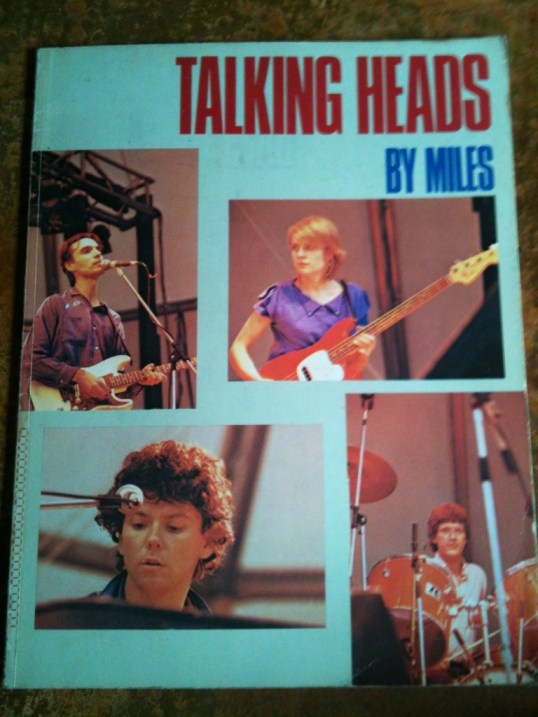
Talking Heads are my favorite band. An old girlfriend found this tabloidy book at a thriftstore and gave it to me for my birthday. This was like 16 years ago. I’d forgotten where the book was:

20120729-154046.jpg

There’s a few copies of Far Side stuff on this shelf:

20120729-154057.jpg

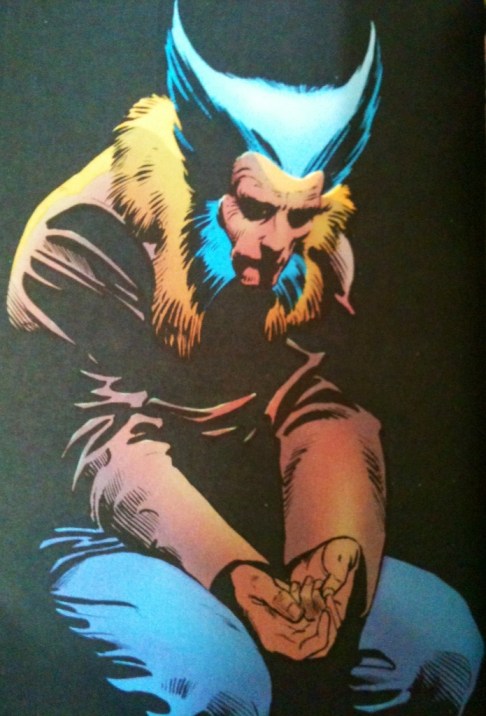
And Frank Miller’s Wolverine graphic novel, which was my favorite thing in the world when I was 11.

Sad Wolverine:

20120729-154107.jpg

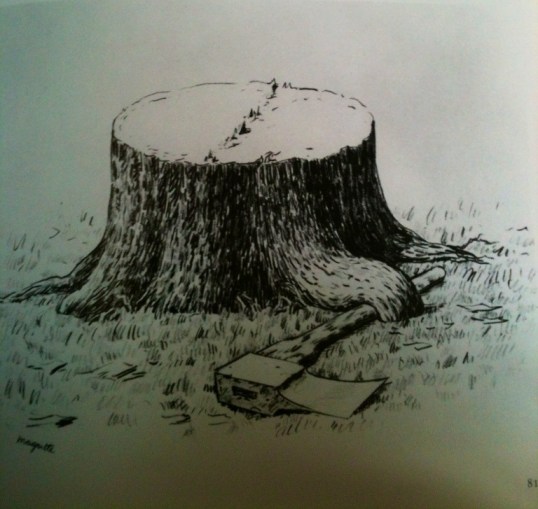
One of at least three Magritte books in the house is on this shelf. A drawing from said volume:

20120729-154115.jpg

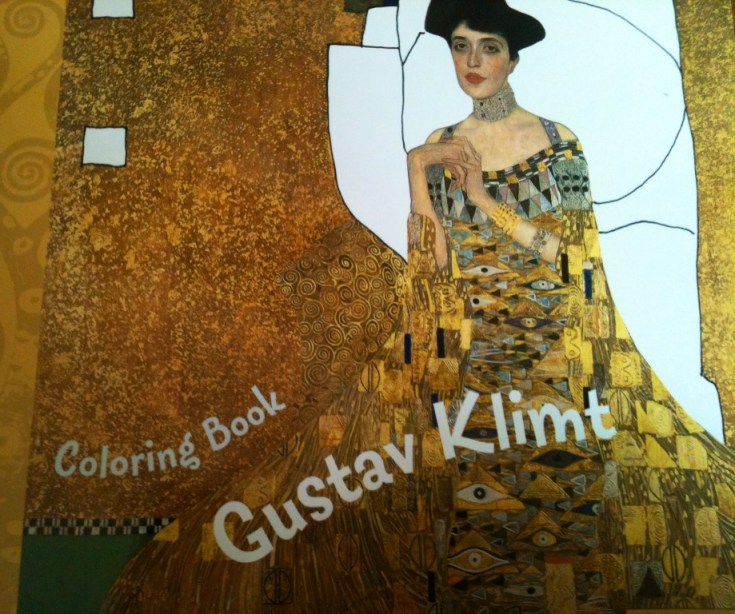
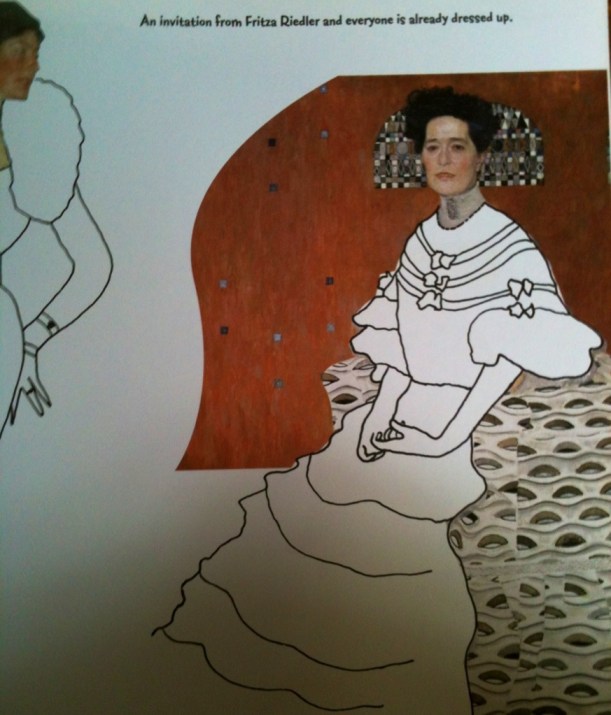
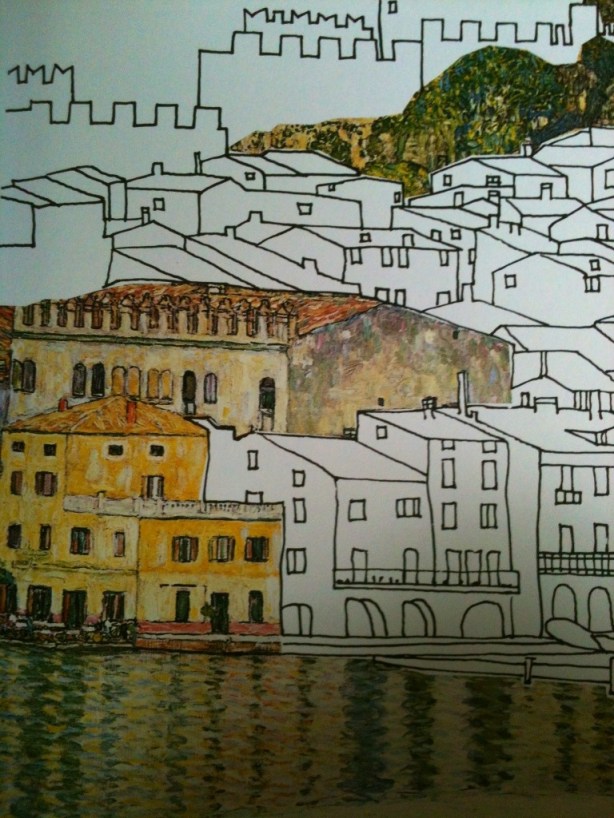
A Gustav Klimt coloring book:

20120729-154123.jpg

20120729-154130.jpg

20120729-154137.jpg

“Brief Interview #30” — David Foster Wallace


B.I. #30 03-97 DRURY UT

‘I have to admit it was a big reason for marrying her, thinking I wasn’t likely going to do better than this because of the way she had a good body even after she’d had a kid. Trim and good and good legs—she’d had a kid but wasn’t all blown out and veiny and sagged. It probably sounds shallow, but it’s the truth. I’d always had this major dread of marrying some good-looking woman and then we have a kid and it blows her body out but I still have to have sex with her because this is who I’ve signed on to have sex with the whole rest of my life. This probably sounds awful, but in her case it was like she was pre-tested—the kid didn’t blow her body out, so I knew she’d be a good bet to sign on and have kids with and still try to have sex. Does that sound shallow? Tell me what you think. Or does the real truth about this kind of thing always sound shallow, you know, everybody’s real reasons? What do you think? How does it sound?’

“Brief Interview #30” by David Foster Wallace. From  Brief Interviews with Hideous Men.


The Good Book — Federico Zandomeneghi

Wolf Dog — Jamie Wyeth