Almayer’s Folly — Rene Magritte

78831

Almayer’s Folly, 1951 by René Magritte (1898-1967)

“Kaspar!  Makan!”

The well-known shrill voice startled Almayer from his dream of splendid future into the unpleasant realities of the present hour.  An unpleasant voice too.  He had heard it for many years, and with every year he liked it less.  No matter; there would be an end to all this soon.

He shuffled uneasily, but took no further notice of the call.  Leaning with both his elbows on the balustrade of the verandah, he went on looking fixedly at the great river that flowed—indifferent and hurried—before his eyes.  He liked to look at it about the time of sunset; perhaps because at that time the sinking sun would spread a glowing gold tinge on the waters of the Pantai, and Almayer’s thoughts were often busy with gold; gold he had failed to secure; gold the others had secured—dishonestly, of course—or gold he meant to secure yet, through his own honest exertions, for himself and Nina.  He absorbed himself in his dream of wealth and power away from this coast where he had dwelt for so many years, forgetting the bitterness of toil and strife in the vision of a great and splendid reward.  They would live in Europe, he and his daughter.  They would be rich and respected.  Nobody would think of her mixed blood in the presence of her great beauty and of his immense wealth.  Witnessing her triumphs he would grow young again, he would forget the twenty-five years of heart-breaking struggle on this coast where he felt like a prisoner.  All this was nearly within his reach.  Let only Dain return!  And return soon he must—in his own interest, for his own share.  He was now more than a week late!  Perhaps he would return to-night.  Such were Almayer’s thoughts as, standing on the verandah of his new but already decaying house—that last failure of his life—he looked on the broad river.  There was no tinge of gold on it this evening, for it had been swollen by the rains, and rolled an angry and muddy flood under his inattentive eyes, carrying small drift-wood and big dead logs, and whole uprooted trees with branches and foliage, amongst which the water swirled and roared angrily.

One of those drifting trees grounded on the shelving shore, just by the house, and Almayer, neglecting his dream, watched it with languid interest.  The tree swung slowly round, amid the hiss and foam of the water, and soon getting free of the obstruction began to move down stream again, rolling slowly over, raising upwards a long, denuded branch, like a hand lifted in mute appeal to heaven against the river’s brutal and unnecessary violence.  Almayer’s interest in the fate of that tree increased rapidly.  He leaned over to see if it would clear the low point below.  It did; then he drew back, thinking that now its course was free down to the sea, and he envied the lot of that inanimate thing now growing small and indistinct in the deepening darkness.  As he lost sight of it altogether he began to wonder how far out to sea it would drift.  Would the current carry it north or south?  South, probably, till it drifted in sight of Celebes, as far as Macassar, perhaps!

–The opening paragraphs of Joseph Conrad’s 1895 novel Almayer’s Folly.
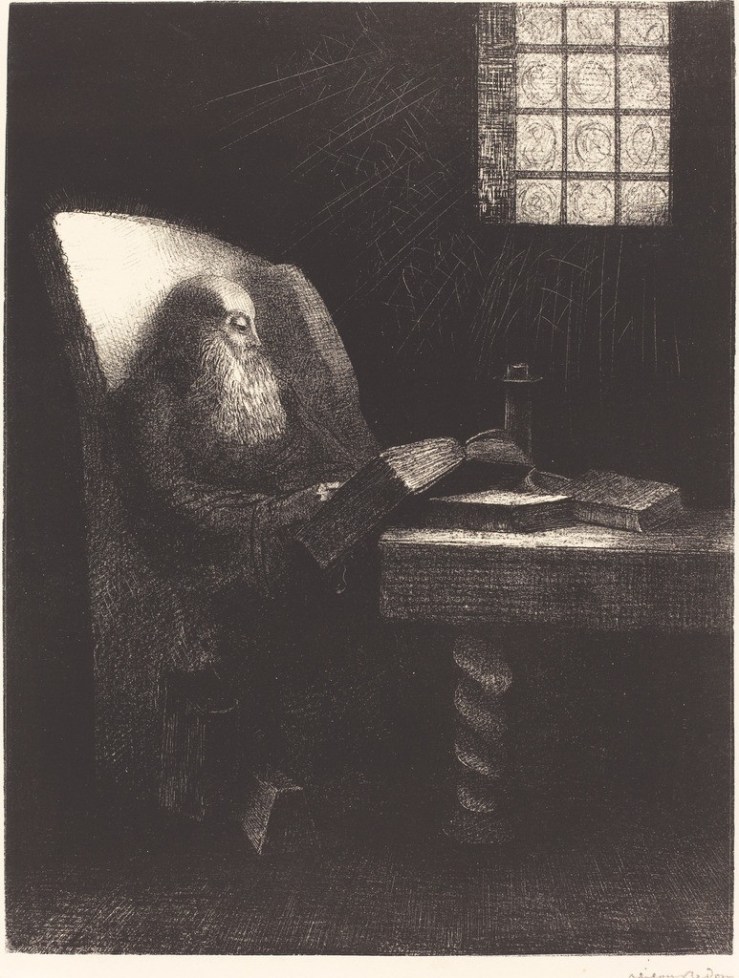
The Reader — Odilon Redon

odilon-redon-le-liseur-the-reader-1892

The Reader, 1892 by Odilon Redon (1840-1916)

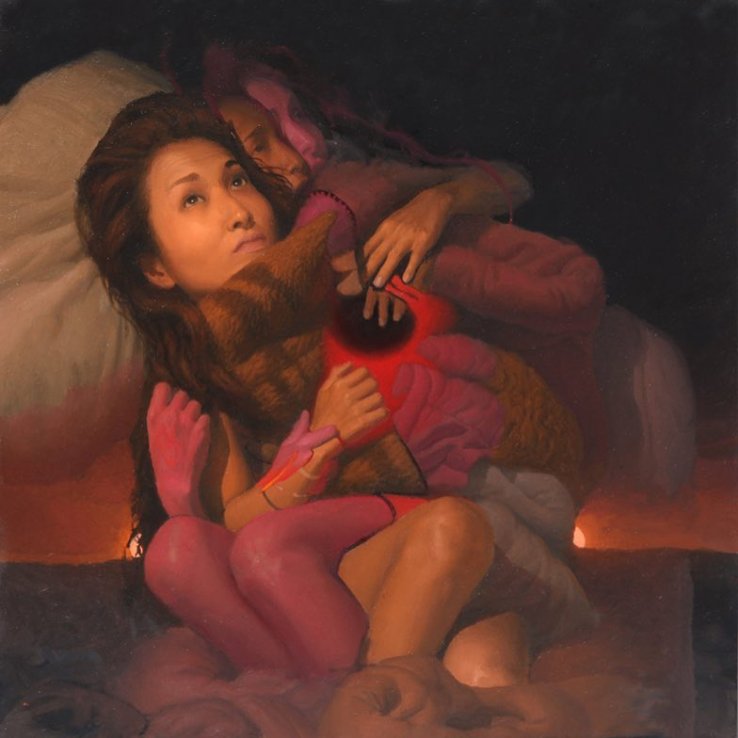
Creeper — Dana Holst

holst_the_watchers_2017web-1024x679

Creeper, 2017 by Dana Holst (b. 1972)

Girl Seated, Wearing Hat — Grace Cossington Smith

869723f615079f8b6045518a555b72b1

Girl Seated, Wearing Hat, 1908 by Grace Cossington Smith (1892–1984)

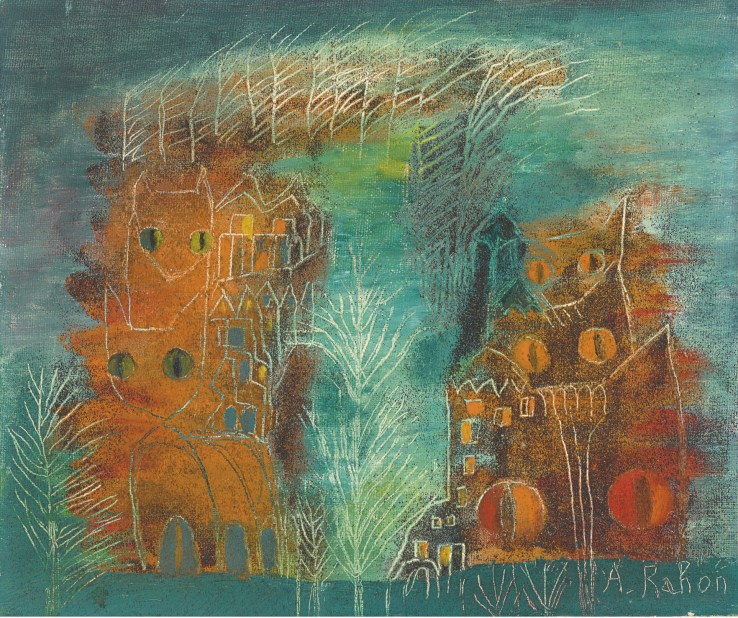
Cats in the Valley — Alice Rahon

2008_nyr_02054_0281_000

Cats in the Valley,  by Alice Rahon (1904–1987)

Hideout — Michèle Fenniak 

michelefenniak_hideout_web

Hideout, 2014 by Michèle Fenniak

Steam Boiler with Bat — Carl Grossberg

tumblr_p6gwagb5lz1uphq9fo1_640

Steam Boiler with Bat, 1928 by Carl Grossberg (1894–1940)

Penumbra — Lukifer Aurelius

28130715768_956b2e559c_o

Penumbra, 2017 by Lukifer Aurelius

In Search of Lost Time — Xiao Guo Hui

04XGH2012InSearchOfLostTimeATributeToMarcelProust-702x1024

In Search of Lost Time, 2012 by Xiao Guo Hui (b. 1969)

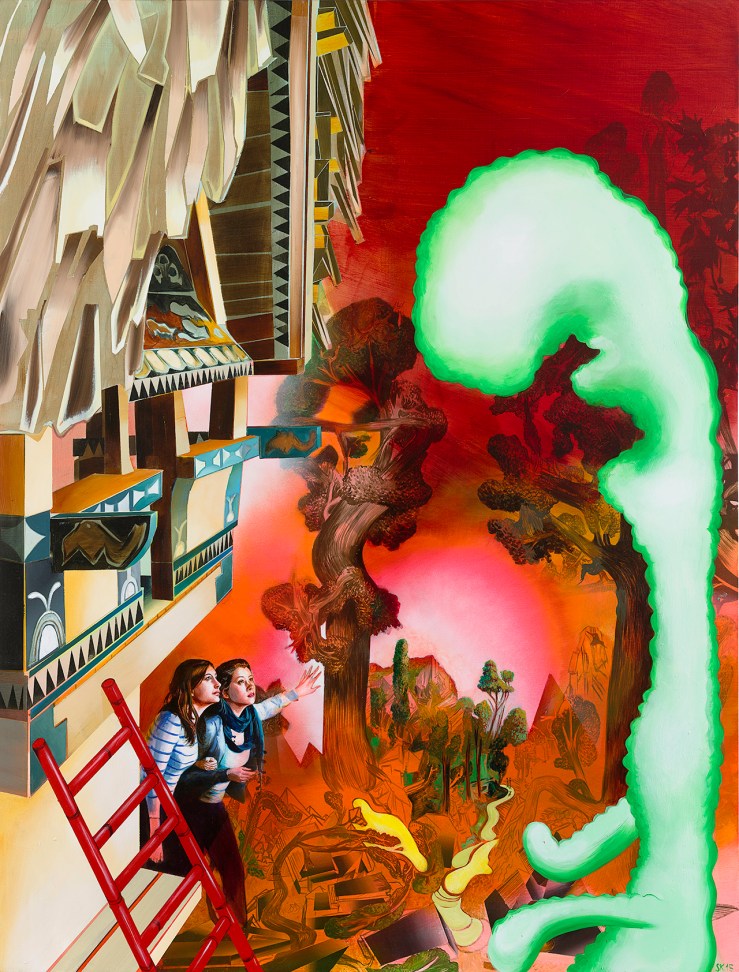
Schrödinger’s Kitten Rescue — James Jean

azimuth-cat-press

Schrödinger’s Kitten Rescue, 2018 by James Jean (b. 1979)

bcda

Hematophagus — Agostino Arrivabene

Ematofagi-

Hematophagus, 2014 by Agostino Arrivabene (b. 1967)

Black Forest Tree — Susanne Kühn

SusanneKuehn-Black-Forest-Tree-2015

Black Forest Tree, 2015 by Susanne Kühn (b. 1969)

Two Japanese Wrestlers by a Sink — Lucian Freud

tumblr_my7sha6CEA1sd8q4zo1_1280

Two Japanese Wrestlers by a Sink, 1987 by Lucian Freud (1922-2011)

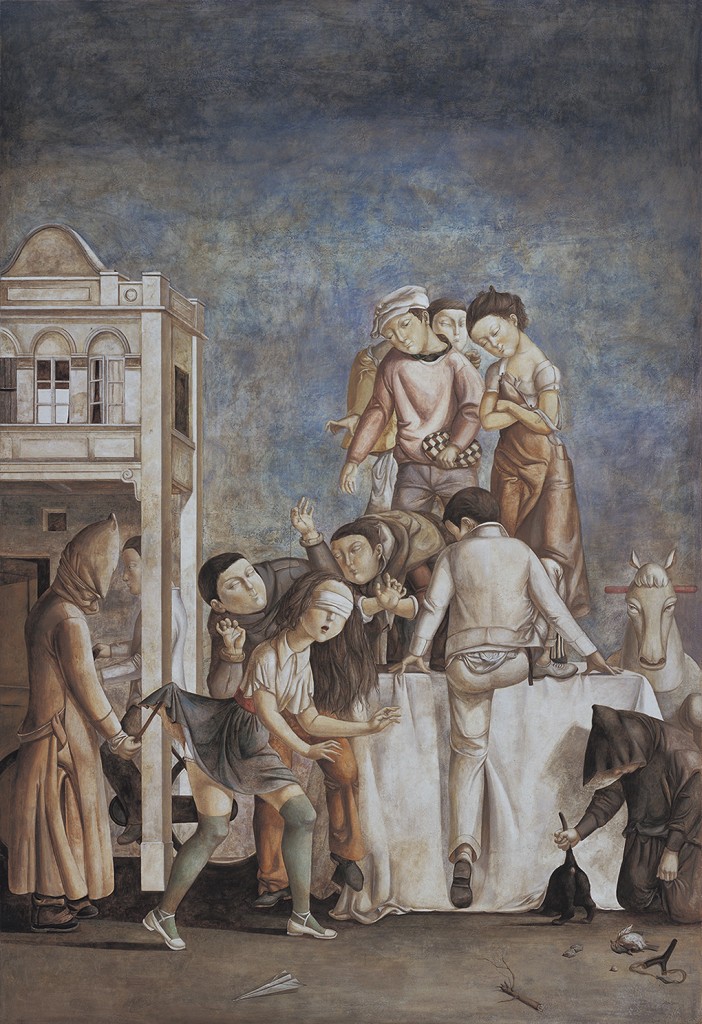
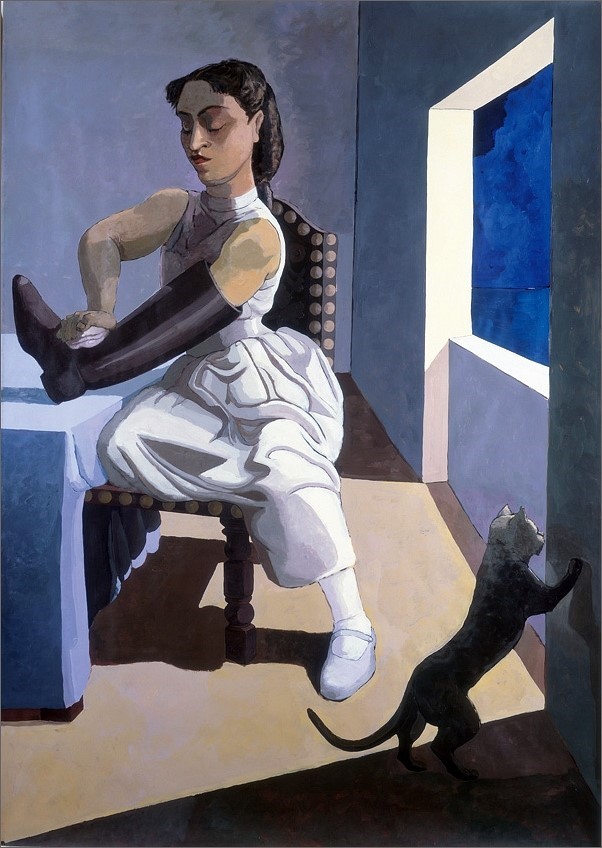
The Policeman’s Daughter — Paula Rego

1-1

The Policeman’s Daughter, 1987 by Paula Rego (b. 1935)

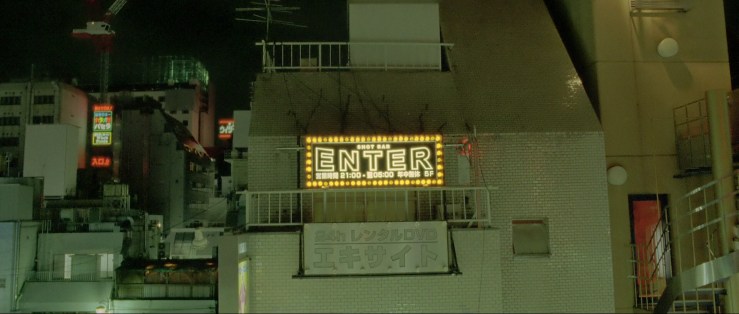
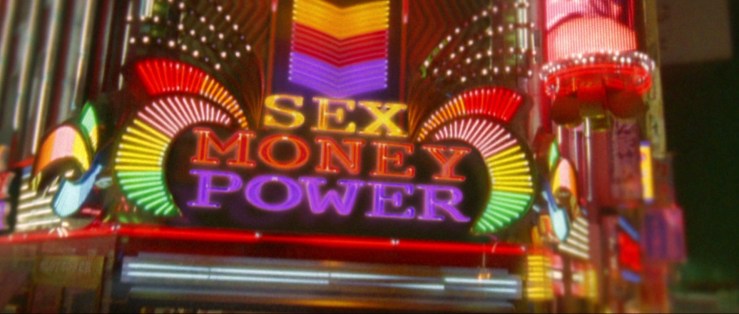
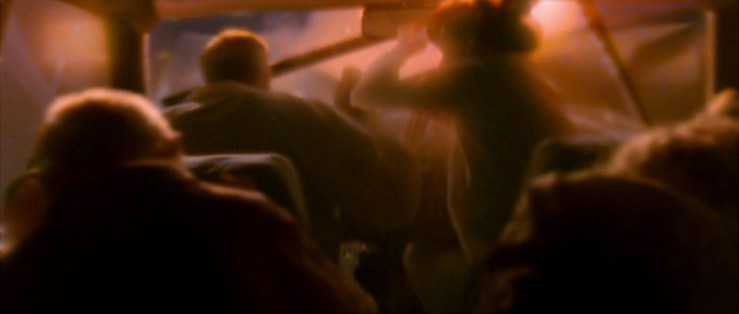
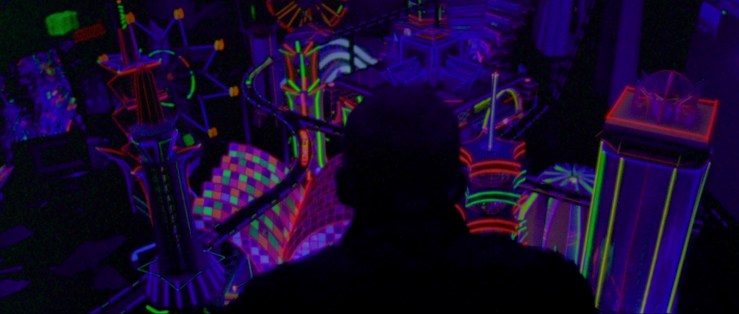
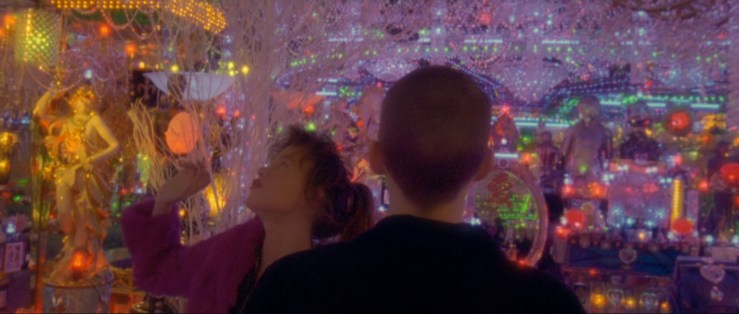
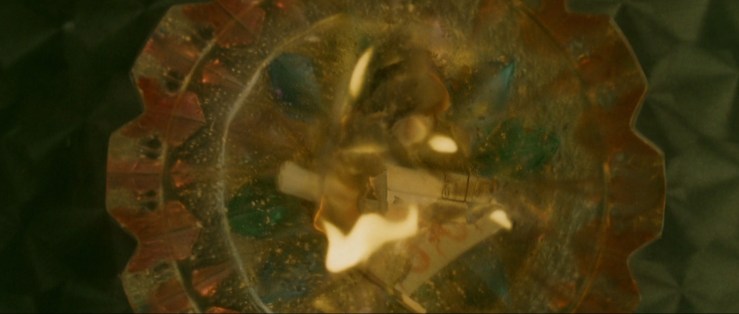
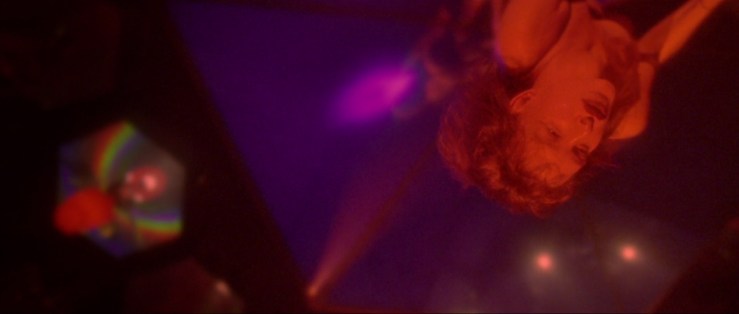
25 still frames from Gaspar Noé’s Enter the Void

123enter-the-void-10156789101112131415161718192021enter-the-void-463enter-the-void-46624enter-the-void-469

From Enter the Void, 2009. Directed by Gaspar Noé with cinematography by Benoît Debie. Via Screenmusings.

The Bibliophile — Jansson Stegner

jansson-stegner-1

The Bibliophile, 2017 by Jansson Stegner (b. 1972)

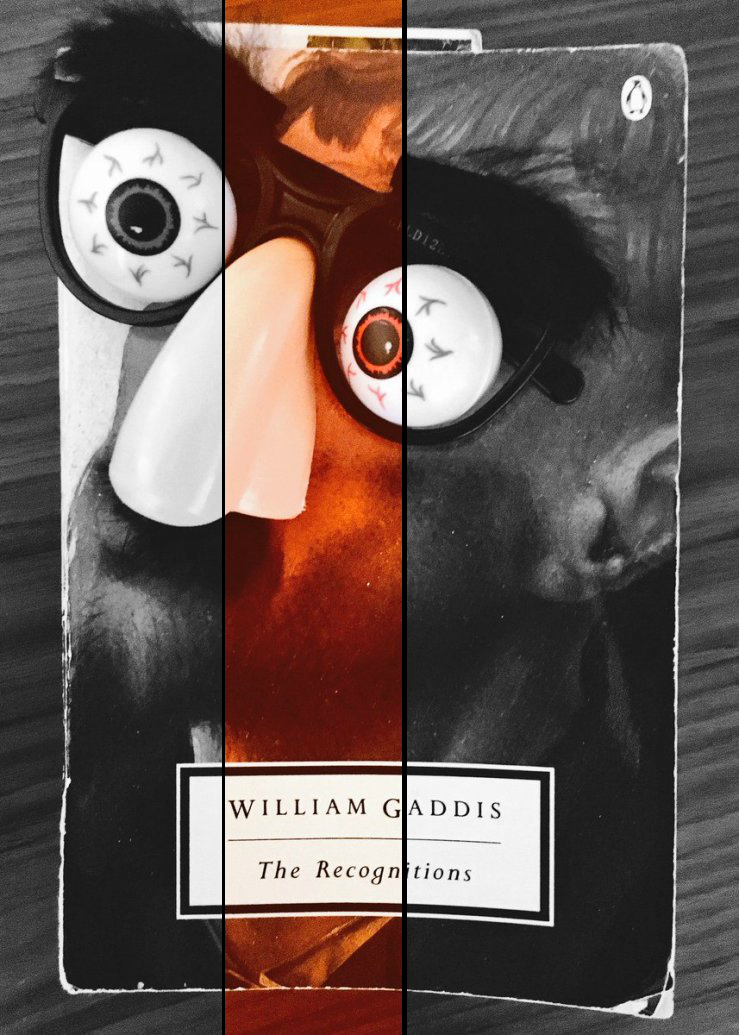
Blog about a metatextual moment at the end of William Gaddis’s novel The Recognitions

dqx3nv9u0aaq8m4

In the epilogue of his 1955 novel The Recognitions, William Gaddis checks in on the book’s enormous background cast, tying up loose ends, but also leaving many of the characters frayed, burned out, or destroyed. There’s a remarkable metatextual moment in this epilogue in which two minor characters are revealed to be carrying copies of a book that bears more than a passing resemblance to The Recognitions itself. These characters are both literary counterfeiters—Mr. Feddle, a faker who forges book jackets with his name in the author’s position and slips them over classic novels, and “the critic in the green wool shirt,” who doesn’t bother to read the books he reviews.

Meeting at a tailor’s shop, Feddle and the critic peer at each other, “fix[ing] the book the other was carrying with a look of myopic recognition.” The passage continues with the following acerbically ironic exchange:

—You reading that? both asked at once, withdrawing in surprise. —No. I’m just reviewing it, said the taller one, hunching back in his green wool shirt.

—A lousy twenty-five bucks. It’ll take me the whole evening tonight. You didn’t buy it, did you? Christ, at that price? Who the hell do they think’s going to pay that much just for a novel. Christ, I could have given it to you, all I need is the jacket blurb to write the review.

The exchange here accurately anticipates exactly how The Recognitions would be received by its contemporary critics—or “hacks,” as Jack Green repeatedly calls them in his infamous 1962 screed Fire the Bastards! For almost 80 pages, Green details the failures of the 55 critics who reviewed the book upon its release. Some of these major failures include—

failing to recognize the greatness of the book

failing to convey to the reader what the book is like, what its essential qualities are

counterfeiting this with stereotyped preconceptions—the standard cliches about a book that is “ambitious,” “erudite,” “long,” “negative,” etc

counterfeiting competence with inhuman jargon

Green’s repeated use of the word “counterfeit” not just here but throughout his tract demonstrates the essential realism of The Recognitions: Gaddis conceived how his novel of counterfeiters, poseurs, plagiarists, and hacks would be misread, misremembered, and misrecognized by counterfeiters, poseurs, plagiarists, and hacks. The green-wool-shirted critic’s declaration that all he needs “is the jacket blurb to write the view” transcends its original satirical contours—it is a prophecy that comes true.

This satirical metatextual prognostication finds fruition in the review of The Recognitions published in The Louisville Courier-Journal. In Fire the Bastards!, Green details how the reviewer plagiarized his review of The Recognitions from the novel’s jacket blurb. The metatextuality here is magical: Gaddis conjures the character of an unnamed counterfeiter critic who will (not-)review a book that appears to be The Recognitions itself; this character becomes real by (not-)reviewing the book in an unsigned review in The Louisville Courier-Journal that plagiarizes the book’s blurb.

But perhaps I’ve neglected to demonstrate that the book that Feddle the faker and the critic in the green wool shirt are both not reading is in fact a version of The Recognitions itself. Here is the next paragraph in the episode:

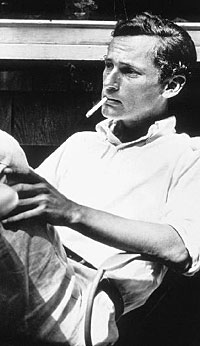
It was in fact quite a thick book. A pattern of bold elegance, the lettering on the dust1M5vpxx wrapper stood forth in stark configurations of red and black to intimate the origin of design. (For some crotchety reason there was no picture of the author looking pensive sucking a pipe, sans gêne with a cigarette, sang-froid with no necktie, plastered across the back.)

In his invaluable work A Reader’s Guide to William Gaddis’s The Recognitions, Steven Moore gives the following annotation to these lines:

 the description is of the first edition of R [The Recognitions]. Martin Dworkin’s photograph of Gaddis “sans gêne with a cigarette, sang-froid with no necktie” appeared in both the Time and Newsweek reviews.

Jack Green is more succinct in Fire the Bastards!: “the book the stubby
poet [Feddle] has is the recognitions [sic] itself.” And what is “the stubby poet” doing with such a bigass book? Reading it?

—Reading it? Christ no, what do you think I am? I just been having trouble sleeping, so my analyst told me to get a book and count the letters, so I just went in and asked them for the thickest book in the place and they sold me this damned thing, he muttered looking at the book with intimate dislike.

At least Feddle’s dislike is “intimate.” If he’d bothered to read it he might have gotten some weird alarming joy from this (meta)Recognitions. Or, even better, he might reread it—which is really the only way to read The Recognitions, I’m convinced, after my second full read. The book is more precise, more artfully constructed—more stuffed with motifs and symbols, doubled, tripled, quadrupled—than I had realized on first reading.

Jack Green made rereading The Recognitions a significant part of his life. He was an evangelist for the text, going so far as to take out a full page ad in The Village Voice in 1962 when the book was reprinted in paperback. His advertisement is five short paragraphs. The second paragraph is a proper, original blurb. The second paragraph is an argument for rereading. Here they are:

“The Recognitions” is a 956-page novel whose main theme is vanity or forgery—of Old Masters, $20 bills, slings, personality, everything. It is like a painting with a few primary figures presented in depth and an army of caricatures in the background. The main characters are unforgettable and, as is usually true, give the book most of its greatness. The minor characters, including the author himself who has a bit part, are very funny.

Like “Ulysses,” Gaddis’s book can be read the first time with enjoyment (my advice: don’t work at it) and then reread for years with increasing fascination. It has an intricate network of thousands of cross-references which give it a unique time-sense: as the connections are gradually recognized on rereading, the book appears to grow like a living being.

“Grow like a living being.” I think that’s about right.