Sunday Comics

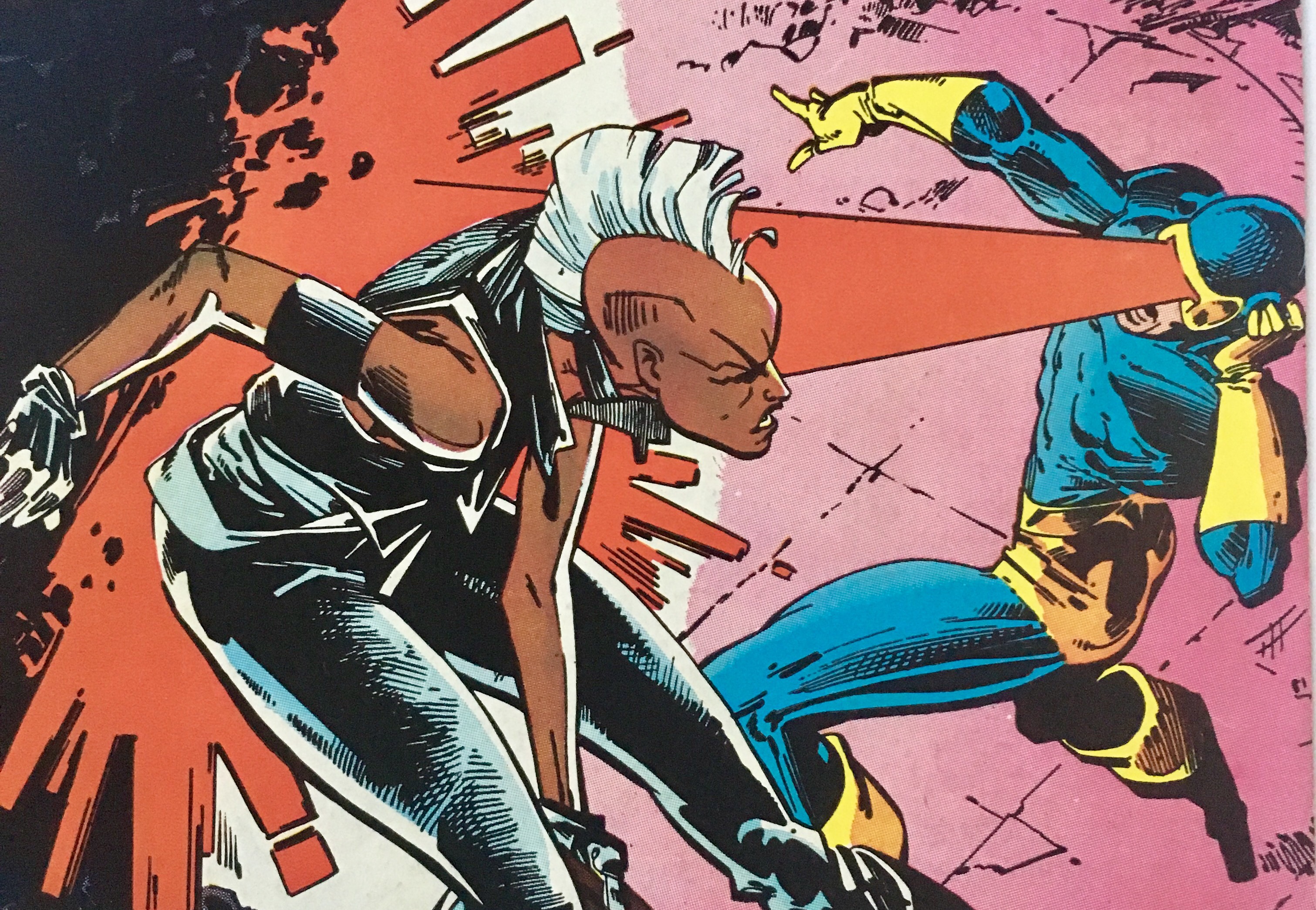
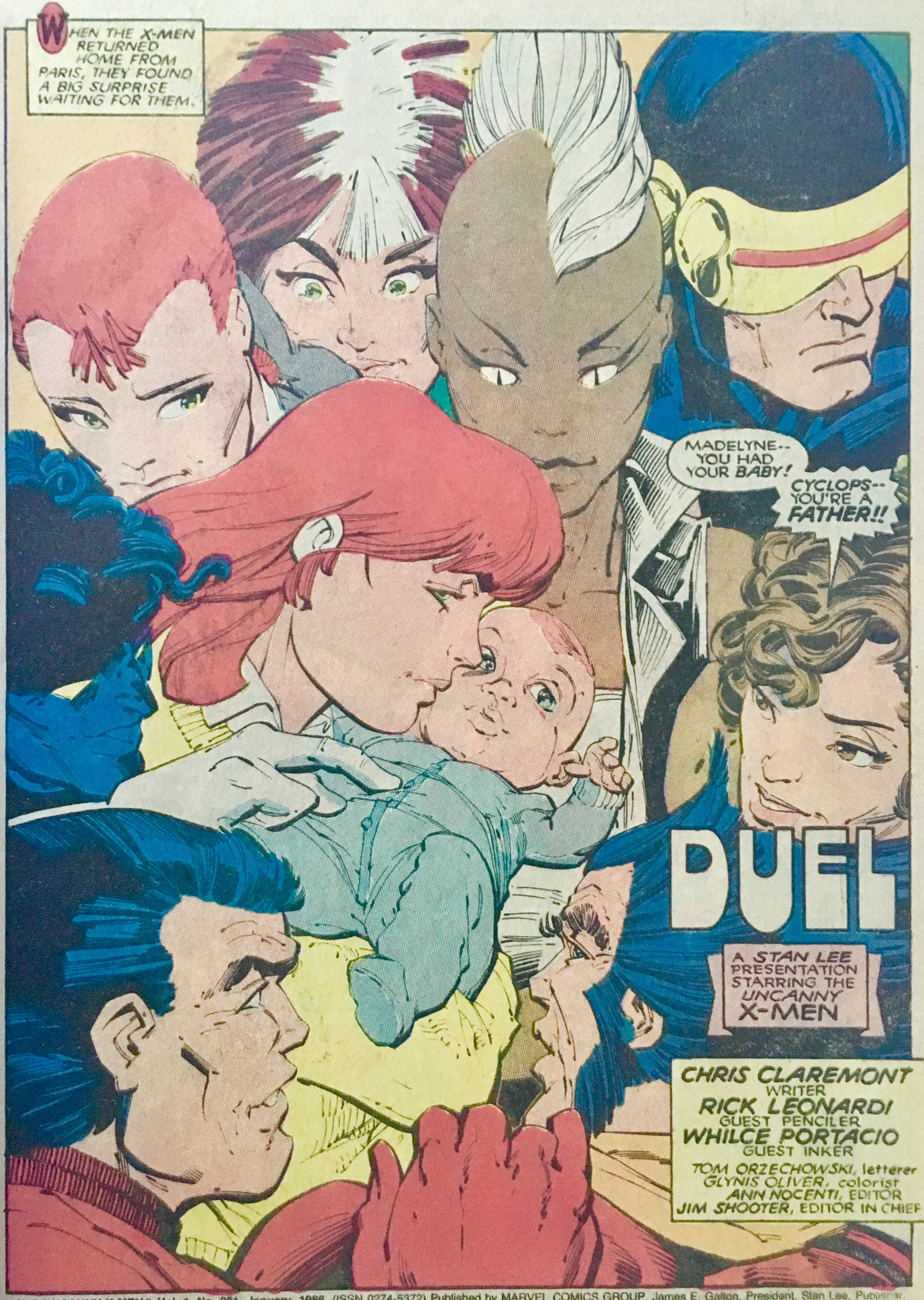
Just got home after three days evacuated from Hurricane Matthew. No power at the house, so no scanner to do Sunday Comics this week—I’ve resorted to the iPhone. Couldn’t resist Storm for this week.

From the cover of The Uncanny X-Men Vol. 1, No. 201, January, 1986. The writer is Chris Claremont with pencils by Rick Leonardi. Whilce Portacio’s inking is the star here.

Sunday Comics

I recently re-read all of Jeff Smith’s massive comic Bone—this time to my son, and this time in the Scholastic color reprints. (I read Bone in full with my daughter years ago through the unwieldy 1,300 page single-volume single edition; I read bits and pieces of it earlier in the late nineties, when Dave Sim (of Cerebus fame/infamy) was an early champion of Smith’s cartooning charms).

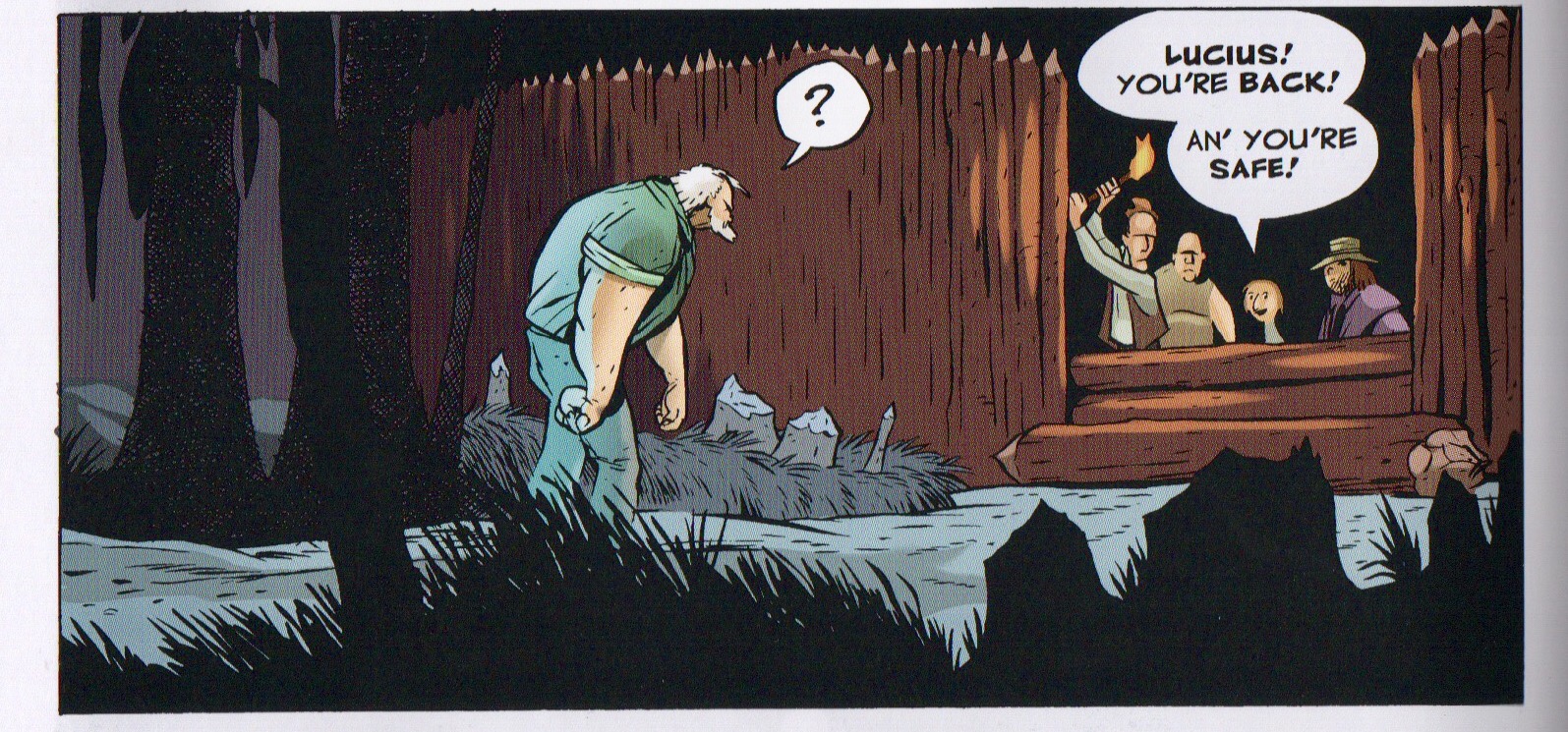
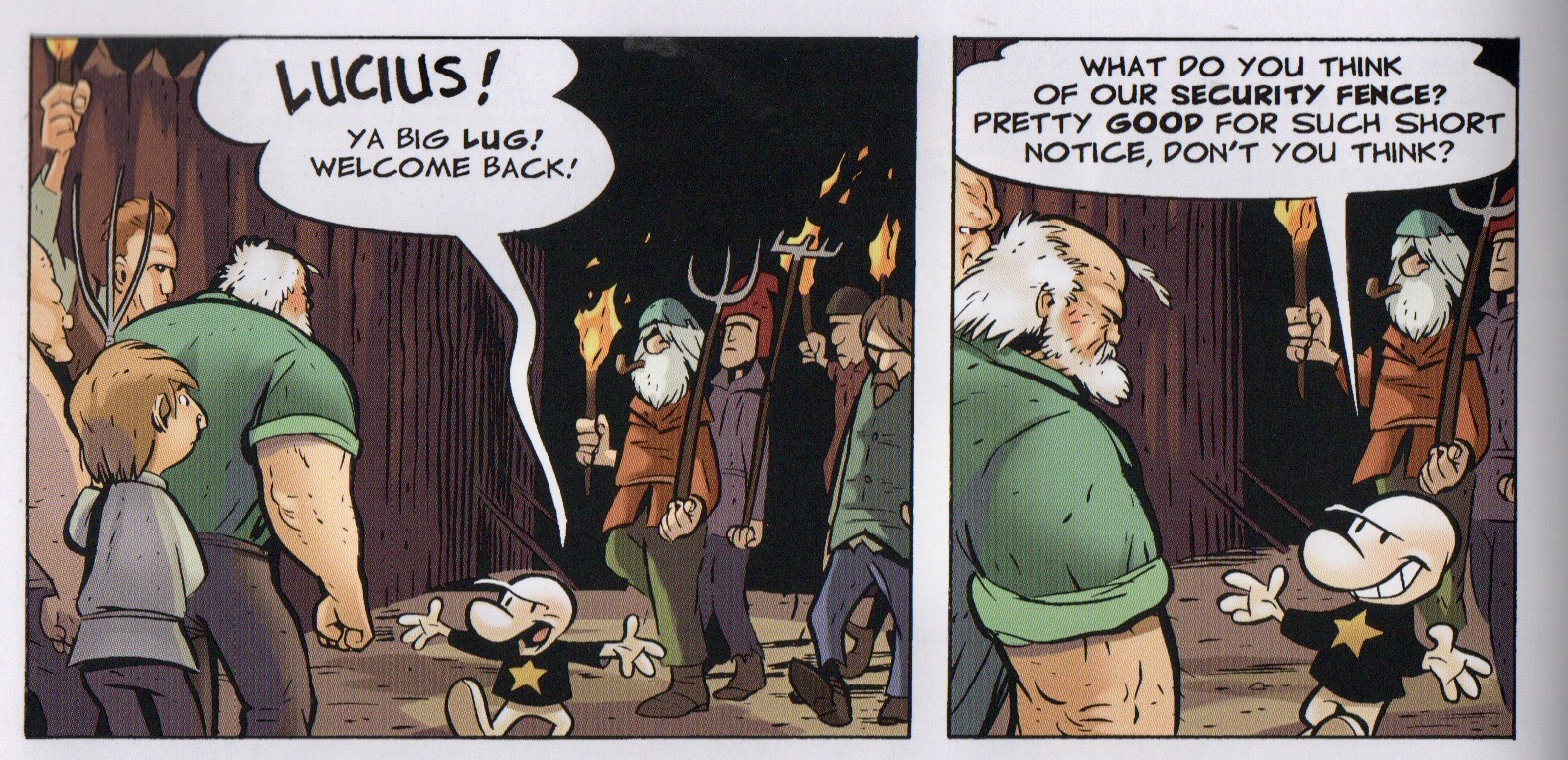
Anyway, we enjoyed the read, and the fourth book, The Dragonslayer, seemed particularly timely.

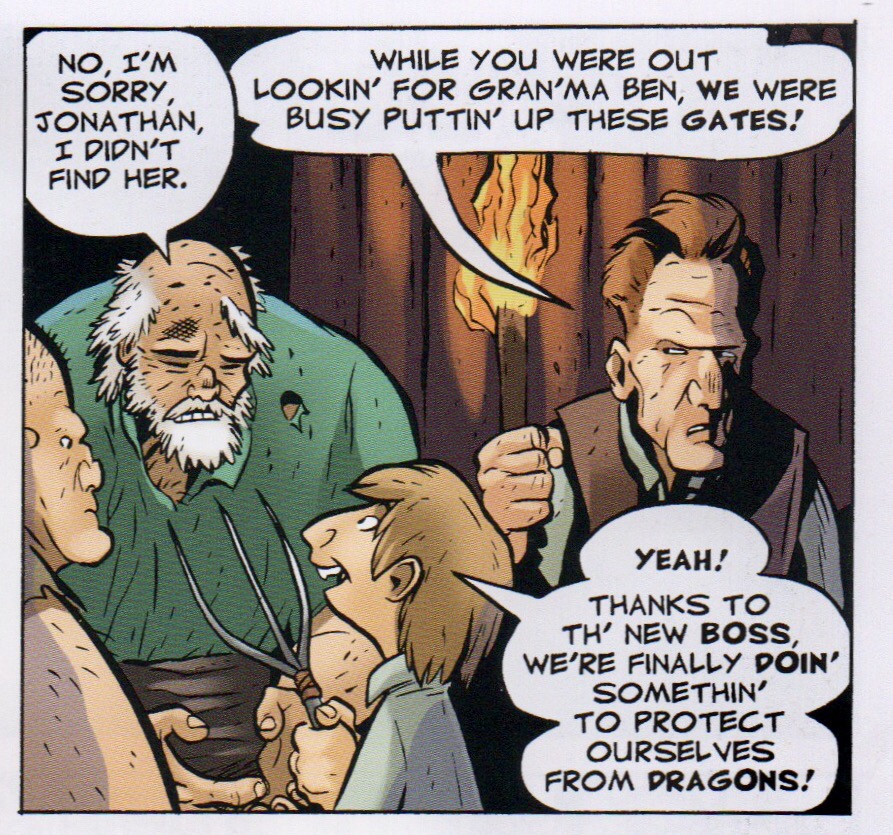
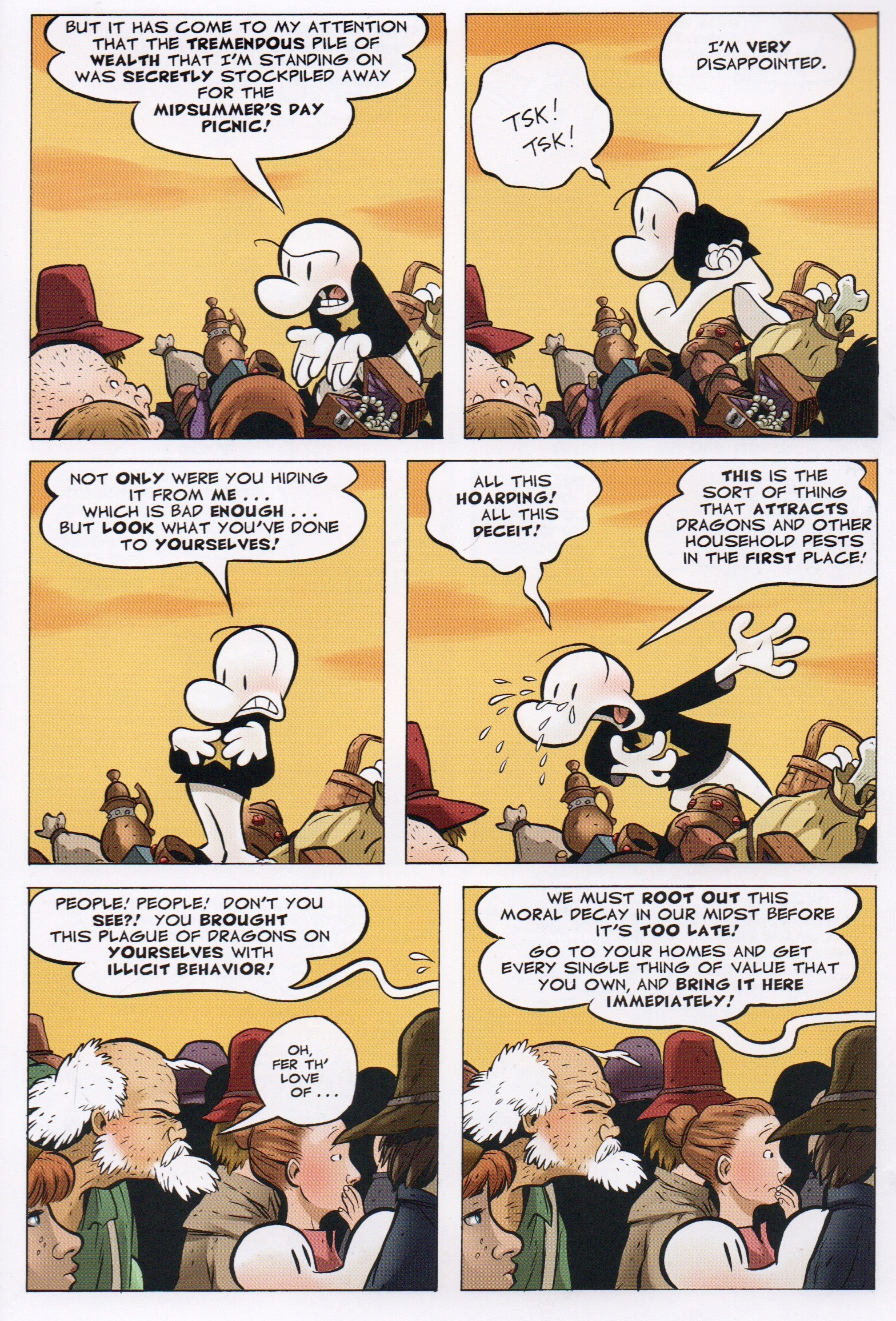
In this volume, Phoncible P. Bone—aka Phoney Bone—manipulates the fears of the populace of Barrelhaven. A natural conman, Phoney instructs the townspeople to build a wall to keep “dragons” out. Only sensible Lucius Down (and Phoney’s cousins, who know he’s a scammer) realize that Phoney is driven by egomania and greed.

Perhaps the most infuriating moment in the story comes when Phoney—a gifted pitchman—cloaks his greed in the language of ethics and morality.

Of course Phoney doesn’t win in the end. And Bone is just a comic; it’s not real life. It’s not like a xenophobic conman could really take sway over the zeitgeist.

Sunday Comics

img_3626

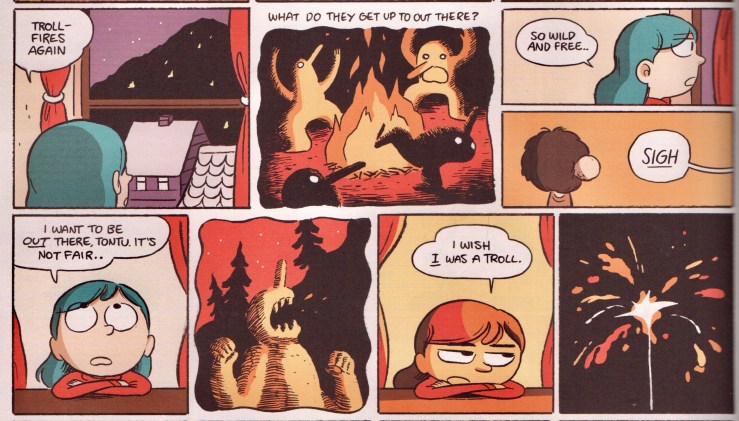
I love love love Hilda and the Stone Forest by Luke Pearson (Flying Eye/Nobrow, 2016). My kids love it too. It’s the richest, funniest, and most heartwarming Hilda book to date.

img_3628

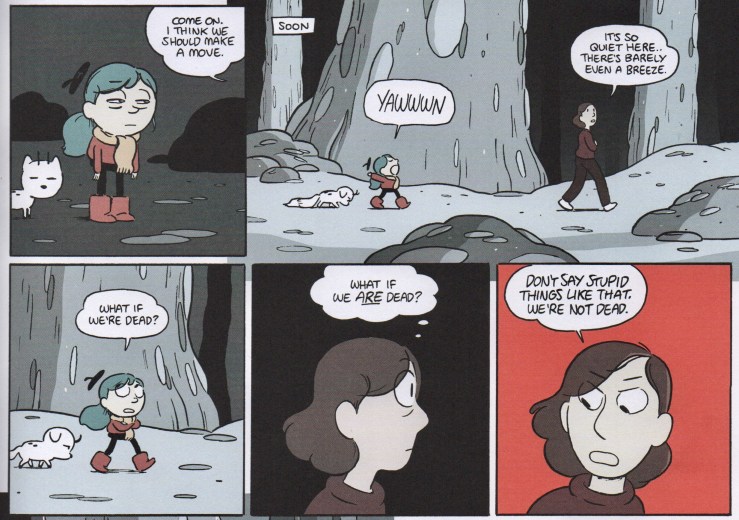
Pearson manages to stuff The Stone Forest with miniature epics and minor gags, which he hangs on the central story of Hilda and her mother in an otherworldly (literally), uh, stone forest, where they encounter trolls and other dangers (including existential despair).

img_3629

Sunday Comics

img_3563

img_3560

img_3565-1

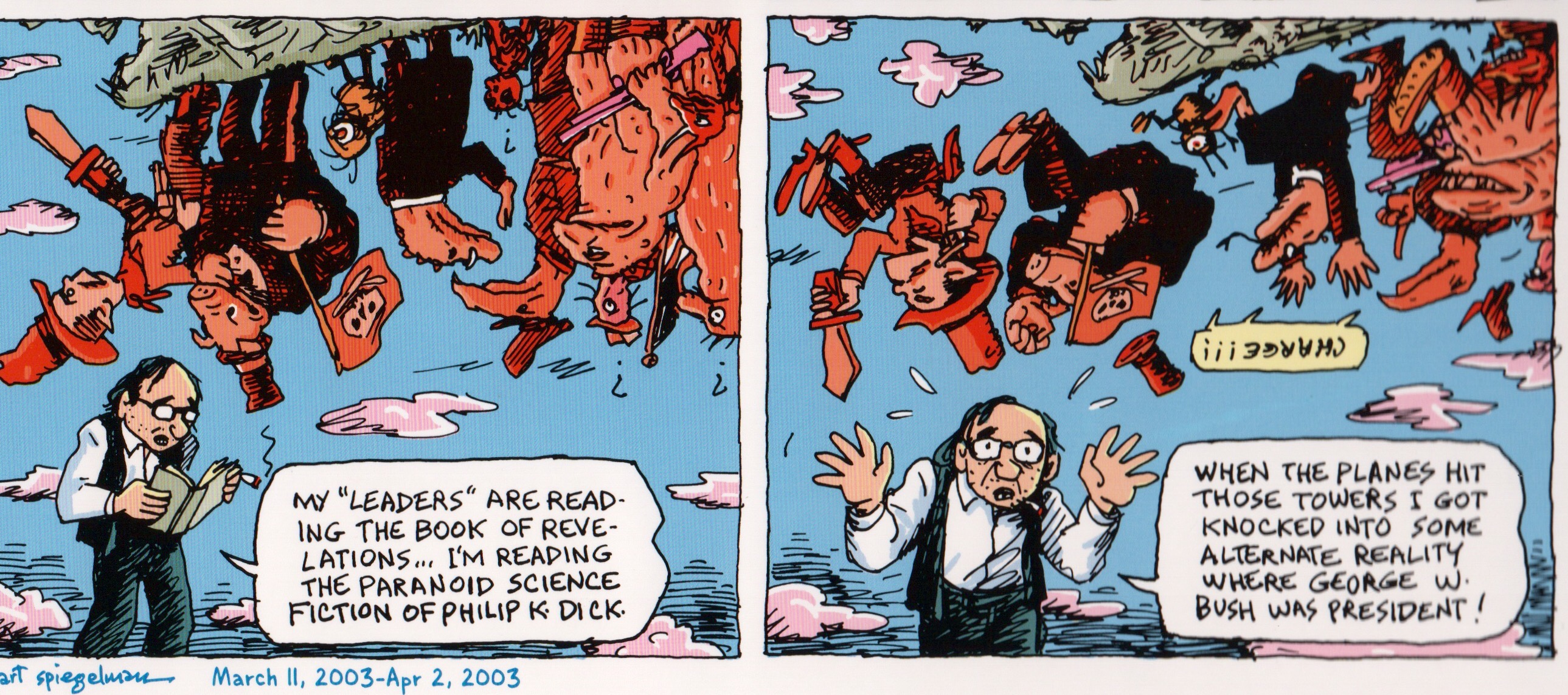
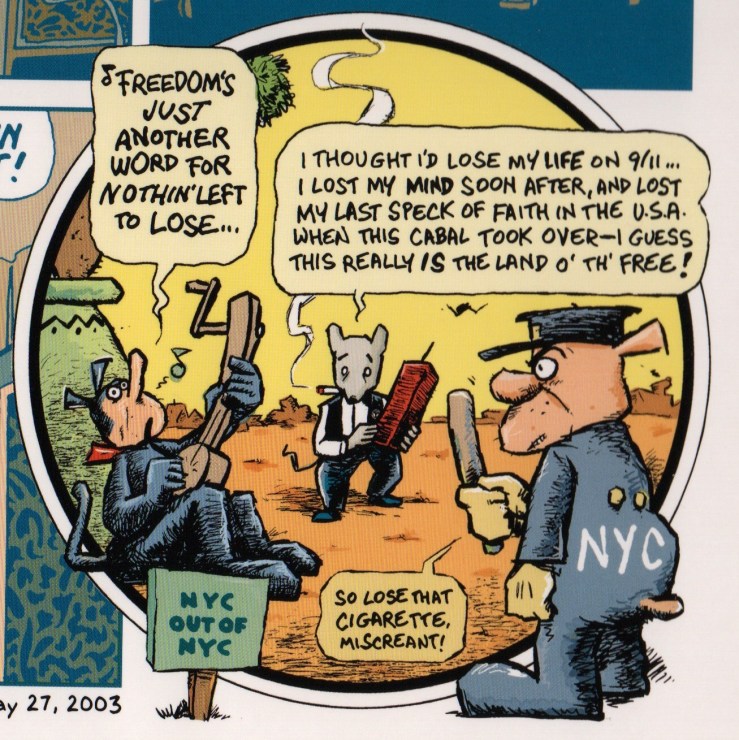
From In the Shadow of No Towers by Art Spiegelman, Pantheon, 2004.

(Last) Three Books (Sunday Comics)

This is the last Three Books post.

I had fun doing this every Sunday but a year seems like long enough. I do, however, like to do a themed post of some kind on Sundays, so I’ll do something with comics each Sunday for a year. Not just cover scans—panels, strips, etc. But this Sunday, three covers/three books:
img_3465

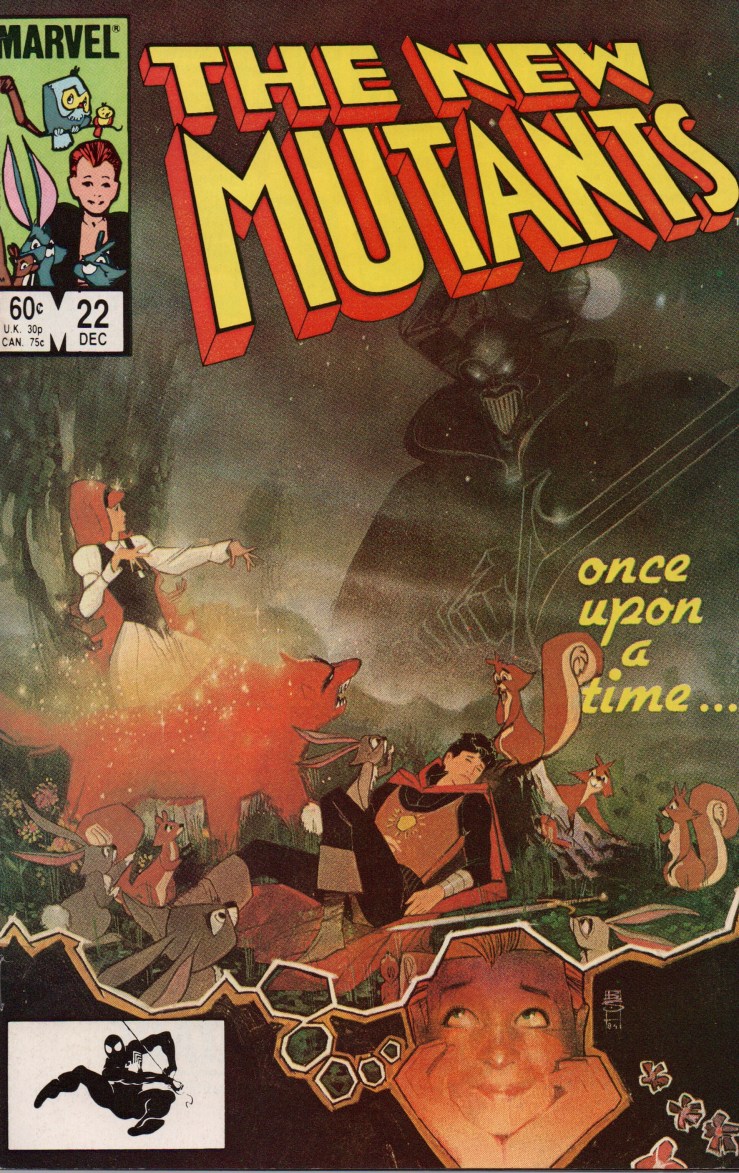
The New Mutants Vol. 1, #22, December 1984. Marvel Comics. Issue by Chris Claremont and Bill Sienkiewicz. Cover painting by Sienkiewicz.

I got rid of most of my Marvel Comics collection when I was 13 but could never bear to part with Sienkiewicz’s run on The New Mutants, my favorite comic book. (I wish I had kept more of Claremont’s 1980s run on The Uncanny X-Men).

img_3467

Cerebus #164, November 1992. Aardvark-Vanaheim. Issue (and cover) by Dave Sim and Gerhard. This is the second issue of Cerebus that I bought (issue #163’s cover is not nearly so good, so…not featured today). I had no idea what was going on but loved it. I caught up fairly quickly through Sim’s so-called “phonebooks” of the earlier books. I eventually quit reading Cerebus monthly, but still picked up the big collections, albeit more and more intermittently, until I almost forgot about it altogether. A few years ago I realized that Sim must’ve finished the damn thing (he’d always said it would be 300 issues long and conclude with Cerebus’s death), and I got the final volumes and read them. Let’s just say the first half of Cerebus is much, much better than the second half.
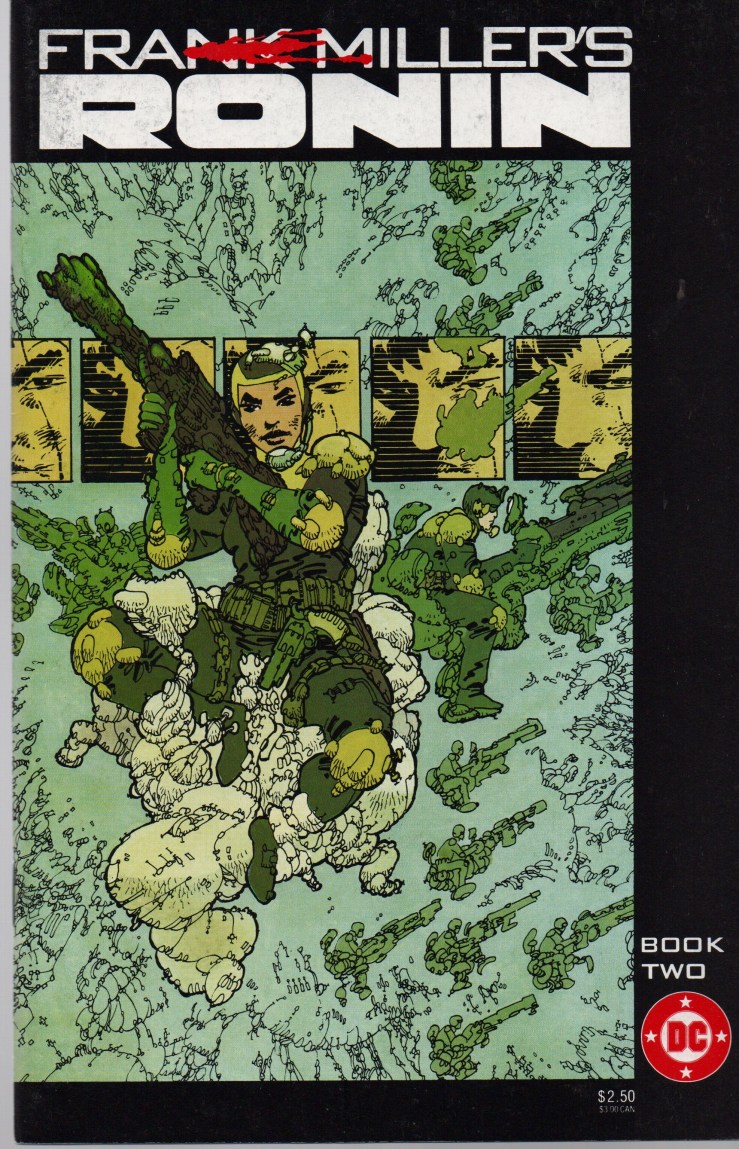
img_3468

Ronin Vol. 1, #2, September 1983. DC Comics. Issue and cover by Frank Miller (colors by Lynne Varley).

Before Frank Miller became a cranky old fascist hack, he made some pretty good comic books. I’m pretty sure The Dark Knight Returns was the last really good thing he did, and that was thirty years ago, but my favorite Miller will likely always be Ronin.
The Sunday Comics

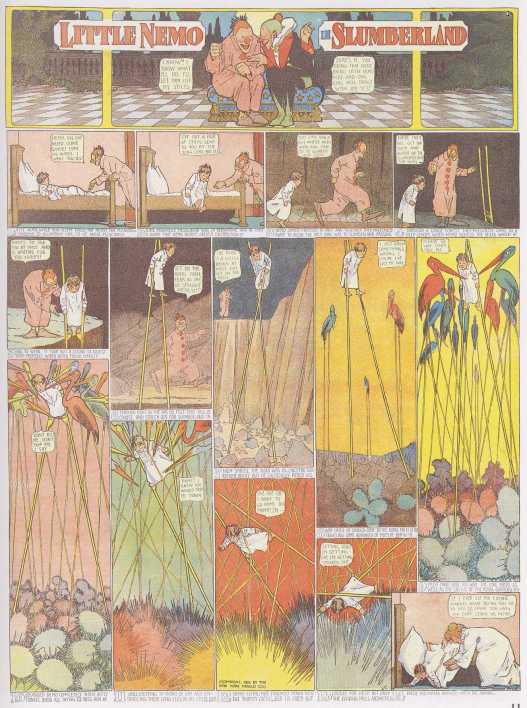
I’ve spent hours adoring the first volume of The Complete Little Nemo in Slumberland by Winsor McKay instead of grading my Seniors’ research papers or writing my own final paper for my theory class. And who wouldn’t want to get absorbed and distracted by McKay’s lush and fantastical world? It’s both sad and silly that the comics page nowadays has been compressed into a minute fraction of the massive broadsides that used to grace each Sunday edition of the paper. Calvin & Hobbes creator Bill Watterson has lamented the incredible shrinking comics page in the introductions to several of the C & H collections, and Art Spiegelman paid tribute to the glory days of the broadside in In the Shadow of No Towers. Still, even as comics creators draw attention to this downsizing, it seems that the trend in newspapers will be to continue to dwarf creativity, to literally minimize (pop) art. This marks a serious social regression over the past century. But why? If I knew that something on the scale of the broadside below–both in terms of physical size and imagination–was waiting for me each Sunday, I’d be excited to get a subscription to the local rag. For now, enjoy this episode of Little Nemo (image links to a full page, but you still might need to use the magnifying glass!)–

littlenemo02.jpg