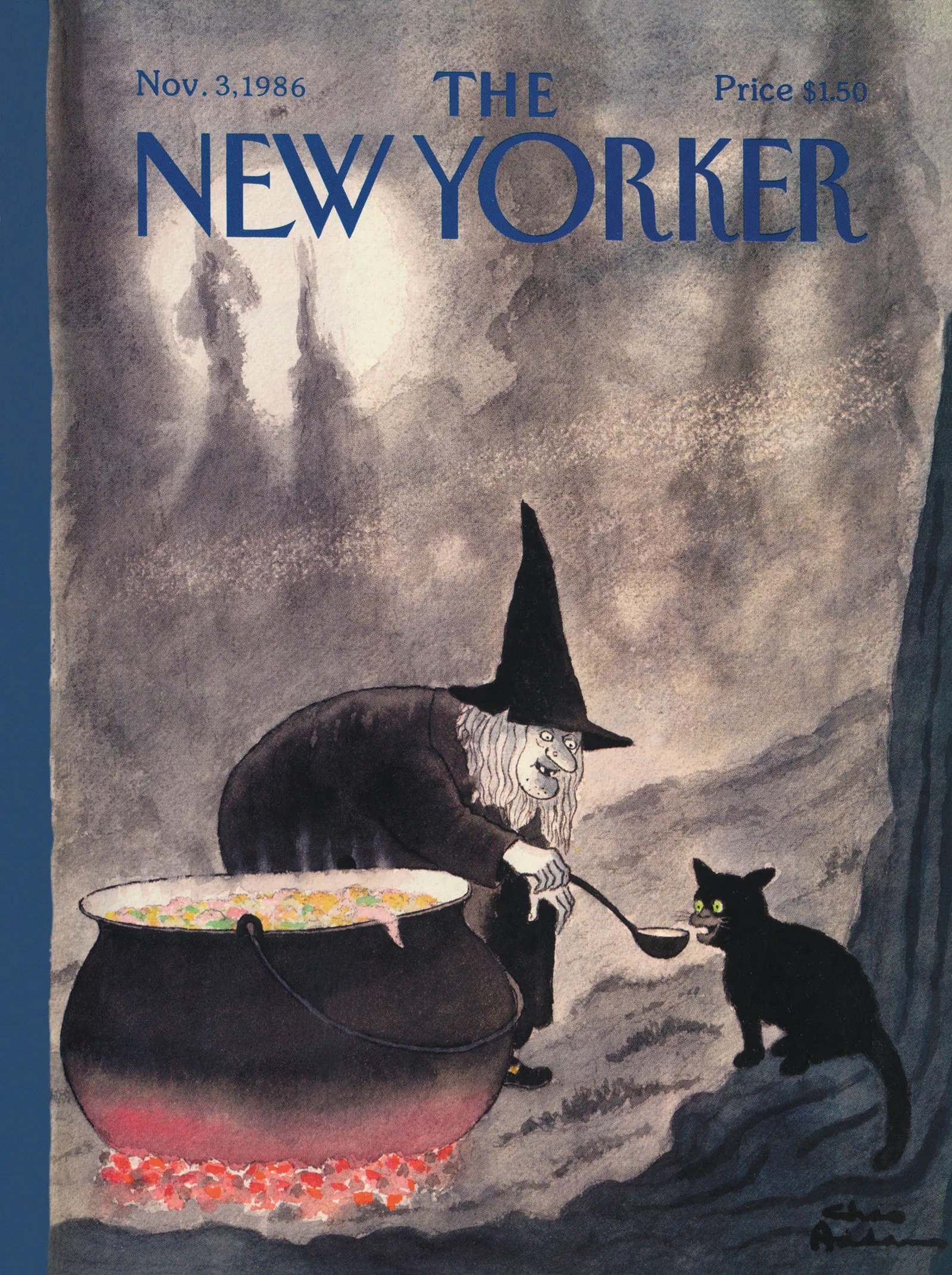
Halloween cover for The New Yorker, 3 Nov. 1986 by Charles Addams (1912-1988)

Halloween cover for The New Yorker, 3 Nov. 1986 by Charles Addams (1912-1988)
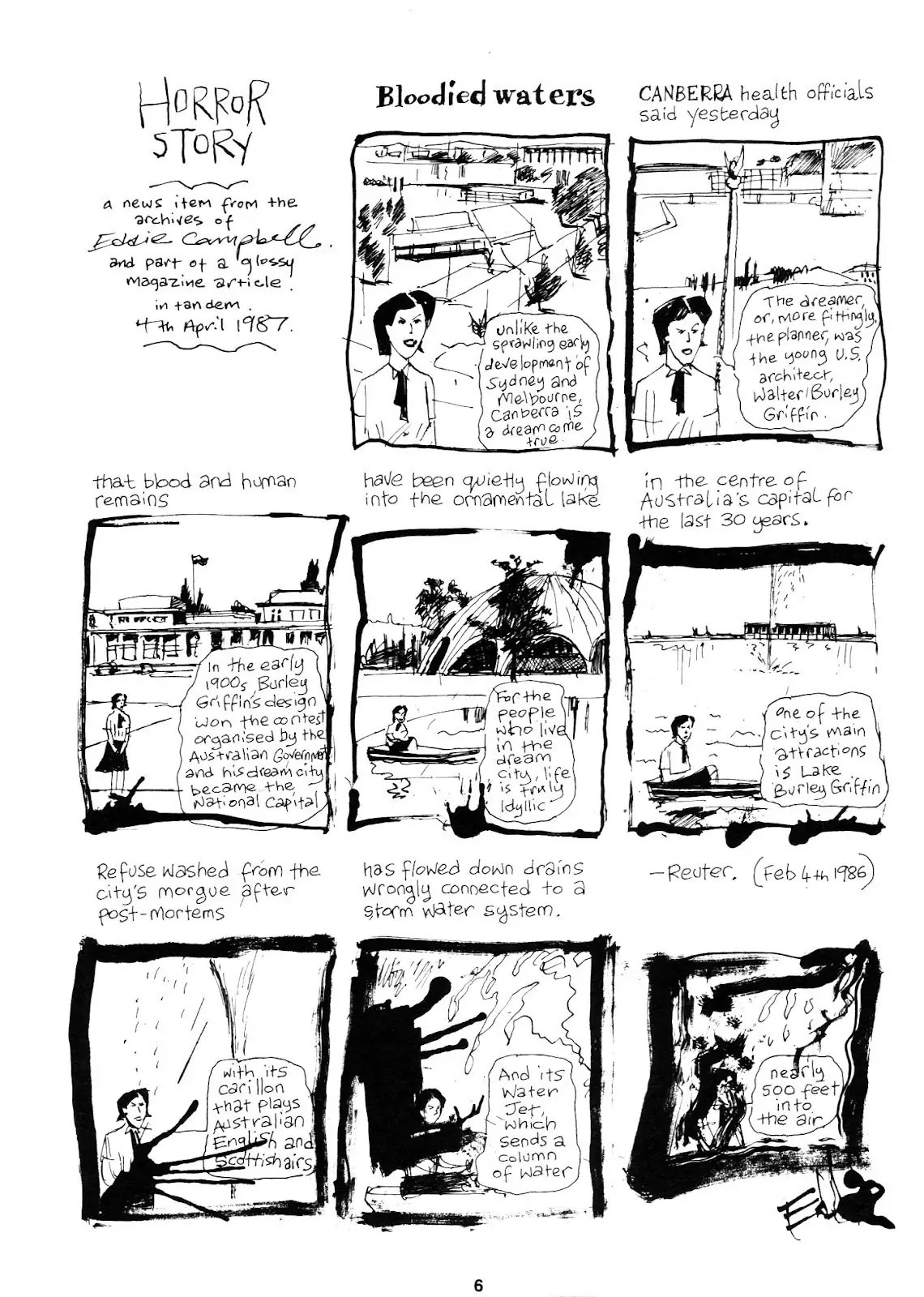
“Horror Story” by Eddie Campbell. Published in Taboo Especial, Spiderbaby Grafix & Publications, 1991.
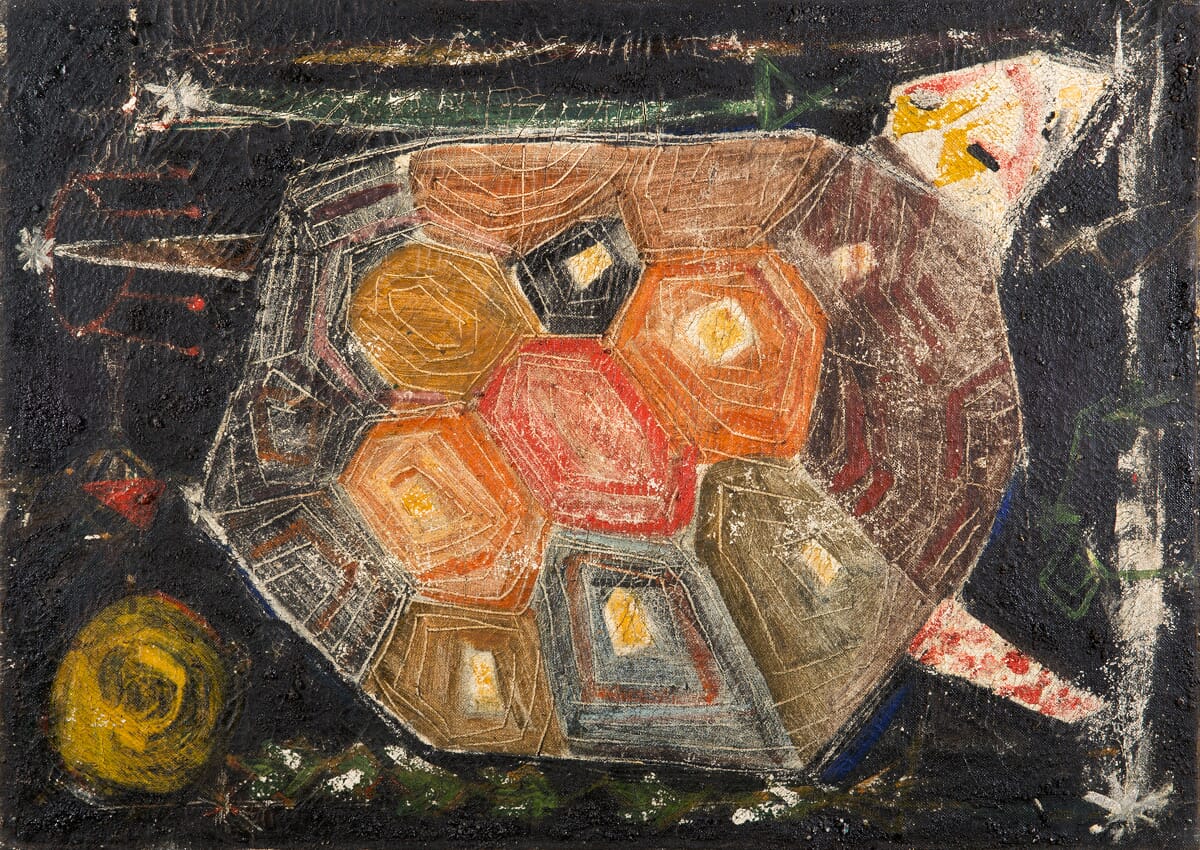
Tortuga, 1951 by Jacobo Borges (b. 1931)
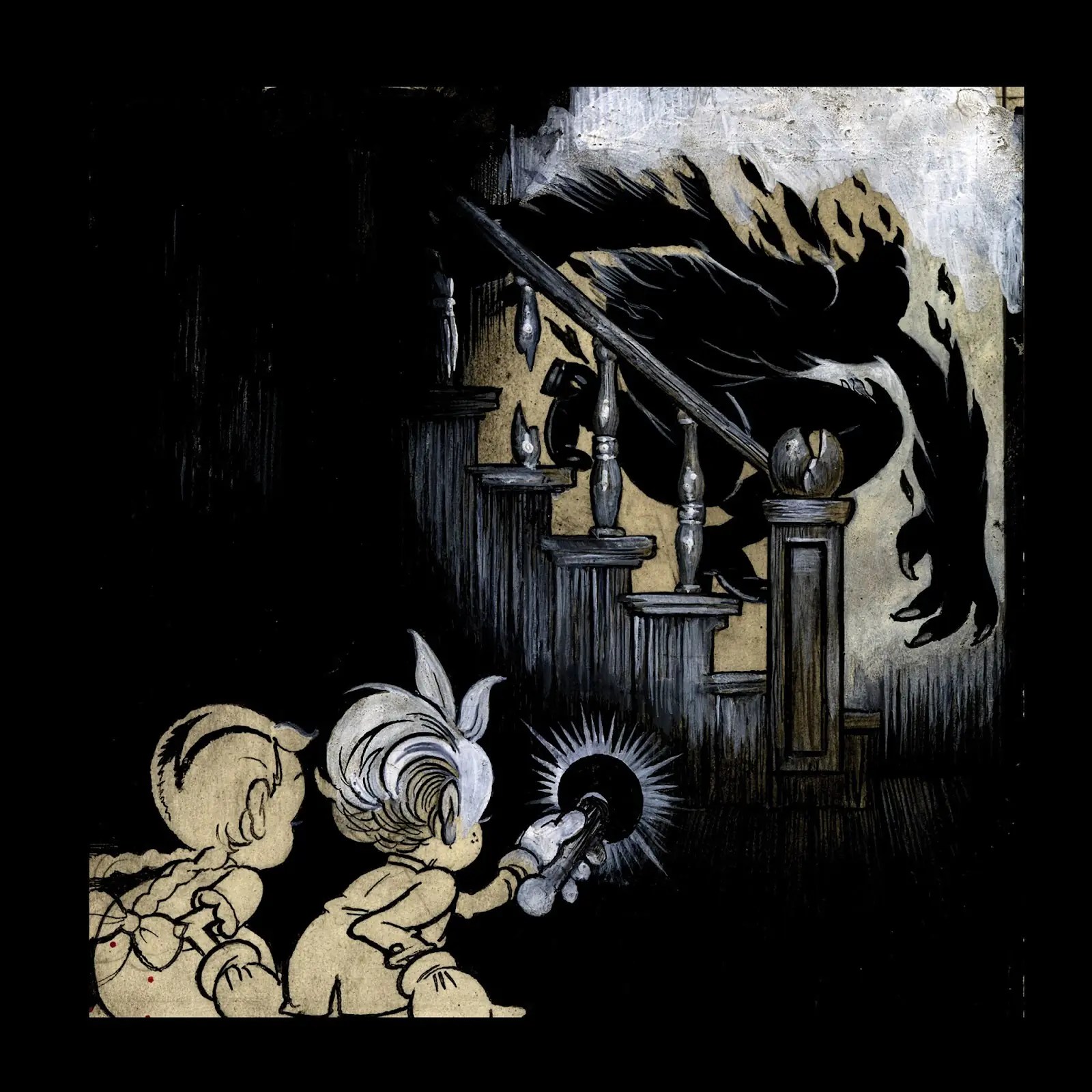
A panel from Pim & Francie: The Golden Bear Days by Al Columbia, Fantagraphics Books, 2009.
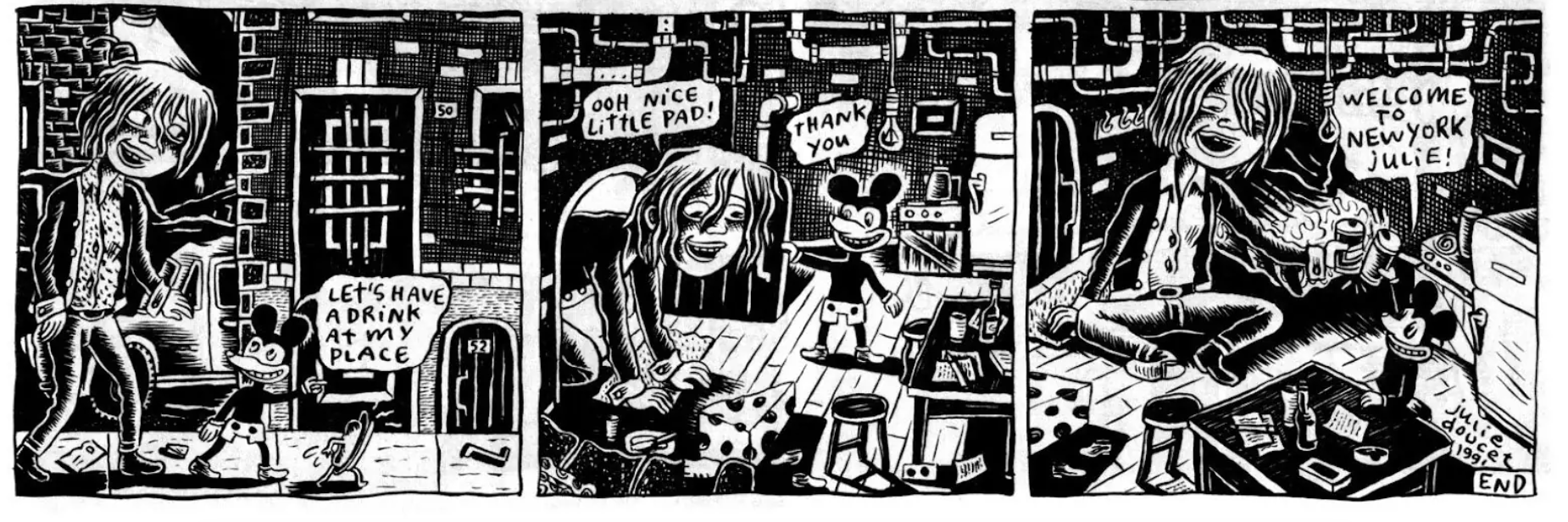
A few panels from “What an Interesting City!” by Julie Doucet. Published in Dirty Plotte #5, May 1992, Drawn & Quarterly.
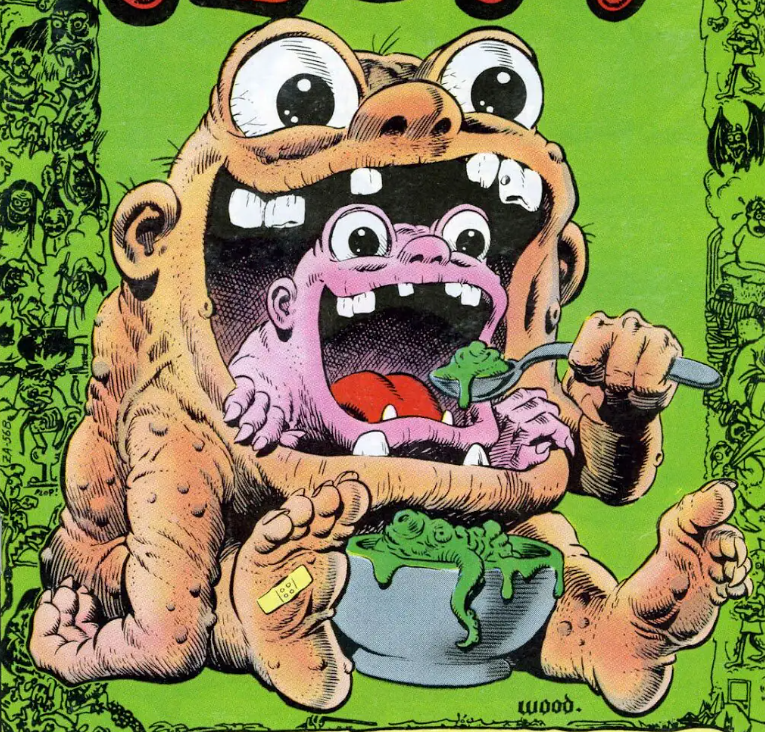
“Multiple Mouth McCardy,” a detail from Wally Wood’s cover for Plop! #13, June, 1975, DC Comics.
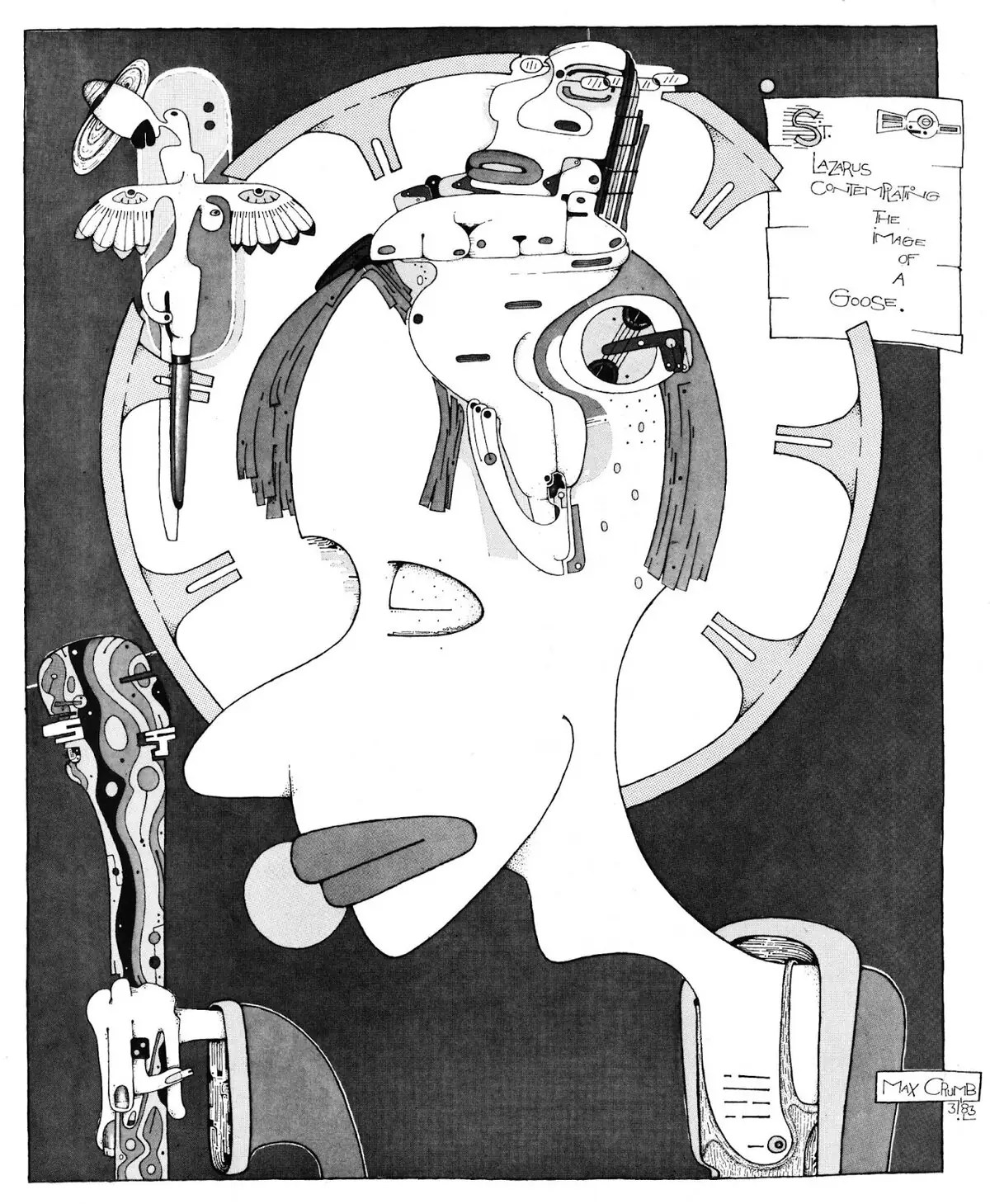
“St. Lazarus Contemplating the Image of a Goose” by Maxon Crumb. From Weirdo #9, January, 1983, Last Gasp.
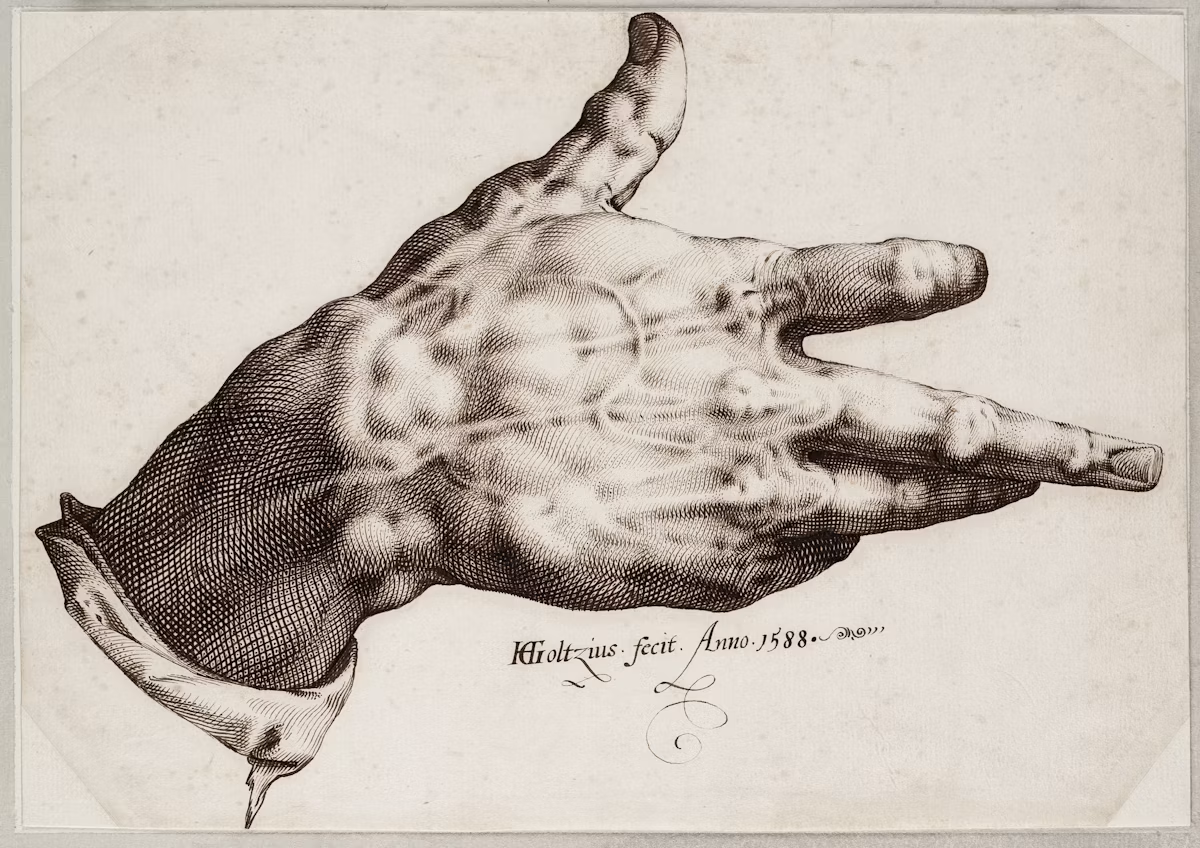
Study of a Right Hand, 1588 by Hendrick Goltzius (1558-1617)
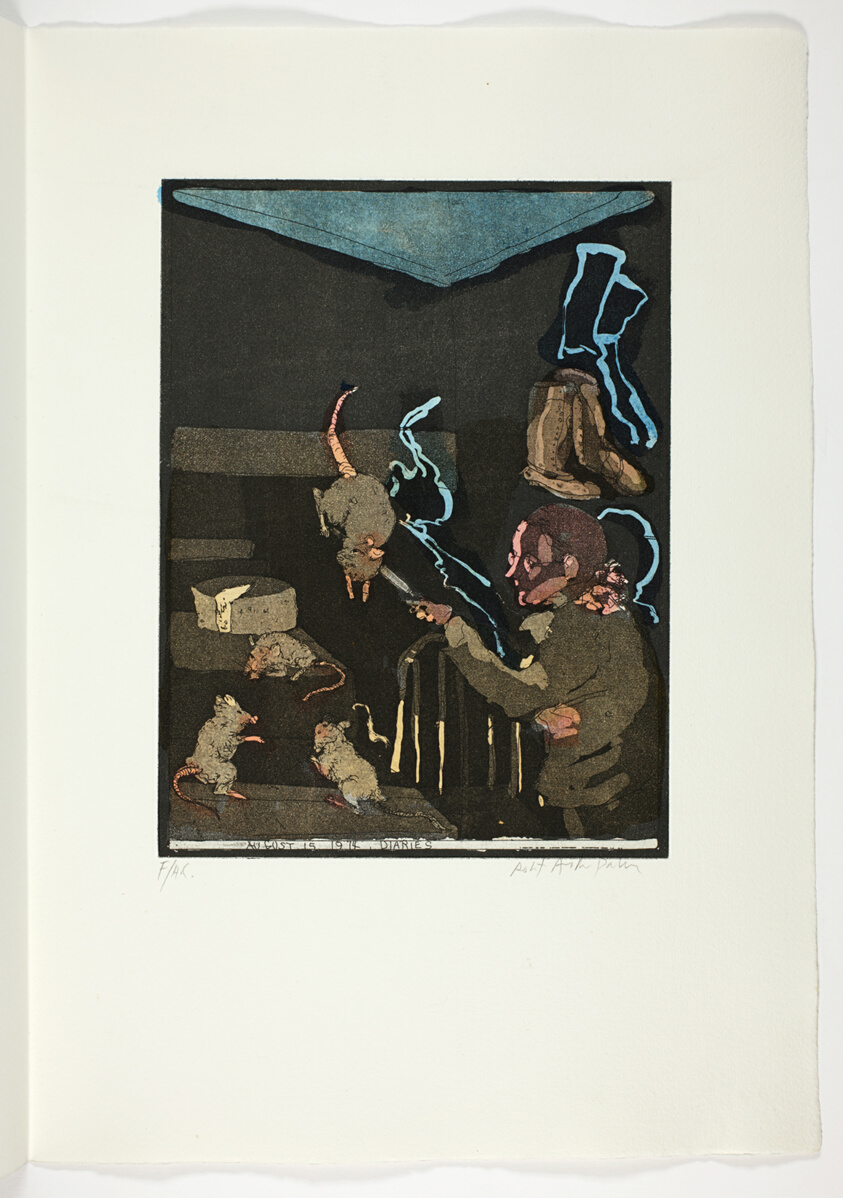
August 15, 1914 Diaries, from Franz Kafka: Dreams, Diaries, and Fragments (1994) by Robert Andrew Parker (1927-2023)
Kafka’s diary entry for 15 Aug. 1914 (trans. by Martin Greenberg with Hannah Arendt):
15 August. I have been writing these past few days, may it continue. Today I am not so completely protected by and enclosed in my work as I was two years ago, nevertheless have the feeling that my monotonous, empty, mad bachelor’s life has some justification. I can once more carry on a conversation with myself, and don’t stare so into complete emptiness. Only in this way is there any possibility of improvement for me. Continue reading “August 15, 1914 Diaries, from Franz Kafka: Dreams, Diaries, and Fragments — Robert Andrew Parker”

A panel from Crumple by Dave Cooper. Published in Zero Zero #20, Sept.-Oct. 1997, Fantagraphics Books.
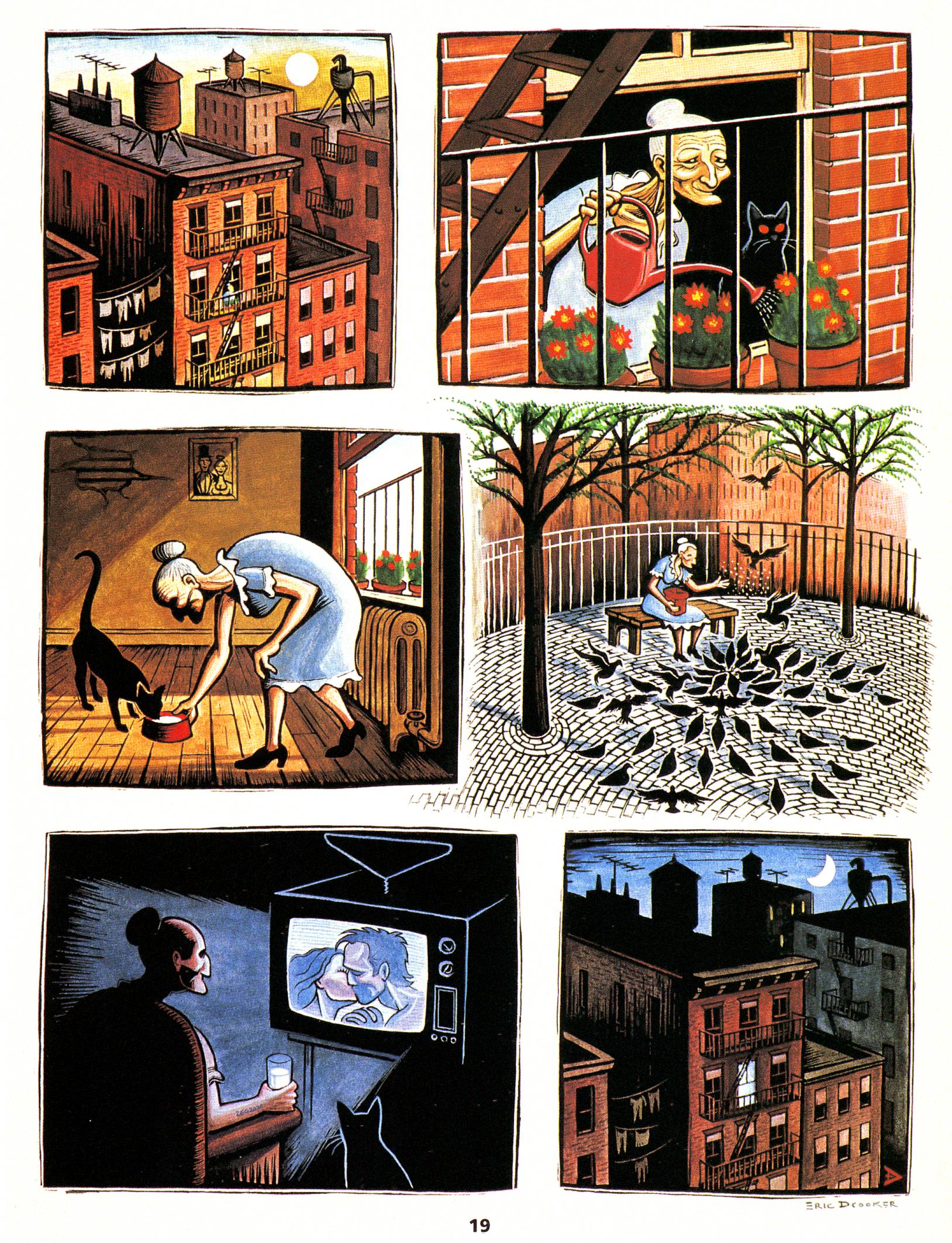
“Eleanor” by Eric Drooker. Published in Drawn & Quarterly #2 (vol. 2), Dec. 1994, Drawn & Quarterly Publications.


The Godmother, 2023 by Walton Ford (b. 1960)
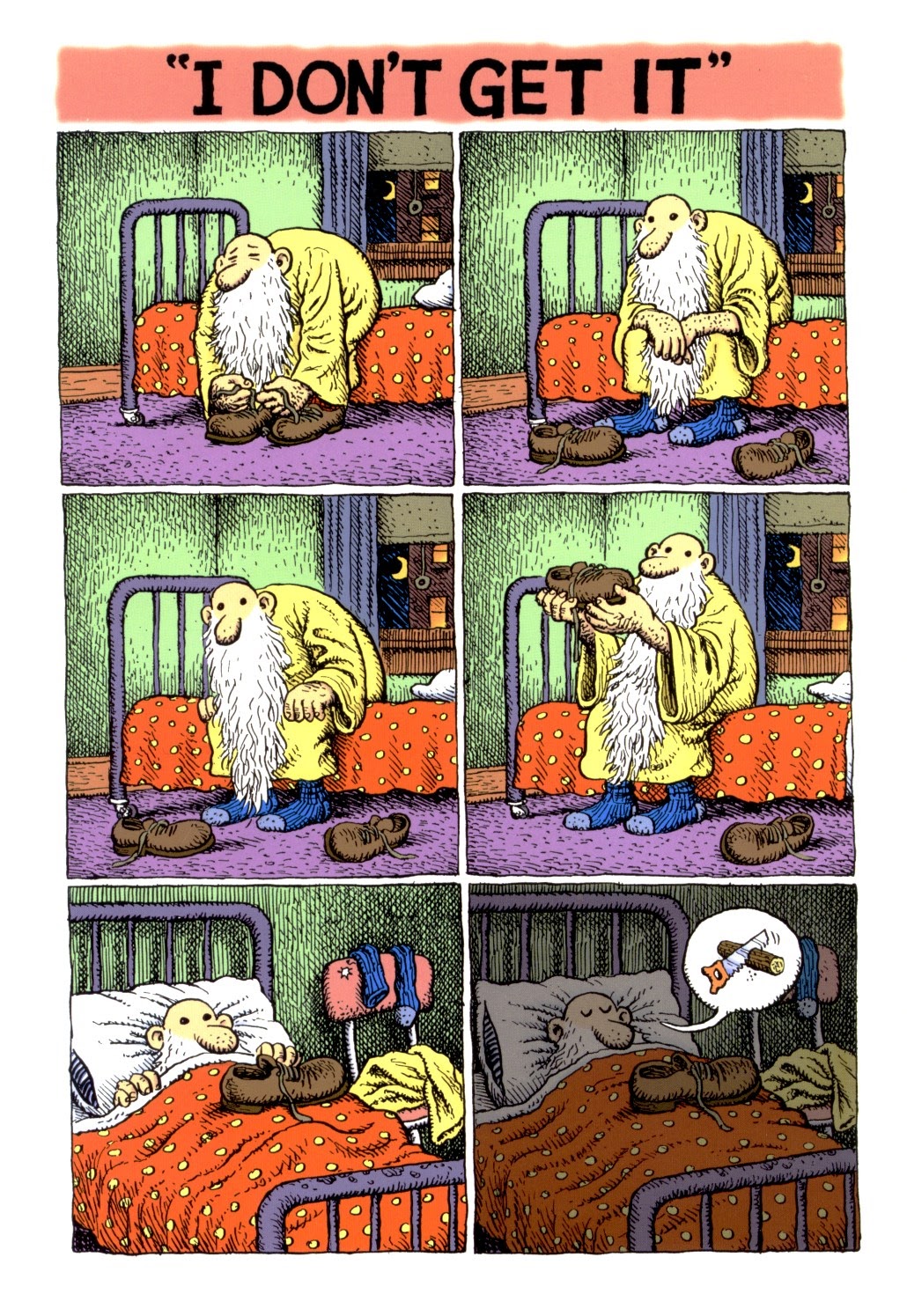
“I Don’t Get It” by Robert Crumb, published in Mystic Funnies #1, Alex Wood, 1997.
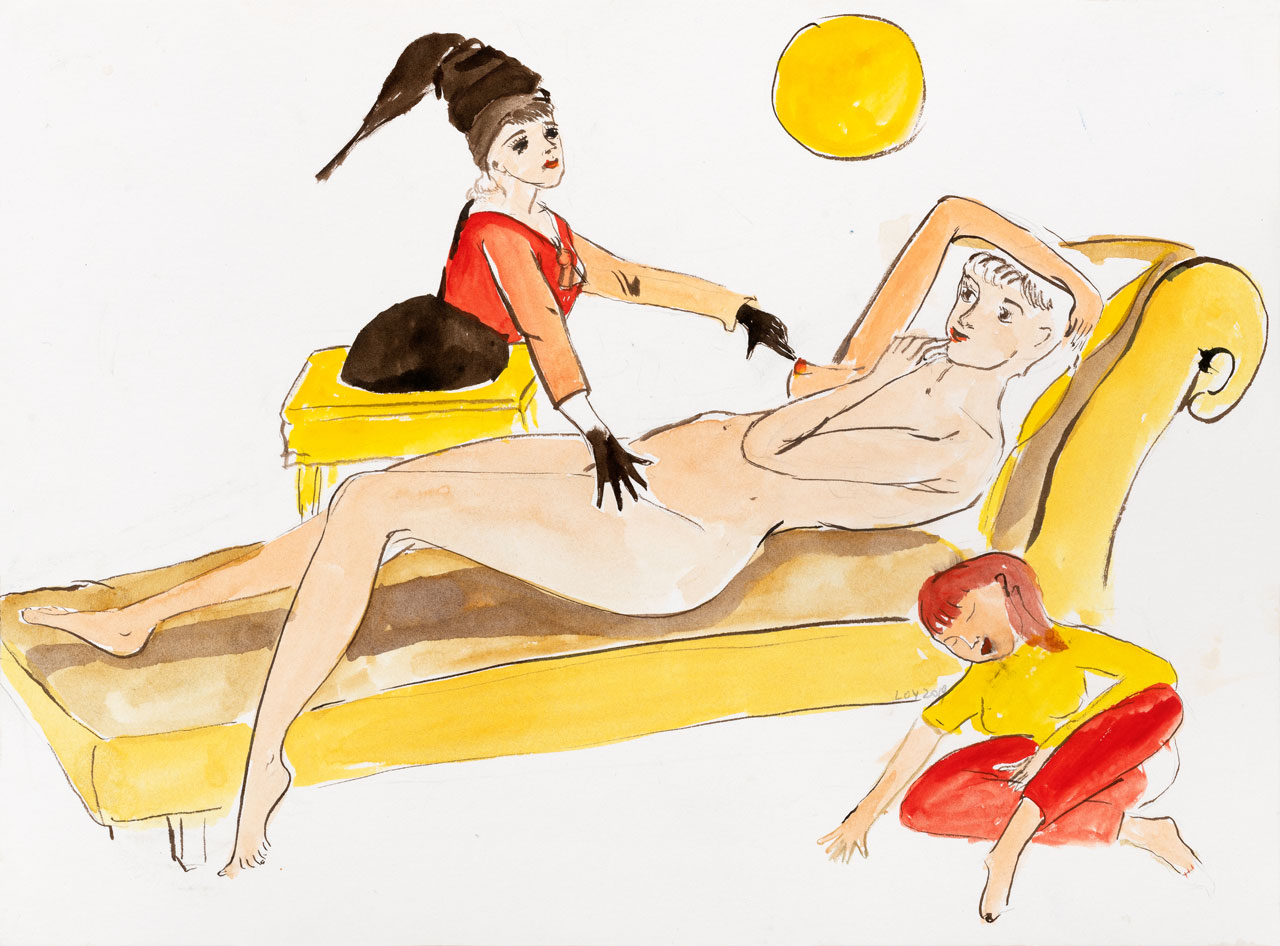
Pause, 2019 by Rosa Loy (b. 1958)
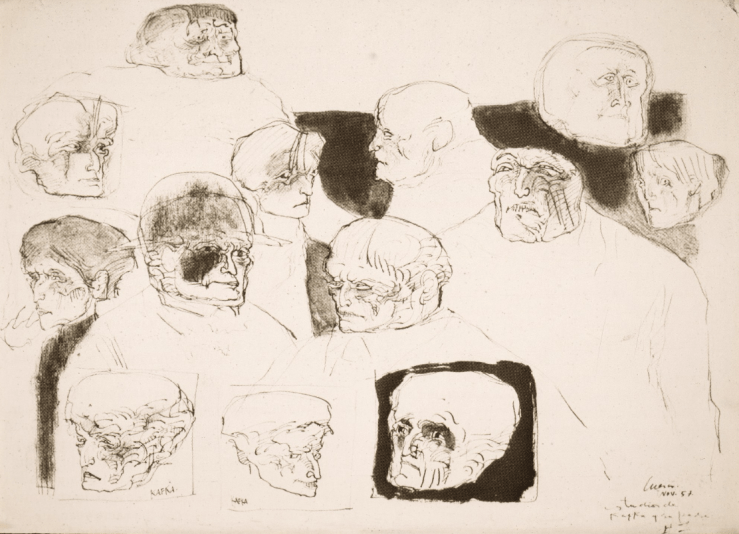
Portraits of Kafka and His Father, 1957 by José Luis Cuevas (1934–2017)
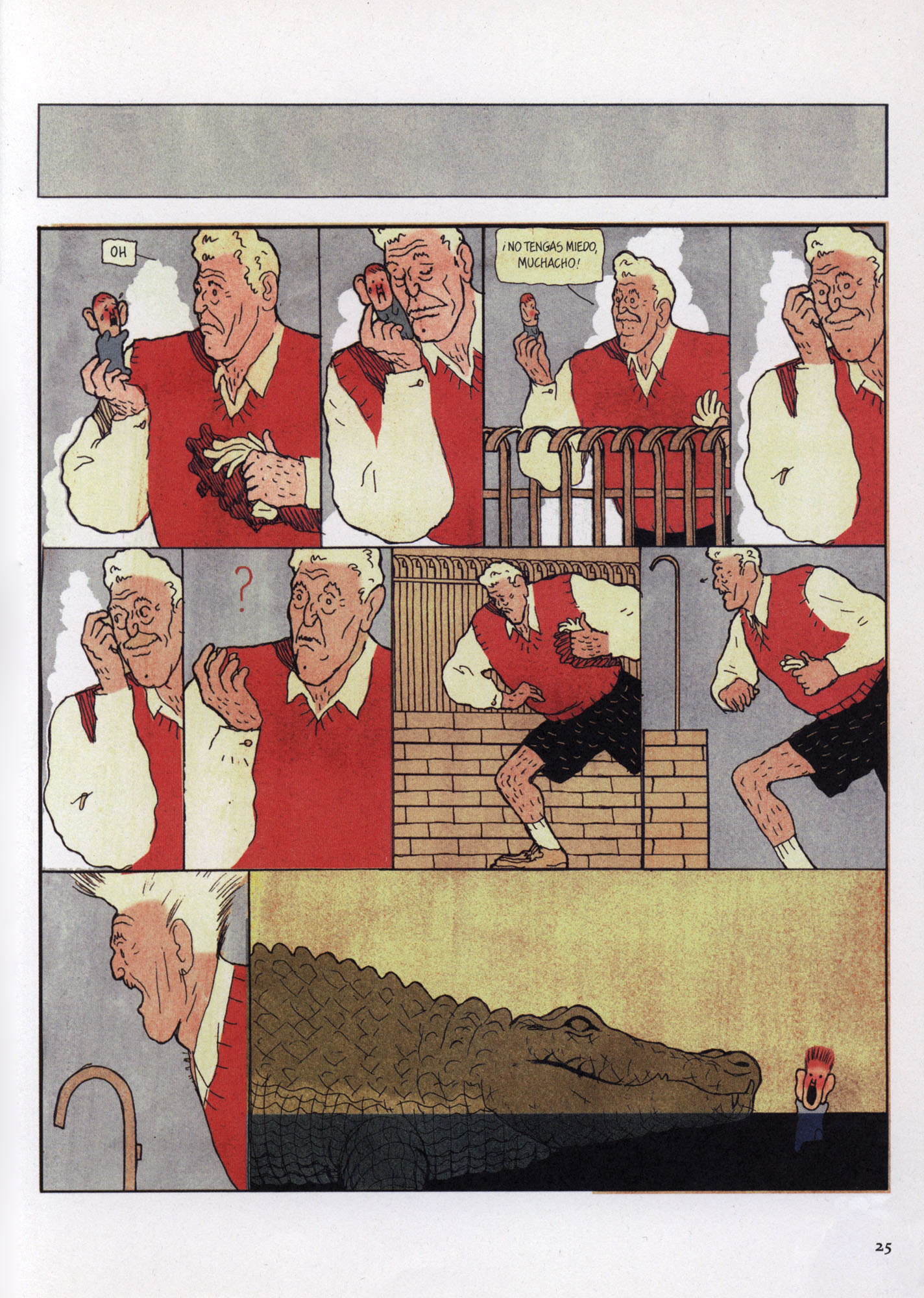
From Mi pequeño (Mon fiston) by Olivier Schrauwen, Norma Editorial, 2009.
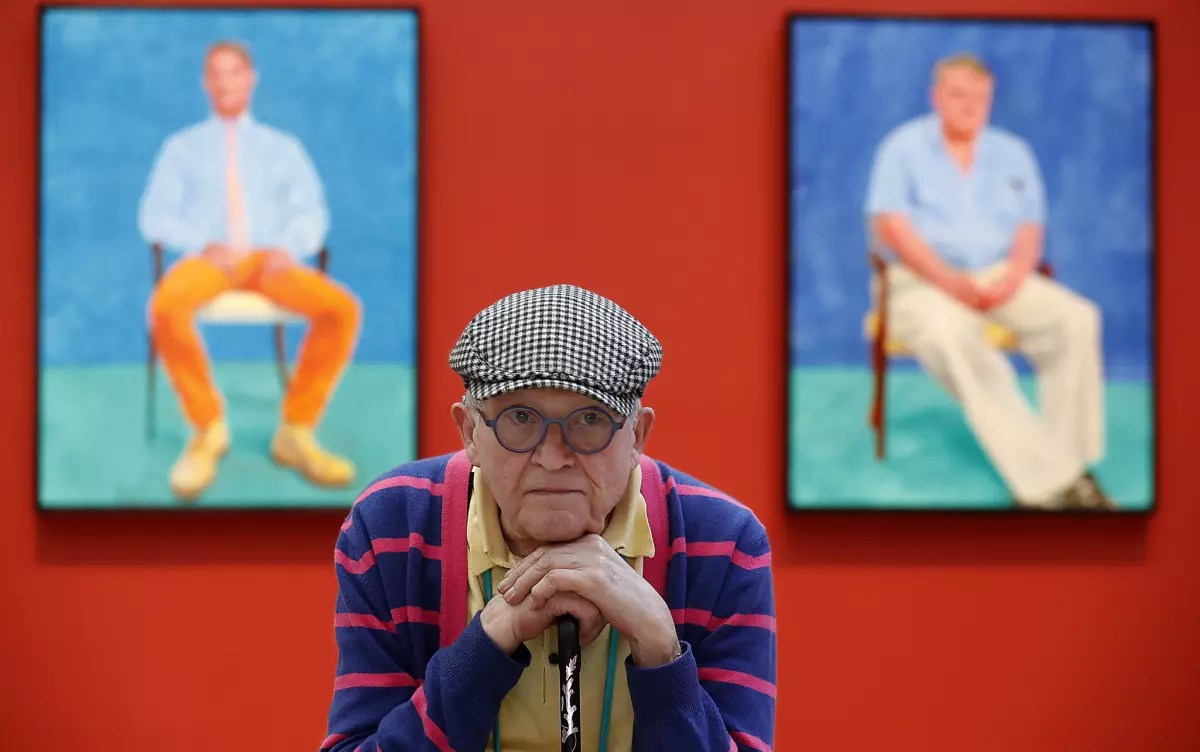
RIP David Hockney, 1937-2026
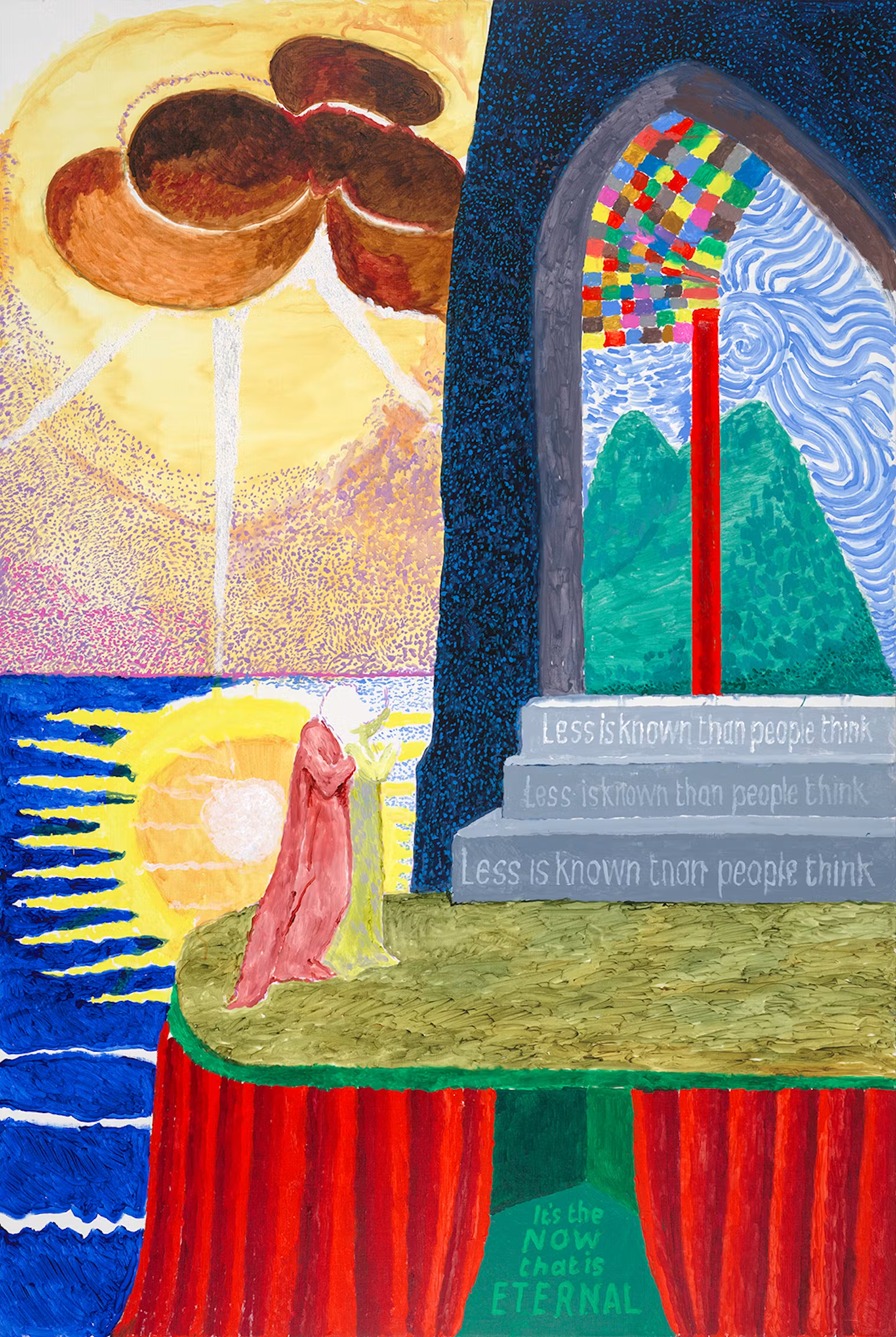
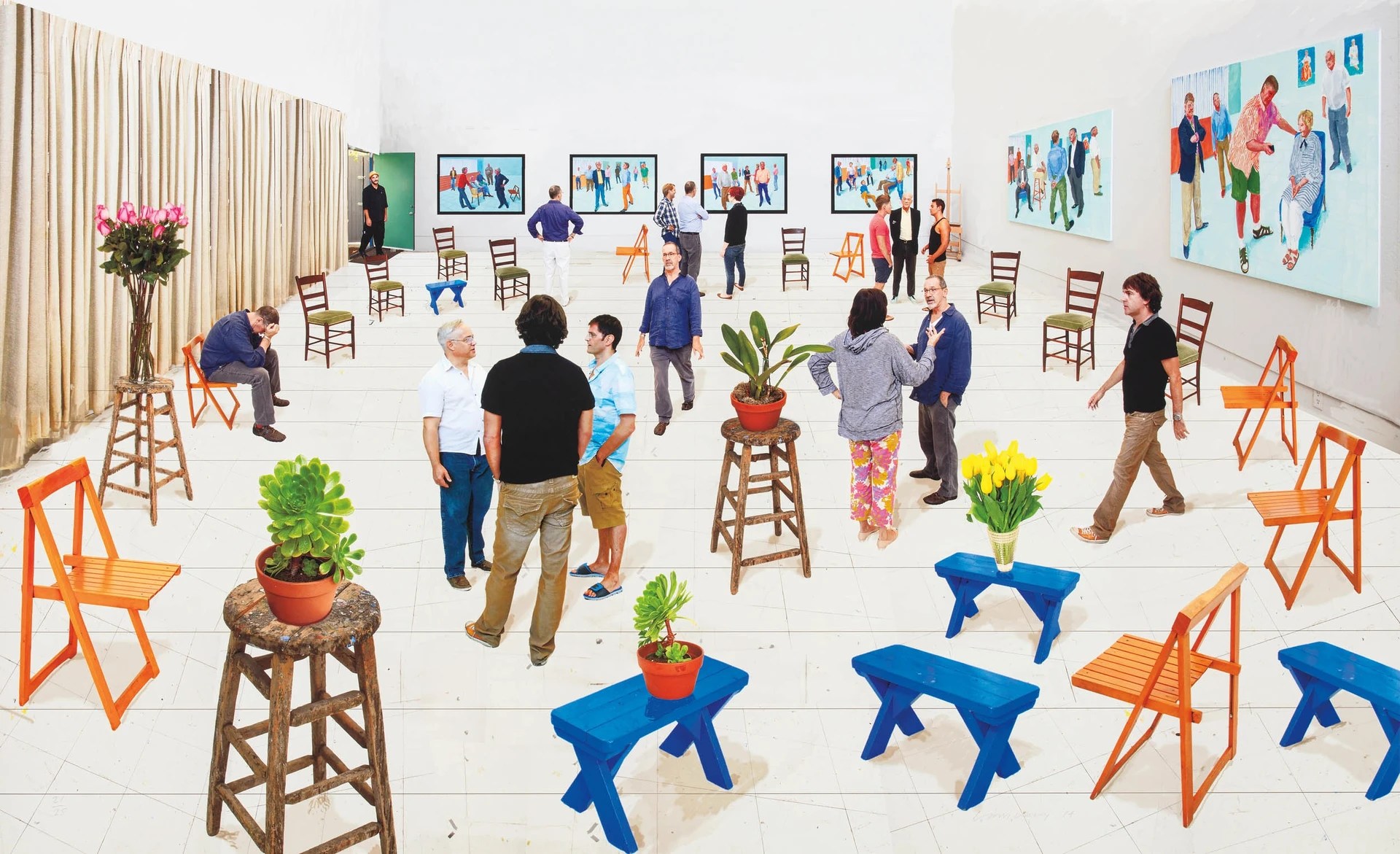
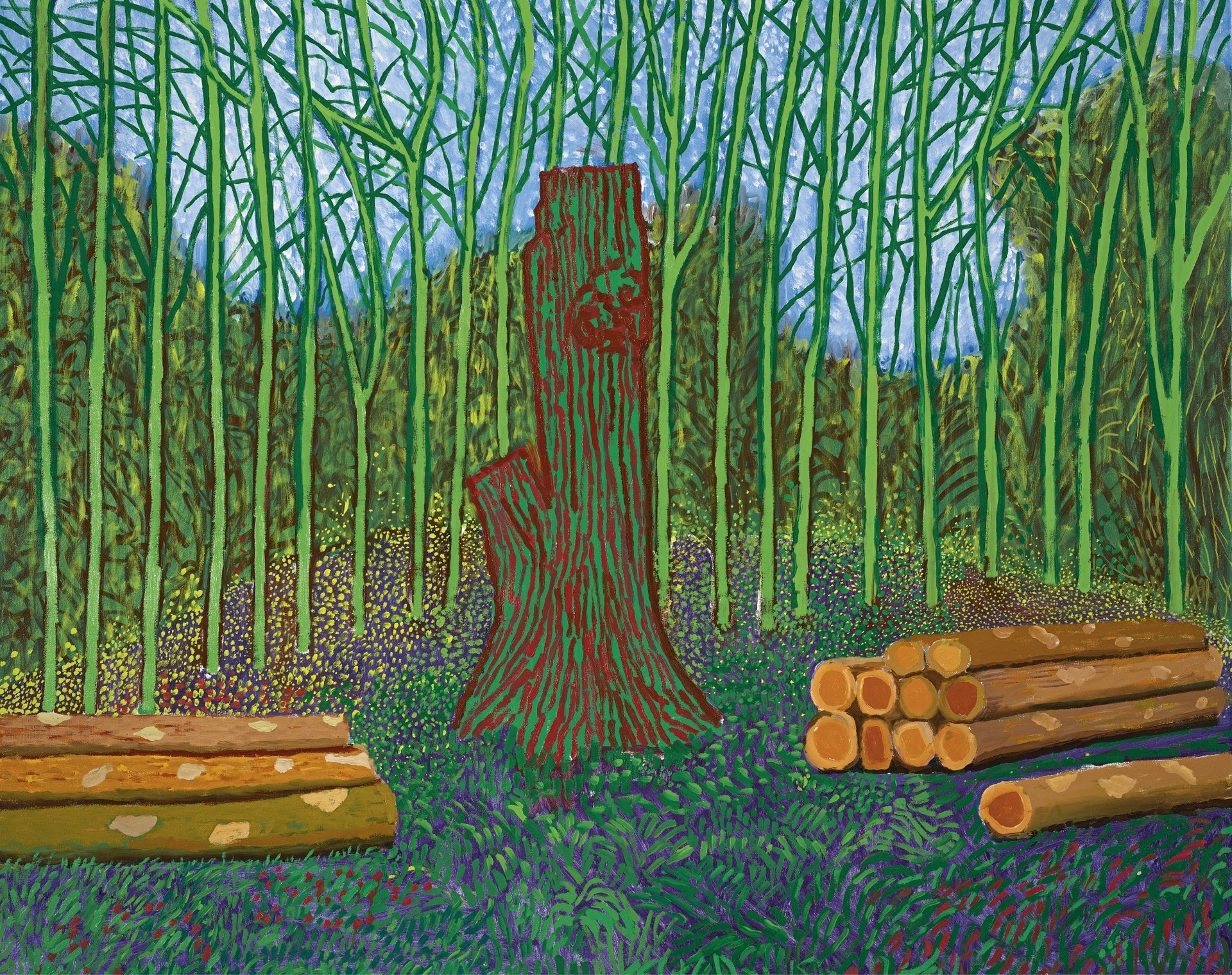
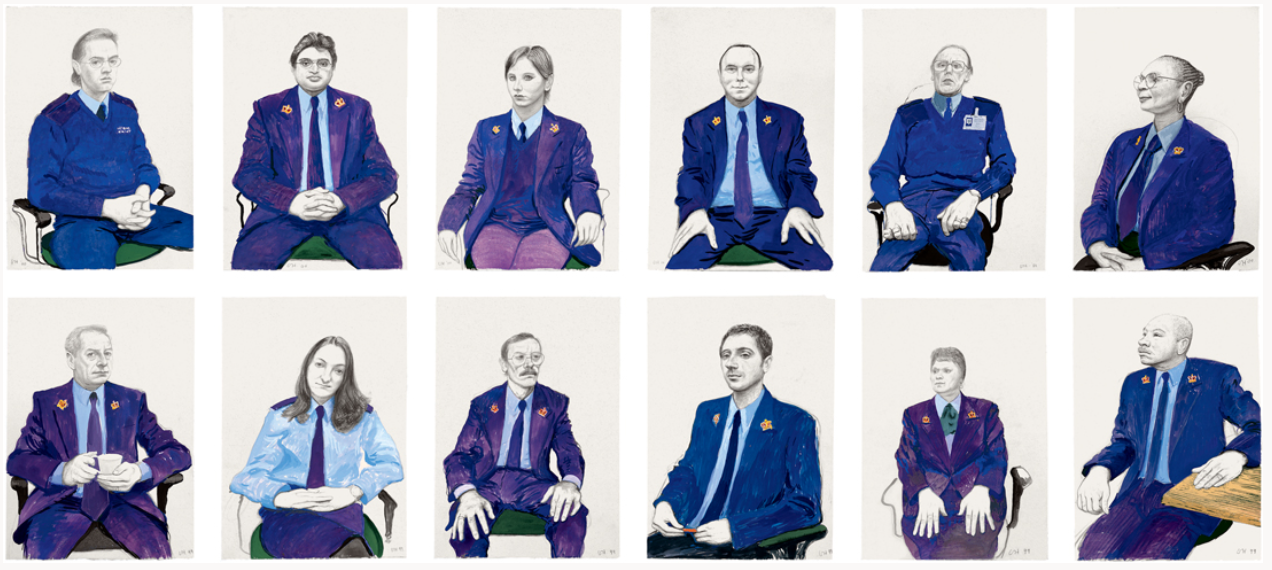
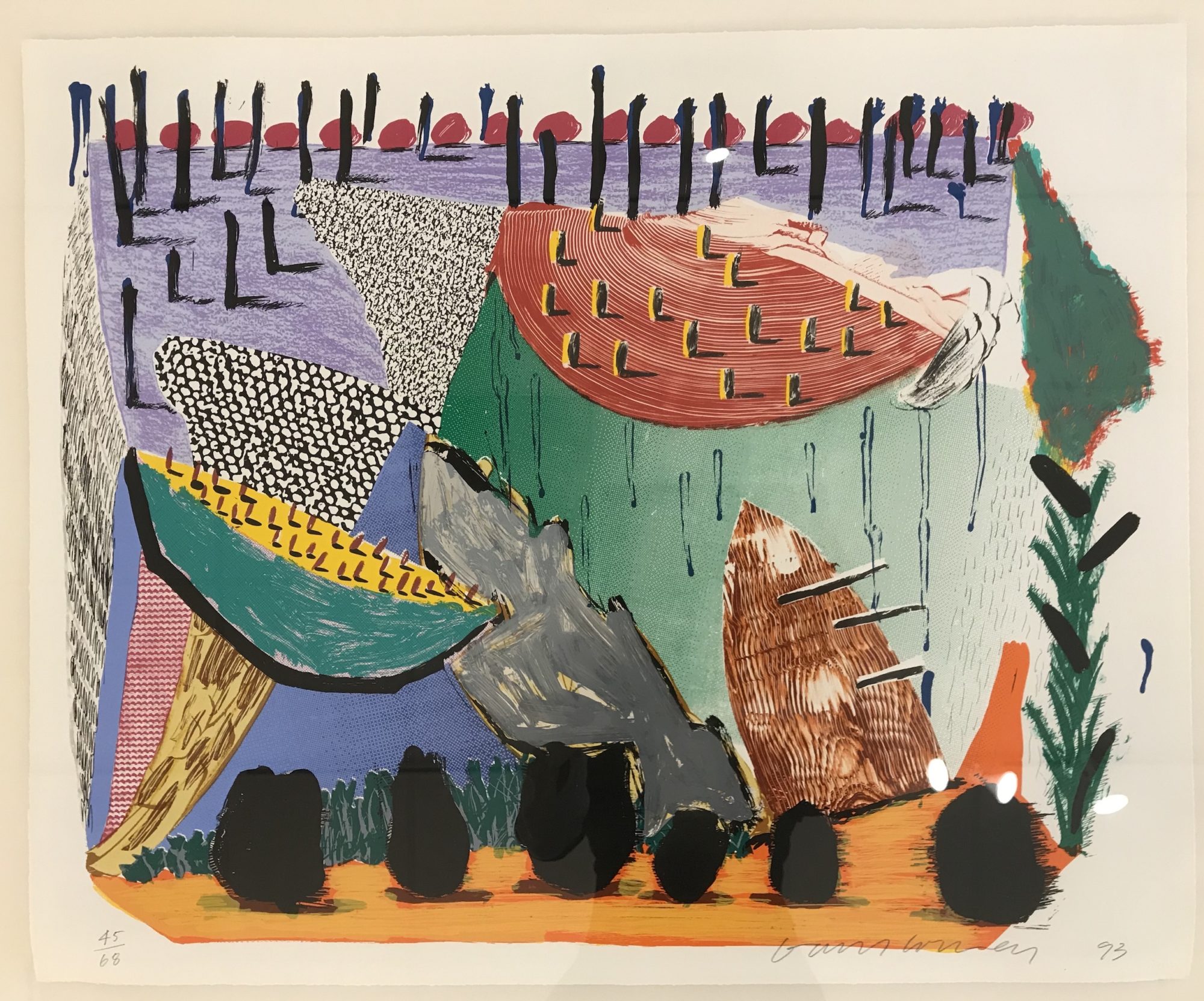
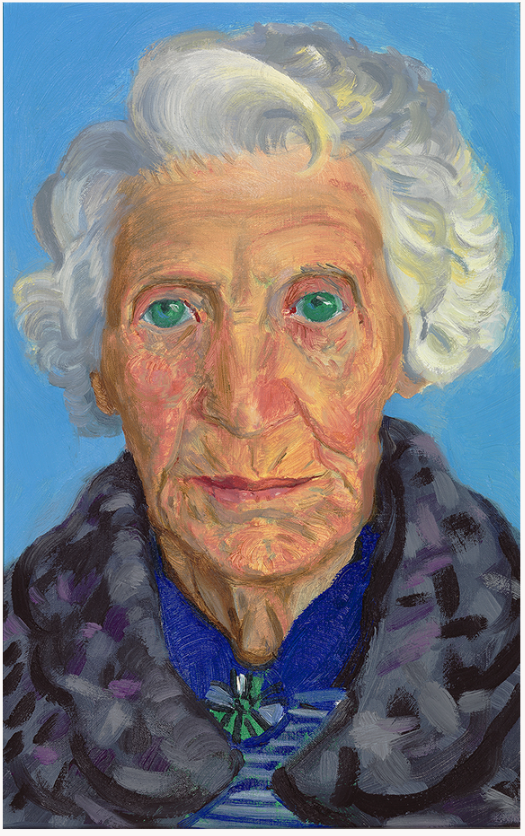
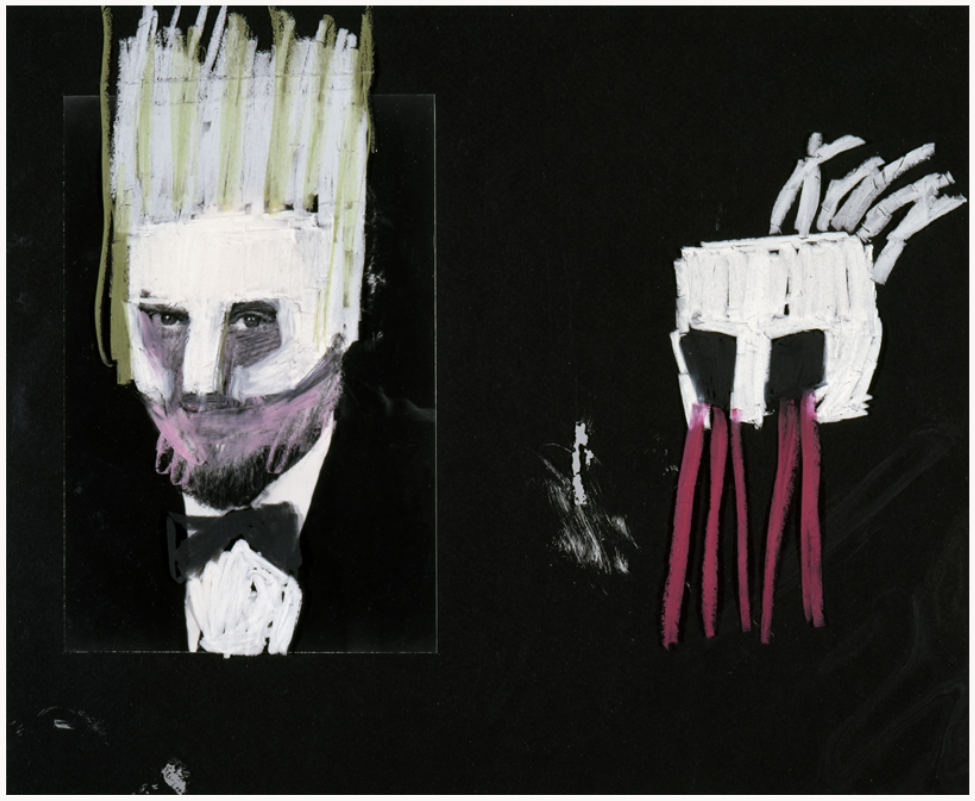
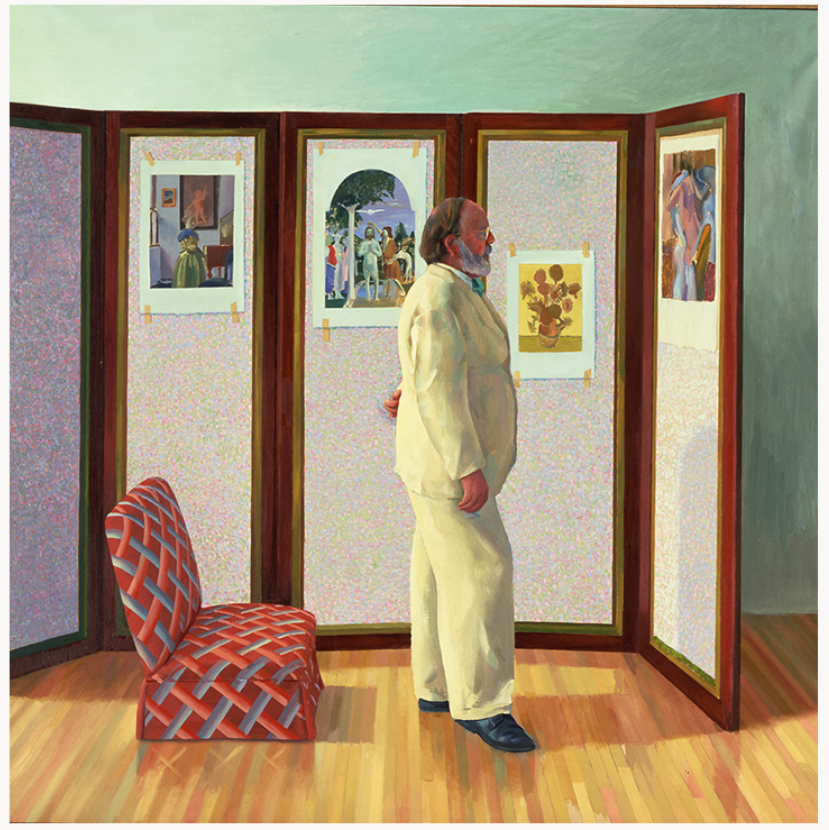
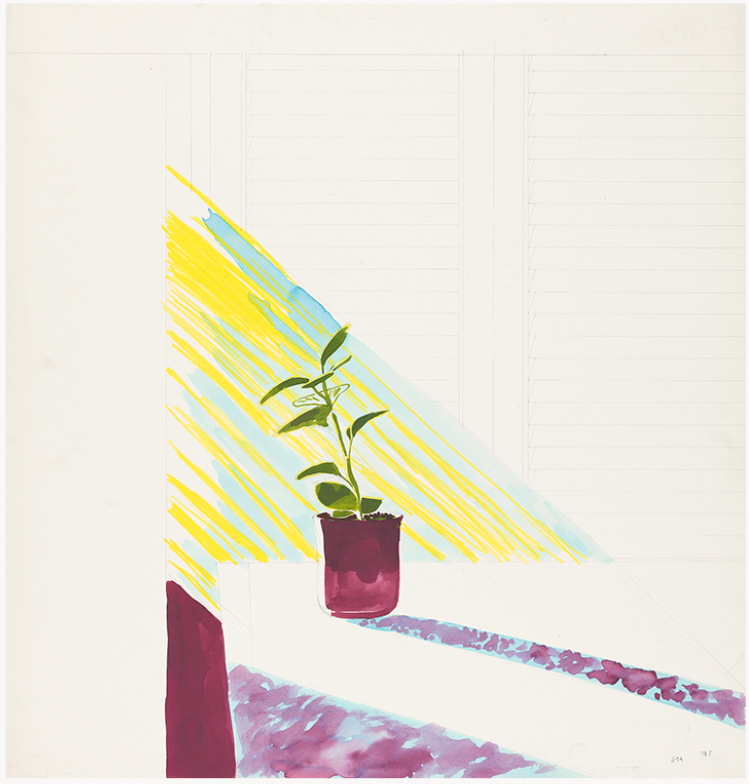
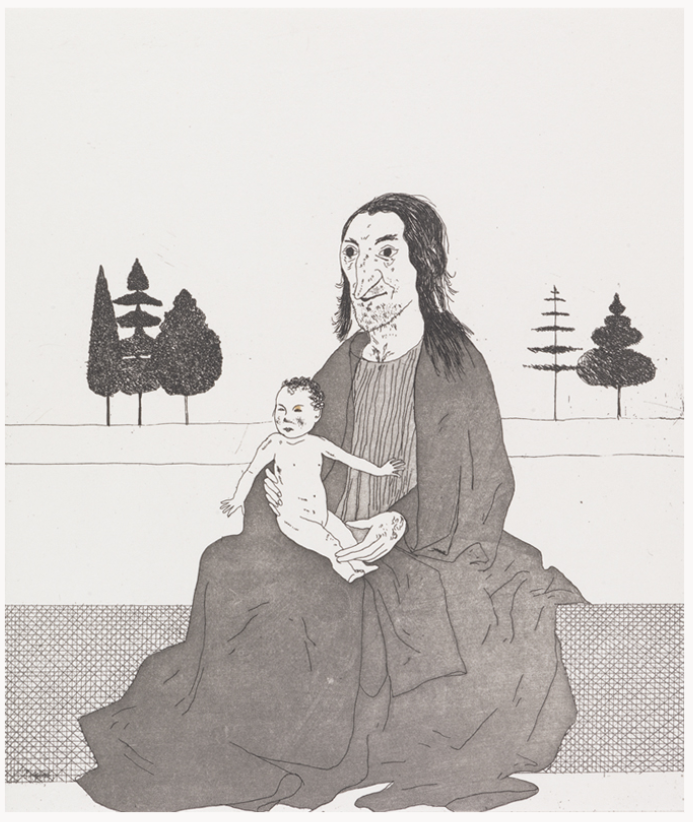
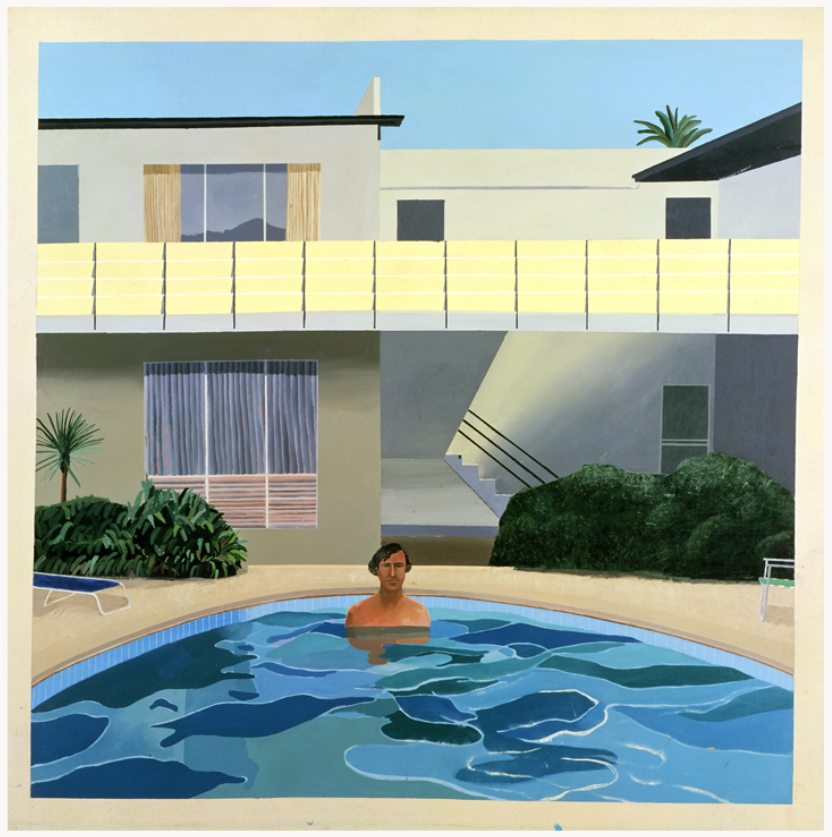
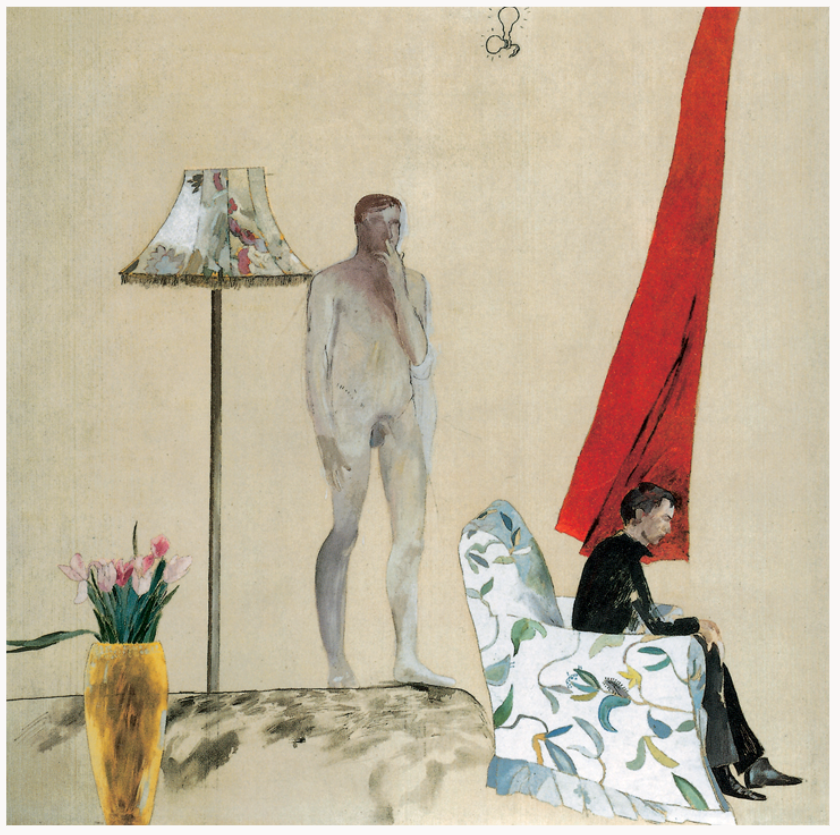
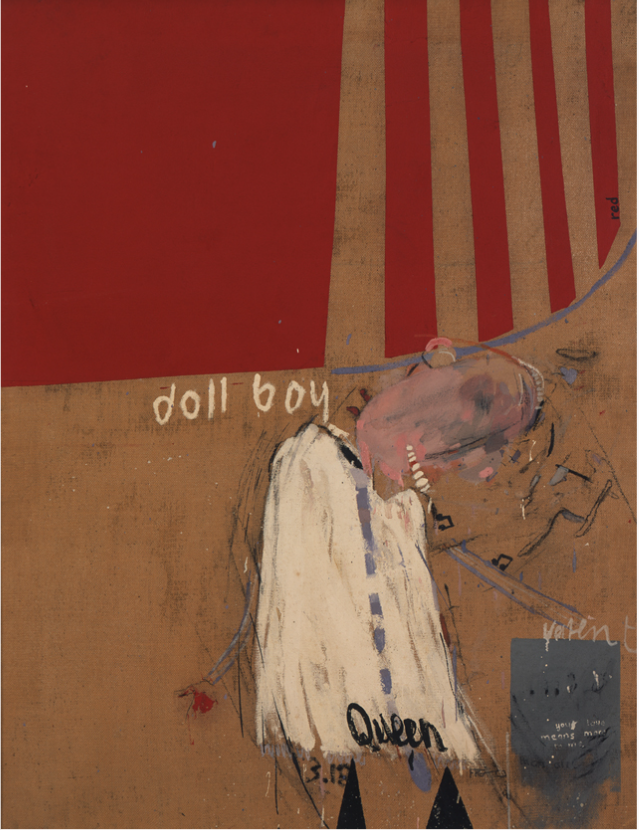
David Hockney, a prolific giant of the last century, died yesterday at 88. I will leave others with greater expertise to unpack Hockney’s bearing on the (so-called) art world. I do know that people reacted with real emotion to his paintings and drawings. I saw that firsthand on the few occasions I was lucky enough to see a Hockney hanging in a gallery. Below is a slim sample of Hockney’s work, spanning seven decades; it includes a study for his 1973 piece Sun. About ten years ago, I was thrilled to find a large exhibition print of Sun at an estate sale. It’s been hanging on my office wall ever since. I look at it when I feel frustration or anger and it brings me a little ease.