Robert Altman on Kurosawa’s Film Rashomon

“Clothes” — Franz Kafka


Clothes

Often when I see clothes with manifold pleats, frills, and appendages which fit so smoothly onto lovely bodies I think they won’t keep that smoothness long, but will get creases that can’t be ironed out, dust lying so thick in the embroidery that it can’t be brushed away, and that no one would want to be so unhappy and so foolish as to wear the same valuable gown every day from early morning till night.

And yet I see girls who are lovely enough and display attractive muscles and small bones and smooth skin and masses of delicate hair, and nonetheless appear day in, day out, in this same natural fancy dress, always propping the same face on the same palms and letting it be reflected from the looking glass.

Only sometimes at night, on coming home late from a party, it seems in the looking glass to be worn out, puffy, dusty, already seen by too many people, and hardly wearable any longer.

“Clothes” by Franz Kafka.


Portrait of a Girl with a Book — Agnolo Bronzino

Poison Oasis — Jean-Michel Basquiat

Book Shelves #32, 8.05.2012

20120729-153918.jpg

Book shelves series #31, thirty-first Sunday of 2012

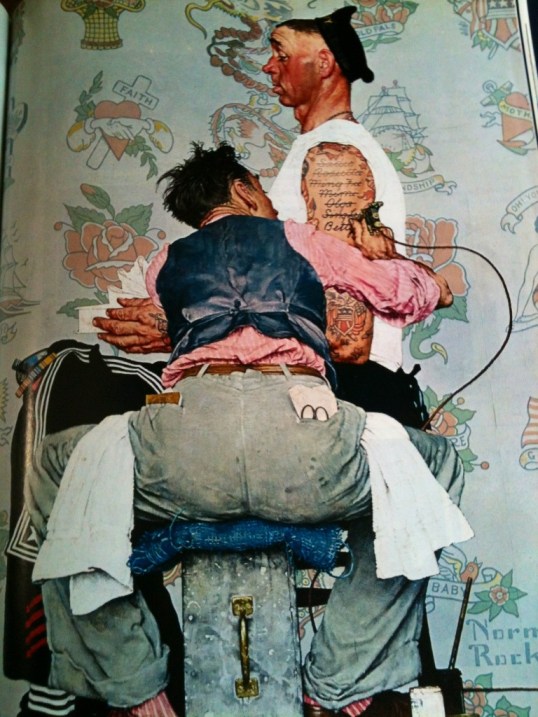
I had forgotten about this Norman Rockwell book, which I promptly took out and put on the coffee table:

20120729-153933.jpg

It’s funny to think how corny I used to think the guy was . . .

20120729-153946.jpg

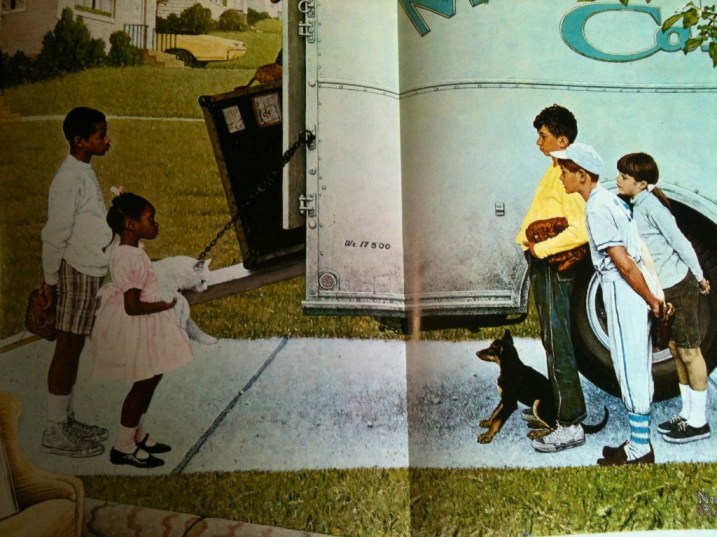
. . . which I guess he is, corny, I mean, but he’s also a master painter, with cartoonish sensibility.

And if at times he’s goofy, well, he also exhibited a social conscience in his art that was, well, human-centered.

20120729-154003.jpg

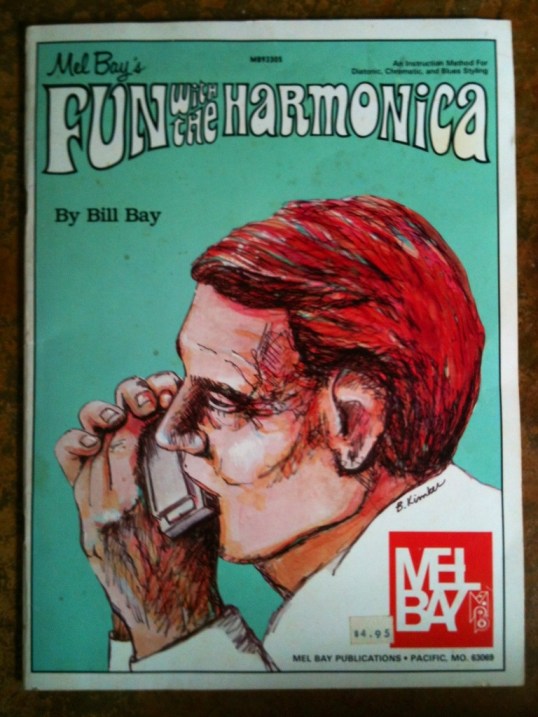
A harmonica book:

20120729-154031.jpg

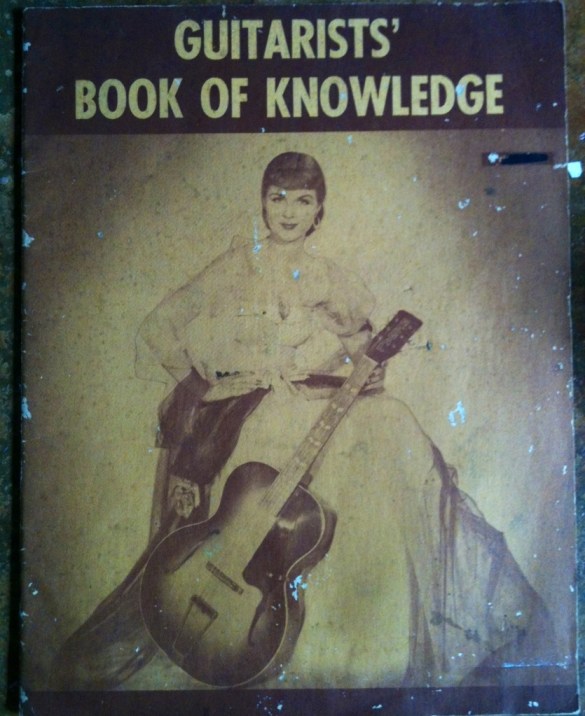
And a guitar book:

20120729-154038.jpg

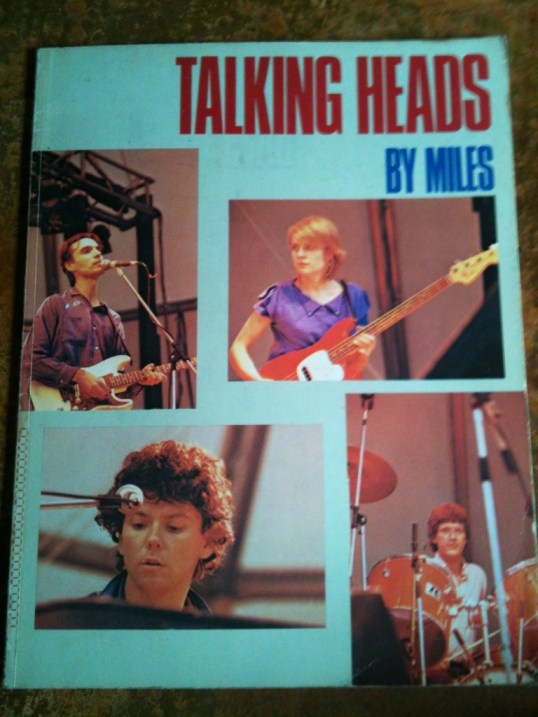
Talking Heads are my favorite band. An old girlfriend found this tabloidy book at a thriftstore and gave it to me for my birthday. This was like 16 years ago. I’d forgotten where the book was:

20120729-154046.jpg

There’s a few copies of Far Side stuff on this shelf:

20120729-154057.jpg

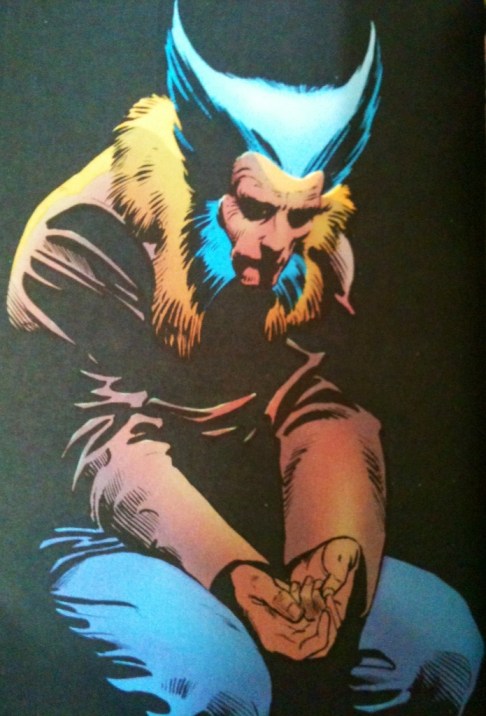
And Frank Miller’s Wolverine graphic novel, which was my favorite thing in the world when I was 11.

Sad Wolverine:

20120729-154107.jpg

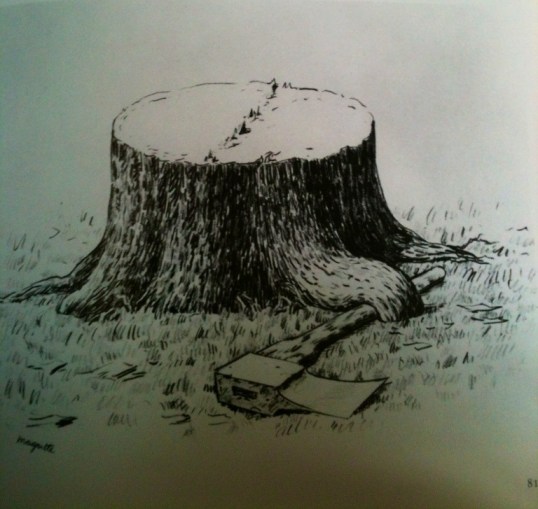
One of at least three Magritte books in the house is on this shelf. A drawing from said volume:

20120729-154115.jpg

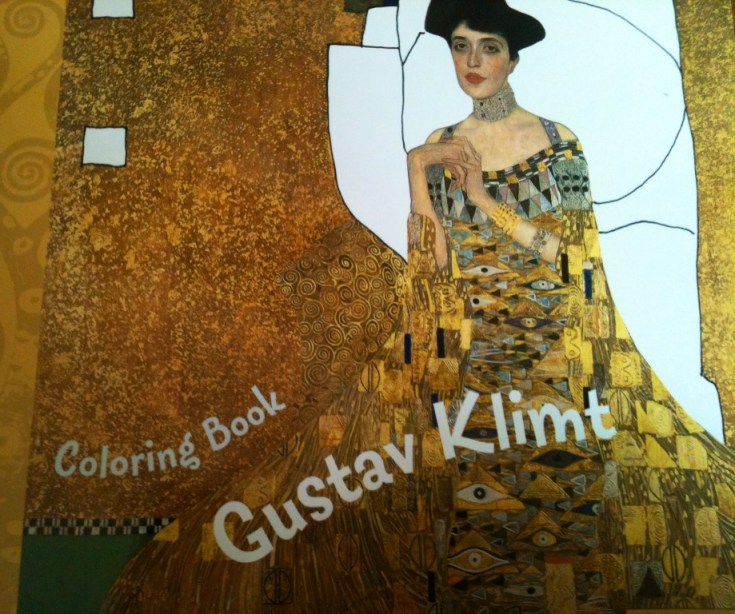
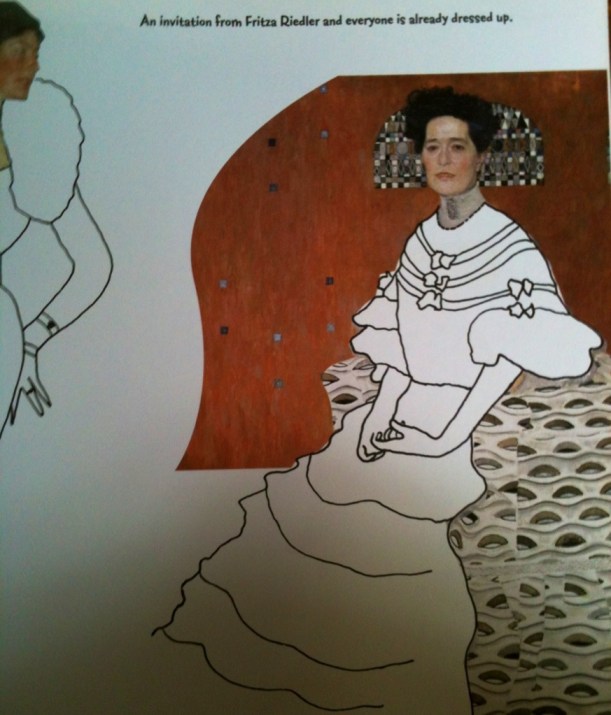
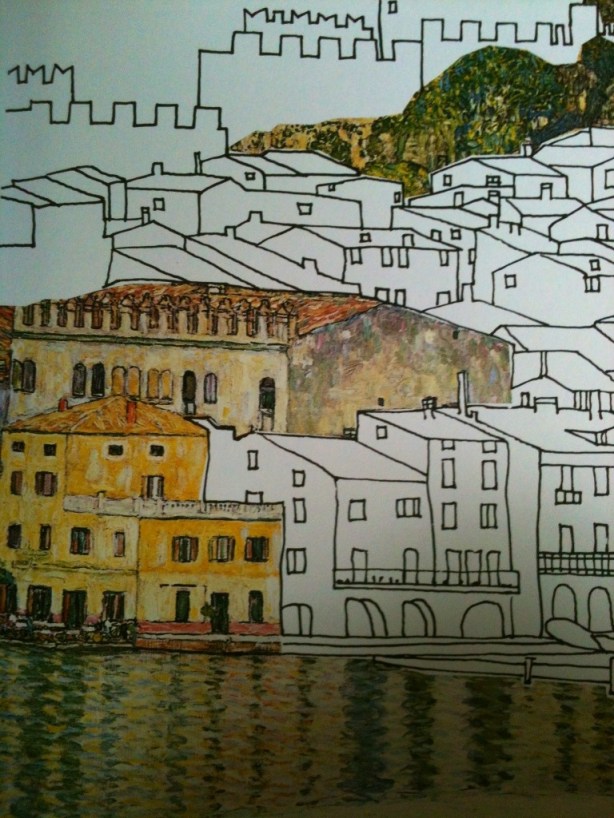
A Gustav Klimt coloring book:

20120729-154123.jpg

20120729-154130.jpg

20120729-154137.jpg

“Brief Interview #30” — David Foster Wallace


B.I. #30 03-97 DRURY UT

‘I have to admit it was a big reason for marrying her, thinking I wasn’t likely going to do better than this because of the way she had a good body even after she’d had a kid. Trim and good and good legs—she’d had a kid but wasn’t all blown out and veiny and sagged. It probably sounds shallow, but it’s the truth. I’d always had this major dread of marrying some good-looking woman and then we have a kid and it blows her body out but I still have to have sex with her because this is who I’ve signed on to have sex with the whole rest of my life. This probably sounds awful, but in her case it was like she was pre-tested—the kid didn’t blow her body out, so I knew she’d be a good bet to sign on and have kids with and still try to have sex. Does that sound shallow? Tell me what you think. Or does the real truth about this kind of thing always sound shallow, you know, everybody’s real reasons? What do you think? How does it sound?’

“Brief Interview #30” by David Foster Wallace. From  Brief Interviews with Hideous Men.


The Good Book — Federico Zandomeneghi

Wolf Dog — Jamie Wyeth

Watch Paul Thomas Anderson’s Short Film Cigarettes & Coffee (1993)

Brown and the Farrier — A Vignette from Cormac McCarthy’s Blood Meridian


A self-contained episode from late in Cormac McCarthy’s Blood Meridian; this little vignette captures the book’s strange mix of menace and humor:

Noon he was red-eyed and reeking before the alcalde’s door demanding the release of his companions. The alcalde vacated out the back of the premises and shortly there arrived an American corporal and two soldiers who warned him away. An hour later he was at the farriery. Standing warily in the doorway peering into the gloom until he could make out the shape of things within.

The farrier was at his bench and Brown entered and laid before him a polished mahogany case with a brass nameplatebradded to the lid. He unsnapped the catches and opened the case and raised from their recess within a pair of shotgun barrels and he took up the stock with the other hand. He hooked the barrels into the patent breech and stood the shotgun on the bench and pushed the fitted pin home to secure the forearm. He cocked the hammers with his thumbs and let them fall again. The shotgun was English made and had damascus barrels and engraved locks and the stock was burl mahogany. He looked up. The farrier was watching him.

You work on guns? said Brown.

I do some.

I need these barrels cut down.

The man took the gun and held it in his hands. There was a raised center rib between the barrels and inlaid in gold the maker’s name, London. There were two platinum bands in the patent breech and the locks and the hammers were chased with scrollwork cut deeply in the steel and there were partridges engraved at either end of the maker’s name there. The purple barrels were welded up from triple skelps and the hammered iron and steel bore a watered figure like the markings of some alien and antique serpent, rare and beautiful and lethal, and the wood was figured with a deep red feather grain at the butt and held a small springloaded silver capbox in the toe.

The farrier turned the gun in his hands and looked at Brown. He looked down at the case. It was lined with green baize and there were little fitted compartments that held a wadcutter, a pewter powderflask, cleaning jags, a patent pewter capper.

You need what? he said.

Cut the barrels down. Long about in here. He held a finger across the piece.

I cant do that.

Brown looked at him. You cant do it?

No sir. He looked around the shop. Well, he said. I’d of thought any damn fool could saw the barrels off a shotgun.

There’s something wrong with you. Why would anybody want to cut the barrels off a gun like this?

What did you say? said Brown.

The man tendered the gun nervously. I just meant that I dont see why anybody would want to ruin a good gun like this here. What would you take for it?

It aint for sale. You think there’s something wrong with me?

No I dont. I didnt mean it that way.

Are you goin to cut them barrels down or aint ye?

I cant do that.

Cant or wont?

You pick the one that best suits you.

Brown took the shotgun and laid it on the bench. What would you have to have to do it? he said.

I aint doin it.

If a man wanted it done what would be a fair price?

I dont know. A dollar.

Brown reached into his pocket and came up with a handful of coins. He laid a two and a half dollar gold piece on the bench. Now, he said. I’m payin you two and a half dollars.

The farrier looked at the coin nervously. I dont need your money, he said. You cant pay me to butcher that there gun.

You done been paid.

No I aint.

Yonder it lays. Now you can either get to sawin or you can default. In the case of which I aim to take it out of your ass.

The farrier didnt take his eyes off Brown. He began to back away from the bench and then he turned and ran.

When the sergeant of the guard arrived Brown had the shotgun chucked up in the benchvise and was working at the barrels with a hacksaw. The sergeant walked around to where he could see his face. What do you want, said Brown.

This man says you threatened his life.

What man?

This man. The sergeant nodded toward the door of the shed.

Brown continued to saw. You call that a man? he said.

I never give him no leave to come in here and use my tools neither, said the farrier.

How about it? said the sergeant.

How about what?

How do you answer to this man’s charges?

He’s a liar.

You never threatened him?

That’s right.

The hell he never.

I dont threaten people. I told him I’d whip his ass and that’s as good as notarized.

You dont call that a threat?

Brown looked up. It was not no threat. It was a promise. He bent to the work again and another few passes with the saw and the barrels dropped to the dirt. He laid down the saw and backed off the jaws of the vise and lifted out the shotgun and unpinned the barrels from the stock and fitted the pieces into the case and shut the lid and latched it.

What was the argument about? said the sergeant.

Wasnt no argument that I know of.

You better ask him where he got that gun he’s just ruined. He’s stole that somewheres, you can wager on it.

Where’d you get the shotgun? said the sergeant.

Brown bent down and picked up the severed barrels. They were about eighteen inches long and he had them by the small end. He came around the bench and walked past the sergeant. He put the guncase under his arm. At the door he turned. The farrier was nowhere in sight. He looked at the sergeant.

I believe that man has done withdrawed his charges, he said. Like as not he was drunk.


The Book Lover — Frantisek Kupka

Summer Evening — Edward Hopper

“The Flash” — Italo Calvino

The Flash

It happened one day, at a crossroads, in the middle of a crowd, people coming and going.
I stopped, blinked: suddently I understood nothing. Nothing, nothing about anything: I did not understand the reasons for things or for people, it was all senseless, absurd. I laughed.
What I found strange at the time was that I had never realized before; that up until then I had accepted everything: traffic lights, cars, posters, uniforms, monuments, things completely detached from any sense of the world, accepted them as if there were some necessity, some chain of cause and effect that bound them together.
Then my laugh died. I blushed, ashamed. I waved to get people’s attention. “Stop a moment!” I shouted, “there is something wrong! Everything is wrong! We are doing the absurdest things. This cannot be the right way. Where can it end?”
People stopped around me, sized me up, curious. I stood there in the middle of them, waving my arms, desparate to explain myself, to have them share the flash of insight that had suddenly enlightened me: and I said nothing. I said nothing because the moment I had raised my arms and opened my mouth, my great revelation had been as it were swallowed up again and the words had come out any old how, on impulse.
“So?” people asked, “what do you mean? Everything is in its place. All is as it should be. Everything is a result of something else. Everything fits in with everything else. We cannot see anything wrong or absurd.”
I stood there, lost, because as I saw it now everything had fallen into place again and everything seemed normal, traffic lights, monuments, uniforms, towerblocks, tramlines, begggards, processions; yet this did not calm me, it tormented me.
“I am sorry,” I said. “Perhaps it was I who was wrong. It seemd that way then. But everything is fine now. I am sorry.” And I made off amid their angry glares.
Yet, even now, every time (and it is often) that I find I do not understand something, then, instincitively, I am filled with the hope that perhaps this will be my moment again, perhaps once again I shall understand nothing, I shall grasp the other knowledge, found and lost in an instant.

“The Flash,” by Italo Calvino. Collected in Numbers in the Dark.

Netherlandish Proverbs — Pieter Bruegel the Elder

Peter Falk Talks About Working with John Cassavetes

Chardenal Dictionary — Max Weber

Aldous Huxley’s Brave New World (Full 1980 BBC Adaptation)