The Tsar of Love and Techno (Book acquired, 9.29.2015)

IMG_8537

Anthony Marra’s collection The Tsar of Love and Techno is new in hardback from Hogarth next week. Here is the first part of Hogarth’s blurb (it’s the longest damn blurb I’ve ever seen I think):

Brilliantly constructed and beautifully inhabited, Anthony Marra’s new book, THE TSAR OF LOVE AND TECHNO (Hogarth; on sale October 6, 2015), is an exquisite collection of nine interconnected stories set in Russia that move across a century and introduce us to a cast of unforgettable characters whose lives intersect in ways both life-affirming and heartbreaking. Marra is a writer driven by a deep and authentic curiosity, and it was that curiosity that led him to write about Chechnya and to return there in THE TSAR OF LOVE AND TECHNO. With the recent insurgent attacks in Grozny, the Islamic State’s announcement that Chechnya will be their next zone of expansion, and 2015 marking the twentieth anniversary of the first Chechen War, Marra’s book couldn’t be timelier.

Reading — Lilla Cabot Perry

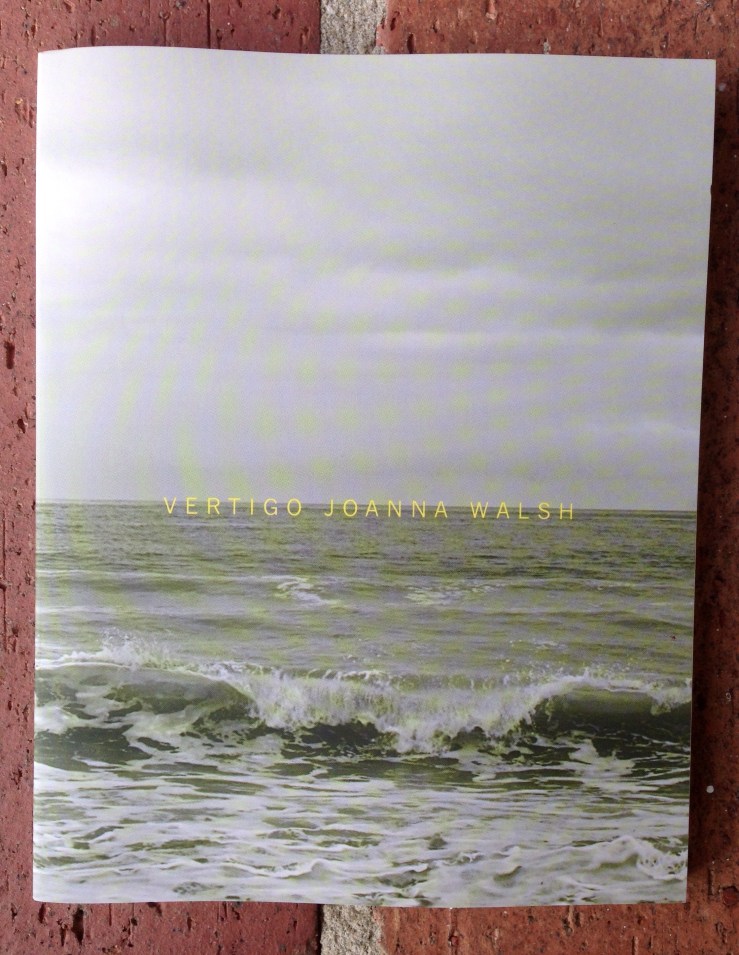
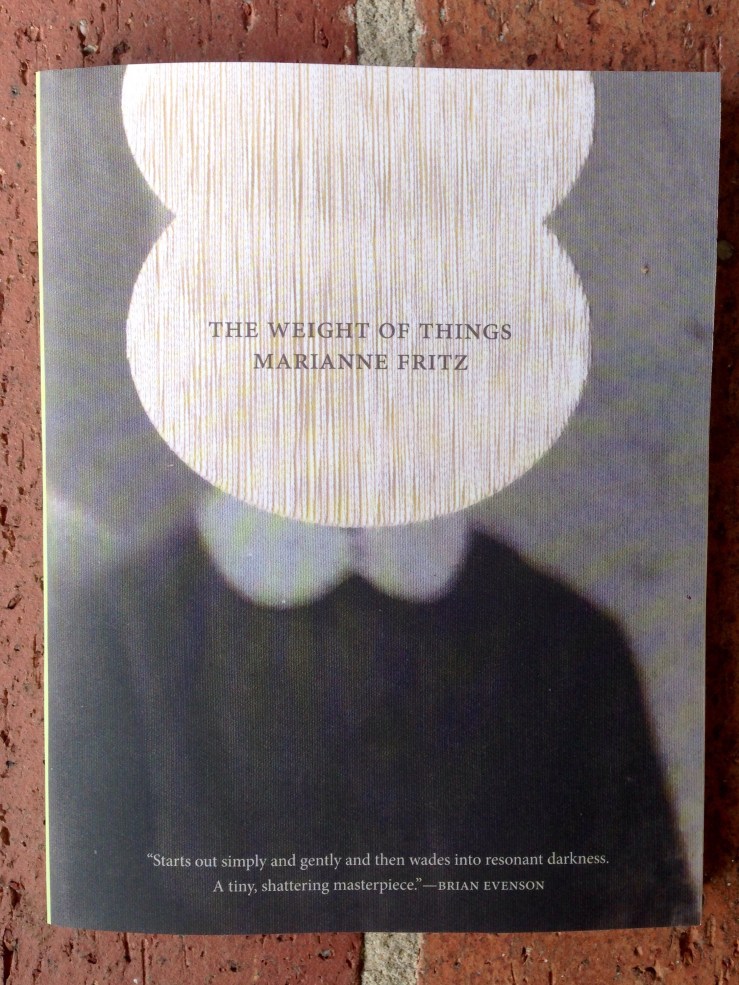
Vertigo/The Weight of Things (Books acquired, 9.28.2015)

Two new books from The Dorothy Project: Joanna Walsh’s collection Vertigo and Austrian writer Marianne Fritz’s 1978 novel The Weight of Things (in English translation by Adrian Nathan West)

IMG_8532

You can read Walsh’s story “Online” online at Electric Literature.

IMG_8534

Dorothy’s blurb for Fritz’s novel:

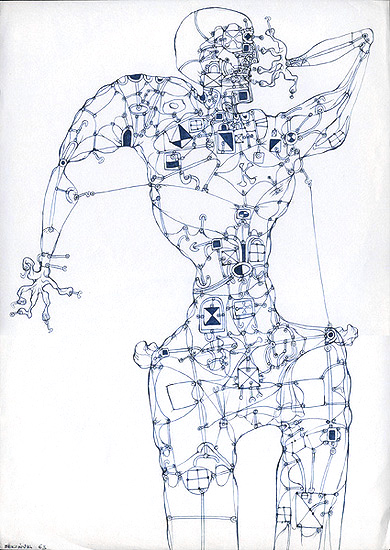
The Weight of Things is the first book, and the first translated book, and possibly the only translatable book by Austrian writer Marianne Fritz (1948–2007). For after winning acclaim with this novel—awarded the Robert Walser Prize in 1978—she embarked on a 10,000-page literary project called “The Fortress,” creating over her lifetime elaborate colorful diagrams and typescripts so complicated that her publisher had to print them straight from her original documents. A project as brilliant as it is ambitious and as bizarre as it is brilliant, it earned her cult status, comparisons to James Joyce no less than Henry Darger, and admirers including Elfriede Jelinek and W. G. Sebald.

Yet in this, her first novel, we discover not an eccentric fluke of literary nature but rather a brilliant and masterful satirist, philosophically minded yet raging with anger and wit, who under the guise of a domestic horror story manages to expose the hypocrisy and deep abiding cruelties running parallel, over time, through the society and the individual minds of a century.

His grandaddy was killed by a lunatic and buried in the woods like a dog (Blood Meridian)

In Ch. 23 of Cormac McCarthy’s novel Blood Meridian our protagonist the kid—now the man but always the kid—has cause to kill a kind of postfiguration of himself, Elrod, an ornery youth who attempts to murder the kid in the dark of night:

I knowed you’d be hid out, the boy called.

He pushed back the blanket and rolled onto his stomach and cocked the pistol and leveled it at the sky where the clustered stars were burning for eternity. He centered the foresight in the milled groove of the framestrap and holding the piece so he swung it through the dark of the trees with both hands to the darker shape of the visitor.

I’m right here, he said.

The boy swung with the rifle and fired.

You wouldnt of lived anyway, the man said.

When Elrod’s traveling companions come to fetch his body, we get this microbiography:

They come out here from Kentucky mister. This tyke and his brother. His momma and daddy both dead. His grandaddy was killed by a lunatic and buried in the woods like a dog. He’s never knowed good fortune in his life and now he aint got a soul in this world.

The line about the grandfather “killed by a lunatic and buried in the woods like a dog” instantly recalled for me the judge’s tale about the harnessmaker in Ch. XI. The tale begins thus:

In the western country of the Alleghenies some years ago when it was yet a wilderness there was a man who kept a harness shop by the side of the Federal road. He did so because it was his trade and yet he did little of it for there were few travelers in that place. So that he fell into the habit before long of dressing himself as an indian and taking up station a few miles above his shop and waiting there by the roadside to ask whoever should come that way if they would give him money. At this time he had done no person any injury.

And climaxes thus:

As they walked out they spoke of life in such a wild place where such people as you saw you saw but one and never again and by and by they came to the fork in the road and here the traveler told the old man that he had come with him far enough and he thanked him and they took their departure each of the other and the stranger went on his way. But the harnessmaker seemed unable to suffer the loss of his company and he called to him and went with him again a little way upon the road. And by and by they came to a place where the road was darkened in a deep wood and in this place the old man killed the traveler. He killed him with a rock and he took his clothes and he took his watch and his money and he buried him in a shallow grave by the side of the road. Then he went home.

The judge’s story goes on a bit longer, but the remarkable moment is when he finishes, all the men of Glanton’s company claim to know the story, but in variations—part of the book’s dark take on the Emersonian oversoul. (Later in the same chapter: “What is true of one man, said the judge, is true of many”).

To return to Elrod (the name means something like God rules): I’ve always read the kid’s killing him as foreshadowing to the kid’s own final encounter with the judge later in the same chapter. Maybe the grandfather-lunatic-burial is just another one of the judge’s damn riddles, but it’s got me perplexed. Maybe best not to look for too much order in the dance?


October Interior — Fairfield Porter

The Fall and the Expulsion from Paradise — The Limbourg Brothers

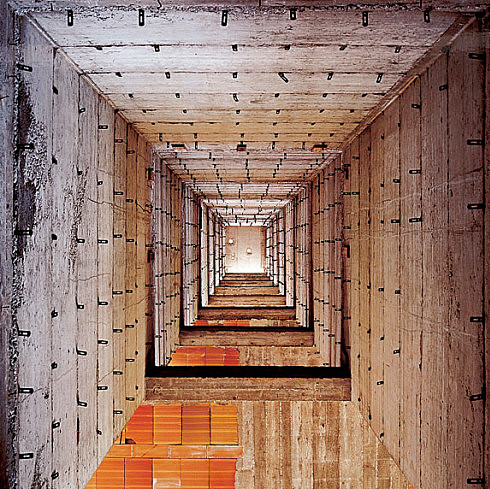
Rome #17 — Anthony Hernandez

2000.125_ph_web (1)

The terrible handicap of being young (Faulkner)

His father had struck him before last night but never before had he paused afterward to explain why; it was as if the blow and the following calm, outrageous voice still rang, repercussed, divulging nothing to him save the terrible handicap of being young, the light weight of his few years, just heavy enough to prevent his soaring free of the world as it seemed to be ordered but not heavy enough to keep him footed solid in it, to resist it and try to change the course of its events.

From William Faulkner’s story “Barn Burning.”

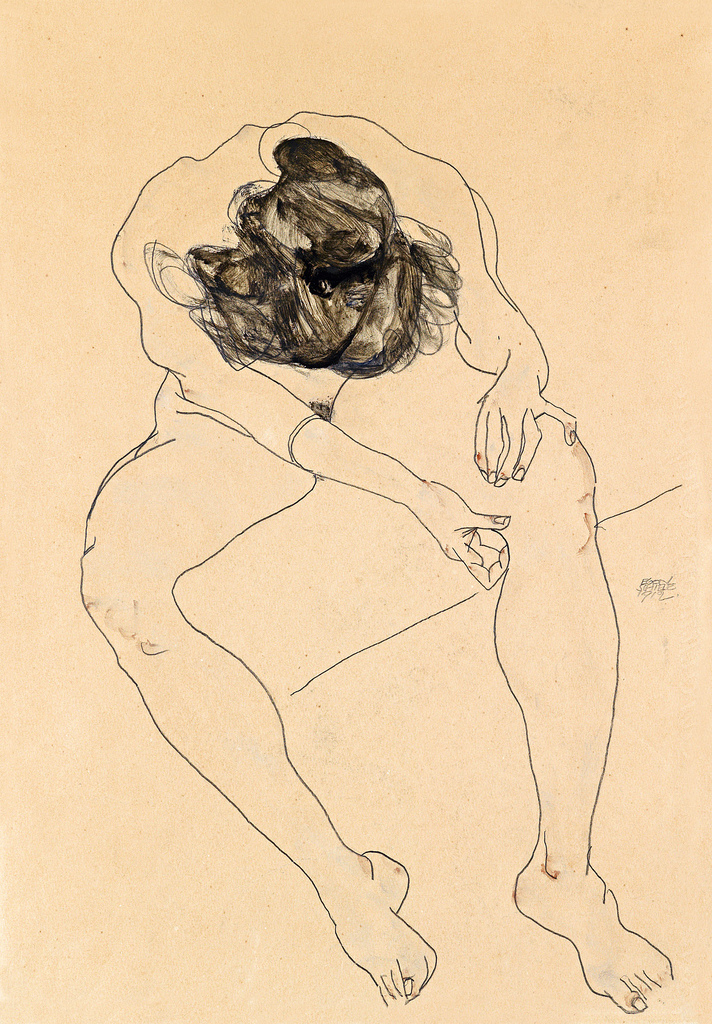
Seated Female Nude — Egon Schiele

tumblr_m57ym3w6IJ1r9d7rxo1_1280

Of this is the judge judge and the night does not end (Blood Meridian)

In that sleep and in sleeps to follow the judge did visit. Who would come other? A great shambling mutant, silent and serene. Whatever his antecedents he was something wholly other than their sum, nor was there system by which to divide him back into his origins for he would not go. Whoever would seek out his history through what unraveling of loins and ledgerbooks must stand at last darkened and dumb at the shore of a void without terminus or origin and whatever science he might bring to bear upon the dusty primal matter blowing down out of the millennia will discover no trace of any ultimate atavistic egg by which to reckon his commencing. In the white and empty room he stood in his bespoken suit with his hat in his hand and he peered down with his small and lashless pig’s eyes wherein this child just sixteen years on earth could read whole bodies of decisions not accountable to the courts of men and he saw his own name which nowhere else could he have ciphered out at all logged into the records as a thing already accomplished, a traveler known in jurisdictions existing only in the claims of certain pensioners or on old dated maps.

In his delirium he ransacked the linens of his pallet for arms but there were none. The judge smiled. The fool was no longer there but another man and this other man he could never see in his entirety but he seemed an artisan and a worker in metal. The judge enshadowed him where he crouched at his trade but he was a coldforger who worked with hammer and die, perhaps under some indictment and an exile from men’s fires, hammering out like his own conjectural destiny all through the night of his becoming some coinage for a dawn that would not be. It is this false moneyer with his gravers and burins who seeks favor with the judge and he is at contriving from cold slag brute in the crucible a face that will pass, an image that will render this residual specie current in the markets where men barter. Of this is the judge judge and the night does not end.

From Cormac McCarthy’s novel Blood Meridian. 

Untitled — Zdzisław Beksiński

002808

Christ Learning to Read — Henry Ossawa Tanner

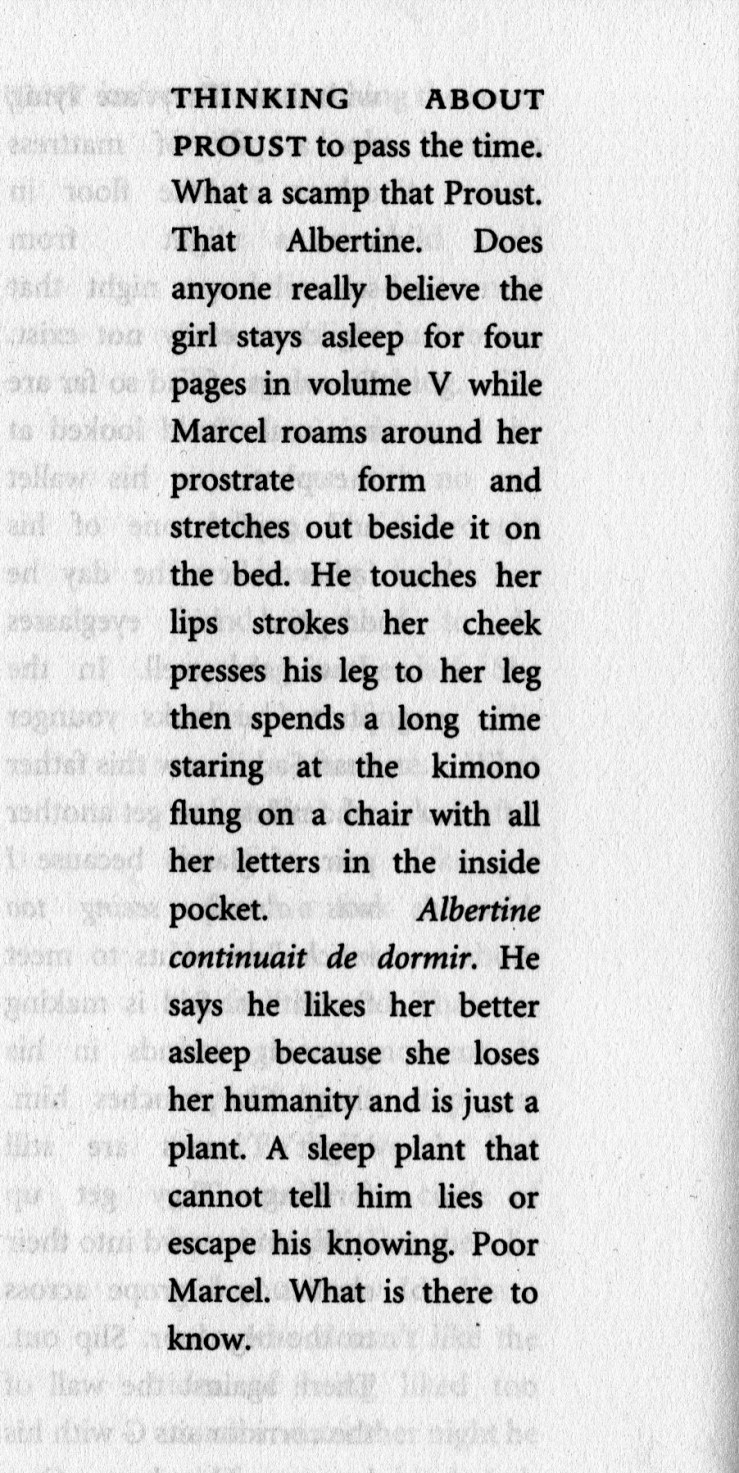
Thinking about Proust (Anne Carson)

image

From Red Doc>.

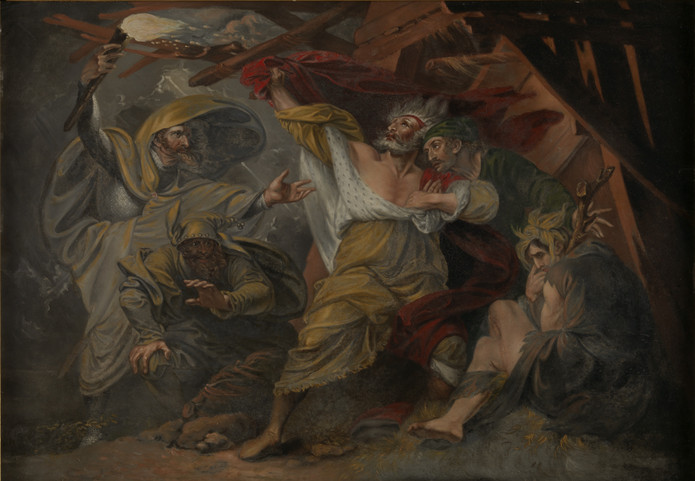
King Lear — Benjamin West

262536

Pretty Teacher — Francisco Goya

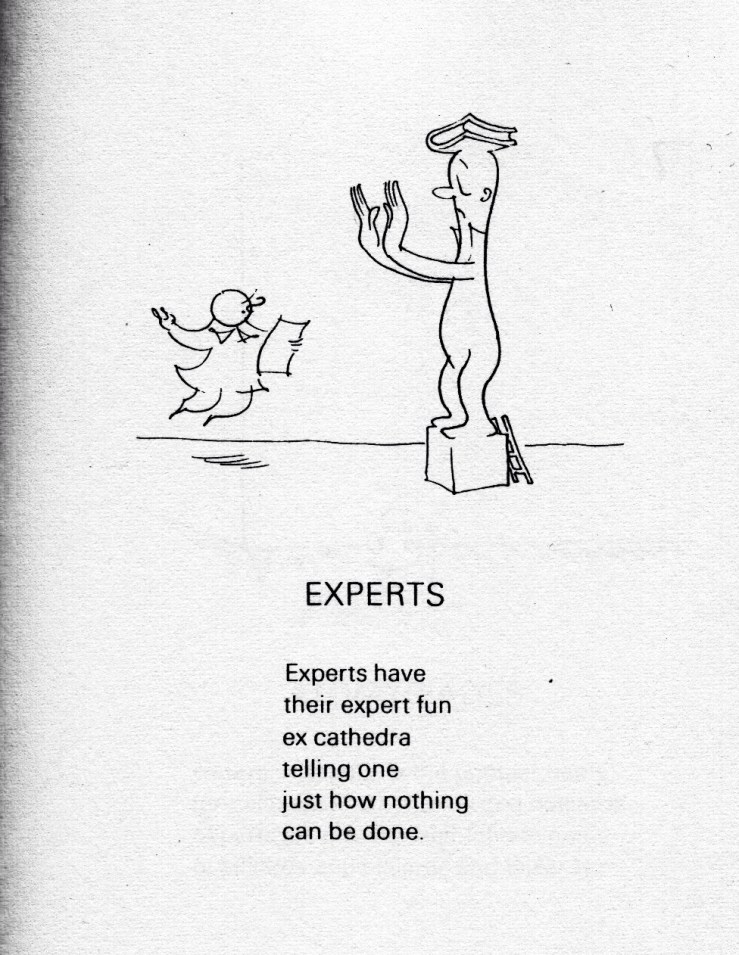
“Experts” — Piet Hein

IMG_8298