
Space Navigator Trying to Locate the Lizard Thief, 2020 by Davor Gromilovic (b. 1985)
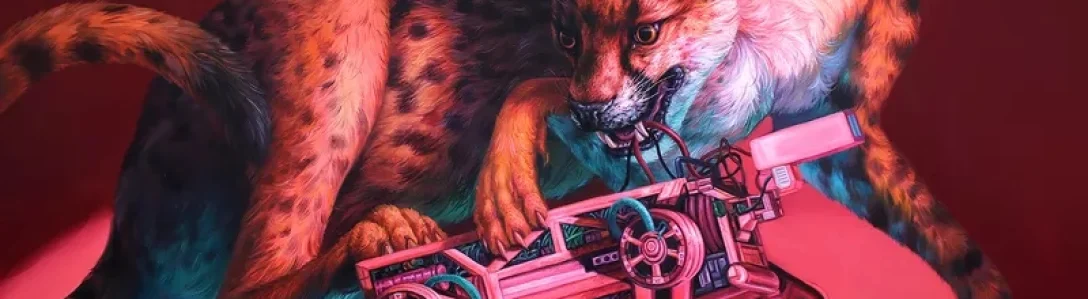
Space Navigator Trying to Locate the Lizard Thief, 2020 by Davor Gromilovic (b. 1985)

What’s there to say?
We’ve hit the final round of the 2020 Tournament of Zeitgeisty Writers.
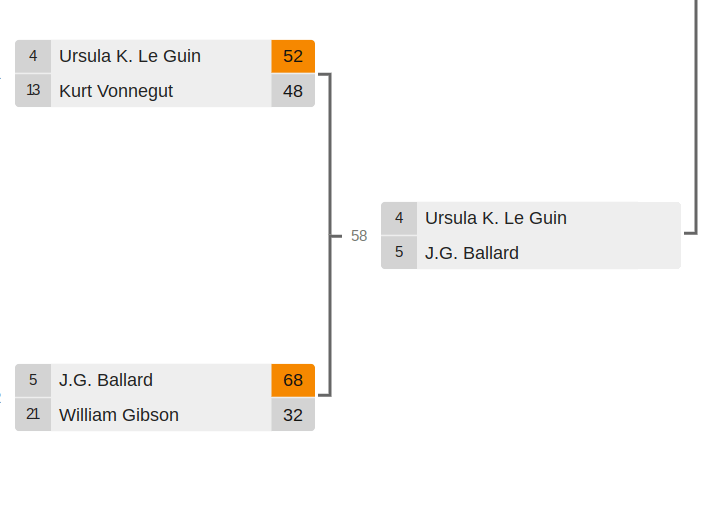
Top-seeded Aldous Huxley fell to number five seed J.G. Ballad in a match that was never close for a second.
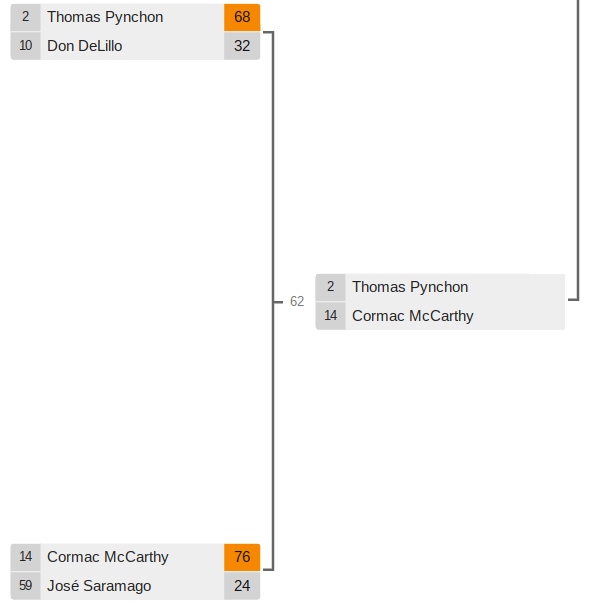
The stranger and more divisive match, at least for my metaphorical money, was between Thomas Pynchon and Cormac McCarthy.
Pynchon’s comic zaniness beat out McCarthy’s wryer apocalypticism (or maybe just more people on Twitter dig Pynchon).
I hope everyone had dumb stupid distracting fun with all of this.
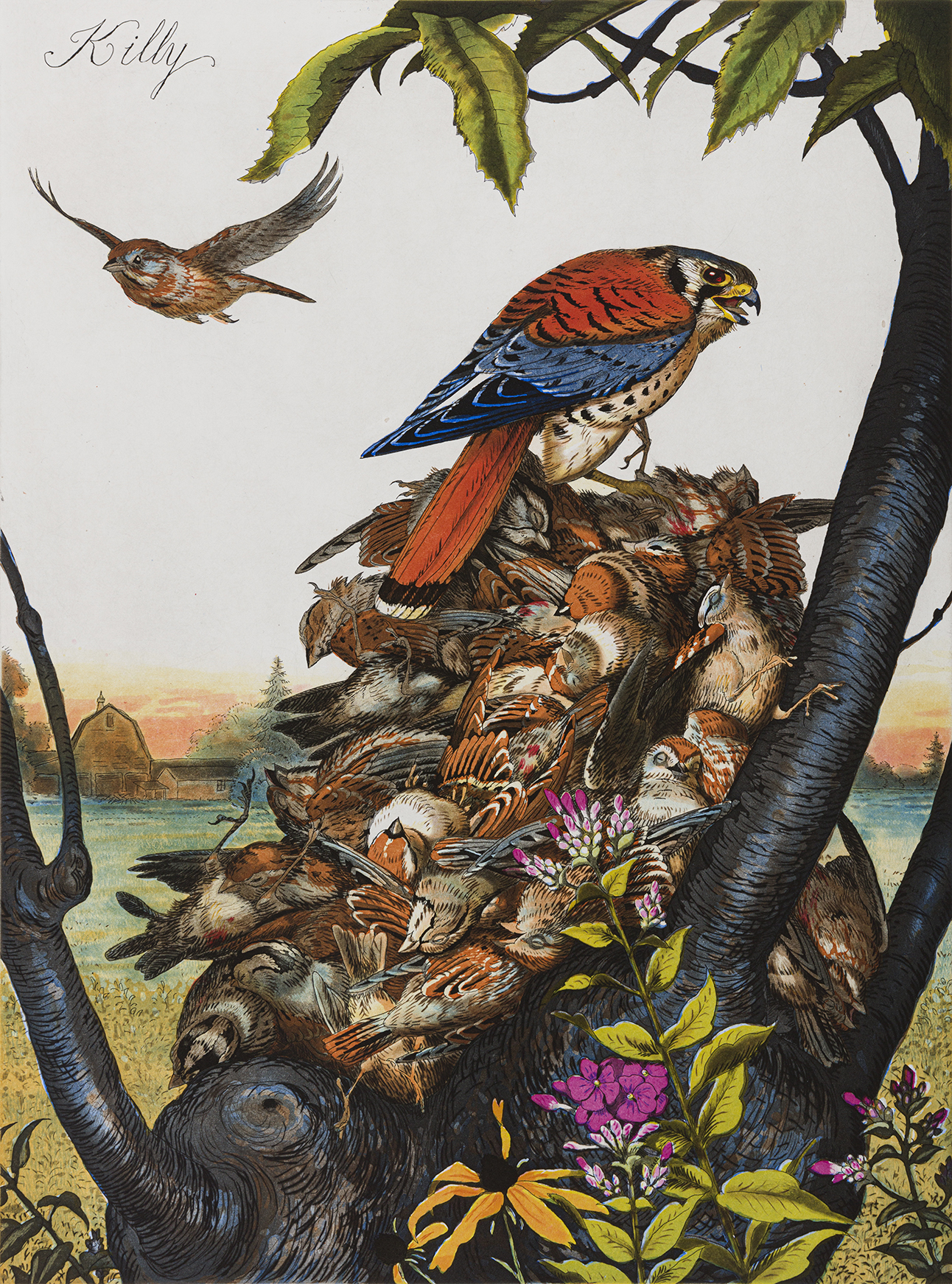
Killy, 2019 by Walton Ford (b. 1960)
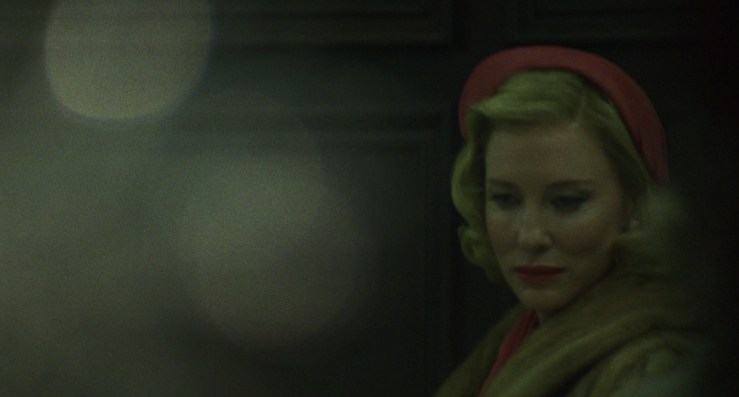
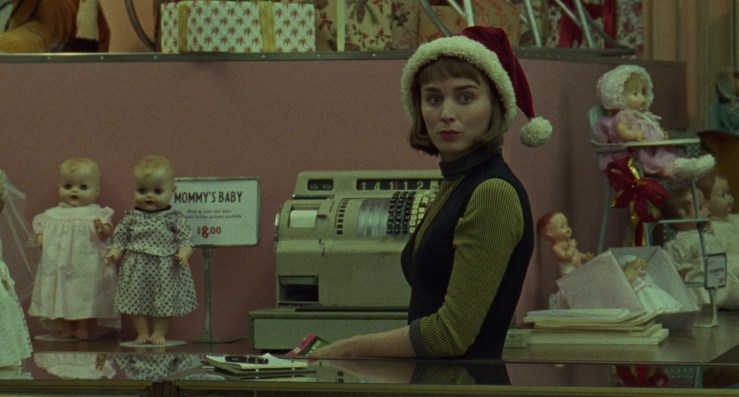
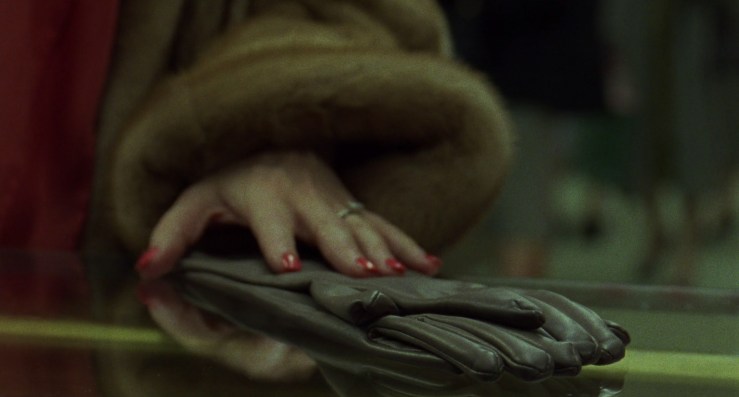
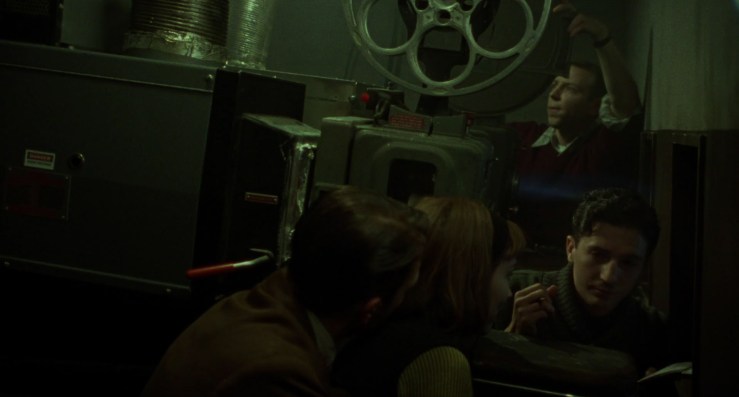
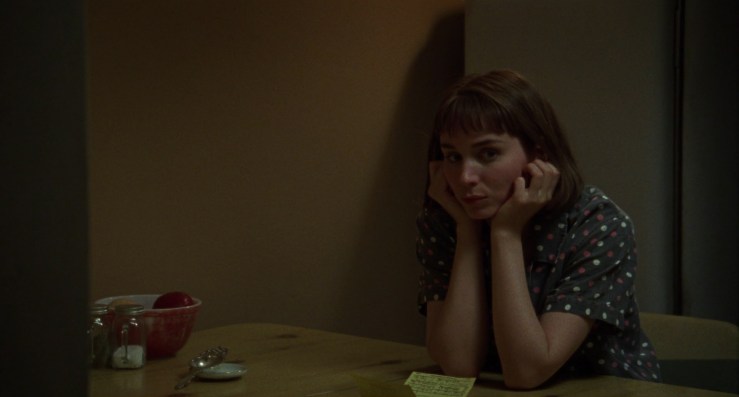
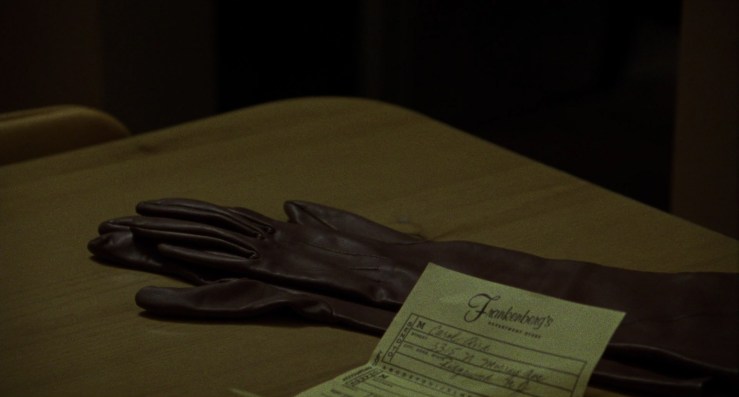
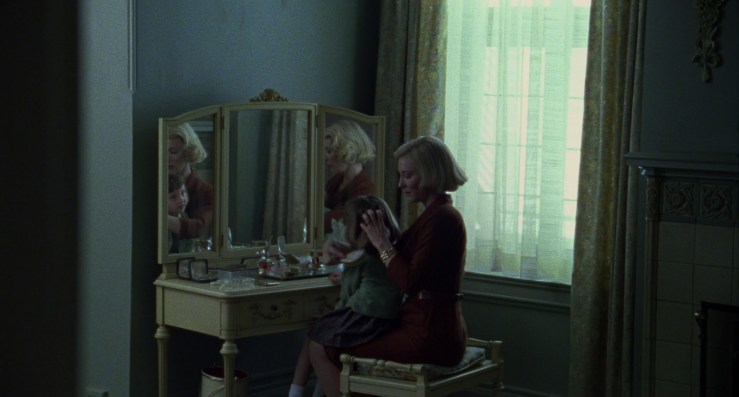
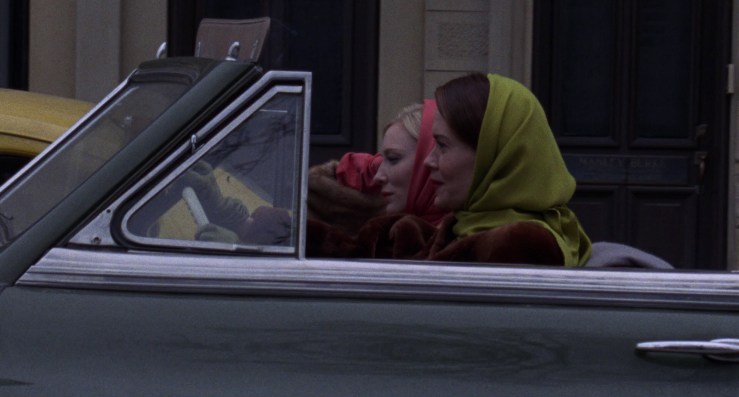
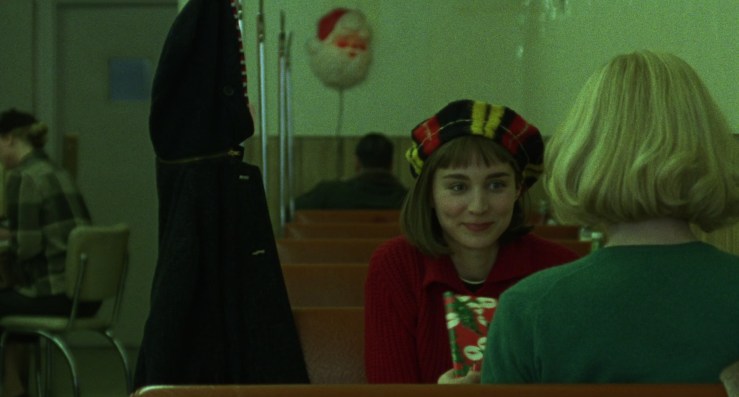
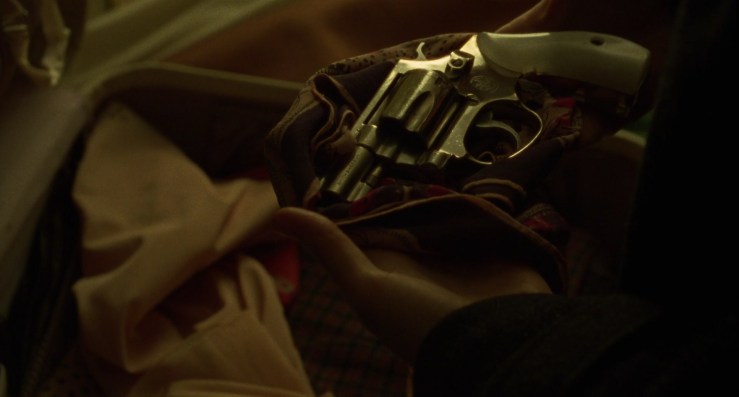
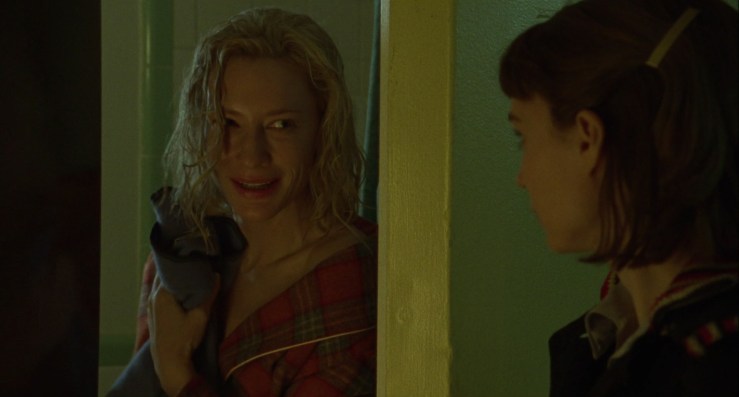
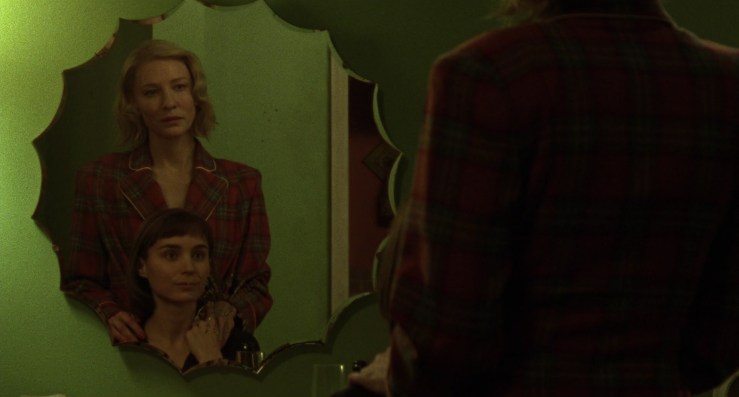
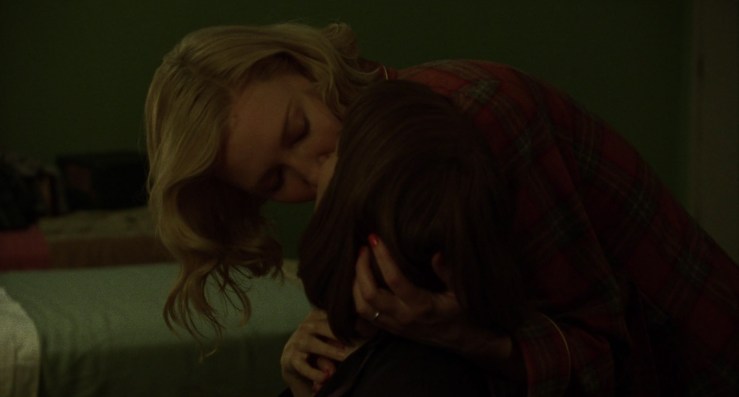
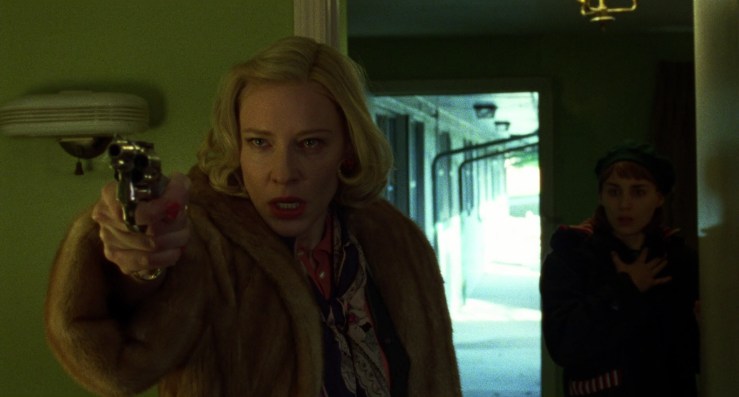
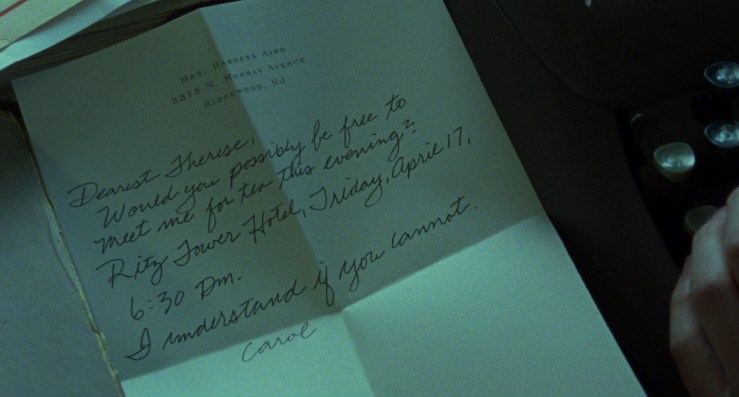
From Carol, 2015. Directed by Todd Haynes with cinematography by Edward Lachman. Via Screenmusings.
The Elite Armageddon Eight of the 2020 Tournament of Zeitgeisty Writers is all wrapped up, and we now have our Final Four(horsemen of the Apocalypse).
Let’s go bracket by bracket:
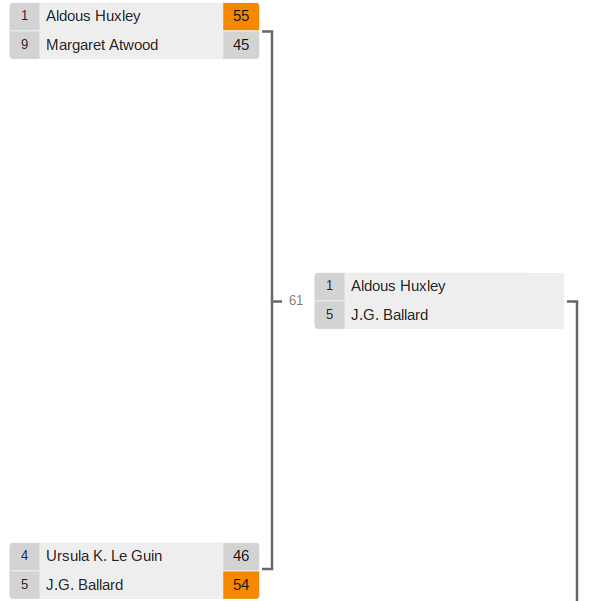
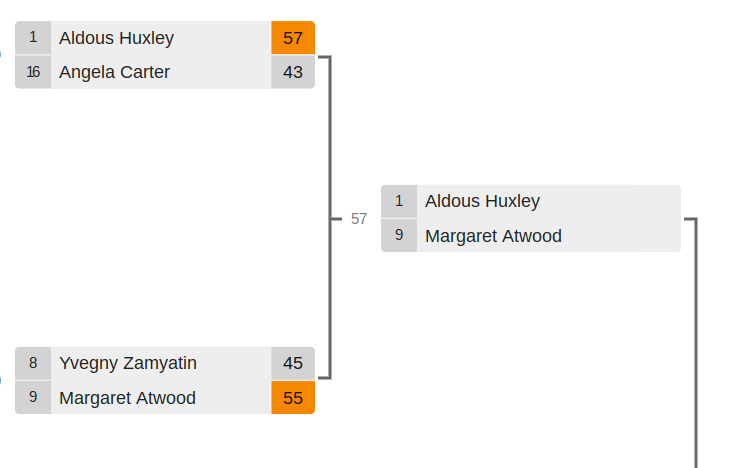
Margaret Atwood kept it close with Aldous Huxley, but lost in the end. I was rooting for her. I’m a huge fan of Huxley’s under-read apocalyptic pre-postmodernist Ape and Essence, but I have to admit I was rooting for Atwood.
I was torn between Ballard and LeGuin in the second bracket—both authors described and diagnosed our zeitgeist. Ballard prevailed.
Ballard will square off against Huxley in the Dead British Writers bracket of the Final Four.
Pynchon and DeLillo both had tough roads to the Final Four. Pynchon beat out Anna Kavan and David Foster Wallace to get to the Elite Eight; DeLillo bested Pat Frank and Philip K. Dick. All of these writers are great, and, more importantly to our rubric, seemed to presciently capture the current dystopia the 20th century was brewing. (Okay, Frank isn’t great, but.)
Pynchon beat DeLillo easily though.
Like Pynchon, Cormac McCarthy pretty much thumped everyone he was matched against, including low seed José Saramago in the Elite Eight. While I’m sure a ton of folks will cite The Road as his zeitgeistiest novel, I’d argue it’s Blood Meridian (or even No Country for Old Men).
Pynchon will contend with McCarthy in the White American Authors in Their Eighties bracket of the Final Four. I’m not sure how to vote. In some ways, this is like, the final bracket for me.
RIP Krzysztof Penderecki, 1933-2020

Canto X, 1982 by Tom Phillips (b. 1937). From the Dante’s Inferno series.
The results of the Apocalyptic Sweet Sixteen of the 2020 Tournament of Zeitgeisty Writers are in.
Round Three had some really tight match-ups. Dark horse José Saramago, whom I seeded 59 of the initial 64 writers, was neck-and-neck with recent Nobel Prize winner Kazuo Ishiguro, but surged near the end of the poll to win.
Ursula K. LeGuin also ran a tight race against Kurt Vonnegut before edging him out:
Philip K. Dick was competitive against Don DeLillo, but never got out ahead. My gut feeling is that PKD might’ve advanced if he’d ended up against someone else, but I guess the same is true of most of these brackets.
After initially trailing for a few hours in the poll, Aldous Huxley surged past Angela Carter, who never caught up again.
Yvegny Zamyatin kept it close with Margaret Atwood, but never took the lead on her.
Three of the match-ups were decisive victories. J.G. Ballard beat William Gibson by a healthy margin, Tommy Pynchon bested DFW, and Cormac McCarthy came out strong over George Orwell.
Here are the results of the Apocalyptic Sweet Sixteen, as well as the match-ups for Round Four, the Elite Armageddon Eight:
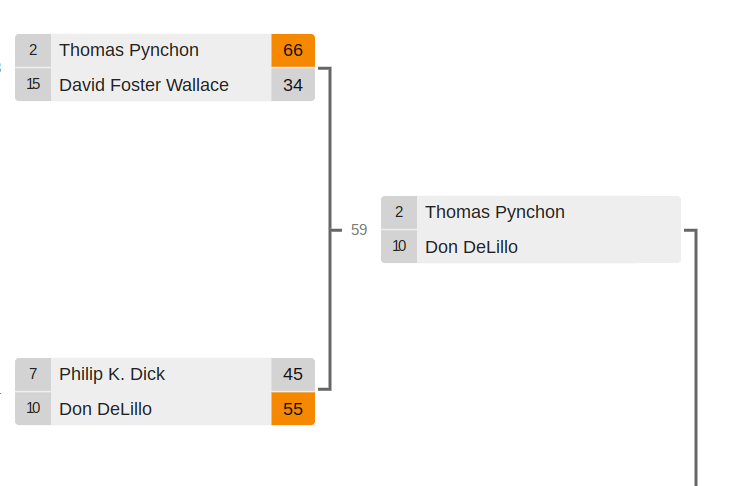
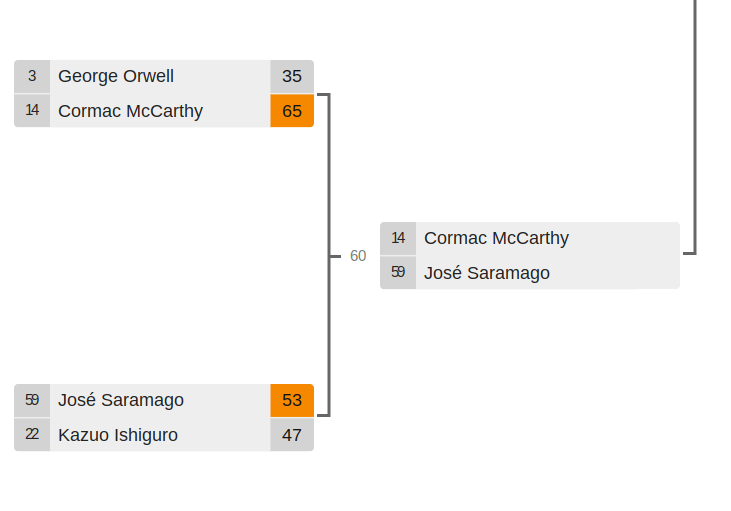
For me, the most interesting match-up is going to be Pyncon vs. DeLillo.
As always, this is only meant to be dumb distracting fun.
Full twitter poll results:
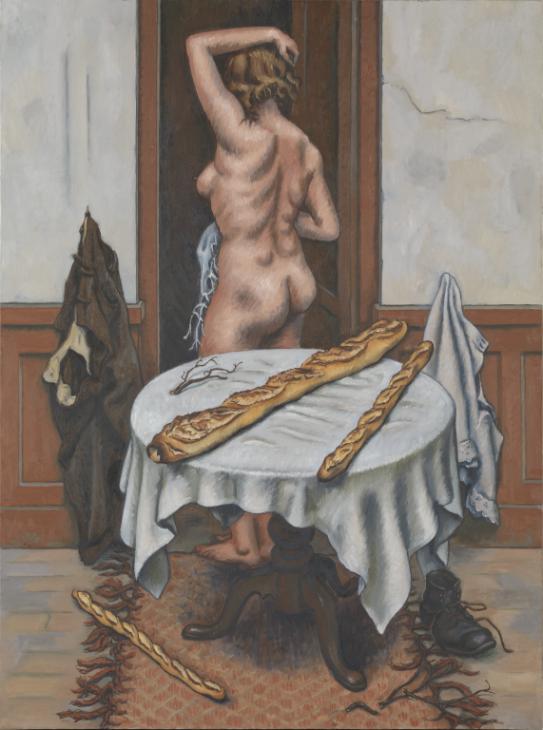
Nude with Loaves, 1952 by Jean Hélion (1904–1987)
The fiend-like skill we display in the invention of all manner of death-dealing engines, the vindictiveness with which we carry on our wars, and the misery and desolation that follow in their train, are enough of themselves to distinguish the white civilized man as the most ferocious animal on the face of the earth.
His remorseless cruelty is seen in many of the institutions of our own favoured land. There is one in particular lately adopted in one of the States of the Union, which purports to have been dictated by the most merciful considerations. To destroy our malefactors piece-meal, drying up in their veins, drop by drop, the blood we are too chicken-hearted to shed by a single blow which would at once put a period to their sufferings, is deemed to be infinitely preferable to the old-fashioned punishment of gibbeting—much less annoying to the victim, and more in accordance with the refined spirit of the age; and yet how feeble is all language to describe the horrors we inflict upon these wretches, whom we mason up in the cells of our prisons, and condemn to perpetual solitude in the very heart of our population.
But it is needless to multiply the examples of civilized barbarity; they far exceed in the amount of misery they cause the crimes which we regard with such abhorrence in our less enlightened fellow-creatures.
The term ‘Savage’ is, I conceive, often misapplied, and indeed, when I consider the vices, cruelties, and enormities of every kind that spring up in the tainted atmosphere of a feverish civilization, I am inclined to think that so far as the relative wickedness of the parties is concerned, four or five Marquesan Islanders sent to the United States as Missionaries might be quite as useful as an equal number of Americans despatched to the Islands in a similar capacity.
I once heard it given as an instance of the frightful depravity of a certain tribe in the Pacific that they had no word in their language to express the idea of virtue. The assertion was unfounded; but were it otherwise, it might be met by stating that their language is almost entirely destitute of terms to express the delightful ideas conveyed by our endless catalogue of civilized crimes.
In the altered frame of mind to which I have referred, every object that presented itself to my notice in the valley struck me in a new light, and the opportunities I now enjoyed of observing the manners of its inmates, tended to strengthen my favourable impressions. One peculiarity that fixed my admiration was the perpetual hilarity reigning through the whole extent of the vale.
There seemed to be no cares, griefs, troubles, or vexations, in all Typee. The hours tripped along as gaily as the laughing couples down a country dance.
There were none of those thousand sources of irritation that the ingenuity of civilized man has created to mar his own felicity. There were no foreclosures of mortgages, no protested notes, no bills payable, no debts of honour in Typee; no unreasonable tailors and shoemakers perversely bent on being paid; no duns of any description and battery attorneys, to foment discord, backing their clients up to a quarrel, and then knocking their heads together; no poor relations, everlastingly occupying the spare bed-chamber, and diminishing the elbow room at the family table; no destitute widows with their children starving on the cold charities of the world; no beggars; no debtors’ prisons; no proud and hard-hearted nabobs in Typee; or to sum up all in one word—no Money! ‘That root of all evil’ was not to be found in the valley.
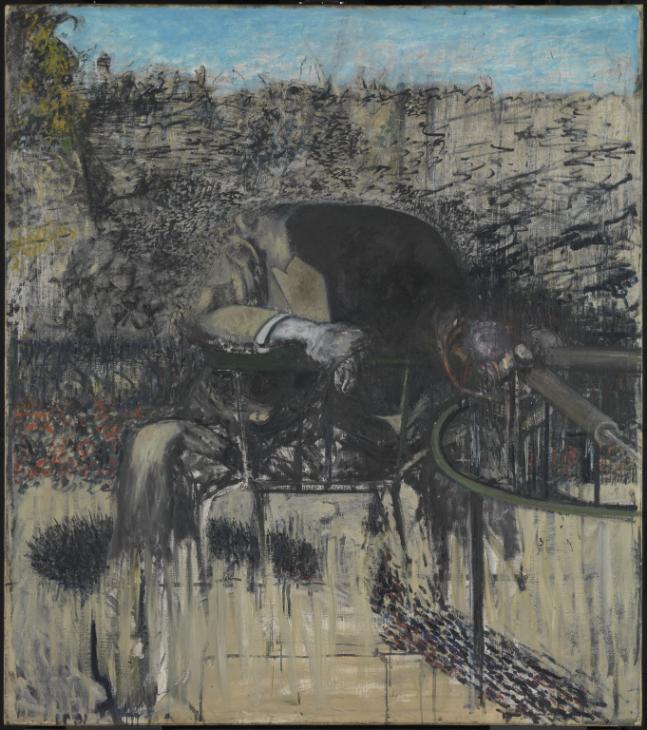
Figure in a Landscape, 1945 by Francis Bacon (1909–1992)

Little Hermit Sphinx, 1948 by Leonor Fini (1908–1996)
Hey! Today in Distracting Dumb Ephemeral Fun, we hit the Apocalyptic Sweet Sixteen of the 2020 Tournament of Zeitgeisty Writers. Round Two saw some fascinating match-ups between thirty-two writers. Perhaps the most interesting was the Cormac McCarthy-William Gaddis showdown:
This bracket garnered more votes than any match-up to date in the tournament, and split more than a few folks (including me—I’ll declare how I voted after this whole thing shakes out).
Other matches were also very close: Ray Bradbury—William Gibson, and William S. Burroughs—Kazuo Ishiguro.
Ishiguro is perhaps a bit of a dark horse at this point, as is José Saramago, whom I seeded at 59 of 64. Saramago handily beat out the under-read Sigizmund Krzhizhanovsky to face off with Ishiguro in the Terrible Awful Sweet Sixteen of Apocalyptica.
I find all of the match-ups interesting at this point, but David Foster Wallace vs. Thomas Pynchon has a wonderfully oedipal vibe.
And again, this is all just meant to be stupid distracting fun.
Brackets below, followed by tweet results:


Tweet polls:
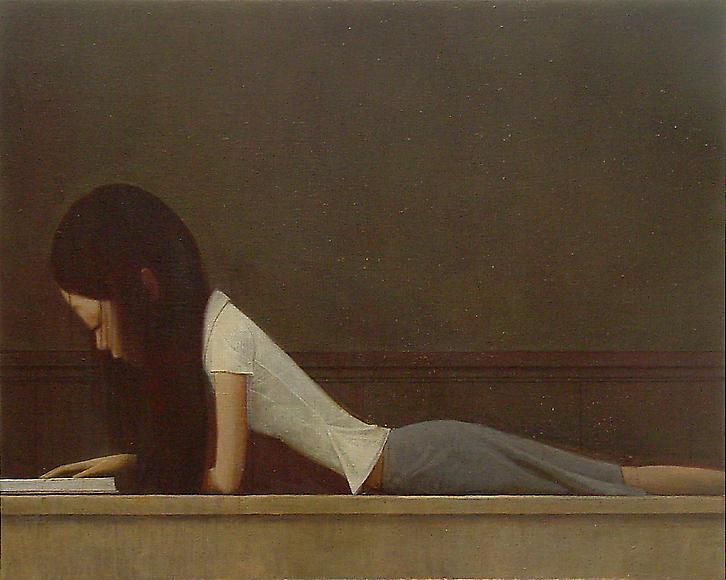
Banned Book 2, 2008 by Liu Ye (b. 1964)
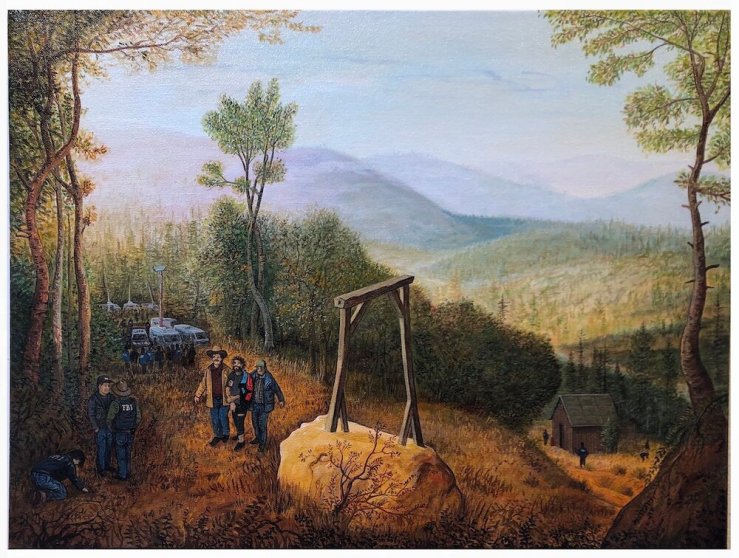
The Apprehension of Ted Kaczynski (Lincoln, Montana – April 3, 1996), 2019 by Sandow Birk (b. 1962)
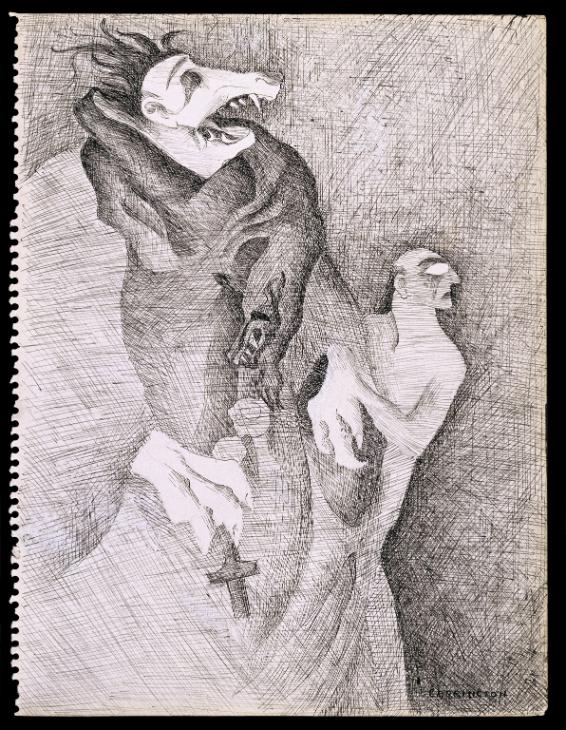
Do You Know My Aunt Eliza?, 1941 by Leonora Carrington (1917–2011)

