
Unidentified participant: Sir, concerning individuality you were discussing a moment ago, you’ve often said—been quoted that you’re a literary man—I beg your pardon, you are not a literary man. By implication one might think that you’d prefer the author who is so to speak spontaneous and not always steady against one who’s read all the literature in his culture and [gives] a steady effort to produce, and works on his style. Is that correct […]?
William Faulkner: How do you mean prefer the author, to spend an evening with him or the work he does?
Unidentified participant: The work he does […]
William Faulkner: Now you—
Unidentified participant: […] clear up: do you mean by implication that you prefer the man who writes so to speak spontaneously or the man who studies his style, reads and learns techniques and works out something [totally] […]?
William Faulkner: I would say first that—the the author is not—is of no importance at all, it’s what he writes. It don’t matter who wrote it. If—and—to—if you mean prefer him as an individual, then I will take the former because the intellectual man and I wouldn’t have anything to talk about. But the man has—has very little to do with his work in my opinion. The work is the thing. It don’t matter who wrote it.
Unidentified participant: Well then let’s say it’s work, [which type of work do you prefer]?
William Faulkner: Well, I think that some people must be intellectual, must be interested, immersed in—in his craft, in literature, to write, to do the work. Other people must be immersed in something completely different. They must in a sense lead a Jekyll and Hyde existence to do the work. It’s the work that matters. It’s not how he did it.
List with No Name #50
Mason & Dixon, Thomas Pynchon (incomplete)
The Silver Chair, C.S. Lewis
Woman on the Edge of Time, Marge Piercy (abandoned)
Life A User’s Manual, Georges Perec (abandoned with intentions to return)
An Armful of Warm Girl, W.M. Spackman
Dockwood, Jon McNaught
The Laughing Monsters, Denis Johnson
The Trip to Echo Spring , Olivia Laing (incomplete)
An Ecology of World Literature, Alexander Beercroft (incomplete)
Colorless Tsukuru Tazaki and His Years of Pilgrimage, Haruki Murakami
The Age of the Poets, Alain Badiou (incomplete)
Wittgenstein’s Nephew, Thomas Bernhard
Mystery and Manners, Flannery O’Connor
The Habit of Being, Flannery O’Connor (incomplete)
I, Little Asylum, Emmanuelle Guattari
Portrait of Dido Elizabeth Belle Lindsay and Her Cousin Lady Elizabeth Murray — Johann Zoffany (Attributed)

“Limits” — Jorge Luis Borges
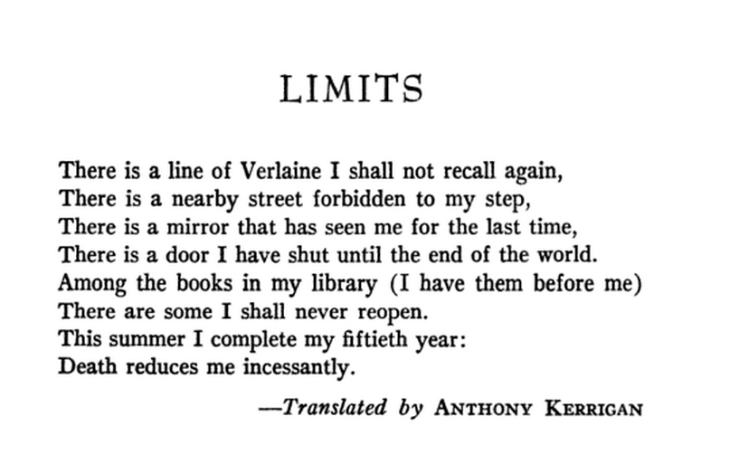
List with No Name #49


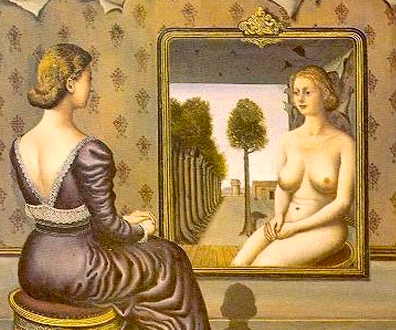
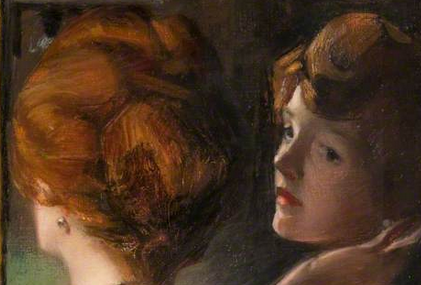
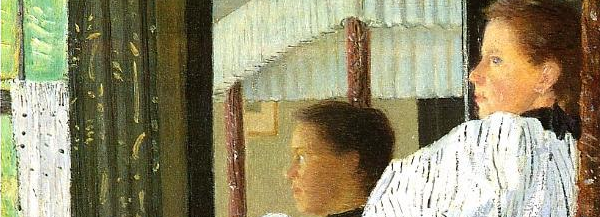
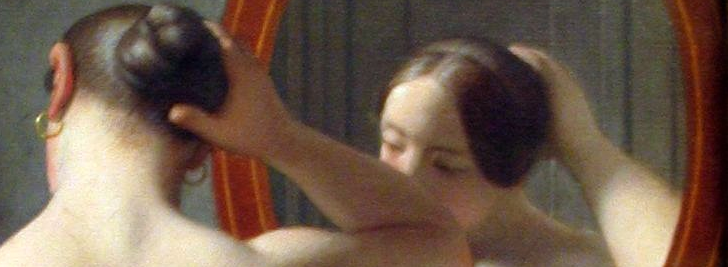

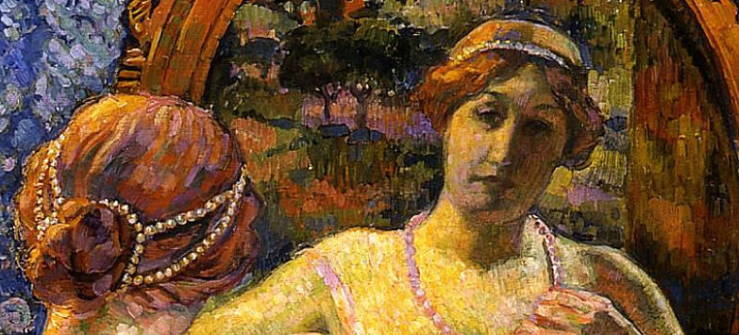
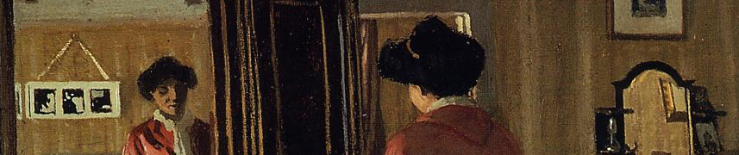

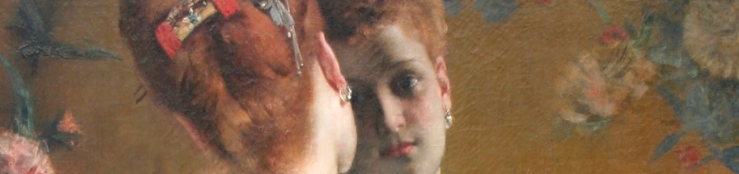


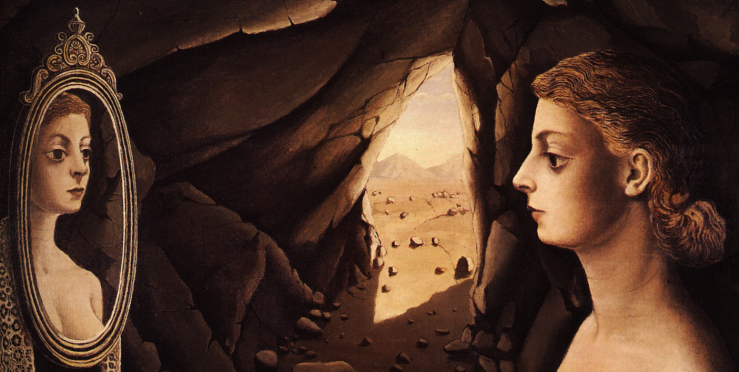
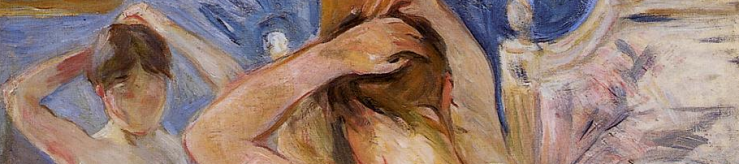
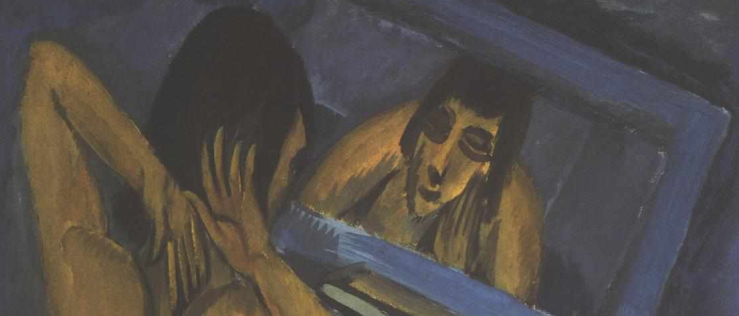
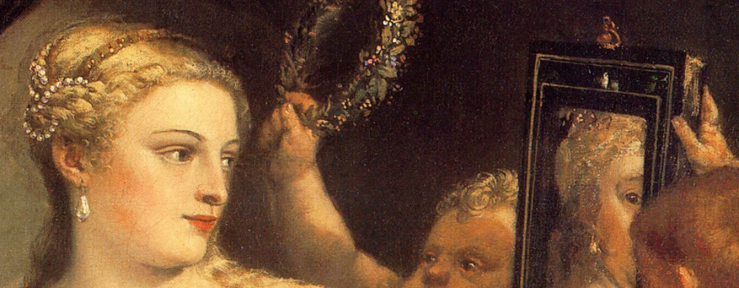
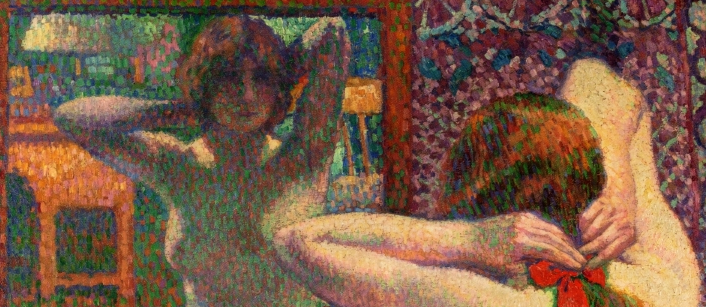
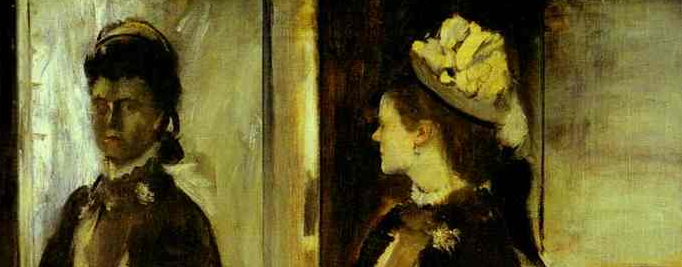
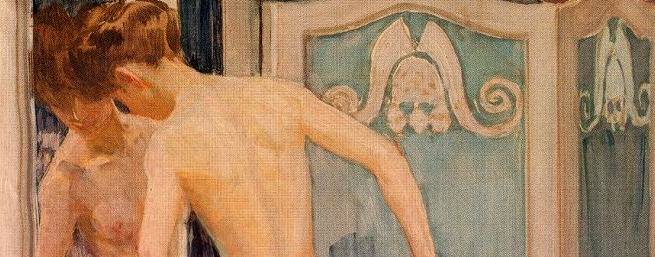

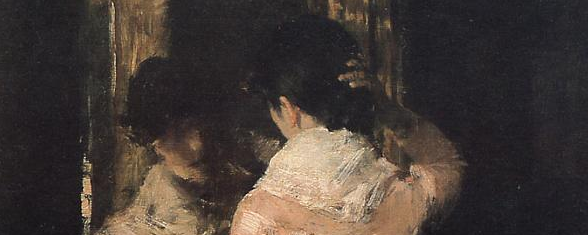


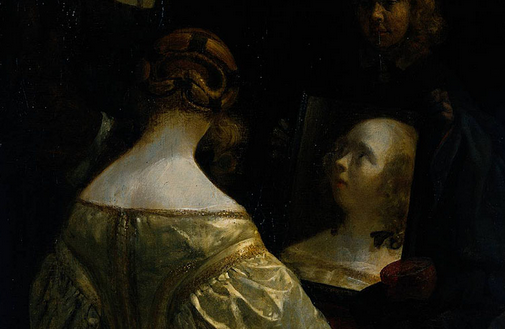


The Fall of the Rebel Angels — Pieter Bruegel the Elder

Slowdive in Concert
Gizmo Van Gogh — Dave MacDowell

“To have ice in one’s blood” (And other ideas from Nathaniel Hawthorne’s Note-Books)
- “A story there passeth of an Indian king that sent unto Alexander a fair woman, fed with aconite and other poisons, with this intent complexionally to destroy him!” –Sir T. Browne.
- Dialogues of the unborn, like dialogues of the dead,–or between two young children.
- A mortal symptom for a person being to lose his own aspect and to take the family lineaments, which were hidden deep in the healthful visage. Perhaps a seeker might thus recognize the man he had sought, after long intercourse with him unknowingly.
- Some moderns to build a fire on Ararat with the remnants of the ark.
- Two little boats of cork, with a magnet in one and steel in the other.
- To have ice in one’s blood.
- To make a story of all strange and impossible things,–as the Salamander, the Phoenix.
Woman Reading — François Bonvin

Untitled — Bill Sienkiewicz
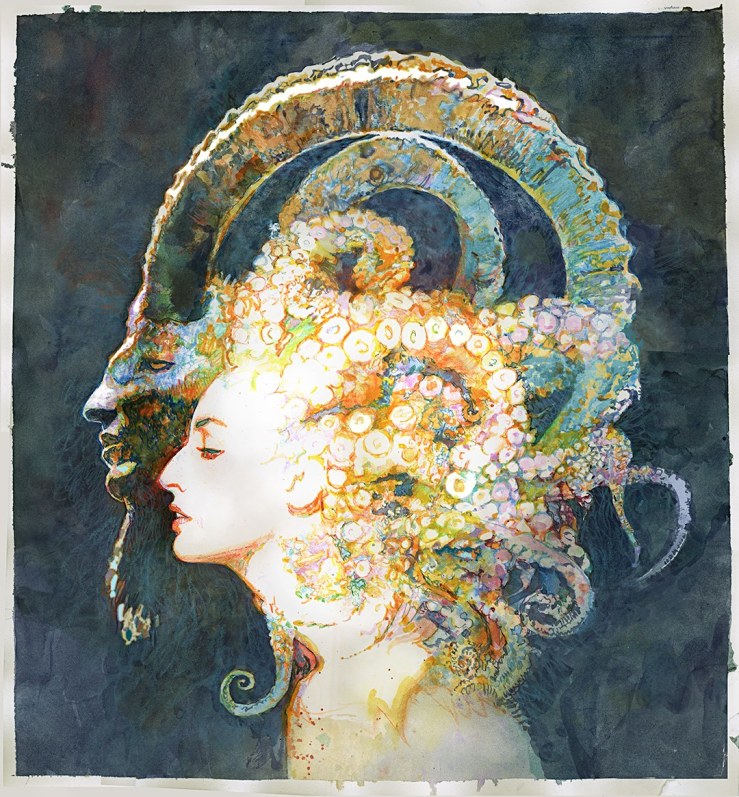
“Damaged Goods” — Gang of Four (Live in 1983)
Roberto Bolaño’s Antwerp (Book acquired, 12.04.2014)
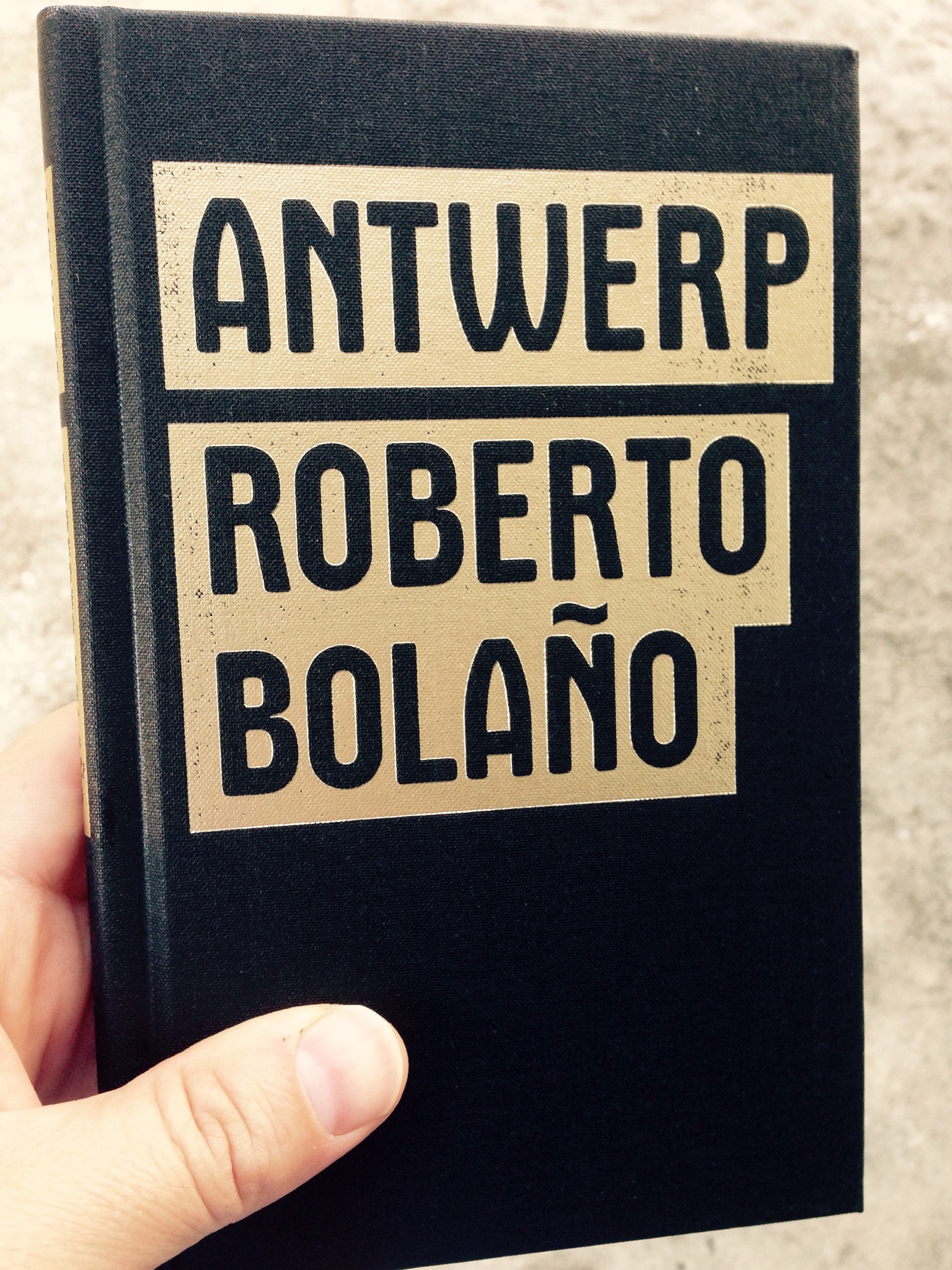
Bolaño’s Antwerp. Found it today at the bookstore. I was there picking up a book I’d ordered as a present for someone else. Honest.
Antwerp is Bolaño’s first novel and it’s not particularly great, but I didn’t own it up until now, and I guess I’m a completist nerd, and this New Directions clothbound edition is beautiful, so…

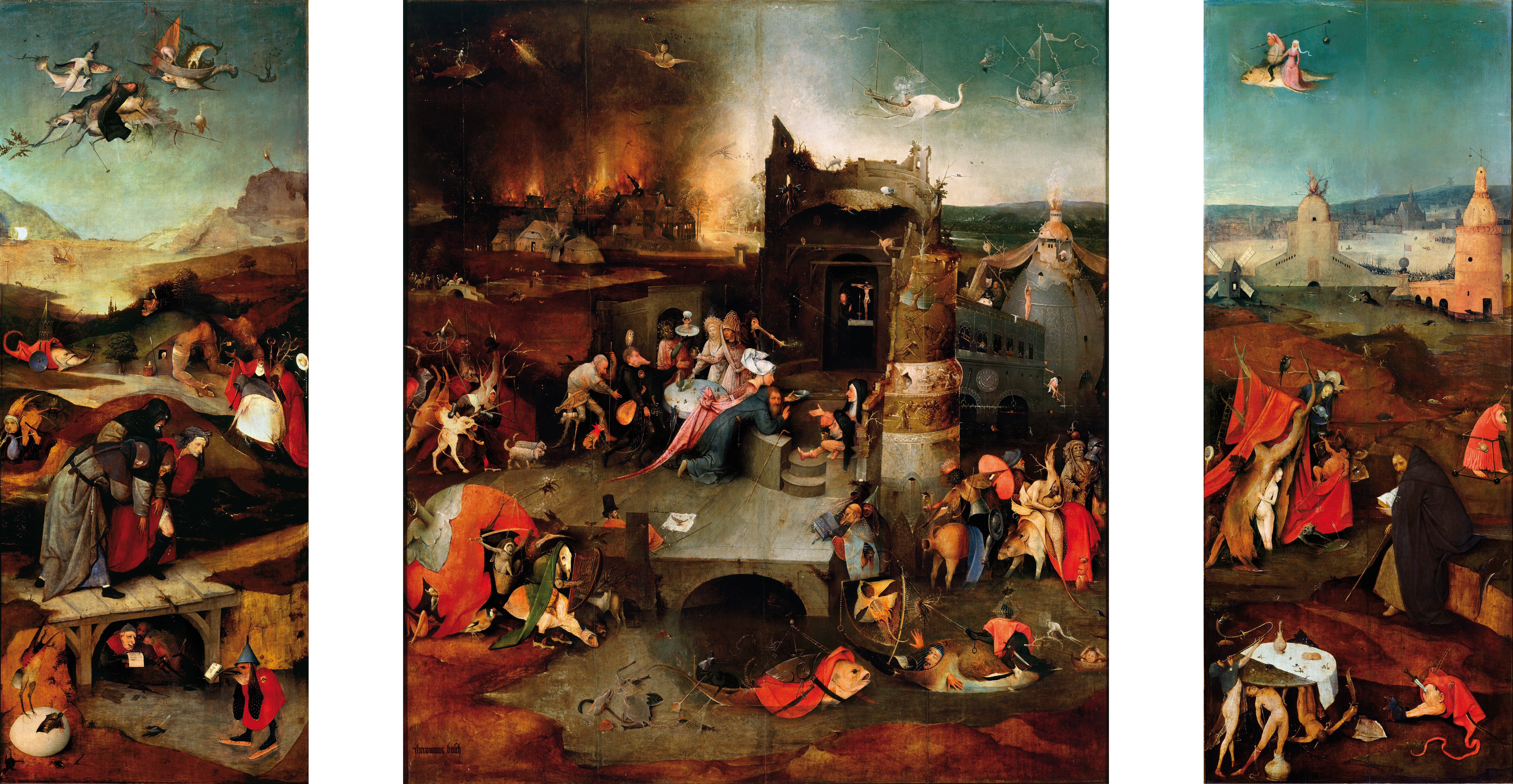
The Temptation of St. Anthony (Detail) — Hieronymus Bosch
“The writer has three sources: imagination, observation, and experience” — William Faulkner
Unidentified participant: Sir, a few minutes ago you mentioned that people in your hometown were looking into your books for familiar characters. Realizing that you’ve got a rich legacy as it were, of experiences, it seems to me that nowadays the modern novelist is writing merely thinly disguised autobiography. Which do you think is really more valuable [in] the sense of the artist, the disguised autobiography, or making it up from whole cloth, as it were?
William Faulkner: I would say that the writer has three sources: imagination, observation, and experience. He himself doesn’t know how much of which he uses at any given moment because each of the sources themselves are not too important to him, that he is writing about people, and he uses his material from the three sources, as—as—as the carpenter reaches into his—his lumber room and finds a board that fits the particular corner he’s building. Of course, any writer, to begin with, is writing his—his own biography, because he has—has discovered the world and suddenly discovered that it—the world is—is important enough or moving enough or tragic enough to put down on paper or in music or on canvas. And at that time all he knows is what has happened to him because he has not developed his capacity to—to perceive, to draw conclusions, to have an insight into people. His only insight in it is into himself. And it’s biographical because that’s the only gauge he has to measure, is what he has experienced himself. As he gets older and works more, the imagination is like any muscle, it improves with use. Imagination develops. His observation gets shrewder as he gets older, as he writes, and so that when he reaches his peak, his best years, when his work is best, he himself doesn’t know and doesn’t have time to bother and doesn’t really care how much of what comes from each of these sources. That then he is writing about people, writing about the aspirations, the—the troubles, the anguishes, the—the—the courage and the cowardice, the baseness and the splendor of—of man, of the human heart.
Young Woman Reading in the Garden — Henri Lebasque

Veronica’s Veil — Oskar Kokoschka

 Biblioklept