The Magdalen Reading — Ambrosius Benson

The Nightmare (Detail) — Henry Fuseli

nightmare

Charles Burns Narrates a Section of His Comic Big Baby

From the 1988 documentary Comic Book Confidential.

Had a surreal moment the other day while reading the Charles Burns’s collected Big Baby strips: I knew the dialogue, somehow, word for word—could actually hear it—but I couldn’t remember from where. I thought maybe Burns had, I don’t know, adapted it from an old movie or something. Anyway, a Google search later and I figured out that I knew it from Savvy Show Stoppers, an album by Shadowy Men on a Shadowy Planet. I owned the album, or, rather a taped version of the album, back in the early nineties—the song “Having an Average Weekend” was the theme for The Kids in the Hall—and the song—actually called “Big Baby”—was the last track—a CD bonus. It was actually written for the film, and that’s Charles Burns doing the vocals.

“A very fanciful person, when dead, to have his burial in a cloud” (And other ideas from Nathaniel Hawthorne’s Note-Books)

  1. When scattered clouds are resting on the bosoms of hills, it seems as if one might climb into the heavenly region, earth being so intermixed with sky, and gradually transformed into it.
  2. A stranger, dying, is buried; and after many years two strangers come in search of his grave, and open it.
  3. The strange sensation of a person who feels himself an object of deep interest, and close observation, and various construction of all his actions, by another person.
  4. Letters in the shape of figures of men, etc. At a distance, the words composed by the letters are alone distinguishable. Close at hand, the figures alone are seen, and not distinguished as letters. Thus things may have a positive, a relative, and a composite meaning, according to the point of view.
  5. “Passing along the street, all muddy with puddles, and suddenly seeing the sky reflected in these puddles in such a way as quite to conceal the foulness of the street.”
  6. A young man in search of happiness,–to be personified by a figure whom he expects to meet in a crowd, and is to be recognized by certain signs. All these signs are given by a figure in various garbs and actions, but he does not recognize that this is the sought-for person till too late.
  7. If cities were built by the sound of music, then some edifices would appear to be constructed by grave, solemn tones,–others to have danced forth to light, fantastic airs.
  8. Familiar spirits, according to Lilly, used to be worn in rings, watches, sword-hilts. Thumb-rings were set with jewels of extraordinary size.
  9. A very fanciful person, when dead, to have his burial in a cloud.


From Nathaniel Hawthorne’s American Note-Books.

Angelo Badalamenti discusses creating the music for Twin Peaks

Young Woman Reading — Karl Müller

tumblr_n9wk6pWXoL1soqrhbo1_1280

Red and White — Edvard Munch

Gaudí’s Casa Batlló

From Hiroshi Teshigahara’s film-poem Antonio Gaudí.

The Dream of the Doctor (The Temptation of the Idler) — Albrecht Dürer

American consciousness has so far been a false dawn (D.H. Lawrence)

IMG_3724.JPG

Elizabeth Siddal — Dante Gabriel Rossetti

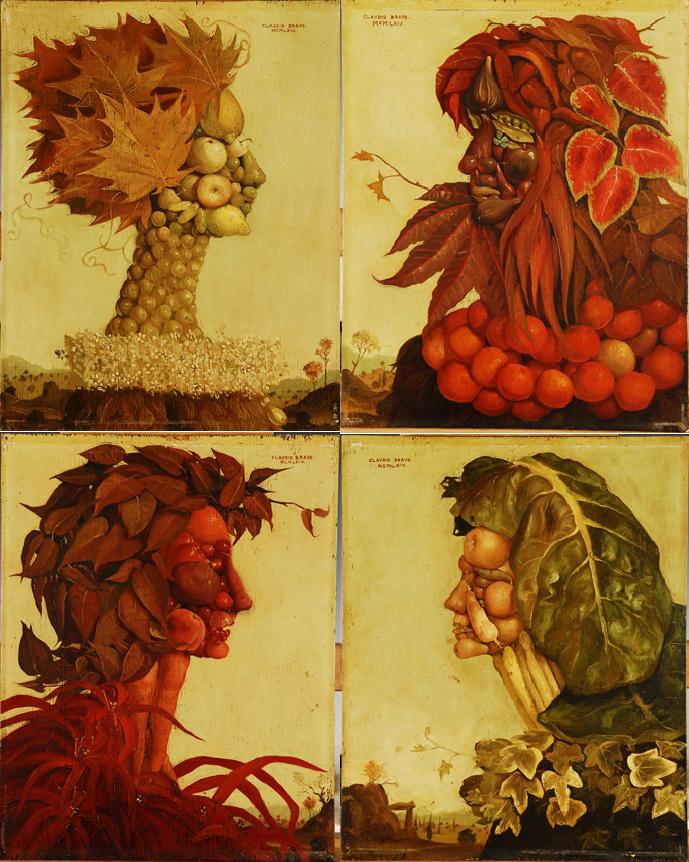
The Four Seasons — Claudio Bravo

claudio-bravo

Look How Solemn They Are — Francisco Goya

“Two celebrated ghosts existed, once on a time, in the wilds of Craig-Aulnaic, a romantic place in the district of Strathdown, Banffshire.”

“The Ghosts of Craig-Aulnaic”

from Folk-Lore and Legends of Scotland by W.W. Gibbings

Two celebrated ghosts existed, once on a time, in the wilds of Craig-Aulnaic, a romantic place in the district of Strathdown, Banffshire.  The one was a male and the other a female.  The male was called Fhuna Mhoir Ben Baynac, after one of the mountains of Glenavon, where at one time he resided; and the female was called Clashnichd Aulnaic, from her having had her abode in Craig-Aulnaic.  But although the great ghost of Ben Baynac was bound by the common ties of nature and of honour to protect and cherish his weaker companion, Clashnichd Aulnaic, yet he often treated her in the most cruel and unfeeling manner.  In the dead of night, when the surrounding hamlets were buried in deep repose, and when nothing else disturbed the solemn stillness of the midnight scene, oft would the shrill shrieks of poor Clashnichd burst upon the slumberer’s ears, and awake him to anything but pleasant reflections.

But of all those who were incommoded by the noisy and unseemly quarrels of these two ghosts, James Owre or Gray, the tenant of the farm of Balbig of Delnabo, was the greatest sufferer.  From the proximity of his abode to their haunts, it was the misfortune of himself and family to be the nightly audience of Clashnichd’s cries and lamentations, which they considered anything but agreeable entertainment. Continue reading ““Two celebrated ghosts existed, once on a time, in the wilds of Craig-Aulnaic, a romantic place in the district of Strathdown, Banffshire.””

Danse Macabre (Jean Renoir)

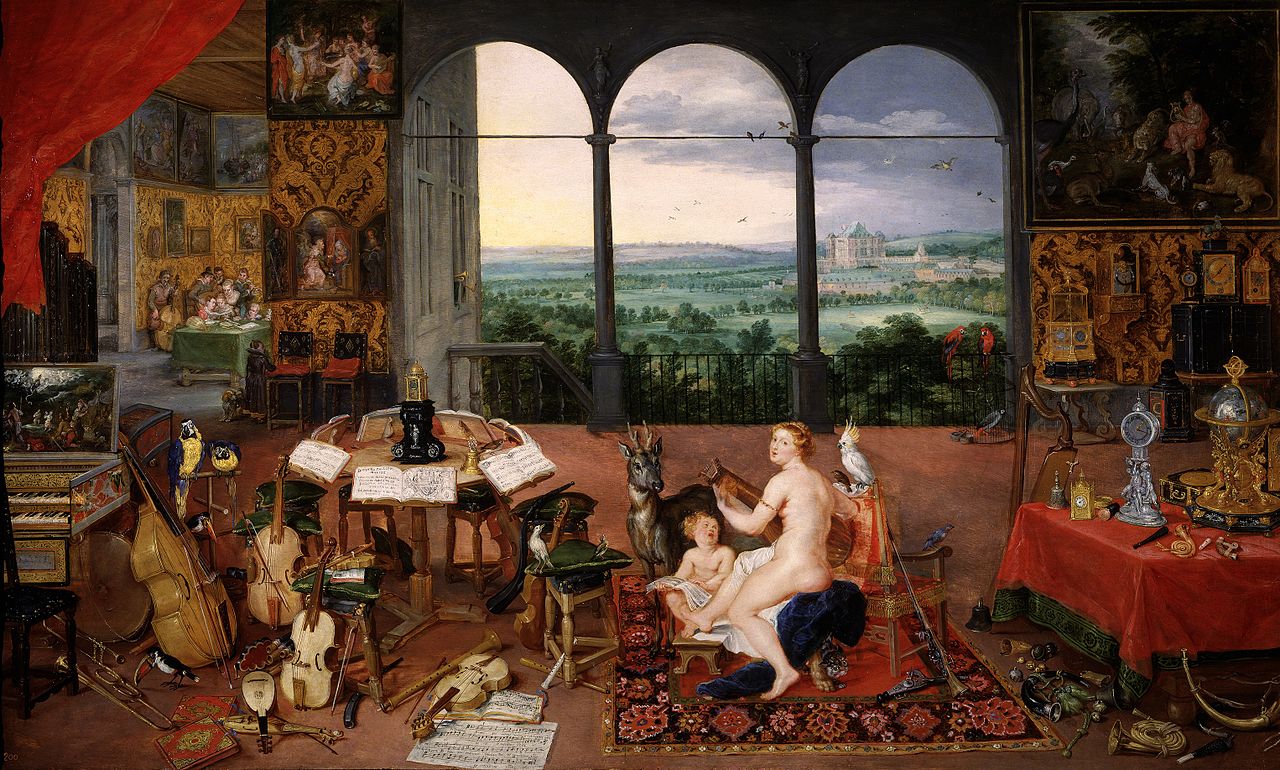
Allegory of Hearing — Jan Brueghel and Peter Paul Rubens

Jan_Brueghel_I_&_Peter_Paul_Rubens_-_Hearing_(Museo_del_Prado)

The Novel — Edward Cucuel

tumblr_mfms28V2tS1qaxacfo1_1280