But there is a wide spread curiosity about writers and how they work, and when a writer talks on this subject, there are always misconceptions and mental rubble for him to clear away before he can even begin to see what he wants to talk about. I am not, of course, as innocent as I look. I know well enough that very few people who are supposedly interested in writing are interested in writing well. They’re interested in publishing something, and if possible in making a “killing.” They are interested in seeing their names at the top of something printed, it matters not what. And they seem to feel that this can be accomplished by learning certain things about working habits and about markets and about what subjects are currently acceptable.
From “The Nature and Aim of Fiction” by Flannery O’Connor. Collected in Mystery and Manners.
Books transmit values. They explore our common humanity. What is the message when some children are not represented in those books? Where are the future white personnel managers going to get their ideas of people of color? Where are the future white loan officers and future white politicians going to get their knowledge of people of color? Where are black children going to get a sense of who they are and what they can be?
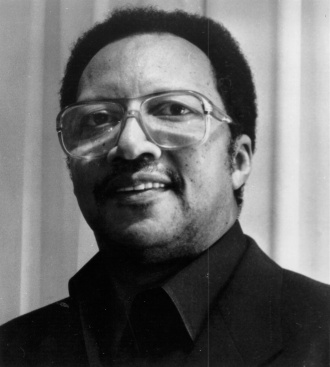
I taught for seven years in an inner city high school. I cannot overstate how important Myers’s books were to my students. His novel Monster—a classic—was one of the first books I wrote about on Biblioklept. I love the book, and I loved reading it with my students. Monster was an especially effective bridge to others by Myers–Slam!, Hoops, Bad Boy, The Beast—and one of my favorites, Fallen Angels—but I also saw it turn kids who hated reading into voracious readers. I read Myers myself as a young teen (his book Scorpions is especially good), but reading them again with my students revealed a depth and precision I hadn’t detected as a kid. Those books are all true, even the ones that are made up. RIP Walter Dean Myers.






 Biblioklept