Courtesan Reading a Letter — Ishikawa Toyonobu

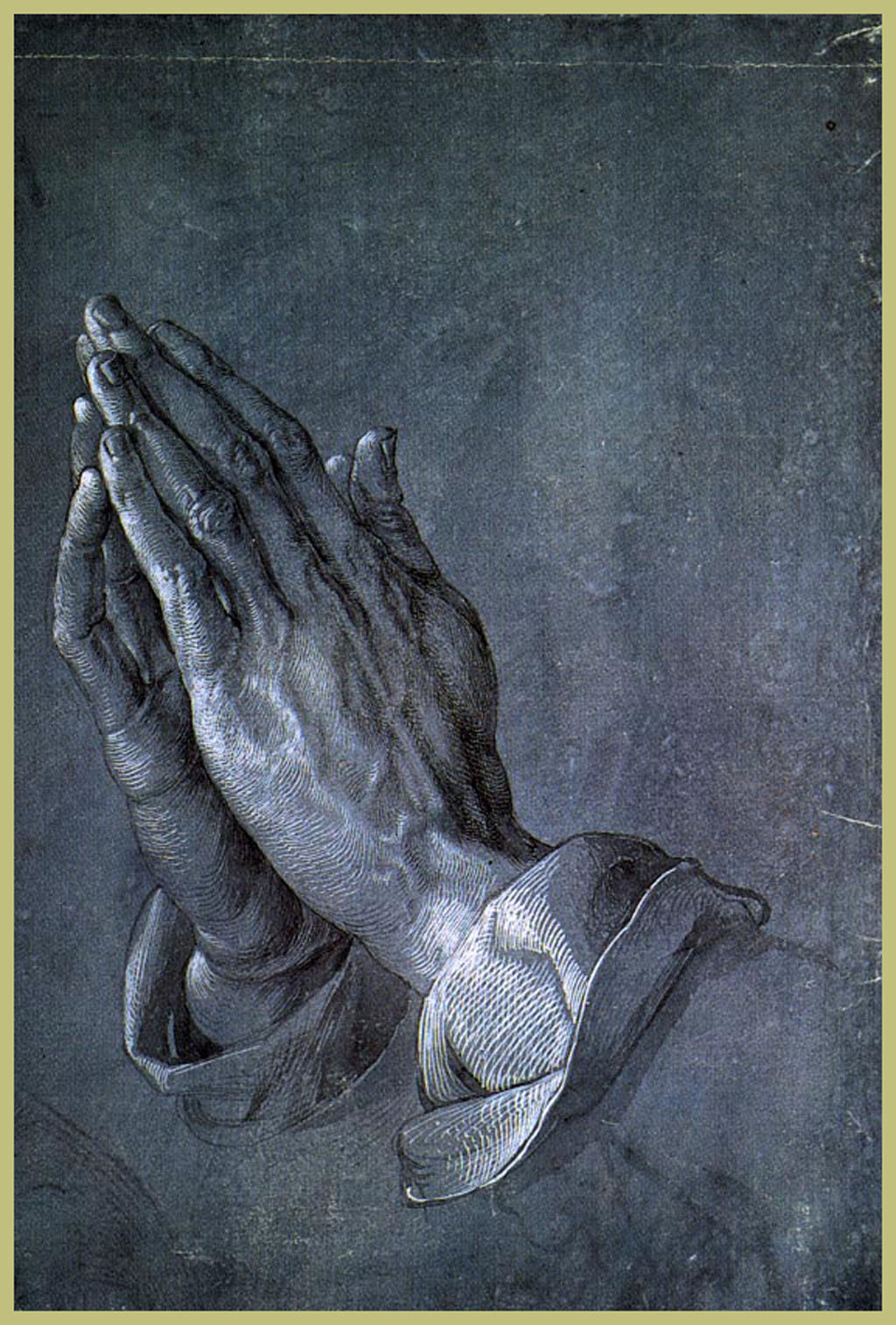
Hands of an Apostle — Albrecht Durer

Study of a Standing Man with Headcloth and Two Studies of His Hands — Wilhelm Schadow

Hands (Study) — Thomas Hart Benton

Studies of Hands — Louis Léopold Boilly

Woman with Orange Stockings — Egon Schiele

Gaewern Slate Mine (Abandoned in 1970) — Robin Friend

robin-friend

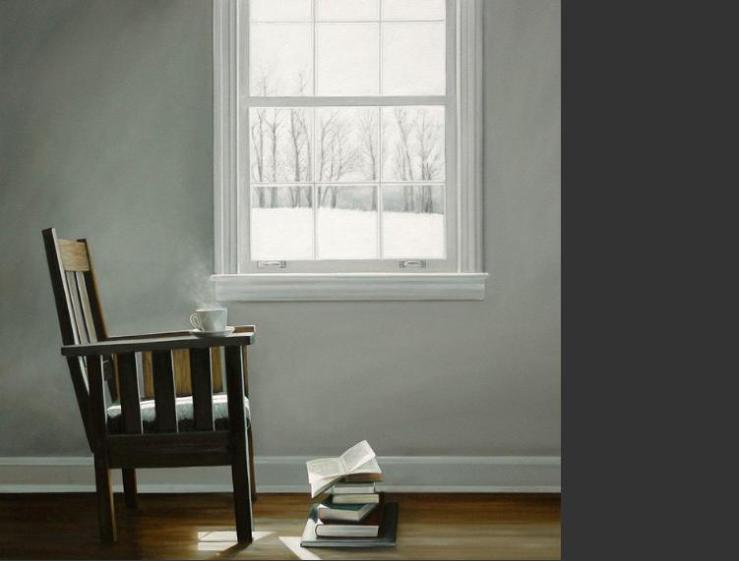
December — Karen Hollingsworth

december36x36a

My whole existence has always been simulated (From Thomas Bernhard’s Woodcutters)

Sitting in the wing chair, I reflected that I had pretended to be shocked by Joana’s suicide and pretended to accept the Auersbergers’ invitation to their artistic dinner. When I accepted it I was only pretending, I now thought, yet in spite of this I had acted upon it. The idea is nothing short of grotesque, I thought, yet at the same time it amused me. Actually I’ve always dissembled with the Auersbergers, I thought, sitting in the wing chair, and here I am again, sitting in their wing chair and dissembling once more: I’m not really here in their apartment in the Gentzgasse, I’m only pretending to be in the Gentzgasse, only pretending to be in their apartment, I said to myself. I’ve always pretended to them about everything—I’ve pretended to everybody about everything. My whole life has been a pretense, I told myself in the wing chair—the life I live isn’t real, it’s a simulated life, a simulated existence. My whole life, my whole existence has always been simulated—my life has always been pretense, never reality, I told myself. And I pursued this idea to the point at which I finally believed it. I drew a deep breath and said to myself, in such a way that the people in the music room were bound to hear it: You’ve always lived a life of pretense, not a real life—a simulated existence, not a genuine existence. Everything about you, everything you are, has always been pretense, never genuine, never real. But I must put an end to this fantasizing lest I go mad, I thought, sitting in the wing chair, and so I took a large gulp of champagne.

From Thomas, Bernhard’s novel 1984 Woodcutters; English translation by David McLinktock.

Woman in Profile — Richard Diebenkorn

Family Tree — Wangechi Mutu

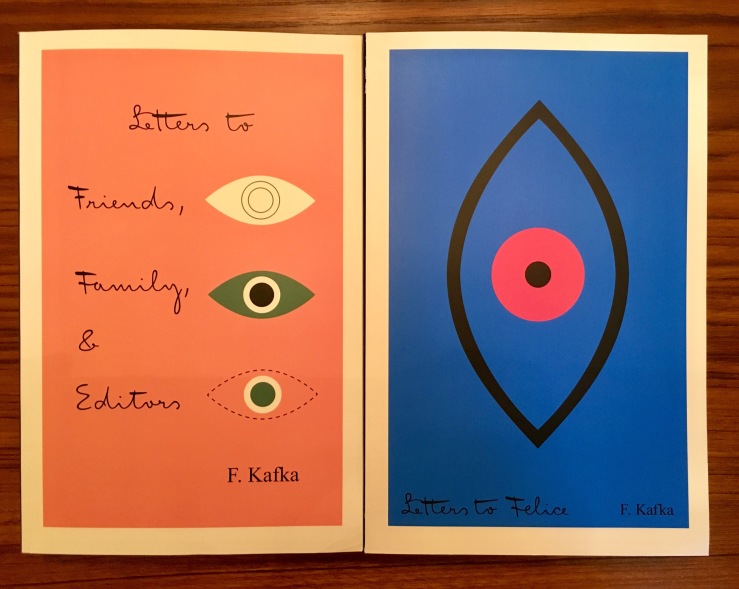
Two lovely Kafkas (Books acquired, 11.29.2016)

img_4365

Two volumes of Franz Kafka’s letters are forthcoming next month from Schocken: Letters to Friends, Family, and Editors; and Letters to Felice.

Both covers are designed by Peter Mendelsund (as are all those lovely Schocken Kafka editions).

Schocken’s blurb for Friends, Family and Editors:

Collected after his death by his friend and literary executor Max Brod, here are more than two decades’ worth of Franz Kafka’s letters to the men and women with whom he maintained his closest personal relationships, from his years as a student in Prague in the early 1900s to his final months in the sanatorium near Vienna where he died in 1924.

Sometimes surprisingly humorous, sometimes wrenchingly sad, they include charming notes to school friends; fascinating accounts to Brod about his work in its various stages of publication; correspondence with his publisher, Kurt Wolff, about manuscripts in progress, suggested book titles, type design, and late royalty statements; revealing exchanges with other young writers of the day, including Martin Buber and Felix Weltsch, on life, literature, and girls; and heartbreaking reports to his parents, sisters, and friends on the declining state of his health in the last months of his life.

And Felice:

Franz Kafka met Felice Bauer in August 1912, at the home of his friend Max Brod. Energetic, down-to-earth, and life-affirming, the twenty-five-year-old secretary was everything Kafka was not, and he was instantly smitten. Because he was living in Prague and she in Berlin, his courtship was largely an epistolary one—passionate, self-deprecating, and anxious letters sent almost daily, sometimes even two or three times a day. But soon after their engagement was announced in 1914, Kafka began to worry that marriage would interfere with his writing and his need for solitude.

The more than five hundred letters Kafka wrote to Felice—through their breakup, a second engagement in 1917, and their final parting in the fall of that year, when Kafka began to feel the effects of the tuberculosis that would eventually claim his life—reveal the full measure of his inner turmoil as he tried, in vain, to balance his desire for human connection with what he felt were the solitary demands of his craft.

Untitled (Death Mask) — Arnulf Rainer

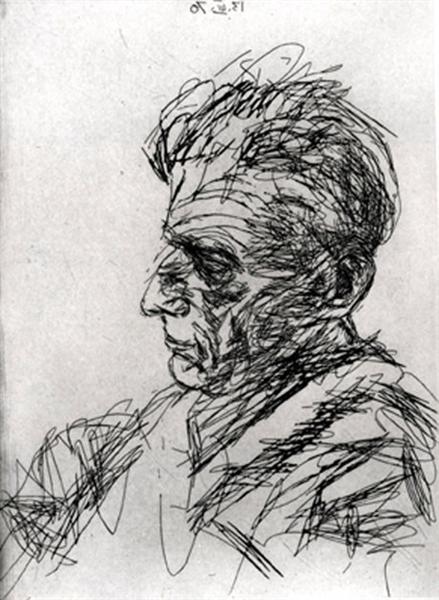
Samuel Beckett in Profile — Avigdor Arikha

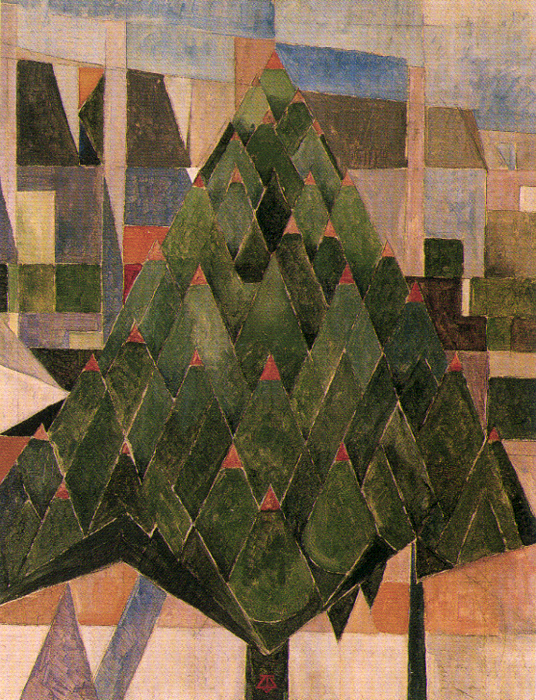
Tree — Theo van Doesburg

Diane de Houdon — Erwin Blumenfeld