
Tag: Art
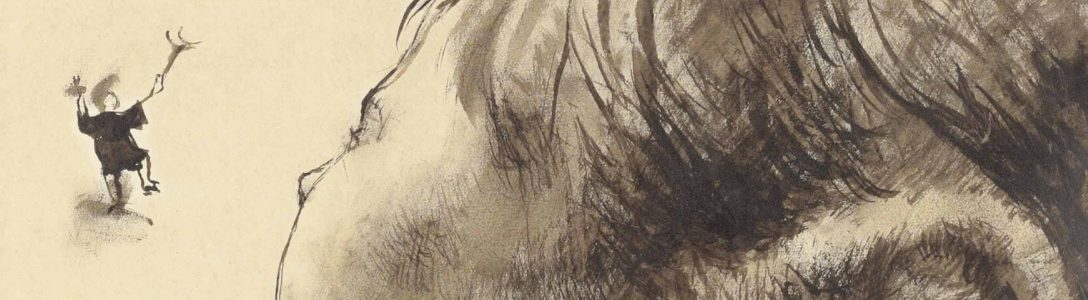
Totoro — Geof Darrow

W.G. Sebald’s Former Students Share His Writing Advice
In the fall of 2001—only a few months before his too-early death—W.G. Sebald taught a fiction workshop at the University of East Anglia. Two of the students from the workshop, David Lambert and Robert McGill have revisited their notes from that workshop and have compiled Sebald’s writing advice into a fascinating document, posted at Richard Skinner’s blog.
My favorite section:
On Reading and Intertextuality
- Read books that have nothing to do with literature.
- Get off the main thoroughfares; you’ll see nothing there. For example, Kant’s Critique is a yawn but his incidental writings are fascinating.
- There has to be a libidinous delight in finding things and stuffing them in your pockets.
- You must get the servants to work for you. You mustn’t do all the work yourself. That is, you should ask other people for information, and steal ruthlessly from what they provide.
- None of the things you make up will be as hair-raising as the things people tell you.
- I can only encourage you to steal as much as you can. No one will ever notice. You should keep a notebook of tidbits, but don’t write down the attributions, and then after a couple of years you can come back to the notebook and treat the stuff as your own without guilt.
- Don’t be afraid to bring in strange, eloquent quotations and graft them into your story. It enriches the prose. Quotations are like yeast or some ingredient one adds.
- Look in older encyclopaedias. They have a different eye. They attempt to be complete and structured but in fact are completely random collected things that are supposed to represent our world.
- It’s very good that you write through another text, a foil, so that you write out of it and make your work a palimpsest. You don’t have to declare it or tell where it’s from.
- A tight structural form opens possibilities. Take a pattern, an established model or sub-genre, and write to it. In writing, limitation gives freedom.
- If you look carefully you can find problems in all writers. And that should give you great hope. And the better you get at identifying these problems, the better you will be at avoiding them.
(Via Conversational Reading; via Richard Skinner’s blog)
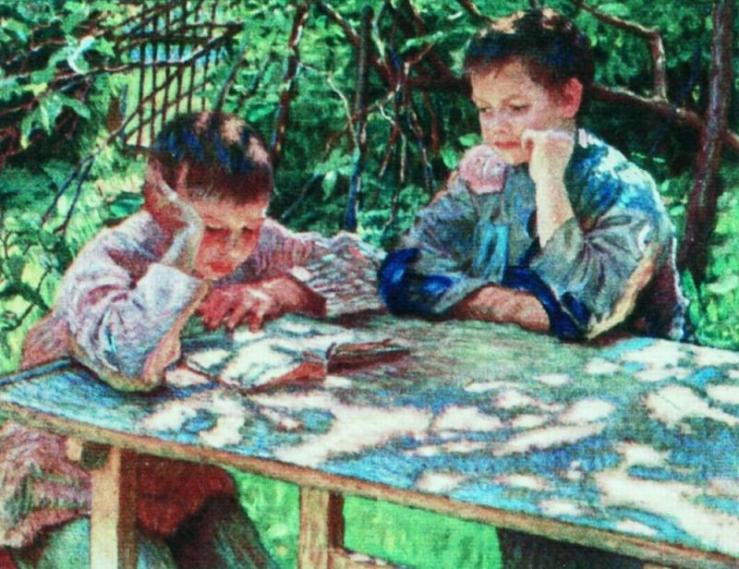
Connoisseurs of Books — Nikolay Bogdanov-Belsky
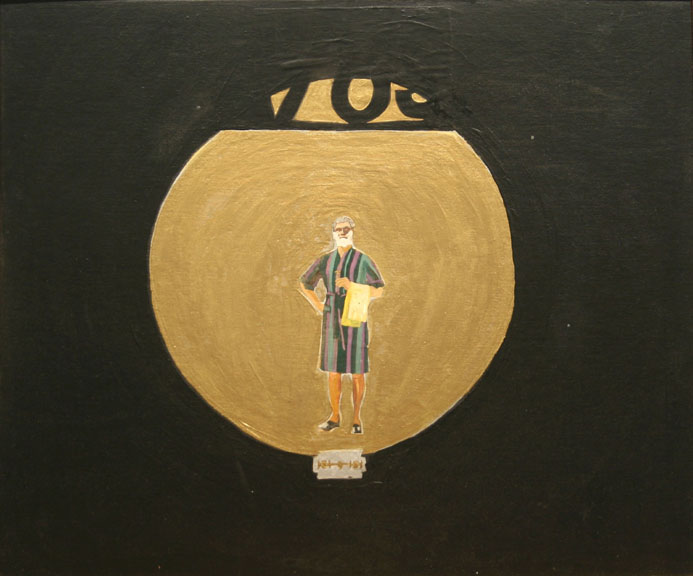
God Shaves — Rosalyn Drexler
Wonder Woman — Gilberto Hernandez

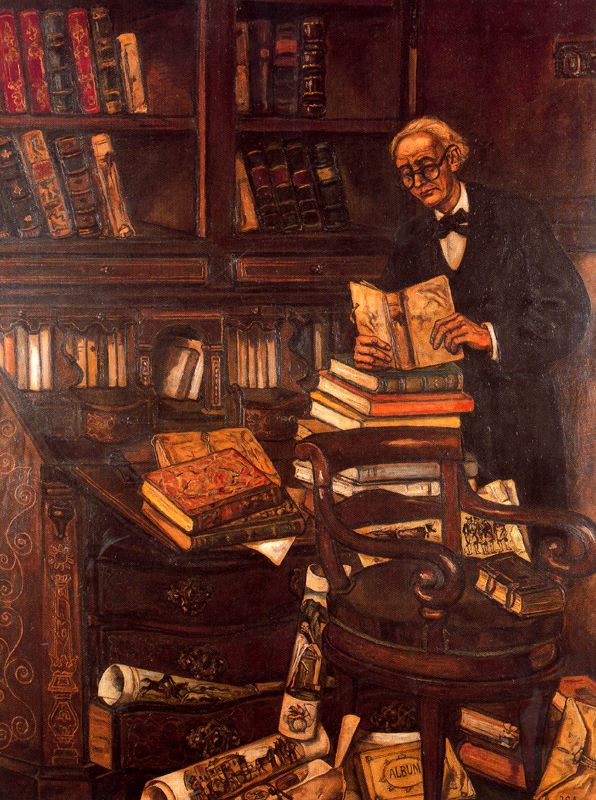
The Bibliophile — Jose Gutierrez Solana
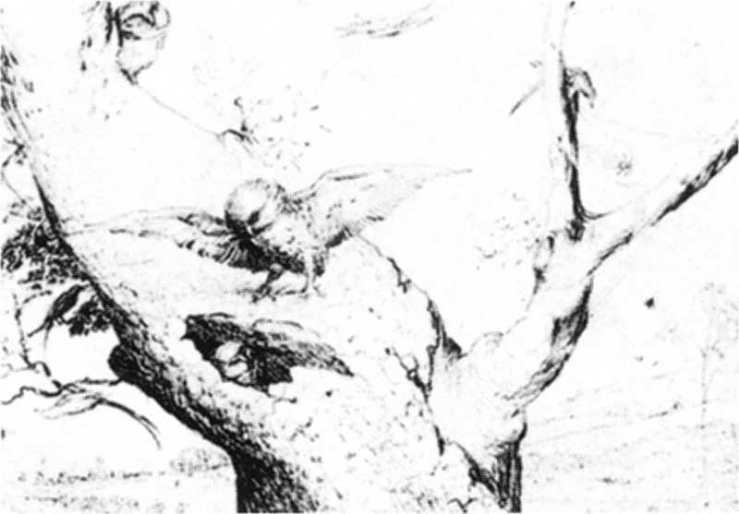
Nest of Owls — Hieronymus Bosch
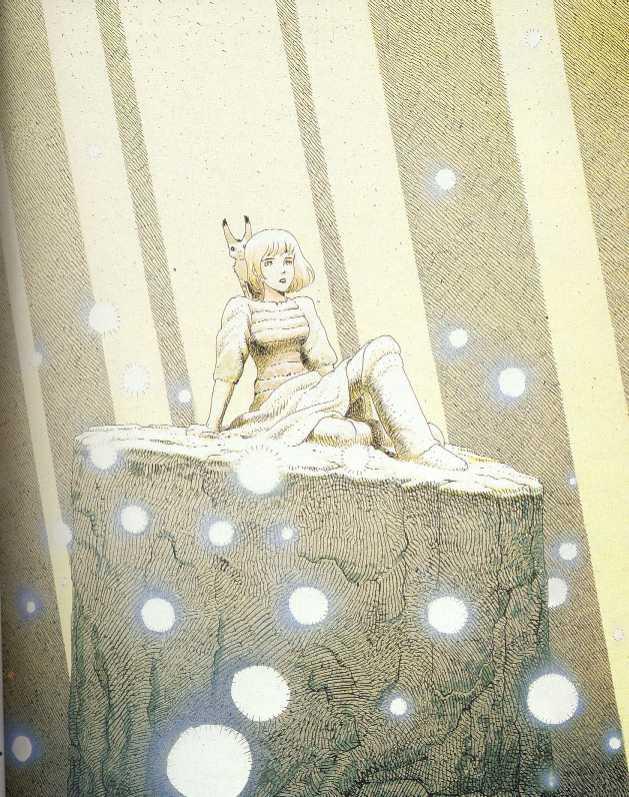
Nausicaä of the Valley of the Wind — Moebius
Hemingway and His Infernal Sleeping Bag — Eddie Campbell

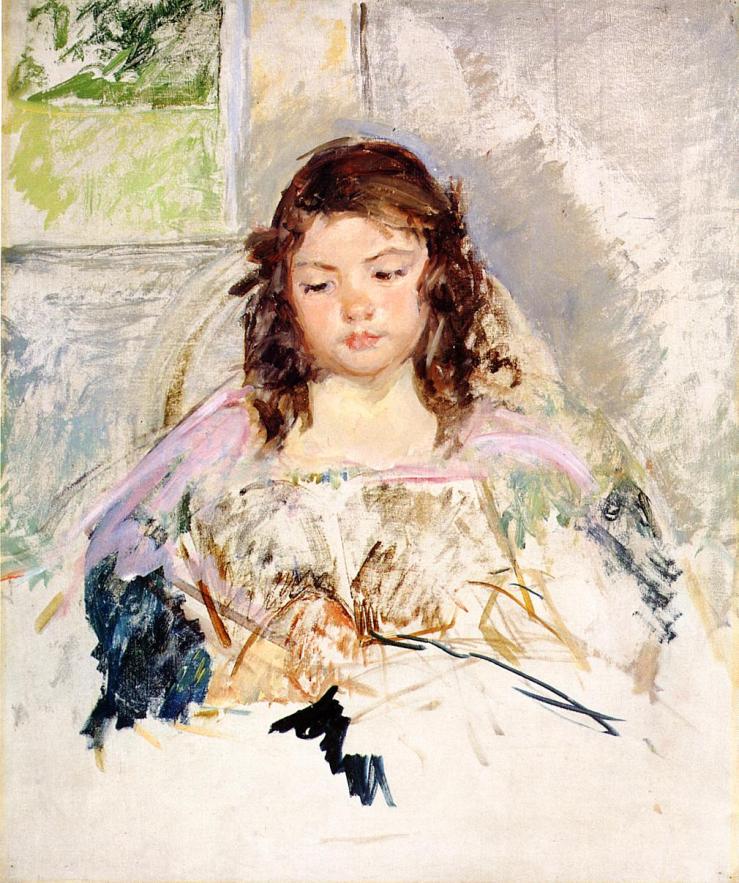
Girl in Pink — Mary Cassatt
 M
M
Margaret Atwood on Hiding Exposition from the Reader
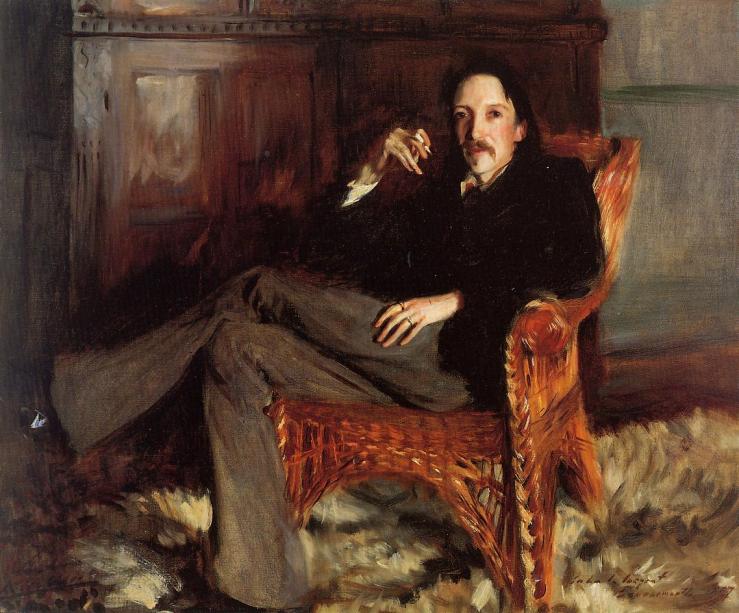
Robert Louis Stevenson — John Singer Sargent
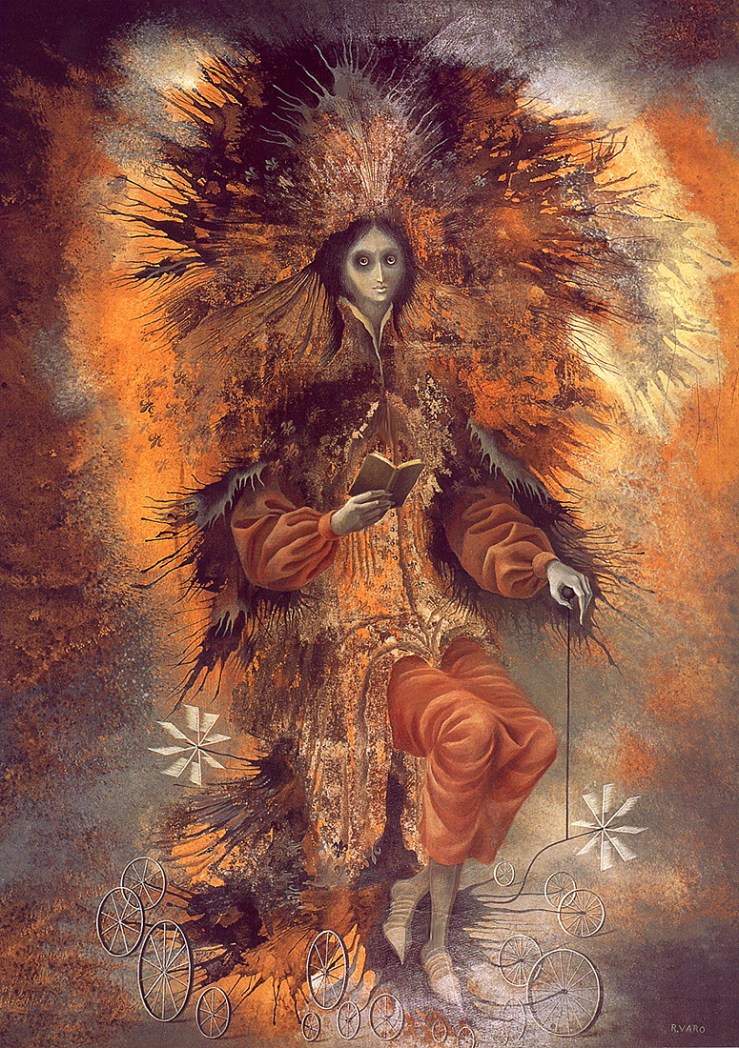
Character — Remedios Varo
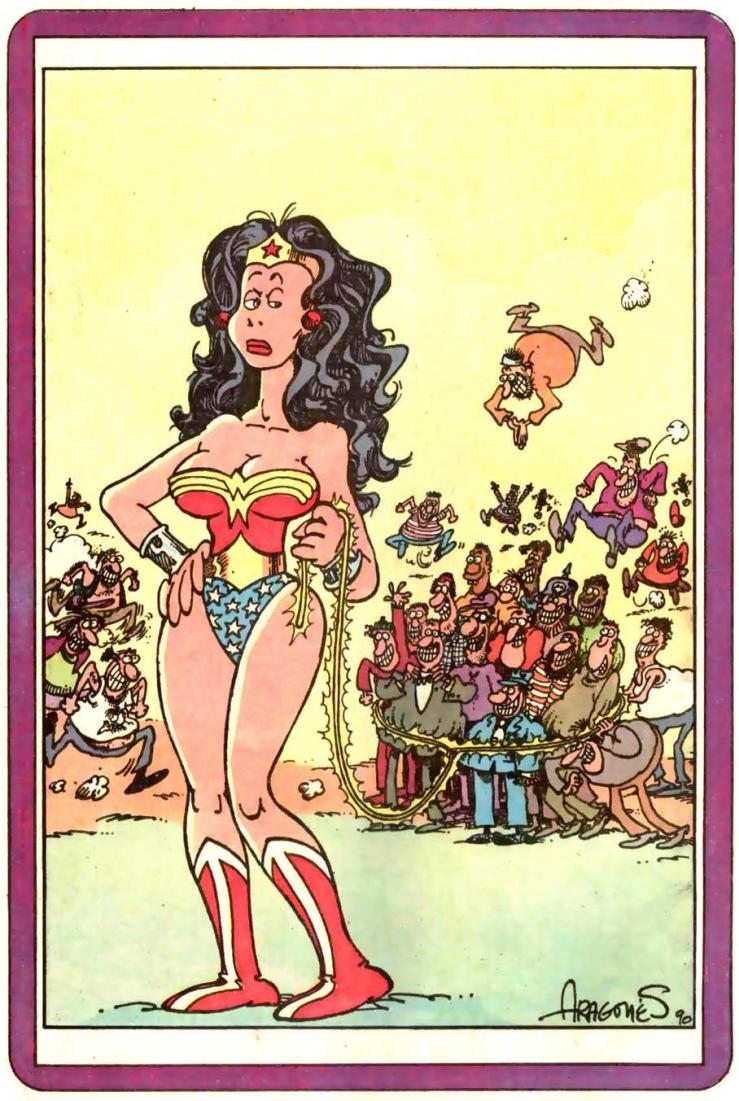
Wonder Woman — Sergio Aragones
Smiling Girl, a Courtesan, Holding an Obscene Image — Gerard van Honthorst

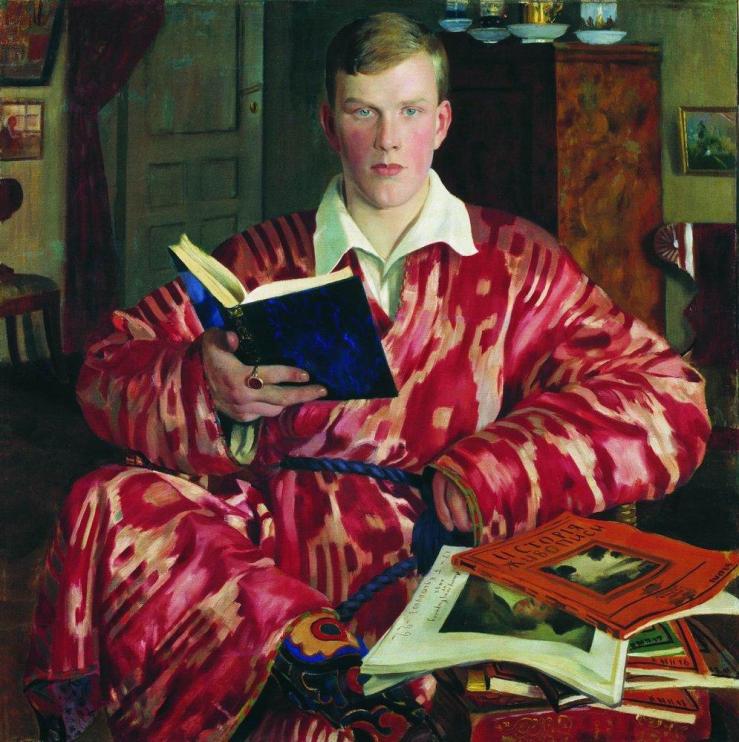
Portrait of K.B. Kustodiev — Boris Kustodiev
 Biblioklept