
So this weekend I started auditing William Gass’s novel The Tunnel on mp3, read by the author: Sonorous, strange, ugly, beautiful, poetic, abyssal, phallic, anal, fragmented, rich. Here he is in 2007 reading from the beast of a book at The Village Voice Bookshop in Paris (RIP). More on The Tunnel.
Tag: Books
The Open Book — Juan Gris

“What’s Outside the Window?” (Roberto Bolaño’s The Savage Detectives Revisited)

Biblioklept has already published two reviews of Roberto Bolaño’s big novel The Savage Detectives.
In the first review, from 2008, I suggested that the book was technically impressive but ultimately “unmoving.” In the second review, from 2010, Dave Cianci argued that my first review “was unfair and premature.”
I tend to agree with Cianci’s criticism of my early review, although in my defense I struggled with a first reading of The Savage Detectives because I was ignorant of the history of Latin America, Central America, and Mexico, a history that provides much of the context for the Bolañoverse. I was like the auditor in The Savage Detectives who listened as Ulises Lima
reeled off a story that I had trouble following, a story of lost poets and lost magazines and works no one had ever heard of, in the middle of a landscape that might have been California or Arizona or some Mexican region bordering those states, a real or imaginary place, bleached by the sun and lost in the past, forgotten, or at least no longer of the slightest importance here . . . A story from the edge of civilization . . .
The citation above more or less pins down some of the problems first time readers to Bolaño might have with The Savage Detectives. More so than the rest of his oeuvre, Detectives dwells on “lost poets and magazines and works no one had ever heard of.” These poets and writers are mixed in with famous poets (like Octavio Paz, who appears as a character in one segment), and parsing the various characters’ attitudes toward these writers can be a perplexing challenge, and at times a turn off.
And it’s not just the names of poets and writers that can addle a reader: Many of Bolaño’s narrators share an obsessive compulsion to name every avenue, street, or alley they walk on or past, details that become frankly boring over an extended period. It’s a novel of names and places: canonizing, map-making.
Why the map-making? Because this is a book about being lost. Its first section is titled “Mexicans Lost in Mexico.” Notice how many times the word “lost” crops up in the citation above. Indeed, The Savage Detectives is not only about what it means to be lost, but also about what it means to lose—one’s friends, one’s group, one’s country, one’s mind. It’s a book about exiles.
Maybe, dear reader, you’re looking for a bit of plot summary, a morsel at least—that is, maybe you haven’t read The Savage Detectives and you want to know if you should or shouldn’t. I suggest reading Cianci’s review in that case. In any case, I don’t suggest starting Bolaño with The Savage Detectives (although I’m sure plenty of folks might disagree with me here). A better starting place might be the short story collection Last Evenings on Earth. Or really just jump into the beast at the abyssal heart of the Bolañoverse, 2666.
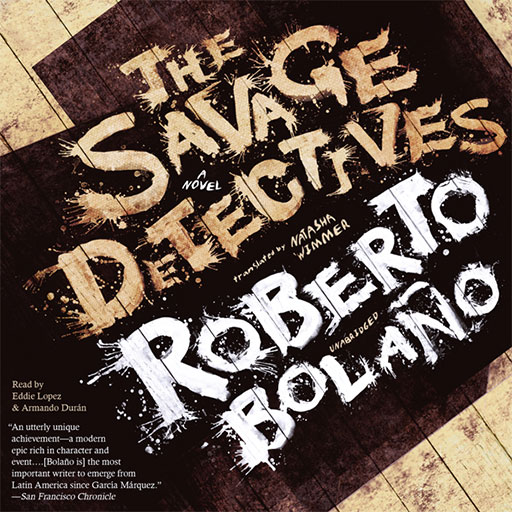
I reread 2666 this summer and immediately knew I had to reread The Savage Detectives, knew I had to parse some of what I missed in my first “unfair and premature” reading. I ended up checking out Blackstone Audio’s recording of the book, featuring the voice talents of Eddie Lopez and Armando Duran.
The audio production is excellent: Lopez, surely a very young man, reads the narratives of Juan García Madero that bookend the central section, “The Savage Detectives,” which is read with a startling depth of range by Duran. Lopez’s García Madero comes across as the naïve pretender to cynicism, the would-be artist faking a life of romance. In Duran’s handling, the myriad characters in the middle of the novel come to life with humor and pathos. He animates the characters, showcasing the irony and pain and sadness and small moments of lunatic joy that erupt in the book. The Savage Detectives makes for a surprisingly excellent audiobook. (Quick note anticipating a query those familiar with the novel may have: The cryptic pictograms that show up late in the novel are included in the audiobook; they displayed on my iPod in tandem with their sections, and I imagine they would pop up on any player with a screen).
I enjoyed The Savage Detectives much, much more this second time. I still found parts of it boring (perhaps purposefully boring, but boring nonetheless), and the episodes I enjoyed most on the first reading (the duel, the cavern, the Liberian segment, the Israeli prison, the campers in Spain) were the ones I enjoyed the most on the second round. Better equipped for this reading, I appreciated the riches of Detectives, the way its fragments, intertextual, metatextual, reach out through the Bolañoverse to couple with other fragments, other texts.
My metaphors above are all wrong—the texts don’t reach or couple—the reader does this work, this reaching, this coupling, this detecting.
In my first reading, not up to playing detective, I surely blew through this passage near the end of the novel, a passage that ripples with strange significance for anyone puzzling over 2666:
And Cesárea said something about days to come, although the teacher imagined that if Cesárea had spent time on that senseless plan it was simply because she lived such a lonely life. But Cesárea spoke of times to come and the teacher, to change the subject, asked her what times she meant and when they would be. And Cesárea named a date, sometime around the year 2600. Two thousand six hundred and something. And then, when the teacher couldn’t help but laugh at such a random date, a smothered little laugh that could scarcely be heard, Cesárea laughed again, although this time the thunder of her laughter remained within the confines of her own room.
Here we have lost poet Cesárea Tinajero, object of the savage detectives’ quest, holed up in her room in Santa Teresa, the central setting for the murders of 2666, a map of a factory (a maquiladora, like the ones the murdered women work at in 2666?) pinned to her wall; here we have Cesárea Tinajero, who keeps “a switchblade with a horn handle and the word Caborca engraved on the blade” by her side, believing she is “under threat of death.” Cesárea Tinajero is prophet to the horrors at the core of 2666.
2666’s Benno von Archimboldi twins Cesárea Tinajero. Just as a quartet of savage detectives search for Tinajero, so to a quartet of literary critics seek out the lost Prussian writer. (Archimboldi even shows up a few times in The Savage Detectives, albeit under the pseudopseudonym “J.M.G. Arcimboldi,” identified as a “Frenchman,” the author of The Endless Rose, his second novel in 2666). Cesárea Tinajero is also repeated in 2666’s Florita Almada, a psychic medium who not only testifies to, but also tries to stop, the unrelenting violence in Santa Teresa.
I suppose I could keep teasing out these intertextual meetings. I could point out that Detectives character Joaquín Font winds up in an insane asylum babbling about fate (fate and insanity being two major themes of 2666). I could point out that Auxilio Lacouture, narrator of Bolaño’s novella Amulet, gets to tell her story in miniature in Detectives. I could point out that the central figures (“central” is not the right word of course) of Detectives, Arturo Belano and Ulises Lima are everywhere in the Bolañoverse—even unnamed, it is clear that one of the duo fathers the bastard Lalo Cura, one of the good detectives of 2666. But what would be my point in elaborating detail after detail here? Or, and perhaps this is the real question I mean to ask here—is a full reading of The Savage Detectives ultimately dependent on intertextual relationships with other Bolaño books?
Maybe a better way to finish here is to hash out the last few pages of the novel, which find our narrator García Madero driving around Sonora with Lupe, on the run from the law (maybe). The last few entries of the book—in diary form—are simply a list of place names, obscure places in the Sonora desert the pair presumably drive to. García Madero takes up the mantle of exile and reads Cesárea Tinajero’s notebooks, which perhaps influence him—the last three entries of Detectives feature pictographic riddles that recall Tinajero’s visual poem “Sion.” Here is the final entry, which is also the final page of the book—
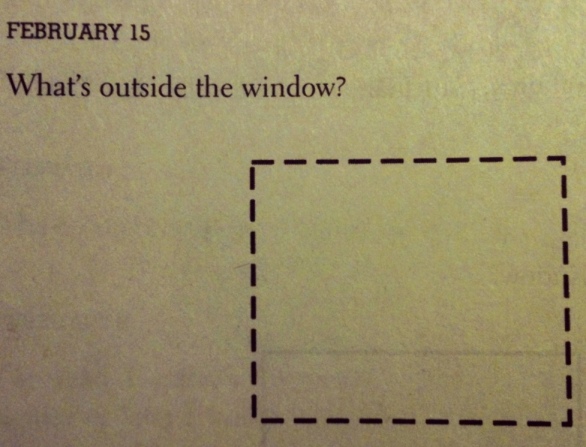
I suppose there are plenty of answers to Bolaño’s final riddle. What’s outside the window? Abyss, void, uncertainty. Aporia. And also: Possiblity, openness, freedom. Certainty. And also: The perforated suggestions of a shape, lines to guide our scissors, form. And also: It’s to be taken literally, a literal dare to the reader to get up, to look out, to see. I could probably keep going.
If we know Bolaño’s detective games, we know that the mysteries are really labyrinths, mazes where we might get trapped and go insane. (The Savage Detectives is in large part a novel that outlines the risks—mental, physical, emotional—of literature). How do I read the gaps in the visual riddle? The gesture is visual ambiguity, paradox. The dashes open to void and close to make form; they define yet are indefinite; the window is there and is not there. So what we’re left with is a way of seeing, or at least an invitation to a way of seeing, which is to say a way of reading. So, if you like—and I like—what’s outside the window is the rest of the Bolañoverse—or at least an offer to play detective.
The Book — Juan Gris

Nude with Book — Zinaida Serebriakova

Vanishing Is the Last Art (Book Acquired, Some Time in the Past Two Weeks)
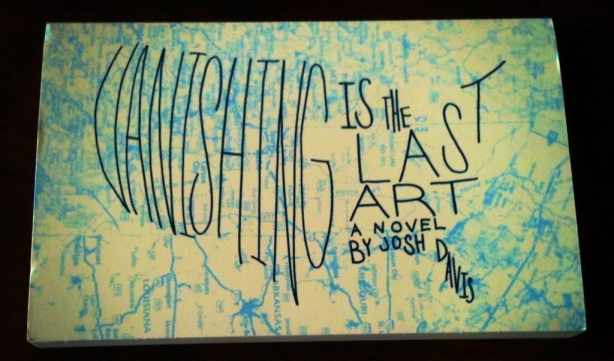
Josh Davis’s novel Vanishing Is the Last Art. Blurb:
Charlie Fell sells baseball cards with seemingly hallucinogenic properties out of his bedroom, takes road trips to places he loves (New York City) and loathes (Southern California), and trips over a series of romantic entanglements. When the young writer releases his first novel, his life begins to unravel as the fallout from his published inner-monologues drive him back inside his already frail mind
D’Angelo Barksdale Breaks Down The Great Gatsby (The Wire)
Faulkner House/Crescent City Books (Books Acquired Some Time Last Week)
Had a wonderful if sweaty trip to New Orleans last week.
Great food, great music, and great bookstores.
First up, Faulkner House:
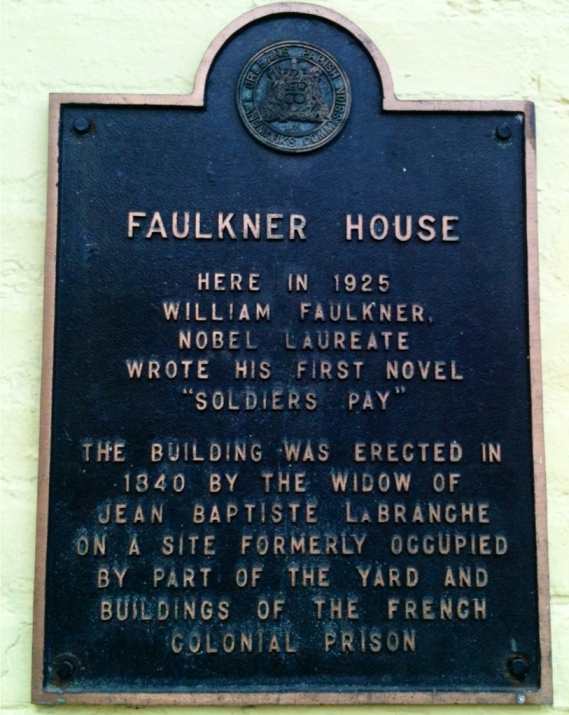
Faulkner House is a tiny little shop just off Jackson Square. Its two rooms (really, a main room and a hallway) are lined from bottom to top with literature, poetry, and philosophy. I can’t overstate the excellence of the collection in here—all kinds of rare and beautiful tomes, signed stuff, local and localish stuff, etc (local gal Anne Rice was the closest thing I saw to genre fiction). It’s great to walk into a bookshop and see a near-complete collection of new NYRB volumes stacked prominently upfront along with new novels by Richard Ford and Teju Cole.
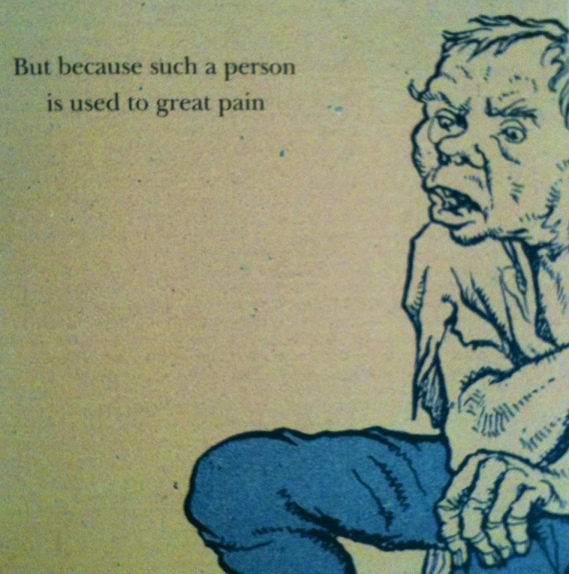
I picked up this handsome illustrated edition of Thomas Bernhard’s Victor Halfwit, the handsomeness and bigness and luxuriousness of which simply doesn’t come across in this lousy iPhone pic:
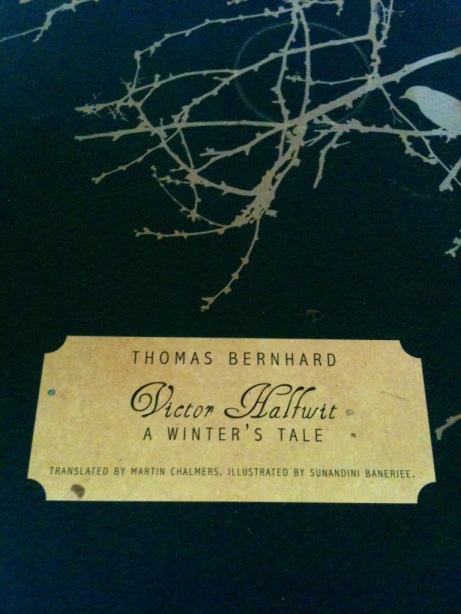
Random framed shot:
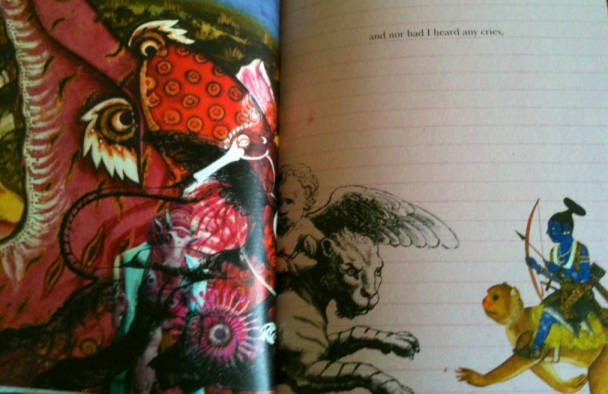
And a random two-page shot with glare:
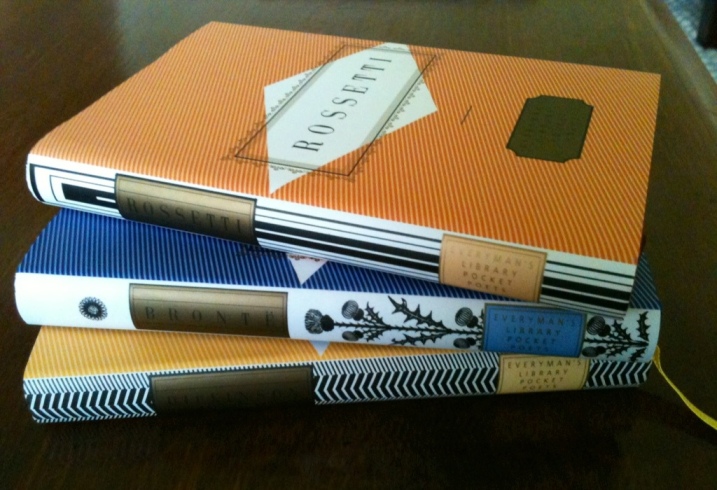
My wife picked out three lovely editions from Everyman’s Library Pocket series, poems from Christina Rosetti, Emily Dickinson, and Emily Brontë:
The owner and the manager were very kind, knowledgeable, and tolerant of my questions about what kind of stock they moved (biggest seller, unsurprisingly, is Soldier’s Pay).
Info for Faulkner House, via bookmark (the manager put one in each book I bought):
A few days later after a three-Bloody-Mary-breakfast I stumbled into Crescent City Books:
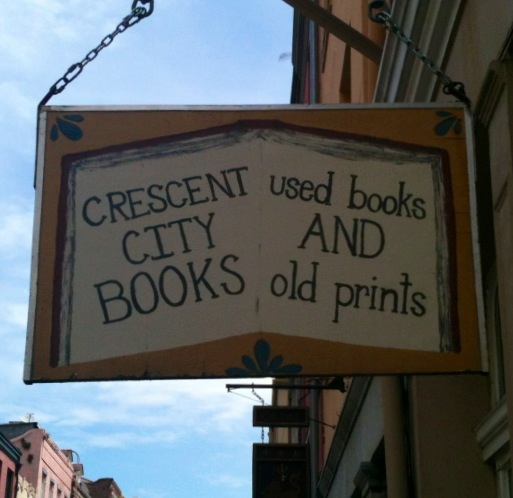
This is a great shop that, like Faulkner House, doesn’t waste precious shelf space on glitter vampires or self-help books or novelty cookbooks. Lots of art volumes (many rare and in German, French, Italian, etc.), a large poetry section, philosophy, history, etc. Lots of great old prints too. And an old cat, who was basically boss of the place.
They also carry physical copies of Rain Taxi, which I haven’t seen in years.
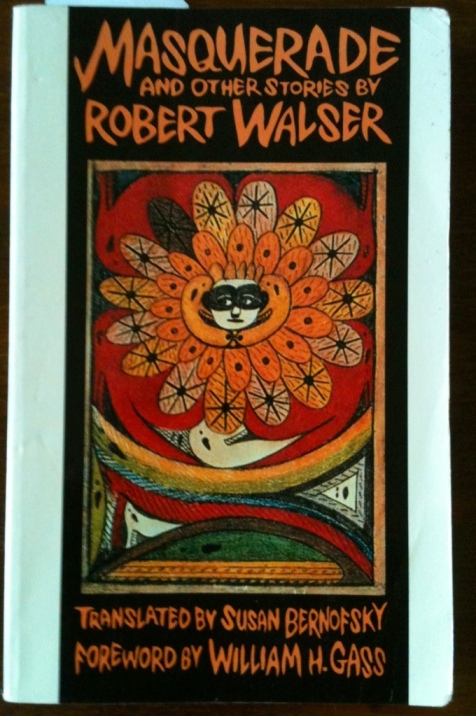
I picked up Masquerade and Other Stories after a Biblioklept commenter recommended Walser (by way of Kafka). I read about half of this over the next few days (full review to come):
Books Acquired a Few Weeks Ago, Or, Here’s What’s New from Picador This Month
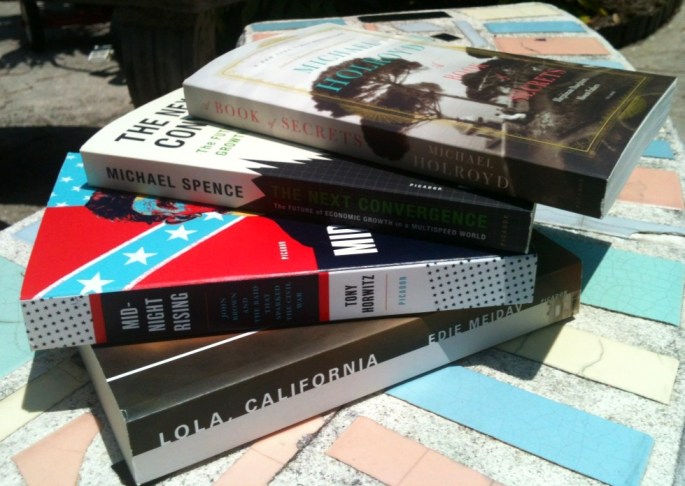
Short stack of fat books from Picador this month.
Some highlights:
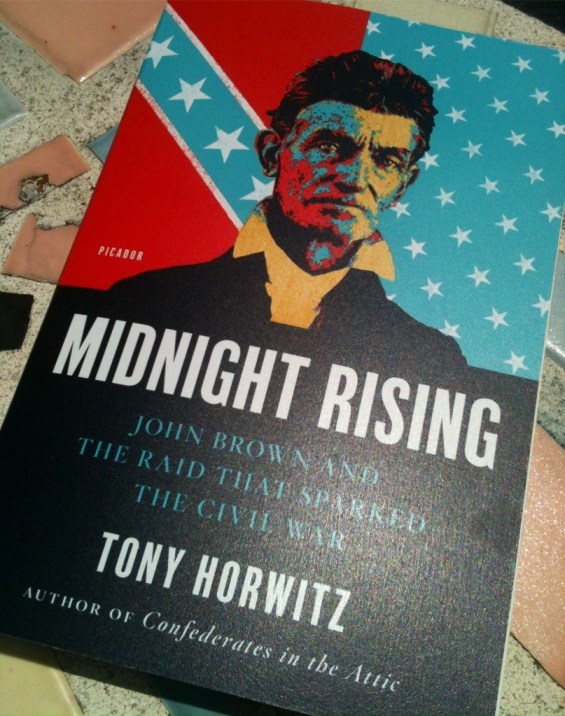
Tony Horwitz’s Midnight Rising piqued my interest last year when it came out in hardback. I am a buff of the American history. From Kevin Boyle’s review in the NYT last year:
. . . Horwitz has given us a hard-driving narrative of one of America’s most troubling historical figures: the fearsome John Brown, whose blood-soaked raid on the federal armory at Harpers Ferry, Va., in October 1859 — a “misguided, wild and apparently insane” act, in the abolitionist William Lloyd Garrison’s words — helped to push the nation into the most devastating war it would ever endure.
In Horwitz’s telling, Brown was set on the road to Harpers Ferry from birth. His parents were fervent Calvinists who raised their children to see life as a constant struggle against sin. Much of the battle was personal: Brown’s earliest memory, from age 5, was of being whipped by his mother for having stolen a handful of brass pins. But it was political as well. The Browns believed that the devout had to bear witness against the sins of the nation. And there was no greater sin, they said, than the institution of slavery. So Brown’s father turned the family home in northeast Ohio into a stop on the Underground Railroad. And he turned his son into an ardent abolitionist.
Horwitz moves nimbly through Brown’s deepening involvement in the movement in the 1830s and ’40s, setting his devotion alongside the growing national conflict over slavery’s place in a country ostensibly dedicated to equality. Abolitionism was then dominated by pacifists like Garrison, who insisted that the evil could be destroyed by moral suasion. Brown didn’t agree. In 1837 he gathered together his wife and three teenage boys — the eldest of 20 children he would father — and asked who among them “were willing to make common cause with him in doing all in our power to ‘break the jaws of the wicked and pluck the spoil out of his teeth.’ ”
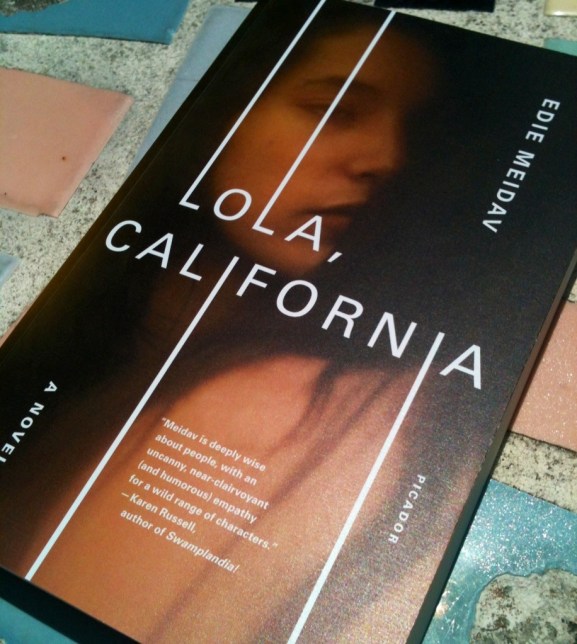
Edie Meidav named her third novel Lola, California, which I think is a pretty great name for a novel. Ellen Wernecke reviewed it in hardback for The AV Club last year and gave it an “A” (NB: I almost always disagree with AV Club’s reviews and I think grading books is a ridiculous gesture. Still):
A decades-old murder in New Age-inflected Berkeley forces a reunion between two high-school best friends in Edie Meidav’s textured, disquieting third novel. Lola, California plumbs the rise and fall of a friendship, finding its terrifying resonance for the adults it produced. Former Berkeley professor and ’70s guru Vic Mahler sits in a California prison with brain cancer, an unwitting cause célèbre for opponents of the tough new death penalty under which he is sentenced to die. Even though he won’t see her, a lawyer named Rose, who practically grew up in Vic’s house, believes she can secure him a stay so he can die in peace. After they met at 14, Rose and Vic’s daughter Lana were so inseparable, they called each other by the same name, Lola, sharing clothes and secret dances; even when sneaking out on Lana’s parents or Rose’s foster mother, they always went home together. After Vic’s arrest, Lana walked out of her best friend’s life, moving to L.A. and changing her name. The former best friends reencounter each other at a hot spring where Lana has moved with her new boyfriend, who hopes to follow in Vic’s footsteps.
The Bookworm — Carl Spitzweg

Reading a Book — Nikolay Bogdanov-Belsky

Book Shelves #32, 8.05.2012

Book shelves series #31, thirty-first Sunday of 2012
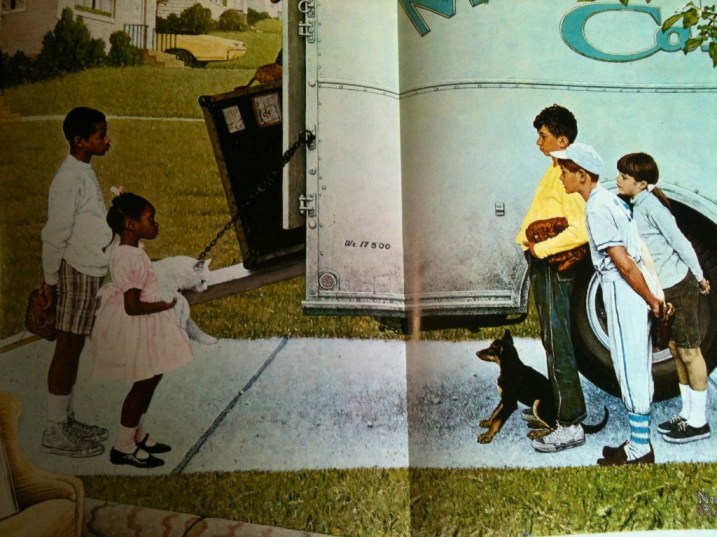
I had forgotten about this Norman Rockwell book, which I promptly took out and put on the coffee table:

It’s funny to think how corny I used to think the guy was . . .
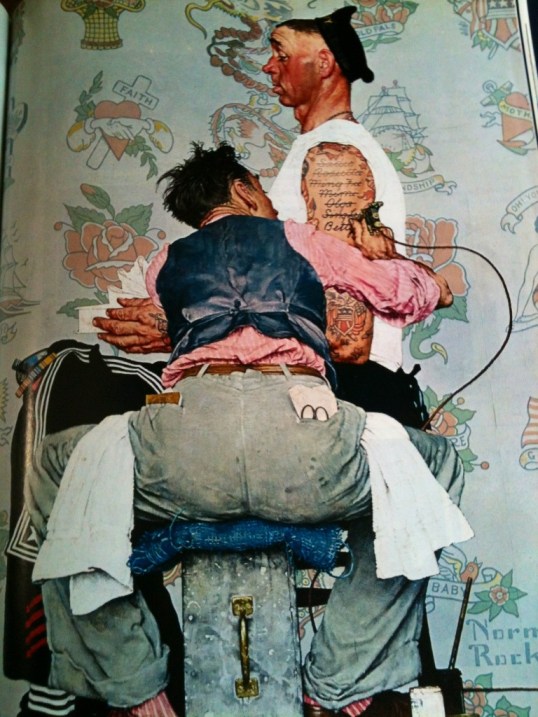
. . . which I guess he is, corny, I mean, but he’s also a master painter, with cartoonish sensibility.
And if at times he’s goofy, well, he also exhibited a social conscience in his art that was, well, human-centered.
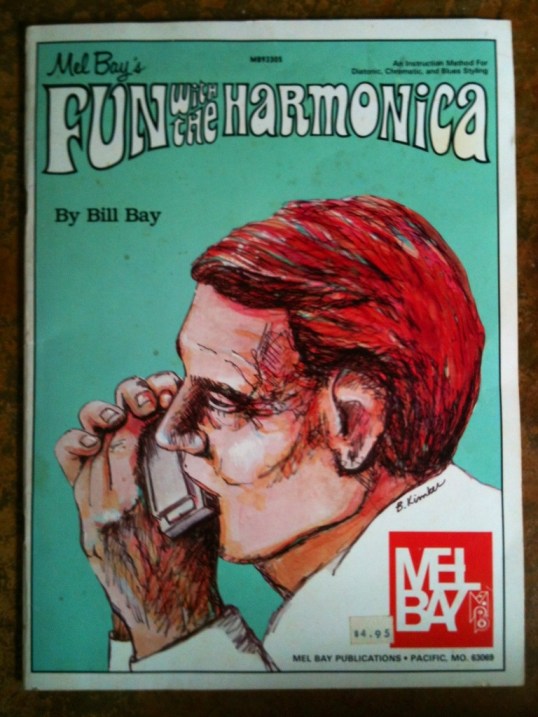
A harmonica book:
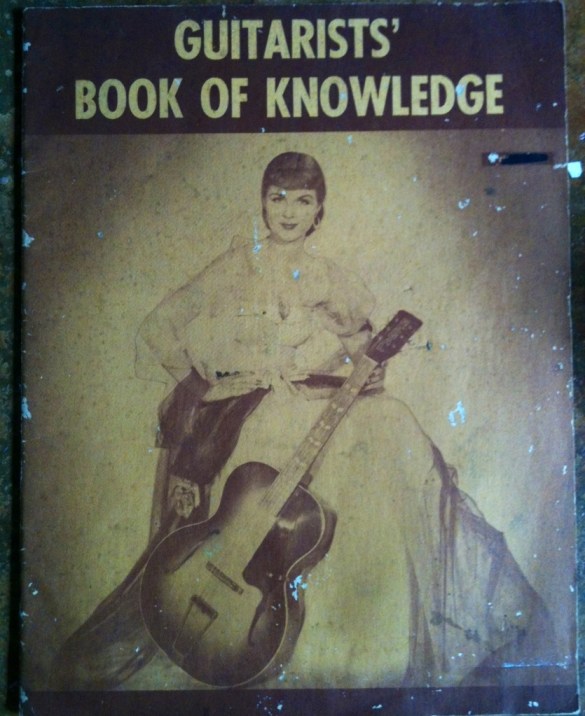
And a guitar book:
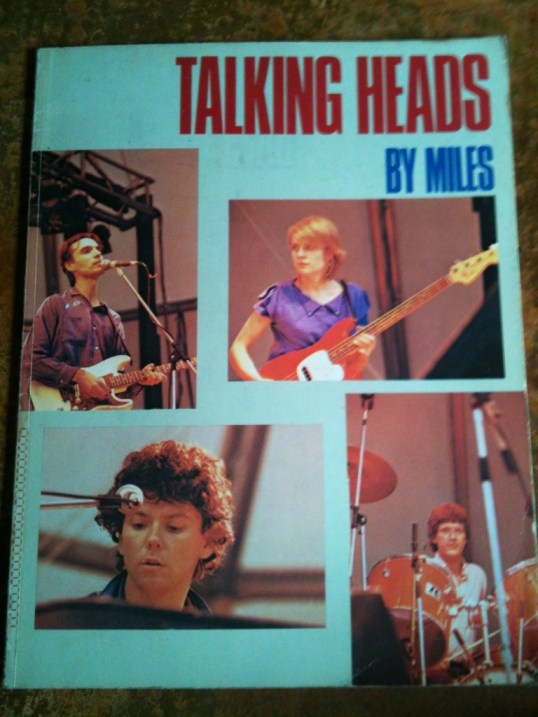
Talking Heads are my favorite band. An old girlfriend found this tabloidy book at a thriftstore and gave it to me for my birthday. This was like 16 years ago. I’d forgotten where the book was:
There’s a few copies of Far Side stuff on this shelf:

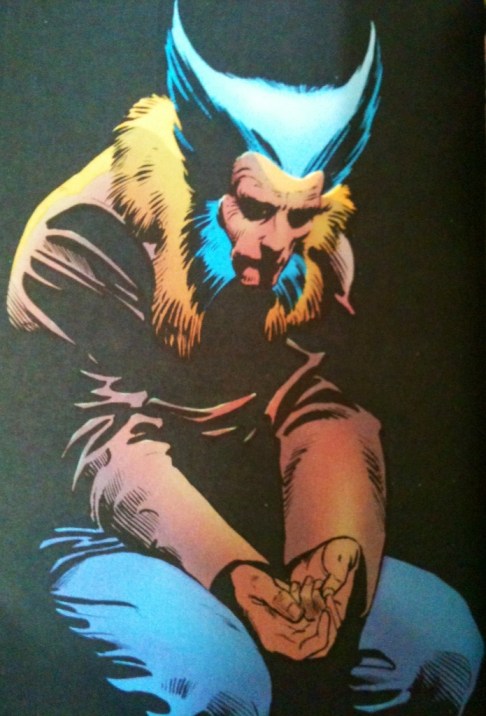
And Frank Miller’s Wolverine graphic novel, which was my favorite thing in the world when I was 11.
Sad Wolverine:
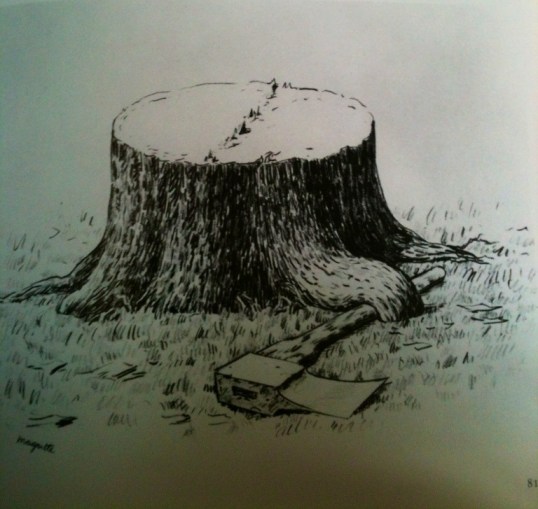
One of at least three Magritte books in the house is on this shelf. A drawing from said volume:
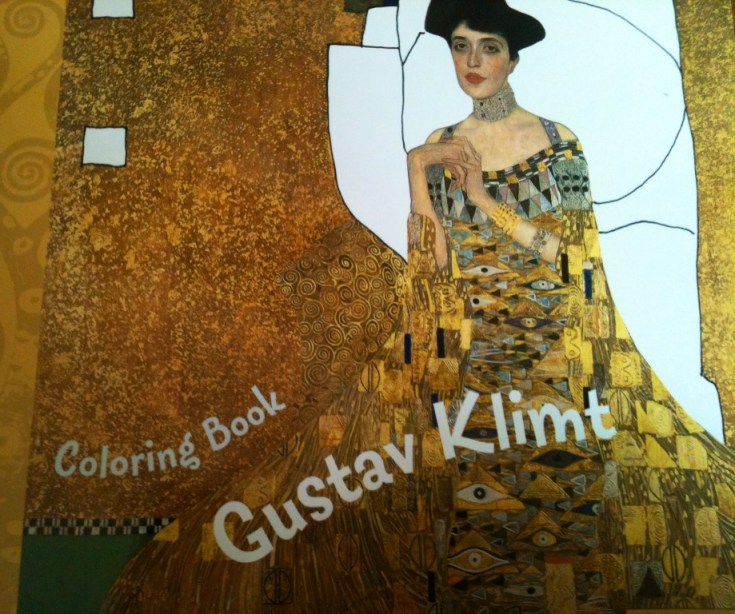
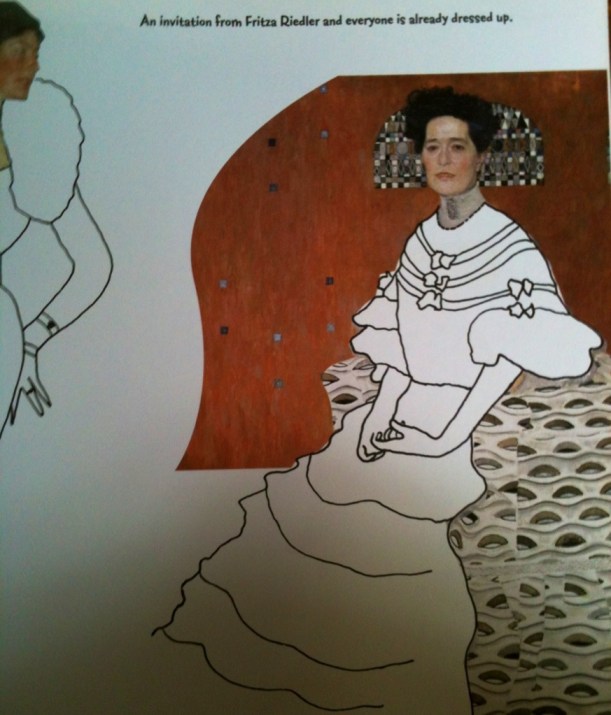
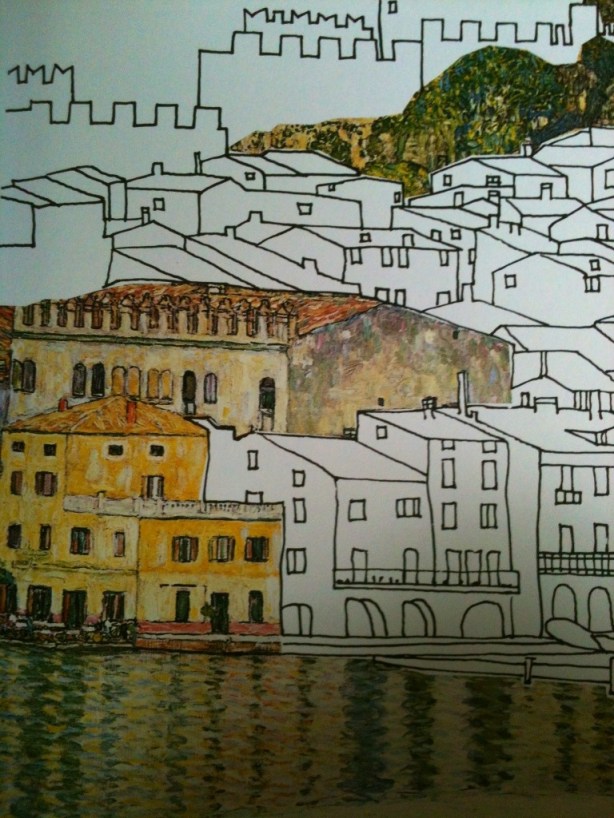
A Gustav Klimt coloring book:
“Brief Interview #30” — David Foster Wallace
B.I. #30 03-97 DRURY UT
‘I have to admit it was a big reason for marrying her, thinking I wasn’t likely going to do better than this because of the way she had a good body even after she’d had a kid. Trim and good and good legs—she’d had a kid but wasn’t all blown out and veiny and sagged. It probably sounds shallow, but it’s the truth. I’d always had this major dread of marrying some good-looking woman and then we have a kid and it blows her body out but I still have to have sex with her because this is who I’ve signed on to have sex with the whole rest of my life. This probably sounds awful, but in her case it was like she was pre-tested—the kid didn’t blow her body out, so I knew she’d be a good bet to sign on and have kids with and still try to have sex. Does that sound shallow? Tell me what you think. Or does the real truth about this kind of thing always sound shallow, you know, everybody’s real reasons? What do you think? How does it sound?’
“Brief Interview #30” by David Foster Wallace. From Brief Interviews with Hideous Men.
The Book Lover — Frantisek Kupka

Chardenal Dictionary — Max Weber

The Egyptian Book — Lucian Freud

List with No Name #1
- Bleak House
- A Frolic of His Own
- Babbitt
- Fathers and Sons
- The Magic Mountain
- Middlemarch
- Moll Flanders
- The Tin Drum
- Life and Fate
- R.U.R.
- The Dwarf
- Zeno’s Conscience
 Biblioklept